Home Blog Page 15

What is Gender Dysphoria? Symptoms, Causes, and Treatment

0

Gender dysphoria is the discomfort that can arise in people whose gender identity change from the sex assigned at birth or physical characteristics associated with sex.

Transgender and gender-diverse people may experience gender dysphoria at some point. However, some transgender and gender-diverse people are comfortable with their bodies, with or without medical intervention.

A diagnosis of gender dysphoria is involved in the Investigative and Statistical Manual of Mental Disorders (DSM-5), a guide issued by the American Psychiatric Team. The diagnosis was formed to help people with gender dysphoria obtain needed medical care and effective treatment. The term focuses on discomfort as a problem rather than an identity.

Symptoms of Gender Dysphoria

Symptoms of Gender Dysphoria

Children and adults can suffer from gender dysphoria. Symptoms vary depending on the person’s age, but most persons want to live in a way that matches their gender character. You may have had these feelings as an adult from a young age.

In Children:

  • He insisted that they were of the opposite sex.
  • They desperately want to be the opposite sex.
  • They want to wear clothing usually worn by another gender and resist wearing dress associated with their biological sex.
  • They prefer to play traditional opposite-sex roles in play or fantasy.
  • They prefer games and activities that are traditionally considered opposite gender.
  • I prefer playing with children of the opposite sex.
  • He has a strong aversion to his genitals.
  • He wants to have the physical characteristics of the opposite sex

In Adults:

  • An intense desire to be the opposite gender (or a different gender than the gender they were assigned at birth)
  • He wants to have the physical and sexual characteristics of the opposite sex
  • They want to get rid of their genitals
  • He wants to be treated like the opposite gender
  • wants to be addressed as the opposite sex (pronouns)
  • Feeling and responding strongly in ways associated with the opposite sex.

The emotional distress of gender dysphoria can affect school, work, social life, religious practice, or other areas of life. People with gender dysphoria can become anxious, depressed, and sometimes suicidal.

Causes of Gender Dysphoria

The correct causes of gender dysphoria are not fully understood, but several factors may play a role. Genetic factors, hormonal stimuli during prenatal growth, and environmental factors may be complex.

For example, prenatal exposure to some chemicals has associated with disruptions in the average growth of prenatal sex determination. Research also indicates a genetic link, as there is a higher co-prevalence among identical twins than among identical twins.

The onset of gender dysphoria is often during early childhood. While the exact mechanisms are unclear, we do know that when babies are born, they are assign a gender based on their anatomy. The sex of a child at birth often determines how they grow and how others interact with them. As they get older, they may feel a mismatch between their gender identity and the gender they are assign. In rare cases, this mismatch can lead to feelings of gender dysphoria.

Treatment For Gender Dysphoria

The main aim of treatment is to help them overcome any distress they may be experiencing. They can select the level of treatment that enables you to feel most relaxed. It may contain helping you transition to the gender of your choice.

Treatment for gender dysphoria is individual and may contain the following:

  • Counseling to help you understand your feelings and provide support and coping skills
  • Couples or family counseling to help reduce conflict, build understanding, and provide a supportive environment
  • Hormone therapy for gender confirmation (formerly known as hormone replacement therapy)
  • Gender confirmation surgery (formerly known as sex reassignment surgery)

Not all transgender persons need all forms of treatment. They may choose one or more of the above treatments.

Before deciding on surgery, you will likely receive gender-affirming hormone therapy and have lived in your chosen gender for at least one year. There are two main types of surgery: one affecting fertility and one that does not affect fertility. Not everyone decides to have surgery or can only choose one class.

Four Options To Be At Your Best Every Festive Season

Traditional jewellery is the go-to option for any festive season. You need to wait for a special time when you can adorn your jewellery. The rustic necklace, or the dramatic bangles and chunky earrings add pizzazz to your look. Festive season calls for a trip down memory lane. This means you not only unbox the jewellery but also the sentiments attached to every piece of jewellery. The glittering touches of royalty make the festival what it is, a night to remember.

The unparalleled charm of warm hearts and bright lights brings friends and family closer no matter the physical distance. Every festival is a time for joy and laughter. That is why we commit ourselves to ensuring each festival is special and memorable for everyone around us. Let us take a look at some festive styles that will make you stand out and make you glow.

  1. Silver – Whether it is different motifs or it is a desi pair of earrings, silver can add a touch of indigenous magic to your outfit. The traditional jhumkas, the trendy ear cuffs, the dynamic finger sleeves, and the glamourous cocktail ring, silver can do it all, and do it with grace. The charm of a silver cuff can add to make you look drop-dead gorgeous irrespective of your choice of clothing.
  2. Gold – Gold is the safest and the obvious choice when it comes to the festive season. The traditional rings, chains, and earrings look stunning when paired with a saree. The designs available in the market have changed drastically and quirky designs are now available in your favourite precious metal. You can now get the best of both worlds by combining the shimmer of gold with trendy designs. If you are looking for gold jewellery to brighten your season, you can get here the most amazing designs and a long range of options.
  3. Diamonds – Traditional bangles generally have a glint of diamonds and the imperial shine of gold. A solitaire or a stud can be worn every day. However, the special days call for something above and beyond the daily looks. The ethereal shine of a diamond can make your boring outfit a little more royal. Diamonds add a splash to the celebratory spirit of the event. A necklace, pendant, bangles, rings, nose pins, and earrings studded with diamonds can accentuate your best features and make your inner beauty shine brighter.
  4. Gemstones – Keeping up with the current times, gemstones are the popular go-to jewellery moderators that can heighten or lessen the grandeur of jewellery depending on their usage. A well-cut ruby or emerald can be a magnificent pendant or a ring. The old-school charm of gemstones is something we have been seeing for centuries. Whether you are looking for flamboyancy or simplicity, whether you want something special for the festivities or something for every day, check this website to go through creations that are sure to blow your mind.

Being part of a celebration is a privilege and being your best self is not a bad idea. Because nothing amplifies the feeling of belongingness, family, and love, like being happy and making others happy too. No matter which festival you celebrate, the joy and happiness that you can spread is a blessing and look your best while you do it!

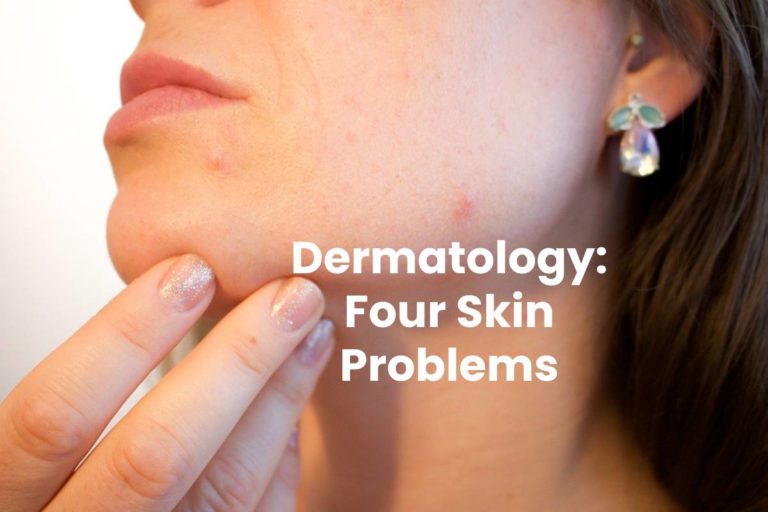
Dermatology: Four Skin Problems

The skin is our largest organ. It represents 10% of our entire body, equivalent to an area of two square meters on average. If it can be a cause of significant concern, Dermatological diseases are numerous and often challenging to diagnose. They can be divided into three broad groups: inflammatory skin diseases, such as urticaria, eczema, psoriasis – chronic conditions that patients learn to treat and seek care mainly in the acute phase -, malignant diseases (cancer), and also infectious diseases. They manifest themselves in different ways on the skin. Following are four skin problems:

This Article Belongs To Skin Conditions

Rash or Rash

These are generalized lesions that appear quickly all over the body, with or without itching. The origin is not a priority. It can be a severe reaction to a drug (this is called drug eruption) or a viral infection reaction – such as measles or rubella – or to a sexually transmitted disease, such as syphilis.

Suspicious Mole

The patient has discovered a mole (nevus), which worries him and makes him fear skin cancer. In this case, the ABCD rule can allow him to assess the dangerousness or not of the nevus by checking four points corresponding to these letters.

A: the nevus is Asymmetric.

B: its Border is irregular.

C: its Color is not uniform.

D: its Diameter exceeds 5 millimeters.

If in doubt, see a dermatologist reasonably quickly. For additional dermatologist-reviewed information about suspicious moles and melanoma warning signs, visit the American Academy of Dermatology

If three of these criteria meet, it forms dysplastic nevus. It can progress to melanoma, the most dangerous skin cancer. The ABCD method is only valid for melanocytes, moles that produce melanin (the color brown or black). If in doubt, see a dermatologist reasonably quickly.

Psoriasis

Thirdly, the most common plaque psoriasis sets in gradually. These are red patches called erythematous-scaly patches, made up of large scales arranged on very well-defined patches. Therefore, they are most generally on the elbows, knees, and scalp. In rare cases, psoriasis can spread to the whole skin; this is familiar as erythroderma. It is a reason for urgent consultation.

Eczema

Finally, there are several types of eczema. Allergic eczema appears in contact with an allergen, such as nickel. The reaction begins at the place of contact and then spreads. Eczema can also result from exposure to irritants, such as disinfectant from the doctor or household products.

For people dealing with irritation or easily reactive skin, learning how to care for sensitive skin can be useful for maintaining a gentle skincare routine.

Understanding Common Skin Problems

Skin problems can affect people of every age and may appear suddenly or develop gradually. Some conditions are temporary and disappear when the underlying trigger is removed, while others require long-term management. Because many skin conditions can look similar, it is not always possible to identify the cause by appearance alone.

A rash, for example, can be related to an allergic reaction, infection, medication, or irritation. Similarly, a mole may be completely harmless but can sometimes show changes that require professional evaluation. This is why paying attention to changes in the skin is an important part of maintaining overall skin health.

How to Recognize Changes in Your Skin

Knowing what is normal for your skin makes it easier to notice unusual changes. You can periodically check your skin for new spots, bumps, patches, moles, or areas that look different from the surrounding skin.

Pay attention to changes in:

  • Size
  • Shape
  • Color
  • Texture
  • Borders
  • Bleeding or crusting
  • Persistent itching
  • Pain or tenderness

A new or changing skin lesion does not automatically mean that it is dangerous. However, persistent changes should be discussed with a healthcare professional rather than being diagnosed at home.

The American Academy of Dermatology explains that a growing, bleeding, or changing spot or growth should be evaluated by a board-certified dermatologist.

Why Skin Problems Can Be Difficult to Diagnose

One reason dermatological conditions can be confusing is that several different problems can produce similar symptoms. Redness may occur with eczema, psoriasis, irritation, allergies, or infections. Raised areas can result from acne, insect bites, hives, cysts, or other causes.

A dermatologist considers more than just the appearance of a lesion. They may ask when the problem started, whether it has changed, whether it itches or hurts, what products have been used, and whether there have been recent environmental or lifestyle changes.

In some cases, a dermatologist may recommend additional testing. Depending on the suspected condition, this could include allergy testing, a skin scraping, blood tests, or a biopsy. Getting an accurate diagnosis can help prevent unnecessary treatments and ensure that the underlying condition receives appropriate care.

Protecting Your Skin Every Day

Daily skincare habits can support healthy skin and may reduce irritation. Use gentle cleansers instead of aggressively scrubbing the skin. Lukewarm water is generally preferable to very hot water, particularly when the skin is dry or sensitive.

Moisturizing regularly can help support the skin barrier. Look for products that suit your skin type and avoid ingredients that repeatedly cause irritation. If a particular cosmetic or skincare product causes burning, itching, or persistent redness, stop using it and monitor the area.

Sun protection is also important. Regular exposure to ultraviolet radiation can contribute to premature skin aging and increases the risk of skin cancer. Using broad-spectrum sunscreen, wearing protective clothing, and seeking shade during intense sunlight are practical ways to reduce unnecessary exposure.

Managing Eczema and Sensitive Skin

People with eczema or sensitive skin may need to be particularly careful about products and environmental triggers. Fragrances, harsh cleansers, excessive heat, sweat, and certain fabrics can irritate some people’s skin.

A simple routine can be easier to maintain than using multiple active products. Gentle cleansing, regular moisturizing, and avoiding known triggers can help reduce unnecessary irritation. When symptoms become persistent or severe, professional guidance is recommended.

Keeping a record of possible triggers can also be useful. If flare-ups repeatedly occur after using a specific product, changing detergents, exposure to certain materials, or spending time in a particular environment, noting these patterns can provide useful information during a dermatology appointment.

Caring for Psoriasis-Prone Skin

Psoriasis is a chronic condition that can require ongoing management. Treatment depends on the type and severity of psoriasis and the areas affected. Dermatologists may use topical medications, phototherapy, or systemic treatments depending on individual needs.

Moisturizing the skin may help reduce dryness and scaling, while identifying personal triggers can support long-term management. Scratching or aggressively removing scales can irritate the skin, so it is better to follow a treatment plan recommended by a healthcare professional.

Because psoriasis can sometimes be associated with other health concerns, regular follow-up can also be valuable. A dermatologist can monitor changes and adjust treatment when necessary.

When to Consult a Dermatologist

You do not necessarily need medical treatment for every minor skin problem. However, professional evaluation is appropriate when a condition persists, repeatedly returns, becomes painful, spreads, or changes significantly.

You should consider seeing a dermatologist if:

  • A mole changes in size, shape, or color
  • A skin lesion repeatedly bleeds or does not heal
  • A rash continues despite avoiding possible irritants
  • Severe itching interferes with sleep or daily activities
  • Skin symptoms suddenly become widespread
  • A condition repeatedly improves and then returns
  • Home care does not provide meaningful improvement
  • You are unsure what is causing a new skin change

Early evaluation can provide reassurance when a condition is harmless and can also help identify conditions that need treatment.

Skin Problems and Overall Well-Being

Skin conditions are not only physical concerns. Persistent itching, visible rashes, acne, psoriasis, eczema, and other dermatological problems can affect confidence and quality of life. People may feel uncomfortable in social situations or become concerned about how others perceive their appearance.

This is another reason not to ignore persistent symptoms. Appropriate treatment can address the physical problem while also helping a person feel more comfortable and confident.

If acne is one of the concerns affecting your skin, you can also learn about ways to lessen the appearance of acne scars and explore practical approaches to improving the appearance of marks left after breakouts.

Healthy Skin Starts With Awareness

There is no single routine that works for everyone because skin types, environmental conditions, genetics, and underlying medical conditions can all influence the way the skin behaves. What works well for one person may cause irritation in another.

Instead of constantly switching products, focus on understanding your skin and maintaining consistent basic care. Gentle cleansing, moisturizing, sun protection, adequate hydration, and professional evaluation when needed can form the foundation of a healthy skincare approach.

It is also useful to avoid picking or scratching unusual spots. Manipulating a lesion can cause inflammation, introduce bacteria, and potentially leave scars or discoloration. If you are concerned about a particular growth or lesion, professional assessment is safer than attempting to remove it yourself.

For readers interested in broader skincare concerns, home remedies for dark circles can provide additional information about caring for the delicate skin around the eyes.

Conclusion

Skin problems can range from minor temporary irritation to chronic inflammatory conditions and, in some cases, more serious diseases. Understanding common symptoms and observing changes can help you decide when professional advice may be necessary.

Rashes, suspicious moles, psoriasis, and eczema can have very different causes and treatment approaches. Rather than relying entirely on self-diagnosis, consult a dermatologist when symptoms are persistent, severe, unusual, or changing.

With proper awareness, gentle skincare, and timely medical attention, many dermatological conditions can be effectively managed. Taking care of your skin is not simply about appearance—it is also an important part of protecting your overall health.


Benefits of Trail Running: That Boost Your Physical & Mental Health

0

Trail running is a demanding activity. When trail running, you often have to deal with a wide range of elements from nature. For instance, you must contend with uneven trails, flooding, roots, rocks, and other weather elements. Therefore, a strong focus is essential to keep you safe and on track.

Like any other running exercise, trail running is highly beneficial for your physical and mental health. The benefits of trail running can be split into two categories. There are physical benefits and mental health benefits.

Physical health benefits

Below are the physical benefits of trail running;

• Trail running helps build your core

One of the physical health benefits of trail running is that it helps build your core. This is thanks to the uneven footing, rapid directional changes, and high levels of focus associated with trail running. It is highly recommended that you stay upright while navigating the various trail-running terrains. This helps you maintain full-body tension, which helps keep your core firing. Therefore, trail running is an excellent alternative to exercises like planks and crunches.

• It helps improve your balance and endurance

Trail running mainly involves running on unpredictable and uneven surfaces. This helps work your core, strengthen your legs, and improve your balance and stability. It is also worth mentioning that balance usually requires you to activate the small stabilizer muscles in your foot. The activation occurs each time your foot hits the ground. This action helps strengthen your feet as well.

Also, trail running helps boost your endurance. This is because of the high levels of strength and balance required in trail running. You can boost your endurance with trail running by slowly increasing your trails instead of going all out at once.

• Trail running helps minimize the risks of injury

One of the biggest concerns about trail running is the likelihood of injuries. This is a genuine concern, as trail running is done on uneven grounds and exposed to various natural elements. However, studies indicate that the contrary is true. They have shown that rad runners are at a higher risk of getting injuries than trail runners. This is because running on trails exerts less stress on the lower leg as compared to road running.

Additionally, trail running helps improve your core and knee control, which helps reduce the chances of ACL injuries. It is also worth mentioning that the constantly changing terrains and directions help to avoid overloading one area of the body or the legs. This, in turn, protects vulnerable areas or parts of the body from overuse.

• It helps improve your heart health and build powerful legs

Trail running requires extra work than conventional or road running. This is because of the constantly changing nature of the trails and the surfaces. This means that your heart has to work harder, and the result is strengthened cardiovascular muscles.

Trail running can also help you build powerful legs. This is because the running action helps work your slow-twitch muscle fibres as the explosive movements work the fast-twitch muscle fibres. Trail running also forces your quads and glutted to work, hence building powerful legs.

• It helps strengthen your joints and burn calories

Trail running also helps strengthen and stabilize your joints as you have to navigate unpredictable trails. Over time, your joints can navigate the trails with more secure movements and stability. Additionally, like other running exercises, trail running helps you burn some calories. The number of calories burned will vary from one person to the next.

Mental health benefits of trail running

Trail running is also highly beneficial to your mental health. Below are a few mental health benefits of trail running:

• It helps increase your focus

Trail running requires a lot of focus because you get to encounter unpredictable elements of nature. This benefit can trickle down to other areas in your life.

• It helps boost your intelligence

The high demands of trail running also help boost your intelligence. Research has proven that complex activities like trail running have high cognitive demands. These demands increase your perception, memory capacity, and spatial awareness. In simpler terms, trail running causes your brain to work faster by challenging your mind and body. This can help increase your intelligence levels.

• It helps with managing anxiety and depression

Highly demanding exercises are very beneficial for managing specific mental health challenges, like depression and anxiety. Trail running can help you reduce the symptoms of anxiety and depression because it also requires you to spend time in nature. Professionals refer to this as eco-therapy. Eco-therapy helps provide a wide range of psychological benefits. For instance, it helps the mind unwind by creating a sense of calmness. This is very beneficial for managing anxiety and mood disorders.

Final word

While trail running is highly beneficial, you ought to be careful not to overexert yourself. For instance, if you are a beginner, do not impose long distances on yourself. You may also benefit from getting a good pair of running shoes for men or women.

It’s Time to Set the Record Straight About Facelifts

Do you find yourself pulling the skin back on your face to recreate how you used to look when you were younger? You’re not alone.

Some have estimated that a woman’s body will produce less collagen as they age, at a rate of about 1% less for every year after they turn 20. If you feel like it has been all downhill since your 20s, that number probably sounds bang on to you.

But, you don’t have to take a passive role in the aging process. You can fight aging and win with a professional facelift.

We know, we know. You may have heard some bad things or read something online that is probably keeping you from seriously considering one. That’s why we’re going to set the record straight and dispel some of the most popular myths about facelifts.

this article belongs to cosmetic treatments

To discover targeted strategies, check out our comprehensive guide on everything you need to understand about dermal fillers for actionable beauty insights.

1. There is a Lot of Downtime

Everyone wants to look younger, but nobody wants to be in bed for weeks recovering from surgery. If that’s what you’ve been told the facelift post-op recovery process is like, you have been misinformed.

The truth is that most of the swelling and initial discomfort will disappear within the first week. And of course, there are always things you can do to speed up the process. For example, feel free to read these recovery tips after a facelift to help yourself heal.

For more detailed information about what to expect during recovery, you can review these facelift recovery and aftercare guidelines from the American Society of Plastic Surgeons.

2. Nobody Gets Facelifts Anymore

It is true that non-surgical procedures like Botox and fillers are extremely popular these days. But their popularity has not come at the expense of the facelift.

The facelift has remained constantly in-demand and consistently remains one of the most popular plastic surgeries in North America.

In fact, the facelift became even more popular during the pandemic, with 69% of surveyed plastic surgeons seeing an appreciable increase in facelift procedures during the lockdown. The same survey also revealed that most saw a decrease in the demand for Botox and fillers.

Why? Because most people worked from home during the pandemic. This gave them the opportunity to discreetly get surgery and then recover from home while still working from home. This led hundreds of thousands of people to decide to go all-in on anti-aging and get a full-blown surgery, instead of a non-surgical solution.

To discover targeted strategies, check out our comprehensive guide on how to thoroughly prepare for a cosmetic surgery procedure for actionable beauty insights.

3. They’re Just For Old People

If you picture the average facelift patient, what do you see? Someone in their 50s? Their 60s? That’s no longer the case.

The Millennial generation is easily the fastest-growing plastic surgery demographic right now. They’re now approaching their mid-30s and early 40s, and they’re not waiting for wrinkles to show up. They’re getting prejuvenative treatments to fight the signs of aging before wrinkles truly start to show up.

A lot of them are getting the so-called mini facelift. This isn’t a full-blown facelift, but it can address popular issues like wrinkles and jowls.

Have you heard something that is keeping you from getting a facelift? Your best bet is to contact a board-certified plastic surgeon. Book a consultation to ensure that all of your questions and concerns can be addressed before deciding whether or not the facelift is right for you.

To discover targeted strategies, check out our comprehensive guide on finding the best cosmetic dentist in preston for actionable beauty insights.

What to Know Before Getting a Facelift

Choosing to have a facelift is a personal decision, and it is important to understand what the procedure can and cannot accomplish before moving forward. A facelift is generally designed to address visible signs of facial aging by improving sagging skin and redefining areas such as the jawline and lower face. However, it is not intended to completely stop the natural aging process.

One of the most important things to consider is your reason for wanting the procedure. Some people choose a facelift because loose skin has become more noticeable, while others are interested in improving facial definition or restoring a more youthful appearance. Having realistic expectations can make the experience much more satisfying. A facelift can create a refreshed appearance, but it will not make someone look exactly as they did decades earlier.

To discover targeted strategies, check out our comprehensive guide on decoding the art and science of dermal fillers for actionable beauty insights.

Choosing the Right Surgeon

The surgeon you choose can make a major difference in your overall experience. Look for a qualified, board-certified plastic surgeon with significant experience performing facelift procedures. During a consultation, you should feel comfortable discussing your goals, concerns, medical history, and expectations.

This consultation is also your opportunity to ask questions. You may want to know which type of facelift is appropriate for you, what the recovery process involves, what kind of results you can realistically expect, and what risks are associated with the procedure. A good surgeon should explain the procedure clearly rather than making unrealistic promises.

Understanding the Recovery Process

Recovery is another major factor to consider. Although the length of recovery varies from person to person, you should plan to give yourself enough time to rest and follow your surgeon’s aftercare instructions. Swelling, bruising, tightness, and temporary discomfort can occur during the healing period.

It is also important not to judge your final results too quickly. Your face may look swollen or uneven during the early stages of recovery, and the appearance can continue to improve as the tissues heal. Following professional instructions and attending follow-up appointments can help ensure that your recovery stays on track.

To discover targeted strategies, check out our comprehensive guide on how to choose the right cosmetic dentist in sydney for actionable beauty insights.

Maintaining Your Results

A facelift does not prevent future changes caused by aging, sun exposure, lifestyle, and genetics. Taking care of your skin after the procedure can therefore be an important part of maintaining your appearance. Protecting your skin from excessive sun exposure, following a consistent skincare routine, staying hydrated, and avoiding habits that can negatively affect skin health may all contribute to healthier-looking skin over time.

It is also worth remembering that cosmetic procedures should be considered carefully rather than treated as a quick solution. Take time to research your options, compare qualified professionals, and make sure you understand both the potential benefits and limitations.

Ultimately, the best facelift experience begins with informed decision-making. Understanding the procedure, preparing properly for recovery, and choosing an experienced professional can help you approach the process with realistic expectations and greater confidence.

To discover targeted strategies, check out our comprehensive guide on [4 common cosmetic dental procedures to enhance your smile] for actionable beauty insights.

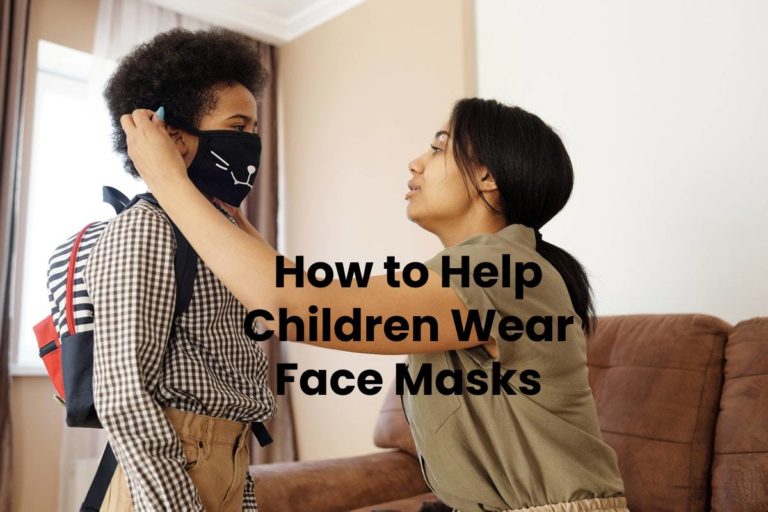
How to Help Children Wear Face Masks

In many places, people are wearing a face mask or cloth in public places due to the coronavirus (COVID-19). It is a crucial way to help slow the spread of the virus.

At first, those who wore masks were, above all, doctors, nurses, and other types of personnel who worked in healthcare settings. But now, with many more people wearing masks, children see more and more something they are not used to. It may seem strange and can even scare them a bit, especially if they also have to wear a mask.

Most children can be comfortable seeing people with masks, as long as elders:

  • Use simple words to explain why people are wearing masks.
  • Give them time to see, observe, and get used to what is new.
  • Answer their questions.
  • Give them support.

Some young children may be fussy about masks. And they may need more support and comfort from their parents. Parents can help their children understand why they may have to wear a mask in public places, make them feel comfortable with it, and even find it fun to wear. Children under the age of 2 should not wear a mask.

this article belongs to Preventive Health

How Do Children React To Masks?

How children react to masks depends, in part, on how old they are. Older children can respond very little. For them, masks may not be a significant problem. And most adapt pretty quickly.

Some children may even be excited to wear a mask. They can interpret their new look like that of a medical superhero.

But for babies and young children, getting used to seeing people with masks can take a while. At first, the masks can be imposed on them, and they can feel intimidated. They may need a few minutes to view and observe them. That can help them get used to what is new. They may need their father or mother to say, “Okay, gently. Nothing’s wrong.” It can help them relax.

Some babies and young children may be restless and even scared. They may cry, hide their faces, or cling to their parents. Words of comfort and comfort, as well as the reassurance of sitting on a parent’s lap, can help reassure them.

For an in-depth breakdown on this subtopic, refer to our What Is Tooth Decay How Can You Prevent It Guide.

Why Are Some Young Children Scared Of Masks?

A mask hides a part of the face of the person wearing it. Young children trust faces. Since they are babies, children observe people’s faces for the signs they need to feel safe.

When a mask partially covers faces, children cannot see the friendly smile or the familiar look that would convey reassurance. When a young child cannot see another person’s full face, they have a more challenging time feeling safe. It is natural for you to panic.

But slowly and gently, your parents can help you feel more comfortable and calm. Also, very young kids can learn that something that seemed very scary at first turns out to be fearful after a while.

For an in-depth breakdown on this subtopic, refer to our Top Travel While Limiting The Risks Guide.

How Can Parents Help Their Children Wear A Mask?

  1. Help your child get used to masks. To the extent possible, give your child time to practice wearing the mask before putting it on outside your home. Teach him how to put it on and how to take it off.
  2. Please encourage your child to decorate his mask. It can give him a sense of ownership and that he is in control. Having personal touch on your mask can make it look more like a regular part of your daily routines and make you want to wear it more. According to the type of mask, children can customize it. Do them together. If you are making masks or cloth face covers at home and have an older child, let me help. Some covers do not have to be sewn and are easy to make from materials you most likely already have at home (T-shirts, bandanas, etc.). If you sew fabric face covers, your child can choose the fabric and pattern that he will use.
  3. Help him have fun. If your child is young, introduce the masks in their games. You can try the following:
  4. play doctor: have your child pretend to be a doctor or nurse while wearing the mask. You may want to use your medical equipment to care for your stuffed animals and dolls.
  5. Play Drama – Let your child play a role in a play, like playing the “chef” with his play kitchen.
  6. Keep several masks on hand while your child is playing. So you can use your imagination on how to use them while playing. That will also help you make face masks a regular part of your everyday life. Ask your child to put a mask on a stuffed animal and then ask why your stuffed animal is wearing a mask. Depending on the response your child gives you, you can clear up any possible confusion or offer support and reassurance.

Choosing the right type of mask can also make children more comfortable. Learn about the Benefits Of Fabric Face Mask before selecting an option for everyday use.

Helping Children Understand the Purpose of Masks

Children are naturally curious, and they may have many questions when they see something unusual around them. A face mask can look strange because it covers part of a person’s face. Instead of telling children that they simply have to wear one, parents can explain its purpose in language that is easy for them to understand.

You can tell your child that a mask is something people use to help protect themselves and others from germs. Keep the explanation simple and avoid giving them too much information at once. Young children do not need a complicated explanation about viruses. A short and reassuring conversation can help them understand that wearing a mask is a normal safety habit in certain situations.

Parents should also allow children to ask questions. If a child asks why someone is wearing a mask, answer honestly and calmly. If you do not know the answer to a particular question, it is okay to say that you will find out together.

Lead By Example

Children often learn by watching the adults around them. If parents appear nervous, uncomfortable, or frightened while wearing a mask, children may assume that the mask itself is something dangerous.

Instead, try to remain calm and relaxed. Put your mask on normally and explain what you are doing. When children see that their parents can comfortably wear a mask, they may become less worried about wearing one themselves.

You can also make the process part of your regular routine when masks are required. For example, you can remind your child to take their mask with them before leaving the house, just as they would remember their shoes or jacket.

The goal is to make the mask feel familiar rather than frightening.

For an in-depth breakdown on this subtopic, refer to our Early Warning Signs Of Alzheimers Guide.

Choose a Comfortable Mask

Comfort can make a significant difference in how a child responds to wearing a mask. A mask that is too tight, uncomfortable, or difficult to breathe through may make a child more resistant to wearing it.

Whenever possible, choose a mask that fits appropriately and feels comfortable. The mask should cover the nose and mouth without constantly slipping or requiring the child to touch it.

Parents can allow older children to participate in choosing their masks. Letting them select a favorite color, pattern, or design can give them a greater sense of involvement. A child who feels that they have some control over the choice may be more willing to wear it.

It is also helpful to have more than one mask available so that a clean option is ready when needed.

For an in-depth breakdown on this subtopic, refer to our How Effective Are The Different Coronavirus Vaccines Guide.

Practice at Home

Practice can help children become familiar with wearing a mask before they encounter the situation outside the home. Start by allowing your child to hold and look at the mask. Explain how it is worn and demonstrate it yourself.

For younger children, practice can be incorporated into everyday play. You could put a mask on a doll, stuffed animal, or toy and explain that the toy is wearing it too. This can make the object seem less unusual.

Older children may be able to practice wearing a mask for short periods while doing a quiet activity. Reading a book, drawing, or playing a game can help them gradually become comfortable with the sensation.

Avoid turning practice into a stressful experience. If your child becomes upset, take a break and try again later.

Keep Communication Positive

The words parents use can influence how children feel about masks. Instead of repeatedly focusing on what the child cannot do while wearing one, emphasize the positive reason for using it.

For example, parents can explain that masks are one way people can help protect those around them. This can help children understand that wearing a mask is not simply a rule being imposed on them.

You can also praise your child for trying. Simple encouragement can help build confidence. However, parents should avoid making children feel ashamed if they are initially uncomfortable or frightened.

Every child adjusts differently, and patience is often more effective than pressure.

For an in-depth breakdown on this subtopic, refer to our Prevent Migraine The Most Effective Solutions Guide.

Help Children Recognize Facial Expressions

Because masks cover part of the face, young children may have difficulty understanding how someone is feeling. Parents can help by explaining that people can communicate in many ways besides smiling.

Children can learn to pay attention to someone’s eyes, voice, gestures, and body language. Parents can also exaggerate friendly expressions with their eyes and use a warm tone of voice when speaking to their child while wearing a mask.

At home, you can play simple guessing games. Take turns making different expressions with the mask on and ask your child to guess whether you are happy, surprised, or excited. This can turn an unfamiliar experience into an opportunity for learning and interaction.

Give Children Time to Adjust

There is no need to expect every child to become comfortable immediately. Some children may accept masks after seeing them only a few times, while others may need considerably more time.

Parents should watch their child’s reactions and provide reassurance when necessary. If the child appears frightened, stay close and speak calmly. A familiar voice and a reassuring presence can help them feel secure.

Remember that the purpose is not to force children to enjoy wearing masks. The goal is to help them understand the situation and feel as comfortable as possible.

Make Mask-Wearing Part of Everyday Safety

During situations when masks are recommended or required, children can benefit from learning that masks are only one part of a broader approach to staying healthy. Hand hygiene, avoiding close contact when someone is sick, and following local health guidance can also be discussed in age-appropriate language.

Parents can create simple routines around these habits. For example, washing hands after returning home can become a normal part of the day. Similarly, keeping masks in a designated place can make them easier to remember.

When safety habits become familiar routines, children are less likely to view them as unusual or frightening.

Refer to peer-reviewed wellness summaries from Harvard Health Publishing Archive.

When Parents Should Seek Additional Support

Most children gradually become comfortable with new experiences when they receive patience and reassurance. However, if a child remains extremely distressed or fearful despite repeated gentle attempts to help them adjust, parents may want to discuss their concerns with a pediatrician or another qualified healthcare professional.

Professional guidance can be particularly useful when anxiety is affecting a child’s everyday activities, sleep, communication, or ability to participate in normal routines.

Above all, parents should remember that children look to trusted adults for reassurance. Staying calm, answering questions honestly, and giving children enough time to adjust can make unfamiliar situations much easier to handle. A supportive approach can help children understand masks without allowing fear or confusion to take over their experience.

Parents can also find reliable guidance on how to protect children from respiratory illnesses and help them stay comfortable and safe when masks are needed.

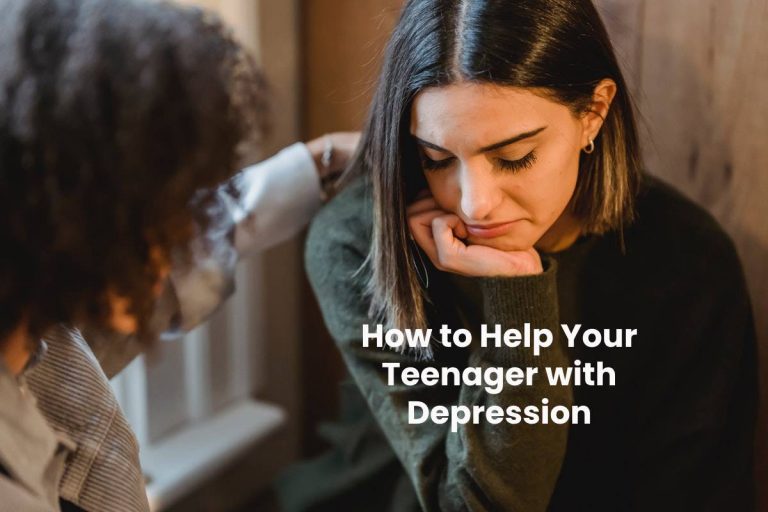
How to Help Your Teenager with Depression

Everyone will likely have to face depression at least once in their life, but it is important to understand that there are varying degrees of depression that can have different impacts on a person’s life. Mild depression can last a few days or even a few weeks but usually lifts after a short period. More severe depression or clinical depression can last for much longer and feel as though it will never end. The latter can be incredibly difficult, and it can take its toll on an individual. Depression suit set may be caused by a chemical imbalance in the brain, or it might be a symptom of other mental health issues like trauma, anxiety disorder, bipolar disorder, etc. It can also be caused by the circumstances an individual finds themselves in, such as financial difficulty, unhappy relationships, they are being bullied, or another reason why they might be unhappy.

While anyone at any age can find themselves struggling with depression, adolescents are a particularly vulnerable group to this. If you are a parent who is concerned that your teenager has developed depression, here are some tips to try and help them through this.

Show Them Some Compassion

When someone is already feeling low, the last thing they need is to feel attacked, misunderstood, or as though they have no support. It isn’t always easy to cope with seeing a loved one struggle with depression, and sometimes it might even be hard to understand why they are feeling this way. However, you need to try and be compassionate and patient with them during this time, as they need to know that they have your support, even if they don’t want it right now. Yellow Floral Printed Suit

Speak to Their Teachers

You might also want to think about speaking to their teachers at school to ask if they have noticed any changes in your teen. They might also be able to shed some light on things that are happening at school that might be contributing to the problem, and together you can come up with a plan to try and make their experience at school a little easier.

Get Professional Support

It is also important to look into getting professional support. Particularly if nothing you are trying at home so far appears to help. Talking therapies or medication can help your teenager cope with their depression and hopefully overcome it, depending on the cause. This teen rehab center can provide support for adolescents who are facing depression and suicidal thoughts and are a good example of the kind of mental health services that are on offer for young adults. Talk to your family doctor first to see if they can help you or refer you to a specialist treatment center.

Provide Positive Distractions

They might not be up to doing much, but it is important to try and provide positive distractions to take their mind off of things that could be making them feel worse — for example, going for a short walk or watching a film together. You could even ask them to help you cook dinner or join in for a family games night. It’s important not to pressure them. But some gentle encouragement to see if they would like to do these things could help to boost their spirits.

No one wants to see someone they love dealing with depression, especially when it’s your child. If you are worried about your teenager being depressed, try these tips to support them.

Also Read: Top 5 Savvy Tips For The Online Shopaholic

know 4 Different Ways to Use Foundation

0

If you’re like us, then you find one method of makeup application that works and you stick with it for life. Maybe it’s laziness, or maybe it’s the fear of having to try something new that may not work out. Whatever it is, it can really hinder any chances at innovation when it comes to our makeup routine. Throughout our makeup wearing years, our skin texture will change, trends will shift, and new and exciting products will hit the market. So, if you have been applying your foundation the same way since high school, then it’s time for a refresher. Let’s start with something simple and take a look at four different methods that you can use to apply your foundation.

Fingers

This is one of the most popular methods of applying foundation and is especially popular with makeup novices. If you have limited experience with foundation, applying the product with your fingers can feel like a good way to ensure that you are distributing the product evenly along your skin. It is also good for people with limited time who are looking to achieve a quick and basic look. Additionally, if you have a thicker cream foundation, the warmth from your hands can help the product blend more seamlessly.

This method, however, is not our favorite way to apply foundation. If you have sensitive skin or are breakout prone, you will want to keep your hands off your face as much as possible. This is due to the transfer of oils that occurs between your face and hands. You will also be distributing any dirt or oils on your hands back into the product as well. This is a recipe for unnecessary bacterial growth that can cause further breakouts or can shorten the lifespan of your foundation. If you are not breakout prone and prefer to use your fingers, then just make sure you are applying the product with freshly washed hands to keep things sanitary.

Makeup Sponge

The beauty blender is a favorite amongst many foundation users. It is praised for its ability to create a natural finish and its ease of use. The pointed egg shape of this particular sponge makes it perfect for getting into hard-to-reach areas like under the eyes and around the nose and hairline. The key here is to get your sponge slightly damp before use. This helps achieve the flawless look that the beauty blender is known for.

The one major con with the beauty blender is how it tends to waste product. Sponges are ultra-absorbent in general, so when used to apply makeup you can expect some of the product to be absorbed and therefore wasted. This amount of waste is not significant enough for you to be running through your foundation faster, but it is something to be aware of.

Traditional Foundation Brush

The traditional foundation brush has been around for ages. It is flat on the sides and rounded on top and is similar in appearance to a paintbrush. It functions like a paintbrush as well. Foundation is best applied using this brush in a straight downward motion. You will quite literally feel like you are painting your face. This tool is especially good for people who are looking for a fuller coverage application than that of a makeup sponge.

Due to the structure of the brush, this option is not the best at blending. You are locked in to using it in the downward painting motion, which increases the chances of your foundation appearing streaky or cakey. There are foundation brushes on the market that provide a better range of motion to help you blend out your makeup easier.

Flat-Top Foundation Brush

Our personal favorite way to apply foundation is with a flat-top brush. Similar to the traditional foundation brush, this brush will help you achieve a fuller coverage. Even with the fuller coverage, foundation applied with a flat-top brush manages to retain a natural and weightless appearance and feel. Use it by dabbing a light amount of foundation onto the skin and then blend it out by sweeping the brush in a light circular motion.

So are there any cons with our preferred method? Unfortunately, this is not going to be an ideal tool for people who experience dry skin. The design of the brush causes a degree of micro-exfoliation to the skin when you use it to blend out your foundation. This could cause further dryness in people who are already prone to having dryer skin.

Trying Something New!

Switching up your routine doesn’t have to be done in an extravagant or life altering way. You don’t need to go and throw all your makeup, tools, and brushes away in favor of newer products. Sometimes all it takes is switching up how you do things. So try out one of these different ways to apply your foundation today!

Ready for Eyelash Extensions? Here’s What You Should Know First

0

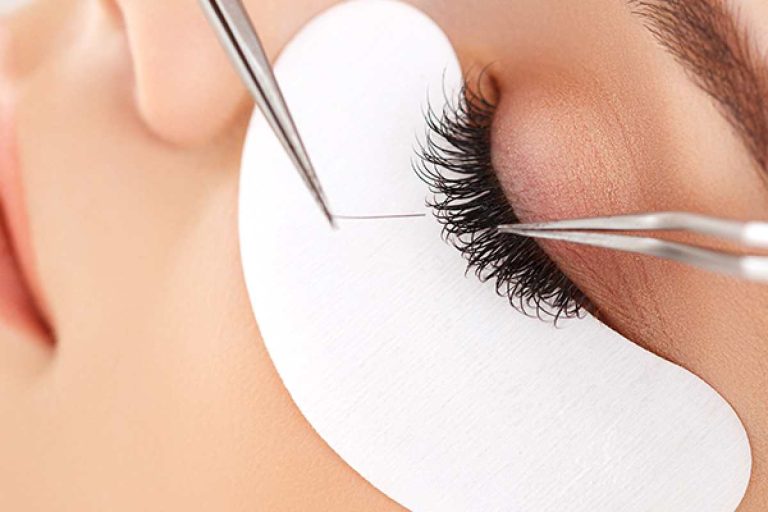
It’s that time of year when everybody feels the holiday spirit and schedules are packed with parties left and right. Whether the celebration is at the office or out with friends, you want to look your best for photos and not just in real life. Save time in getting your face ready for the crowd by trading cumbersome falsies for gorgeous lash extensions.

What are eyelash extensions?

Applying silk, faux mink, or synthetic fibres to natural lashes strand by strand is the latest beauty fad. The application is tedious and involves using safe medical-grade adhesive that has been specially formulated not to damage or irritate the natural lash.

Extensions are attached directly to the natural lashes, in contrast to fake lashes, which apply the strips or individual lashes to the eyelid. This makes for a denser look that lasts longer and hardly needs a boost from mascara.

What kind of lashes should you get?

Professionals usually offer three primary kinds of eyelash extensions, which are as follows:

  • Classic

    • Here, one extension is placed on each natural lash for a delicate appearance.
  • Volume

    • This is where multiple extensions are applied per natural lash for a more dramatic look
  • Hybrid

    • This is where classic and volume types are mixed to achieve fullness and a natural look

There is also the mega-volume type which uses extremely full yet super-light lashes for bold looks. Additionally, there are speciality and colour types featuring unique designs and different colours for a more personalised or creative touch.

How do you choose the right style?

First, you need to look at your natural eye shape and style. Here are some suggestions if you have the following eye shapes:

  • Round eyes: For a more open look, try longer extensions in the middle.
  • Almond eyes: The cat-eye form can be used to accentuate the natural shape.
  • Hooded eyes: To achieve a wide-eyed look, focus on lighter extensions at the outer corners.
  • Monolid eyes: To add definition, opt for volume lashes.

Second, you must think about your personal preferences or tastes. Here are some questions to ask to guide your lash style decision-making:

  • “Do I want more dramatic or natural-looking eyelashes?”
  • “What do I personally prefer (e.g., goth, academia, soft girl, cottagecore, etc.)?”
  • “Do I want something for the upcoming special events or something I can wear every day?”

Are you ready to get your eyelash extensions?

Of course, there’s plenty more for you to consider when getting extensions applied to your natural lashes beyond what’s been mentioned above. There’s the time commitment, your pain and sensitivity, allergic reactions, infection prevention, proper maintenance, and so on. This is why it’s so important to choose the right people to get your beauty services from.

For a safe and satisfactory lash extension experience, look up reputable technicians near you. You’ll know that they’re good if they provide you with an in-depth consultation during your first visit so they know what you’re expecting from them. They should also be able to answer any questions you might have about the process and help you feel comfortable before going through the whole thing.

How To Select Your Health Checkup Package?

There are many sayings related to health. Health is wealth, Healthy mind is a gold mine, something. They are all indeed true because if we are not healthy nothing is of any significance. We might take health for granted but it is our fundamental foundation of life. It is also said that you should ask about the importance of health from those who are ill or terminally ill.

You can spend all your fortunes but cannot buy health. If you are healthy there are no bounds to what you can achieve. Obviously, we have some exceptions like Stephen Hawking who was paralyzed and still never gave up on his dreams. In that movie, the scene in which his heart desired to move and pick up that pen. Hands down the most emotional scene. Okay, we got a little sidetracked to a different segment.

In general, health is a state of well-being, physical, mental, and social norms and not just the mere absence of any disease. And in all these three sectors, we can improve and take help off professionals, and it is important to normalize this. As we have seen, this generation suffers a lot from mental depression and mental health problems. Simply because we have added some sort of taboo that everyone will call you crazy, mental, or something like that just because you’re receiving therapy.

So, to select and curate good health checkup packages, we must include all three aspects of health, social, mental, and physical.

this article belongs to Preventive Health

  • Physical-A full body checkup from head to toe. This includes your eye check, dental, X-rays, and such tests.
  • Social-Include social therapy and is helpful for people struggling with social anxiety and social issues. And in general, everybody is bound to have such problems.
  • Mental– Probably of the utmost importance because a healthy mind is required for basic functioning. A psychologist can be seen once a week. People having psychological issues tend to not tell people about this. It is such a normal thing and I think everybody suffers from some psychological issues. Some are so deep-rooted that therapy is a must.

So, as we can see that there are many test end requirements for health checks. So, it is advised to pick up a suitable health checkup package. So, what will be the best? It all depends upon your requirement.

To understand how this fits into the broader picture, explore our Comprehensive Much Needed Health Reset Pillar.

The Priorities

Okay, before searching the health checkup packages you need to make a list of your priorities. You need to see what kind of package you want so how do you choose that? Will you look at yourself and identify? That was a bouncer.

So, you need to categorize yourself in terms of age, gender, marital status, family members, and medical history.

  • Age- Your age defines what kind of diseases you are prone to and in general what kind of package would you most benefit from.
  • Gender- This also lets you specify the terms of the health checkup packages that suit best for you.
  • Marital status- This will benefit you if you are married and you want to get a combined health checkup package for you and your spouse. You might plan to include your children. So, this kind of health checkup package will come at some sort of discount.
  • Family members- Now you must see the number of members in your family and their requirements from the health checkup package. This also will come with some sort of discount.
  • Medical history- The history of medical issues that are in your family can help you determine what kind of plan suits you the most. There might be some test that you have on a specific interval of time so that must be included in the package.
  • Budget- The budget you are willing to spend on your health. You should strike a balance for this as you don’t want to be a cheap steak in matters of your health but not overspending as well.

You may also find our companion piece on Tips To Prevent Drug Relapse Bay Addiction Recovery Experts Overview helpful for further context.

The Research

To reach the best health checkup packages, you need to have data. In this information age, data is abundant. So, start noting up the most famous health checkup packages and see how they fit into your needs. Now you have specified your priorities so now you can match and check which one suits you best.

You might consult your family doctor as well as your well-wishers so that you can make an informed decision. So, what I’m saying is to conduct online research as well as offline research so you can choose wisely.

For related practical techniques, check out our insights in Zinc And Immune System Function Practical Tips.

Be sure to Compare

So now you have shortlisted some of the plans. Let’s compare them to your requirements and budget. The kind of test you are regularly having and what kind of test your family is regularly having also plans for future tests. And then look at your budget. Compare your list thoroughly as this might be the last checkpoint of shortlisting.

Analyze and Discuss

Now you must analyze and discuss it among your family for whom you’re choosing this health checkup package. You might leave two or three options so that they have a choice. Discuss it with your doctor, well-wishers and if possible, take reviews of their previous patients. Also, you can get reviews from online portals. This is the information age you’ll have no issue with finding proper data.

For historical context and foundational research, reference the Wikipedia Foundation Overview.

Final Overview

So now you have chosen one option for your health checkup package, and it contains all your requirements, and you are happy with it on paper. But now you must check it with the company offering this package and discuss the terms with them.

Do not leave any stone unturned. Make a list of questions and ask them without any fear. You will be paying them so it’s fair and your health depends upon it. In short, you must be relaxed after choosing this plan, no confusion, no regrets should arise.