Home Blog Page 40

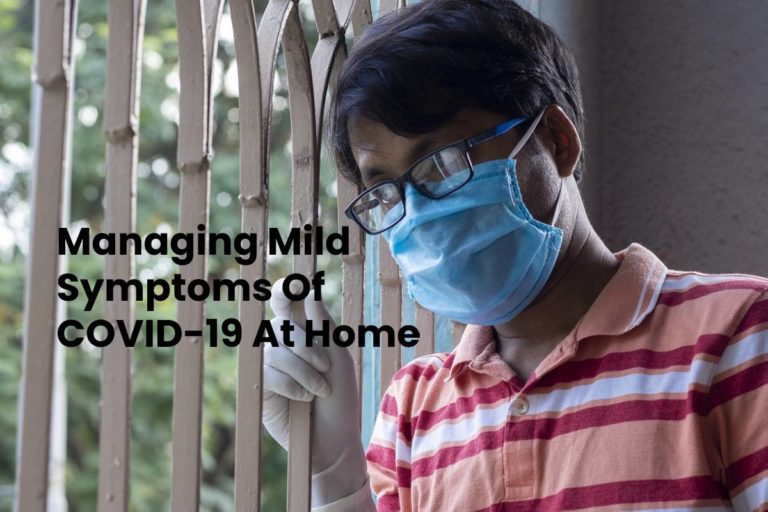
Managing Mild Symptoms Of COVID-19 At Home

What Symptoms Should I Watch?

Cough, fever, extreme fatigue, or a sudden loss of smell are common symptoms of COVID-19. More severe symptoms include difficulty breathing and pneumonia.

If you have these symptoms, stay home and avoid contact with others. As soon as possible, contact your provincial COVID-19 info line, which will give you the instructions to follow. If you have breathing difficulties, contact 911.

this article belongs to Diseases & Conditions

Should I Be Concerned That I Tested Positive?

It is normal to be concerned when the result of the diagnostic test for COVID-19 comes back positive. Remember that over 80% of the infected recover without special treatment and that only a minority of those infected will be hospitalized.

Many people at low risk of complications and who have mild symptoms will be able to recover from their COVID-19 episode in the comfort of their own homes.

To understand how this fits into the broader picture, explore our Comprehensive Eye Infections Pillar.

When I Get A Positive Diagnosis Of COVID-19, What Should I Do?

First of all, you must immediately follow the isolation directive to avoid infecting your loved ones. Here are some basic recommendations to prevent the transmission of the virus:

  • keep a minimum distance of 2 meters from them;
  • wear a mask if possible;
  • isolate yourself in a separate room during daily activities and at night;
  • frequently disinfect the surrounding environment well.

If a doctor has given you a prescription to treat some of your symptoms, do not go to the pharmacy and call the pharmacy instead. A member of the team will walk you through how they work during the COVID-19 crisis. Then, your medication will be sent to you by delivery, and the pharmacist will give you advice by phone.

You may also find our companion piece on Managing Blood Sugar Levels Overview helpful for further context.

Are There Specific Drugs To Treat COVID-19?

Despite all the scientific research currently underway, there is no specific treatment yet to treat this virus or any vaccine to prevent it.

However, it is encouraging to know that many clinical trials are underway in different hospitals worldwide to assess the effectiveness of certain drugs already on the market (e.g., hydroxychloroquine, colchicine, and certain antiretrovirals) against COVID-19.

So What Options Are Available To Me To Reduce The Intensity Of My Symptoms?

First of all, it cannot be stressed enough that the most critical element in promoting healing is rest. You will probably feel weak and tired, so you will need to rest to fight off the disease. It is also important to hydrate well; it is recommended to drink at least 1.5L of water per day to prevent dehydration that can accompany fever. Remember to eat well, including protein foods (e.g., meat, fish, legumes, nuts, etc.), to regain your strength.

Now here is information for the relief of more specific symptoms.

Fever And Body Aches

One of the main symptoms of COVID-19 is fever. It is crucial to treat it, especially in young children, where it can cause seizures. The temperature should decrease below:

  • 38 ° C (100.4 ° F) (rectal temperature) in children;
  • 38 ° C (100.4 ° F) (oral temperature) in adults;
  • 8 ° C (100 ° F) (oral temperature) in the elderly;
  • or less than 1.1 ° C of a person’s usual value.

Acetaminophen is preferred, both in adults and in children over three months old. Compliance with dosage recommendations is essential to ensure safety. It may also help reduce the aches sometimes felt during the infection.

There is currently a debate about the safety of anti-inflammatory drugs such as ibuprofen when used to treat fever in patients with COVID-19. Current data is mixed. If you are already taking anti-inflammatory drugs and are favorable for the coronavirus test, talk to your pharmacist.

For related practical techniques, check out our insights in Covid Triggered Practical Tips.

Dehydration

Fever can cause dehydration because sweating is increased. It is essential to drink a minimum of 1.5 L of fluid per day. The preferred liquids are water, juices, milk, herbal teas, and broths. Alcohol and caffeinated beverages should be avoided.

If dehydration signs are present (e.g., dark urine, pasty mouth, dry skin, sunken eyes, etc.), the use of a rehydration solution may be wise.

Cough

No treatment has yet been shown to be effective in reducing the cough associated with COVID-19. Over-the-counter medicines commonly used to ease a dry cough’s intensity are available and could be tried. Since some products interact with prescription drugs, call your pharmacist to guide you in choosing the best product for your situation.

Sore Throat

Coughing a lot often causes a sore throat. Gargling with salt water (1/2 teaspoon of salt in 1 cup of lukewarm water) after each meal and at bedtime can reduce discomfort. Hard candies or lozenges, preferably sugar-free, can also relieve pain.

Loss Of Smell

Loss of smell, also called anosmia, can occur in people with COVID-19. A loss of taste can accompany it. The loss of smell is not related to nasal obstruction, so it is not recommended to use nasal decongestants or wash the nose. This symptom disappears after the disease has healed.

Learn more about sustainable community wellness priorities at the UN Sustainable Development Goals.

When Is The Isolation Order Lifted?

The attending physician or the professional designated to ensure follow-up can determine the duration of the isolation measures. Here are the main criteria for ending isolation:

  • have observed a minimum isolation period of 14 days following the onset of symptoms;
  • have not had a fever for at least 48 hours;
  • and have had no signs for at least 24 hours.

However, other criteria may apply to healthcare workers. Discuss it with your employer

If you have or have had COVID-19 recently, you must know what to do to stay healthy and prevent you from spreading the virus to other people. Find out from reliable sources, such as your pharmacist. He is one of the heroes who are there to help you fight COVID-19 for the good and health of all!

7 Foods to Avoid for Healthy Teeth (And What to Eat Instead)

Maintaining a radiant smile and strong teeth requires more than just regular brushing—it also means being mindful of what you eat and drink. While it’s common knowledge that sugar harms teeth, many everyday foods and beverages can quietly damage enamel, promote decay, and compromise gum health. With insights from dental professionals, including a trusted dentist in Blackburn, we’ve compiled this essential guide to help you protect your smile. Below are seven items to limit or avoid, along with smarter swaps for optimal dental wellness.

this article belongs to Healthy Eating

Why Diet Matters for Dental Health

Your teeth are in constant contact with what you consume. Foods that are acidic, sticky, or high in refined sugars interact with oral bacteria to produce enamel-eroding acids. Additionally, some items physically threaten teeth by being overly hard or drying out the mouth, which reduces protective saliva flow. Making informed dietary choices is a powerful step toward preventing cavities, sensitivity, and gum disease.

1. White Bread & Refined Starches

Why to Avoid:
Processed carbohydrates like white bread, crackers, and chips act like hidden sugars. Saliva quickly breaks them down into simple sugars, feeding plaque bacteria that produce acid. This acid attacks enamel, and the sticky, doughy texture can cling to crevices, prolonging exposure.

Healthier Swap:
Choose whole grains such as whole wheat bread, oats, or quinoa. These complex carbohydrates break down more slowly and are less likely to stick. Additionally, they often contain more nutrients like magnesium and B vitamins, which support overall health.

2. Alcohol

Why to Avoid:
Alcohol is dehydrating and reduces saliva production. Saliva is your mouth’s natural cleanser—it neutralizes acids, washes away food particles, and contains minerals that help remineralize enamel. Chronic dry mouth (xerostomia) increases the risk of decay and gum infections.

Healthier Swap:
When drinking alcohol, alternate with water to stay hydrated. Consider rinsing with water afterward, but wait at least 30 minutes before brushing to avoid scrubbing softened enamel. For regular hydration, water, herbal teas, or milk are excellent saliva-friendly choices.

3. Ice

Why to Avoid:
Chewing on hard ice cubes can cause microscopic cracks in enamel or even lead to chipped, broken, or cracked teeth. It can also damage existing dental work like fillings or crowns. The extreme cold may trigger sensitivity in those with already compromised enamel.

Healthier Swap:
Enjoy chilled drinks without chewing the ice. Let ice cubes melt slightly or use crushed ice if you crave the cold crunch. Alternatively, snack on crisp, fresh veggies like carrot sticks or apple slices, which can help clean teeth gently.

4. Sticky & Sour Candies

Why to Avoid:
Sticky candies (like caramels or gummies) adhere to teeth for long periods, providing a sustained sugar feast for bacteria. Sour candies are doubly harmful—they’re high in sugar and contain acidic additives like citric acid that directly erode enamel.

Healthier Swap:
If you crave something sweet, opt for a square of dark chocolate (70%+ cocoa), which rinses away more easily and contains less sugar. Even better, choose a piece of fruit like a pear or melon, and rinse with water afterward.

5. Sports & Energy Drinks

Why to Avoid:
Many people assume sports drinks are healthy, but they often have a high acid content (low pH) and contain sugar or sweeteners. This combination can soften enamel more quickly than soda in some cases, leading to erosion and cavities, especially when sipped over long periods.

Healthier Swap:
For most moderate activity, water is the best hydrator. If you need electrolytes during intense exercise, look for sugar-free options with neutral pH, or consume them quickly rather than nursing them for hours. Using a straw can help minimize contact with teeth.

6. Kombucha & Highly Acidic Fermented Drinks

Why to Avoid:
While kombucha offers probiotic benefits, its acidic nature (low pH) can weaken enamel over time, especially if sipped throughout the day. Some commercial varieties also contain added sugars, compounding the risk.

Healthier Swap:
Enjoy kombucha in moderation, with meals, and drink water afterward to rinse. Consider other probiotic sources like yogurt or kefir, which contain casein and calcium that can help protect teeth. Always check labels for sugar content.

7. Lemons, Limes, & Other Citrus

Why to Avoid:
Sucking on lemons or limes exposes teeth to highly concentrated citric acid, which erodes enamel rapidly. Even adding lemon juice to water and sipping all day creates an acidic oral environment, leading to increased sensitivity and erosion over time.

Healthier Swap:
Flavor water with herbs like mint or cucumber instead. If you enjoy citrus, consume it as part of a meal (not alone) and rinse with water afterward. Wait at least 30 minutes before brushing to avoid damaging softened enamel.

Pro Tips to Minimize Damage

  • Rinse with water after consuming any acidic or sugary food/drink to help neutralize pH and wash away residues.

  • Use a straw for acidic beverages to reduce contact with teeth.

  • Wait before brushing: After acidic exposure, enamel is temporarily softened. Wait 30–60 minutes before brushing to avoid abrasion.

  • Chew sugar-free gum with xylitol after meals to stimulate saliva flow, which naturally cleanses and remineralizes teeth.

  • Maintain regular dental check-ups with your dentist in Blackburn for professional cleanings and personalized advice.

For an in-depth breakdown on this subtopic, refer to our 3 Healthy And Delicious Holiday Side Dishes Guide.

Build A Tooth-Friendly Eating Routine

Knowing which foods can damage your teeth is only the first step. The next step is creating eating habits that reduce unnecessary exposure to sugar, starches, and acids while giving your body the nutrients it needs. You do not need to completely eliminate every food you enjoy. Instead, focus on how often you consume potentially harmful foods, how long they remain in contact with your teeth, and what you choose alongside them.

Frequent exposure matters because bacteria in plaque can use sugars and starches to produce acids that attack enamel. Repeated acid attacks can cause minerals to be lost from the tooth surface. Saliva helps counteract these attacks by providing minerals that support the natural repair process.

One simple strategy is to keep sugary or acidic foods and drinks mainly with meals instead of consuming them repeatedly throughout the day. This can reduce the number of separate acid attacks your teeth experience. Between meals, choose options such as plain yogurt, cheese, vegetables, nuts, or water when appropriate.

For an in-depth breakdown on this subtopic, refer to our Some Tips For Food And Nutrition In Self Quarantine Guide.

Choose Foods That Support Strong Teeth

A balanced diet benefits both your general health and your mouth. Instead of concentrating only on foods to avoid, consider adding more tooth-friendly options to your meals.

Dairy products such as milk, cheese, and plain yogurt can be useful choices because they provide important nutrients such as calcium. Crunchy vegetables can also make convenient snacks, while fruits provide vitamins, minerals, and fiber. Whole grains and nutrient-dense protein sources can form part of balanced meals without relying heavily on refined sugars.

The goal is not to create a restrictive diet. A sustainable eating pattern should give you enough variety to enjoy your meals while limiting unnecessary sources of added sugar and frequent snacking. The National Institute of Dental and Craniofacial Research recommends making smart food choices, limiting sugary foods and drinks, and maintaining a balanced diet as part of preventing tooth decay.

For an in-depth breakdown on this subtopic, refer to our Truth About Juice Guide.

Pay Attention To Snacking Habits

Snacking can become a problem when it happens continuously throughout the day, particularly when snacks contain sugar or refined starches. Even if the individual portions are small, repeated consumption can give oral bacteria more opportunities to produce acids.

Instead of grazing from morning until night, try to organize meals and snacks into a more predictable routine. If you need a snack, choose something that is less likely to stick to your teeth or contain large amounts of added sugar.

For example, replace a packet of sugary biscuits with a small portion of nuts or plain yogurt. Replace sweetened beverages with water. If you want something sweet, having it with a meal may be preferable to slowly eating or drinking it over several hours.

This does not mean that every snack will cause dental damage. The bigger picture includes your overall diet, oral hygiene routine, fluoride exposure, saliva production, and individual dental risk.

For an in-depth breakdown on this subtopic, refer to our Prepare Green Tea Guide.

Understand The Importance Of Saliva

Saliva plays a much bigger role in dental health than many people realize. It helps moisten the mouth, wash away food particles, and provide minerals that support teeth. When saliva production decreases, the mouth can become dry and the risk of tooth decay can increase.

Dry mouth can sometimes be associated with medications, certain health conditions, dehydration, alcohol consumption, or other factors. If your mouth frequently feels dry, sticky, or uncomfortable, do not simply ignore it.

Drinking water regularly can help maintain moisture in the mouth. Sugar-free gum may also stimulate saliva flow for some people. If dry mouth is persistent, discuss it with a dental or medical professional so the underlying cause can be considered.

Protect Your Enamel From Acid

Acid exposure is different from ordinary sugar exposure, although the two can sometimes occur together. Acidic foods and drinks can contribute to dental erosion by directly affecting the hard tissues of the teeth. Acidic beverages, sour candies, fruit juices, and some sports drinks are examples of common dietary sources of acid exposure.

One useful habit is to avoid slowly sipping acidic drinks for long periods. The longer your teeth are repeatedly exposed, the more opportunities there are for acid to affect the enamel.

If you consume an acidic beverage, drinking water afterward can help rinse your mouth. However, avoid immediately brushing your teeth after an acidic exposure. Giving your mouth some time before brushing can reduce the risk of mechanically irritating softened enamel.

For an in-depth breakdown on this subtopic, refer to our Black Coffee Benefits Guide.

Make Water Your Everyday Drink

Water is one of the simplest choices for protecting your smile. Unlike sugary beverages, plain water does not provide sugar for oral bacteria to use. It can also help wash away food particles and keep the mouth hydrated.

If you find plain water boring, try adding natural flavor such as cucumber or fresh mint without turning it into a sugary drink. Sparkling water may also be an option for some people, but remember that carbonation and flavoring can affect acidity depending on the product.

The important point is to avoid turning every drink into a source of sugar or acid. If you regularly drink soda, sweetened coffee, energy drinks, or fruit beverages, gradually replacing some of them with water can make your daily routine more tooth-friendly.

Do Not Forget Fluoride

Diet is only one part of preventing tooth decay. Fluoride is an important tool because it helps strengthen enamel and can help reverse early mineral loss. Fluoride is available through toothpaste and, depending on where you live, drinking water and other dental products.

Brushing twice a day with fluoride toothpaste is a fundamental part of oral hygiene. However, brushing alone does not remove plaque from every area of the mouth. Cleaning between the teeth is also important because plaque can accumulate in spaces that a toothbrush cannot reach effectively.

Your dentist can also recommend additional fluoride treatments or products if you have a higher risk of developing cavities.

Take Care Of Your Gums Too

Dental health is not just about protecting enamel. Your gums are an essential part of a healthy mouth, and your daily habits can influence their condition.

Plaque that remains on the teeth can irritate the gums and contribute to inflammation. Over time, untreated gum disease can affect the tissues and bone that support the teeth. Signs such as persistent bleeding, swelling, redness, tenderness, or changes around the teeth should not be ignored.

A balanced diet can support general health, but good gum care also requires consistent plaque removal. Brush your teeth properly and clean between them every day. If your gums regularly bleed or feel uncomfortable, arrange a dental examination rather than assuming the problem will disappear on its own.

Be Careful With Hard Foods

Not every dental food risk comes from sugar or acidity. Extremely hard foods can create physical stress on teeth, particularly if you already have fillings, crowns, cracks, or weakened enamel.

Avoid using your teeth as tools to open packages, break hard objects, or chew extremely hard items. Even healthy foods can become problematic if they are unusually hard or consumed in a way that places excessive force on a tooth.

If you experience sudden pain while biting or notice that a tooth has chipped, stop chewing on that side and arrange a dental assessment. A small problem can sometimes become more complicated if it is ignored.

Create A Better Beverage Strategy

Many people consume more sugar and acid through beverages than they realize. Coffee drinks, soft drinks, sports beverages, energy drinks, sweetened teas, and fruit beverages can all contribute to dietary exposure.

Rather than making drastic changes overnight, start by identifying the beverages you drink most frequently. If you have a sweetened drink several times a day, replace one serving with water. Over time, you can gradually reduce how often your teeth are exposed to these drinks.

Another useful habit is avoiding the temptation to sip a sugary or acidic beverage continuously. Finishing the drink within a reasonable period and then rinsing with water is generally more tooth-friendly than keeping the beverage beside you and taking small sips for hours.

Coffee lovers can also explore filter cold brew coffee for a smoother and refreshing way to enjoy their favorite drink.

Build A Consistent Oral Hygiene Routine

Even the best diet cannot replace regular oral hygiene. Plaque is a sticky film containing bacteria that can contribute to both tooth decay and gum disease when it is not removed regularly.

Brush twice a day with fluoride toothpaste and clean between your teeth regularly. Make sure you give attention to areas where food tends to collect, including along the gumline and between the back teeth.

Do not assume that brushing harder means cleaning better. Excessive pressure can irritate the gums and may contribute to unnecessary wear. Use controlled, gentle movements and make sure all surfaces are cleaned.

Your toothbrush should also be replaced when the bristles become worn or damaged. If you have questions about brushing technique, interdental cleaning, or the right dental products for your needs, ask your dental professional for personalized advice.

Recognize Signs That Need Professional Attention

Dietary improvements are useful, but they cannot repair every dental problem. If you already have a cavity, cracked tooth, persistent sensitivity, swollen gums, or ongoing pain, changing your diet alone may not resolve the underlying issue.

Early dental care can be particularly important because tooth decay may not cause noticeable symptoms in its earliest stages. As decay progresses, it can lead to sensitivity, pain, infection, and more extensive damage.

Pay attention to changes such as persistent toothache, sensitivity to hot or cold, pain while chewing, bleeding gums, bad breath that does not improve with routine care, or visible changes to a tooth. These symptoms deserve professional evaluation.

Make Dental Health A Long-Term Habit

Protecting your teeth should not be treated as a short-term challenge. The most effective approach is to develop habits that you can maintain for years.

Start with simple actions: drink more water, limit frequent sugary snacks, avoid prolonged exposure to acidic drinks, brush twice daily with fluoride toothpaste, clean between your teeth, and attend regular dental appointments. These habits work together rather than individually.

It is also important to remember that everyone has different dental needs. Some people may be more susceptible to cavities, enamel erosion, gum disease, or dry mouth because of factors beyond diet. Your dentist can help identify those risks and recommend an appropriate preventive plan.

For reliable general information about tooth decay, oral hygiene, fluoride, and other aspects of dental health, the National Institute of Dental and Craniofacial Research is a useful educational resource. National Institute of Dental and Craniofacial Research

Ultimately, protecting your smile is about making many small decisions consistently. You do not have to avoid every enjoyable food or drink. Instead, understand which choices can place extra stress on your teeth and balance them with better habits, good oral hygiene, adequate hydration, and professional dental care.

Final Thoughts

Protecting your teeth isn’t about complete deprivation—it’s about awareness and smarter choices. While it’s easy to focus on sugar, remember that acidity, stickiness, and texture play major roles in dental health. By limiting the seven items above and adopting proactive oral hygiene habits, you can significantly reduce your risk of cavities, enamel erosion, and gum problems.

For more personalized guidance, especially if you have existing dental concerns, consult a dentist in Blackburn or your local dental professional. They can provide tailored recommendations to ensure your diet supports a strong, healthy smile for years to come.

Remember: Good dental health is a key component of overall wellness. What you eat not only fuels your body but also shapes the future of your smile.

How To Treat Obstructive Sleep Apnea Treatment

Obstructive sleep apnea is a health condition that results in breathing problems while sleeping. Under this condition, individuals are unable to breathe for a short period as they sleep at night. It is due to a blockage of the respiratory channel. Your chest muscles cannot open the tracks of your airway and pull in oxygen to the lungs. The body of the patient takes a jerk, and the breathing continues after a loud cast. Such a sleep disorder reduces the flow of oxygen and can also disrupt the rhythm of the heart.

this article belongs to Sleep & Rest

Diagnosis of the condition

Your health care provider undertakes a physical examination and a few tests based on your symptoms to identify your condition. The medical expert examines the mouth, nose, and throat for any abnormalities during the physical examination. Some doctors also analyze the circumference of the waist and neck. In case of severity of the disorder, your general practitioner might ask you to consult a sleep specialist for further evaluation.

Clinical examination

Your health care expert might recommend several tests to detect sleep apnea disorder. The tests undertaken to identify the problem are as follows:

Whole night monitoring through polysomnography.

Under polysomnography, a piece of equipment is attached to the patient’s body to monitor the functioning of the heart-brain and breathing. It also monitors the movement of the Limbs and the levels of oxygen during the hours of sleep. Under split night sleep study, the Healthcare provider monitors the patient for the first few hours of the night. After that, the team might wait for the patient to provide airway pressure in the second half. You can rule out sleep disorders with the help of polysomnography, such as sleepiness during the day. In some instances, health experts advise a home version of polysomnography to identify obstructive sleep apnea disorder. The clinical examination encompasses the measurement of breathing patterns, oxygen levels, and airflow within the individual.

To understand how this fits into the broader picture, explore our Comprehensive Make Sleeping While Pregnant Pillar.

Treatment of the disorder

For undertaking OSA treatment, doctors recommend lifestyle changes, therapies, and surgery if the condition is severe.

Lifestyle change

  • It is essential to losing some weight if the patient is suffering from obesity.
  • Regular exercise also plays a crucial role in treating sleep disorders.
  • You must minimize the consumption of alcohol and avoid drinking at bedtime.
  • Smoking also affects the quality of sleep. People with sleep apnea disorders should quit smoking.
  • Another remedy for a sleep disorder is to clear nasal congestion through medicines.
  • Some health experts also recommend avoiding sleeping on the back.
  • Avoid taking medication to ease sleep as it may increase dependency.

Therapeutic approach

Airway pressure

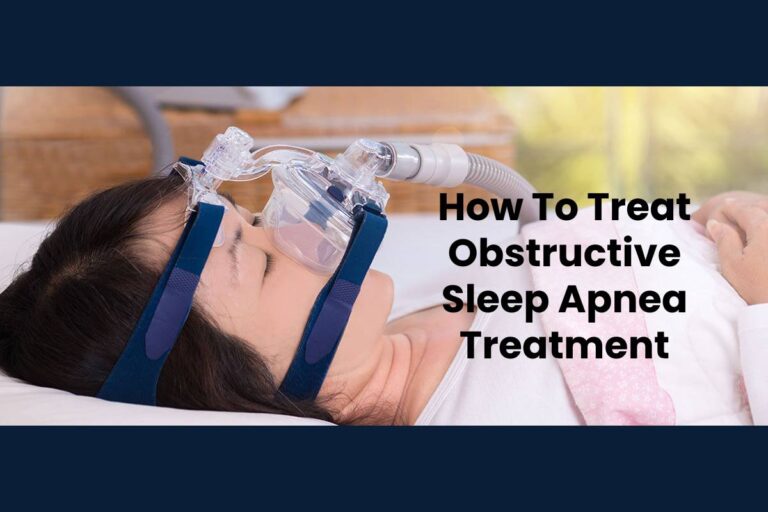
Positive Airway pressure is an effective solution to your Sleep Apnea disorder. Your doctor might fix a machine under this procedure to allow air pressure to pass through your nose and mouth during sleeping hours. Airway pressure minimizes the blockage of air while you are sleeping. It is a consistent and successful method to treat sleep disorders. Nowadays there has been advancement in the air pressure machines thereby making it smaller and less noisy.

You may also find our companion piece on Cons Of The Different Mattress Types Overview helpful for further context.

Mouthpiece

People with mild symptoms of sleep apnea treat their problems with the help of oral devices. A mouthpiece or oral device is an alternative to positive air pressure and reduces sleeplessness at night, thereby enhancing the life quality.

Before planning your treatment, the team at the sleep center might monitor your breathing overnight. It helps to identify the different functions of your body.

Understanding The Symptoms Of Obstructive Sleep Apnea

Obstructive sleep apnea can produce symptoms that are not always noticed by the person experiencing them. Loud snoring is one common sign, although not everyone who snores has sleep apnea. Other possible symptoms include repeated pauses in breathing during sleep, waking with a dry mouth, morning headaches, restless sleep, difficulty concentrating, and excessive daytime tiredness.

A sleeping partner may sometimes notice changes in breathing before the individual does. Gasping, choking, or sudden movements during the night can also be signs that breathing is being interrupted. Keeping track of these symptoms can help a healthcare professional understand what is happening during sleep.

Why Diagnosis Is Important

Recognizing and evaluating sleep apnea is important because repeated interruptions in breathing can affect the quality and continuity of sleep. A person may spend enough time in bed but still wake feeling unrefreshed because sleep is repeatedly disrupted.

Daytime sleepiness can also affect normal activities such as working, studying, driving, or operating equipment. For this reason, persistent symptoms should not simply be dismissed as ordinary tiredness. A healthcare professional can determine whether the symptoms are related to sleep apnea or another sleep-related condition.

For related practical techniques, check out our insights in A Guide To Resolving Sleep Disorders Practical Tips.

Understanding Positive Airway Pressure Therapy

Positive airway pressure therapy is commonly used to help keep the airway open during sleep. Depending on the individual’s situation, different types of devices may be considered by a healthcare professional. The device generally works by delivering a controlled flow of air through a mask or other interface.

Getting used to a positive airway pressure device may take time. Some people need to experiment with mask fit, sleeping position, or routine under professional guidance to find a comfortable approach. Regular follow-up can also help address problems such as discomfort, air leakage, or difficulty maintaining consistent use.

The Role Of Oral Appliances

Oral appliances can be considered for certain people with obstructive sleep apnea, particularly when a healthcare professional determines that this approach is suitable. These devices are designed to influence the position of structures in the mouth and jaw during sleep so that the airway can remain more open.

An oral appliance should be selected and fitted appropriately rather than treated as a generic mouthguard. Follow-up is important because the effectiveness and comfort of the device need to be evaluated over time.

Refer to peer-reviewed wellness summaries from Harvard Health Publishing Archive.

Surgery And Other Treatment Options

In some cases, surgery may be considered when other approaches are not suitable or when there is a structural issue contributing to airway obstruction. The type of procedure depends on the individual’s anatomy, symptoms, and overall medical situation.

Treatment decisions should be made with an appropriately qualified healthcare professional. There is no single approach that works for every person with obstructive sleep apnea, so evaluation and follow-up are important parts of the process.

Improving Sleep Habits

Healthy sleep habits can complement medical treatment. Maintaining a regular bedtime and wake-up schedule, creating a comfortable sleeping environment, and allowing enough time for sleep may support better overall sleep quality.

People should also follow the treatment plan recommended by their healthcare provider rather than stopping a prescribed therapy simply because symptoms improve. Regular follow-up can help determine whether the treatment continues to work effectively.

When To Speak With A Healthcare Professional

Persistent loud snoring, witnessed breathing pauses, nighttime gasping, or significant daytime sleepiness are reasons to discuss symptoms with a healthcare professional. A person who regularly feels exhausted despite getting adequate time in bed may also benefit from an evaluation.

Early assessment can help identify the cause of disrupted sleep and determine whether a sleep study or another form of testing is appropriate. With proper evaluation and a suitable treatment plan, people with obstructive sleep apnea can take practical steps toward improving their sleep and daily wellbeing.

A Gentle Path to Glowing Skin: Light Routine® Salicylic Acid Peel for Sensitive Skin

Dealing with sensitive skin can be a constant challenge, especially regarding chemical exfoliation. The fear of irritation and redness often discourages individuals with sensitive skin from pursuing the benefits of exfoliation. However, there is a solution tailored to their needs, and it comes in the form of the Light Routine® Gentle Waterless Salicylic Acid Peel. This blog will explore this innovative at-home peel’s remarkable features and advantages and explain why it’s the top choice for individuals with sensitive skin in India.

This Article belongs to skin conditions

Gentle Exfoliation for Sensitive Skin

Sensitive skin requires special care, as it can be prone to irritation and discomfort. Traditional exfoliation methods like physical scrubs can exacerbate these issues, making a gentle, effective solution essential. The Light Routine® Gentle Waterless Salicylic Acid Peel is designed with delicate skin in mind. It offers a gentle exfoliation process by targeting the top layer of the skin, providing an immediate glow while delivering long-term benefits, such as reduced pore size and blemishes.

For individuals who frequently experience irritation, redness, or discomfort, following a dedicated sensitive skin care routine can help support the skin while using exfoliating products.

Waterless Formula for Ease of Use

One of the standout features of this salicylic acid peel is its innovative, waterless formula. For those new to chemical peels, this formulation is perfect. It allows users to take their time during application, making at-home exfoliation a breeze. Rushing through the process is no longer necessary, and you can ensure the product is evenly applied for optimal results.

Preservative-Free and Fragrance-Free

Sensitive skin often reacts negatively to preservatives and fragrances commonly found in skincare products. The Light Routine® Gentle Waterless Salicylic Acid Peel is the ideal choice because it is both preservative-free and fragrance-free. This means you can enjoy the benefits of salicylic acid without worrying about irritating additives, which is a crucial consideration for those with sensitive skin.

Efficiency and Eco-Friendliness

A little goes a long way with this peel – just one to two drops are enough for your face and neck. You can quickly achieve your clear skin goals in 8-10 weeks with a recommended twice-weekly usage. Plus, as a waterless formulation, it’s vegan and completely eco-friendly. You no longer have to choose between beautiful skin and caring for the planet, making it an environmentally responsible choice.

Suitable for All Skin Types

The Light Routine® Gentle Waterless Salicylic Acid Peel is versatile for all skin types. Whether you have oily, combination, or sensitive skin, this peel is designed to provide excellent results. It’s unisex and safe for teenagers who want to care for their skin. The inclusive nature of this product means that it caters to a broad audience, ensuring that everyone can enjoy its benefits.

Key Benefits of Light Routine® Gentle Waterless Salicylic Acid Peel

Now that you’re acquainted with the unique features of the Light Routine® Gentle Waterless Salicylic Acid Peel let’s explore its key benefits:

  • Improved Acne Control
  • Enhanced Skin Glow
  • Improvement of Skin Tone and Texture
  • Tightening of Skin Pores
  • Reduction in Skin Congestion and Oiliness

If acne is a major concern, you can also explore this guide on treating severe acne for additional information.

Pro tip: Don’t Forget Your Sunscreen

While using the Light Routine® Gentle Waterless Salicylic Acid Peel, it’s essential to remember to apply a mineral sunscreen during the day. This step is crucial to maintain the results from the peel and protect your skin from harmful UV rays, ensuring that your skin remains healthy and glowing.

In summary, the Light Routine® Gentle Waterless Salicylic Acid Peel is ideal for sensitive skin. Its gentle, preservative-free formulation offers numerous benefits, making it a game-changer for skincare enthusiasts in India. It perfectly balances effectiveness and gentleness, making it a must-have addition to your Indian skincare routine.

For readers who notice unusual raised areas or bumps on their skin while dealing with other skin concerns, you can also learn about the common causes of skin lumps.

Phoenix Tears – Concept and How it Helps Soothing Several Health Issues?

According to the International Agency for Research on Cancer, almost 1 in every five people witnesses developing cancer in their body at some point in life. Cancer attacks 1 in 8 men, whereas the ratio is 1 in 11 in women. All in all, this makes it a total of 50 million people fighting back the evils of cancer in the world.

Every year almost 7.6 million people die from unexpected cancer cell development in their bodies. Many researchers claim that the way we live our lifestyles, we are in the middle of a cancer pandemic, and unfortunately, the world is gradually losing this cancer war.

Wondering why we are discussing cancer and not talking about phoenix tears? Well, that’s what phoenix tears help to treat. Let’s get a deeper insight into it.

this article belongs to  Healthy Eating

What are phoenix tears?

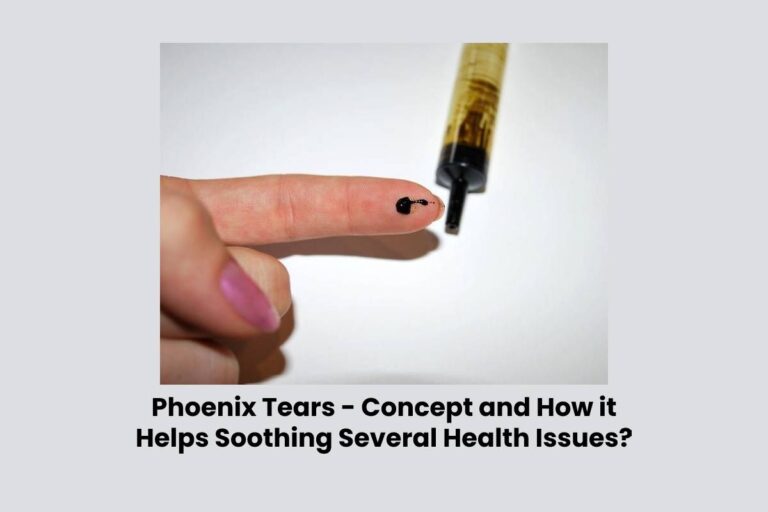
Phoenix tears is a concentrated cannabis plant with a high potential of treating different health issues in no time. Some experts from the cannabis world refer to phoenix tears as cannabis oil or Rick Simpson oil to help you to heal many diseases and cancerous cells. To be precise, it helps to treat – arthritis, cancer, skin issues, ulcers, chronic body pain, neurological issues, headache, burns, warts, infection, diabetes, moles, and much more.

Here are the details –

Health concern 1 – Terminal health issues

Generally, it takes 90 days to ingest the goodness of 60 grams of treatment. This puts a question on the treatment and medicines of cancerous cells. Slow medicine processing in a cancer patient’s body can make it difficult for them to fight with it. Here, phoenix tears help to reduce the pain and cure the cancerous cell gradually. All you need is to begin the treatment timely.

Health concern 2 – Diabetes

Cannabis oil shows some impressive results to heal diabetes. It rejuvenates the essential organs like the pancreas, which fasten up the functioning of the pancreas. It helps to keep the overall insulin injection intake and medicines in balance. Therefore, one can see progressive results to a considerable extent.

Health concern 3 – Weight loss

Increased weight is one of the major concerns for the current world, but that’s only when you don’t know anything about phoenix tears at all. While you apply or ingest quality cannabis oil for weight loss, make sure you don’t forget to consume maximum water (at least 8 ounces a day). You can enhance and fasten up the results by aligning your entire lifestyle and diet.

Health concern 4 – Skin-related problems

Skin cancer is one of the worst circumstances or issues that they can handle in their lives. It contains many anti-inflammatory properties and antioxidants, which work the best to give you flawless skin.

Summing up –

The way we are getting trapped in different health issues, the day is not far when every individual in the world will be suffering from at least one health issue type. In this context, some beneficial health strains like phoenix tears prove helpful. It works amazingly on the human body, giving you real-time results at its best.

Understanding Phoenix Tears And Cannabis Oil

Phoenix tears, also commonly associated with Rick Simpson oil, have attracted considerable attention because of the growing interest in cannabis-derived products. Cannabis contains several compounds, including cannabinoids such as THC and CBD, which have been studied for their possible effects on different health conditions. However, it is important to distinguish between early research, personal experiences, and medically established treatments.

Research into cannabis and cannabinoids is still developing. Some cannabinoid-based medicines have specific approved medical uses, including certain types of severe epilepsy and nausea and vomiting associated with cancer chemotherapy. There is also evidence suggesting that some cannabinoid medicines may provide modest benefits for certain types of chronic pain. However, these findings should not be interpreted as proof that cannabis oil or phoenix tears can cure cancer or other serious diseases.

For an in-depth breakdown on this subtopic, refer to our Benefits Of Coconut Oil Guide.

Phoenix Tears And Cancer Research

Cancer is a complex group of diseases, and treatment depends on the type, stage, location, and individual characteristics of the disease. Because of this complexity, replacing established cancer treatment with an unproven oil can create serious risks.

Cannabinoids are being investigated in cancer research, including their possible role in managing symptoms and treatment-related effects. Researchers are studying areas such as pain, nausea, vomiting, appetite changes, and other symptoms associated with cancer and its treatment. However, current evidence does not establish phoenix tears as a cure for cancer.

People who are receiving cancer treatment should therefore discuss any cannabis-derived product with their healthcare provider before using it. Some complementary products can interfere with conventional treatments, and delaying proven treatment can be harmful.

Possible Support For Symptoms

One area where cannabinoid research has received attention is symptom management. Certain cannabinoid medicines have been studied for chemotherapy-related nausea and vomiting. Research has also examined cannabis and cannabinoids for chronic pain and other symptoms.

This does not mean every cannabis oil will have the same effects. Different products can contain different amounts of THC, CBD, and other compounds. Product quality and concentration can also vary, making it difficult to assume that one preparation will produce the same result as another.

For this reason, anyone considering a cannabis-based product should focus on reliable medical information instead of relying only on online claims or testimonials.

Safety And Responsible Use

Another important consideration is safety. Cannabis and cannabinoid products can cause side effects and may interact with other medicines. NCCIH notes concerns including dizziness, changes in alertness, drug interactions, and the possibility of cannabis use disorder. Some products may also contain contaminants or amounts of cannabinoids that differ from what is stated on the label.

People with serious health conditions should be particularly careful about self-treatment. A product described as natural is not automatically safe, and a concentrated cannabis preparation can have stronger effects than expected.

Why Medical Guidance Matters

The popularity of phoenix tears demonstrates how quickly interest in alternative health products can grow. However, health decisions should be based on the quality of available evidence rather than marketing claims.

If someone is considering cannabis or cannabinoid products, discussing the product with a qualified healthcare professional can help identify potential benefits, side effects, drug interactions, and safer alternatives. This is especially important for people who are undergoing cancer treatment or taking prescription medicines.

Research Is Still Developing

Scientists continue to investigate cannabis, cannabinoids, and related compounds. The National Institutes of Health supports research into their potential therapeutic effects as well as their risks. Researchers are examining how different cannabinoids may influence symptoms, treatment responses, and other biological processes.

As research develops, future evidence may provide clearer answers about where specific cannabinoid medicines can be useful. Until then, it is better to view phoenix tears as an area of ongoing interest rather than a scientifically proven treatment for multiple diseases.

Final Takeaway

Phoenix tears and cannabis-derived oils have generated significant interest because of their connection with cannabinoids and alternative health discussions. While some cannabinoid-based medicines have demonstrated benefits for specific medical purposes, there is currently no evidence that phoenix tears can cure cancer or replace established medical treatment. Anyone considering such products should speak with a healthcare professional and avoid delaying appropriate care.

For more evidence-based information, you can learn more about cannabis and cannabinoids from the National Center for Complementary and Integrative Health.

Dental Bridges: What You Need to Know Complete Guide

Dental Bridges: What You Need to Know

So you’ve got a missing tooth. Or maybe several. And you’re wondering about your options. A dental bridge might be the answer—or maybe an implant is better. Let me break down everything you need to know about dental bridges so you can make the right choice.

this article belongs to Dental Care

What Is a Dental Bridge? Understanding the Basics

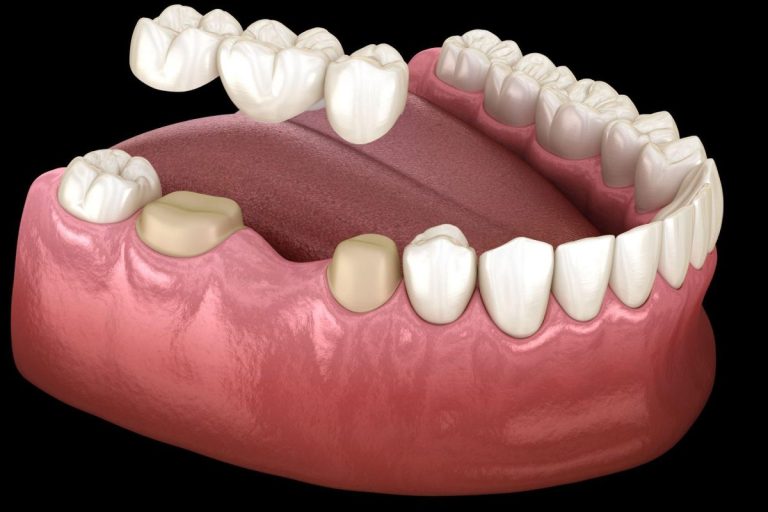
A dental bridge is basically what it sounds like: it bridges the gap created by a missing tooth. It’s a prosthetic tooth (called a pontic) that’s connected to crowns on the teeth on either side of the gap.

Think of it like a bridge spanning a river. The bridge is supported by pillars on both sides (your adjacent teeth). The missing span is replaced by the artificial tooth in the middle.

How Bridges Work

The process:

  1. Your adjacent teeth are prepared (reduced in size)

  2. Crowns are placed on those prepared teeth

  3. The artificial tooth (pontic) connects the two crowns

  4. The entire bridge is cemented in place

  5. It’s permanent (or semi-permanent—lasts 5-10 years)

The result? A fixed tooth replacement that doesn’t come out and doesn’t move.

To understand how this fits into the broader picture, explore our Comprehensive Oral Hygiene Practices Tend Pillar.

Types of Dental Bridges

There are different bridge styles depending on your situation.

Traditional Bridge (Most Common)

What it is:

  • Artificial tooth attached to crowns on both adjacent teeth

  • Both sides must be healthy teeth

Advantages:
✓ Most common and reliable
✓ Affordable compared to implants
✓ Looks natural
✓ Durable (5-10 years typically)
✓ Takes only 2-3 appointments

Disadvantages:
✗ Requires grinding down two healthy teeth
✗ Those teeth are permanently damaged
✗ Doesn’t last as long as implants
✗ Harder to clean under the bridge
✗ Can shorten lifespan of adjacent teeth

You may also find our companion piece on Fill Dental Gaps In Melbourne With Porcelain Overview helpful for further context.

Cantilever Bridge

What it is:

  • Artificial tooth supported by a crown on only ONE adjacent tooth

  • Used when there’s only one tooth next to the gap

Advantages:
✓ Only one tooth needs to be prepared
✓ Possible when only one adjacent tooth exists
✓ Quicker treatment

Disadvantages:
✗ All stress goes to one tooth (can damage it)
✗ Less stable than traditional bridge
✗ Not ideal for back teeth (too much force)
✗ Less common, some dentists avoid it

Maryland Bridge (Bonded Bridge)

What it is:

  • Artificial tooth with “wings” that bond to adjacent teeth

  • No crowns needed on adjacent teeth

  • Teeth aren’t significantly reduced

Advantages:
✓ Less invasive (minimal tooth reduction)
✓ Reversible (can be removed)
✓ Adjacent teeth not as damaged
✓ Good for younger patients
✓ Cheaper than traditional bridge

Disadvantages:
✗ Less stable than traditional bridges
✗ Wings can come loose
✗ Needs more frequent adjustments
✗ May not last as long
✗ Limited to front teeth typically

For related practical techniques, check out our insights in Hidden Perks Of Visiting The Dentist For Bad Breath Practical Tips.

Implant-Supported Bridge

What it is:

  • Bridge supported by dental implants instead of natural teeth

  • Artificial roots (implants) placed where missing teeth were

  • Bridge placed on top of implants

Advantages:
✓ Doesn’t damage natural teeth
✓ More stable than traditional bridges
✓ Lasts 25+ years
✓ Most aesthetic option
✓ Best long-term solution

Disadvantages:
✗ Most expensive option ($6,000-$15,000+)
✗ Takes longer (6-12 months for implants to integrate)
✗ Requires surgical implant placement
✗ More complex treatment

Bridge Cost Breakdown

What you’ll actually pay in Sydney (2025):

Traditional Bridge Costs

Per bridge (1 missing tooth):

  • Low end: $1,200-$1,800

  • Mid-range: $2,000-$3,000

  • Premium: $3,500-$5,000

Multiple missing teeth:

  • 2-3 missing teeth: $2,500-$6,000

  • 4+ missing teeth: Costs increase significantly

Maryland Bridge Costs

Typically:

  • $800-$1,500 per bridge

  • Cheaper than traditional bridges

  • Less complex, quicker procedure

Implant-Supported Bridge Costs

For 2 missing teeth:

  • 2 implants: $6,000-$12,000

  • Bridge attachment: $1,500-$3,000

  • Total: $7,500-$15,000

Multiple missing teeth:

  • Costs scale with number of implants needed

  • Can be $15,000-$40,000 for several teeth

What Affects Bridge Pricing

Complexity:

  • Simple single bridge: Lower cost

  • Multiple bridges or complex cases: Higher cost

Material quality:

  • Standard crown: Lower cost

  • Premium porcelain or zirconia: Higher cost

Dentist experience:

  • Less experienced: Cheaper

  • Highly experienced cosmetic dentist: Premium pricing

Location:

  • Suburbs: Lower costs

  • CBD: 15-30% more expensive

Lab quality:

  • Budget lab: Lower cost, possibly lower quality

  • Premium lab: Higher cost, better aesthetics

Review verified patient guidance outlined in the Mayo Clinic Lifestyle Fundamentals.

Bridge vs. Implant vs. Denture: Real Comparison

Factor Bridge Implant Denture
Cost $1,200-$5,000 $3,000-$6,000 $1,500-$3,000
Lifespan 5-10 years 25+ years 5-8 years
Appearance Excellent Excellent Good
Function Excellent Excellent Fair
Comfort Excellent Excellent Okay
Cleaning Moderate (harder to clean under) Easy (like natural teeth) Daily removal needed
Damage to other teeth Yes (weakens adjacent teeth) No No
Feels natural Yes Yes No (foreign)
Maintenance Moderate Easy Daily care needed

Real talk: Implants are the better long-term solution. Bridges are cheaper but damage other teeth and don’t last as long.

The Bridge Procedure: What to Expect

Appointment 1: Preparation

Your dentist will:

  • Prepare the adjacent teeth (reduce size for crowns)

  • Take impressions

  • Make temporary bridge

  • Discuss care and maintenance

What you’ll feel: Numbness, vibration, pressure—but no pain

Appointment 2: Placement (1-2 weeks later)

Your dentist will:

  • Remove temporary bridge

  • Fit permanent bridge

  • Check bite and alignment

  • Cement it in place permanently

  • Make adjustments

Result: Permanent bridge replacing your missing tooth

Caring for Your Bridge

Bridges need special care because they’re fixed in place.

Daily Care

Cleaning is critical:

  • Regular toothbrush on visible parts

  • Special floss (threaders) or water flosser to clean under bridge

  • Regular brushing of adjacent teeth

  • Gentle around the bridge area

What to avoid:
✗ Don’t chew hard foods near bridge
✗ Don’t skip flossing (decay under bridge is serious)
✗ Don’t grind your teeth (wear night guard)
✗ Don’t use bridge to bite hard objects

Professional Care

Every 6 months:

  • Professional cleaning

  • Check bridge stability

  • Look for any problems

Yearly:

  • Full examination

  • X-rays to check decay risk

  • Discussion of any concerns

How Long Do Bridges Actually Last?

Average lifespan: 5-10 years
Some bridges: Up to 15 years with excellent care
Why they fail:

  • Decay on adjacent teeth

  • Bridge loosening from cement failure

  • Damage to supporting teeth

  • Gum disease

Real talk: Many bridges fail not because of the bridge itself, but because the teeth supporting it get cavities or gum disease.

Questions People Ask About Bridges

Will a bridge look natural?

With a quality bridge from an experienced dentist, absolutely. Crowns and pontics are color-matched to your natural teeth. Most people can’t tell which tooth is artificial.

Is the procedure painful?

No. Local anesthesia numbs everything. You might feel pressure and vibration, but not pain. After the procedure, some minor sensitivity is possible (usually temporary).

Can I eat normally with a bridge?

Mostly. Avoid very hard foods (nuts, hard candy, ice). Avoid sticky foods. Otherwise, eat like normal.

What if the bridge comes loose?

Call your dentist immediately. A loose bridge can allow decay underneath. It’ll need to be recemented or possibly replaced.

Can a bridge be adjusted?

Sometimes. Minor adjustments can be made. Major changes usually require replacing the entire bridge.

Why not just get an implant?

Bridges are:

  • Cheaper upfront

  • Faster (weeks instead of months)

  • Don’t require surgery

  • Good for patients who don’t want surgery or implants

Implants are:

  • Better long-term investment

  • Don’t damage other teeth

  • Last 25+ years

  • Don’t require ongoing replacement

Choose based on your budget, timeline, and preferences.

How often does a bridge need replacing?

Every 5-10 years on average. Some last longer with excellent care.

What if I have gum disease?

Gum disease must be treated before bridge placement. Healthy gums are essential for bridge success.

Can I get a bridge after tooth extraction?

Usually, yes. Wait 2-3 months after extraction for bone and gums to heal, then proceed with bridge.

Bridge as Part of Smile Makeover

Bridges often work with other cosmetic procedures.

Common Combinations

Bridge + Whitening:

  • Replace missing tooth with bridge

  • Whiten remaining teeth

  • Cost: $2,000-$6,000

  • Timeline: 3-4 weeks

Bridge + Veneers:

  • Bridge for missing tooth

  • Veneers for other cosmetic improvement

  • Cost: $6,000-$15,000

  • Timeline: 4-8 weeks

Bridge + Gum Contouring:

  • Bridge placement

  • Gum reshaping for better aesthetics

  • Cost: $2,000-$8,000

  • Timeline: 3-4 weeks

Real-World Example

Let’s say you’re missing one tooth in your smile zone.

Bridge option:

  • Cost: $1,500-$3,000

  • Timeline: 2-3 weeks

  • Lifespan: 5-10 years

  • Damages adjacent teeth

Implant option:

  • Cost: $3,500-$6,000

  • Timeline: 6-12 months

  • Lifespan: 25+ years

  • Doesn’t damage other teeth

Denture option:

  • Cost: $800-$1,500

  • Timeline: 2-3 weeks

  • Lifespan: 5-8 years

  • Requires daily removal

Which is best? Depends on YOUR priorities (budget, timeline, longevity, willingness to have surgery).

Your Next Steps

If you’re considering a dental bridge:

  1. Find a cosmetic dentist: Choose the Right Cosmetic Dentist in Sydney: Complete Guide

  2. Get a consultation to assess your options

  3. Understand your choices: Bridge vs. implant vs. denture

  4. Get detailed treatment plan with timeline and costs

  5. Make your decision based on what works for you

Conclusion

Dental bridges are a solid, affordable option for replacing missing teeth. They’re quicker and cheaper than implants. But they do damage adjacent healthy teeth and don’t last as long.

The best choice depends on your specific situation, budget, and preferences. A consultation with an experienced cosmetic dentist will help you understand which option is best for you—bridge, implant, or something else entirely.

8 Methods for Taking Care of a New Tattoo

Bad treatment will eventually bark your new tattoo! So, future (s) and young tattooed (s), here are ten tips to take care of your tattoo.

Listen to the Tattoo Artist

If you have chosen a good tattoo artist (we hope!), they will give you specific instructions, which you should follow to the letter.

Tattoo artists want your tattoo to heal correctly and do well; they will only give you good advice.

this article belongs to Healthy Lifestyle

First Aid

The day after your tattoo, remove the bandage.

Then wash your tattoo with lukewarm water (not hot) and with a neutral pH soap or soap for intimate hygiene to remove all blood residues, ink.

Then wipe with a clean towel!

Healing Care

After carefully washing the tattoo, it is advisable to apply an ointment, generally recommended by your tattoo artist (if not by your pharmacist), to keep the tattoo permanently hydrated.

While healing, it is essential to keep the tattoo slightly damp. If you let it dry, it could lead to scabbing. Make sure it is always hydrated.

Wash Your Hands with Soap before Touching Your Tattoo

It’s new, it’s beautiful, you’re happy with it, but stop touching it!

In any case, before touching it, wash your hands thoroughly until the tattoo has healed. Do the same thing before applying the cream or ointment.

Do Not Scratch the Scabs

Scabs are part of the normal healing process. The dead skin on the tattoo needs to come off. It will itch, but don’t scratch! You could damage your tattoo by scratching it.

Tolerate your pain!

No Swimming Pool, Spa, or Sauna!

The swimming pool, sea, Jacuzzi, spa, and sauna are to be avoided during the healing period.

Do not bathe for at least two weeks as this will wash away the ink from your tattoo and damage its appearance.

No Sport

The tattoo is an open wound, so you must avoid sweating and blows for good healing! This advice is especially valid when it comes to large tattooed areas.

No Sun

If your tattoo is on the part of the body exposed to direct sunlight, sunscreen is mandatory. And ideally, it’s best to avoid sun exposure entirely.

UV rays can reduce the intensity of the colors and deteriorate the design.

So avoid them for 2 to 3 months!

What if you don’t like your tattoo?

Yes, this could happen sometimes. Time goes by and your tattoo doesn’t seem that interesting anymore. What should you do now? Lucky you, today’s technology is improved and now tattoo removals are a piece of cake. Great example is the Los Angeles tattoo removal center. Laser technology will make you feel no pain, it’s quick and secure. Don’t put yourself down because of one tattoo. You can always remove it and do another one after a good process of thinking!

For an in-depth breakdown on this subtopic, refer to our Ways To Use Foundation Guide.

Keep It Clean

Keeping a new tattoo clean is one of the most important parts of aftercare. During the first stages of healing, the tattooed skin needs to be treated carefully because it has been irritated by the tattooing process. Dirt, sweat, and unnecessary contact can make the area more uncomfortable.

Clean the tattoo according to the instructions provided by your tattoo artist. Use clean hands and avoid rubbing the area aggressively. Gentle care is generally better than trying to scrub away every trace of peeling skin or dried fluid.

The goal is to keep the area clean without repeatedly irritating the skin. Over-cleaning can also leave the skin feeling dry and uncomfortable, so follow a consistent routine rather than washing the tattoo unnecessarily throughout the day.

Choose Loose Clothing

The clothing you wear can make a difference while your tattoo is healing. Tight clothing may rub against the tattoo and cause unnecessary friction, particularly when the tattoo is located on an area such as the thigh, shoulder, waist, back, or ankle.

Whenever possible, choose clean and comfortable clothing that allows the tattooed area to breathe. Clothing should not repeatedly stick to the tattoo or place pressure on the healing skin.

If the tattoo is in an area that naturally experiences a lot of movement, be particularly mindful of friction. Simple changes to your clothing choices can make the healing period more comfortable.

For an in-depth breakdown on this subtopic, refer to our Ways To Get Fit And Live Your Best Life Guide.

Avoid Unnecessary Contact

A new tattoo can attract attention, especially when you are excited about showing it to friends and family. However, allowing other people to touch it is not a good idea while it is healing.

Even clean-looking hands can carry dirt and microorganisms. Ask people not to touch the tattoo until the skin has healed. This is especially important if you are in crowded environments or around people who may not realize that the tattoo is still healing.

Your tattoo does not need constant handling to heal properly. The less unnecessary contact it receives, the easier it can be to maintain a clean aftercare routine.

Watch for Normal Changes

A tattoo can look different during the healing process than it did immediately after the appointment. The skin may feel tender, appear slightly red, or begin to peel as it recovers.

Some itching can also occur as the skin heals. These changes can be uncomfortable, but they are not a reason to scratch or pick at the area.

The appearance of the tattoo may also change temporarily as peeling occurs. Avoid judging the final appearance too early. The skin needs time to recover before you can properly appreciate how the finished tattoo looks.

For an in-depth breakdown on this subtopic, refer to our Travelling Or Busy Guide.

Give It Time

One of the biggest mistakes people can make is expecting a new tattoo to look completely healed within a few days. Healing takes time, and the process can vary depending on the size and location of the tattoo and individual factors.

Large tattoos may require more attention because they involve a larger area of skin. Areas that experience frequent movement or friction may also feel more sensitive during healing.

Instead of constantly checking whether the tattoo is finished healing, focus on following your aftercare instructions consistently. Patience is an important part of tattoo care.

Avoid Picking Peeling Skin

As the tattoo heals, you may notice small pieces of skin beginning to peel. This can be tempting to remove, especially when the skin feels loose.

However, picking at peeling skin can irritate the area and interfere with the healing process. Allow the skin to shed naturally instead of pulling it away.

The same principle applies to any small flakes or dry areas. Your hands may automatically want to remove them, but resisting that urge can help you avoid unnecessary irritation.

For an in-depth breakdown on this subtopic, refer to our Top Cannabis Companies In U S Guide.

Be Careful With Products

There are many tattoo-care products available, but using more products does not necessarily mean better care. Your tattoo artist may recommend a particular moisturizer or aftercare product based on their experience.

Avoid applying random products simply because someone online recommends them. Different people can react differently to skincare ingredients, fragrances, and other additives.

If a product causes significant burning, irritation, or discomfort, stop using it and seek appropriate professional advice. When you are uncertain about what to apply, your tattoo artist or a healthcare professional can help you determine the next step.

Keep Bedding Clean

Your tattoo can come into contact with your sheets and blankets while you sleep. Keeping bedding clean during the early healing period can therefore be a useful part of your routine.

Fresh, clean sheets can reduce unnecessary exposure to dirt and sweat. It is also helpful to consider your sleeping position. If possible, avoid putting constant pressure on a freshly tattooed area.

For example, if your tattoo is on your arm, sleeping directly on that arm may cause friction and discomfort. Adjusting your sleeping position for a short period can make the healing process easier.

For an in-depth breakdown on this subtopic, refer to our The Rise Of Bacteria Guide.

Stay Away From Irritants

Certain environments can expose a healing tattoo to dust, chemicals, excessive sweat, or other irritants. If your work or hobbies involve these conditions, take extra care to protect the tattoo.

This does not necessarily mean you have to stop your normal activities completely. Instead, consider whether the activity involves direct friction, contamination, or excessive exposure to substances that could irritate the healing skin.

Following your tattoo artist’s specific advice is especially important if your daily routine makes avoiding these factors difficult.

Think About Tattoo Placement

The location of your tattoo can influence how easy it is to care for. Tattoos near joints, hands, feet, or areas that frequently experience friction may require extra attention during the healing period.

For future tattoos, think about how the placement will interact with your everyday activities. Clothing, footwear, exercise, work, and sleeping habits can all affect how easily you can protect the area.

Planning ahead can make aftercare more manageable. A tattoo may look great, but practical considerations are also important when choosing where to place it.

Don’t Rush Back to Normal

It can be tempting to return immediately to every normal activity once the tattoo stops feeling sore. However, the surface may still be healing even when discomfort has decreased.

Continue following the aftercare instructions you were given rather than assuming the tattoo is fully healed because it looks better.

Gradually returning to activities can give you a better opportunity to notice how your skin responds. If an activity causes repeated rubbing, discomfort, or irritation, it may be worth taking a short break until the skin has recovered further.

Stay Patient With the Appearance

The final appearance of a tattoo develops over time. Immediately after getting tattooed, colors can appear particularly bold, and the surrounding skin may look different from the final result.

During healing, peeling can temporarily make the tattoo look dull or uneven. This does not necessarily mean that something has gone wrong.

Give the skin enough time to settle before deciding whether you like the final appearance. If you have concerns about how the tattoo is healing, contact your tattoo artist or a healthcare professional rather than trying to correct the appearance yourself.

Know the Warning Signs

Although some tenderness, redness, and peeling can occur during healing, it is important to pay attention to changes that seem unusual or are getting worse rather than better.

Increasing pain, spreading redness, significant swelling, unusual discharge, or other concerning symptoms may require professional medical attention. A healthcare professional can assess the area and determine whether further care is needed.

Do not rely only on photographs or advice from social media if you are concerned about a possible infection or other complication. Getting appropriate professional guidance can help you address problems early.

For an in-depth breakdown on this subtopic, refer to our Make Your Morning Better.

Follow Professional Advice

Tattoo aftercare advice can differ depending on the tattoo, the technique used, the covering applied, and the artist’s preferred healing method. This is why it is useful to ask questions before leaving your appointment.

Make sure you understand how long the covering should remain in place, how the tattoo should be cleaned, what product should be applied, and what activities should be avoided.

If you forget an instruction, contact your tattoo artist rather than guessing. Keeping their aftercare instructions available can make the first few days much easier.

Think Before Your Next Tattoo

Once your first tattoo has healed, you may already be thinking about your next design. Before booking another appointment, take some time to consider what you want.

Think about the design, placement, size, and long-term meaning. Trends can change, but tattoos are intended to be long-lasting. Choosing a design carefully can help reduce the possibility of regret later.

Researching your tattoo artist is also important. Look at their previous work and make sure their style matches the type of tattoo you want. A professional and hygienic environment should also be an important consideration.

Tattoo Removal

Sometimes people eventually decide that they no longer want a tattoo. This can happen because their interests change, the tattoo has personal meaning that no longer feels relevant, or they simply wish they had chosen a different design.

Tattoo removal is more complicated than simply erasing the ink. Laser-based procedures are commonly used, but the process can require multiple treatment sessions, and results can vary depending on factors such as ink color, tattoo size, location, and individual skin characteristics.

Anyone considering tattoo removal should speak with a qualified medical professional or appropriately trained specialist. They can explain the available options, possible side effects, expected treatment process, and realistic outcomes.

Think About Cover-Ups

Tattoo removal is not the only option for someone who is unhappy with an existing tattoo. In some cases, a cover-up tattoo may be considered.

A cover-up involves creating a new design that incorporates or conceals the existing tattoo. The success of this approach depends heavily on the original tattoo’s size, darkness, location, and design.

A tattoo artist experienced in cover-up work can assess the existing tattoo and explain what may be possible. It is important not to rush into another tattoo simply because you are unhappy with the first one.

Long-Term Care

Tattoo care does not completely end once the initial healing period is finished. Your skin continues to change over time, and environmental exposure can affect the appearance of tattooed skin.

Protecting your skin from excessive sun exposure can help maintain the appearance of tattoos. Keeping your skin moisturized can also support its general condition.

Remember that a tattoo becomes part of your skin, so general skincare habits remain relevant. Staying hydrated, protecting your skin from excessive environmental exposure, and maintaining a consistent skincare routine can all contribute to healthy-looking skin.

Refer to peer-reviewed wellness summaries from Harvard Health Publishing Archive.

Final Thoughts

Getting a tattoo is an exciting experience, but taking care of it is just as important as choosing the design. The healing period requires patience, cleanliness, and attention to the instructions provided by your tattoo artist.

Avoid unnecessary touching, scratching, soaking, and friction while the tattoo heals. Give your skin enough time to recover and pay attention to any changes that seem unusual.

Most importantly, remember that tattoo aftercare is not a competition. Everyone’s skin can respond differently, and your tattoo may take more or less time to settle than someone else’s.

If you are ever uncertain about how your tattoo is healing, asking your tattoo artist or a healthcare professional is better than experimenting with random products or home remedies.

A well-planned tattoo combined with responsible aftercare can help you enjoy your design for many years. Take your time, follow appropriate care instructions, and give your skin the patience it needs.

Top 10 Benefits Of Dual Diagnosis Treatment For Drug Addiction Recovery

If you have been diagnosed with a mental disorder and addiction, there is help for you. Dual diagnosis treatment will be great for you in so many ways. In fact, we were able to come up with the top ten benefits that you can expect.

If you are dealing with both addiction and mental health issues, now is the time to get help. You can visit the Epiphany Wellness website for more information on what to do. Now, let’s start this list of ten benefits you need to know about dual diagnosis treatment.

this article belongs to Medical Treatments

You get treatment for both disorders

You get treatment for both disorders

Dual diagnosis treatment means you get treated for both your mental health issues and addiction. Neither one will get ignored. You’ll be able to receive a treatment that is effective and performed by specialists that focus on these disorders.

In the past, there was a time when addiction was only treated. Yet, mental health issues were considered second to it. This would often lead to ineffective addiction treatment.

When you treat a mental disorder, it can help make inroads for your drug recovery. Attacking the issues from all sides can make recovery and managing your mental issues possible.

To understand how this fits into the broader picture, explore our Comprehensive Pre Operative Care Pillar.

You’ll work with specialists that can help

You’ll be working with mental health counselors that will focus on your mental disorder. You might work with a specialist that understands your struggles regarding your specific condition. The same will apply when you are being treated for addiction.

Your therapist will be a substance abuse counselor that focuses on the behavioral aspect of addiction recovery. You’ll be working with two separate counselors instead of one that tries to do it all. You will want dual diagnosis to be as simple and laser focused as possible.

You’ll have more one-on-one time with therapists

This kind of treatment will be effective when you are meeting with each therapist one-on-one. This way, you get more focused attention. Sure, you may still need to attend group therapy for your addiction treatment (and that’s normal).

One-on-one focus will make it easier for you and your therapist to come up with solutions for your treatment. Especially when you are searching for answers on how you can treat your mental health disorder going forward.

You have aftercare options for both

Aftercare is essential for both mental health and addiction treatment. The facility you’ll attend will have options available for you. Most of them will be at your disposal 24 hours a day, seven days a week (unless otherwise).

You also will have aftercare options available online. Regardless, you’ll get the help you need in case you have any questions or concerns about your post-dual diagnosis treatment. This will also come in handy if you’re dealing with a day that doesn’t seem like a good one.

There may be days when you may feel an episode coming on. Or even worse – a relapse. Either way, it’s important to have a plan if things like that happen.

You may also find our companion piece on Emergency Services In Calallen Overview helpful for further context.

You’ll be able to plan for the future

During your treatment, you will have an opportunity to plan your life after treatment. This may be a process that won’t last overnight. This will take time and effort.

You may have ideas as to what you may want to do in the future. This includes eating healthy, exercising regularly, spending time with family, or something more exciting.

You’ll look ahead and be excited and know what lies ahead. You’ll be able to share these plans with your family and members of your support system. If there is one thing that will help keep you going with your treatment, it’s your plans for the future.

Very effective and successful

If you are looking for the most effective treatment, dual diagnosis is one of the best. You’ll be able to succeed in beating your addiction while being able to find the root cause of your mental health issues. It will get to the point where you will be able to easily manage it.

Your therapists will talk with you and figure out what caused it from the beginning. And from there, they’ll put together a plan to help you overcome it all.

Your quality of life will improve

Indeed, your quality of life will improve over time. Especially when your body exist clean of all drugs. Likewise, you’ll be able to see major strides in your mental health.

You’ll feel like you have a lot to live for. You’ll feel healthier both mentally and physically. It’s as if you are reborn again.

You may have reach a point where you may have reversed any kind of damage that has been done to your body. Meaning you might have been able to avoid any adverse health issues that may otherwise be fatal.

A growing support system

If you are undergoing treatment, you’ll have a support system that will grow over time. This can include your family, people who are in treatment with you, the professionals helping you, and more. It’s always a good idea to know you have people on your side that love you and care about you.

So make sure you use them to your advantage. Thank them. Show appreciation for them.

Don’t forget that they are part of the reason why you are continuing onward towards recovery. They are the kind of people you owe your life to.

You may also find our companion piece on Treatment For Opioid Addiction Overview helpful for further context.

You’ll know how to cope better

You’ll be able to learn better coping skills when it comes to mental health. There may be days when you are feeling stress out. You may feel like today isn’t the best day.

But you have the ability to get through it in a better way. And drugs is a thing of the past.

Review global population wellbeing trends via the World Health Organization Global Indicators.

You’ll be motivated to recover

Dual diagnosis and all the other benefits we’ve listed are enough for you to keep moving. Recovery is something you strive for. It’s your goal and everyone in your family wants to see it happen.

Life is precious and valuable. So make it even better by reaching the finish line.

10 Tips for Choosing the Best Hair Salon

Why Choosing the Best Hair Salon Matters

Hair is personal. Whether you are going in for a quick trim, a bold new cut, or a complete colour transformation, you are placing a lot of trust in your hairdresser. A great salon can make you feel confident and refreshed, while a bad experience can leave you disappointed—and sometimes with damage that takes months to grow out.

this article belongs to hair care

That’s why choosing the best hair salon is about more than just convenience. It’s about:

  • Finding professionals who understand your hair type and lifestyle

  • Ensuring clear communication about your expectations

  • Feeling comfortable, heard, and respected every time you visit

Use the guide below as a checklist to help you identify the right salon for your needs.

For a complete foundational overview, make sure to read our core guide on selecting the most suitable hair oil for your tresses before starting any regimen.

1. Define Your Wishes and Criteria First

Before you start searching, get clear on what you actually want from a salon. This will help you narrow down your options and avoid wasting time.

Consider:

  • Services you need: Just haircuts, or also colour, treatments, styling, extensions, or bridal hair?

  • Type of advice you want: Do you expect detailed consultations, haircare coaching, and style suggestions?

  • Appointment style: Do you prefer walk-ins, or are you comfortable booking in advance?

  • Budget range: How much are you realistically willing to spend per visit?

  • Location and convenience: Close to home, office, or somewhere in between?

When you know these criteria, it becomes much easier to choose a salon that fits your expectations instead of hoping any random place will work.

Furthermore, exploring our related article on top 5 stylish ways to wear tape hair extensions provides complementary techniques to maximize results.

2. Start with Word of Mouth

One of the most reliable ways to find a great hair salon is through personal recommendations.

  • Notice a friend, coworker, or family member with a haircut or colour you love? Ask where they got it done.

  • Ask follow-up questions:

    • How long have they been going there?

    • Are the stylists consistent?

    • How does the salon handle mistakes or adjustments?

People are usually honest about their experiences—good and bad. If someone has had a disappointing experience, they will often warn you, which can help you avoid salons that don’t value customer satisfaction.

3. Do an Online Survey: Website, Reviews, and Social Media

Once you have a few names, it’s time to research online.

Check the Salon’s Website

A salon’s website can tell you a lot:

  • Services offered: Cuts, colouring, styling, treatments, and special services such as keratin, hair spa, or bridal packages

  • Brand image: Is the vibe modern and trendy, classic, luxurious, or budget-friendly?

  • Professionalism: Is the information clear, updated, and detailed?

You can usually get a sense of the salon’s concept and target clientele without stepping inside.

Furthermore, exploring our related article on simple styling hacks to amplify your hair volume provides complementary techniques to maximize results.

Read Online Reviews

Look at reviews on:

  • Google

  • Social media pages

  • Local listing platforms

Pay attention to:

  • Overall rating, but also recurring themes (e.g., “great with curly hair,” “always late,” “very friendly staff”)

  • How the salon responds to negative reviews—do they ignore them or reply politely and offer solutions?

Check Social Media and Photos

Scroll through photos of real clients:

  • Look at before-and-after pictures, haircut and colour results, and styling shots

  • Check if the work matches your taste—subtle, natural looks vs bold, high-fashion styles

  • See if they show a variety of hair types and textures

If you like their visual portfolio, it’s a good sign their style aligns with your preferences.

Choosing the right salon is only one part of maintaining beautiful hair. For additional guidance on proper hair care and keeping your hair healthy, explore these healthy hair care tips from the American Academy of Dermatology.

4. Understand the Price List Before You Book

Pricing can vary widely between salons, and “extras” add up quickly if you’re not careful.

Before booking:

  • Review the full price list on their website or ask for it via phone or WhatsApp

  • Check if services like blow-dry, styling, or hair treatments are included or charged separately

  • Ask about:

    • Colour packages (cut + colour + blow-dry)

    • Student or weekday discounts

    • Memberships or loyalty programs

Having clarity upfront helps you avoid awkward surprises at the cash desk and ensures you’re choosing a salon that fits your budget.

5. Make a Quick Visit to the Salon

If possible, visit the salon in person before committing to a big service like a major colour change or a drastic cut.

During your visit, observe:

  • Cleanliness: Are the floors, tools, and stations clean and hygienic?

  • Ambience: Is the atmosphere calm, friendly, and professional?

  • Organisation: Do appointments seem well-managed, or does everything feel chaotic and rushed?

These small details can tell you a lot about how seriously the salon takes both hygiene and customer experience.

6. Pay Attention When You Make an Appointment

The booking process itself is often revealing.

Positive signs include:

  • The receptionist or staff asks: “Do you have a preferred stylist?”

  • They can recommend specific stylists for certain services—cutting, colouring, styling, or special occasion hair

  • They ask relevant questions such as hair length, texture, or what service you’re looking for

A salon that regularly works with repeat customers and knows their preferences usually delivers more consistent results. In some places, you can also look for mobile barbers or stylists if you prefer getting your haircut done at home.

7. Observe the Team and Their Own Hairstyles

On your quick visit, pay attention not just to the space, but to the team.

Ask yourself:

  • Do the staff seem friendly, approachable, and professional?

  • Do you feel comfortable asking questions or explaining what you want?

  • How do the stylists wear their own hair?

Hairdressers often cut and colour each other’s hair, so their own styles act as a live portfolio of the salon’s skills and creativity. If you love how the team looks, that’s usually a good sign.

8. Book a Consultation First (If You’re Unsure)

If you’re considering a big change—like going from long to short, dark to blonde, or trying a new technique such as balayage—start with a consultation and hair diagnosis.

During a good consultation, a professional stylist should:

  • Examine your scalp and hair condition

  • Ask about your hair history (previous colours, treatments, heat styling habits)

  • Discuss your lifestyle and how much time you want to spend styling

  • Explain what is realistic and what may require multiple sessions

This step helps you set clear expectations, avoid damage, and build trust with your hairdresser before committing.

9. Clearly Express Your Expectations

Good results depend on good communication—on both sides.

To avoid disappointment:

  • Be specific about what you want, rather than using only vague phrases like “just a trim” or “something different”

  • Bring photo references of styles you like (and even styles you don’t like)

  • Ask detailed questions:

    • “Which type of bangs would suit my face shape?” (e.g., curtain, wispy, blunt)

    • “How much daily styling will this haircut require?”

    • “Will this colour be easy to maintain?”

A true professional will consider:

  • Your hair type and density

  • Face shape and features

  • Skin tone (for colours)

  • Your personal style and routine

The goal is not just to copy a photo, but to adapt it to what will genuinely suit you and your lifestyle.

10. Look for Ongoing Training and Qualifications

The beauty industry moves fast. New techniques, products, and trends appear all the time. The best hair salons invest in continuous education.

Positive signs include:

  • Certificates or diplomas on the wall

  • Awards or competition results

  • Photos from workshops or training events

  • Stylists who talk confidently about new techniques and know current trends

This shows that the team is serious about their craft and committed to staying up to date.

Frequently Asked Questions About Choosing the Best Hair Salon

Q1: How do I know if a hair salon is professional?

A professional salon usually has:

  • Clean, well-maintained spaces

  • Clear pricing and service lists

  • Friendly, knowledgeable staff

  • Stylists who listen, ask questions, and explain what they are doing

If you feel rushed, ignored, or pressured into services you don’t want, that’s a red flag.

Q2: Is it okay to switch hairdressers within the same salon?

Yes, absolutely. Many salons are used to clients trying different stylists for cuts, colours, or styling. If you feel more comfortable with someone else, it’s completely acceptable to request them next time.

Q3: Should price be the main factor when choosing a hair salon?

Price is important, but it shouldn’t be the only factor. A very cheap service might compromise on time, product quality, or technique. On the other hand, the most expensive salon doesn’t automatically guarantee the best results. Aim for a balance of skill, service quality, and budget.

Q4: How can I avoid a bad haircut?

  • Do your research before booking

  • Bring photos and be specific about what you want

  • Ask the stylist for their honest opinion on whether a style will suit you

  • Start with small changes if you’re nervous, instead of a drastic transformation on your first visit

Q5: What should I do if I’m unhappy with the result?

Most reputable salons want their clients to be happy.

  • Speak up politely and explain what’s bothering you

  • Ask if there is a way to adjust the cut or colour

  • Many salons will offer a complimentary fix within a certain period

Communicating calmly and clearly gives the salon a chance to correct the issue.

Q6: How often should I visit the salon?

It depends on your haircut and colour:

  • Short cuts and precise styles: every 4–6 weeks

  • Medium to long hair: every 8–12 weeks for maintenance

  • Colour touch-ups: every 4–8 weeks depending on regrowth and technique

Your stylist can recommend a schedule based on your hair and goals.

Q7: What if I have curly, textured, or very fine hair?

Look for salons and stylists who specialize in your hair type. Check their website and social media for examples of work on hair similar to yours. A stylist experienced with curls, coils, or ultra-fine hair will understand how to cut and style it correctly.

Final Thoughts

Choosing the best hair salon is about more than just proximity or price. It’s about trust, communication, and feeling confident every time you walk out of the door. By taking the time to:

  • Define your needs

  • Research online and offline

  • Visit in person

  • Ask questions and express your expectations

…you give yourself the best chance of finding a salon and stylist who truly understand you and your hair.

Managing Blood Sugar Levels: The Complete 2026 Guide to Balanced Glucose Naturally

Summary

Managing blood sugar levels means keeping your glucose within a healthy range through diet, movement, sleep, and stress control. This guide covers the science, practical daily tips, myths, and common mistakes — especially tailored for Indian lifestyles and food habits. No exaggerated claims, just actionable, evidence-based guidance.

this article belongs to Diseases & Conditions

What Does Managing Blood Sugar Levels Actually Mean?

Managing blood sugar levels refers to the practice of maintaining blood glucose concentrations within a healthy, stable range — typically 70–99 mg/dL fasting for non-diabetic adults — through consistent lifestyle choices including diet, physical activity, sleep, and stress management.

It is not exclusively a concern for diabetics. In 2026, functional medicine and preventive health communities recognize that millions of people experience glucose dysregulation — blood sugar that spikes and crashes — without a formal diagnosis. In India, where refined carbohydrate consumption is high and sedentary desk jobs are common, this is an increasingly important health topic.

To understand how this fits into the broader picture, explore our Comprehensive Eye Infections Pillar.

Who Needs to Focus on Blood Sugar Management?

This guide is relevant for:

  • People with Type 2 diabetes or prediabetes
  • Individuals with Polycystic Ovary Syndrome (PCOS), which is closely linked to insulin resistance
  • Anyone experiencing energy crashes, afternoon fatigue, or frequent sugar cravings
  • People with a family history of diabetes (especially common in South Asian populations)
  • Fitness enthusiasts trying to optimize body composition and energy
  • Women approaching perimenopause, when insulin sensitivity naturally declines

Who should consult a doctor first: Anyone already on diabetes medication, insulin, or with diagnosed kidney or liver conditions should never make significant dietary changes without medical supervision.

The Science Behind Blood Sugar Spikes (What Most Articles Skip)

When you eat carbohydrates, your body breaks them down into glucose. Your pancreas releases insulin — a hormone that helps cells absorb glucose for energy. When this system works well, blood sugar rises mildly and returns to baseline within 1–2 hours.

The problem arises when:

  • You eat too many fast-digesting carbs (white rice, maida, sugar) in one sitting
  • Insulin sensitivity drops — cells stop responding efficiently to insulin
  • The pancreas overcompensates, leading to reactive hypoglycemia (a crash after a spike)

This cycle of spike-and-crash is what drives fatigue, brain fog, hunger, weight gain, and over time — chronic metabolic disease.

India-specific note: A 2023 ICMR study found that Indians have a higher genetic predisposition to insulin resistance compared to Western populations, even at lower body weights. This makes proactive blood sugar management especially critical.

You may also find our companion piece on Covid Triggered Overview helpful for further context.

Evidence-Based Strategies for Managing Blood Sugar Levels

low glycemic index Indian foods for blood sugar management

1. Prioritize Low Glycemic Index (GI) Carbohydrates

The Glycemic Index ranks foods by how quickly they raise blood sugar. Low GI foods (GI < 55) cause a slower, more controlled glucose rise.

Food GI Score Better Swap
White rice 72 Brown rice / Millets (GI 52–54)
White bread 75 Whole wheat / Ragi roti
Sugary chai 60–70 Unsweetened green tea
Potato 78 Sweet potato (GI 61)
Cornflakes 81 Oats porridge (GI 55)

Millets — jowar, bajra, ragi — are traditional Indian foods experiencing a powerful comeback. They have significantly lower GI scores than refined grains and are rich in fibre and micronutrients.

2. The “Right Order” of Eating

Research published in Diabetes Care has shown that eating vegetables and protein before carbohydrates reduces post-meal glucose spikes by up to 36–40%.

Practical tip: Start your meal with a salad, dal, or sabzi. Eat roti or rice last. This simple habit requires no dietary restriction — just reordering.

3. Build Fibre Into Every Meal

Soluble fibre slows glucose absorption in the gut. Aim for 25–38 grams of dietary fibre daily.

Top fibre sources in Indian cooking:

  • Rajma, chana, moong dal
  • Methi (fenugreek), spinach, okra (bhindi)
  • Psyllium husk (isabgol) — one teaspoon in water before meals
  • Chia seeds, flaxseeds

4. Move After Meals — Even for 10 Minutes

Muscle contractions during movement allow glucose to be absorbed without insulin. A 10–15 minute walk after meals has been shown in multiple studies to reduce post-meal blood sugar by 20–30%.

This doesn’t mean intense exercise. A gentle walk after lunch and dinner creates a meaningful cumulative benefit over weeks.

5. Manage Stress — Because Cortisol Raises Blood Sugar

Chronic stress elevates cortisol, which directly triggers glucose release from the liver — even when you haven’t eaten. This is a commonly overlooked factor.

Strategies proven to lower cortisol:

  • 10 minutes of deep breathing or pranayama daily
  • Reducing screen time after 9 PM
  • Consistent sleep of 7–8 hours
  • Social connection and outdoor time

6. Prioritize Sleep Quality

Poor sleep — even one night of under 5 hours — measurably impairs insulin sensitivity the next day. A consistent sleep schedule (same bedtime and wake time) is one of the most underrated tools for blood sugar control.

For related practical techniques, check out our insights in Prostate Issues Practical Tips.

Common Mistakes Beginners Make

Skipping meals to “control sugar”: Skipping meals often causes reactive overeating and larger glucose spikes at the next meal. Regular, balanced meals maintain steadier glucose throughout the day.

Relying only on “sugar-free” products: Most sugar-free packaged foods use refined flours and artificial sweeteners that still cause blood sugar disruption over time. Read ingredient labels, not just front-of-pack claims.

Eliminating all carbohydrates: Extreme low-carb approaches are difficult to sustain on an Indian diet and can cause nutritional deficiencies. The goal is carbohydrate quality and portioning, not elimination.

Ignoring liquid calories: Fruit juices, packaged drinks, and sweetened lassi can spike blood sugar faster than solid food. Eat fruit whole rather than juiced — the fibre matrix slows glucose absorption significantly.

Myths vs Facts: Blood Sugar Edition

Myth Fact
“Only diabetics need to worry about blood sugar” Glucose dysregulation affects millions without a diagnosis
“Fruits are bad for blood sugar” Whole fruits are generally fine — juicing removes the fibre buffer
“Brown sugar is healthier than white sugar” Nutritionally nearly identical — both spike glucose similarly
“You need to avoid rice completely” Portion size and pairing matter more than avoidance
“Natural sweeteners like honey don’t raise blood sugar” Honey still raises glucose — it simply has trace micronutrients white sugar lacks

A Day in the Life: Blood Sugar Balanced Indian Meal Plan

Indian meal plan for managing blood sugar levels naturally

Morning:

  • Warm water with methi seeds (soaked overnight)
  • Breakfast: Moong dal chilla with mint chutney OR oats with nuts and seeds
  • Unsweetened green tea

Midday:

  • Lunch: 1 small bowl brown rice + 1 cup dal + 2 sabzis (one leafy) + raita
  • Eat vegetables first, rice last

Afternoon (if hungry):

  • A small handful of mixed nuts OR a whole fruit (apple, guava, pear)

Evening:

  • Light movement / walk for 15–20 minutes

Dinner:

  • 2 whole wheat or bajra rotis + sabzi + dal
  • Finish dinner by 8 PM where possible

First-Person Note: What I’ve Seen Work

In practice, the clients and readers who see the most consistent improvement in their energy and glucose levels are not the ones on extreme diets. They’re the ones who made three sustainable changes: switched to millets two days a week, added a 15-minute post-dinner walk, and stopped drinking packaged fruit juices. Small pivots. Real, lasting results.

The Role of Supplements — With Caution

Some ingredients have research support for supporting healthy blood sugar:

  • Berberine: Studied extensively for insulin sensitivity (always consult a doctor before use)
  • Chromium: A trace mineral that supports insulin function
  • Magnesium: Many Indians are deficient; magnesium supports glucose metabolism
  • Cinnamon: Evidence is modest, but adding it to oats or chai is a safe, low-risk habit

Safety Considerations (YMYL Note)

This article is educational and does not constitute medical advice. If you have been diagnosed with diabetes or prediabetes, or take any medication for blood sugar, consult your doctor or a registered dietitian before making significant changes to your diet or activity level.

Managing blood sugar levels through lifestyle is widely supported by research as an adjunct to medical care — not a replacement for it.

FAQs: Managing Blood Sugar Levels

Q1: What is a normal blood sugar level for a healthy adult? A fasting blood glucose of 70–99 mg/dL is considered normal. 100–125 mg/dL indicates prediabetes, and 126 mg/dL or above on two separate tests indicates diabetes.

Q2: How quickly can lifestyle changes affect blood sugar? Many people notice improved energy and fewer post-meal crashes within 1–2 weeks of consistent changes. Measurable improvements in fasting glucose can appear within 4–12 weeks.

Q3: Is rice bad for blood sugar? Not necessarily. Portion size, variety (basmati has a lower GI than processed white rice), cooling and reheating rice (which increases resistant starch), and what you eat alongside it all matter more than avoiding rice entirely.

Q4: Can stress alone raise blood sugar? Yes. Cortisol released during stress triggers glucose release from the liver. Chronic stress is a medically recognized contributor to elevated blood sugar and insulin resistance.

Q5: Are millets better than wheat for blood sugar? Most millets have a lower glycemic index than refined wheat (maida). Ragi, jowar, and bajra are excellent whole grain alternatives for blood sugar management.

Q6: How does sleep affect blood sugar? Sleep deprivation impairs insulin sensitivity. Even one night of poor sleep can measurably reduce the body’s ability to process glucose the next day.

Cross-reference standard wellness taxonomy with the Encyclopaedia Britannica Reference.

Final Conclusion

Managing blood sugar levels is one of the most impactful investments you can make in your long-term health — and it does not require extreme restriction or expensive supplements. The fundamentals are accessible and practical: eat more fibre, prioritize low-GI Indian foods, walk after meals, manage stress, and sleep well. For Indian readers especially, where genetic predisposition to insulin resistance is higher, these habits matter more — and starting early matters even more. Whether you’re managing a diagnosis or simply optimizing your energy and wellbeing, the tools for managing blood sugar levels are already within reach.