Last Updated: September 28, 2026
Reducing Anxiety
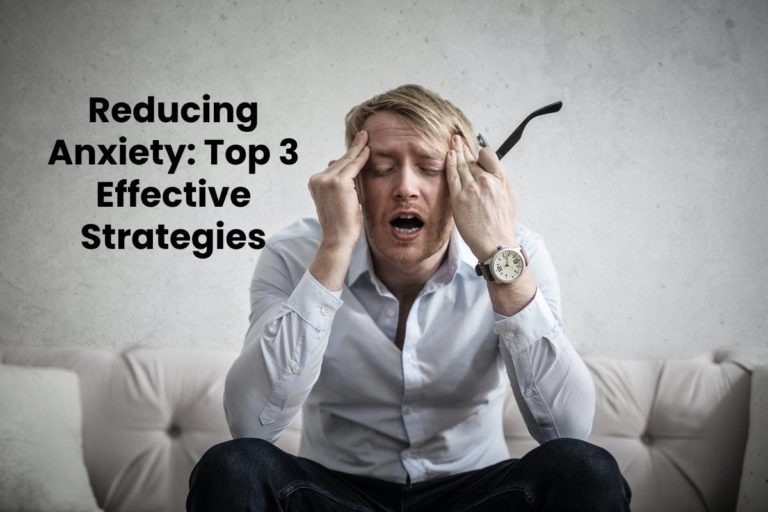
At certain times in our lives, we all have known the unpleasant feelings of anxiety and wish to reduce this anxiety. Rapid heartbeat, faster breathing, sweaty hands, muscle tension, the “lump in the stomach.” You may have experienced these “discomforts” when faced with a threat, a challenge, a problem that you don’t think you can handle.
By reducing the signs of anxiety, physically speaking, your emotions will become different because, contrary to what you might think, it is the movements that create the emotion.
this article belongs Mental Wellness
Table of Contents
Reassess The Probability That The Threatening Event Happens.
Anxiety weighs down upon us the impending catastrophe of our arrival, although what we are concerned about never happens in most cases. Remember your worst fears and concerns and ask yourself how many times your fears, fears, and concerns have come true?
We continuously overestimate a downbeat ending when, in reality, it happens very rarely. The “disaster scenario” is only a projection that the person makes up for himself, taking into account only negative thoughts, thus increasing his anxiety state.
Reassess the situation by letting go of your fears and sticking to the facts.
To understand how this fits into the broader picture, explore our Comprehensive Cbt For A Healthier Mind Pillar.
Don’t Worry About Anything.
Even if an event that is difficult to bear happens to us, we can use some skills and mostly thanks to our ability to solve problems.
We can also ask people we trust for help.
It is imperative to realize that in reality, very few things are “the end of the world” We must realize that if adverse events are a part of life, we make them more intense and more painful by being anxious and by resting.
Put your focus on the solution, not the problem. Your goal is to minimize the problem, not make it impossible in your fear-clouded eyes.
Relax And Breathe Deeply.
As we relax our muscles, we begin to calm down, decrease tension, and clear our thoughts. By practicing relaxation, you can then use it in an anxiety situation easily.
Example of relaxation:
- Lie on your back with your arms at your sides in a calm atmosphere without background noise.
- Close your eyes. Now, focus on your breathing for a minute. Feel the cold air coming in through your nostrils and the warm air coming out. Take slow, deep breaths.
- Some thoughts may come to your mind, don’t block them, let them go, and come back to your breathing.
You may also find our companion piece on Calming Gifts For People With Anxiety Overview helpful for further context.
Create A Calming Daily Routine
A regular daily routine can provide a sense of structure when life feels uncertain or overwhelming. Simple habits such as waking up at a consistent time, eating regular meals, taking short breaks, and setting aside time for relaxation can make the day feel more manageable.
A routine does not need to be complicated. You can begin with a few realistic activities that support your physical and emotional wellbeing. Having predictable moments during the day may also make it easier to notice when your anxiety begins to increase.
Try to include activities that help you slow down rather than constantly keeping yourself occupied. Reading, listening to quiet music, spending time outdoors, or practising a breathing exercise can all become part of a calming routine.
Challenge Negative Thoughts
Anxiety can make ordinary situations appear more threatening than they actually are. When an anxious thought appears, take a moment to examine it rather than immediately accepting it as a fact.
Ask yourself what evidence supports the thought and what evidence may contradict it. You can also ask whether there is another possible explanation for the situation. This does not mean pretending that problems do not exist. Instead, it helps you look at the situation from a more balanced perspective.
For example, thinking “Something will definitely go wrong” can increase anxiety. Replacing it with “I am worried that something could go wrong, but I can deal with problems if they happen” creates a more realistic way of approaching uncertainty.
Take One Step At A Time
When several responsibilities or problems appear at once, anxiety can make everything feel equally urgent. Instead of trying to solve everything immediately, identify the next small step you can take.
Write down the tasks that are worrying you and separate them into smaller actions. Completing one manageable task can provide a sense of progress and may make the larger situation feel less overwhelming.
If something cannot be solved immediately, acknowledge that fact and focus on what is within your control. This approach can help prevent your mind from repeatedly returning to the same unresolved concern.
For related practical techniques, check out our insights in How To Help Your Teenager With Depression Practical Tips.
Reduce Unnecessary Sources Of Stress
Some daily habits can make it more difficult to manage anxious feelings. Constantly checking notifications, spending too much time consuming stressful information, or allowing work and personal responsibilities to overlap without breaks can leave the mind feeling overloaded.
Consider creating periods during the day when you step away from your phone, computer, or other sources of information. Giving yourself a short mental break can help you return to your responsibilities with greater clarity.
It can also be useful to identify situations that repeatedly increase your stress. You may not be able to avoid every stressful situation, but recognising common triggers can help you prepare for them more effectively.
Stay Connected With Supportive People
Anxiety can sometimes encourage people to withdraw from friends, family members, or other supportive people. However, talking to someone you trust can make difficult situations feel less isolating.
You do not always need someone to solve the problem for you. Sometimes explaining your thoughts aloud can help you understand them more clearly. A trusted person may also provide another perspective when anxiety causes you to focus only on the most negative possibility.
If anxiety is affecting your daily life, relationships, work, sleep, or ability to complete normal activities, consider speaking with a qualified mental health professional. Professional support can help you understand your symptoms and develop strategies that are appropriate for your situation.
Practise Relaxation Regularly
Relaxation techniques are often more useful when they become familiar habits rather than something used only during intense anxiety. You can spend a few minutes each day practising slow breathing, progressive muscle relaxation, mindfulness, or another technique that feels comfortable.
The goal is not necessarily to eliminate every anxious feeling. Anxiety is a normal human response, and some degree of nervousness can occur during challenging situations. Instead, relaxation can help you respond to those feelings without allowing them to completely control your actions.
Start with a short period and gradually make the practice part of your normal routine. With regular practice, you may become more familiar with the physical signs that appear when you are becoming tense.
Refer to peer-reviewed wellness summaries from Harvard Health Publishing Archive.
Know When To Seek Professional Support
Occasional anxiety is common, but persistent or severe anxiety deserves attention. If anxious feelings regularly interfere with work, education, relationships, sleep, or everyday activities, professional support may be helpful.
A mental health professional can discuss your experiences with you and help identify appropriate treatment or coping strategies. You do not have to wait until anxiety becomes overwhelming before asking for support.
Reducing anxiety is not about expecting yourself to remain calm in every situation. It is about learning to recognise anxious thoughts and physical reactions, responding to them with practical strategies, and seeking support when needed. Small changes in breathing, daily routines, thinking patterns, and problem-solving can gradually help you feel more capable of managing stressful moments.