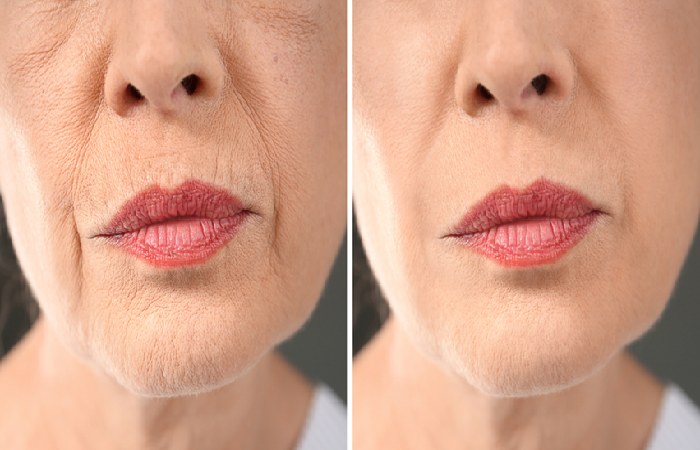
The skincare industry is projected to reach $189.3 billion globally in 2026, with Indian consumers becoming increasingly educated about ingredient science and efficacy. Yet 73% of people still buy products based on marketing hype rather than proven results.
Finding the best skincare products 2026 isn’t about the most expensive bottles or trending TikTok recommendations. It’s about understanding which formulations are backed by dermatological research, suited to your specific skin concerns, and compatible with Indian climate conditions.
This comprehensive guide reveals the top-performing skincare products across all categories, helping you build an effective routine that delivers visible results without wasting money on ineffective products.
What Makes a Skincare Product “Best” in 2026?
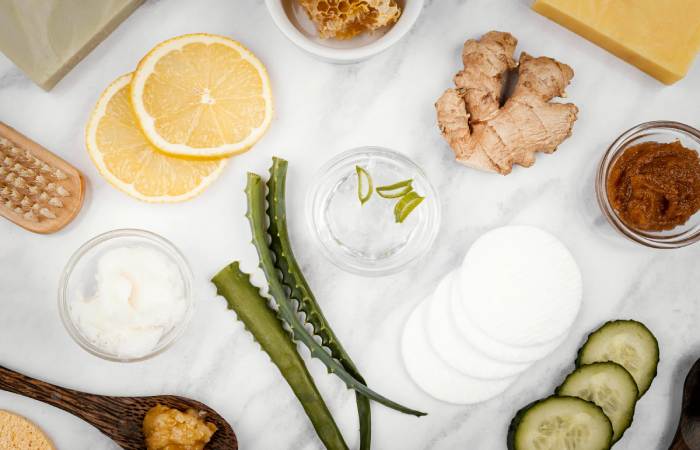
Before diving into specific products, understand the criteria that separate exceptional skincare from marketing fluff.
Scientific Backing
Products must contain clinically proven ingredients at effective concentrations. For example, vitamin C needs to be at least 10% concentration to show results.
Ingredient Transparency
Brands must list ingredients clearly, including percentages of active ingredients. Vague “proprietary blends” are red flags.
Suitable Packaging
Light-sensitive ingredients (vitamin C, retinol) must come in opaque, airtight containers. Jar packaging exposes products to air and bacteria.
pH Balance
Acidic products (AHAs, vitamin C) need pH 3-4 to work effectively. Cleansers should be pH 5-6 to match skin’s natural acidity.
Third-Party Testing
Independent lab testing confirms ingredient percentages and absence of contaminants.
Climate Compatibility
Products must work in India’s diverse climates—from humid coastal regions to dry northern areas.
Skin Tone Inclusivity
Formulations should be tested on diverse skin tones, especially important for Indian consumers with melanin-rich skin.
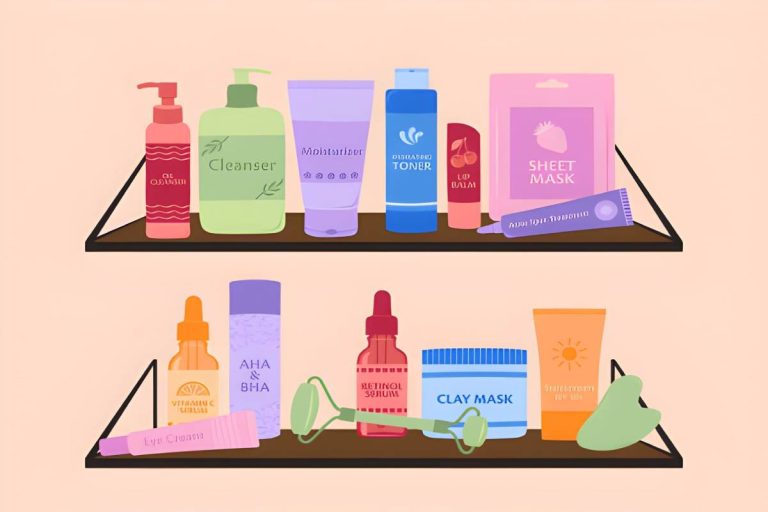
The Essential Skincare Categories Explained
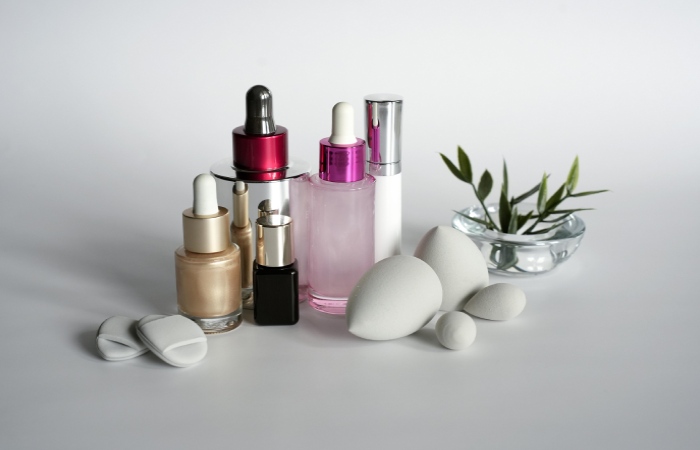
Cleansers
Remove dirt, oil, makeup, and pollution without stripping skin’s natural moisture barrier.
Toners/Essences
Hydrate, balance pH, and prep skin for better absorption of subsequent products.
Serums
Concentrated active ingredients targeting specific concerns (aging, pigmentation, acne).
Moisturizers
Lock in hydration and strengthen skin barrier with emollients and occlusives.
Sunscreens
Protect against UV damage, the primary cause of premature aging and skin cancer.
Treatments
Targeted solutions for specific issues (acne spots, dark circles, hyperpigmentation).
Best Cleansers 2026
For Oily/Acne-Prone Skin
CeraVe Foaming Facial Cleanser
- Key Ingredients: Ceramides, niacinamide, hyaluronic acid
- Why It Works: Removes excess oil without disrupting barrier
- Price: ₹899 for 236ml
- Best for: Indian summers, combination to oily skin
The Derma Co 2% Salicylic Acid Face Wash
- Key Ingredients: 2% salicylic acid, glycerin
- Why It Works: Unclogs pores, reduces breakouts
- Price: ₹449 for 100ml
- Best for: Active acne, large pores
For Dry/Sensitive Skin
Cetaphil Gentle Skin Cleanser
- Key Ingredients: Glycerin, panthenol, niacinamide
- Why It Works: Non-foaming, ultra-gentle, maintains moisture
- Price: ₹675 for 250ml
- Best for: Sensitive skin, eczema-prone
Bioderma Sensibio H2O Micellar Water
- Key Ingredients: Micellar technology, cucumber extract
- Why It Works: Removes makeup without water, soothes irritation
- Price: ₹1,250 for 250ml
- Best for: Sensitive skin, double cleansing
For Combination Skin
Minimalist 2% Salicylic Acid Face Wash
- Key Ingredients: 2% salicylic acid, glycerin
- Why It Works: Balances oil production, gentle enough for daily use
- Price: ₹349 for 100ml
- Best for: T-zone oiliness, mild acne
Best Serums 2026
Serums are the powerhouse products delivering concentrated actives for specific concerns.
For Anti-Aging
SkinCeuticals C E Ferulic
- Key Ingredients: 15% L-ascorbic acid, 1% vitamin E, 0.5% ferulic acid
- Why It Works: Gold standard vitamin C formula, clinically proven to reduce wrinkles
- Price: ₹14,500 for 30ml
- Application: 4-5 drops AM after cleansing, before sunscreen
The Ordinary Retinol 1% in Squalane
- Key Ingredients: 1% retinol, squalane
- Why It Works: Boosts collagen, reduces fine lines, improves texture
- Price: ₹1,100 for 30ml
- Application: PM only, start 2x weekly, build to nightly
Budget Alternative: Minimalist Retinol 0.3% Face Serum (₹599)
For Hyperpigmentation
Paula’s Choice 25% Vitamin C + Glutathione Clinical Serum
- Key Ingredients: 25% vitamin C, glutathione, ferulic acid
- Why It Works: High concentration fades dark spots, brightens overall tone
- Price: ₹6,800 for 30ml
- Application: AM, before moisturizer and sunscreen
Alpha Arbutin 2% + HA by The Ordinary
- Key Ingredients: 2% alpha arbutin, hyaluronic acid
- Why It Works: Gentle pigmentation reducer, safe for Indian skin tones
- Price: ₹950 for 30ml
- Application: AM/PM, 4-5 drops before moisturizer
Tranexamic Acid 5% by Minimalist
- Key Ingredients: 5% tranexamic acid
- Why It Works: Reduces melasma and post-acne marks without irritation
- Price: ₹699 for 30ml
- Application: PM, after cleansing
For Hydration
Hyaluronic Acid 2% + B5 by The Ordinary
- Key Ingredients: Multi-weight hyaluronic acid, vitamin B5
- Why It Works: Multi-layered hydration, plumps skin
- Price: ₹850 for 30ml
- Application: AM/PM on damp skin, followed by moisturizer
Minimalist 10% Vitamin B5 Face Serum
- Key Ingredients: 10% panthenol, hyaluronic acid
- Why It Works: Intense hydration, repairs barrier
- Price: ₹599 for 30ml
- Application: AM/PM, especially good for sensitized skin
For Acne
Niacinamide 10% + Zinc 1% by The Ordinary
- Key Ingredients: 10% niacinamide, 1% zinc
- Why It Works: Reduces oil production, minimizes pores, fades marks
- Price: ₹850 for 30ml
- Application: AM/PM, before heavier products
Paula’s Choice 2% BHA Liquid Exfoliant
- Key Ingredients: 2% salicylic acid
- Why It Works: Penetrates pores, prevents breakouts
- Price: ₹2,900 for 118ml
- Application: PM, after cleansing, before serums
For more comprehensive skincare ingredient guidance, check our article on skincare ingredients that are very effective.
Best Moisturizers 2026
For Oily Skin
Neutrogena Hydro Boost Water Gel
- Key Ingredients: Hyaluronic acid, glycerin
- Why It Works: Lightweight gel texture, non-greasy hydration
- Price: ₹699 for 50g
- Best for: Humid climates, daytime use
Minimalist Lightweight SPF 50 Sunscreen Gel
- Key Ingredients: SPF 50, niacinamide, hyaluronic acid
- Why It Works: 2-in-1 moisturizer and sunscreen, no white cast
- Price: ₹399 for 50g
- Best for: Simplifying morning routine
For Dry Skin
CeraVe Moisturizing Cream
- Key Ingredients: 3 essential ceramides, hyaluronic acid, MVE technology
- Why It Works: 24-hour hydration, repairs barrier
- Price: ₹1,299 for 340g
- Best for: Very dry skin, winter months
La Roche-Posay Cicaplast Baume B5
- Key Ingredients: Panthenol, madecassoside, copper-zinc-manganese
- Why It Works: Repairs compromised skin, soothes irritation
- Price: ₹1,350 for 40ml
- Best for: Sensitized, damaged skin
For Combination Skin
Cetaphil DAM Daily Advance Ultra Hydrating Lotion
- Key Ingredients: Hyaluronic acid, vitamin E, almond oil
- Why It Works: Balances moisture without heaviness
- Price: ₹750 for 85g
- Best for: All climates, daily use
For Acne-Prone Skin
Ponds Super Light Gel Oil Free Moisturizer
- Key Ingredients: Hyaluronic acid, glycerin, vitamin E
- Why It Works: Ultra-light, won’t clog pores
- Price: ₹349 for 147g
- Best for: Budget-friendly option, oily acne-prone skin
Best Sunscreens 2026
Sunscreen is non-negotiable. UV damage causes 80% of visible aging signs.
For Daily Wear
La Roche-Posay Anthelios Invisible Fluid SPF 50+
- Key Ingredients: Mexoryl XL, Mexoryl SX, antioxidants
- Why It Works: Very high UVA protection, no white cast, water-resistant
- Price: ₹1,899 for 50ml
- Best for: All skin types, Indian skin tones
Minimalist SPF 50 PA++++ Sunscreen
- Key Ingredients: Multi-spectrum UV filters, vitamin E
- Why It Works: Fragrance-free, lightweight, affordable
- Price: ₹399 for 50g
- Best for: Sensitive skin, daily use
For Oily Skin
Neutrogena Ultra Sheer Dry-Touch Sunscreen SPF 50+
- Key Ingredients: Helioplex technology
- Why It Works: Matte finish, controls shine
- Price: ₹699 for 88ml
- Best for: Oily skin, humid weather
Fixderma Shadow SPF 50+ Gel
- Key Ingredients: Silicone-based UV filters
- Why It Works: Gel texture, extremely lightweight
- Price: ₹625 for 75g
- Best for: Very oily skin, makeup base
For Sensitive Skin
Bioderma Photoderm Max SPF 50+ Mineral Sunscreen
- Key Ingredients: Zinc oxide, titanium dioxide
- Why It Works: 100% mineral, no chemical filters
- Price: ₹1,950 for 40ml
- Best for: Reactive skin, post-procedure care
Application Rules
- Use ¼ teaspoon for face and neck
- Apply 15 minutes before sun exposure
- Reapply every 2-3 hours
- Don’t skip cloudy days (80% of UV penetrates clouds)
Best Treatments for Specific Concerns
For Dark Circles
The Ordinary Caffeine Solution 5% + EGCG
- Key Ingredients: 5% caffeine, EGCG from green tea
- Why It Works: Reduces puffiness, improves microcirculation
- Price: ₹700 for 30ml
- Application: AM/PM, pat gently around eyes
Minimalist Under Eye Cream with Caffeine + Peptides
- Key Ingredients: Caffeine, peptides, hyaluronic acid
- Why It Works: Depuffs, hydrates delicate eye area
- Price: ₹499 for 15ml
- Application: Twice daily, ring finger only
For Acne Scars
The Ordinary AHA 30% + BHA 2% Peeling Solution
- Key Ingredients: 30% AHA blend, 2% BHA, hyaluronic acid
- Why It Works: Intensive exfoliation, fades marks
- Price: ₹1,150 for 30ml
- Application: Once weekly, PM only, 10 minutes max
Minimalist 10% Niacinamide Face Serum
- Key Ingredients: 10% niacinamide, zinc
- Why It Works: Fades post-inflammatory hyperpigmentation
- Price: ₹599 for 30ml
- Application: AM/PM daily
For Large Pores
Paula’s Choice Skin Perfecting 2% BHA Liquid
- Key Ingredients: 2% salicylic acid
- Why It Works: Deep-cleans pores, reduces appearance
- Price: ₹2,900 for 118ml
- Application: PM, after cleansing
Minimalist 10% Niacinamide + 1% Zinc Face Serum
- Key Ingredients: 10% niacinamide, zinc
- Why It Works: Regulates sebum, minimizes pore appearance
- Price: ₹599 for 30ml
- Application: AM/PM
Best Exfoliants 2026
Chemical Exfoliants (Preferred)
For Beginners: Minimalist 3% Lactic Acid + 2% Hyaluronic Acid
- Type: AHA (alpha hydroxy acid)
- Why It Works: Gentle exfoliation, hydrating
- Price: ₹549 for 30ml
- Usage: 2-3 times weekly, PM only
For Intermediate: The Ordinary Glycolic Acid 7% Toning Solution
- Type: AHA
- Why It Works: Brightens, smooths texture
- Price: ₹1,050 for 240ml
- Usage: Daily PM (after building tolerance)
For Advanced: The Ordinary AHA 30% + BHA 2% Peeling Solution
- Type: AHA + BHA combo
- Why It Works: Professional-strength exfoliation
- Price: ₹1,150 for 30ml
- Usage: Once weekly maximum, 10 minutes
Physical Exfoliants (Use Sparingly)
Avoid harsh scrubs with walnut shells or apricot kernels. If you must use physical exfoliation:
Minimalist Face Scrub with 1% SA + 3% Glycolic Acid
- Why It’s Better: Gentle jojoba beads, chemical exfoliants included
- Price: ₹399 for 100ml
- Usage: Once weekly maximum
Layering Order: How to Use Multiple Products
Correct layering ensures maximum absorption and effectiveness.
Morning Routine
- Cleanser: Remove overnight oils and dead cells
- Toner/Essence: Hydrate and prep (optional)
- Vitamin C Serum: Antioxidant protection
- Niacinamide or Other Treatment: Target specific concerns
- Moisturizer: Lock in hydration
- Sunscreen: Always the final step (wait 15 min before makeup)
Night Routine
- Oil Cleanser/Micellar Water: Remove makeup and sunscreen
- Water-Based Cleanser: Deep clean (double cleansing)
- Exfoliant: 2-3 times weekly (skip on retinol nights)
- Treatment Serum: Retinol, niacinamide, or targeted treatment
- Eye Cream: Pat around orbital bone
- Moisturizer: Richer formula than morning
- Face Oil or Occlusive: Seal everything in (optional)
Wait Times Between Products
- Water-based serums: 30-60 seconds
- Vitamin C: 1-2 minutes (needs to absorb at low pH)
- Retinol: 20 minutes (allows skin pH to normalize)
- Sunscreen: 15 minutes before sun exposure
Products to Avoid in 2026
Ingredients with Concerns
Parabens: Endocrine disruptors, linked to hormone issues Fragrance/Parfum: Leading cause of contact dermatitis Denatured Alcohol: Extremely drying, damages barrier Essential Oils: High irritation potential, especially for sensitive skin Walnut/Apricot Scrubs: Cause microtears in skin
Overhyped Products
Jade Rollers: Minimal proven benefit beyond lymphatic drainage Collagen Drinks: Collagen molecules too large to absorb through digestion Sheet Masks: Expensive for minimal hydration (serums work better) Detox Masks: Skin doesn’t need “detoxing”—that’s your liver’s job
Budget-Friendly vs. Luxury: Is Expensive Better?
When to Splurge
Sunscreen: UV protection quality matters Retinol/Vitamin C: Formulation stability is crucial Exfoliants: Proper pH and concentration critical
When to Save
Cleansers: Washed off quickly, basic formulas work fine Hyaluronic Acid: Simple molecule, affordable options work equally well Niacinamide: Stable ingredient, budget brands effective
Best Value Products
| Category |
Product |
Price |
Why It’s Worth It |
| Cleanser |
Cetaphil Gentle |
₹675 |
Dermatologist-recommended, gentle |
| Vitamin C |
Minimalist 10% Vitamin C |
₹699 |
Stable formula, good packaging |
| Retinol |
The Ordinary 1% Retinol |
₹1,100 |
Clinical strength, affordable |
| Moisturizer |
CeraVe Moisturizing Cream |
₹1,299 |
Large size, ceramides |
| Sunscreen |
Minimalist SPF 50 |
₹399 |
Broad spectrum, no white cast |
Indian Skin Considerations
Fitzpatrick Scale IV-VI
Most Indians fall into these categories with higher melanin content.
Advantages: Natural UV protection, slower aging signs Challenges: Higher risk of hyperpigmentation, longer to fade dark spots
Recommended Ingredients for Indian Skin
- Niacinamide: Reduces pigmentation without irritation
- Alpha Arbutin: Gentle brightening for melanin-rich skin
- Tranexamic Acid: Effective for melasma
- Vitamin C: Choose stable forms (ethyl ascorbic acid)
- Avoid: High-strength AHAs that may cause PIH
Climate Adaptations
Coastal (Humid): Gel moisturizers, lightweight serums, matte sunscreens Northern (Dry Winters): Rich creams, facial oils, hydrating sunscreens Metropolitan (Pollution): Double cleansing, antioxidant serums, barrier repair
Common Skincare Mistakes to Avoid
Mistake 1: Using Too Many Actives at Once
Combining retinol, vitamin C, AHAs, and BHAs in one routine damages your barrier.
Solution: Alternate actives on different nights. Use vitamin C in AM, retinol in PM.
Mistake 2: Not Patch Testing
New products can cause allergic reactions or breakouts.
Solution: Test on inner arm or behind ear for 24-48 hours before full facial application.
Mistake 3: Expecting Instant Results
Skincare works gradually. Retinol takes 12 weeks to show anti-aging results.
Solution: Give products 4-6 weeks minimum before judging effectiveness.
Mistake 4: Skipping Sunscreen on Cloudy Days
80% of UV rays penetrate clouds. UVA rays cause aging regardless of weather.
Solution: Sunscreen is mandatory 365 days yearly, indoors and outdoors.
Mistake 5: Over-Exfoliating
Daily exfoliation damages your moisture barrier, leading to sensitivity and inflammation.
Solution: Limit chemical exfoliants to 2-3 times weekly. Physical exfoliants once weekly maximum.
Mistake 6: Using Hot Water
Hot water strips natural oils, causing dryness and irritation.
Solution: Use lukewarm water for cleansing, cool water for final rinse.
Mistake 7: Applying Products in Wrong Order
Thick creams before thin serums prevent absorption.
Solution: Thinnest to thickest consistency. Water-based before oil-based.
Seasonal Adjustments for India
Summer (March-June)
- Switch to gel moisturizers
- Use matte-finish sunscreens
- Apply lightweight vitamin C serums
- Exfoliate more frequently (sweat clogs pores)
- Consider adding salicylic acid for oil control
Monsoon (July-September)
- Anti-fungal ingredients (tea tree oil)
- Water-resistant sunscreens
- Lighter moisturizers (humidity provides hydration)
- Focus on barrier protection
- More frequent cleansing
Winter (October-February)
- Rich cream moisturizers
- Hydrating sunscreens
- Add facial oils
- Reduce exfoliation frequency
- Use humidifiers indoors
For additional seasonal skincare tips, visit our guide on best skin care products.
The Minimalist Routine: 3 Products Everyone Needs
If you do nothing else, use these three:
1. Gentle Cleanser
Recommendation: Cetaphil Gentle Skin Cleanser (₹675) Why: Won’t disrupt barrier, suitable for all skin types
2. Moisturizer with SPF
Recommendation: Neutrogena Hydro Boost Water Gel + Minimalist SPF 50 Why: Hydrates and protects in two simple steps
3. Nighttime Treatment
Recommendation: The Ordinary Niacinamide 10% + Zinc 1% (₹850) Why: Addresses multiple concerns (oil, pores, pigmentation) without irritation
Total Cost: ₹2,374 for 3-4 months of consistent use
This basic routine addresses the fundamentals: cleanse, protect, treat.
Advanced Routine: Comprehensive Skincare
For those ready to invest time and money:
Morning (7 steps)
- Gentle cleanser
- Vitamin C serum
- Hyaluronic acid serum
- Niacinamide serum
- Eye cream
- Moisturizer
- Sunscreen SPF 50+
Time: 10-15 minutes Cost: ₹8,000-15,000 for 3-month supply
Evening (8 steps)
- Oil cleanser
- Water-based cleanser
- Exfoliant (2-3x weekly)
- Treatment serum (retinol/tranexamic acid)
- Hyaluronic acid
- Eye cream
- Moisturizer
- Face oil or sleeping mask
Time: 15-20 minutes Cost: ₹12,000-20,000 for 3-month supply
How to Build Your Routine Gradually
Month 1: Basics
- Gentle cleanser
- Moisturizer
- Sunscreen SPF 50+
Goal: Establish consistency, repair barrier if damaged
Month 2: Add Treatment
- Choose one active: niacinamide (safest), vitamin C, or gentle retinol alternative
- Use PM only
- Start 2-3 times weekly
Goal: Address primary concern without overwhelming skin
Month 3: Expand Hydration
- Add hyaluronic acid serum
- Consider eye cream if concerned about that area
Goal: Boost moisture levels, address secondary concerns
Month 4: Add Exfoliation
- Introduce gentle AHA or BHA
- Use 1-2 times weekly
- Not on same nights as retinol
Goal: Improve texture and brightness
Month 5-6: Optimize
- Adjust frequencies based on results
- Add targeted treatments (pigmentation, acne)
- Consider upgrading key products
Goal: Fine-tune routine for maximum effectiveness
Real-World Example: Priya’s Skincare Journey
Priya, 29, from Mumbai, struggled with hyperpigmentation, large pores, and occasional breakouts. She had combination skin with an oily T-zone.
Her Mistakes
- Using 10+ products daily (overwhelming her skin)
- Mixing retinol and vitamin C every night (irritation)
- Skipping sunscreen on weekends (worsening pigmentation)
- Over-exfoliating with physical scrubs (damaged barrier)
Her Corrected Routine
Morning:
- Minimalist Salicylic Acid Face Wash
- The Ordinary Niacinamide 10% + Zinc
- Neutrogena Hydro Boost Gel
- Minimalist SPF 50
Night:
- Double cleanse (oil + gentle cleanser)
- Alpha Arbutin 2% (pigmentation)
- The Ordinary Retinol 0.5% (3x weekly, avoiding serum nights)
- CeraVe Moisturizing Cream
Results after 12 weeks:
- Pigmentation reduced by 60%
- Pores visibly smaller
- No new breakouts
- Smoother, more even texture
Investment: ₹5,500 total, products lasting 3-4 months
Sustainability in Skincare 2026
Eco-Friendly Packaging
- Glass bottles (recyclable)
- Aluminum tubes
- Refillable containers
- Minimal outer packaging
Clean Formulations
- Reef-safe sunscreens (no oxybenzone, octinoxate)
- Microplastic-free formulas
- Cruelty-free and vegan options
- Sustainable ingredient sourcing
Indian Brands Leading Sustainability
- Minimalist: Minimal packaging, recyclable materials
- Plum: 100% vegan, eco-friendly
- Juicy Chemistry: Organic, zero-waste
- The Bare Bar: Waterless, plastic-free
Where to Buy Authentic Products in India
Authorized Online Retailers
- Nykaa
- Purplle
- Amazon (verify “Cloudtail” or brand store)
- Flipkart (brand-authorized sellers)
- Brand websites directly
Physical Stores
- Shoppers Stop
- Lifestyle stores
- Sephora (select cities)
- Health & Glow
Red Flags for Fake Products
- Prices significantly below market rate (50%+ off)
- Unofficial Instagram/Facebook sellers
- No batch number or expiry date
- Packaging looks different from brand website
- Spelling errors on labels
- “Imported from Dubai/Singapore” claims
Professional Treatments That Complement Home Care
Worth the Investment
Chemical Peels (₹3,000-8,000): Professional-strength exfoliation, done quarterly Hydrafacial (₹4,000-7,000): Deep cleansing and hydration, monthly Laser Treatments (₹8,000-25,000): Pigmentation and texture, 3-6 sessions Microneedling (₹5,000-12,000): Collagen induction, quarterly
Can Skip
Facial Massages: Temporary results, not necessary Oxygen Facials: Minimal proven benefit LED Therapy at Spas: Home devices equally effective Gold Facials: Pure marketing, no scientific support
Final Thoughts
The best skincare products 2026 combine scientific rigor with practical application. Rather than chasing viral trends or expensive luxury products, focus on proven ingredients at effective concentrations: vitamin C, retinol, niacinamide, hyaluronic acid, and broad-spectrum sunscreen.
Indian consumers should prioritize products suited for humid climates, melanin-rich skin, and high pollution exposure. Start with a minimalist three-product routine, gradually introduce actives one at a time, and give each product 4-6 weeks to show results.
Remember that consistency matters more than product count. A simple routine followed daily will always outperform an elaborate 15-step routine used sporadically. Invest in quality basics, protect with sunscreen religiously, and adjust seasonally for optimal skin health.
The best skincare routine is the one you’ll actually maintain—find products that work for your skin, fit your budget, and align with your lifestyle for lasting results.
FAQs
Q: What are the best skincare products for Indian skin in 2026? A: Top products include Minimalist serums (niacinamide, vitamin C, retinol), CeraVe moisturizers, La Roche-Posay sunscreens, and The Ordinary actives. Focus on products addressing hyperpigmentation, humidity, and pollution.
Q: Which skincare ingredient is most effective for anti-aging? A: Retinol (vitamin A) is the gold standard, clinically proven to reduce wrinkles, boost collagen, and improve texture. Start with 0.3% concentration and build to 1% over several months.
Q: How much should I spend on skincare products? A: A basic 3-product routine costs ₹2,000-3,000 for 3 months. A comprehensive routine ranges ₹8,000-20,000 for 3 months. Effectiveness matters more than price—many affordable products work excellently.
Q: Can I use vitamin C and retinol together? A: Use vitamin C in the morning (antioxidant protection) and retinol at night (cell turnover). Using both simultaneously can cause irritation, though some advanced users tolerate it.
Q: What’s the best sunscreen for oily Indian skin? A: Minimalist SPF 50 PA++++ (₹399), Neutrogena Ultra Sheer Dry-Touch (₹699), or Fixderma Shadow Gel (₹625). All offer matte finish, no white cast, and broad-spectrum protection.
Q: How long before skincare products show results? A: Hydration products: 1-2 weeks. Acne treatments: 4-6 weeks. Anti-aging and pigmentation: 8-12 weeks. Consistency is crucial—give products adequate time before judging.
Q: Should I use different products in summer vs winter? A: Yes. Summer: gel moisturizers, matte sunscreens, lightweight serums. Winter: rich creams, hydrating sunscreens, facial oils. Adjust based on climate and skin response.
Q: Are expensive luxury skincare products worth it? A: Not always. Many affordable brands (Minimalist, The Ordinary, CeraVe) contain identical active ingredients at effective concentrations. Splurge on sunscreen and retinol; save on cleansers and basic hydrators.