tagging = https //nccurcmglr.in, parkifle weniocalsi, 3155086148, 704518650, 2623324009, 3331671779, ofillmywap.com, compilationswimsuitxxx, 111.90.150.2044, 111.90.150.284, 212.32.226.324, 10.24.1.533, 149.56.24.266, 1164.68.127.15, 194.233.66.232, vtufdbhn, 192168.15.1/instalador, 192.16815.1/instalador, 615804297, 34.77.38.120, 6144613913, 3229124921, 3382210498, 225752523, 185.63.263.200, 652338520, 653128430, yf68xyh, 9085288998, 103.162.136.235.8096, 4403686908, chelseabby888, 192.168.264.254, 45.33.76.4, 9093232510, 9057555598, cldiaz05, 185.169.252.47, 532339706, 8502703853, 3533787794, 8445417310, hålrumsinflammation, 425.224.0588, 162.0.220.59, 7203255526, 185.63.253.2000, 6012553206, 6159840902, amberlee4201, 621195433, 919462595, www.tryistlink.com, 4544274536, 5208129519, 8400000144272190, 18663887881, 3475361942, photoscompante, 1977788417, 4232968301, 185.63.253.2001, 16.55x40, 4054483292, 3sv9xvk, 91.209.70.164, 7575258292, 7134429100, 6026889985, bustykelly48ff, preeyaporn47833, 19057716052, 866.515.4891, 2816679193, 5123557211, 4023789698, 2678764652, 7015400761, 6512249802, 2137231496, 2518421488, 12548520404, 9097290670, 4037701966, 2044870273, 2092152027, 4432611224, 2693673432, 7209152170, 6042354322, 4379253018, 7322681119, 3195313264, 8664368150, 691221873, 6307964252, iahcenqqkqsxdwu, frappywade4, 2602051586, 8003305709, 57892u213071, 185.63.263.20, wfwf267, katericeren, 185.63.2653.200, 172.17.1.10.8090, qwerasdfzxcvtyuighjkbnmopl, 5145876460, 911176638, 3466197857, 84951395589, 5517119830, 16137469140, sweeetbby333, 733007690, 5184003034, upagriclchar, 1111.9050.204, www.obtenirdrho.com, bookplanogram.ca, zst03304263, jessstanleyxo, tatianna9966, 6152482618, 081.63.253.200, 100.64.200.264, 111.150.90.2004, 172.17.1.10:8090, 111.90.150.504, 111.90.150.2404, 111.90.150.1888, 111.901.50.204, 111.90.150.288, 613329785, 258.63.253.200, 185.63.353.200, 82.51x63, mollylw6, 41.62x24, 8045590600, 8324469731, 10.24.0.1.71, 111.90.150.304, 192.268.18.1, bootyfett0001, 111.90.150.2004, 183.63.127.22, 64.277.120.231, 3162680863, 623565507, 6788062977, 3488118879, 111.90.150.402, 61291743000, 2122795139, 7868024806, 1607862602, 83512250804, 5045844313, 92981020, 7572189175, emwatki6, 111.90.150.2p4, 8668518500, valfootie22, 5553008649, 89254637539, 948991532, 967917786, 6044951143, 9376996234, dbxb1m, minettexox, 5619380994, 7609564600, 8454225479, 5614348400, smartinezzz50, 4055150357, 8026515400, 8558348495, 0185.63.253.200, 9722320927, 6474500942, theepennygee, 7.74960000275435E+37, 61282948295, 8400000114032200, seksmarktköln, filmy५wap, 9133123280, ymydz55, 9106440950, 283767600, 7144308112, skipthegamws, 6306710600, 5864987122, abellaaajadexo, 111.90.150.282, 117.239.200.170, 6138019264, 7052297336, 8443620934,
Home Blog Page 19

Summer Hairstyles 2024: 25+ Styles for Every Hair Type & Length

0

Summer is a season of sunshine and fun, but it can also be a war against frizz, sweat, and the desperate desire to just put your hair up. This year, move beyond the basic ponytail. Our ultimate guide features 25+ innovative, practical, and stunning summer hairstyles meticulously curated for every hair type, length, and texture. Whether you’re looking to keep your hair off your neck, protect your curls, or just find a style that survives a humid day, we have a tutorial for you. Get ready to embrace the heat with flair!

Part 1: Short Hair Styles – Chic, Cool & Effortless

Short hair is a summer savior, but that doesn’t mean you’re stuck with one look. Add dimension and playfulness with these five styles.

1. The Textured Pixie with Beach Waves

  • Great For: Adding volume and a relaxed, beachy vibe to classic short cuts.

  • Step-by-Step Tutorial:

    1. Start with dry hair. Apply a sea salt spray or texturizing mousse to roots and ends.

    2. Using a flat iron or a small-barrel curling wand, take random 1-inch sections.

    3. Twist and curl away from the face, holding for just a few seconds. The goal is piecey texture, not uniform curls.

    4. Let the hair cool, then ruffle your fingers through the roots for maximum volume.

    5. Lock in place with a light-hold, matte hair wax by pinching and separating the ends.

  • Pro Tip: Focus waves on the top and crown layers to avoid a “helmet” look.

2. The Slicked-Back Wet Look

  • Great For: Humid days, workouts, or a bold, glamorous statement.

  • Step-by-Step Tutorial:

    1. Start with damp or dry hair. Apply a strong-hold gel or a dedicated slicking pomade evenly from roots to tips.

    2. Use a fine-tooth comb to comb hair straight back from the hairline, smoothing every section.

    3. For a super-sleek finish, run a tiny bit of gel along your hairline to tame baby hairs.

    4. Allow to air dry for a true “wet” look, or use a diffuser on low heat to set without frizz.

  • Pro Tip: Add a middle part before slicking for a modern twist.

3. The Accessorized Side Sweep

  • Great For: Instant polish with minimal effort.

  • Step-by-Step Tutorial:

    1. Create a deep side part. Using a boar bristle brush, sweep hair to the heavier side.

    2. Secure just above the ear with two decorative mini claw clips or a bold, geometric bobby pin.

    3. Gently pull out a few face-framing pieces for softness.

    4. Spritz with a flexible hold hairspray.

  • Pro Tip: Choose accessories in summer shades like tortoiseshell, gold, or bright ceramics.

4. The Half-Up Textured Pouf

  • Great For: Adding height and keeping hair out of your face while showing off your cut.

  • Step-by-Step Tutorial:

    1. Tease the crown section lightly at the roots for base volume.

    2. Gather a small section of hair from the temples and crown, leaving the back and sides down.

    3. Twist this section once at the back of your crown, then pull it upward to create a small pouf.

    4. Secure with bobby pins criss-crossed at the base of the twist.

    5. Gently pull at the sides of the pouf to enlarge and soften.

  • Pro Tip: Use a dry shampoo at the roots before styling for extra grip and volume.

5. The Tousled Bob with Headscarf

  • Great For: A retro, vacation-ready look that protects hair from sun and wind.

  • Step-by-Step Tutorial:

    1. Apply a texturizing spray to air-dried or blown-out bob.

    2. Fold a large, square silk scarf into a triangle, then into a long band.

    3. Place the center of the band at the nape of your neck, tie the ends once on top of your head.

    4. Tuck the ends under or let them flow. Pull out a few pieces around your face.

  • Pro Tip: Use the scarf to cover hair completely for a turban look on bad hair days.

[VIDEO LINK PLACEHOLDER: “5 Minute Short Hair Summer Styles” – Embed a short tutorial video here]

Part 2: Medium Hair Styles – The Versatility Champions

Shoulder-length hair is the perfect canvas for endless creativity. Here are five go-to styles.

1. The Modern Bubble Ponytail

  • Great For: A playful, eye-catching look that’s surprisingly simple.

  • Step-by-Step Tutorial:

    1. Pull hair into a high, tight ponytail and secure with a strong elastic.

    2. Space 3-4 additional elastics down the length of the ponytail, each about 2-3 inches apart.

    3. Gently pull and puff out the hair between each elastic to create “bubbles.”

    4. For extra drama, gently tug each section sideways to make it fuller.

  • Pro Tip: Wrap a small section of hair around the base elastic to conceal it.

2. The Braided Crown (Dutch Braid Style)

  • Great For: Garden parties, festivals, or keeping hair completely off your face elegantly.

  • Step-by-Step Tutorial:

    1. Part hair down the middle. On one side, at the hairline, start a Dutch braid (a 3-strand braid where you add hair under the middle section).

    2. Braid along the hairline, adding hair from the front and top, continuing over the crown to the other side.

    3. When you run out of hair to add, finish with a regular 3-strand braid.

    4. Repeat on the other side, starting from the opposite temple.

    5. Wrap both braids around the crown, tucking the ends under and securing with bobby pins.

  • Pro Tip: Keep the braids loose and gently pull on the edges for a softer, bohemian look.

3. The Textured Low Bun with Face Framers

  • Great For: A chic, cool, and professional look that works from the office to dinner.

  • Step-by-Step Tutorial:

    1. Apply a texturizing spray to dry hair. Pull hair into a low ponytail at the nape of your neck, but leave out the front sections near your temples.

    2. Twist the ponytail and wrap it into a loose bun, securing with pins (not an elastic).

    3. Take the reserved face-framing pieces, twist them slightly, and pin them loosely at the back of the bun, letting some pieces fall free.

    4. Pull strands loose from the bun for a messier, more relaxed finish.

  • Pro Tip: Curl the face-framing pieces with a wand for added romance.

4. The Half-Up Twisted Bow

  • Great For: A cute, feminine style that looks intricate but takes seconds.

  • Step-by-Step Tutorial:

    1. Take two small front sections of hair, one from each temple.

    2. Tie them together in a simple knot at the back of your head, as if starting a ponytail, but leave a loop.

    3. Pull the ends through the loop only halfway to create two loops (the “bow”) and two tails.

    4. Split the tails and wrap them around the center of the bow, securing with a bobby pin underneath.

    5. Adjust the loops and fluff for size.

  • Pro Tip: Use a clear elastic for step 2 to make it invisible.

5. The Heatless Headband Waves

  • Great For: Protecting hair from heat damage while achieving beautiful, uniform waves.

  • Step-by-Step Tutorial:

    1. Start with damp, detangled hair. Apply a wave-enhancing mousse.

    2. Take a flexible fabric headband and place it around your head like a crown.

    3. Take 1-2 inch sections of hair and alternately weave them over and under the headband, working your way around your head.

    4. Sleep on it or let it air dry completely. In the morning, gently unweave and finger-comb.

  • Pro Tip: For tighter waves, use smaller sections. For looser waves, use larger sections.

Part 3: Long Hair Styles – Elegant & Up Off Your Neck

Long hair in summer demands updos. These five styles are beautiful, secure, and far from boring.

1. The Effortless Messy French Twist

  • Great For: An instant classic that looks sophisticated and cool.

  • Step-by-Step Tutorial:

    1. Gather hair at the nape of your neck as if for a low ponytail.

    2. Twist the length of the hair upwards toward the crown.

    3. When you reach the head, fold the twisted length underneath itself, tucking the ends in.

    4. Secure liberally with U-pins or criss-crossed bobby pins.

    5. The key: Pull out wispy strands at the neck and temples. Don’t make it perfect.

  • Pro Tip: Tease the hair at the crown slightly before twisting for extra volume.

2. The Boho Fishtail Side Braid

  • Great For: Beach days, outdoor weddings, or a romantic look.

  • Step-by-Step Tutorial:

    1. Start with slightly textured hair (use dry shampoo or salt spray).

    2. Gather all hair to one side. Split into two large sections.

    3. Take a small piece from the outside of Section A, cross it over, and add it to Section B.

    4. Take a small piece from the outside of Section B, cross it over, and add it to Section A.

    5. Repeat down the length. Secure with a clear elastic. Gently pull on the edges of the braid to widen and soften it.

  • Pro Tip: For a fuller fishtail, lightly backcomb each section before adding it.

3. The Knotted Updo (No Tools Needed)

  • Great For: A truly heat-free, elegant updo that requires no elastics or pins (though pins help secure).

  • Step-by-Step Tutorial:

    1. Part hair down the middle. Take the front right section and the front left section.

    2. Tie them in a simple overhand knot (like the first step of tying your shoes).

    3. Pick up a new section of hair from the right side, combine it with the right tail, and do the same on the left.

    4. Tie another knot. Continue this process, adding hair with each knot, working down the back of your head.

    5. Once all hair is incorporated, twist the remaining tail and tuck/pin it under.

  • Pro Tip: Spritz each section with a light-hold spray before knotting for better grip.

4. The High, Voluminous Pony with Hair Tied Around

  • Great For: Making a simple ponytail look runway-ready.

  • Step-by-Step Tutorial:

    1. Tease hair at the crown. Gather into a very high ponytail (at the crown) and secure with a strong elastic.

    2. Take a 1-inch section of hair from underneath the ponytail, wrap it around the base to hide the elastic, and secure with a bobby pin.

    3. Use a texturizing spray on the tail, then gently backcomb it for mega volume.

    4. Curl random sections of the tail with a large-barrel wand for a full, bouncy effect.

  • Pro Tip: For the “model-off-duty” look, keep the front and top smooth, with all volume in the tail.

5. The Double Braided Low Bun

  • Great For: Ultimate security for active days, while looking intricately styled.

  • Step-by-Step Tutorial:

    1. Part hair down the middle. Braid each side into a simple three-strand braid, starting from the temples and incorporating all hair. Secure ends with clear elastics.

    2. Pull both braids to the nape of your neck.

    3. Twist them together, then coil the resulting rope into a bun.

    4. Secure the bun with U-pins.

  • Pro Tip: Pancake (pull on the sides of) each braid before twisting for a thicker, more dramatic bun.

Part 4: Curly & Natural Hair Styles – Celebrate Your Texture

Protect your curls from humidity and sun while showcasing their beauty.

1. The Pineapple Puff with Scarf Accent

  • Great For: Protecting curls overnight and creating a cute daytime style.

  • Step-by-Step Tutorial:

    1. Gently gather all hair at the very top of your head (like a pineapple) using a silky scrunchie (not elastic).

    2. Leave the front and sides out to form a halo of curls.

    3. Take a colorful scarf, tie it around the base of the puff, and let the ends flow.

    4. Fluff the puff and shape the front curls with your fingers and a bit of curl cream.

  • Pro Tip: Do this on 2nd or 3rd-day hair for better volume and hold.

2. Defined Twist-Out with Side Part

  • Great For: Stretching your curl pattern for a defined, voluminous, wash-and-go alternative.

  • Step-by-Step Tutorial:

    1. On clean, damp hair, apply a leave-in conditioner and a curl defining cream in sections.

    2. Two-strand twist each section from root to tip. The size of the twist determines the size of the curl (smaller twists = tighter curls).

    3. Allow to air dry completely or sit under a hooded dryer.

    4. Once 100% dry, carefully unravel each twist. Do not comb. Separate the coils with your fingers for volume.

    5. Create a deep side part for drama.

  • Pro Tip: Sleep with twists in a satin bonnet for a perfectly set twist-out in the morning.

3. Flat Twists into a High Bun

  • Great For: A stunning, protective style that keeps hair off your neck.

  • Step-by-Step Tutorial:

    1. Starting at the hairline, create flat twists (like cornrows but with two sections instead of three) going straight back. Do 3-4 on each side, meeting at the crown.

    2. Gather all the untwisted hair (and the ends of the flat twists) into a high ponytail.

    3. Create a large, textured bun from the ponytail, securing with pins.

    4. Apply edge control to the flat-twisted sections for a sleek finish.

  • Pro Tip: Adorn the bun with decorative hairpins or a cuff.

4. The Wash-and-Go with a Deep Side Sweep

  • Great For: Letting your natural pattern shine with minimal manipulation.

  • Step-by-Step Tutorial:

    1. In the shower on soaking wet hair, apply your favorite curl activator gel using the “praying hands” method, then scrunch.

    2. Do not touch as it air dries or diffuses to avoid frizz.

    3. Once a cast has formed and hair is dry, “scrunch out the crunch” with a drop of lightweight oil in your palms.

    4. Using your fingers, sweep all your curls to one side for an asymmetrical, voluminous look.

  • Pro Tip: Use a diffuser attachment on your blow dryer with low heat/high speed to set the style faster without disturbing the curl clumps.

5. Bantu Knots (Wear as Style or for a Knot-Out)

  • Great For: A beautiful, geometric style itself or as a precursor to incredibly defined waves.

  • Step-by-Step Tutorial (To Wear):

    1. Part hair into small squares. Apply a styling gel to each section.

    2. Twist the section from root to tip, then wrap the twist around its base to form a knot.

    3. Secure the end with a small bobby pin or tuck under.

    4. Repeat all over the head for a stunning, uniform look.

  • For a Knot-Out: Sleep in the Bantu knots. Unravel in the morning for tight, springy, spiral waves. Gently separate for volume.

Part 5: Heat-Free & Humidity-Proof Heroes

The Key Principles: Braids, twists, texture, and the right products are your best friends.

  • Braids & Twists: They tame hair by distributing it evenly, preventing the puffiness caused by humidity absorbing into individual strands.

  • Texture is Your Friend: Slightly “dirty” hair (with dry shampoo) or pre-texturized hair holds styles better and resists frizz more than sleek, clean hair.

  • The Right Products: Look for anti-humectant properties and humidity-resistant claims.

Part 6: Summer Hair Survival Kit: Product Recommendations

  • For Hold & Frizz Control: Living Proof No Frizz Humidity Shield; Oribe Anti-Humidity Spray; John Frieda Frizz Ease Secret Weapon Finishing Cream.

  • For Texture & Grip: Bumble and Bumble Surf Spray; Ouai Texturizing Hair Spray; Batiste Dry Shampoo (any scent).

  • For Curls & Definition: Miss Jessie’s Pillow Soft Curls; Camille Rose Curl Maker; SheaMoisture Coconut & Hibiscus Curl Enhancing Smoothie.

  • For Slicking & Sleek Looks: Schwarzkopf OSiS+ Session Label Finishing Spray (strong hold); Got2b Glued Blasting Freeze Spray.

  • Essential Tools: Silky Scrunchies, U-Pins, Clear Elastics, Fine-Tooth Comb, Decorative Clips, Wide Fabric Headband, Diffuser Attachment.

Conclusion: Your Summer of Great Hair Days Awaits

Summer doesn’t have to mean sacrificing style for comfort. With this arsenal of 25+ hairstyles for every length and texture, complete with step-by-step guides, you’re equipped to face the heat head-on. The secret lies in preparation (the right products), technique (braiding, twisting), and a playful attitude. So, pick a new style to try each week, embrace the effortless vibe of the season, and let your hair be a part of your summer fun.

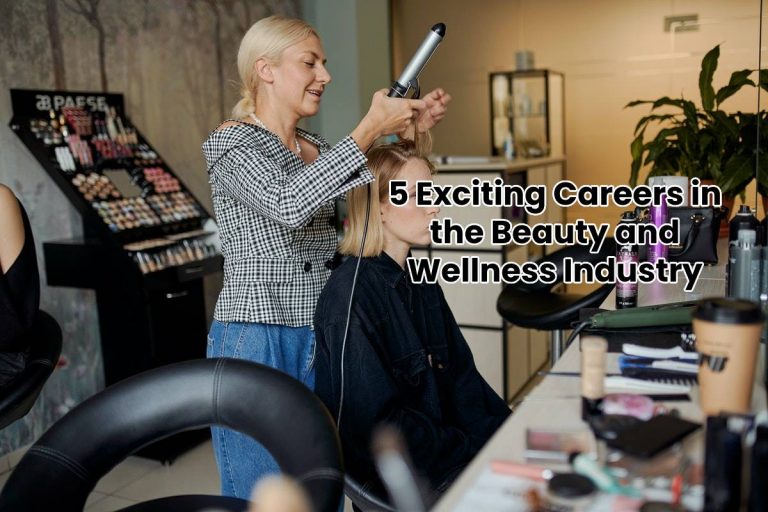
5 Exciting Careers in the Beauty and Wellness Industry

0

According to Forbes, the beauty industry’s market value crossed $500 billion in the U.S. alone in 2019. The industry had a challenge due to the COVID-19 pandemic. Overall, beauty and wellness retail sales plummeted in 2020, declining by 15 percent and affecting revenues globally. However, a recent Mckinsey report reveals that beauty and wellness brands are bouncing back after the pandemic, signaling an increase in the demand for beauty and wellness professionals. Therefore, you’re in for a good ride if you have aspirations to venture into the industry. Here are five exciting careers in the beauty and wellness industry.

1. Nail Technician

Nail technicians are also known as manicurists or pedicurists. They provide various nail treatments working from a salon, spa, or nail studio. Some nail technicians work privately, serving clients from their homes. The demand for experienced nail technicians has spiked in recent years, reflecting the increasing popularity of nail art content on social media.

This profession combines beauty and wellness in various ways. Apart from treating natural nails, nail technicians can add acrylic and gel coverings. Other services demanded from nail technicians include hand and foot moisturizing, dead skin removal, foot rubs, and massage. They use various accessories, from tiny jewels for nail decoration to nail polish for coloring.

2. Nurse

Nursing is a notoriously demanding but rewarding job. Nurses work closely with physicians to support patient recovery and health. Their tasks are roughly divided into support, control, maintenance, and documentation. They also perform minor medical procedures, such as giving injections and IVs. Nurses are often the first point of contact between patients and doctors, relatives and doctors, or relatives and patients.

They mediate and advise before, between, and after treatments. As you can see, their responsibility is huge, which means the right skills are needed to carry out such tasks. Obtaining a degree in nursing is vital. This online nursing from the University of Indianapolis is your best bet if you fancy a career working as a nurse in assisted living communities and other health facilities.

3. Cosmetologist

Cosmetology is an age-old profession, existing as far back as pre-civilization times. But studies show that the discipline became professional in 1930 when many institutions began mainstreaming it into their academic schedules. Today, cosmetologists require rigorous hours of academic work to practice the profession.

Beyond the certificates, they may need licenses from approved institutions due to the health-critical nature of the job. It’s tempting to confuse cosmetologists for hair stylists or nail technicians. But the field is broad, encompassing various beauty and wellness areas. Cosmetologists study the art and science of transforming different body parts with little to no side effects.

They can work directly with clients, perform treatments, or work as consultants for beauty brands because of their in-depth knowledge of beauty and wellness.

4. Makeup Artist

Becoming a makeup artist can be a great way to perform beauty routines without going through the rigor of cosmetology training. You can take up a cosmetology course and specialize in makeup. Most makeup artists are self-taught, learning from Youtube videos and self-learning means. Others take apprenticeship courses with practicing makeup artists, learning from their experiences.

5. Beauty and Wellness Influencer

Influencer marketing is a growing phenomenon, working magic for many beauty and wellness brands. Today’s consumers lean toward influencer-generated content more than brand posts. Studies show that companies earn over six dollars in ROI for every dollar spent on influencers. This has spiked the demand for influencers, with companies willing to commit nearly 40 percent of their marketing budgets to influencers, as revealed by a recent survey. A beauty influencer can be an exciting career if you’re a fan of beauty and wellness trends and love creating content online.

All in all, entering the beauty and wellness industry can be excitingly challenging. Connect with mentors to help you choose the best career for you.

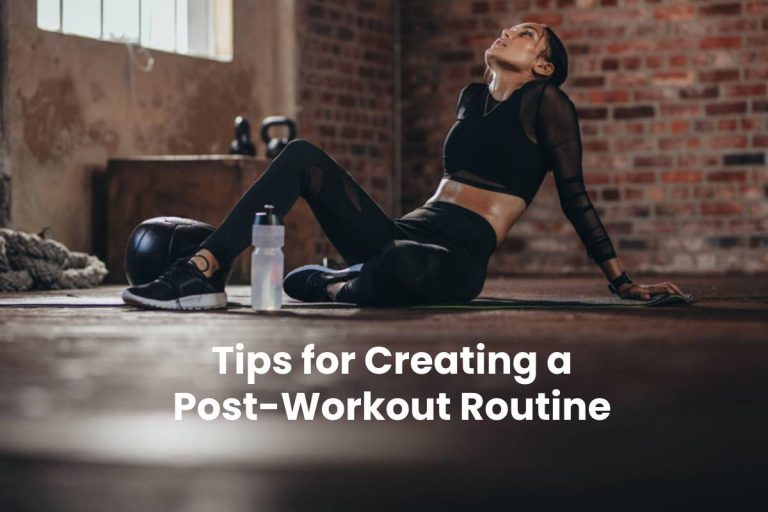
Tips for Creating a Post-Workout Routine

0

You just finished an intense workout and you’re feeling great. You’re pumped up, full of energy, and ready to take on the world. But what do you do now? It’s essential to have a post-workout routine in place so that you can make the most of your workout and avoid any potential injuries. From using top-quality electrolytes for athletes to mobility work for active recovery, here are some tips for creating a post-workout routine that will help you stay healthy and fit.

Tip 1: Drink Plenty of Fluids and Replenish Electrolytes

After a strenuous workout, it’s important to replenish your body’s fluids. This means more than just water. You must also replenish electrolytes like sodium and potassium. Electrolytes are important for your post-workout routine because they are essential to muscle function. In addition, when you sweat, you lose electrolytes through your skin, so it’s important to replenish them after a workout.

An electrolyte powder is a great option that can easily be mixed with water anywhere you are, making it a good choice for the gym, running trail, or rock wall. To make things even easier, you can always keep some electrolyte pills on hand in your gym bag, body bag, or purse and take them after your workout. They deliver the same benefits without the need for mixing or measuring.

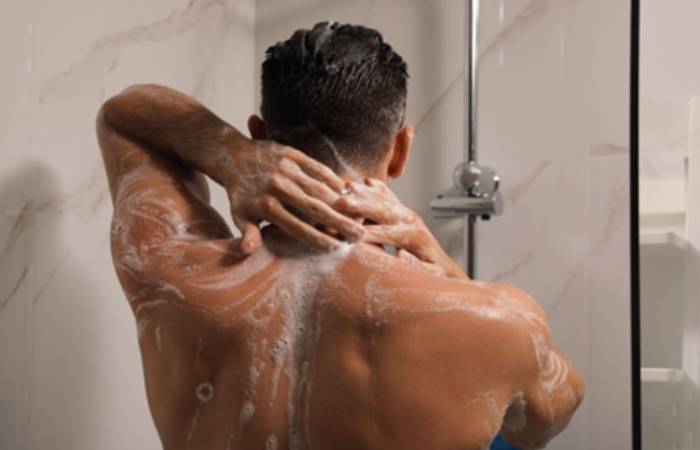
Tip 2: Take a Shower

After you’re done working out, taking a shower is important for your skin and muscles. When you work out, you sweat, which can lead to skin irritation. A shower will help cleanse your skin and remove any bacteria that could cause breakouts or other skin problems. Be sure to use a high-quality body wash regularly and add an exfoliating body scrub once or twice a week to remove dead skin cells.

In addition to cleansing your skin, showers help relax your muscles and relieve any tension or soreness. The warm water can help increase blood flow to your muscles, which aids in the repair process. Plus, the massage-like action of showering can loosen up any knots or kinks in your muscles. So go ahead and take that post-workout shower. Your skin and muscles will thank you for it.

Take a Shower

Tip 3: Eat a Healthy Snack or Meal

Within 30 minutes of finishing your workout, it’s important to eat. This will help your body start to recover and rebuild muscle. Alternatively, you can also plan to eat a full meal within two hours of your workout. Just make sure to focus on healthy options that are high in protein and complex carbohydrates. Some great examples of easy post-workout snacks and meals include:

  • Hard-boiled eggs with whole-grain toast
  • Greek yogurt with berries and granola
  • A chicken or turkey wrap with vegetables
  • A green smoothie with spinach, kale, fruit, vegetarian/vegan protein powder and almond milk
  • A bowl of oatmeal with banana slices and almond butter

You should avoid sugary snacks like candy or cookies — even if they’re “energy” bars. They might give you a quick energy boost, but it won’t last long, and you’ll just crash soon after.

Tip 4: Stretches and Movement for Flexibility and Mobility

This can be done immediately after your workout or after you’ve showered and cooled down. Stretching helps your muscles recover from the workout and can prevent injuries in the future. Focus on full-body stretches and hold each one for at least 30 seconds. If you’re unsure how to stretch correctly, there are many instructional videos and articles online — or you can ask a certified personal trainer at your gym.

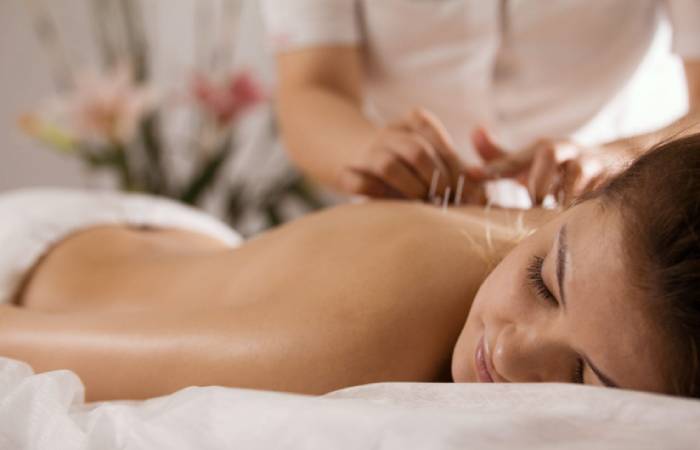
Tip 5: Use Alternative Methods for Recovery

You can use many different unconventional and alternative therapy methods to help your body recover from a workout. These are especially useful if you’re dealing with a previous injury, pinched nerves, or anything else keeping you from performing at your best.

  • Hydrotherapy – This is a type of therapy that uses water to help relieve pain and promote healing. It works by using the temperature of the water to help reduce inflammation and swelling.
  • Massage – A good massage from a qualified masseuse can help improve circulation, range of motion, and flexibility. It can also help to relieve pain by breaking up knots in your muscles.
  • Acupuncture – This ancient Chinese practice involves inserting thin needles into specific points on the body. It’s said to help with everything from pain relief to improving energy levels.

Use Alternative Methods for Recovery

Tip 6: Get Enough Sleep

Sleep should be a priority whether you work out in the morning, in the evening after work, or any other time of the day when you can fit it in. Getting enough sleep is crucial for anyone who wants to maintain a healthy lifestyle. Still, it’s vital for active people. When you exercise, your body goes through a lot of stress and needs time to recover. A good night’s sleep gives your body the chance to do that. Most people aged 18 to 64 need between seven and nine hours of sleep per night, so aim for that if you can.

Final Tip: Customize Your Post-Workout Routine

Every active person and athlete is different. You train differently, you bring your own unique set of skills and abilities to your sport, and you recover differently. That’s why it’s essential to tailor your post-workout routine to your needs.

Not every tip in this article will work for everyone, and that’s okay. The important thing is to find what works for you and stick with it. Experiment with different things and see how your body responds. And if you’re ever unsure about something, always ask a certified professional before trying it out. With a little trial and error, you’ll eventually find the perfect post-workout routine for you.

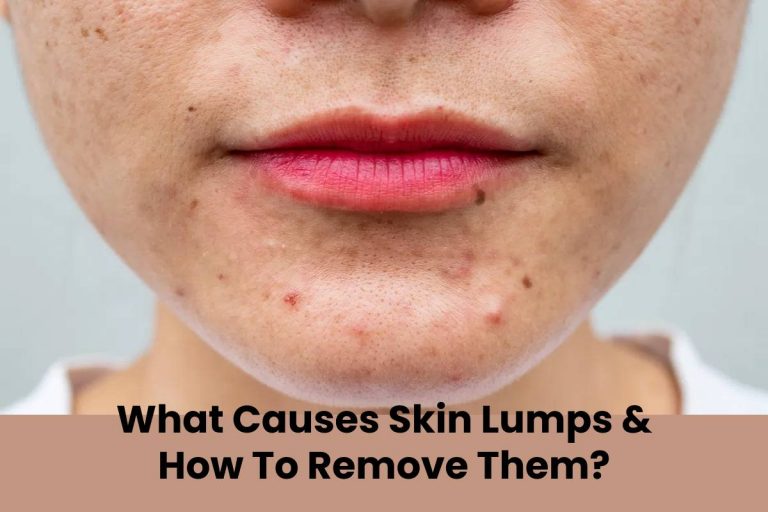
What Causes Skin Lumps & How To Remove Them?

Skin Lumps

Skin bumps have become a common issue these days. Although they are harmless, they can result in skin disorder, allergic reaction, infection, and skin cancer. If you are suffering from a skin bump, you must be aware of the related causes and ways to rectify the same. In most cases, different skin bumps look the same but have differing reasons. Most of these do not require any medication. However, it would help if you got in touch with your doctor if the bump causes discomfort. The concerned individual will help you out with the recommended prescription that will help in relieving the problem soon.

Causes of skin bump

One of the typical causes of skin bumps is acne. You may find them on the shoulders, face, upper back, and chest. They need to break out if the skin has whitehead, blackhead, painful cyst, and pimples. It will leave behind scars and skin darkening if left untreated. Another reason for skin bump is cold sore. A painful, red blister that appears in the lips and near the mouth is nothing but a cold sore. Following this, calluses and corns are a significant cause of skin bumps. These are painful and have a horn-like appearance which leads to hardened tissue. You will locate these on the side and top of your toes and feet soles. It happens because of pressure and friction. Lastly, there are skin tags that lead to skin bumps. These tags are harmless and do not cause any irritation. However, uneven skin growth often leads to skin bumps. In most cases, they are of the same color and result because of friction. You will find this on breasts, armpits, neck eyelids, and stomach.

Treatments that can cure raised skin bump

The available treatment for the raised skin bump has a lot to do with the underlying cause. The most common cause of skin bumps is skin tags. Although they look harmless, they need rectification as fast as possible. If the skin bump is bothering you, you have to get in touch with your doctor as early as possible. The dermatologist will help in removing the skin tag or the wart by different techniques. A surgical procedure is also available for removing skin bumps like lipomas and cysts. The lipoma removal surgery is effective in this case.

In some cases, your physician may specify your medication. It will help in eliminating the skin bump. For treating bacterial infection, you require antibiotics. For viral infection, you may have to go for over-the-counter medicine and stick to home treatment. Hence, the problem is correctable, provided you take immediate steps.

The problem requires long-term treatment. In case the infection is the cause of the issue, medical attention will be adequate. It will help in easing the symptoms and improve the overall outlook. However, you will have to make frequent follow-ups necessary to ensure you get good skin back. You can consult a specialist to know the reasons behind skin issues to correct it beforehand.

7 Practical Tips To Keep Your Clothes Looking New for Years

0

We’ve all been there—the favorite black tee that’s now a washed-out grey, the jeans that lost their shape, or the sweater that’s pilling after just a few wears. In a world of fast fashion, making our clothes last isn’t just a money-saver; it’s a sustainable choice that benefits both your wardrobe and the planet.

Here are seven practical, tried-and-tested tips to help you extend the life of your garments, maintain their color and shape, and reduce the need for constant replacements.

1. Revive Faded Colors with a Dye Bath

If you live in black clothes, you know the struggle: after several washes, that rich black can fade to a dull charcoal. Instead of retiring your favorite tops or pants, give them new life with a fabric dye bath.

How to do it properly:
Fill a large pot or basin with enough hot water to fully submerge the item. Dissolve your dye (like Rit Dye) in about two cups of hot water first, then add it to the basin along with a tablespoon of mild detergent. Wet your garment thoroughly with clean water before submerging it in the dye bath. Stir continuously for 10–15 minutes to ensure even color, then let it sit for up to an hour depending on the desired shade. Rinse in warm, then cool water until the water runs clear. Wash separately the first time.

Important note: This works best on natural fibers like cotton, linen, and wool. Avoid dyeing synthetic fabrics like polyester, as they often won’t absorb color evenly.

2. Rethink Dry Cleaning

While some items like structured blazers or delicate silks require professional care, over-dry-cleaning can actually break down fibers and strip natural oils from fabrics like wool.

Smart approach: Only dry clean when truly necessary—after 3–4 wears for most items, or when there’s an odor or stain that home care can’t handle. For wrinkles, try hanging the garment in the bathroom during a hot shower; the steam will naturally relax creases. For freshening up between wears, air clothes out overnight and use a garment steamer.

3. Always Zip Zippers & Fasten Hooks

It’s a small step that makes a huge difference. Open zippers, hooks, and Velcro straps are the main culprits for snags, pulls, and tears in the washing machine—they can latch onto delicate fabrics and cause damage.

Make it a habit: Before tossing items in the hamper, zip all zippers on jeans, jackets, and hoodies. Fasten bra hooks and turn items with delicate embellishments inside out. This simple practice protects both the item itself and everything else in the load.

4. Protect Waterproof & Specialty Materials

Investment pieces like leather jackets, suede boots, or waterproof outerwear need proactive care to maintain their function and appearance.

Essential maintenance: For leather and suede, apply a conditioner or protector spray every few months to prevent drying and cracking. For waterproof gear, reapply a DWR (Durable Water Repellent) treatment once you notice water no longer beading on the surface. Always follow the manufacturer’s care label instructions for best results.

5. Store Bags & Shoes with Support

Flat bags and crumpled shoes are a sad sight. Proper storage preserves structure and prevents permanent creasing.

Pro storage tip: Stuff handbags with acid-free tissue paper or clean, soft cotton towels to help them hold their shape. For shoes, use shoe trees for leather styles or stuff the toes with paper. This also helps absorb moisture and maintain the form. Keep them in dust bags away from direct sunlight to prevent fading.

6. Wash Smarter, Not Harder

Aggressive washing is the #1 reason clothes wear out prematurely. Heat, harsh detergents, and friction damage fibers, fade colors, and cause pilling.

The gentle washing guide:

  • Sort diligently: Separate by color (darks, lights, brights) AND by fabric weight (towels with towels, delicates with delicates).

  • Turn clothes inside out: This protects printed tees and the outer surface of fabrics like denim.

  • Use cold water: It’s effective for cleaning and significantly reduces fading and shrinkage.

  • Less detergent is more: Excess soap leaves residue that breaks down fibers. Use the recommended amount for your load size and water hardness.

  • Air dry when possible: Tumble drying causes shrinkage and stress on seams. Hang dry sweaters and delicate items. For jeans, wash infrequently (every 4–6 wears) and air dry to maintain fit and color.

7. Strengthen Tights & Delicate Hosiery

The “fridge trick” for tights might sound like an old wives’ tale, but many swear by it to reduce runs and increase durability.

How to try it: Soak new tights in cool water, gently wring them out, place them in a sealed plastic bag, and refrigerate overnight. Let them return to room temperature before wearing. The cold is believed to tighten the fibers slightly. For everyday care, always hand wash hosiery in cool water with mild soap and lay flat to dry—never machine wash or dry.

Final Thoughts: Building a Longer-Lasting Wardrobe

Caring for your clothes is an act of mindfulness—it saves money, reduces waste, and ensures your favorite pieces stay in rotation for seasons to come. Start by integrating one or two of these habits, like washing in cold water or closing zippers, and gradually build from there. Your wardrobe (and wallet) will thank you.

For more on caring for special items, you might find our guide on 8 Methods for Taking Care of a New Tattoo helpful, as many of the same principles of gentle care and protection apply.

Remember, the most sustainable garment is the one already in your closet. With a little extra care, you can keep it looking and feeling its best for years to come.

How To Avoid Social Drinking From Becoming A Habit: Top Tips From Experts

0

Social drinking has become a part of our culture!

Alcohol is available everywhere – from bars to restaurants and from social gatherings to your home. It has become a popular way to socialize, relax and even celebrate special occasions.

Occasional drinking alcohol a few times a week is considered healthy. Unfortunately, this ingrained cultural attitude has made it impossible to measure what level of social drinking can be considered harmful.

Although people consider the act of drinking while socializing with others is something that has originated in recent times. History proves that social gathering and alcohol consumption has been the best duo for millennia.

The practice of social drinking has become endemic to the point that its harmful effects on life are often overlooked.

What Is A Social Drinker?

While there is no official definition of what a social drinker looks like, there are a few accepted guidelines for safe drinking that separate the act of alcoholism or binge drinking.

The definition goes like this:

  • Men between the ages 21-65 having 14 drinks per week and not more than four drinks per sitting.
  • Women and people over 65 should not have 7 drinks per week, with three drinks at most at one sitting.

This is what a social drinker looks like. If someone is drinking more than what has been mentioned, they will be an alcoholic.

To better understand the social drinking behaviors and traits, get a quote from a professional and see for yourself.

While this guideline may seem useful, they have their own limited applicability. The true definition would have to factor in the individual’s capability to handle alcohol.

Expected Benefits Of Social Drinking

Before jumping to the harmful effects of social drinking, it is important to understand why people become social drinkers.

  • To Fit In: As we have already said that light drinking in the events has become a culture. Hence, if someone does not have a few drinks in social gatherings, they find it hard to fit in. This is where people use alcohol to fit in and reduce social anxiety.
  • To Relax: Many people who live a stressful lifestyle come to rely on a drink or two at the end of the day to relieve their stress.
  • To Celebrate: People have always used alcoholic beverages to celebrate special occasions. That means, if it is a happy and exciting event, alcohol is bound to flow.
  • For Better Health: Some studies show that a light drink before sleep enhances sleep’s effectiveness. It also helps to regulate blood and is good for your heart.

Although alcohol does have its way into the culture, there are other ways to celebrate, relax, and make new friends.

Because, no matter how we make alcohol consumption look good, it is not! In fact, even if you have a sip of alcohol, it is affecting your brain. Over the course of time, a small stress coping mechanism will be a habit, and from habit to addiction.

Dangers Of Social Drinking

Alcohol is a TOXIN! – Never forget that.

Alcohol has a damaging effect on your body. Even if you take a small sip, it damages your body. However, you might not be able to see that damage because of how minor it is.

However!

Over time, several minor damages will accumulate inside your body and explode at once. It is important that you remove toxins from the body.

Regular drinking of alcohol can lead to increased risks for:

  • Cardiovascular diseases.
  • Cancer.
  • Liver problems.
  • High blood pressure.

How To Avoid Social Drinking From Becoming A Habit?

The first step towards preventing social drinking from becoming an addiction is understanding its consequences. Knowing how harmful it can be, you will be able to muster up the courage to stay away from drinking.

Here are a few ways to prevent social drinking from becoming a habit.

1. Know Your Limits

It is important to know your limits. If you know your limits, you can avoid getting yourself in social situations where you don’t have to drink past your limits.

Sometimes, people start drinking even though they do not feel the urge. Well, in that case, you must stop doing so. Because if you carry on with that habit, you will eventually become addicted.

2. Think About The Reason Why You Drink

Perhaps your major concern needs to be the reason behind why you drink rather than the amount you drink. Many people use alcohol as a stress reliever.

But, if it’s hard to face the problem with alcohol, it is time to think about whether drinking is stopping you from finding more effective ways.

3. Involve Your Loved Ones

Involving your loved ones can be a great way to know your limits. By opening up about your social drinking behavior with your friends and family, you can get help. In fact, this behavior can also encourage others to explore their own drinking habits.

4. Find A New Community To Spend Time

It is important that you leave behind the people who force you into drinking. You don’t have to completely cut your ties with them (after all, they are your friends), but reduce the time you spend with them.

The best way is to make new friends who share the same goal as you. This will significantly help you cut back on your alcohol.

5. Learn To Say NO!

When you are offered a drink, learn to say NO!

We understand there are circumstances where you cannot say no. But, at least try to. If you are asked why you can always say –

  • You are cutting back on drinking for your health.
  • Or, simply state the fact – You don’t like drinking.

Try not to worry about others judging you!

Recognizing the Warning Signs of Problem Drinking

Understanding when social drinking crosses the line into problematic behavior is crucial for maintaining your health and wellbeing. Warning signs include drinking more than you intended, feeling guilty about your drinking, needing to drink to feel relaxed or confident in social situations, experiencing memory blackouts, neglecting responsibilities due to drinking or hangovers, and having friends or family express concern about your alcohol consumption.

Physical warning signs include developing a higher tolerance (needing more alcohol to feel the same effects), experiencing withdrawal symptoms like shakiness or anxiety when not drinking, and prioritizing drinking over other activities you once enjoyed. If you find yourself making excuses for your drinking, hiding how much you drink from others, or drinking alone regularly, these are red flags that social drinking may be developing into dependency.

The transition from social drinking to problem drinking can be gradual and subtle. Many people don’t recognize the shift until they’re already struggling. If you notice any of these signs in yourself or someone you care about, it’s important to address the issue early before it escalates into full addiction.

Healthy Alternatives to Social Drinking

One of the biggest challenges in reducing or eliminating social drinking is finding alternative ways to relax, celebrate, and socialize. Fortunately, there are numerous healthier options that provide similar benefits without the risks associated with alcohol consumption.

For relaxation, consider practices like meditation, yoga, exercise, deep breathing techniques, or taking relaxing baths. These activities reduce stress hormones naturally and provide lasting benefits rather than the temporary relief alcohol offers. For socializing, suggest activities that don’t revolve around drinking—coffee meetups, outdoor activities like hiking or sports, game nights, cooking classes, or attending cultural events like concerts or museums.

To celebrate special occasions without alcohol, focus on the experience itself rather than the beverages. Host themed dinners, organize adventure outings, plan meaningful activities with loved ones, or create new traditions that don’t involve drinking. The growing popularity of mocktails and sophisticated non-alcoholic beverages means you can still enjoy interesting drinks without the alcohol. These alternatives not only protect your health but often create more memorable experiences than alcohol-centered activities.

The Impact of Social Drinking on Mental Health

While many people turn to alcohol to cope with stress or anxiety, research shows that regular drinking actually worsens mental health over time. Alcohol is a depressant that affects brain chemistry, altering the levels of neurotransmitters that regulate mood. Initially, drinking may seem to relieve anxiety or lift your mood, but these effects are temporary and often followed by a “rebound effect” where anxiety and depression increase.

Chronic social drinking can lead to or exacerbate conditions like depression, anxiety disorders, and sleep disturbances. The relationship between alcohol and mental health creates a dangerous cycle—people drink to cope with negative emotions, but the drinking makes those emotions worse, leading to more drinking. This pattern can quickly spiral into dependency.

Additionally, alcohol impairs judgment and lowers inhibitions, which can lead to regrettable actions that further impact mental health through guilt, shame, or damaged relationships. For anyone dealing with mental health challenges, reducing or eliminating alcohol consumption should be considered an important part of their treatment plan.

Understanding Alcohol’s Effect on Physical Health

Beyond the immediate effects of intoxication, regular alcohol consumption impacts virtually every system in your body. The liver bears the brunt of processing alcohol, and even moderate drinking can lead to fatty liver disease over time. Chronic drinking significantly increases risks for liver cirrhosis, a potentially fatal condition.

Alcohol affects cardiovascular health in complex ways. While some studies suggest light drinking might have minor cardiovascular benefits, the overall evidence shows that even moderate drinking increases risks for high blood pressure, heart disease, and stroke. Alcohol also weakens the immune system, making you more susceptible to infections and illnesses. It interferes with nutrient absorption, particularly B vitamins, vitamin D, and minerals like zinc and magnesium.

Cancer risk increases with alcohol consumption. The World Health Organization classifies alcohol as a Group 1 carcinogen, meaning there’s strong evidence it causes cancer. Regular drinking increases risks for cancers of the mouth, throat, esophagus, liver, colon, and breast. There is no truly “safe” level of alcohol consumption when it comes to cancer risk—even small amounts increase your risk incrementally.

Creating a Supportive Environment for Change

Successfully reducing or eliminating social drinking requires more than personal willpower—it requires creating an environment that supports your goals. Start by communicating your intentions clearly to friends and family. Explain your reasons and ask for their support. True friends will respect your decision and may even join you in reducing their own drinking.

Prepare responses for social situations in advance so you’re not caught off guard when offered drinks. Having a non-alcoholic drink in hand can reduce pressure from others. Consider becoming the designated driver—this gives you a concrete reason to abstain and provides a valuable service to your friends.

Identify your triggers—specific situations, emotions, or people that make you want to drink—and develop strategies to manage them. If certain social settings consistently involve heavy drinking pressure, it’s okay to skip those events while you’re building new habits. Seek out “sober curious” communities or alcohol-free social groups where abstaining is the norm rather than the exception.

Frequently Asked Questions

Is social drinking really dangerous if I only drink on weekends? Yes, even weekend-only drinking can pose risks depending on quantity and patterns. Binge drinking (consuming multiple drinks in a short period) is particularly harmful, even if it only occurs weekly. Each drinking episode affects your liver, brain, and other organs. The cumulative damage from regular weekend binge drinking can lead to serious health problems over time, including increased cancer risk, liver disease, and mental health issues.

How can I tell if my social drinking is becoming a problem? Key indicators include drinking more than intended, feeling unable to relax or have fun without alcohol, experiencing guilt about drinking, having others express concern, neglecting responsibilities, developing higher tolerance, and thinking about drinking frequently. If you find yourself drinking alone, hiding consumption amounts, or drinking to cope with emotions, these are red flags. Honestly assessing your relationship with alcohol and seeking professional guidance if concerned is important.

What should I do if my friends pressure me to drink? Be firm but friendly in declining. You don’t owe anyone a detailed explanation—simple responses like “I’m not drinking tonight” or “I’m cutting back for health reasons” suffice. Real friends will respect your choices. If certain friends consistently pressure you despite your clear boundaries, consider spending less time in those situations or finding new social circles that support your wellness goals.

Can I be social without drinking alcohol? Absolutely! Many people enjoy rich social lives without alcohol. Focus on the people and activities rather than the beverages. Suggest alternative activities that don’t center on drinking. You might discover you actually connect more meaningfully with others when alcohol isn’t involved. The sober curious movement has grown significantly, making it easier than ever to find alcohol-free social opportunities.

Are there any health benefits to moderate drinking? While some studies have suggested potential cardiovascular benefits from light drinking, recent research questions these findings. Many supposed benefits can be achieved more effectively through other means like exercise and healthy diet without any of alcohol’s risks. The potential minor benefits don’t outweigh the proven risks including cancer, liver disease, addiction, mental health problems, and accidents. No major health organization recommends starting to drink for health benefits.

How long does it take to break a social drinking habit? This varies greatly by individual. Breaking any habit typically takes at least 21 days to several months of consistent effort. The longer you’ve been drinking socially and the more integrated it is into your lifestyle, the longer it may take. Be patient with yourself. Focus on progress rather than perfection. Many people find the first few weeks most challenging, but it becomes easier as you develop new patterns and see positive results.

What are good non-alcoholic drink alternatives for social settings? Options include mocktails (alcohol-free cocktails), sparkling water with fruit, kombucha, non-alcoholic beer or wine, fresh juices, specialty coffee or tea drinks, and increasingly available sophisticated non-alcoholic spirits. Having an interesting drink in hand helps you feel included while avoiding alcohol. Many bars and restaurants now offer extensive non-alcoholic options specifically for people choosing not to drink.

Should I avoid all social situations where alcohol is present? Not necessarily, unless you’re recovering from alcohol addiction—in which case avoiding triggering situations is important. For most people reducing social drinking, you can still attend events where alcohol is present. Have an exit strategy if you feel uncomfortable, bring your own non-alcoholic beverages, and focus on aspects of the event beyond drinking. Over time, you’ll likely feel more comfortable navigating these situations.

How do I handle special occasions like weddings or holidays without drinking? Plan ahead by deciding your limits before the event. Bring or request non-alcoholic options. Focus on other aspects of the celebration—the people, activities, food, and meaning of the occasion. Remember that you don’t need alcohol to enjoy yourself or mark important moments. Many people find they remember special occasions better and feel more present when not drinking.

Can social drinking affect my professional life? Yes, regular drinking can impact work performance through decreased productivity, poor decision-making, increased absenteeism, and damage to professional relationships. Even if you only drink outside work hours, effects like hangovers, fatigue, and difficulty concentrating carry over. Additionally, alcohol-centered networking can create problems. Building professional relationships around shared interests rather than drinking leads to more meaningful connections.

What professional help is available if I can’t control my drinking? Many resources exist including therapists specializing in addiction, support groups like Alcoholics Anonymous or SMART Recovery, alcohol counselors, rehabilitation programs for more serious cases, and medical professionals who can provide medication-assisted treatment. Your primary care doctor is a good starting point for assessment and referrals. Don’t hesitate to seek help—addressing drinking problems early prevents them from becoming more serious.

Conclusion

For those struggling with alcohol dependency, remember that seeking professional help is not a sign of weakness but of strength and self-awareness. Addiction is a medical condition that often requires professional treatment. Resources ranging from counseling to support groups to medical interventions are available and effective. The sooner you address concerning drinking patterns, the easier recovery becomes.

Ultimately, the goal isn’t judgment but awareness and choice. Understanding the true nature of alcohol consumption—stripped of cultural romanticization—empowers you to make decisions aligned with your values and health goals. Whether you choose to drink mindfully within safe limits, take breaks from drinking, or embrace sobriety completely, you deserve to do so without pressure or guilt.

Your health, wellbeing, and quality of life are worth more than any social convention or temporary buzz. By questioning the role of alcohol in your life and taking steps to protect your health, you’re investing in a clearer mind, a stronger body, more authentic relationships, and a future filled with genuine joy rather than chemically-induced euphoria. That’s not just worth celebrating—it’s worth protecting, regardless of what glasses everyone else is raising.

Could Metformin Potentially Have Uses Similar to a Fountain of Youth?

Metformin – What if you were offered a pill that could potentially extend your lifespan and improve your health? It might have seemed like a fantasy only a few decades ago, but modern science is bringing us closer to this possibility every day. In fact, such a pill may already exist – it’s called metformin, and it’s been found to have remarkable anti-aging properties. With ongoing research, such as the Targeting Aging with Metformin (TAME) trial, the potential benefits of metformin for human longevity are becoming more tangible than ever before.

Metformin, a medication commonly used to treat type 2 diabetes, has recently been gaining attention for its potential anti-aging effects. Some researchers are even referring to it as a “fountain of youth” drug. But is there any truth to these claims?

First, let’s take a closer look at metformin. It works by reducing the amount of glucose produced by the liver and improving the body’s sensitivity to insulin, which helps regulate blood sugar levels. In addition to its use in diabetes management, metformin has also been shown to have other health benefits, such as reducing the risk of heart disease and certain types of cancer.

One of the reasons metformin is believed to have anti-aging effects is because it activates an enzyme called AMPK (adenosine monophosphate-activated protein kinase). AMPK is often referred to as a “metabolic master switch” because it plays a role in regulating many different metabolic processes in the body, including energy production and cellular repair. By activating AMPK, metformin may be able to improve overall cellular function and reduce the risk of age-related diseases.

Several studies have looked at the potential anti-aging effects of metformin. One study published in the journal Aging Cell found that metformin increased the lifespan of mice by about 5%. Another study published in the journal Cell Metabolism found that metformin improved the healthspan (the period of life during which a person is generally healthy and free from serious or chronic illness) of older adults by reducing markers of inflammation and improving mitochondrial function.

Fortunately, metformin has few side effects, and those that do occur are typically mild and limited to some initial gastrointestinal discomfort such as bloating and diarrhea. It’s important to note that these side effects are rare and usually resolve within the first week of treatment. Additionally, metformin is highly affordable and accessible to most people. In fact, those looking to receive the longevity benefits can buy Metformin online through AgelessRX.com. So, if you’re interested in exploring the anti-aging potential of metformin, visit their website and take the first step towards a healthier, longer life.

While these studies are promising, it’s important to note that more research is needed before metformin can be considered a true “fountain of youth” drug. For example, the studies mentioned above were done in animals and humans, respectively, and more research is needed to determine if the results would be similar in humans. Additionally, there are potential side effects associated with metformin use, such as gastrointestinal issues and a rare but serious condition called lactic acidosis.

In conclusion, while metformin does show promise for its potential anti-aging effects, it’s important to approach these claims with caution. More research is needed to fully understand the mechanisms behind metformin’s effects and to determine if it’s safe and effective for long-term use in humans. As with any medication, it’s important to consult with a healthcare provider before starting metformin or any other medication.

How To Prevent And Treat 5 Common Sports Injuries

0

Sports Injuries

Whether you are a beginner, intermediate, or a top athlete, no one is safe from a sports injury. Sprains, tendonitis, knee injuries, stress fractures, and strains are the primary injuries.

Also read: 8 Tips for Smoother Skin

Sports Injury 1: Sprain

What Is A Sprain?

A sprain is a common sports injury. It is a ligament injury. Ligaments are found in all of our joints, connecting one bone to another bone to protect and support them. We can divide the sprain into three grades;

Grade 1 = Stretching a ligament

Grade 2 = Partial tear of a ligament

And Grade 3 = The complete tear of a ligament

How To Prevent A Sprain?

To avoid a sprained ankle, we recommend that you first wear shoes suitable for the sport you are practicing. Also, consider giving yourself at least fifteen minutes before your workout to warm up your body. A poorly healed sprain or an affected body part that is wrongly changed can represent a risk factor for future injuries. Instability can then remain and lead to a recurrence of a sprain. It is, therefore, important not to neglect its treatment.

How is sprain treated?

The physiotherapist can help you consider the importance of rehabilitation in the treatment of this type of injury. At the start of treatment, the physiotherapist’s role will be to work on mobilizing your joint. It will also help you hold pain and edema. Then it will integrate balance and strength exercise specific to your ankle and injury.

The physiotherapist will also accompany you in return to your activities through specific exercises for your sport. He will work out a treatment plan for you to gradually integrate your mark and avoid any recurrence.

Sports Injury 2: Tendinopathy

What Is Tendinopathy?

A tendon is a band of fibrous, elastic tissue in a sheath aimed at connecting muscles to bones. Tendinitis is the recent inflammation of the tendon. The term tendinopathy is used for any tendon injury that lasts over time.

Among the most common tendonitis are those related to the shoulders, elbows (“tennis elbow or epicondylitis”), heel (“Achilles tendon”), knee, and wrist.

How To Prevent Tendinopathy?

To avoid tendinopathy, just like a sprain, it is essential to warm-up well before physical exertion. Also, during your sports performance, bet on the quality of your movements. If in doubt, we recommend that you call a kinesiologist to make sure you perform the exercises correctly and avoid the risk of injury.

The practice of a sport requiring too much training volume and too much intensity can also cause tendinopathy. You must, therefore, know how to moderate your efforts and gradually increase their frequency and intensity. Following a professionally advised training plan is critical!

How Is Tendinopathy Treated?

A consultation with a physiotherapist will allow you to learn how to put the optimal amount of stress on your tendon and rehabilitate the painful movements to heal. You can also benefit from a program of specific stretching and strengthening exercises.

Also read: What Is Ginger Water?

12 Summer Beauty Trends to Prep For

0

12 Summer Beauty Trends to Prep For

With spring fully underway now, it’s time to start looking forward to what beauty trends we’ll be seeing more of in 2024. We’ve rounded up 12 makeup, haircare, and skincare trends that will be everywhere as the weather warms up:

Wet Skin

Hydrated dewy skin has been trending for several years now, and that’s not going away in 2024. This summer, expect to see ultra glossy skin that looks almost wet. This can be achieved through using anti-aging skincare, such as super hydrating serums and nourishing moisturizers. If you want to go barefaced to show off your wet skin, you also can consider incorporating some dark spot removers and acne treatments as needed, so that you have a smooth and glowing complexion.

Side Parts

Side Parts

After several years of being on the outs, side parts are now trending in a major way again after multiple celebrities have supported them on the red carpet recently. Whether you’re simply embracing your natural part or doing a dramatic side part to make a statement, you’ll be on trend this spring and summer. We especially love a side part paired with some loose waves or curls for the warmer weather.

Blue Eyeshadow

Maximalist eyeshadow is making a return in 2024, and blue eyeshadow looks are trending specifically, thanks to the ongoing mermaidcore movement. Expect to see all shades of blue from baby blue to dark navy, featuring in makeup looks this year. If you really want to commit to the trend, consider pairing it with a blue lip for the ultimate makeup look.

Apricot and Peach Shades

If blue eyeshadow sounds like a step too far for you, then you will be happy to know that apricot and peach shades are also trending this year. Thanks to Pantone naming peach fuzz as its shade of the year in 2024, these pink tinged neutrals make for a perfect everyday look or a more subdued and natural look for special occasions. Be sure to choose shades that complement your skin’s undertone, as some hues can learn to yellow or orange on certain people.

Bright Blush

Perhaps, as a result of the Barbie movie’s success last year, bright doll blush is everywhere in 2024. To capture this look, choose a bright pink or red shade and apply a circle just to the apples of your cheeks, to create the look of a doll. This is a great option if you are looking for more of a statement than the peach and apricot neutral looks but are quite ready to go full on maximal blue eyeshadow.

Vampy and Grunge Looks

Vampy and Grunge Looks

If you’re not feeling all of the colorful makeup trends, don’t worry: vampy and grunge looks are back as part of the growing 90s trend. Vampy makeup looks tend to veer a little more witchy, such as shiny eyeshadow and a glossy black lip. Grunge tends to be more matte and smudged, in keeping with the subculture’s aesthetic. This is a great opportunity to break out those dark neutrals that don’t see as much use on your eyeshadow palette.

Pixie Haircuts

Clothes aren’t the only thing that’s back from the 90s: Many Y2K beauty trends are making a comeback as well. In addition to multiple 90s makeup trends, which will also talk about on this list, pixie cuts are having a moment right now. If you were thinking about cutting your hair short for spring and summer, now is a great time to embrace this fun and youthful look. Just make sure that you are ready to commit to getting regular trims, as pixie cats grow out quickly and lose their shape if you don’t maintain them.

Skin Streaming

Even though maximalist makeup is trending right now, skin minimalism is in, this time in the form of skin streaming. Skin streaming refers to getting rid of excess steps in your skincare routine, and instead concentrating on the essentials, such as gentle facial washes and anti aging sunscreen. If you have currently been following a 12-step routine and feel completely overwhelmed by it, streaming is a great way to hit reset on your routine and focus on the products that will have the greatest effect.

Multichrome Holographics

Multichrome Holographics

If you really want to make a statement, then it’s time to get yourself some multichrome or holographic pigments. These work especially well for eyeshadow, but you can also find holographic highlighters. Each of these products feature shifting shades of color, so a different hue will show up depending on how the light hits it, resulting in an ever-changing and eye catching look that is sure to get you compliments this spring.

Milk Nails

In contrast to the maximalist makeup trends that are showing up this spring, minimalist nails continue to be fashionable. Jelly milk nails, which feature subtle pastel shades and a high gloss, will continue to remain trendy into 2024. The lighter shades are perfect for spring and summer and also make your nails look super healthy and glossy.

Colored Mascara

If you want to add a subtle pop of color to your eye makeup instead of going with full-on maximalist eyeshadow, then consider picking up some colored mascaras. These products are a fun and easy way to experiment with adding some color to your makeup look without going completely overboard. Make sure to choose a waterproof colored mascara if you tend to cry and swaddle a lot; otherwise, you might end up with some strangely colored tears!

Frosty Eyeshadow

Another 90s trend that’s coming back this spring involves frosty eyes and lips. For the eyes, shades of silver and white are trending, but any frosty shade will do. For the ultimate 90s look, pair this with a strong lip liner and a bold lip to get that defined look that everyone wore back then. Are you planning to try out any of these beauty trends this spring and summer? What about other beauty trends that you are seeing this season? Let us know in the comments below!

Dress Shirt for Body Type Men: The Ultimate Fitting Guide

Finding the perfect dress shirt isn’t about grabbing the first one in your size. Nearly 68% of men wear incorrectly fitted dress shirts, leading to an unprofessional appearance and physical discomfort throughout the day.

The right dress shirt for body type men can transform your entire look—making you appear taller, slimmer, more muscular, or better proportioned depending on your specific build.

In this comprehensive guide, you’ll discover exactly which dress shirt styles, fits, cuts, and details work best for your body type, plus expert styling techniques that Indian men can use to look sharp in any professional or formal setting.

Table of Contents

Understanding Men’s Body Types

Before selecting dress shirts, identify your body type. Most men fall into one of five categories:

Athletic/Muscular Build: Broad shoulders, defined chest, narrow waist, muscular arms. Often faces tight shoulders or loose waist issues.

Slim/Lean Build: Narrow shoulders, flat chest, minimal body fat. Standard shirts often look baggy or oversized.

Heavy/Large Build: Broader midsection, fuller chest, wider waist. Needs comfort without appearing boxy.

Tall Build: Above 6 feet with longer torso and arms. Regular sizes are too short.

Short/Petite Build: Under 5’7″ with shorter torso and arms. Regular shirts overwhelm the frame.

Understanding your body type is the foundation of finding the ideal dress shirt for body type men.

The 5 Critical Fit Points Every Man Must Know

Armhole and Cuff

1. Shoulder Seam Placement

The shoulder seam should sit exactly where your shoulder ends and arm begins. This is non-negotiable.

Too wide: Creates a sloppy, oversized appearance. Too tight: Restricts movement and creates pulling across the back.

2. Chest and Torso Fit

You should be able to pinch 2-3 inches of fabric on each side of your torso when the shirt is buttoned.

More than 3 inches: Too loose, appears unprofessional. Less than 2 inches: Too tight, creates pulling and button gaps.

3. Sleeve Length

When arms hang naturally, sleeves should end at your wrist bone, showing ¼ to ½ inch of cuff when wearing a jacket.

4. Collar Size

You should fit two fingers comfortably between your neck and the buttoned collar.

Too tight: Causes discomfort and red marks. Too loose: Looks sloppy and tie knots slip.

5. Shirt Length

The shirt should cover your belt when arms are raised but not bunch excessively when tucked.

For proper dress shirt measurements casual untucked wear, the shirt should end mid-fly.

Dress Shirts for Athletic/Muscular Body Type

Athletic men face a common problem: shirts that fit the shoulders and chest are too loose at the waist.

Best Fit Options

Tapered Fit/Athletic Fit: Specifically designed with extra room in shoulders and chest, narrowing at the waist.

Slim Fit with Stretch: Provides flexibility across muscular areas while maintaining a clean silhouette.

Styling Guidelines

  • Choose shirts with darts or side seams for waist suppression
  • Opt for stretch cotton blends (2-5% elastane) for comfort
  • Avoid boxy classic fits that hide your physique
  • Button-down collars work well with muscular necks
  • Roll sleeves to showcase arms without tightness

Recommended Fabrics

Fabrics

Performance cotton blends, stretch poplin, and athletic-fit Oxford cloth provide the best combination of structure and flexibility.

Pattern & Color Choices

Solid colors in navy, white, and light blue emphasize your build without distraction.

Thin horizontal stripes can broaden the chest if desired.

Avoid overly busy patterns that break up your physique.

Common Mistakes

Mistake: Buying regular fit to accommodate shoulders, resulting in excess fabric at waist.

Solution: Invest in athletic-cut shirts or get regular shirts tailored at the sides.

Dress Shirts for Slim/Lean Body Type

Slim men need shirts that create visual volume without looking oversized.

Best Fit Options

Slim Fit: Cut closer to the body with minimal excess fabric.

Extra Slim Fit: Even more tailored for very lean frames.

Styling Guidelines

  • Choose shirts with chest pockets to add visual weight
  • Opt for spread or cutaway collars (they broaden the upper body)
  • Layer with sweaters or vests to create dimension
  • Consider shirts with visible texture (Oxford, twill)
  • Avoid extra fabric that creates a “swimming in clothes” look

Recommended Fabrics

Thicker fabrics like Oxford cloth, chambray, and textured weaves add substance.

Avoid thin, see-through fabrics that emphasize thinness.

Pattern & Color Choices

Horizontal stripes add width across the chest and shoulders.

Checks and plaids create visual volume.

Layered colors (shirt + tie + sweater) build dimension.

Avoid vertical stripes that make you appear even thinner.

Size Adjustment Tips

If you’re between sizes, choose the smaller size for slim fit.

Ensure sleeves aren’t too long—have them shortened if needed.

Consider brands that offer “slim” or “fitted” cuts as their standard sizing.

Dress Shirts for Heavy/Large Body Type

Larger men need shirts that provide comfort while creating a streamlined appearance.

Best Fit Options

Classic Fit/Regular Fit: Offers room through chest and midsection without clinging.

Relaxed Fit: Provides additional comfort for fuller builds.

Big & Tall Sizes: Properly proportioned for larger frames.

Styling Guidelines

  • Look for shirts with vertical design elements
  • Choose point or spread collars (avoid small collars)
  • Ensure proper torso length to avoid shirt untucking
  • Opt for non-iron fabrics to maintain crisp appearance
  • Never size up to hide weight—proper fit is slimming

Recommended Fabrics

Structured fabrics like poplin and pinpoint Oxford maintain shape without clinging.

Medium-weight cotton prevents transparency.

Avoid thin, clingy fabrics and heavy, thick materials.

Pattern & Color Choices

Vertical stripes: Create an elongating, slimming effect. The thinner the stripe, the stronger the effect.

Solid dark colors: Navy, charcoal, and black are naturally slimming.

Small patterns: Microchecks and subtle patterns work better than large, bold designs.

Monochromatic looks: Matching shirt and tie colors create a continuous vertical line.

Avoid large horizontal stripes and bold, busy patterns.

Dress Shirts for Tall Body Type

Tall men (6’2″ and above) need shirts with proper length proportions.

Best Fit Options

Tall Sizes (LT, XLT, etc.): Specifically designed with longer torso and sleeves.

Custom/Made-to-Measure: Ensures perfect length without excess width.

Sizing Specifications

Standard shirts typically have 32-33″ sleeves; tall sizes offer 35-37″.

Torso length increases by 2-3 inches in tall sizes.

Styling Guidelines

  • Always check sleeve length before purchasing
  • Look for brands offering specific “tall” lines
  • Ensure the shirt stays tucked during movement
  • Consider having shirts custom-made if off-rack doesn’t work
  • Balance proportions with appropriate collar size

Recommended Brands for Tall Men

Many Indian and international brands now offer tall-specific sizing:

  • Brooks Brothers (Extra Length options)
  • Charles Tyrwhitt (Tall Fit range)
  • Van Heusen (Tall sizes)
  • Arrow (Custom Fit Tall)

Pattern & Color Choices

Horizontal elements (stripes, large checks) can balance extreme height.

Avoid very small patterns that emphasize height.

Wearing patterned shirts with solid trousers creates visual breaks.

Dress Shirts for Short/Petite Body Type

Men under 5’7″ need properly proportioned shirts that don’t overwhelm their frame.

Best Fit Options

Short Sizes (S, MS, etc.): Designed with shorter torso and sleeves.

Fitted Cuts: Reduce excess fabric that makes you appear smaller.

Asian Fit: Often better proportioned for shorter builds.

Styling Guidelines

  • Avoid long shirt tails that hang too low
  • Choose fitted (not baggy) cuts to maintain proportion
  • Opt for smaller collar spreads (avoid oversized collars)
  • Keep sleeve cuffs close to wrist, not overlapping hands
  • Consider shirts designed for Asian markets (better proportions)

Key Measurements

Sleeve length should be 32-33″ (standard is 34-35″).

Torso length should allow tucking without excessive fabric.

Pattern & Color Choices

Vertical stripes: Create the illusion of height.

Solid colors: Maintain clean lines without breaking up your frame.

Monochromatic looks: Shirt and trouser in similar tones elongate appearance.

Small-scale patterns: Proportional to your frame.

Avoid large patterns, wide horizontal stripes, and contrast waistbands that cut your height visually.

Shirt Fit Types Explained

Slim Fit

  • Tapers from chest to waist
  • Minimal excess fabric
  • Modern, stylish appearance
  • Best for: Slim and athletic builds
  • Avoid if: You have a fuller midsection

Classic/Regular Fit

  • Straight cut from chest to hem
  • Comfortable with room to move
  • Traditional, professional look
  • Best for: Heavy builds, older professionals
  • Avoid if: You want a modern, tailored appearance

Athletic/Tapered Fit

  • Extra room in shoulders and chest
  • Tapered at waist
  • Accommodates muscular builds
  • Best for: Athletic, muscular men
  • Avoid if: You have a slim or heavy build

Relaxed Fit

  • Generous cut throughout
  • Maximum comfort
  • Casual appearance
  • Best for: Larger builds, casual settings
  • Avoid for: Business formal occasions

Collar Styles for Different Face Shapes

The right collar enhances your facial structure.

Point Collar

Best for: Long, narrow faces Why: The narrow spread doesn’t widen the face further

Spread Collar

Best for: Round or wide faces Why: The wider angle balances facial width

Cutaway Collar

Best for: Round faces, thick necks Why: The extreme spread creates vertical lines

Button-Down Collar

Best for: Casual settings, all face shapes Why: Versatile and less formal

Band Collar (Mandarin)

Best for: Modern, casual looks Why: Creates a clean, minimal aesthetic

Fabric Guide: Choosing Quality Materials

Cotton Poplin

Characteristics: Smooth, crisp finish Best for: Business formal, all body types Weight: Light to medium

Oxford Cloth

Characteristics: Textured, basket weave Best for: Casual business, adds visual weight (good for slim builds) Weight: Medium to heavy

Twill

Characteristics: Diagonal weave, soft drape Best for: Comfortable daily wear, all body types Weight: Medium

Linen

Characteristics: Breathable, wrinkles easily Best for: Hot climates, casual settings Weight: Light Note: Requires frequent ironing or accepting a relaxed look

Performance/Stretch Fabrics

Characteristics: Cotton with 2-5% elastane Best for: Athletic builds, active professionals Weight: Varies Benefit: Allows movement without restriction

Fabric Quality Indicators

Understanding fabric thread count

  • Thread count: 80-120 is good; 140+ is premium
  • Single-ply vs. two-ply: Two-ply is more durable
  • Long-staple cotton: Softer, more durable
  • Weave tightness: Tighter weaves look more formal

Color Psychology and Professional Settings

White Shirts

Message: Authority, cleanliness, formality Best for: Interviews, formal business, conservative industries Suits all: Body types and skin tones

Light Blue

Message: Trustworthy, approachable, confident Best for: Everyday business, client meetings Flattering for: Most skin tones, especially Indian complexions

Navy/Dark Blue

Message: Professional, reliable, sophisticated Best for: Business settings, creates slimming effect Best on: All body types, especially heavy builds

Pink/Lavender

Message: Modern, confident, creative Best for: Creative industries, after establishing credibility Works with: Medium to dark skin tones

Patterns

Thin stripes: Professional, slimming (vertical) or broadening (horizontal) Checks: Business casual, adds visual interest Avoid in formal settings: Loud patterns, novelty prints

For more style inspiration, explore our guide on style tips for men.

Seasonal Considerations for Indian Climate

Summer (March-June)

Fabric: Lightweight cotton, linen blends Color: Light blues, whites, pastels Fit: Not too tight—allow air circulation Sleeve: Consider short sleeves for extreme heat

Monsoon (July-September)

Fabric: Quick-dry synthetics, wrinkle-resistant cotton Color: Medium tones that don’t show water marks Feature: Roll-up sleeves, water-resistant treatments

Winter (October-February)

Fabric: Heavier Oxford, flannel, twill Color: Deeper tones, darker colors Layering: Can layer with sweaters, blazers Feature: Consider French cuffs for cufflinks

Sleeve Styles and When to Use Them

Barrel Cuffs (Button Cuffs)

Fastening: 1-2 buttons Formality: Business casual to formal Best for: Everyday wear, all body types

French Cuffs

Fastening: Cufflinks (folds back and doubles) Formality: Formal business, special occasions Best for: Tall men, formal settings Avoid: Casual settings, very short men (adds bulk)

Convertible Cuffs

Fastening: Buttons or cufflinks Formality: Versatile Best for: Men who want flexibility

Common Dress Shirt Mistakes Men Make

Mistake #1: Buying Based Only on Neck Size

Neck size alone doesn’t determine proper fit. Two men with 16″ necks can have completely different body types.

Solution: Always try on or measure chest, waist, and sleeve length.

Mistake #2: Ignoring Shoulder Fit

This is the hardest alteration to fix. If shoulders don’t fit, move on.

Solution: Shoulder seam must sit at shoulder edge—no exceptions.

Mistake #3: Wearing Shirts Too Long Untucked

If wearing untucked (casual only), the shirt should end mid-fly, not covering your entire rear.

Solution: Buy casual-length shirts or have formal shirts hemmed for untucked wear.

Mistake #4: Wrong Collar Size

Discomfort all day or a sloppy appearance.

Solution: Measure your neck properly—most men wear wrong size for years.

Mistake #5: Ignoring Sleeve Length

Sleeves bunching at wrists or barely covering arms looks unprofessional.

Solution: Measure from center back neck to wrist with arm slightly bent.

Mistake #6: Choosing Fashion Over Fit

Trendy styles don’t matter if the fit is wrong for your body.

Solution: Prioritize fit first, then choose from styles that work for your build.

Mistake #7: Not Considering Alterations

Most off-rack shirts need minor adjustments.

Solution: Budget ₹300-800 for basic alterations—worth the investment.

How to Measure Yourself for Dress Shirts

Neck Size

Measure around the base of your neck where collar sits. Add ½ inch for comfort.

Sleeve Length

Start at center back neck, across shoulder, down to wrist bone with arm slightly bent.

Chest

Measure around the fullest part of chest under arms, keeping tape parallel to floor.

Waist

Measure around natural waistline where you wear trousers.

Shoulder Width

Measure from shoulder point to shoulder point across the back.

Quick Reference: Body Type Chart

Body Type Best Fit Avoid Key Feature
Athletic Tapered, Athletic Fit Boxy Classic Fit Stretch fabric
Slim Slim, Extra Slim Regular, Relaxed Horizontal patterns
Heavy Classic, Relaxed Slim, Tight Vertical stripes
Tall Tall Sizes (LT, XLT) Regular lengths Extra sleeve length
Short Short Sizes, Fitted Long tails, oversized Proportionate cuts

Where to Buy the Right Dress Shirt for Body Type Men in India

Budget-Friendly (₹800-1500)

  • Peter England
  • Van Heusen
  • Arrow
  • Louis Philippe (sale items)

Mid-Range (₹1500-3000)

  • Raymond
  • Blackberrys
  • Park Avenue
  • Allen Solly

Premium (₹3000-8000)

  • Brooks Brothers
  • Charles Tyrwhitt (online)
  • Hugo Boss
  • Ralph Lauren

Custom/Made-to-Measure (₹2500+)

  • Raymond Made to Measure
  • Bombay Shirt Company
  • Tailor-made from Jermyn Street (Mumbai, Delhi)

Shirt Care Tips for Longevity

Washing

  • Wash in cold water to prevent shrinkage
  • Use mild detergent
  • Button all buttons to maintain shape
  • Wash white and colored shirts separately

Drying

  • Air dry when possible
  • If using dryer, remove while slightly damp
  • Never over-dry—causes shrinkage and fabric damage

Ironing

  • Iron while slightly damp for easier pressing
  • Use appropriate heat for fabric type
  • Iron collar and cuffs first
  • Use spray starch for crisp appearance

Storage

  • Hang on proper hangers (not wire)
  • Button top button to maintain collar shape
  • Store in cool, dry place
  • Use garment bags for long-term storage

The 5-Shirt Wardrobe for Every Body Type

Build a versatile collection with these essentials:

1. White Classic Point Collar: For interviews, formal events, conservative settings

2. Light Blue Spread Collar: Versatile for daily business wear

3. Navy/Charcoal Solid: Creates slimming effect, pairs with everything

4. Fine Stripe (Vertical): Adds visual interest while maintaining professionalism

5. Casual Oxford or Chambray: For business casual Fridays, relaxed meetings

This combination works for all body types with appropriate fit adjustments.

When to Get Professional Tailoring

Even the best off-rack shirt benefits from minor alterations.

Common Alterations

Sleeve shortening: ₹200-400 Torso tapering: ₹300-600 Dart addition: ₹400-800 Collar adjustment: ₹300-500 Hem shortening: ₹200-400

Worth Tailoring When

  • Shoulders fit perfectly but waist is loose
  • Sleeves are slightly long
  • Torso is boxy but chest fits well
  • You found the perfect fabric/color but fit is slightly off

Not Worth Tailoring When

  • Shoulders don’t fit (extremely difficult/expensive)
  • Multiple major alterations needed (buy better-fitting shirt)
  • Alteration cost approaches new shirt cost

Final Thoughts

The perfect dress shirt for body type men isn’t about following generic size charts—it’s about understanding your unique build and choosing cuts, fabrics, and styles that complement your physique.

Athletic men need tapered fits with stretch, slim men benefit from patterns and texture, heavy builds require classic fits with vertical elements, tall men must prioritize length proportions, and shorter men should focus on fitted cuts without excess fabric.

Start by identifying your body type, learn the five critical fit points, invest in quality basics, and don’t hesitate to tailor off-rack purchases. A properly fitted dress shirt transforms not just your appearance but your confidence in professional and formal settings.

Remember: fit always matters more than brand name or price. Master these principles, and you’ll look sharp regardless of your body type.

FAQs

Q: What dress shirt fit is best for athletic men? A: Athletic or tapered fit works best, offering extra room in shoulders and chest while narrowing at the waist. Look for stretch fabric (2-5% elastane) for comfort and mobility.

Q: Should slim men wear slim fit or regular fit shirts? A: Slim or extra-slim fit is ideal. Regular fit will appear baggy. Choose horizontal patterns and textured fabrics to add visual volume.

Q: What color dress shirt makes you look slimmer? A: Navy, charcoal, and black create a slimming effect. Pair with vertical stripes for maximum impact. Avoid light colors and horizontal patterns.

Q: How should a dress shirt fit in the shoulders? A: The shoulder seam must sit exactly where your shoulder ends and arm begins. This is non-negotiable and the hardest part to alter.

Q: Can heavy men wear slim fit dress shirts? A: No. Slim fit will be uncomfortable and create unflattering pulling. Choose classic or relaxed fit with proper tailoring at the waist if needed.

Q: What sleeve length is correct for dress shirts? A: Sleeves should end at your wrist bone when arms hang naturally, showing ¼-½ inch of cuff below a jacket sleeve.

Q: Should short men wear vertical or horizontal stripes? A: Vertical stripes create the illusion of height. Avoid wide horizontal stripes and large patterns that overwhelm your frame.

Q: How much should dress shirts cost in India? A: Budget: ₹800-1500, Mid-range: ₹1500-3000, Premium: ₹3000-8000, Custom: ₹2500+. Fit matters more than price.