Last Updated: September 28, 2026
Equipment and tools that chiropractors usually use
Your first visit to a chiropractic clinic might make you feel odd if you compare it with visits to the medical clinics you are familiar with. The place might make you feel like visiting a gym as you can see some equipment at a distance beyond the glass partition of the reception area. The experience might confuse you because you have known that chiropractic treatment relies on manual techniques only for curing various pain conditions.
Moreover, you are also aware that they rely on the body’s self-healing powers to relieve pain. While both the facts are true, it is also true that chiropractors use some tools and equipment to assist their manual efforts of treatment for better results, confirms the experts at Active Edge Chiropractic & Functional Medicine. The use of instruments and devices does not violate the principles of chiropractic treatment, hence permissible.
this article belongs to Medical Technology
Table of Contents
Spine alignment is in focus
Chiropractors believe that to achieve good health and a pain-free body. One must take good care of the spine and protect it from excessive stress resulting in its misalignment and deformity. Spine correction or manipulation is at the heart of chiropractic treatment that helps correct alignment problems, reduces pain, improves movements and mobility, strengthens muscles, and improves its toning while restoring balance. Correcting the spine and ensuring better integrity of the musculoskeletal system is the goal of chiropractic treatment that drives away the pain.
Before selecting any equipment, a chiropractor generally considers the patient’s symptoms, physical condition, medical history, and treatment goals. This is important because not every patient requires the same type of equipment. Some people may benefit primarily from hands-on techniques, while others may receive additional support from therapeutic devices or specialized treatment tables.
Equipment can also make certain procedures more comfortable and controlled. For example, an adjustable table can help position the body correctly, while an electrical stimulation device may be used to support specific therapeutic goals. The equipment is therefore usually considered an addition to the overall treatment approach rather than a replacement for professional assessment and manual care.
Here are some tools and equipment used for chiropractic treatment.
Chiropractic table
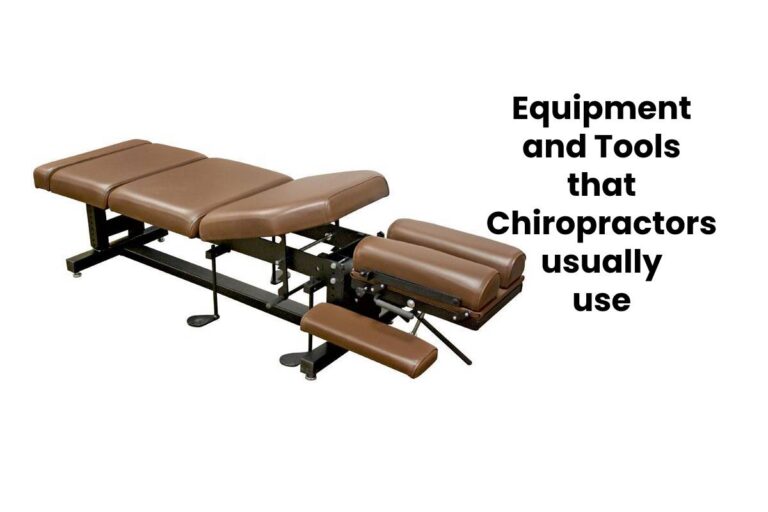
Although chiropractic tables might appear similar to physicians’ medical examination tables, the table is far different from a regular examination table. The chiropractic table is movable and adjustable. The chiropractor can position it most convenient to treat the patient to ensure easy accessibility to the affected area while making the patient feel comfortable. The table can make a standing patient lie down without the patient making any efforts by pushing a button. Even a part of the table can drop down to facilitate the chiropractor in applying more controlled force on the target area.
To understand how this fits into the broader picture, explore our Comprehensive Know Your Health Through Dna Test Kits Pillar.
Why an adjustable chiropractic table is useful
An adjustable table provides flexibility during different types of examinations and treatments. The chiropractor can change the height, position, or angle of the table depending on the area being assessed.
This can be particularly useful when the practitioner needs access to the back, neck, hips, shoulders, or other parts of the musculoskeletal system. Proper positioning can also help the patient remain comfortable during treatment.
Some chiropractic tables have sections that move or drop slightly during certain techniques. These features allow the practitioner to work with controlled movements while reducing unnecessary strain on the patient’s body.
Different clinics may use different table designs. Therefore, the appearance and functions of a chiropractic table can vary depending on the clinic, treatment approach, and equipment manufacturer.
Electrical simulation
Trans Electrical Nerve Stimulation or TENS is commonly used equipment for chiropractic treatment with wide application in physical therapy. The small and compact instrument generates electrical pulses, which the chiropractor applies to the affected area with the help of electrodes placed on that part of the body. The chiropractor can vary the frequencies of the electrical pulses from low to high in gradual steps to achieve the desired result.
How electrical stimulation is used
Electrical stimulation devices are generally used as part of a broader treatment plan. Small electrodes are placed on the skin, and the device delivers controlled electrical impulses.
The sensation can vary from person to person. Some people may experience a mild tingling feeling during treatment. The practitioner adjusts the settings according to the treatment plan and the patient’s response.
TENS and other electrical stimulation techniques are not appropriate for everyone. A qualified healthcare professional should determine whether a particular device is suitable for an individual. Patients should also inform the practitioner about relevant medical conditions, implanted devices, skin problems, or other concerns before treatment.
Full body vibration plate
The equipment looks like a platform scale used for weighing goods and consists of a square metallic platform that might or might not have handrails for safety. A vibrator placed underneath the platform and operated electrically starts vibrating the platform on switching on the equipment. The vibration passes through the patient’s body standing on the platform, thereby stimulating the muscles to improve their strength and improving blood circulation and muscle coordination.
Understanding whole-body vibration equipment
Whole-body vibration equipment is designed to create controlled mechanical vibrations while a person stands, sits, or performs selected exercises on the platform. The intensity and frequency of vibration can vary between devices.
A practitioner may consider a person’s physical abilities before allowing them to use the equipment. Proper positioning and supervision are important, particularly for people who are unfamiliar with vibration platforms.
The equipment may be used alongside movement exercises, stretching, rehabilitation activities, or other forms of care. It should not automatically be considered a replacement for conventional exercise or individualized treatment.
You may also find our companion piece on Accu Chek Active Strips Overview helpful for further context.
Soft tissue therapy tools
Some chiropractic clinics also use tools that support soft tissue work. These may include massage devices, handheld instruments, or other equipment designed to assist with muscle and soft tissue treatment.
Soft tissue techniques may be used around areas affected by muscle tightness or discomfort. The practitioner can determine which approach is appropriate based on the patient’s condition.
The purpose of using such tools is generally to complement the overall treatment plan. They may help the practitioner work on specific areas while maintaining control over the amount of pressure applied.
Therapeutic exercise equipment
Chiropractic care may also include exercises designed to support mobility, flexibility, strength, posture, and functional movement. For this reason, some chiropractic clinics have equipment that looks similar to what you might find in a rehabilitation or fitness facility.
Resistance bands, stability balls, balance equipment, stretching devices, and other simple tools may be used during supervised exercises. The specific equipment depends on the clinic and the patient’s needs.
Exercise-based care can be particularly useful when the treatment plan focuses on improving movement patterns and supporting long-term physical function. Patients may also receive exercises to continue at home.
Heat and cold therapy equipment
Some clinics may use heat or cold as part of supportive care. Heat-based methods can provide a warming sensation and may be used before certain forms of therapy. Cold applications may be used in selected situations when appropriate.
The choice between heat and cold depends on the patient’s condition and the practitioner’s assessment. These approaches are generally considered supportive measures rather than standalone treatments.
Patients should always follow professional instructions regarding how long a heat or cold application should remain in place. Excessive exposure can irritate or damage the skin.
Why professional assessment matters
The availability of different chiropractic equipment does not mean that every patient needs every device. A professional assessment should come before treatment decisions.
A chiropractor may evaluate posture, movement, flexibility, muscle function, and areas of discomfort before developing an appropriate treatment plan. In some cases, the practitioner may also recommend consultation with another healthcare professional when symptoms require additional evaluation.
This individualized approach helps ensure that equipment is used for an appropriate purpose rather than simply because it is available in the clinic.
Safety and proper equipment use
Safety is an important part of any treatment involving specialized equipment. Patients should feel comfortable asking what a device does, why it is being used, and what sensations they may experience during treatment.
Equipment should be maintained, cleaned, and operated according to appropriate instructions. Practitioners should also consider factors such as age, physical condition, existing medical devices, injuries, and other health concerns before using certain equipment.
If a patient experiences unusual pain, significant discomfort, dizziness, or another unexpected reaction during treatment, they should inform the practitioner immediately.
Choosing a chiropractic clinic
When choosing a chiropractic clinic, patients can consider more than the number of machines available. The qualifications and experience of the practitioner, the quality of communication, cleanliness of the clinic, and individualized approach to treatment are also important considerations.
A clinic with a large amount of equipment is not necessarily appropriate for every patient. Instead, patients should look for a treatment plan that is based on their individual needs.
It can also be helpful to ask whether the practitioner explains the purpose of each device before using it. Clear communication allows patients to understand their treatment and participate more confidently in their care.
Review global population wellbeing trends via the World Health Organization Global Indicators.
The role of equipment in modern chiropractic care
Modern chiropractic clinics can combine traditional hands-on techniques with different forms of supportive equipment. These tools can help practitioners position patients, perform certain therapeutic techniques, support movement exercises, and provide additional comfort during treatment.
However, equipment is only one part of the overall process. A proper assessment, appropriate treatment planning, patient education, and follow-up are also important parts of responsible care.
The type of equipment found in a clinic can vary considerably. Some clinics may focus mainly on manual techniques, while others may incorporate rehabilitation equipment and supportive therapeutic devices.
Final thoughts
Chiropractic care can involve more than manual manipulation alone. Adjustable treatment tables, electrical stimulation devices, vibration platforms, soft tissue tools, exercise equipment, and supportive heat or cold therapies may all be found in different chiropractic settings.
The most appropriate equipment depends on the patient’s condition, treatment goals, and professional assessment. Therefore, patients should not judge a chiropractic clinic simply by the amount of equipment it has.
Instead, understanding why a particular tool is being used can help patients feel more comfortable and informed during treatment. When equipment is combined with appropriate professional care and a personalized treatment plan, it can serve as a useful part of a broader approach to musculoskeletal health.