tagging = https //nccurcmglr.in, parkifle weniocalsi, 3155086148, 704518650, 2623324009, 3331671779, ofillmywap.com, compilationswimsuitxxx, 111.90.150.2044, 111.90.150.284, 212.32.226.324, 10.24.1.533, 149.56.24.266, 1164.68.127.15, 194.233.66.232, vtufdbhn, 192168.15.1/instalador, 192.16815.1/instalador, 615804297, 34.77.38.120, 6144613913, 3229124921, 3382210498, 225752523, 185.63.263.200, 652338520, 653128430, yf68xyh, 9085288998, 103.162.136.235.8096, 4403686908, chelseabby888, 192.168.264.254, 45.33.76.4, 9093232510, 9057555598, cldiaz05, 185.169.252.47, 532339706, 8502703853, 3533787794, 8445417310, hålrumsinflammation, 425.224.0588, 162.0.220.59, 7203255526, 185.63.253.2000, 6012553206, 6159840902, amberlee4201, 621195433, 919462595, www.tryistlink.com, 4544274536, 5208129519, 8400000144272190, 18663887881, 3475361942, photoscompante, 1977788417, 4232968301, 185.63.253.2001, 16.55x40, 4054483292, 3sv9xvk, 91.209.70.164, 7575258292, 7134429100, 6026889985, bustykelly48ff, preeyaporn47833, 19057716052, 866.515.4891, 2816679193, 5123557211, 4023789698, 2678764652, 7015400761, 6512249802, 2137231496, 2518421488, 12548520404, 9097290670, 4037701966, 2044870273, 2092152027, 4432611224, 2693673432, 7209152170, 6042354322, 4379253018, 7322681119, 3195313264, 8664368150, 691221873, 6307964252, iahcenqqkqsxdwu, frappywade4, 2602051586, 8003305709, 57892u213071, 185.63.263.20, wfwf267, katericeren, 185.63.2653.200, 172.17.1.10.8090, qwerasdfzxcvtyuighjkbnmopl, 5145876460, 911176638, 3466197857, 84951395589, 5517119830, 16137469140, sweeetbby333, 733007690, 5184003034, upagriclchar, 1111.9050.204, www.obtenirdrho.com, bookplanogram.ca, zst03304263, jessstanleyxo, tatianna9966, 6152482618, 081.63.253.200, 100.64.200.264, 111.150.90.2004, 172.17.1.10:8090, 111.90.150.504, 111.90.150.2404, 111.90.150.1888, 111.901.50.204, 111.90.150.288, 613329785, 258.63.253.200, 185.63.353.200, 82.51x63, mollylw6, 41.62x24, 8045590600, 8324469731, 10.24.0.1.71, 111.90.150.304, 192.268.18.1, bootyfett0001, 111.90.150.2004, 183.63.127.22, 64.277.120.231, 3162680863, 623565507, 6788062977, 3488118879, 111.90.150.402, 61291743000, 2122795139, 7868024806, 1607862602, 83512250804, 5045844313, 92981020, 7572189175, emwatki6, 111.90.150.2p4, 8668518500, valfootie22, 5553008649, 89254637539, 948991532, 967917786, 6044951143, 9376996234, dbxb1m, minettexox, 5619380994, 7609564600, 8454225479, 5614348400, smartinezzz50, 4055150357, 8026515400, 8558348495, 0185.63.253.200, 9722320927, 6474500942, theepennygee, 7.74960000275435E+37, 61282948295, 8400000114032200, seksmarktköln, filmy५wap, 9133123280, ymydz55, 9106440950, 283767600, 7144308112, skipthegamws, 6306710600, 5864987122, abellaaajadexo, 111.90.150.282, 117.239.200.170, 6138019264, 7052297336, 8443620934,
Home Blog Page 21

6 Conditions that Can Be Treated by a Chiropractor

Chiropractor

Chiropractors treat musculoskeletal conditions of your body – these conditions are related to your body structure. When your body structure is not the way it should be, due to any cause, it can trigger pain and swelling, along with other symptoms if the case is critical. What chiropractors do is treat you for this irregular body structure, relieve your pain, and improve your body’s functionality.

One reason to choose chiropractors over other doctors is that chiropractors don’t perform surgeries or prescribe medications. Instead, they use their hands and other instruments to adjust your spine and align your body parts in the right, regular position.

Chiropractors have the idea that when your body is properly aligned, you can heal properly and quickly. And that’s not false. There are so many body conditions that can be treated by chiropractors. Six of the most common ones are listed below.

1. Neck Pain

Neck pain is one of the most common conditions in the United States, especially in the busy state of Georgia. Neck pain has many causes; it can also be chronic. Chiropractors treat neck pain by manipulating your neck – these are also known as neck adjustments.

Along with these neck manipulations, chiropractors also perform neck decompression and have you do some exercise, which does wonders for neck pain; they are definitely better than medications.

One great advantage of chiropractic treatment is that it wouldn’t only heal your neck pain caused by any accident, injury, or posture, but if you have chronic pain that’s worsening your life for a long time, it can also be healed by chiropractic care.

2. Whiplash

Whiplash is a kind of neck sprain usually caused by a rear-ended car accident. However, it can also be caused by a sports injury or from falling. Whiplash might not show its symptoms the moment it occurs; it might take a few hours or even a day to come to the surface and start causing pain. And as you move your head, the pain will start to get worse.

Apart from immense pain, whiplash causes stiffness in the neck. If it gets severe or the treatment gets delayed, it can start making you feel dizzy, develop a headache, concussion, lower back pain, and more.

An immediate appointment with a chiropractor can help with whiplash. A chiropractor wouldn’t recommend any medicine or surgeries, which other doctors might do when they are treating whiplash. Chiropractic treatment of whiplash will only revolve around the manipulation of your spine and the part where it connects to your skull – the place where whiplash is caused.

A chiropractor might also engage you in physical therapy or have you do some exercises and stretching, along with the methods to reduce swelling and pain.

3. Lower Back Pain

Another condition that most adults and elderlies go through is lower back pain. Similar to neck pain, lower back pain can be chronic due to age and body type, or it can be caused due to an accident, injury, or constantly bad posture.

Surprisingly, lower back pain is one of the most common reasons why people visit a chiropractor in the first place. In fact, around 28% of Americans suffer from chronic back pain, which is a leading disability cause in Americans under the age of 45. Over 2 million Americans between the age range of 20 and 64 go suffer back pain frequently because it becomes common as you age.

These stats are scary enough to make anyone care about their body more than ever. And chiropractors are one way to make sure you don’t have to suffer from back pain ever again.

According to a survey conducted by National Center for Complementary and Integrative Health, people with lower back pain benefited significantly through their appointments with a chiropractor. Another research showed that people with lower back pain were relieved when they started visiting a chiropractor instead of their primary care physician.

Chiropractors know how to adjust your spine and switch the off button on your pain. And if you are going through lower back pain, it is your best option to visit a chiropractor in Tucker GA.

4. Migraine

Migraine is scarily common in the US, including nearly 1 in 4 households having a migraine patient. 12% of the US population goes through a migraine, including 10% of overall children, 6% of overall men, and 18% of overall American women. Migraine usually occurs between the ages of 18 and 44, but the numbers are now growing in children as well.

Research has suggested that migraine frequency can be decreased by spinal manipulations conducted by a professional chiropractor. Chiropractic spinal treatment can also decrease the pain from migraines and reduce the patient’s need for medications.

A study shows that chiropractic care is scientifically proven to reduce stress, which might, as a result, might also reduce migraines. Migraine can also be triggered by the intake of a certain food. For that, your chiropractor can also recommend you a change in nutrition.

5. Tension Headache

Headache is one of the most common problems in adults. What with work assignments, home life, and everything, it is common for people to take stress and tension, which causes headaches. But tension headache is a different type of headache.

A tension headache is caused when your neck and head muscles are tensed and contracted, which happens due to a bad posture, an injury, depression, stress, or anxiety. If tension headaches are severe, they can also cause neck and back pain.

What most people do is take aspirins until their headaches are relieved, which has its side effects. And drugs can only relieve you from pain temporarily, they won’t make your headache go away. On the other hand, chiropractic treatment is free from medications and drugs. Chiropractic care and treatment is one of the best ways to cure tension headaches.

Through neck adjustments and some stretching exercises, chiropractic treatment can eliminate your headache. A chiropractor can also suggest ways in which you can prevent these headaches from coming again, ever.

6. Shoulder and Knee Pain

Most people think chiropractic care is only for neck and back pain, and an orthopedist is where you should go for shoulder or knee pain. While visiting the orthopedic hospital is a correct option for these pains, it is important to know that a chiropractor can also heal you from them.

Shoulder pain usually occurs due to a condition called frozen shoulder syndrome – it causes pain, stiffness, and lack of movement in the shoulder. Chiropractic care can recover you from this condition by stretching your shoulder muscles and doing some back adjustments. In addition, if the shoulder pain is caused by any other condition, a chiropractor will take care of that too.

On the other hand, our daily wear on the knee joint is an obvious cause of knee pain for most people. Chronic knee pain can also be due to knee osteoarthritis – a common condition developed due to age. Just after a few weeks of chiropractic treatment – involving knee exercises, stretching, and some chiropractic muscle manipulation – some people reported that their knee pain was reducing.

In fact, when you show up on all of your chiropractic treatments, you can see visible positive results in just a month or two.

A Comprehensive Guide to Managing Hearing Loss in Daily Life

Hearing loss is often misunderstood as an issue exclusively for older adults, but it affects people across all age groups. According to the National Institute on Deafness and Other Communication Disorders (NIDCD), approximately 13% of Americans aged 12 and older experience hearing loss in both ears. This condition can transform everyday conversations into challenging endeavors and impact emotional well-being and social confidence.

The good news? Modern strategies and technological advances—from nearly invisible hearing aids to sophisticated assistive systems—make managing hearing loss more effective than ever. Here are three practical, evidence-based tips to help you navigate life with hearing loss while protecting your remaining hearing.

1. Proactively Protect Your Hearing

Noise-induced hearing loss (NIHL) is one of the most common—and preventable—forms of hearing damage. It doesn’t only come from sudden explosive sounds; prolonged exposure to everyday noise like traffic, loud restaurants, or personal audio devices can accumulate over time.

Practical Protection Strategies:

  • Use hearing protection smartly: Keep high-fidelity earplugs (like musician’s earplugs) in your keychain case for unexpected noisy environments. For consistent exposure (like commuting or using power tools), consider custom-molded options.

  • Embrace the 60/60 rule: When using headphones, listen at no more than 60% volume for no longer than 60 minutes at a time. Noise-cancelling headphones can help by allowing you to listen clearly at lower volumes.

  • Create quiet spaces at home: Use area rugs, curtains, and upholstered furniture to absorb sound. In social settings, position yourself with your back to a wall to reduce background noise interference.

  • Download a sound meter app: Several free apps can measure environmental decibel levels, helping you identify when protection is needed (generally above 85 dB).

2. Leverage Modern Assistive Technology

Today’s hearing technology extends far beyond traditional hearing aids, though modern hearing aids themselves are marvels of connectivity—many now stream directly from phones, televisions, and public sound systems.

Beyond Hearing Aids: The Assistive Ecosystem

  • Smart home integration: Devices like smart doorbells with visual alerts, vibrating alarm clocks, and phone apps that transcribe conversations in real-time can reduce daily friction.

  • Public accessibility systems: Look for venues displaying the hearing loop symbol (a blue ear with a line through it). When you switch your hearing aid to the “T” setting, you’ll receive clear, direct audio from the venue’s sound system, free of background noise.

  • Personal amplifiers: For situations where hearing aids aren’t available or sufficient, discreet personal sound amplifiers (PSAPs) can help in one-on-one conversations or while watching television.

  • Captioning everywhere: Enable captions on streaming services, use live transcription apps like Otter.ai during meetings, and explore theater and cinema offerings with closed captioning devices.

3. Adopt a Hearing-Healthy Lifestyle

Emerging research continues to reveal connections between overall wellness and hearing health. A 2022 study in the American Journal of Clinical Nutrition reinforced that specific nutrients may support auditory function, while cardiovascular health directly impacts hearing by ensuring adequate blood flow to delicate inner ear structures.

Nutritional and Behavioral Approaches:

  • Focus on circulation-supporting foods: Incorporate omega-3-rich foods (walnuts, flaxseeds, fatty fish), potassium-rich bananas and spinach, and antioxidants from berries and leafy greens. Magnesium (found in almonds and avocados) may help protect against noise-induced damage.

  • Manage chronic conditions: Work with your healthcare provider to control diabetes, hypertension, and high cholesterol—all linked to increased hearing loss risk.

  • Stay socially and mentally active: Challenging your brain to process sounds through conversation, music, and auditory training apps can help maintain auditory processing skills.

  • Schedule regular hearing check-ups: Just like vision or dental exams, annual hearing evaluations establish a baseline and catch changes early. The Centers for Disease Control and Prevention (CDC) recommends screenings every decade until age 50, then every three years thereafter.

Moving Forward with Confidence

Managing hearing loss is an ongoing process that combines protection, technology, and holistic health. If you suspect hearing changes, the most important first step is a comprehensive evaluation by an audiologist. They can provide personalized solutions ranging from medical treatment to hearing aid fitting and communication strategies.

Remember that hearing loss management isn’t just about better hearing—it’s about maintaining connection, engagement, and quality of life. With today’s resources and strategies, millions of people with hearing loss lead full, active lives while staying connected to what—and who—matters most.

For current research and support resources, visit the Hearing Loss Association of America (HLAA) or the American Speech-Language-Hearing Association (ASHA), both of which provide updated guidance on hearing technology and communication strategies.

Behavior Changes of a Person with Dementia and How to Cope

Watching a loved one navigate life with dementia can feel like charting an unfamiliar and shifting landscape. The changes of a person with dementia go far beyond simple memory loss; they are profound shifts in perception, communication, and behavior that stem from physical changes in the brain. For family members and caregivers, these changes can be confusing, heartbreaking, and exhausting. However, by moving from a place of reaction to one of understanding, we can transform our approach from merely “managing symptoms” to providing compassionate, person-centered support. This guide explores the common behavioral shifts and offers practical, empathetic strategies for coping and maintaining connection.

The “Why” Behind the Behavior: It’s Communication, Not Choice

The first and most crucial step is reframing how we see these behavioral changes. A person with dementia is not being “difficult” on purpose. Their actions and reactions are often their primary way of communicating an unmet need, a feeling they can no longer articulate with words, or a response to a confusing world.

The brain changes caused by diseases like Alzheimer’s affect judgment, impulse control, and the processing of sensory information. What we see as a “behavior problem” is often a logical reaction from their perspective.

Common Behavioral Changes and Their Potential Meanings

1. Loss of Initiative or Apathy

  • What it looks like: Disinterest in hobbies, socializing, or even personal care. They may seem withdrawn or emotionally flat.

  • What it might mean: This isn’t laziness. It can be due to overwhelming anxiety about starting a task, depression, physical fatigue, or the brain’s diminishing ability to initiate complex sequences of actions.

  • How to support: Break activities into single, simple steps. Use gentle invitation instead of demand: “I’m going to fold these towels. Would you like to help me with this one?” Rather than expecting them to initiate, create opportunities for engagement through familiar sensory activities, like sorting objects or listening to beloved music.

2. Repetition (Questions, Stories, or Actions)

  • What it looks like: Asking “When are we going home?” every few minutes, or telling the same story on loop.

  • What it might mean: This behavior is a powerful source of comfort and security in a world that feels increasingly unfamiliar. It may express an underlying anxiety (like feeling unsafe), a need for reassurance, or the simple fact that short-term memory is no longer retaining the answer or the fact that the story was just told.

  • How to support: Practice infinite patience. Answer the question calmly as if for the first time. Often, addressing the potential emotion (“You seem like you’re wanting to feel safe. You are safe here with me.”) is more effective than the literal answer. Redirect to a calming activity like looking through a photo album.

3. Restlessness, Pacing, and Wandering

  • What it looks like: Inability to sit still, constant fidgeting, or walking aimlessly (sometimes with intent to “go to work” or “go home”).

  • What it might mean: This can signal physical needs (pain, hunger, thirst, needing the bathroom), excess energy, side effects of medication, or a deep-seated need from their past life (like a former daily routine). “Sundowning”—increased agitation in the late afternoon/evening—is also common.

  • How to support: Ensure basic needs are met first. Create a safe path for walking indoors. Introduce purposeful movement: “Can you help me walk to the mailbox?” or put on music for dancing. For those in need of structured support and companionship to mitigate these behaviors, engaging with a senior companion program in NW Washington, DC can provide essential social stimulation and supervision in a familiar environment.

4. Shadowing and Clinginess

  • What it looks like: Following a primary caregiver from room to room, becoming distressed when they are out of sight.

  • What it might mean: The caregiver represents safety in a frightening world. This behavior is rooted in anxiety and fear of abandonment. The person may have lost the ability to track time, so a two-minute absence can feel like hours.

  • How to support: Reassure verbally and with touch before leaving the room: “I am just going to the kitchen. I will be right back.” Leave something of yours with them as a placeholder. Use a baby monitor so you can reassure them with your voice from another room.

5. Sleep Disturbances and Night Walking

  • What it looks like: A reversed sleep-wake cycle, napping all day and being awake, confused, or active at night.

  • What it might mean: The brain’s internal clock (circadian rhythm) is damaged. It can also be due to lack of daytime stimulation/light exposure, discomfort, or the inability to distinguish dreams from reality.

  • How to support: Maximize daylight exposure and physical activity during the day. Establish a strict, calming bedtime routine. Avoid caffeine and large evening meals. Ensure the sleeping environment is safe to prevent injury if they do get up.

The Caregiver’s Toolkit: Strategies for Connection and Calm

  1. Become a Detective, Not a Judge: Keep a simple log. Note what happened beforeduring, and after a challenging behavior. Look for patterns related to time of day, environment, or specific requests. Is the room too loud? Are they tired? Are you asking a question that requires complex reasoning they can no longer manage?

  2. Change the Environment, Not the Person: Reduce clutter and noise. Ensure the home is well-lit to reduce shadows that can cause misinterpretations. Use clear signage on doors (like a picture of a toilet on the bathroom door).

  3. Connect Through Feeling, Not Fact: Validation Therapy is key. Acknowledge the emotion behind the statement, rather than correcting the factual error. If they insist they need to see their mother (who is deceased), saying, “You must miss her very much. Tell me about your mother,” is more soothing than, “She passed away 30 years ago.”

  4. Seek Professional Support Early: You do not have to navigate this alone. Sudden behavioral changes can indicate a urinary tract infection, pain, or other medical issues. A thorough check-up is essential. For ongoing, in-home support that blends expert care with compassionate companionship, families often find immense value in partnering with professionals like Capital City Nurses, who are trained in dementia-specific care techniques.

  5. Care for Yourself to Care for Them: Your patience and resilience are finite resources. Respite care is not a luxury; it’s a necessity for sustainable caregiving. Seek support groups, ask family for help, and take time to recharge. A burned-out caregiver cannot provide calm, centered support.

Remember, the person within is still there, reachable through empathy, patience, and creative connection. The goal is not to control but to comfort; not to reorient to our reality, but to join them in theirs with love. By understanding the changes of a person with dementia as a form of communication, we open the door to more meaningful interactions, reducing distress for them and finding greater purpose in our role as caregivers.

5 Benefits Of Having A Pet For Your Mental Health

When you bring a pet into your home, you’re welcoming more than just an animal—you’re inviting a profound source of emotional support, routine, and unconditional love. While we often focus on the care we provide them, a growing body of scientific research confirms that the benefits of having a pet for your mental health are real, measurable, and transformative. From reducing cortisol levels to fostering social connection, sharing your life with a pet can be a powerful pillar of well-being.

The Unspoken Bond: Beyond “Just a Pet”

The relationship between humans and animals is ancient and instinctive. Pets fulfill a fundamental human need for connection without the complexities of human social dynamics. They offer a unique form of companionship characterized by:

  • Unconditional Positive Regard: Your pet doesn’t judge your career, your appearance, or your bad days. This non-judgmental presence provides a safe emotional space, reducing feelings of anxiety and self-consciousness.

  • Mindfulness Anchors: Animals live firmly in the present moment. A cat’s purr, a dog’s insistence on a walk, or a rabbit’s curiosity forces us to step out of rumination about the past or future and engage with the “here and now,” a core principle of mindfulness for mental health.

  • Tactile Comfort: The simple act of petting an animal has documented physiological effects. It can lower heart rate and blood pressure while releasing oxytocin (the “bonding hormone”) in both human and animal.

Decoding the “Happy Hormones”: The Neurochemistry of Pet Ownership

The feeling of joy you get from your pet isn’t just in your head—it’s in your brain chemistry. Interacting with a pet creates a beneficial neurochemical shift:

  • Oxytocin Boost: Often called the “love hormone,” oxytocin promotes feelings of attachment, trust, and calm. Gazing into your dog’s eyes or stroking your cat triggers its release, strengthening your bond and reducing stress.

  • Serotonin & Dopamine Lift: These are key neurotransmitters regulating mood, pleasure, and motivation. Playful interactions and the simple pleasure of a pet’s company can elevate these levels, combatting feelings of depression and apathy.

  • Cortisol Reduction: Cortisol is the primary stress hormone. Studies, including one published in the journal Psychosomatic Medicine, have shown that pet owners often have lower baseline cortisol levels and a blunted cortisol response to stress compared to non-owners.

Tangible Mental Health Benefits: Evidence-Based Outcomes

1. A Buffer Against Depression and Loneliness

Pets counteract isolation by providing consistent companionship and a sense of being needed. The routine they require—feeding, grooming, exercise—creates structure and purpose, which are often the first things to erode during depressive episodes. The responsibility of care can gently push an individual outside of their own distress, providing a reason to get out of bed and engage with the world.

2. A Powerful Antidote to Anxiety and Stress

The rhythmic act of petting an animal can be instantly soothing, activating the parasympathetic nervous system to promote a “rest and digest” state over “fight or flight.” For those with anxiety disorders, a pet can provide a grounding presence during moments of panic or heightened worry.

3. A Catalyst for Social Connection

Pets, especially dogs, are natural social lubricants. They act as conversation starters during walks, in parks, or at pet stores. This can be particularly valuable for people who find social interaction challenging, such as those with social anxiety, retirees, or individuals new to a community. This “pet-facilitated socialization” builds networks and reduces loneliness.

4. An Engine for Healthy Routine and Physical Activity

Dog ownership, in particular, mandates daily walks. This consistent physical activity is a well-known booster for mental health, increasing endorphins, improving sleep, and reducing symptoms of anxiety and depression. The routine itself provides predictability and stability, which are comforting to the human psyche.

5. Enhanced Self-Esteem and a Sense of Purpose

Successfully caring for a dependent creature builds competence and confidence. The reciprocal love and affection received validate an individual’s worth and capability, fostering a stronger sense of self. For children, this teaches empathy and responsibility; for adults, it can reinforce identity and purpose beyond work or other roles.

Choosing Consciously: Aligning Pet and Person

To maximize the mental health benefits of having a pet, it’s crucial to make a thoughtful choice that aligns with your lifestyle and capacity.

  • Energy & Space: Match a pet’s exercise needs with your own. A high-energy dog may not be ideal for a small apartment, while a cat or rabbit might be perfect.

  • Time & Commitment: Consider lifespan, daily care needs, and financial responsibility. A pet is a long-term commitment, not a short-term fix.

  • Therapeutic Roles: For diagnosed mental health conditions, Emotional Support Animals (ESAs) or Psychiatric Service Dogs can be part of a treatment plan. ESAs provide comfort through presence, while service dogs are trained to perform specific tasks (like interrupting anxiety attacks or providing deep pressure therapy).

A Relationship of Reciprocal Care

The benefits of having a pet for your mental health are a beautiful example of mutualism. As we care for them, they care for us in ways that science is only beginning to fully articulate. They quiet our minds, lighten our moods, and connect us to the simple, present-tense joy of being alive. If you have a pet, you likely already feel this truth in your daily life. And if you’re considering it, know that you’re not just getting a pet—you’re potentially gaining a cornerstone of your emotional well-being.

3 Healthy and Delicious Holiday Side Dishes: The AIP Way

With the holidays fast approaching, you may be dreading what exactly to cook now that you are following an anti-inflammatory protocol (AIP) lifestyle.

The good news is that, depending on how you cook it, your turkey should naturally be AIP, according to Dr. Bill Cole, founder of the Cellular Health Accelerator Program.

But what about the side dishes? If you are new to AIP, it may be difficult to imagine Thanksgiving sans mashed potatoes slathered with butter or those special bread rolls that grandma always made.

Luckily, AIP is a vast universe containing a plethora of delicious recipes that will satisfy everyone at the Thanksgiving table. As I have mentioned before, AIP is not a diet, it’s a lifestyle, and my team can help you move toward your goals increasing your cellular energy to boost your health.

As you plan your Thanksgiving feast – and many meals beyond – here are three AIP recipes which are guaranteed to complement any turkey on that big day.

1. Air Fryer Crispy Brussels Sprouts

Air Fryer Crispy Brussels Sprouts


Serves: 4

Prep Time: 5 minutes

Cook Time: 15 minutes

Nothing says Happy Thanksgiving like a healthy helping of crispy Brussels sprouts on your plate next to the slices of turkey breast. The air fryer is going to be a critical tool for you if you want to get those crispy, leafy, restaurant-style Brussels sprouts that we have all come to know and love in the last year. Not only is this recipe off the charts, it’s easier than pie – which as we all know is really nice when you are cooking up a storm for a family feast.

Ingredients:

1 lb. Brussels sprouts, ends cutted and cut in half lengthwise

1 ½ tablespoons avocado oil

½ teaspoon garlic powder

¼ teaspoon sea salt, or more to taste

¾ teaspoon Italian seasoning or AIP Paleo Powder

2-3 tablespoons nutritional yeast (optional)

Directions:

In a big bowl, mix Brussels sprouts and oil. Stir to combine. Add the garlic powder, sea salt, Italian seasoning or AIP Paleo Powder, and nutritional yeast, if using. Stir to combine. Place in a layer in the air fryer and cook at 370℉ for 12-15 minutes; shake the basket a couple of times while cooking. When the tips are starting to brown, remove from the air fryer and serve while hot.

2. Glazed Carrots

Glazed Carrots

Serves: 4

Prep Time: 10 minutes

Cook Time: 15 minutes

Maybe it’s the deep purple, orange, and yellow hues, but something about picking up a bunch of carrots from the farmer’s market, just yells “fall is here!” The natural sweetness of this recipe will pair wonderfully with your savory sides and mains during Thanksgiving, while the deep autumn colors will pair well with your fall-inspired table runner and decor.

Ingredients:

8 carrots, peeled and cut into ¼-inch coins

¼ cup coconut oil

¼ cup coconut sugar

¼ teaspoon salt

Directions:

Place carrots in the saucepan and fill with water until carrots are completely covered. Boil carrots over medium heat for 15 minutes or until they can be easily pierced with a fork, then drain and set aside. Add coconut oil to the saucepan and melt over low heat. Once melted, add coconut sugar and salt and whisk until a caramel-like consistency is reached. Add carrots back to the saucepan and coat with mixture. Serve immediately.

3. Easy Broiled Asparagus

Easy Broiled Asparagus

Serves: 4

Prep Time: 5 minutes

Cook Time: 8 minutes

Easy Broiled Asparagus ticks all the boxes: it’s fast, easy, delicious, wonderfully AIP friendly, and jammed-packed with a ton of nutrients. If Brussels sprouts and carrots don’t do the trick (they will), this yummy dish is sure to be a crowd-pleaser.

Ingredients:

1 bunch asparagus

2 tablespoons avocado oil

Coarse sea salt, to taste

If asparagus has tough, woody ends, snap them off and discard them. Spread asparagus spears on a rimmed baking sheet. Drizzle with avocado oil and then toss to coat evenly and redistribute in a single layer. Sprinkle lightly with sea salt. Place the oven rack about four inches beneath the broiler element. Preheat broiler. Broil asparagus in the oven for 4-8 minutes, watching closely to make sure they turn bright green and develop some light blistering but do not char. If your broiler has both a low and high heat setting, you might prefer to start it on low and then increase to high for just the last minute or two. Remove from the oven. Let sit for 2-3 minutes, then serve.

About Dr. Bill Cole

Dr. Bill Cole, the founder of the largest functional medicine group of its kind, has made the Cellular Health Accelerator Program that helps people to be well, feel well, and age well. He has already helped to change the lives of thousands and has spoken on stages across the nation. For more information, visit https://drbillcole.com/

Best Skincare Products 2026: The Ultimate Guide to Effective Skincare

0

The skincare industry is projected to reach $189.3 billion globally in 2026, with Indian consumers becoming increasingly educated about ingredient science and efficacy. Yet 73% of people still buy products based on marketing hype rather than proven results.

Finding the best skincare products 2026 isn’t about the most expensive bottles or trending TikTok recommendations. It’s about understanding which formulations are backed by dermatological research, suited to your specific skin concerns, and compatible with Indian climate conditions.

This comprehensive guide reveals the top-performing skincare products across all categories, helping you build an effective routine that delivers visible results without wasting money on ineffective products.

Table of Contents

What Makes a Skincare Product “Best” in 2026?

best skincare products 2026 criteria

Before diving into specific products, understand the criteria that separate exceptional skincare from marketing fluff.

Scientific Backing

Products must contain clinically proven ingredients at effective concentrations. For example, vitamin C needs to be at least 10% concentration to show results.

Ingredient Transparency

Brands must list ingredients clearly, including percentages of active ingredients. Vague “proprietary blends” are red flags.

Suitable Packaging

Light-sensitive ingredients (vitamin C, retinol) must come in opaque, airtight containers. Jar packaging exposes products to air and bacteria.

pH Balance

Acidic products (AHAs, vitamin C) need pH 3-4 to work effectively. Cleansers should be pH 5-6 to match skin’s natural acidity.

Third-Party Testing

Independent lab testing confirms ingredient percentages and absence of contaminants.

Climate Compatibility

Products must work in India’s diverse climates—from humid coastal regions to dry northern areas.

Skin Tone Inclusivity

Formulations should be tested on diverse skin tones, especially important for Indian consumers with melanin-rich skin.

The Essential Skincare Categories Explained

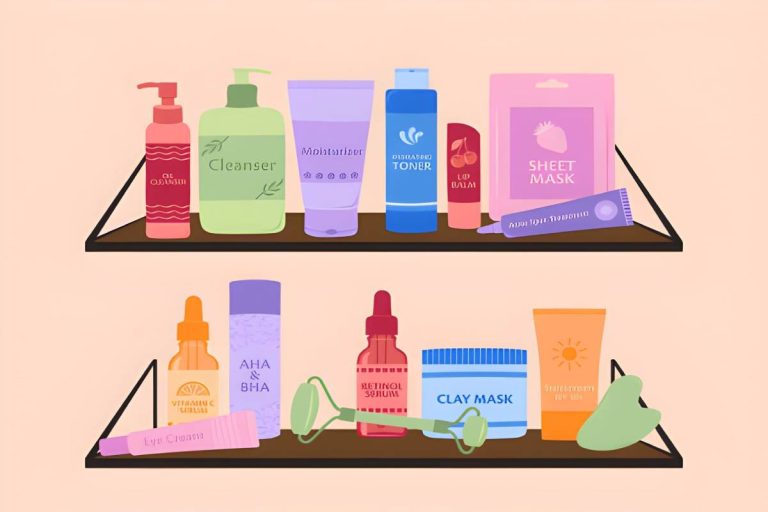
essential skincare categories 2026

Cleansers

Remove dirt, oil, makeup, and pollution without stripping skin’s natural moisture barrier.

Toners/Essences

Hydrate, balance pH, and prep skin for better absorption of subsequent products.

Serums

Concentrated active ingredients targeting specific concerns (aging, pigmentation, acne).

Moisturizers

Lock in hydration and strengthen skin barrier with emollients and occlusives.

Sunscreens

Protect against UV damage, the primary cause of premature aging and skin cancer.

Treatments

Targeted solutions for specific issues (acne spots, dark circles, hyperpigmentation).

Best Cleansers 2026

For Oily/Acne-Prone Skin

CeraVe Foaming Facial Cleanser

  • Key Ingredients: Ceramides, niacinamide, hyaluronic acid
  • Why It Works: Removes excess oil without disrupting barrier
  • Price: ₹899 for 236ml
  • Best for: Indian summers, combination to oily skin

The Derma Co 2% Salicylic Acid Face Wash

  • Key Ingredients: 2% salicylic acid, glycerin
  • Why It Works: Unclogs pores, reduces breakouts
  • Price: ₹449 for 100ml
  • Best for: Active acne, large pores

For Dry/Sensitive Skin

Cetaphil Gentle Skin Cleanser

  • Key Ingredients: Glycerin, panthenol, niacinamide
  • Why It Works: Non-foaming, ultra-gentle, maintains moisture
  • Price: ₹675 for 250ml
  • Best for: Sensitive skin, eczema-prone

Bioderma Sensibio H2O Micellar Water

  • Key Ingredients: Micellar technology, cucumber extract
  • Why It Works: Removes makeup without water, soothes irritation
  • Price: ₹1,250 for 250ml
  • Best for: Sensitive skin, double cleansing

For Combination Skin

Minimalist 2% Salicylic Acid Face Wash

  • Key Ingredients: 2% salicylic acid, glycerin
  • Why It Works: Balances oil production, gentle enough for daily use
  • Price: ₹349 for 100ml
  • Best for: T-zone oiliness, mild acne

Best Serums 2026

Serums are the powerhouse products delivering concentrated actives for specific concerns.

For Anti-Aging

SkinCeuticals C E Ferulic

  • Key Ingredients: 15% L-ascorbic acid, 1% vitamin E, 0.5% ferulic acid
  • Why It Works: Gold standard vitamin C formula, clinically proven to reduce wrinkles
  • Price: ₹14,500 for 30ml
  • Application: 4-5 drops AM after cleansing, before sunscreen

The Ordinary Retinol 1% in Squalane

  • Key Ingredients: 1% retinol, squalane
  • Why It Works: Boosts collagen, reduces fine lines, improves texture
  • Price: ₹1,100 for 30ml
  • Application: PM only, start 2x weekly, build to nightly

Budget Alternative: Minimalist Retinol 0.3% Face Serum (₹599)

For Hyperpigmentation

Paula’s Choice 25% Vitamin C + Glutathione Clinical Serum

  • Key Ingredients: 25% vitamin C, glutathione, ferulic acid
  • Why It Works: High concentration fades dark spots, brightens overall tone
  • Price: ₹6,800 for 30ml
  • Application: AM, before moisturizer and sunscreen

Alpha Arbutin 2% + HA by The Ordinary

  • Key Ingredients: 2% alpha arbutin, hyaluronic acid
  • Why It Works: Gentle pigmentation reducer, safe for Indian skin tones
  • Price: ₹950 for 30ml
  • Application: AM/PM, 4-5 drops before moisturizer

Tranexamic Acid 5% by Minimalist

  • Key Ingredients: 5% tranexamic acid
  • Why It Works: Reduces melasma and post-acne marks without irritation
  • Price: ₹699 for 30ml
  • Application: PM, after cleansing

For Hydration

Hyaluronic Acid 2% + B5 by The Ordinary

  • Key Ingredients: Multi-weight hyaluronic acid, vitamin B5
  • Why It Works: Multi-layered hydration, plumps skin
  • Price: ₹850 for 30ml
  • Application: AM/PM on damp skin, followed by moisturizer

Minimalist 10% Vitamin B5 Face Serum

  • Key Ingredients: 10% panthenol, hyaluronic acid
  • Why It Works: Intense hydration, repairs barrier
  • Price: ₹599 for 30ml
  • Application: AM/PM, especially good for sensitized skin

For Acne

Niacinamide 10% + Zinc 1% by The Ordinary

  • Key Ingredients: 10% niacinamide, 1% zinc
  • Why It Works: Reduces oil production, minimizes pores, fades marks
  • Price: ₹850 for 30ml
  • Application: AM/PM, before heavier products

Paula’s Choice 2% BHA Liquid Exfoliant

  • Key Ingredients: 2% salicylic acid
  • Why It Works: Penetrates pores, prevents breakouts
  • Price: ₹2,900 for 118ml
  • Application: PM, after cleansing, before serums

For more comprehensive skincare ingredient guidance, check our article on skincare ingredients that are very effective.

Best Moisturizers 2026

For Oily Skin

Neutrogena Hydro Boost Water Gel

  • Key Ingredients: Hyaluronic acid, glycerin
  • Why It Works: Lightweight gel texture, non-greasy hydration
  • Price: ₹699 for 50g
  • Best for: Humid climates, daytime use

Minimalist Lightweight SPF 50 Sunscreen Gel

  • Key Ingredients: SPF 50, niacinamide, hyaluronic acid
  • Why It Works: 2-in-1 moisturizer and sunscreen, no white cast
  • Price: ₹399 for 50g
  • Best for: Simplifying morning routine

For Dry Skin

CeraVe Moisturizing Cream

  • Key Ingredients: 3 essential ceramides, hyaluronic acid, MVE technology
  • Why It Works: 24-hour hydration, repairs barrier
  • Price: ₹1,299 for 340g
  • Best for: Very dry skin, winter months

La Roche-Posay Cicaplast Baume B5

  • Key Ingredients: Panthenol, madecassoside, copper-zinc-manganese
  • Why It Works: Repairs compromised skin, soothes irritation
  • Price: ₹1,350 for 40ml
  • Best for: Sensitized, damaged skin

For Combination Skin

Cetaphil DAM Daily Advance Ultra Hydrating Lotion

  • Key Ingredients: Hyaluronic acid, vitamin E, almond oil
  • Why It Works: Balances moisture without heaviness
  • Price: ₹750 for 85g
  • Best for: All climates, daily use

For Acne-Prone Skin

Ponds Super Light Gel Oil Free Moisturizer

  • Key Ingredients: Hyaluronic acid, glycerin, vitamin E
  • Why It Works: Ultra-light, won’t clog pores
  • Price: ₹349 for 147g
  • Best for: Budget-friendly option, oily acne-prone skin

Best Sunscreens 2026

Sunscreen is non-negotiable. UV damage causes 80% of visible aging signs.

For Daily Wear

La Roche-Posay Anthelios Invisible Fluid SPF 50+

  • Key Ingredients: Mexoryl XL, Mexoryl SX, antioxidants
  • Why It Works: Very high UVA protection, no white cast, water-resistant
  • Price: ₹1,899 for 50ml
  • Best for: All skin types, Indian skin tones

Minimalist SPF 50 PA++++ Sunscreen

  • Key Ingredients: Multi-spectrum UV filters, vitamin E
  • Why It Works: Fragrance-free, lightweight, affordable
  • Price: ₹399 for 50g
  • Best for: Sensitive skin, daily use

For Oily Skin

Neutrogena Ultra Sheer Dry-Touch Sunscreen SPF 50+

  • Key Ingredients: Helioplex technology
  • Why It Works: Matte finish, controls shine
  • Price: ₹699 for 88ml
  • Best for: Oily skin, humid weather

Fixderma Shadow SPF 50+ Gel

  • Key Ingredients: Silicone-based UV filters
  • Why It Works: Gel texture, extremely lightweight
  • Price: ₹625 for 75g
  • Best for: Very oily skin, makeup base

For Sensitive Skin

Bioderma Photoderm Max SPF 50+ Mineral Sunscreen

  • Key Ingredients: Zinc oxide, titanium dioxide
  • Why It Works: 100% mineral, no chemical filters
  • Price: ₹1,950 for 40ml
  • Best for: Reactive skin, post-procedure care

Application Rules

  • Use ¼ teaspoon for face and neck
  • Apply 15 minutes before sun exposure
  • Reapply every 2-3 hours
  • Don’t skip cloudy days (80% of UV penetrates clouds)

Best Treatments for Specific Concerns

For Dark Circles

The Ordinary Caffeine Solution 5% + EGCG

  • Key Ingredients: 5% caffeine, EGCG from green tea
  • Why It Works: Reduces puffiness, improves microcirculation
  • Price: ₹700 for 30ml
  • Application: AM/PM, pat gently around eyes

Minimalist Under Eye Cream with Caffeine + Peptides

  • Key Ingredients: Caffeine, peptides, hyaluronic acid
  • Why It Works: Depuffs, hydrates delicate eye area
  • Price: ₹499 for 15ml
  • Application: Twice daily, ring finger only

For Acne Scars

The Ordinary AHA 30% + BHA 2% Peeling Solution

  • Key Ingredients: 30% AHA blend, 2% BHA, hyaluronic acid
  • Why It Works: Intensive exfoliation, fades marks
  • Price: ₹1,150 for 30ml
  • Application: Once weekly, PM only, 10 minutes max

Minimalist 10% Niacinamide Face Serum

  • Key Ingredients: 10% niacinamide, zinc
  • Why It Works: Fades post-inflammatory hyperpigmentation
  • Price: ₹599 for 30ml
  • Application: AM/PM daily

For Large Pores

Paula’s Choice Skin Perfecting 2% BHA Liquid

  • Key Ingredients: 2% salicylic acid
  • Why It Works: Deep-cleans pores, reduces appearance
  • Price: ₹2,900 for 118ml
  • Application: PM, after cleansing

Minimalist 10% Niacinamide + 1% Zinc Face Serum

  • Key Ingredients: 10% niacinamide, zinc
  • Why It Works: Regulates sebum, minimizes pore appearance
  • Price: ₹599 for 30ml
  • Application: AM/PM

Best Exfoliants 2026

Chemical Exfoliants (Preferred)

For Beginners: Minimalist 3% Lactic Acid + 2% Hyaluronic Acid

  • Type: AHA (alpha hydroxy acid)
  • Why It Works: Gentle exfoliation, hydrating
  • Price: ₹549 for 30ml
  • Usage: 2-3 times weekly, PM only

For Intermediate: The Ordinary Glycolic Acid 7% Toning Solution

  • Type: AHA
  • Why It Works: Brightens, smooths texture
  • Price: ₹1,050 for 240ml
  • Usage: Daily PM (after building tolerance)

For Advanced: The Ordinary AHA 30% + BHA 2% Peeling Solution

  • Type: AHA + BHA combo
  • Why It Works: Professional-strength exfoliation
  • Price: ₹1,150 for 30ml
  • Usage: Once weekly maximum, 10 minutes

Physical Exfoliants (Use Sparingly)

Avoid harsh scrubs with walnut shells or apricot kernels. If you must use physical exfoliation:

Minimalist Face Scrub with 1% SA + 3% Glycolic Acid

  • Why It’s Better: Gentle jojoba beads, chemical exfoliants included
  • Price: ₹399 for 100ml
  • Usage: Once weekly maximum

Layering Order: How to Use Multiple Products

Correct layering ensures maximum absorption and effectiveness.

Morning Routine

  1. Cleanser: Remove overnight oils and dead cells
  2. Toner/Essence: Hydrate and prep (optional)
  3. Vitamin C Serum: Antioxidant protection
  4. Niacinamide or Other Treatment: Target specific concerns
  5. Moisturizer: Lock in hydration
  6. Sunscreen: Always the final step (wait 15 min before makeup)

Night Routine

  1. Oil Cleanser/Micellar Water: Remove makeup and sunscreen
  2. Water-Based Cleanser: Deep clean (double cleansing)
  3. Exfoliant: 2-3 times weekly (skip on retinol nights)
  4. Treatment Serum: Retinol, niacinamide, or targeted treatment
  5. Eye Cream: Pat around orbital bone
  6. Moisturizer: Richer formula than morning
  7. Face Oil or Occlusive: Seal everything in (optional)

Wait Times Between Products

  • Water-based serums: 30-60 seconds
  • Vitamin C: 1-2 minutes (needs to absorb at low pH)
  • Retinol: 20 minutes (allows skin pH to normalize)
  • Sunscreen: 15 minutes before sun exposure

Products to Avoid in 2026

Ingredients with Concerns

Parabens: Endocrine disruptors, linked to hormone issues Fragrance/Parfum: Leading cause of contact dermatitis Denatured Alcohol: Extremely drying, damages barrier Essential Oils: High irritation potential, especially for sensitive skin Walnut/Apricot Scrubs: Cause microtears in skin

Overhyped Products

Jade Rollers: Minimal proven benefit beyond lymphatic drainage Collagen Drinks: Collagen molecules too large to absorb through digestion Sheet Masks: Expensive for minimal hydration (serums work better) Detox Masks: Skin doesn’t need “detoxing”—that’s your liver’s job

Budget-Friendly vs. Luxury: Is Expensive Better?

When to Splurge

Sunscreen: UV protection quality matters Retinol/Vitamin C: Formulation stability is crucial Exfoliants: Proper pH and concentration critical

When to Save

Cleansers: Washed off quickly, basic formulas work fine Hyaluronic Acid: Simple molecule, affordable options work equally well Niacinamide: Stable ingredient, budget brands effective

Best Value Products

Category Product Price Why It’s Worth It
Cleanser Cetaphil Gentle ₹675 Dermatologist-recommended, gentle
Vitamin C Minimalist 10% Vitamin C ₹699 Stable formula, good packaging
Retinol The Ordinary 1% Retinol ₹1,100 Clinical strength, affordable
Moisturizer CeraVe Moisturizing Cream ₹1,299 Large size, ceramides
Sunscreen Minimalist SPF 50 ₹399 Broad spectrum, no white cast

Indian Skin Considerations

Fitzpatrick Scale IV-VI

Most Indians fall into these categories with higher melanin content.

Advantages: Natural UV protection, slower aging signs Challenges: Higher risk of hyperpigmentation, longer to fade dark spots

Recommended Ingredients for Indian Skin

  • Niacinamide: Reduces pigmentation without irritation
  • Alpha Arbutin: Gentle brightening for melanin-rich skin
  • Tranexamic Acid: Effective for melasma
  • Vitamin C: Choose stable forms (ethyl ascorbic acid)
  • Avoid: High-strength AHAs that may cause PIH

Climate Adaptations

Coastal (Humid): Gel moisturizers, lightweight serums, matte sunscreens Northern (Dry Winters): Rich creams, facial oils, hydrating sunscreens Metropolitan (Pollution): Double cleansing, antioxidant serums, barrier repair

Common Skincare Mistakes to Avoid

Mistake 1: Using Too Many Actives at Once

Combining retinol, vitamin C, AHAs, and BHAs in one routine damages your barrier.

Solution: Alternate actives on different nights. Use vitamin C in AM, retinol in PM.

Mistake 2: Not Patch Testing

New products can cause allergic reactions or breakouts.

Solution: Test on inner arm or behind ear for 24-48 hours before full facial application.

Mistake 3: Expecting Instant Results

Skincare works gradually. Retinol takes 12 weeks to show anti-aging results.

Solution: Give products 4-6 weeks minimum before judging effectiveness.

Mistake 4: Skipping Sunscreen on Cloudy Days

80% of UV rays penetrate clouds. UVA rays cause aging regardless of weather.

Solution: Sunscreen is mandatory 365 days yearly, indoors and outdoors.

Mistake 5: Over-Exfoliating

Daily exfoliation damages your moisture barrier, leading to sensitivity and inflammation.

Solution: Limit chemical exfoliants to 2-3 times weekly. Physical exfoliants once weekly maximum.

Mistake 6: Using Hot Water

Hot water strips natural oils, causing dryness and irritation.

Solution: Use lukewarm water for cleansing, cool water for final rinse.

Mistake 7: Applying Products in Wrong Order

Thick creams before thin serums prevent absorption.

Solution: Thinnest to thickest consistency. Water-based before oil-based.

Seasonal Adjustments for India

Summer (March-June)

  • Switch to gel moisturizers
  • Use matte-finish sunscreens
  • Apply lightweight vitamin C serums
  • Exfoliate more frequently (sweat clogs pores)
  • Consider adding salicylic acid for oil control

Monsoon (July-September)

  • Anti-fungal ingredients (tea tree oil)
  • Water-resistant sunscreens
  • Lighter moisturizers (humidity provides hydration)
  • Focus on barrier protection
  • More frequent cleansing

Winter (October-February)

  • Rich cream moisturizers
  • Hydrating sunscreens
  • Add facial oils
  • Reduce exfoliation frequency
  • Use humidifiers indoors

For additional seasonal skincare tips, visit our guide on best skin care products.

The Minimalist Routine: 3 Products Everyone Needs

If you do nothing else, use these three:

1. Gentle Cleanser

Recommendation: Cetaphil Gentle Skin Cleanser (₹675) Why: Won’t disrupt barrier, suitable for all skin types

2. Moisturizer with SPF

Recommendation: Neutrogena Hydro Boost Water Gel + Minimalist SPF 50 Why: Hydrates and protects in two simple steps

3. Nighttime Treatment

Recommendation: The Ordinary Niacinamide 10% + Zinc 1% (₹850) Why: Addresses multiple concerns (oil, pores, pigmentation) without irritation

Total Cost: ₹2,374 for 3-4 months of consistent use

This basic routine addresses the fundamentals: cleanse, protect, treat.

Advanced Routine: Comprehensive Skincare

For those ready to invest time and money:

Morning (7 steps)

  1. Gentle cleanser
  2. Vitamin C serum
  3. Hyaluronic acid serum
  4. Niacinamide serum
  5. Eye cream
  6. Moisturizer
  7. Sunscreen SPF 50+

Time: 10-15 minutes Cost: ₹8,000-15,000 for 3-month supply

Evening (8 steps)

  1. Oil cleanser
  2. Water-based cleanser
  3. Exfoliant (2-3x weekly)
  4. Treatment serum (retinol/tranexamic acid)
  5. Hyaluronic acid
  6. Eye cream
  7. Moisturizer
  8. Face oil or sleeping mask

Time: 15-20 minutes Cost: ₹12,000-20,000 for 3-month supply

How to Build Your Routine Gradually

Month 1: Basics

  • Gentle cleanser
  • Moisturizer
  • Sunscreen SPF 50+

Goal: Establish consistency, repair barrier if damaged

Month 2: Add Treatment

  • Choose one active: niacinamide (safest), vitamin C, or gentle retinol alternative
  • Use PM only
  • Start 2-3 times weekly

Goal: Address primary concern without overwhelming skin

Month 3: Expand Hydration

  • Add hyaluronic acid serum
  • Consider eye cream if concerned about that area

Goal: Boost moisture levels, address secondary concerns

Month 4: Add Exfoliation

  • Introduce gentle AHA or BHA
  • Use 1-2 times weekly
  • Not on same nights as retinol

Goal: Improve texture and brightness

Month 5-6: Optimize

  • Adjust frequencies based on results
  • Add targeted treatments (pigmentation, acne)
  • Consider upgrading key products

Goal: Fine-tune routine for maximum effectiveness

Real-World Example: Priya’s Skincare Journey

Priya, 29, from Mumbai, struggled with hyperpigmentation, large pores, and occasional breakouts. She had combination skin with an oily T-zone.

Her Mistakes

  • Using 10+ products daily (overwhelming her skin)
  • Mixing retinol and vitamin C every night (irritation)
  • Skipping sunscreen on weekends (worsening pigmentation)
  • Over-exfoliating with physical scrubs (damaged barrier)

Her Corrected Routine

Morning:

  • Minimalist Salicylic Acid Face Wash
  • The Ordinary Niacinamide 10% + Zinc
  • Neutrogena Hydro Boost Gel
  • Minimalist SPF 50

Night:

  • Double cleanse (oil + gentle cleanser)
  • Alpha Arbutin 2% (pigmentation)
  • The Ordinary Retinol 0.5% (3x weekly, avoiding serum nights)
  • CeraVe Moisturizing Cream

Results after 12 weeks:

  • Pigmentation reduced by 60%
  • Pores visibly smaller
  • No new breakouts
  • Smoother, more even texture

Investment: ₹5,500 total, products lasting 3-4 months

Sustainability in Skincare 2026

Eco-Friendly Packaging

  • Glass bottles (recyclable)
  • Aluminum tubes
  • Refillable containers
  • Minimal outer packaging

Clean Formulations

  • Reef-safe sunscreens (no oxybenzone, octinoxate)
  • Microplastic-free formulas
  • Cruelty-free and vegan options
  • Sustainable ingredient sourcing

Indian Brands Leading Sustainability

  • Minimalist: Minimal packaging, recyclable materials
  • Plum: 100% vegan, eco-friendly
  • Juicy Chemistry: Organic, zero-waste
  • The Bare Bar: Waterless, plastic-free

Where to Buy Authentic Products in India

Authorized Online Retailers

  • Nykaa
  • Purplle
  • Amazon (verify “Cloudtail” or brand store)
  • Flipkart (brand-authorized sellers)
  • Brand websites directly

Physical Stores

  • Shoppers Stop
  • Lifestyle stores
  • Sephora (select cities)
  • Health & Glow

Red Flags for Fake Products

  • Prices significantly below market rate (50%+ off)
  • Unofficial Instagram/Facebook sellers
  • No batch number or expiry date
  • Packaging looks different from brand website
  • Spelling errors on labels
  • “Imported from Dubai/Singapore” claims

Professional Treatments That Complement Home Care

Worth the Investment

Chemical Peels (₹3,000-8,000): Professional-strength exfoliation, done quarterly Hydrafacial (₹4,000-7,000): Deep cleansing and hydration, monthly Laser Treatments (₹8,000-25,000): Pigmentation and texture, 3-6 sessions Microneedling (₹5,000-12,000): Collagen induction, quarterly

Can Skip

Facial Massages: Temporary results, not necessary Oxygen Facials: Minimal proven benefit LED Therapy at Spas: Home devices equally effective Gold Facials: Pure marketing, no scientific support

Final Thoughts

The best skincare products 2026 combine scientific rigor with practical application. Rather than chasing viral trends or expensive luxury products, focus on proven ingredients at effective concentrations: vitamin C, retinol, niacinamide, hyaluronic acid, and broad-spectrum sunscreen.

Indian consumers should prioritize products suited for humid climates, melanin-rich skin, and high pollution exposure. Start with a minimalist three-product routine, gradually introduce actives one at a time, and give each product 4-6 weeks to show results.

Remember that consistency matters more than product count. A simple routine followed daily will always outperform an elaborate 15-step routine used sporadically. Invest in quality basics, protect with sunscreen religiously, and adjust seasonally for optimal skin health.

The best skincare routine is the one you’ll actually maintain—find products that work for your skin, fit your budget, and align with your lifestyle for lasting results.

FAQs

Q: What are the best skincare products for Indian skin in 2026? A: Top products include Minimalist serums (niacinamide, vitamin C, retinol), CeraVe moisturizers, La Roche-Posay sunscreens, and The Ordinary actives. Focus on products addressing hyperpigmentation, humidity, and pollution.

Q: Which skincare ingredient is most effective for anti-aging? A: Retinol (vitamin A) is the gold standard, clinically proven to reduce wrinkles, boost collagen, and improve texture. Start with 0.3% concentration and build to 1% over several months.

Q: How much should I spend on skincare products? A: A basic 3-product routine costs ₹2,000-3,000 for 3 months. A comprehensive routine ranges ₹8,000-20,000 for 3 months. Effectiveness matters more than price—many affordable products work excellently.

Q: Can I use vitamin C and retinol together? A: Use vitamin C in the morning (antioxidant protection) and retinol at night (cell turnover). Using both simultaneously can cause irritation, though some advanced users tolerate it.

Q: What’s the best sunscreen for oily Indian skin? A: Minimalist SPF 50 PA++++ (₹399), Neutrogena Ultra Sheer Dry-Touch (₹699), or Fixderma Shadow Gel (₹625). All offer matte finish, no white cast, and broad-spectrum protection.

Q: How long before skincare products show results? A: Hydration products: 1-2 weeks. Acne treatments: 4-6 weeks. Anti-aging and pigmentation: 8-12 weeks. Consistency is crucial—give products adequate time before judging.

Q: Should I use different products in summer vs winter? A: Yes. Summer: gel moisturizers, matte sunscreens, lightweight serums. Winter: rich creams, hydrating sunscreens, facial oils. Adjust based on climate and skin response.

Q: Are expensive luxury skincare products worth it? A: Not always. Many affordable brands (Minimalist, The Ordinary, CeraVe) contain identical active ingredients at effective concentrations. Splurge on sunscreen and retinol; save on cleansers and basic hydrators.


Clear Aligners: Your Complete Guide to a Discreet, Confident Smile

0

For generations, the quest for straighter teeth was synonymous with metal braces—wires, brackets, and a memorable orthodontic journey. Today, that memory is being rewritten. Using clear aligners for teeth straightening has revolutionized orthodontics, offering a discreet, comfortable, and effective alternative for adults and teens alike. If you’re considering transforming your smile without the obvious hardware, this comprehensive guide covers everything you need to know, from how they work to how to care for them.

What Are Clear Aligners?

Clear aligners are a series of custom-made, removable, plastic trays that fit snugly over your teeth. They apply gentle, controlled pressure to gradually shift your teeth into their desired positions. Brands like Invisalign are the most well-known, but many dental professionals offer their own high-quality systems. They are virtually invisible, making them a popular choice for those who want to straighten their teeth without drawing attention to the process.

Who Can Benefit from Clear Aligners?

Clear aligners are a powerful tool for correcting a variety of common dental issues, including:

  • Crowded or overlapping teeth

  • Gaps between teeth (spacing)

  • Certain types of overbites, underbites, and crossbites

  • Generally crooked teeth

It’s important to consult with an experienced dentist or orthodontist, as severe skeletal misalignments or complex rotations may still require traditional braces. However, for many, using clear aligners for teeth correction is a perfectly viable and preferred path.

The Clear Advantages: Why Choose Aligners?

The benefits extend far beyond just aesthetics:

  1. Near-Invisibility: The most obvious advantage. The clear plastic material makes them extremely difficult to notice, allowing you to undergo treatment with confidence.

  2. Removability: You can take them out to eat, drink, brush, and floss. This freedom is a game-changer for both oral hygiene and lifestyle.

  3. Enhanced Comfort: With no metal wires or brackets to irritate your cheeks and gums, aligners are significantly more comfortable. There’s no risk of emergency visits for broken wires.

  4. Improved Oral Hygiene: Because you remove them to clean your teeth, you can brush and floss thoroughly, reducing the risk of plaque buildup, cavities, and gum disease often associated with fixed braces.

  5. Fewer Dietary Restrictions: No more banned foods! Simply remove your aligners to enjoy any meal, then clean your teeth before putting them back in.

The Essential Dos and Don’ts for Aligner Success

Your success with clear aligners depends heavily on your commitment and care. Here are the critical rules to follow.

Foods to Eat and Avoid

This is where aligners shine. You can eat anything you want—as long as you always remove your aligners first.

  • What to Avoid While Wearing Aligners: Everything except water. Eating or drinking anything else can crack, stain, or warp the plastic and trap sugars/acid against your teeth, leading to decay.

  • Foods to Be Cautious Of: Even after removal, it’s wise to limit very hard foods (like nuts, hard candies, ice) and sticky foods (like caramel, taffy) that could potentially damage attachments (small tooth-colored bumps sometimes used with aligners).

  • Drinks to Manage: Acidic drinks like coffee, red wine, and soda, and sugary drinks can stain both your aligners and your teeth. It’s best to consume these only during meals when your aligners are out. Always rinse with water and brush before reinserting.

Taking Care of Your Invisalign (or Any Clear Aligner)

Proper cleaning is non-negotiable for both your oral health and the clarity of your aligners.

  • Daily Cleaning: Every time you brush your teeth, gently brush your aligners with a soft-bristled toothbrush under lukewarm water. Never use toothpaste, as it is abrasive and will create micro-scratches, making them appear cloudy.

  • Deep Cleaning: Soak your aligners daily in a specialized cleaning crystals solution or a denture cleaner approved by your dentist. Avoid mouthwash for soaking, as it can contain coloring agents.

  • Handling & Storage: Always store them in their protective case when not in your mouth. Never wrap them in a napkin—this is the #1 way they get thrown away! Keep them away from hot water, which can warp their shape.

  • Lifestyle Habits: Avoid smoking while wearing aligners, as it will severely stain them. Chewing gum is also off-limits while they are in.

The Treatment Journey: What to Expect

  1. Consultation: Your dentist will scan your teeth digitally (no more goopy impressions!) to create a 3D treatment plan, showing a preview of your future smile.

  2. Custom Fabrication: Your series of custom aligner trays are manufactured based on this precise plan.

  3. Fitting & Instructions: You’ll receive your first few sets of trays and instructions. You typically wear each set for 1-2 weeks, for 20-22 hours per day, only removing them to eat and clean.

  4. Progress Checks: You’ll visit your dentist every 6-8 weeks to monitor progress, receive new sets of trays, and make any necessary adjustments.

  5. Completion & Retention: Once your teeth are perfectly positioned, the active phase ends. To prevent relapse, you will be fitted for a clear retainer, which you’ll wear nightly, likely indefinitely, to maintain your stunning new smile.

How long does treatment take? While using clear aligners for teeth straightening is a gradual and continuous process, the average treatment time ranges from 12 to 18 months, depending on complexity. Consistency is key—your smile transformation is directly tied to how faithfully you wear them.

Is Using Clear Aligners Right For You?

If you are a motivated individual committed to wearing your aligners as directed and maintaining impeccable oral hygiene, clear aligners can be a life-changing solution. They offer the effective results of traditional orthodontics with unprecedented discretion and convenience.

Your smile is a core part of your personality and confidence. If you hesitate to laugh or speak freely, modern dentistry offers solutions. Using clear aligners for teeth alignment is one of the most innovative, empowering options available. The first step is to schedule a consultation with a reputable dental clinic to discuss your specific goals and create a personalized plan to achieve the confident, healthy smile you deserve.

5 Expert Tips for Applying Mink Individual Lashes Perfectly

0

In the world of beauty, few enhancements rival the impact of perfectly applied eyelashes. They frame the eyes, amplify expression, and deliver a touch of effortless glamour. For professionals seeking to master this transformative service, mink individual lashes represent the gold standard of luxury and customization. It’s crucial to clarify that modern, ethical mink individual lashes are crafted from high-quality synthetic fibers or silks that impeccably mimic the softness, taper, and weightless feel of real mink, offering a guilt-free luxury. Achieving a flawless, long-lasting, and naturally beautiful result is an art form. Here are five expert, in-depth tips to elevate your application technique and ensure every client leaves with a stunning, confident gaze.

Tip 1: The Foundation of Flawlessness – Meticulous Preparation

A perfect application is built on a perfectly prepared canvas. Skipping or rushing this step is the most common precursor to poor retention and client discomfort.

The Detailed Protocol:

  1. Deep Cleanse & Degrease: Begin with a thorough consultation to check for allergies or contraindications. Then, using a lint-free microswab and a specialized lash cleanser, meticulously clean the lash line and each natural lash. This removes all traces of makeup oils, sebum, and environmental debris that would create a barrier between the natural lash and the adhesive. Follow with a rinse-free saline solution if needed, and ensure the area is bone-dry.

  2. Strategic Priming: Apply a high-quality lash primer. This isn’t just an extra step—it reconditions the natural lash, removes any final microscopic residues, and slightly etches the surface, creating an ideal pH-balanced environment for the adhesive to bond optimally.

  3. Precise Under-Eye Protection: Don’t just use any gel patch. Select a hypoallergenic under-eye patch that comfortably secures the lower lashes without stretching or pulling the sensitive under-eye skin. A well-placed patch provides a safe, flat working surface and protects the client’s comfort.

Tip 2: The Invisible Bond – Mastering Adhesive Selection & Technique

The adhesive is the unseen hero of your work. Its performance dictates longevity, comfort, and safety.

The Expert’s Adhesive Guide:

  • Choose by Environment & Speed: Adhesives are categorized by their drying time (e.g., 1-2 second “flash” time vs. slower-drying). A fast-drying adhesive is ideal for humid environments but requires swift precision. A slower-drying adhesive gives beginners more working time. Invest in professional-grade brands known for low fume formulas and strong, flexible bonds.

  • The “Ring” Method & Viscosity Control: Never dip the lash extension directly into the adhesive bottle. Place a small drop of adhesive on a glass dappen dish. Gently tap the side of the lash extension base into the adhesive to form a tiny, uniform “ring” or bead around the base—enough to bond but not so much that it creates clumps or “spider legs.” The bead should be just visible.

  • Consistency is Key: Adhesive begins to polymerize the moment it hits the air. Replace the drop on your dish every 15-20 minutes to ensure you’re always working with fresh, optimally viscous adhesive for a secure bond.

Tip 3: The Architecture of Beauty – Curating the Perfect Lash Set

This is where artistry meets anatomy. Mink individual lashes come in a symphony of lengths, curls (from a gentle J-curl to a dramatic D-curl), and thicknesses (typically 0.03mm to 0.07mm for volume fans).

The Art of Selection:

  • Map the Design: Before you pick up a single extension, design a lash map. Assess the client’s eye shape (hooded, almond, round, monolid) and natural lash health. For a classic, natural look, choose extensions no more than 2-3mm longer than the natural lash. For a more dramatic effect, create a gradient, placing shorter lengths at the inner corner and building to the longest at the outer corner.

  • Respect the Natural Lash: The cardinal rule: One extension to one natural lash. The chosen extension must be no more than three times the weight of the natural lash to prevent premature shedding and damage. A frail natural lash should only carry a fine, shorter extension.

  • Mix and Match for Dimension: For the most natural, fluttery effect, use a mix of lengths within the same zone (e.g., 10mm, 11mm, and 12mm in the middle of the eye). This avoids a harsh, uniform line and replicates how natural lashes grow.

Tip 4: The Precision Placement – Isolation, Angle, and Bonding

This is the heart of the application. Precision here separates adequate work from exceptional work.

The Surgeon’s Precision:

  1. Perfect Isolation: Using your finest-tip isolation tweezers in your non-dominant hand, isolate a single, healthy natural lash. Hold it steady near the tip, away from the delicate lash follicle. Ensure no neighboring lashes are stuck to it. This is non-negotiable.

  2. The “Sweet Spot” Bond: With your dominant hand holding the lash extension with application tweezers, slide the extension onto the isolated natural lash, placing it 0.5mm to 1mm away from the skin. Never touch the skin. The adhesive bead should make contact along the side of the natural lash, not just sit underneath it.

  3. Secure and Set: Once placed, hold the extension in perfect position for 1-2 seconds to allow the adhesive bond to initiate. Then, gently release. A well-bonded extension will smoothly follow the natural lash if you gently brush it upward with your tweezers.

Tip 5: The Legacy of Your Work – Comprehensive Aftercare Education

Your responsibility doesn’t end when the client gets up from the chair. Their habits will determine the longevity and health of their natural lashes.

The Aftercare Conversation:
Provide a printed aftercare sheet and verbally emphasize:

  • The Critical 24-48 Hours: Strictly avoid all steam, saunas, heavy sweating, and water. This allows the adhesive to fully cure for maximum bond strength.

  • Cleaning is Caring: After 48 hours, daily gentle cleansing with a lash-specific foaming cleanser and a soft brush is mandatory. Oils, micellar water, and makeup removers will degrade the bond.

  • Brushing & Sleeping: Instruct clients to brush lashes gently with a clean spoolie when they look messy. Encourage sleeping on the back or using a silk/satin pillowcase to reduce friction.

  • Professional Maintenance: Stress the importance of infill appointments every 2-3 weeks to replace grown-out lashes and maintain a full look. This prevents overgrown extensions from twisting and damaging the natural lash cycle.

Spring Fashion Trends 2024: Your Complete Guide to Effortlessly Stylish Outfits

0

Spring is nature’s fashion show, and this season brings fresh, exciting trends that blend comfort with statement style. Whether you’re refreshing your wardrobe or just looking for inspiration, these 2024 spring trends offer something for every personal style. Remember: trends should inspire, not dictate—choose what resonates with you!

1. The Modern Baseball Jacket: Street Style Meets Sophistication

Why It’s Trending: The classic baseball jacket (or bomber) has evolved beyond sportswear into a versatile layering piece that adds instant cool to any outfit.

How to Style It:

  • For work: Pair a sleek black bomber with tailored trousers and loafers

  • Weekend casual: Layer over a floral dress with white sneakers

  • Evening edge: Combine with leather pants and heeled ankle boots

  • Pro tip: Look for unique details like embroidery, metallic finishes, or unexpected fabrics (think satin or vegan leather)

Budget-Friendly Alternatives:

  • Thrift stores often have vintage bombers

  • DIY: Add patches or pins to an existing jacket

  • Shop end-of-winter sales for transitional pieces

2. The Oversized Trench Coat: Effortless Elegance Redefined

The 2024 Twist: This season’s trenches are looser, longer, and more relaxed—think “borrowed from the boys” meets Parisian chic.

Color Palette to Watch:

  • Classic neutrals: Sand, cream, stone gray

  • Spring pastels: Powder pink, sky blue, lavender mist

  • Bold statements: Terracotta, sage green, butter yellow

Styling Secrets:

  1. Proportion play: Wear an oversized trench with fitted pieces underneath

  2. Belt alternatives: Try a waist-cinching bag or let it flow open

  3. Layering masterclass: Perfect over everything from jeans to midi dresses

Investment Worth Making: A quality trench lasts 5-10 years. Look for water-resistant fabric and classic tailoring.

3. Cropped Flared Jeans: Retro Revival with Modern Flair

Why Everyone’s Obsessed: These combine the ’70s vibe we love with contemporary comfort and versatility.

Find Your Perfect Pair:

  • Rise options: High-waited for lengthening effect, mid-rise for comfort

  • Hem details: Raw edges, subtle fraying, or clean finishes

  • Denim weights: Lightweight for warmer days, medium for structure

Style It Right:

text
Top Pairings:
• Cropped sweater + flared jeans + platform sandals
• Silk camisole + jeans + blazer + mules
• Graphic tee + jeans + leather jacket + sneakers

DIY Transformation: Got old flares? Measure 2-3 inches above your ankle bone, mark with chalk, and cut carefully. Use pumice stone or cheese grater for controlled distressing.

4. Mules: The Ultimate Footwear Revolution

2024’s Must-Have: From flat to sky-high, mules offer unparalleled ease without sacrificing style.

Choosing Your Perfect Pair:

  • Narrow feet: Look for adjustable straps or elasticated backs

  • Wide feet: Opt for square or rounded toes

  • All-day comfort: Block heels under 3 inches, cushioned insoles

Seasonal Transitions:

  • Early spring: Closed-toe mules with socks (yes, it’s trendy!)

  • Mid-spring: Slip-ons with midi dresses

  • Late spring: Embellished mules for special occasions

Pro Tip: Apply non-slip grips to the sole to prevent “clutching” with your toes.

5. The Block Heel Comeback: Stability Meets Style

Why It’s 2024’s Smart Choice: After years of stilettos and flats, block heels offer the perfect middle ground.

Updated Styles to Try:

  • Kitten heels: 1.5-2 inches for all-day wear

  • Geometric shapes: Square, cylindrical, or architectural designs

  • Material mix: Transparent PVC, woven raffia, or metallic finishes

Balance Your Outfit:

  • With wide-leg pants: Keeps you from disappearing in fabric

  • With midi skirts: Creates elegant proportions

  • With dresses: Adds sophistication without discomfort

Comfort Hacks:

  1. Gel inserts for the ball of the foot

  2. Leather stretch spray for tight spots

  3. Break them in at home before wearing out

How to Incorporate Trends Without Overhauling Your Wardrobe

The 1+1 Rule:

For every trend piece you add, pair it with a classic item from your existing wardrobe.

Trend Investment Hierarchy:

  1. Accessories first (shoes, bags, jewelry)

  2. Outerwear second (jackets, coats)

  3. Statement pieces third (pants, dresses)

  4. Basics last (trendy colors in t-shirts, tanks)

Sustainable Swaps:

  • Organize clothing swaps with friends

  • Rent special occasion pieces

  • Invest in quality over quantity

Creating Complete Spring Outfits

Office-Ready Look:

  • Oversized trench (open)

  • Silk slip dress

  • Block heel mules

  • Structured tote bag

Weekend Brunch:

  • Cropped flared jeans

  • Striped Breton top

  • Baseball jacket (tied around waist)

  • Flat mules

Date Night:

  • Satin midi skirt

  • Fitted turtleneck

  • Statement block heels

  • Minimalist jewelry

Spring 2024 Color Combinations to Try

  1. Coastal Grandmother: Sky blue + cream + natural linen

  2. Urban Eden: Sage green + terracotta + off-white

  3. Modern Romance: Lavender + chocolate brown + gold

  4. Minimalist Chic: All-white with texture variation

Budget Breakdown:

  • Under $50: Focus on accessories or one trendy top

  • $50-$150: Invest in quality denim or versatile shoes

  • $150+: Consider outerwear or handbags that last multiple seasons

Final Style Philosophy

Remember what fashion editor Diana Vreeland said: “Fashion is part of the daily air.” These trends are simply the current breeze—take what refreshes your style, leave what doesn’t.

Your Spring Style Checklist:
☐ Identify 1-2 trends that excite you
☐ Shop your closet first
☐ Plan 3 new outfit combinations
☐ Schedule a tailoring session for perfect fits
☐ Have fun experimenting!

Spring fashion should feel like renewal. Whether you embrace all five trends or just add a single statement piece, the goal is confidence and self-expression. After all, the best trend is wearing what makes you feel authentically you.

Your Dental Health Affects How Old You Look

0

Did you know that your dental health actually affects how old you look? Whether your smile shows it or not, aging is a natural process. However, the rate at which one ages can be accelerated due to bad dental habits. Poor oral hygiene and neglecting regular checkups can lead to several consequences, including premature wrinkles and much more. If you’re conscious about how old you look and want to keep a youthful appearance for as long as possible, then this article is for you! We’ll explore the effects of poor dental habits on your appearance, what accelerated aging looks like on the face, and tips to slow down the process.

How Poor Oral Health Causes Premature Aging?

The skin is the largest organ in the human body. It protects us from external dangers, regulates our internal systems, and plays a crucial role in how we look and feel. With that said, it’s easy to see how poor oral health can affect multiple aspects of your life — including how old you appear!

According to Summerlin Dental Solutions, a dentist in Summerlin, “if your teeth are discolored, misshapen, or otherwise unhealthy, your face will display those traits.”

Poor oral health has been linked to thinning skin, which can lead to wrinkles and other signs of aging. Additionally, gum disease, otherwise known as periodontal disease, can lead to tooth loss, which will accelerate the aging process further.

Dental Care and Your Face

When you think about your dental health, you likely picture your teeth and gums, but did you know that your facial skin is also a part of the equation? Whether you’re rocking a natural glow or relying on cosmetic procedures to achieve a certain look, your skin is a major component. Your lips, forehead, cheeks, and neck are all part of the skin that makes up your face, but they have different functions. For example, your lips are primarily responsible for movement while you speak, whereas the cheeks are used for expressing emotions like happiness or sadness. Your skin is made up of a few different layers, one of which is a thin layer of fat called the subcutaneous layer. This layer is responsible for your skin’s plumpness and youthful appearance.

Wrinkles in the Face Due to Poor Oral Health

As we mentioned above, aging is a natural process that occurs to everyone over time. However, there are some factors that can speed up the process, like smoking, sun damage, and poor dental health. One of the first signs that aging is occurring in your face is the development of wrinkles. Wrinkles are primarily caused by a decrease in collagen and elastin, which are the fibers that hold your skin together and give it its youthful appearance. Therefore, as these fibers break down, your skin will start to sag, and wrinkles will form.

There are a few specific wrinkles that can develop as a result of poor oral health, most notably the lip line, gum line, and smile line. The lip line occurs when there is a decrease in the volume of the lips, causing the upper and lower lip to meet. As the gum line recedes, it can lead to the formation of a visible line. This can be exacerbated by teeth that have shifted out of place. Lastly, the smile line occurs when the skin between the nose and the corners of the mouth starts to sag.

Signs Your Teeth Are Aging You

If you’re not taking care of your teeth, you’re not only putting your health at risk but your appearance as well. As we’ve seen, poor oral health can lead to wrinkles and other signs of aging in the face. Additionally, missing teeth can make it more challenging to eat certain foods, and it can impact your ability to speak clearly. If you’re concerned about how your teeth are aging you, there are steps you can take to slow down the process. Make sure you’re brushing and flossing at least twice a day. If you’ve noticed your teeth looking discolored, consider whitening them. If your teeth are sensitive, make sure you’re using the appropriate toothpaste and consulting a dentist if the pain doesn’t subside.

Tips for a More Beautiful, Youthful Smile

If you’re concerned about how your smile is aging you, there are a few steps you can take to slow down the process. Make sure you’re brushing your teeth twice a day with a soft bristle toothbrush and using the appropriate toothpaste. If you’re using a manual toothbrush, replace it every three months to prevent wear and tear.

If you’re using an electric toothbrush, replace it every year as it’s less effective after that time frame. If you’re concerned about your gums, you can use a soft rubber tip to brush them. If your gums bleed when you brush your teeth, it’s possible that you’re brushing too hard. If you’re not flossing regularly, it’s important to start doing so. If you’re not aware with the proper technique, consider asking a friend or loved one to show you the right way to floss.

Getting Healthier Teeth Can Take Years Off Your Face

That brings us to the end of this article on how dental health affects the aging process! Remember that aging is a natural procedure, but your dental hygiene habits can speed up the process. Make sure you’re brushing and flossing at least once per day, and you’ll be on the right track. If you’re worried about your dental health and want to keep a youthful appearance for as long as possible, visit your dentist for regular checkups and make sure to follow their suggestions.