Last Updated: September 30, 2026
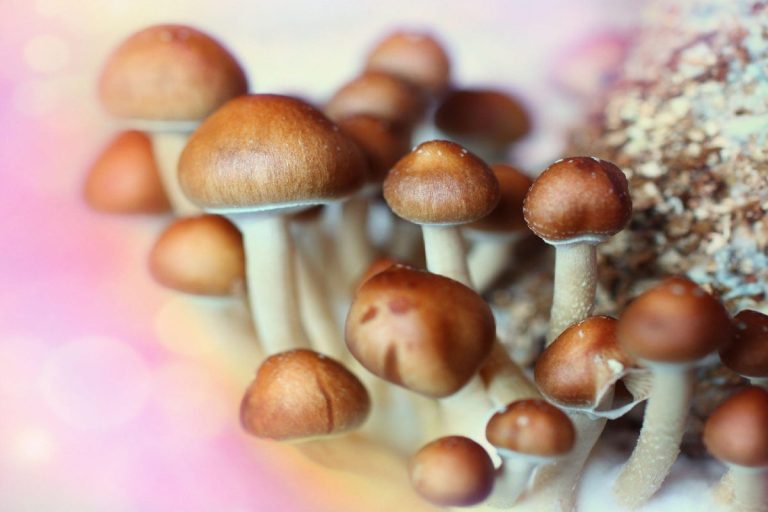
Edibles are a popular way to consume psilocybin mushrooms recreationally. One of the most popular forms is “chocolate shrooms,” a combination of psilocybin mushrooms and chocolate. Even in edible form, magic mushrooms are still Schedule I drugs, and their dangers as severely mind-altering drugs label them as highly addictive.
Psilocybin is a hallucinogenic compound. Mushrooms that contain higher amounts can result in severe hallucinations, causing users to potentially lose their perception of time, space, and reality. Despite the onset of new recipes for edibles, the use of these drugs is hazardous, and this should not be overlooked.
Moreover, the FDA classifies shrooms, in any form, to be Schedule I drugs with no medical value. When psilocybin is in effect, serotonin receptors in the brain are altered, influencing how one sees, feels, thinks, and behaves. Now that you’re aware of how dangerous shrooms are, in edible form or otherwise, read on for information on the additional dangers behind shroom edibles.
this article belongs to Healthy Lifestyle
Table of Contents
People often do not understand the dangers of shroom edibles.
- People are affected by shroom edibles These differences are due to individual factors, as well as the amount of substance consumed, the potency of the mushrooms, and what was consumed alongside or before the shrooms. It’s never okay to take someone’s retold story of shroom edibles as proof of what you’d experience under the influence.
- People are often unaware that they may develop dependency and addiction, which is a reason why shroom edibles are so dangerous. It’s easier to assume something is safe to consume if others are doing it. Nevertheless, this is not the case with shroom edibles.
- Numerous factors can turn a perceived spiritual experience into a “bad trip.” Some may claim to have had profound spiritual experiences, whereas others experience losing complete control of themselves and their surroundings. Plus, the mental effects of shroom edibles can last for a long time and can even change how one processes thoughts, feelings, and emotions to the point that psychological intervention is needed.
Hallucinogenic effects can be powerful with potent varieties.
No matter how shrooms are consumed, including their edible forms, the hallucinogenic effects will begin within 30 minutes after ingestion. Effects can last for up to six hours. The origin of the mushrooms, the mushroom species, the harvesting period, and growing conditions all play a role in the potency of the shroom edibles consumed.
Additional factors that influence the dangers of shroom consumption are:
- where the shrooms were dried or processed
- how long the mushrooms were dried for altogether
- The time between the harvesting and drying periods also influences how potent the mushrooms are when consumed.
For an in-depth breakdown on this subtopic, refer to our Beyond Pedicures Understanding The Basics Of Foot Maintenance For Beautiful Feet Guide.
Do not downplay the severity of the dangers of magic mushrooms.
Although mushrooms are sacred, the ease of availability, dosage and potency inconsistencies, and how freely they’re consumed make them as dangerous as street drugs. Do not downplay the severity of these controlled drugs just because they’re concealed in a “treat.” These drugs are dangerous and must be avoided entirely.
Shroom edibles can make it difficult to recognize how much psilocybin is present.
One of the biggest concerns associated with edible products is uncertainty about their contents. A chocolate bar, gummy, cookie, or other food product can look like an ordinary snack, making it easier for someone to underestimate the fact that it contains a psychoactive substance. Unlike ordinary foods, however, the effects of psilocybin can vary considerably depending on the individual and the product.
The appearance of an edible does not provide reliable information about its strength. Two products that look almost identical may contain substantially different amounts of active substances. Even products sold under the same name may not necessarily have identical contents. This uncertainty can increase the possibility of an unexpectedly intense psychological reaction.
The effects can also be difficult to predict because people respond differently to psychoactive substances. Previous experience does not guarantee that a future experience will be similar. Factors such as a person’s emotional state, physical condition, other substances in the body, and surrounding environment can all influence the experience.
This is one reason why treating shroom chocolate as an ordinary food is particularly risky. The chocolate itself may be familiar, but the substance contained within it can significantly alter perception, judgment, and behavior.
For an in-depth breakdown on this subtopic, refer to our Top Mommy Makeover Surgeon Guide.
Psychological reactions can become overwhelming.
Psilocybin affects the way the brain processes perception and information. During intoxication, ordinary sounds, sights, thoughts, and sensations may appear unusually intense or distorted. A person may have difficulty determining whether something they perceive is actually happening.
For some individuals, these changes can become frightening. Anxiety, panic, confusion, paranoia, agitation, and extreme fear may occur. A person who becomes convinced that something dangerous is happening may react in ways they would not normally consider.
A frightening experience can be especially concerning when someone is alone or is surrounded by people who do not understand what is happening. Confusion may make it difficult for the person to explain what they are experiencing or ask for help.
The psychological effects also do not always feel pleasant simply because someone initially expected a recreational or spiritual experience. Expectations and reality can be very different. Someone who believes they will have a relaxed or enjoyable experience may instead experience intense fear or disorientation.
This unpredictability is an important reason that the risks of psychedelic substances should not be dismissed based on another person’s positive experience.
Loss of judgment can create additional physical dangers.
The risks associated with shroom edibles are not limited to hallucinations. Changes in perception and judgment can increase the possibility of accidental injury.
Someone experiencing significant intoxication may have difficulty judging distances, recognizing hazards, communicating clearly, or understanding what is happening around them. Ordinary situations can therefore become dangerous.
For example, confusion or impaired judgment may contribute to falls, accidents, wandering into unsafe areas, or inappropriate interactions with other people. The danger can increase when someone is near traffic, bodies of water, heights, machinery, or other environmental hazards.
A person may also fail to recognize that they need medical attention. If they are confused about their surroundings, they may not understand that symptoms are becoming serious.
These risks demonstrate why the fact that an edible looks like food should never be interpreted as evidence that it is harmless.
For an in-depth breakdown on this subtopic, refer to our Traditional Antidepressants Guide.
Physical symptoms can accompany the psychological effects.
Although the most noticeable effects of psilocybin are often psychological, physical symptoms can also occur. These may include nausea, vomiting, dizziness, weakness, increased heart rate, changes in blood pressure, sweating, tremors, or impaired coordination.
The severity of these effects can differ between individuals. Someone who is already feeling physically unwell may have a particularly difficult experience when psychoactive effects are added.
Vomiting can also become a concern when a person is extremely confused or drowsy because of the possibility of choking or aspiration. Severe agitation, abnormal behavior, loss of consciousness, seizures, or other concerning symptoms require urgent medical attention.
It is important to remember that not every adverse reaction will look the same. A person may primarily experience psychological distress, while another may develop prominent physical symptoms. Neither situation should automatically be dismissed as something that will simply pass.
Mixing substances can make the situation more complicated.
Another concern is the use of psilocybin alongside alcohol, prescription medications, recreational drugs, or other psychoactive substances. Combining substances can make their individual effects harder to predict and may increase impairment or other health risks.
Someone who is already confused or hallucinating may have difficulty communicating what substances they have consumed. This can make it harder for friends, family members, or healthcare professionals to understand the situation.
People should also understand that a substance being described as “natural” does not mean it is safe to combine with medication. Natural-origin substances can still have powerful effects on the brain and body.
Anyone who takes medications or has an existing medical or psychiatric condition should be especially cautious about potential interactions and should discuss concerns with an appropriately qualified healthcare professional rather than relying on anecdotes from social media or friends.
For an in-depth breakdown on this subtopic, refer to our 3 Simple And Natural Methods Guide.
Children and teenagers can face additional risks.
Edible products can be particularly concerning when they resemble ordinary candy or chocolate. Packaging, branding, or appearance may make it difficult for children to recognize that a product contains a psychoactive substance.
Accidental ingestion can therefore become an emergency. Parents and caregivers should be aware that psychoactive products may be packaged in forms that look similar to familiar foods.
Young people may also have less experience recognizing the consequences of altered perception and judgment. A teenager who believes an edible is harmless may not understand the potential seriousness of hallucinations, confusion, or impaired decision-making.
If a child or teenager may have consumed a product containing psilocybin, it is important to seek appropriate medical or poison-control advice promptly rather than waiting for symptoms to become severe.
A “natural” label does not make a psychedelic substance harmless.
One common misunderstanding surrounding psychedelic mushrooms is that naturally occurring substances are automatically safer than manufactured drugs. This is not a reliable way to evaluate risk.
Many naturally occurring substances can produce powerful biological effects. Psilocybin is one example. The fact that mushrooms grow naturally does not eliminate the possibility of hallucinations, panic, impaired judgment, physical symptoms, or other adverse reactions.
The same principle applies to edible products containing mushrooms. Once psilocybin-containing material is incorporated into chocolate or another food, the substance does not become less psychoactive simply because the product looks familiar.
Marketing language can also influence perceptions of risk. Words such as “natural,” “organic,” “wellness,” or “spiritual” may create an impression of safety that is not supported by the actual pharmacological effects of the substance.
Consumers should therefore focus on the substance and its effects rather than the appearance or marketing of the product.
For an in-depth breakdown on this subtopic, refer to our Recognizing The Signs Of An Eating Disorder And Where To Find Help Guide.
Contamination and misidentification are additional concerns.
Another potential problem with mushroom products is uncertainty about exactly what they contain. Illegally produced or unregulated products may not undergo the same quality-control processes as regulated medicines or foods.
A product marketed as containing psilocybin may contain other substances, an unpredictable amount of active compounds, or ingredients that are not clearly disclosed. This makes it difficult for a consumer to know exactly what they are ingesting.
Mushroom misidentification can also be dangerous. Not every mushroom that resembles a psychoactive species is safe to consume. Some wild mushrooms can contain toxins that cause severe illness or organ damage.
For these reasons, the source, appearance, or claims made about a mushroom product should not be treated as proof of safety.
The effects can be particularly concerning for people with certain mental health vulnerabilities.
Psychedelic substances can produce profound changes in perception, thoughts, and emotions. This means that people with certain psychiatric vulnerabilities may face additional concerns.
Severe anxiety or panic can become more difficult to manage while someone is experiencing hallucinations. In susceptible individuals, intense psychoactive experiences may also be associated with serious psychiatric symptoms.
A person’s previous mental health history is therefore relevant when considering the potential risks of psychoactive substances. However, it is not possible to predict an individual’s reaction simply by looking at whether they have used psychedelics before.
Someone who has previously tolerated a substance may still have a significantly different experience on another occasion. This unpredictability is an important part of the overall risk.
Hallucinations can affect a person’s perception of reality.
Hallucinations are not simply vivid thoughts or unusual imagination. During a strong psychedelic experience, a person may perceive sights, sounds, sensations, or ideas in ways that do not correspond with their surroundings.
This can make ordinary communication difficult. A person may misunderstand what another person says or interpret harmless situations as threatening.
Distorted perception can also affect the person’s ability to make sensible decisions. If someone genuinely believes that an imagined event is occurring, they may act on that belief.
This is why people experiencing severe intoxication should not be encouraged to drive, operate machinery, enter dangerous environments, or make important decisions. The immediate priority during a severe reaction should be safety and appropriate medical support.
For an in-depth breakdown on this subtopic, refer to our About Fussy Eating In Children.
What to do if someone has a severe reaction
If someone has consumed a shroom edible and develops severe confusion, extreme agitation, difficulty breathing, seizures, loss of consciousness, chest pain, serious injury, or behavior that places them or others in immediate danger, emergency medical assistance should be sought.
Do not assume that severe symptoms are simply part of a normal psychedelic experience.
If the person is conscious, staying calm and reducing unnecessary stimulation may help while professional assistance is being arranged. They should not be left alone if they are severely confused or at risk of harming themselves.
Healthcare professionals should be told what was consumed if that information is available. Honest information about the substance can help medical professionals assess the situation and provide appropriate care.
If the exact product or packaging is available, keeping it for healthcare professionals may also help identify what the person potentially consumed. However, no one should delay emergency treatment simply to locate a package or determine the exact contents.
Do not rely on social media experiences to judge safety.
Online discussions about psychedelic mushrooms often contain highly different experiences. Some people describe pleasant or meaningful effects, while others describe panic, confusion, or frightening hallucinations.
Neither type of story can reliably predict what will happen to another person.
Social media posts may also leave out important details, including the person’s health history, other substances they used, the actual contents of the product, or the circumstances surrounding the experience.
This creates a serious problem when personal anecdotes are treated as medical evidence. A positive story does not prove that a substance is safe, just as a negative story cannot predict exactly how every individual will react.
Reliable health information should come from qualified medical professionals and reputable health authorities rather than isolated online testimonials.
The legal status of psilocybin varies by location.
The legal status of psilocybin is not identical everywhere. Laws can differ between countries, states, territories, and municipalities, and they can change over time.
In the United States, psilocybin remains federally classified as a Schedule I controlled substance, although some jurisdictions have adopted different policies concerning possession, enforcement, research, or certain forms of use.
Because laws differ by location, people should not assume that a product is legal simply because it is advertised online or sold in a particular area.
Legal status also does not determine whether a substance is medically or psychologically safe. A substance can have changing legal regulations while still carrying significant health risks.
Explore educational health benchmarks through the National Institutes of Health Health Info.
Research does not mean recreational use is automatically safe.
There has been increasing scientific interest in psilocybin research, including controlled studies investigating potential therapeutic applications. However, research conducted under medical or clinical supervision should not be confused with unsupervised recreational consumption.
Clinical research involves carefully selected participants, controlled conditions, professional monitoring, standardized materials, and defined safety procedures. Recreational products may not provide any of those safeguards.
The existence of scientific research therefore should not be interpreted as proof that commercially sold or homemade shroom edibles are safe.
It is also important to distinguish between investigating a substance as a potential treatment and recommending its unsupervised use. These are fundamentally different situations.
Shroom edibles should not be treated like ordinary chocolate or candy.
The biggest misconception surrounding chocolate shrooms may be their familiar appearance. Chocolate is normally associated with food, comfort, and everyday consumption. Adding a psychoactive substance changes the nature of the product completely.
A person who sees a chocolate bar may not immediately think about altered perception, hallucinations, impaired judgment, or other risks. This can contribute to accidental ingestion and careless handling.
Keeping psychoactive products separate from ordinary food is particularly important in households where children, teenagers, visitors, or pets may be present.
Ultimately, the form of a substance does not determine its safety. Whether psilocybin is present in dried mushrooms, chocolate, gummies, or another edible product, the psychoactive compound can still affect the brain and behavior.
Understanding the risks is more important than following trends.
Trends surrounding psychedelic products can change rapidly. A substance may become popular online, appear in recipes, or be promoted as a wellness product without having undergone the kind of evaluation people normally associate with conventional medicines.
Popularity should never be confused with safety.
Before accepting claims about any psychoactive edible, it is important to consider where the information comes from, whether the product’s contents are verified, and whether the claimed benefits are supported by reliable evidence.
People should also recognize that peer pressure can influence decisions. Someone may feel encouraged to try an edible because friends describe it as harmless or because it is presented as a normal social activity. That does not remove the potential risks.
Final thoughts on shroom edibles
Shroom edibles combine the familiar appearance of food with a substance capable of producing significant changes in perception, mood, thinking, and behavior. That combination can make the risks particularly easy to underestimate.
The strength and contents of an edible may be uncertain, individual reactions can vary, and psychological effects can become overwhelming. Physical symptoms, accidental injuries, interactions with other substances, contamination, and accidental ingestion are additional concerns.
It is also important to avoid misleading assumptions about psilocybin. Calling mushrooms “natural” does not establish that they are safe, while stories about positive experiences do not guarantee the same outcome for another person.
Anyone who experiences a severe or unusual reaction after consuming a psychoactive edible should receive appropriate medical attention. Emergency symptoms should never be dismissed as simply part of a recreational experience.
Being informed about these risks can help people recognize why shroom edibles should not be treated as ordinary snacks or harmless treats. The appearance of a product may be familiar, but its effects on the brain can be anything but ordinary.