Home Blog Page 42

How Clean Laundry Keeps You Mentally Healthy

Most people do light workouts, meditations, or go to a massage salon when they feel overwhelmed and stressed. Only a few remember that quick decluttering, organizing, and doing laundry are beneficial for their mental health.

In fact, destressing starts with the cleanliness of our home. A simple sight of an organized living room, a clean kitchen counter, and an empty hamper help loosen up your overwhelming day. Moreover, keeping your wardrobe clean is good for you. It boosts your confidence and keeps you more focused.

Here is a closer look at the impact of clean laundry and an organized wardrobe on your mental health. The following shows the importance of incorporating a cleaning schedule into your life to maintain a clean and organized wardrobe.

Clean clothes equal hygiene

Foul smelling and dirty clothes may equate to poor hygiene and a lack of personal hygiene creates additional stress and anxiety. Moreover, practicing hygiene is a good thing as it prevents diseases and helps us care for our bodies.

If you are constantly picking up clothes that are not properly laundered, it may lower your self-esteem. This may lead to avoiding activities because you are shy enough to be with your group of friends. Keep your confidence by knowing the proper laundry practices.

Some delegate their dirty laundry to reliable laundry services to ensure that their clothes are taken care of properly. What’s more important is if the laundromat also offers a laundry delivery service, it allows you to have more time for yourself while you have clean and fragrant clothes.

You become at peace if you ask for help

Sometimes, we become overwhelmed with work and other household responsibilities that we overlook the proper laundry practices resulting in inefficient results. If you cannot wash your clothes, delegate the task to make you feel at peace. You become at peace if laundry experts take care of your clothes, pre-treat stains, and give you wonderful laundry results.

Indeed, asking for help can be hard. But these laundry experts are willing to help you. Appoint a service with them and have your laundry sorted out. Plus, delegating a major household task helps you to tackle other responsibilities.

Decluttering small things

It is unnecessary to clean for an entire weekend, this only lessens your time for yourself. That’s why to keep the sanity and fun in check, declutter small things to make your sight free and organized. You can sort out your clothes; hang the clothes you can wear again, place the dirty ones in the hamper (not on the floor), and organize other spaces of your home.

Doing laundry and having a clean and fresh laundry result helps you restore a sense of control. Thus, it boosts your mood and improves your focus and motivation. However, there are times doing laundry can be something you cannot handle. Whatever hinders your situation to laundry your clothes, if you have a reliable laundry service nearby, you can have clean and good-smelling clothes.

How to Develop Youthful Skin from Your Home

0

There is no reason to undergo cosmetic surgery or endless beauty treatments to look younger than your years. The right tactics and products could transform your aging skin, which will make you feel confident and attractive each time you look in the mirror.

If you are worried about wrinkles, fine lines, and a dull complexion, check out these top tips on how to develop youthful skin from home.

Lightly Exfoliate Your Skin Daily

Lighting exfoliating your skin each day with a gentle cleanser or toner will dissolve dead skin cells and help you develop a glowing complexion. By removing the dead layer, you can enjoy a smoother texture while improving your skin’s absorption of effective skincare products.

Add Healthy Fats into Your Diet

Healthy fats aren’t only beneficial for your heart and blood pressure levels, but they can help you develop smooth, blemish-free skin. The likes of avocados, salmon, whole eggs, flaxseed, and nuts will support the production of strong cell membranes, which will protect the skin from environmental damage.

Try a Customized Treatment Program

There is no one-size-fits-all product for skincare. While the skin will perform the same functions for everyone, such as regulating body temperature, many people will have different complexions and complaints. To develop and maintain glowing skin, introduce a customized treatment from Youthful MD into your routine. You can choose products to match your skincare goals, such as a brightening day cream, repairing night cream, or daily moisturizing cream.

Treat Yourself to a Facial Massage

Increase circulation and reduce tension by treating yourself to a daily facial massage. It supports lymphatic drainage while keeping the skin cells healthy. A few minutes per day could help you create happier, healthier skin and develop a beautiful post-massage glow.

Maintain an Active Lifestyle

Exercise could be the key to a glowing complexion throughout the years. Physical activity cannot only help you lose weight and tone your body, but the increased blood flow will transport essential nutrients, oxygen, and minerals to your skin. However, you must clean your skin before and after a workout to avoid clogging your pores.

Don’t Irritate Skin Complaints

As tempting as it might be, you must avoid irritating various skin complaints. Popping pimples or itching eczema can cause unwanted scars or infections. Instead, you must apply a skincare product and have patience that it will resolve in time.

Drink Plenty of Water

Drinking water can hydrate your skin, which will improve its moisture and health. Most people are recommended to drink at least eight 8-oz glasses of water per day; however, your intake should be determined by your body weight and physical activity level, too. If you keep your body hydrated, you can develop a glowing complexion while improving your energy and focus throughout the day.

If you follow the above top tips, you can achieve brighter, radiant skin that will boost your confidence. So, drink plenty of water, find the right skincare products for your needs, and incorporate more healthy fats into your diet. You’ll soon notice the difference.

EMDR In Psychology: How Does This Psychotherapy Work?

EMDR In Psychology

EMDR is a psychotherapy that is effective in several indications. Find out what EMDR is: its principles, its movements, the ways to implement it.

The term EMDR is the acronym of the English expression: Eye movement desensitization and reprocessing. EMDR is a technique developed by Francine Shapiro in the late 1980s.

EMDR Principles

It is neuro-emotional therapy. The central idea of ​​EMDR is this: When a traumatic life event occurs, most of the time, we can mobilize the resources to manage that event. But sometimes, due to the emotional overload of the moment, or just immaturity (e.g., a trauma in childhood), we are unable to mobilize these resources at the time of this event. Dysfunctional neural circuits then process this event. It is how the event takes on a dimension of trauma.

The idea of ​​EMDR is that if we can reprocess the past’s traumatic memory, by mobilizing the resources of the present, we manage to overcome the traumatic nature of the event. Thus, it is necessary to succeed in mobilizing functional neural circuits, not disturbed by emotional overload or dysfunctional thoughts. It is called the Adaptive Information Processing (AIP).

EMDR Techniques

To allow the information related to the traumatic event to be reprocessed, the patient must be partially in contact with the past (trauma), but only partially. Otherwise, he will get stuck in his dysfunctional patterns. Therefore, it is essential that the patient also remains partly present, where functional designs are active, making resources accessible.

When trauma occurs, young age and the emotional load prevent a lucid interpretation of the situation. The emotion is, therefore, not digested and remains very present.

Therefore, the idea is to reprocess the information with the aid of maturity and emotional distancing, possible in the present but which was not present when the trauma occurred. The therapy eventually desensitizes the emotions linked to the trauma and appropriate reading of the event.

I will be able to reprocess information and emotion. It is adaptive information processing (TAI).

Indications For EMDR

EMDR was first developed in post-traumatic stress disorder (PTSD), in which it is useful.

Since then, the indications have multiplied. We can cite, for example, anxiety disorders: OCD, panic disorder, etc … However, in these last indications, the specific protocols used are relatively close to the techniques of cognitive and behavioral therapy (CBT), which remain the reference.

To Know

Some Things To Know About EMDR

EMDR sometimes has a reputation as a “miracle” psychotherapy. Be careful: psychotherapy, like the others, therefore with a success rate on specific disorders, alarming on others, but in all cases, there is only one probability of success, never sure!

Its Disadvantages

  • Sometimes the care is not so short as expected
  • Specific protocols
  • During EMDR psychotherapy, there may be a resurgence of sometimes significant emotions: abreaction (very significant emotional rise)
  • For some diagnoses such as OCD, EMDR uses protocols that are equivalent to TCC, which remains the gold standard in these disorders
  • EMDR is challenging to use in a depressed patient

Also read: 10 Perfect Hairstyle Ideas for summer

Managing Mild Symptoms Of COVID-19 At Home

What Symptoms Should I Watch?

Cough, fever, extreme fatigue, or a sudden loss of smell are common symptoms of COVID-19. More severe symptoms include difficulty breathing and pneumonia.

If you have these symptoms, stay home and avoid contact with others. As soon as possible, contact your provincial COVID-19 info line, which will give you the instructions to follow. If you have breathing difficulties, contact 911.

Should I Be Concerned That I Tested Positive?

It is normal to be concerned when the result of the diagnostic test for COVID-19 comes back positive. Remember that over 80% of the infected recover without special treatment and that only a minority of those infected will be hospitalized.

Many people at low risk of complications and who have mild symptoms will be able to recover from their COVID-19 episode in the comfort of their own homes.

When I Get A Positive Diagnosis Of COVID-19, What Should I Do?

First of all, you must immediately follow the isolation directive to avoid infecting your loved ones. Here are some basic recommendations to prevent the transmission of the virus:

  • keep a minimum distance of 2 meters from them;
  • wear a mask if possible;
  • isolate yourself in a separate room during daily activities and at night;
  • frequently disinfect the surrounding environment well.

If a doctor has given you a prescription to treat some of your symptoms, do not go to the pharmacy and call the pharmacy instead. A member of the team will walk you through how they work during the COVID-19 crisis. Then, your medication will be sent to you by delivery, and the pharmacist will give you advice by phone.

Are There Specific Drugs To Treat COVID-19?

Despite all the scientific research currently underway, there is no specific treatment yet to treat this virus or any vaccine to prevent it.

However, it is encouraging to know that many clinical trials are underway in different hospitals worldwide to assess the effectiveness of certain drugs already on the market (e.g., hydroxychloroquine, colchicine, and certain antiretrovirals) against COVID-19.

So What Options Are Available To Me To Reduce The Intensity Of My Symptoms?

First of all, it cannot be stressed enough that the most critical element in promoting healing is rest. You will probably feel weak and tired, so you will need to rest to fight off the disease. It is also important to hydrate well; it is recommended to drink at least 1.5L of water per day to prevent dehydration that can accompany fever. Remember to eat well, including protein foods (e.g., meat, fish, legumes, nuts, etc.), to regain your strength.

Now here is information for the relief of more specific symptoms.

Fever And Body Aches

One of the main symptoms of COVID-19 is fever. It is crucial to treat it, especially in young children, where it can cause seizures. The temperature should decrease below:

  • 38 ° C (100.4 ° F) (rectal temperature) in children;
  • 38 ° C (100.4 ° F) (oral temperature) in adults;
  • 8 ° C (100 ° F) (oral temperature) in the elderly;
  • or less than 1.1 ° C of a person’s usual value.

Acetaminophen is preferred, both in adults and in children over three months old. Compliance with dosage recommendations is essential to ensure safety. It may also help reduce the aches sometimes felt during the infection.

There is currently a debate about the safety of anti-inflammatory drugs such as ibuprofen when used to treat fever in patients with COVID-19. Current data is mixed. If you are already taking anti-inflammatory drugs and are favorable for the coronavirus test, talk to your pharmacist.

Dehydration

Fever can cause dehydration because sweating is increased. It is essential to drink a minimum of 1.5 L of fluid per day. The preferred liquids are water, juices, milk, herbal teas, and broths. Alcohol and caffeinated beverages should be avoided.

If dehydration signs are present (e.g., dark urine, pasty mouth, dry skin, sunken eyes, etc.), the use of a rehydration solution may be wise.

Cough

No treatment has yet been shown to be effective in reducing the cough associated with COVID-19. Over-the-counter medicines commonly used to ease a dry cough’s intensity are available and could be tried. Since some products interact with prescription drugs, call your pharmacist to guide you in choosing the best product for your situation.

Sore Throat

Coughing a lot often causes a sore throat. Gargling with salt water (1/2 teaspoon of salt in 1 cup of lukewarm water) after each meal and at bedtime can reduce discomfort. Hard candies or lozenges, preferably sugar-free, can also relieve pain.

Loss Of Smell

Loss of smell, also called anosmia, can occur in people with COVID-19. A loss of taste can accompany it. The loss of smell is not related to nasal obstruction, so it is not recommended to use nasal decongestants or wash the nose. This symptom disappears after the disease has healed.

When Is The Isolation Order Lifted?

The attending physician or the professional designated to ensure follow-up can determine the duration of the isolation measures. Here are the main criteria for ending isolation:

  • have observed a minimum isolation period of 14 days following the onset of symptoms;
  • have not had a fever for at least 48 hours;
  • and have had no signs for at least 24 hours.

However, other criteria may apply to healthcare workers. Discuss it with your employer

If you have or have had COVID-19 recently, you must know what to do to stay healthy and prevent you from spreading the virus to other people. Find out from reliable sources, such as your pharmacist. He is one of the heroes who are there to help you fight COVID-19 for the good and health of all!

7 Foods to Avoid for Healthy Teeth (And What to Eat Instead)

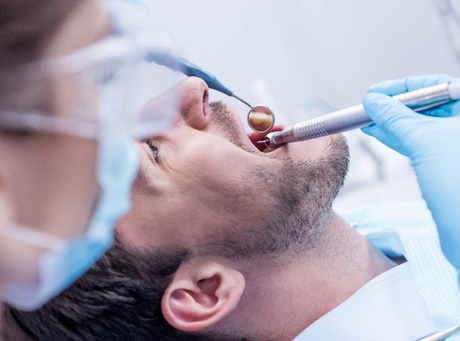
Maintaining a radiant smile and strong teeth requires more than just regular brushing—it also means being mindful of what you eat and drink. While it’s common knowledge that sugar harms teeth, many everyday foods and beverages can quietly damage enamel, promote decay, and compromise gum health. With insights from dental professionals, including a trusted dentist in Blackburn, we’ve compiled this essential guide to help you protect your smile. Below are seven items to limit or avoid, along with smarter swaps for optimal dental wellness.

Why Diet Matters for Dental Health

Your teeth are in constant contact with what you consume. Foods that are acidic, sticky, or high in refined sugars interact with oral bacteria to produce enamel-eroding acids. Additionally, some items physically threaten teeth by being overly hard or drying out the mouth, which reduces protective saliva flow. Making informed dietary choices is a powerful step toward preventing cavities, sensitivity, and gum disease.

1. White Bread & Refined Starches

Why to Avoid:
Processed carbohydrates like white bread, crackers, and chips act like hidden sugars. Saliva quickly breaks them down into simple sugars, feeding plaque bacteria that produce acid. This acid attacks enamel, and the sticky, doughy texture can cling to crevices, prolonging exposure.

Healthier Swap:
Choose whole grains such as whole wheat bread, oats, or quinoa. These complex carbohydrates break down more slowly and are less likely to stick. Additionally, they often contain more nutrients like magnesium and B vitamins, which support overall health.

2. Alcohol

Why to Avoid:
Alcohol is dehydrating and reduces saliva production. Saliva is your mouth’s natural cleanser—it neutralizes acids, washes away food particles, and contains minerals that help remineralize enamel. Chronic dry mouth (xerostomia) increases the risk of decay and gum infections.

Healthier Swap:
When drinking alcohol, alternate with water to stay hydrated. Consider rinsing with water afterward, but wait at least 30 minutes before brushing to avoid scrubbing softened enamel. For regular hydration, water, herbal teas, or milk are excellent saliva-friendly choices.

3. Ice

Why to Avoid:
Chewing on hard ice cubes can cause microscopic cracks in enamel or even lead to chipped, broken, or cracked teeth. It can also damage existing dental work like fillings or crowns. The extreme cold may trigger sensitivity in those with already compromised enamel.

Healthier Swap:
Enjoy chilled drinks without chewing the ice. Let ice cubes melt slightly or use crushed ice if you crave the cold crunch. Alternatively, snack on crisp, fresh veggies like carrot sticks or apple slices, which can help clean teeth gently.

4. Sticky & Sour Candies

Why to Avoid:
Sticky candies (like caramels or gummies) adhere to teeth for long periods, providing a sustained sugar feast for bacteria. Sour candies are doubly harmful—they’re high in sugar and contain acidic additives like citric acid that directly erode enamel.

Healthier Swap:
If you crave something sweet, opt for a square of dark chocolate (70%+ cocoa), which rinses away more easily and contains less sugar. Even better, choose a piece of fruit like a pear or melon, and rinse with water afterward.

5. Sports & Energy Drinks

Why to Avoid:
Many people assume sports drinks are healthy, but they often have a high acid content (low pH) and contain sugar or sweeteners. This combination can soften enamel more quickly than soda in some cases, leading to erosion and cavities, especially when sipped over long periods.

Healthier Swap:
For most moderate activity, water is the best hydrator. If you need electrolytes during intense exercise, look for sugar-free options with neutral pH, or consume them quickly rather than nursing them for hours. Using a straw can help minimize contact with teeth.

6. Kombucha & Highly Acidic Fermented Drinks

Why to Avoid:
While kombucha offers probiotic benefits, its acidic nature (low pH) can weaken enamel over time, especially if sipped throughout the day. Some commercial varieties also contain added sugars, compounding the risk.

Healthier Swap:
Enjoy kombucha in moderation, with meals, and drink water afterward to rinse. Consider other probiotic sources like yogurt or kefir, which contain casein and calcium that can help protect teeth. Always check labels for sugar content.

7. Lemons, Limes, & Other Citrus

Why to Avoid:
Sucking on lemons or limes exposes teeth to highly concentrated citric acid, which erodes enamel rapidly. Even adding lemon juice to water and sipping all day creates an acidic oral environment, leading to increased sensitivity and erosion over time.

Healthier Swap:
Flavor water with herbs like mint or cucumber instead. If you enjoy citrus, consume it as part of a meal (not alone) and rinse with water afterward. Wait at least 30 minutes before brushing to avoid damaging softened enamel.

Pro Tips to Minimize Damage

  • Rinse with water after consuming any acidic or sugary food/drink to help neutralize pH and wash away residues.

  • Use a straw for acidic beverages to reduce contact with teeth.

  • Wait before brushing: After acidic exposure, enamel is temporarily softened. Wait 30–60 minutes before brushing to avoid abrasion.

  • Chew sugar-free gum with xylitol after meals to stimulate saliva flow, which naturally cleanses and remineralizes teeth.

  • Maintain regular dental check-ups with your dentist in Blackburn for professional cleanings and personalized advice.

Final Thoughts

Protecting your teeth isn’t about complete deprivation—it’s about awareness and smarter choices. While it’s easy to focus on sugar, remember that acidity, stickiness, and texture play major roles in dental health. By limiting the seven items above and adopting proactive oral hygiene habits, you can significantly reduce your risk of cavities, enamel erosion, and gum problems.

For more personalized guidance, especially if you have existing dental concerns, consult a dentist in Blackburn or your local dental professional. They can provide tailored recommendations to ensure your diet supports a strong, healthy smile for years to come.

Remember: Good dental health is a key component of overall wellness. What you eat not only fuels your body but also shapes the future of your smile.

How To Treat Obstructive Sleep Apnea Treatment

Obstructive sleep apnea is a health condition that results in breathing problems while sleeping. Under this condition, individuals are unable to breathe for a short period as they sleep at night. It is due to a blockage of the respiratory channel. Your chest muscles cannot open the tracks of your airway and pull in oxygen to the lungs. The body of the patient takes a jerk, and the breathing continues after a loud cast. Such a sleep disorder reduces the flow of oxygen and can also disrupt the rhythm of the heart.

Diagnosis of the condition

Your health care provider undertakes a physical examination and a few tests based on your symptoms to identify your condition. The medical expert examines the mouth, nose, and throat for any abnormalities during the physical examination. Some doctors also analyze the circumference of the waist and neck. In case of severity of the disorder, your general practitioner might ask you to consult a sleep specialist for further evaluation.

Clinical examination

Your health care expert might recommend several tests to detect sleep apnea disorder. The tests undertaken to identify the problem are as follows:

Whole night monitoring through polysomnography.

Under polysomnography, a piece of equipment is attached to the patient’s body to monitor the functioning of the heart-brain and breathing. It also monitors the movement of the Limbs and the levels of oxygen during the hours of sleep. Under split night sleep study, the Healthcare provider monitors the patient for the first few hours of the night. After that, the team might wait for the patient to provide airway pressure in the second half. You can rule out sleep disorders with the help of polysomnography, such as sleepiness during the day. In some instances, health experts advise a home version of polysomnography to identify obstructive sleep apnea disorder. The clinical examination encompasses the measurement of breathing patterns, oxygen levels, and airflow within the individual.

Treatment of the disorder

For undertaking OSA treatment, doctors recommend lifestyle changes, therapies, and surgery if the condition is severe.

Lifestyle change

  • It is essential to losing some weight if the patient is suffering from obesity.
  • Regular exercise also plays a crucial role in treating sleep disorders.
  • You must minimize the consumption of alcohol and avoid drinking at bedtime.
  • Smoking also affects the quality of sleep. People with sleep apnea disorders should quit smoking.
  • Another remedy for a sleep disorder is to clear nasal congestion through medicines.
  • Some health experts also recommend avoiding sleeping on the back.
  • Avoid taking medication to ease sleep as it may increase dependency.

Therapeutic approach

Airway pressure

Positive Airway pressure is an effective solution to your Sleep Apnea disorder. Your doctor might fix a machine under this procedure to allow air pressure to pass through your nose and mouth during sleeping hours. Airway pressure minimizes the blockage of air while you are sleeping. It is a consistent and successful method to treat sleep disorders. Nowadays there has been advancement in the air pressure machines thereby making it smaller and less noisy.

Mouthpiece

People with mild symptoms of sleep apnea treat their problems with the help of oral devices. A mouthpiece or oral device is an alternative to positive air pressure and reduces sleeplessness at night, thereby enhancing the life quality.

Before planning your treatment, the team at the sleep center might monitor your breathing overnight. It helps to identify the different functions of your body.

A Gentle Path to Glowing Skin: Light Routine® Salicylic Acid Peel for Sensitive Skin

0

Dealing with sensitive skin can be a constant challenge, especially regarding chemical exfoliation. The fear of irritation and redness often discourages individuals with sensitive skin from pursuing the benefits of exfoliation. However, there is a solution tailored to their needs, and it comes in the form of the  Light Routine® Gentle Waterless Salicylic Acid Peel. This blog will explore this innovative at-home peel’s remarkable features and advantages and explain why it’s the top choice for individuals with sensitive skin in India.

Gentle Exfoliation for Sensitive Skin

Sensitive skin requires special care, as it can be prone to irritation and discomfort. Traditional exfoliation methods like physical scrubs can exacerbate these issues, making a gentle, effective solution essential. The Light Routine® Gentle Waterless Salicylic Acid Peel is designed with delicate skin in mind. It offers a gentle exfoliation process by targeting the top layer of the skin, providing an immediate glow while delivering long-term benefits, such as reduced pore size and blemishes.

Waterless Formula for Ease of Use

One of the standout features of this salicylic acid peel is its innovative, waterless formula. For those new to chemical peels, this formulation is perfect. It allows users to take their time during application, making at-home exfoliation a breeze. Rushing through the process is no longer necessary, and you can ensure the product is evenly applied for optimal results.

Preservative-Free and Fragrance-Free

Sensitive skin often reacts negatively to preservatives and fragrances commonly found in skincare products. The Light Routine® Gentle Waterless Salicylic Acid Peel is the ideal choice because it is both preservative-free and fragrance-free. This means you can enjoy the benefits of salicylic acid without worrying about irritating additives, which is a crucial consideration for those with sensitive skin.

Efficiency and Eco-Friendliness

A little goes a long way with this peel – just one to two drops are enough for your face and neck. You can quickly achieve your clear skin goals in 8-10 weeks with a recommended twice-weekly usage. Plus, as a waterless formulation, it’s vegan and completely eco-friendly. You no longer have to choose between beautiful skin and caring for the planet, making it an environmentally responsible choice.

Suitable for All Skin Types

The Light Routine® Gentle Waterless Salicylic Acid Peel is versatile for all skin types. Whether you have oily, combination, or sensitive skin, this peel is designed to provide excellent results. It’s unisex and safe for teenagers who want to care for their skin. The inclusive nature of this product means that it caters to a broad audience, ensuring that everyone can enjoy its benefits.

Key Benefits of Light Routine® Gentle Waterless Salicylic Acid Peel

Now that you’re acquainted with the unique features of the Light Routine® Gentle Waterless Salicylic Acid Peel let’s explore its key benefits:

  • Improved Acne Control
  • Enhanced Skin Glow
  • Improvement of Skin Tone and Texture
  • Tightening of Skin Pores
  • Reduction in Skin Congestion and Oiliness

Pro tip: Don’t Forget Your Sunscreen

While using the Light Routine® Gentle Waterless Salicylic Acid Peel, it’s essential to remember to apply a mineral sunscreen during the day. This step is crucial to maintain the results from the peel and protect your skin from harmful UV rays, ensuring that your skin remains healthy and glowing.

In summary, the Light Routine® Gentle Waterless Salicylic Acid Peel is ideal for sensitive skin. Its gentle, preservative-free formulation offers numerous benefits, making it a game-changer for skincare enthusiasts in India. It perfectly balances effectiveness and gentleness, making it a must-have addition to your Indian skincare routine.

Phoenix Tears – Concept and How it Helps Soothing Several Health Issues?

According to the International Agency for Research on Cancer, almost 1 in every five people witnesses developing cancer in their body at some point in life. Cancer attacks 1 in 8 men, whereas the ratio is 1 in 11 in women. All in all, this makes it a total of 50 million people fighting back the evils of cancer in the world.

Every year almost 7.6 million people die from unexpected cancer cell development in their bodies. Many researchers claim that the way we live our lifestyles, we are in the middle of a cancer pandemic, and unfortunately, the world is gradually losing this cancer war.

Wondering why we are discussing cancer and not talking about phoenix tears? Well, that’s what phoenix tears help to treat. Let’s get a deeper insight into it.

What are phoenix tears?

Phoenix tears is a concentrated cannabis plant with a high potential of treating different health issues in no time. Some experts from the cannabis world refer to phoenix tears as cannabis oil or Rick Simpson oil to help you to heal many diseases and cancerous cells. To be precise, it helps to treat – arthritis, cancer, skin issues, ulcers, chronic body pain, neurological issues, headache, burns, warts, infection, diabetes, moles, and much more.

Here are the details –

Health concern 1 – Terminal health issues

Generally, it takes 90 days to ingest the goodness of 60 grams of treatment. This puts a question on the treatment and medicines of cancerous cells. Slow medicine processing in a cancer patient’s body can make it difficult for them to fight with it. Here, phoenix tears help to reduce the pain and cure the cancerous cell gradually. All you need is to begin the treatment timely.

Health concern 2 – Diabetes

Cannabis oil shows some impressive results to heal diabetes. It rejuvenates the essential organs like the pancreas, which fasten up the functioning of the pancreas. It helps to keep the overall insulin injection intake and medicines in balance. Therefore, one can see progressive results to a considerable extent.

Health concern 3 – Weight loss

Increased weight is one of the major concerns for the current world, but that’s only when you don’t know anything about phoenix tears at all. While you apply or ingest quality cannabis oil for weight loss, make sure you don’t forget to consume maximum water (at least 8 ounces a day). You can enhance and fasten up the results by aligning your entire lifestyle and diet.

Health concern 4 – Skin-related problems

Skin cancer is one of the worst circumstances or issues that they can handle in their lives. It contains many anti-inflammatory properties and antioxidants, which work the best to give you flawless skin.

Summing up –

The way we are getting trapped in different health issues, the day is not far when every individual in the world will be suffering from at least one health issue type. In this context, some beneficial health strains like phoenix tears prove helpful. It works amazingly on the human body, giving you real-time results at its best.

Dental Bridges: What You Need to Know Complete Guide

Dental Bridges: What You Need to Know

So you’ve got a missing tooth. Or maybe several. And you’re wondering about your options. A dental bridge might be the answer—or maybe an implant is better. Let me break down everything you need to know about dental bridges so you can make the right choice.

What Is a Dental Bridge? Understanding the Basics

A dental bridge is basically what it sounds like: it bridges the gap created by a missing tooth. It’s a prosthetic tooth (called a pontic) that’s connected to crowns on the teeth on either side of the gap.

Think of it like a bridge spanning a river. The bridge is supported by pillars on both sides (your adjacent teeth). The missing span is replaced by the artificial tooth in the middle.

How Bridges Work

The process:

  1. Your adjacent teeth are prepared (reduced in size)

  2. Crowns are placed on those prepared teeth

  3. The artificial tooth (pontic) connects the two crowns

  4. The entire bridge is cemented in place

  5. It’s permanent (or semi-permanent—lasts 5-10 years)

The result? A fixed tooth replacement that doesn’t come out and doesn’t move.

Types of Dental Bridges

There are different bridge styles depending on your situation.

Traditional Bridge (Most Common)

What it is:

  • Artificial tooth attached to crowns on both adjacent teeth

  • Both sides must be healthy teeth

Advantages:
✓ Most common and reliable
✓ Affordable compared to implants
✓ Looks natural
✓ Durable (5-10 years typically)
✓ Takes only 2-3 appointments

Disadvantages:
✗ Requires grinding down two healthy teeth
✗ Those teeth are permanently damaged
✗ Doesn’t last as long as implants
✗ Harder to clean under the bridge
✗ Can shorten lifespan of adjacent teeth

Cantilever Bridge

What it is:

  • Artificial tooth supported by a crown on only ONE adjacent tooth

  • Used when there’s only one tooth next to the gap

Advantages:
✓ Only one tooth needs to be prepared
✓ Possible when only one adjacent tooth exists
✓ Quicker treatment

Disadvantages:
✗ All stress goes to one tooth (can damage it)
✗ Less stable than traditional bridge
✗ Not ideal for back teeth (too much force)
✗ Less common, some dentists avoid it

Maryland Bridge (Bonded Bridge)

What it is:

  • Artificial tooth with “wings” that bond to adjacent teeth

  • No crowns needed on adjacent teeth

  • Teeth aren’t significantly reduced

Advantages:
✓ Less invasive (minimal tooth reduction)
✓ Reversible (can be removed)
✓ Adjacent teeth not as damaged
✓ Good for younger patients
✓ Cheaper than traditional bridge

Disadvantages:
✗ Less stable than traditional bridges
✗ Wings can come loose
✗ Needs more frequent adjustments
✗ May not last as long
✗ Limited to front teeth typically

Implant-Supported Bridge

What it is:

  • Bridge supported by dental implants instead of natural teeth

  • Artificial roots (implants) placed where missing teeth were

  • Bridge placed on top of implants

Advantages:
✓ Doesn’t damage natural teeth
✓ More stable than traditional bridges
✓ Lasts 25+ years
✓ Most aesthetic option
✓ Best long-term solution

Disadvantages:
✗ Most expensive option ($6,000-$15,000+)
✗ Takes longer (6-12 months for implants to integrate)
✗ Requires surgical implant placement
✗ More complex treatment

Bridge Cost Breakdown

What you’ll actually pay in Sydney (2025):

Traditional Bridge Costs

Per bridge (1 missing tooth):

  • Low end: $1,200-$1,800

  • Mid-range: $2,000-$3,000

  • Premium: $3,500-$5,000

Multiple missing teeth:

  • 2-3 missing teeth: $2,500-$6,000

  • 4+ missing teeth: Costs increase significantly

Maryland Bridge Costs

Typically:

  • $800-$1,500 per bridge

  • Cheaper than traditional bridges

  • Less complex, quicker procedure

Implant-Supported Bridge Costs

For 2 missing teeth:

  • 2 implants: $6,000-$12,000

  • Bridge attachment: $1,500-$3,000

  • Total: $7,500-$15,000

Multiple missing teeth:

  • Costs scale with number of implants needed

  • Can be $15,000-$40,000 for several teeth

What Affects Bridge Pricing

Complexity:

  • Simple single bridge: Lower cost

  • Multiple bridges or complex cases: Higher cost

Material quality:

  • Standard crown: Lower cost

  • Premium porcelain or zirconia: Higher cost

Dentist experience:

  • Less experienced: Cheaper

  • Highly experienced cosmetic dentist: Premium pricing

Location:

  • Suburbs: Lower costs

  • CBD: 15-30% more expensive

Lab quality:

  • Budget lab: Lower cost, possibly lower quality

  • Premium lab: Higher cost, better aesthetics

Bridge vs. Implant vs. Denture: Real Comparison

Factor Bridge Implant Denture
Cost $1,200-$5,000 $3,000-$6,000 $1,500-$3,000
Lifespan 5-10 years 25+ years 5-8 years
Appearance Excellent Excellent Good
Function Excellent Excellent Fair
Comfort Excellent Excellent Okay
Cleaning Moderate (harder to clean under) Easy (like natural teeth) Daily removal needed
Damage to other teeth Yes (weakens adjacent teeth) No No
Feels natural Yes Yes No (foreign)
Maintenance Moderate Easy Daily care needed

Real talk: Implants are the better long-term solution. Bridges are cheaper but damage other teeth and don’t last as long.

The Bridge Procedure: What to Expect

Appointment 1: Preparation

Your dentist will:

  • Prepare the adjacent teeth (reduce size for crowns)

  • Take impressions

  • Make temporary bridge

  • Discuss care and maintenance

What you’ll feel: Numbness, vibration, pressure—but no pain

Appointment 2: Placement (1-2 weeks later)

Your dentist will:

  • Remove temporary bridge

  • Fit permanent bridge

  • Check bite and alignment

  • Cement it in place permanently

  • Make adjustments

Result: Permanent bridge replacing your missing tooth

Caring for Your Bridge

Bridges need special care because they’re fixed in place.

Daily Care

Cleaning is critical:

  • Regular toothbrush on visible parts

  • Special floss (threaders) or water flosser to clean under bridge

  • Regular brushing of adjacent teeth

  • Gentle around the bridge area

What to avoid:
✗ Don’t chew hard foods near bridge
✗ Don’t skip flossing (decay under bridge is serious)
✗ Don’t grind your teeth (wear night guard)
✗ Don’t use bridge to bite hard objects

Professional Care

Every 6 months:

  • Professional cleaning

  • Check bridge stability

  • Look for any problems

Yearly:

  • Full examination

  • X-rays to check decay risk

  • Discussion of any concerns

How Long Do Bridges Actually Last?

Average lifespan: 5-10 years
Some bridges: Up to 15 years with excellent care
Why they fail:

  • Decay on adjacent teeth

  • Bridge loosening from cement failure

  • Damage to supporting teeth

  • Gum disease

Real talk: Many bridges fail not because of the bridge itself, but because the teeth supporting it get cavities or gum disease.

Questions People Ask About Bridges

Will a bridge look natural?

With a quality bridge from an experienced dentist, absolutely. Crowns and pontics are color-matched to your natural teeth. Most people can’t tell which tooth is artificial.

Is the procedure painful?

No. Local anesthesia numbs everything. You might feel pressure and vibration, but not pain. After the procedure, some minor sensitivity is possible (usually temporary).

Can I eat normally with a bridge?

Mostly. Avoid very hard foods (nuts, hard candy, ice). Avoid sticky foods. Otherwise, eat like normal.

What if the bridge comes loose?

Call your dentist immediately. A loose bridge can allow decay underneath. It’ll need to be recemented or possibly replaced.

Can a bridge be adjusted?

Sometimes. Minor adjustments can be made. Major changes usually require replacing the entire bridge.

Why not just get an implant?

Bridges are:

  • Cheaper upfront

  • Faster (weeks instead of months)

  • Don’t require surgery

  • Good for patients who don’t want surgery or implants

Implants are:

  • Better long-term investment

  • Don’t damage other teeth

  • Last 25+ years

  • Don’t require ongoing replacement

Choose based on your budget, timeline, and preferences.

How often does a bridge need replacing?

Every 5-10 years on average. Some last longer with excellent care.

What if I have gum disease?

Gum disease must be treated before bridge placement. Healthy gums are essential for bridge success.

Can I get a bridge after tooth extraction?

Usually, yes. Wait 2-3 months after extraction for bone and gums to heal, then proceed with bridge.

Bridge as Part of Smile Makeover

Bridges often work with other cosmetic procedures.

Common Combinations

Bridge + Whitening:

  • Replace missing tooth with bridge

  • Whiten remaining teeth

  • Cost: $2,000-$6,000

  • Timeline: 3-4 weeks

Bridge + Veneers:

  • Bridge for missing tooth

  • Veneers for other cosmetic improvement

  • Cost: $6,000-$15,000

  • Timeline: 4-8 weeks

Bridge + Gum Contouring:

  • Bridge placement

  • Gum reshaping for better aesthetics

  • Cost: $2,000-$8,000

  • Timeline: 3-4 weeks

Real-World Example

Let’s say you’re missing one tooth in your smile zone.

Bridge option:

  • Cost: $1,500-$3,000

  • Timeline: 2-3 weeks

  • Lifespan: 5-10 years

  • Damages adjacent teeth

Implant option:

  • Cost: $3,500-$6,000

  • Timeline: 6-12 months

  • Lifespan: 25+ years

  • Doesn’t damage other teeth

Denture option:

  • Cost: $800-$1,500

  • Timeline: 2-3 weeks

  • Lifespan: 5-8 years

  • Requires daily removal

Which is best? Depends on YOUR priorities (budget, timeline, longevity, willingness to have surgery).

Your Next Steps

If you’re considering a dental bridge:

  1. Find a cosmetic dentist: Choose the Right Cosmetic Dentist in Sydney: Complete Guide

  2. Get a consultation to assess your options

  3. Understand your choices: Bridge vs. implant vs. denture

  4. Get detailed treatment plan with timeline and costs

  5. Make your decision based on what works for you

Conclusion

Dental bridges are a solid, affordable option for replacing missing teeth. They’re quicker and cheaper than implants. But they do damage adjacent healthy teeth and don’t last as long.

The best choice depends on your specific situation, budget, and preferences. A consultation with an experienced cosmetic dentist will help you understand which option is best for you—bridge, implant, or something else entirely.

8 Methods for Taking Care of a New Tattoo

0

Bad treatment will eventually bark your new tattoo! So, future (s) and young tattooed (s), here are ten tips to take care of your tattoo.

Listen to the Tattoo Artist

If you have chosen a good tattoo artist (we hope!), they will give you specific instructions, which you should follow to the letter.

Tattoo artists want your tattoo to heal correctly and do well; they will only give you good advice.

First Aid

The day after your tattoo, remove the bandage.

Then wash your tattoo with lukewarm water (not hot) and with a neutral pH soap or soap for intimate hygiene to remove all blood residues, ink.

Then wipe with a clean towel!

Healing Care

After carefully washing the tattoo, it is advisable to apply an ointment, generally recommended by your tattoo artist (if not by your pharmacist), to keep the tattoo permanently hydrated.

While healing, it is essential to keep the tattoo slightly damp. If you let it dry, it could lead to scabbing. Make sure it is always hydrated.

Wash Your Hands with Soap before Touching Your Tattoo

It’s new, it’s beautiful, you’re happy with it, but stop touching it!

In any case, before touching it, wash your hands thoroughly until the tattoo has healed. Do the same thing before applying the cream or ointment.

Do Not Scratch the Scabs

Scabs are part of the normal healing process. The dead skin on the tattoo needs to come off. It will itch, but don’t scratch! You could damage your tattoo by scratching it.

Tolerate your pain!

No Swimming Pool, Spa, or Sauna!

The swimming pool, sea, Jacuzzi, spa, and sauna are to be avoided during the healing period.

Do not bathe for at least two weeks as this will wash away the ink from your tattoo and damage its appearance.

No Sport

The tattoo is an open wound, so you must avoid sweating and blows for good healing! This advice is especially valid when it comes to large tattooed areas.

No Sun

If your tattoo is on the part of the body exposed to direct sunlight, sunscreen is mandatory. And ideally, it’s best to avoid sun exposure entirely.

UV rays can reduce the intensity of the colors and deteriorate the design.

So avoid them for 2 to 3 months!

What if you don’t like your tattoo?

Yes, this could happen sometimes. Time goes by and your tattoo doesn’t seem that interesting anymore. What should you do now? Lucky you, today’s technology is improved and now tattoo removals are a piece of cake. Great example is the Los Angeles tattoo removal center. Laser technology will make you feel no pain, it’s quick and secure. Don’t put yourself down because of one tattoo. You can always remove it and do another one after a good process of thinking!