Home Blog Page 37

Beyond Skin Deep: Exploring the Depths of Deep Plane Facelift Surgery

0

Traditional facelifts have long been the go-to solution when it comes to reversing the clock on aging. 

However, as advancements in medical science continue to push boundaries, a more refined and effective technique has emerged – the Deep Plane Facelift. 

This surgical procedure delves more profoundly than its predecessors, targeting underlying facial structures for more natural and long-lasting results. 

The Benefits of Deep Plane Facelift Surgery

  • Enhanced Longevity: One of the standout benefits of Deep Plane Facelift Surgery is its longevity. Repositioning deeper facial structures addresses aging at its root, resulting in results that endure for years rather than months.
  • Natural-Looking Results: Deep Plane Facelifts are renowned for producing natural-looking outcomes. By preserving facial fat and avoiding a ‘pulled’ appearance, this technique ensures patients look refreshed and rejuvenated rather than ‘overdone.’
  • Addressing Multiple Concerns: From sagging jowls to mid-face volume loss, Deep Plane Facelift Surgery addresses a wide array of aging concerns in a single procedure. Comprehensively rejuvenating the face offers patients a holistic solution to their aesthetic goals.

The Procedure

Anesthesia and Incisions: Deep Plane Facelift Surgery is typically performed under general anesthesia to ensure patient comfort throughout the procedure. Surgeons then make discreet incisions along the hairline and natural face contours, minimizing visible scarring.

  • Deep Plane Dissection: Once the incisions are made, surgeons meticulously dissect the deep plane layer, separating facial muscles from underlying structures. This step allows for precise repositioning and sculpting of facial tissues.
  • Lifting and Reshaping: With access to the deep plane, surgeons lift and reposition facial tissues to their youthful position, addressing sagging skin and restoring lost volume. This step is crucial for achieving natural-looking results harmonizing with the patient’s facial features.
  • Closing Incisions: After the desired corrections are made, surgeons carefully close the incisions, ensuring minimal tension on the skin for optimal healing. Sutures are placed strategically to promote scar concealment and minimize post-operative scarring.

Recovery and Aftercare

  • Immediate Post-Op: Following Deep Plane Facelift Surgery, patients can expect some swelling, bruising, and discomfort, which are typical after any surgical procedure. Pain medication and cold compresses can help alleviate these symptoms during the initial recovery period.
  • Returning to Normal Activities: While recovery times vary from patient to patient, most individuals can expect to resume light activities within the first week after surgery. However, strenuous exercise and heavy lifting should be avoided for several weeks to promote proper healing.
  • Long-Term Care: To optimize and maintain results, patients must diligently follow their surgeon’s post-operative instructions. This may include avoiding sun exposure, adopting a skincare regimen, and attending follow-up appointments to monitor progress.

Considerations and Potential Risks

  • Patient Selection: While Deep Plane Facelift Surgery offers transformative results, it may not suit everyone. Ideal candidates are typically in good overall health, non-smokers, and have realistic expectations about the procedure’s outcome.
  • Potential Risks: Like any surgical procedure, Deep Plane Facelift Surgery carries inherent risks, including infection, bleeding, and adverse reactions to anesthesia. However, these risks can be minimized by choosing a qualified and experienced surgeon and carefully following pre-and post-operative instructions.

Conclusion

Deep Plane Facelift Surgery represents a remarkable convergence of artistry, science, and innovation in facial rejuvenation. 

By delving beyond the surface to address aging at its root, this transformative procedure offers patients natural-looking results that stand the test of time. 

As we continue to push the boundaries of what’s possible, the future of facial aesthetics shines bright with promise and potential. 

So, whether you’re considering a Deep Plane Facelift or simply exploring your options, remember – beauty is not just skin deep but a reflection of your unique essence and vitality.

Why Should You Avoid Using Flat Irons & Hair Relaxers?

0

For generations, straight, sleek hair has been held up as a beauty standard. It’s been seen as “neat,” “manageable,” and “polished.” This desire led ancient Egyptians to use hot metal rods and has evolved into a multi-billion dollar industry today, filled with flat irons, chemical creams, and relaxers. A report even predicts the hair straightening market will keep growing. But behind that sleek look, there’s a growing conversation about a much steeper price—one that could affect your health.

Recent, alarming studies from trusted institutions like the National Institutes of Health (NIH) have directly linked the chemicals in permanent hair straighteners, known as relaxers, to a significantly increased risk of uterine cancer and other serious health issues. This isn’t just about bad hair days; it’s about long-term well-being.

So, is achieving pin-straight hair worth the risk? This guide will walk you through what hair relaxers really do, the serious health concerns you need to know about, and how to safely embrace your natural texture or achieve a straighter look without dangerous chemicals.

The Problem with Heat: More Than Just Split Ends

Before we get to chemicals, let’s talk about heat. Flat irons and straighteners are a go-to for a quick fix. They promise even heat and versatility for all hair types. But that instant sleekness often comes at a cost.

Applying extreme heat (often over 400°F) to your hair repeatedly does more than just temporarily change its shape. It literally boils the moisture inside the hair shaft, leaving it dry, brittle, and prone to breakage. The result? Frizz, split ends, and a dull, lifeless appearance. The damage isn’t only to the strand; the pulling and tugging can stress hair follicles, and the hot plates can burn and inflame the sensitive scalp.

For some, the coatings or materials on the plates themselves can cause allergic reactions, leading to conditions like contact dermatitis. While heat styling is damaging, its effects are generally confined to the hair and scalp. The deeper, systemic risks come from a different category: chemical relaxers.

Hair Relaxers: How They Work and Why They’re Dangerous

A chemical relaxer doesn’t just style your hair—it permanently alters its structure. If you have curly or coily hair, your strands have bonds that give them their shape. Relaxers work by using strong alkaline chemicals (like sodium hydroxide or calcium hydroxide) to break those protein bonds apart, so the hair can be rearranged straight.

The Hidden Health Risks in the Cream

The process itself is harsh, but the greater concern lies in the cocktail of chemicals these products contain. To penetrate the hair shaft and scalp, relaxers often include:

  • Formaldehyde and Formaldehyde-Releasing Agents: Used as a preservative and hardener, this known carcinogen can be absorbed through the scalp and inhaled during application.

  • Parabens: These preservatives can mimic estrogen in the body. Disrupted hormone levels are a known risk factor for hormone-sensitive cancers.

  • Other Endocrine Disruptors: Chemicals like phthalates and certain fragrances can interfere with the body’s natural hormone systems.

What the Science Says: The Link to Cancer

This isn’t speculation. Major studies have raised red flags:

  • A groundbreaking 2022 study by the National Institutes of Health (NIH) found that women who frequently used chemical hair straighteners had a higher risk of developing uterine cancer. The risk was notably higher for Black women, who are disproportionately frequent users of these products.

  • The NIH’s Sister Study has also pointed to a potential increased risk of breast and ovarian cancers associated with regular relaxer use.

  • These findings are so significant that they have sparked legal action. A growing number of hair relaxer cancer lawsuits have been filed against major manufacturers like L’Oreal (makers of Dark & Lovely and Motions Hair) and companies behind products like Just For Me. These lawsuits allege that companies knew or should have known about the cancer risks and failed to warn consumers.

The message from the medical and scientific community is becoming clear: the pursuit of permanently straight hair via chemical relaxers may carry a profound and unacceptable health risk.

Embracing Your Hair: Natural Alternatives to Relaxers and Heat

The good news? You have beautiful options that don’t jeopardize your health. Whether you want to temporarily smooth your hair or learn to love your curls, these methods are safe and effective.

1. Heat-Free Styling Techniques

These methods use tension and drying to create a smooth, straight-ish effect without a single degree of heat or drop of chemicals.

The Wrap Method:
This is a classic technique for achieving a smooth blowout look naturally.

  1. Start with clean, damp hair. Apply a light leave-in conditioner or smoothing cream.

  2. Make a deep side part or middle part. Using a fine-toothed comb, brush your hair smoothly around your head.

  3. Take small sections, pull them flat against your head, and “wrap” them around, securing them with roller pins or clips on the opposite side.

  4. Once all hair is wrapped, cover with a satin scarf (crucial for reducing friction). Leave it on for several hours or, ideally, overnight. When you unwrap, you’ll have smoother, flatter hair with lots of volume at the roots.

The Pony/Bun Method:
Perfect for creating loose, beachy waves or stretching out curls to make them straighter.

  1. After washing, apply your favorite products. While your hair is very wet, comb it smoothly back.

  2. Gather it into a very high ponytail at the very top of your head (almost on the crown). Secure it with a soft, coiled hair tie (not an elastic that can dent hair).

  3. Wrap the length of the ponytail around its base to form a bun and secure the ends. You can sleep with it like this.

  4. In the morning, take it down. You’ll have a smooth root with a soft, uniform wave or a stretched, smoother texture throughout the length.

2. The “Curly Girl” Method: Loving What You Have

Instead of fighting your texture, you can learn to enhance it. The Curly Girl Method focuses on hydration, gentle cleansing, and avoiding harsh ingredients to bring out your healthiest, most defined curls or waves. This often means ditching sulfates, silicones, and yes, relaxers and excessive heat. The result is hair that is strong, shiny, and true to its natural pattern.

3. Professional Alternatives (Proceed with Caution)

If you are determined to permanently alter your texture, keratin treatments or Brazilian blowouts are popular. However, it is critical to know that many of these treatments have also come under scrutiny for containing or releasing formaldehyde. If you consider this route, you must:

  • Ask your stylist for a formaldehyde-free treatment.

  • Request to see the Safety Data Sheet (SDS) for the product they plan to use.

  • Ensure the salon is well-ventilated.
    These treatments are generally less damaging than traditional relaxers as they coat the hair rather than break bonds, but due diligence is essential.

The Bottom Line: Health is the Ultimate Beauty Standard

Straight hair can be beautiful, but not at the expense of your health. The evidence linking chemical hair relaxers to serious health risks like uterine cancer is too strong to ignore. While heat styling can damage your hair, chemical relaxers pose a systemic threat.

Your safest and most empowering path is to explore the natural beauty of your own hair texture. By using heat-free styling techniques like wrapping or protective overnight styles, and by nourishing your hair with good products, you can achieve sleek, smooth looks without danger.

For those looking for nourishing, natural hair care products to support healthy hair of any texture, you can explore the pure, handcrafted formulas available on Deyga’s official website. Choosing products that prioritize plant-based ingredients is a positive step toward caring for your hair in a way that also cares for your whole self.

Your hair is a part of you. Choosing to care for it in a safe, healthy way is one of the most beautiful decisions you can make.

Stunning Zoe Kravitz Braids That You Should Try

0

Introduction

Zoe Kravitz is an American actress, singer, and model known for her versatile style and unique fashion choices. She has been seen wearing various hairstyles throughout her career, including braids.

Braids are versatile haircuts that can be customized in numerous ways. Zoe Kravitz has been known to rock different braids, from classic braided styles to more intricate and creative designs. She has seen wearing box braids, cornrows, French braids, and other variations.

Zoe Kravitz often uses her hairstyles as self-expression and has become a style icon for many. Her braided hairstyles have inspired and influenced trends in the fashion and beauty industry.

If you’re interested in recreating Zoe Kravitz braids hairstyles, I recommend checking out her red carpet appearances, magazine photoshoots, or social media accounts for inspiration. You can also consult a professional hairstylist specializing in braiding techniques to achieve the desired look.

Who is Zoe Kravitz?

Who is Zoe Kravitz_Zoe Kravitz is an American artist, singer, and model. She was born in Los Angeles, USA, on Dec 1, 1988. Zoe is the daughter of musician Lenny Kravitz and actress Lisa Bonet.

She began her acting career in the mid-2000s and gained recognition for her roles in movies such as “No Reservations” (2007), “The Brave One” (2007), and “X-Men: First Class” (2011), where she played the mutant character Angel Salvadore.

Zoe Kravitz is also known for her work in the critically acclaimed HBO series “Big Little Lies,” where she portrayed the character Bonnie Carlson alongside a star-studded cast including Reese Witherspoon, Nicole Kidman, and Shailene Woodley. Her performance in the series earned her praise and several award nominations.

In addition to her acting career, Zoe is also a talented singer and has fronted the band Lolawolf. She has appeared in fashion campaigns for renowned brands like Calvin Klein and has been recognized for her fashion-forward style, often appearing on best-dressed lists.

Zoe Kravitz remains a prominent figure in the entertainment industry, known for her talent, unique style, and ability to take on diverse and challenging roles.

What Type of Braids Does Zoe Kravitz Have?

We understand your sentiment if you saw one of Zoe’s iconic braided looks and searched the internet for Zoe Kravitz’s hairstyles. Ever wondered what that particular braided hairstyle is called?

Well, those are our boho braids. Zoe loves to wear her hair in a micro box braided style and prefers to keep the ends of her braids curly. This gives her the perfect boho braided look with an intricate outcome, and we love everything about her iconic face.

And if you didn’t know this already, Zoe wears her braids long. This way, flaunting the curly length with her braids becomes more accessible, so that’s a plus point.

Stunning Zoe Kravitz Hairstyles With Braids That You Should Try

It’s no longer a secret that you can style your braided hair differently. Although Zoe has often flaunted her micro box braids, she also knows how to pull off other braided hair looks.

If you want to create a style statement like Zoe, then you are at the right place. Here we have compiled a list of her best-braided hairstyles. So let’s check them out together to figure out your perfect pick.

Long Boho

Long BohoLet’s start the list with Zoe’s popular braided hairstyle, the long bohemian braids. It consists of intricate micro box braids with curly ends for that chic boho appearance. Zoe has graced many events with this particular look, so trying it out is necessary.

If simple and sophisticated had a face, this would be the picture! Besides her incredible style, we love how captivating the braids look on Zoe. She chose classic black braiding hair for this particular look; we love her style.

Blonde Beauty

Besides her dark box braids, Zoe is also quite famous for the blonde braids she occasionally pulls off. And to make things even bold, she likes to wear a shaved hair look along with her braids.

If you have been considering trying the blonde box braids, then now is the right time to opt for them. And to get you started, here is a picture of our diva flaunting her blonde braids. She also went for the bohemian style in this one, and that shaved style is indeed giving us primary hair goals.

Braided Bun

Braided BunTalk about rocking a red carpet look, and Zoe will give you all the inspiration you need to carry on with your goal. Many celebrities have rocked their unique braided hairstyles at different glamorous events, and Zoe isn’t an exception.

We all know that the easiest way to tie up your braids is by making a bun out of them. And this simple braided bun is elegant enough for any red-carpet event. If you do not trust us, look at Zoe.

All she needed to make her mark was to opt for that middle part hairstyle with the fantastic top bun. Her braided hair has added a dash of style to the look, and that bun is an excellent pick for any fancy event.

Long Ponytail

When in doubt, always wear a ponytail. We can vouch for this hairstyle any time of the year because it’s easy to do and fit for any formal or informal occasion. And with braided hair, doing a ponytail becomes more accessible than ever!

As Zoe generally wears boho braids, they add a touch of elegance to her ponytails. Her ponytail has a braided look, and the curled ends in the same style as shown in this picture.

She incorporated the side-shaved style into this hair look as if that wasn’t enough. All in all, this hairstyle can be a total winner any day.

Conclusion

Although Zoe says that her braided hairstyles were simply an ode to the ’90s, she knows the importance of being a brown girl with natural hair. This is why Zoe has always worn her braided hair with pride and continuously inspires us.

So if you are starting your braided hair journey or simply looking for a classy upgrade, we recommend choosing any of the above-mentioned hairstyles. Trust us; you will fall in love with your hair and return for these styles repeatedly.

Last but not least, always wear your braids with confidence like Zoe, and you will be the star of your own life!

8 Things You Should Know Before Getting A Rhinoplasty

0

One of the most striking features of your face is your nose. If it’s too small or too big, it can affect the appearance of the rest of your face and your self-esteem. If you’re facing this concern, rhinoplasty might be an option worth considering.

Rhinoplasty is a cosmetic surgical procedure that involves enhancing the shape of your nose to achieve a balanced facial appearance. Similar to other surgical operations, you need to know everything about the procedure. However, before deciding to have one, here are several things you should know before getting a rhinoplasty.

1. Maintain Reasonable Expectations

Woman getting ready for plastic surgery

Each person has a different bone structure, but you’ll still end up with an aesthetically pleasing nose. Make sure to discuss the surgical procedure with your surgeon to get the ideal shape you’ll be happy with.

If you’ve always wanted a nose like the ones on celebrities, it’s possible that you won’t be able to get an exact replica. When it comes to cosmetic rhinoplasty, it aims to improve the appearance of your current nose.

It’s not practical to expect a perfect nose or get an exact copy of someone else’s nose. If you’re planning on undergoing a nose job with the best results soon, checking out ultrasonic rhinoplasty Houston surgeons or rhinoplasty specialists near you would be a good starting point.

2. Expect To Take A Break From Work

As a surgical procedure, rhinoplasty will take weeks to fully heal. The procedure will take some time to ensure a full recovery.

Although each person will recuperate at a different rate, make the necessary preparations by scheduling a break away from work, ranging from a week to 10 days or even two weeks.

3. Know If You’re A Good Candid ate For The Procedure

If you want to be a candidate for rhinoplasty, you should be beyond the growing phase. The procedure can be performed on women as young as 15, and on men as early as 17.

It’s also crucial that you have good general health and are a non-smoker. Once you consult a surgeon, you’ll go through an examination involving your nose and facial profile to determine how to improve your appearance.

4. Possibility Of Undergoing Other Procedures

Doctor measuring face of female patient with calipers
Experienced plastic surgeon consulting beautiful woman while using calipers. Copy space on right side

Once you decide to alter the shape of your current nose, it’s likely that your other facial features will also go out of proportion. A facelift might be done along with rhinoplasty or other facial cosmetic procedures to enhance your face further.

5. Timeframe Of Recovery

The recovery period after rhinoplasty is also a consideration. Generally, it’ll require you to take at least two weeks off from work for your nose to heal fully. This will allow you to rest and recover. During recovery, expect swelling, redness, and bruising to occur.

Other considerations to ensure proper recovery include sleeping on your back, maintaining your head in an elevated position, and avoiding strenuous activities. Your surgeon will provide you with instructions to follow and let you know when you can resume your normal activities.

6. It Takes A Long Time To See The Full Results

As part of the procedure, your surgeon will position a splint over the nose for support while also stabilizing its new shape. Although your nose will appear swollen, you’ll see a difference in its outline once the surgeon removes the splint, usually around one to two weeks after the procedure.

In most cases, you’ll experience persistent, mild swelling that can last for several months after the surgery. The outcome might not be evident for up to a year, often longer. During this period, the swelling will steadily subside while the skin and soft tissues surrounding the nose will contract and adjust to the reshaped framework of your nose.

7. You Need To Choose A Trustworthy Surgeon

Rhinoplasty is a highly complex surgery requiring a cosmetic surgeon’s skills and experience. It would be best to be comfortable with the surgeon who’ll be making changes to your face. It’s crucial to work hand in hand with your chosen surgeon to achieve an outcome you’re happy with that complements your natural features.

Similar to any surgical procedure, you need to ask specific questions, such as the surgical technique they’ll use and the satisfaction rate of previous clients. Knowing you’re working with a surgeon who can cater to your needs can give you peace of mind before undertaking the procedure.

Here’s a quick tip: don’t forget to ask for before and after photos of previous patients so you’ll have an idea of the results to expect.

8. No One Will See The Difference

If the surgeon executes the procedure correctly, it’ll enhance your natural beauty flawlessly. Remember that a good nose job only involves minimal alterations that allow your nose to blend in with the rest of your face seamlessly. Once you fully recover from the procedure, your natural beauty as a whole will be evident.

Final Thoughts

Rhinoplasty might be an option worth considering if you want to improve the appearance of your nose aesthetically. When done right, it can enhance the overall beauty of your face and provide a boost to your confidence.

If you’re considering getting rhinoplasty soon, make sure you’re a suitable candidate for the procedure. Before going through one, knowing everything about the procedure is crucial, so you’ll have a head start, especially with the recovery and the outcome.

Dental Implant Treatment: Complete Guide to Replacing Missing Teeth

0

Dental Implant Treatment: The Gold Standard for Replacing Missing Teeth

Missing a tooth sucks. I won’t sugarcoat it. It affects your confidence, changes how you eat and speak, and honestly, it’s hard not to think about it constantly.

Here’s the good news though: dental implants are a game-changer. They look, feel, and function like real teeth. They last 25+ years. They’re genuinely the best option available for replacing missing teeth—if you understand what you’re getting into.

Let me walk you through everything about dental implant treatment.

What Are Dental Implants? Understanding the Technology

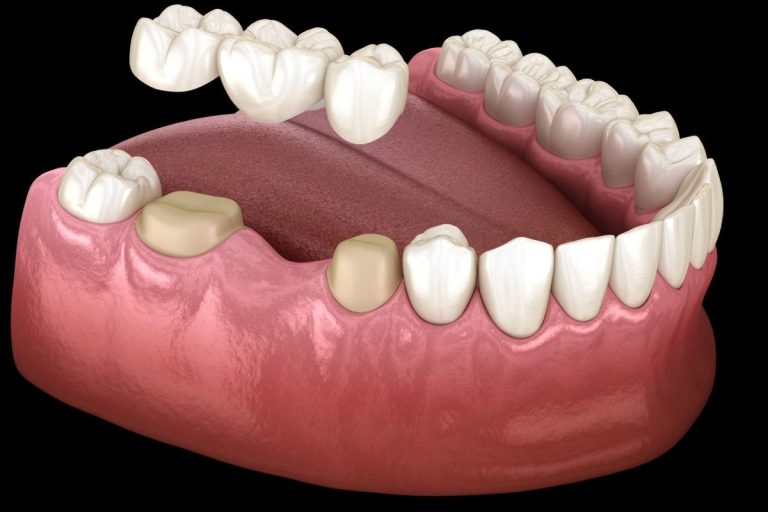
A dental implant is basically an artificial tooth root. It’s a titanium screw that’s surgically placed into your jawbone where your tooth root used to be. Once it integrates with your bone (that takes a few months), your dentist attaches a crown (the visible tooth part) on top.

The result? A tooth that looks, feels, and works like a real tooth. Because it’s anchored in bone, it doesn’t move. It’s solid.

Why Implants Are Different From Other Options

Implants vs. Bridges:

  • Bridges use adjacent teeth for support (weakens those teeth)

  • Implants are standalone (no impact on other teeth)

  • Bridges last 5-10 years

  • Implants last 25+ years

Implants vs. Dentures:

  • Dentures sit on your gums (can slip or shift)

  • Implants are anchored in bone (completely stable)

  • Dentures need daily removal and cleaning

  • Implants are cared for like real teeth

  • Dentures feel foreign

  • Implants feel natural

Implants vs. Bonding:

  • Bonding is temporary (5-7 years)

  • Implants are permanent (25+ years)

  • Bonding doesn’t replace tooth root

  • Implants replace everything

  • Bonding is cheaper upfront

  • Implants are better long-term investment

The Implant Treatment Process: What Actually Happens

Dental implant treatment takes several months. It’s not a quick fix, but it’s worth the wait.

Step 1: Consultation & Planning

Your dentist will:

  • Examine your jaw and remaining teeth

  • Take X-rays and possibly 3D scans

  • Assess bone quality and quantity

  • Discuss your goals and expectations

  • Explain the process in detail

  • Answer all your questions

  • Provide detailed pricing and timeline

Important: If you don’t have enough bone, bone grafting might be needed first. This adds 3-6 months to the timeline.

Step 2: Implant Placement Surgery

This is where it sounds scary but honestly isn’t as bad as you’d think.

What happens:

  • Local anesthesia (numbing) or sedation

  • Small incision in your gum to access the bone

  • Precision drilling to create the implant socket

  • Titanium implant screw placed into the socket

  • Gum stitched closed

  • Temporary tooth or nothing (healing happens under gum)

What to expect:

  • Takes 1-2 hours typically

  • You’re numb so no pain during procedure

  • Some pressure/vibration sensation (weird but not painful)

  • Mild discomfort for 24-48 hours afterward

  • Swelling is normal

  • Pain is minimal (over-the-counter pain relief usually sufficient)

Step 3: Osseointegration (The Boring But Critical Part)

After implant placement, something amazing happens: your bone grows around the implant, anchoring it permanently.

This takes time:

  • Lower jaw: 3-4 months

  • Upper jaw: 4-6 months

  • You might feel nothing during this phase (that’s normal)

  • Implant is integrating with bone even though you can’t feel it

During this time, you typically wear a temporary tooth so nobody knows what’s happening.

Step 4: Abutment Placement

Once osseointegration is complete, your dentist:

  • Opens up the gum again

  • Attaches the abutment (connector piece)

  • Takes impressions for your crown

  • Stitches gum closed again

  • Waits 1-2 weeks for gum healing

This is a shorter procedure than implant placement.

Step 5: Crown Placement

Finally, your permanent crown is made and placed:

  • Crown is custom-made in a lab

  • Matches your natural teeth color and shape

  • Takes 1-2 weeks to fabricate

  • Placed on the abutment

  • Adjusted for perfect fit and bite

  • You’re done!

Implant Treatment Timeline

The whole process typically takes 6-12 months.

If you have adequate bone:

  • Month 1: Consultation and planning

  • Month 2: Implant placement surgery

  • Months 2-6: Osseointegration (bone integration)

  • Month 6: Abutment placement

  • Month 7: Crown placement

  • Total: 5-7 months (sometimes quicker)

If you need bone grafting first:

  • Month 1: Consultation

  • Months 1-4: Bone grafting and healing

  • Month 5: Implant placement surgery

  • Months 5-10: Osseointegration

  • Month 10: Abutment placement

  • Month 11: Crown placement

  • Total: 10-12 months

Implant Costs: The Real Investment

Dental implants aren’t cheap. Here’s what you’re actually paying for.

Cost Breakdown

Single implant (complete restoration):

  • Implant: $1,200-$3,000

  • Abutment: $300-$800

  • Crown: $1,500-$2,200

  • Total: $3,000-$6,000 per tooth

Multiple implants:

  • 2-3 implants: $6,000-$15,000

  • 4-6 implants: $12,000-$30,000

  • Full mouth (8-10 implants): $25,000-$60,000+

What Affects Implant Costs

Implant type:

  • Budget implants: Cheaper initially, sometimes less reliable

  • Premium implants: More expensive, excellent long-term track record

Your bone situation:

  • Adequate bone: Standard cost

  • Bone grafting needed: Add $1,000-$3,000+ per area

  • Sinus lift needed (upper jaw): Add $2,000-$4,000

Your location:

  • Sydney suburbs: Lower costs

  • Sydney CBD: 15-30% more expensive

  • Highly experienced surgeons: Premium pricing

Additional procedures:

  • Tooth extraction first: $200-$500

  • Multiple extractions: Costs add up

  • Pre-existing dental work: May need removal

Financing Options

Most Sydney implant dentists offer:

Payment plans:

  • Interest-free plans over 12 months

  • 25% down, 75% over time

  • Fixed monthly payments

Dental finance companies:

  • Humm: 0% interest for 12 months

  • Latitude Financial: Interest-bearing loans

  • Afterpay/Zip: Smaller amounts

Insurance:

  • Private health doesn’t usually cover implants

  • Rare exception: If replacing a tooth lost to injury or disease

  • Check your specific policy

How Long Do Implants Last?

This is the big question. Here’s the real answer:

Implant Longevity

Average lifespan: 25-30 years
Maximum lifespan: 40+ years (some implants placed in 1980s still working)
Success rate: 95-98% over 10 years

Implants last longer than veneers, bridges, or bonding. They’re basically permanent if maintained properly.

What Affects Implant Lifespan

Factors that help:
✓ Excellent oral hygiene
✓ Regular checkups (every 6 months)
✓ Professional cleanings
✓ Not smoking
✓ Healthy gums
✓ Good bite and alignment
✓ Quality implant and crown

Factors that shorten lifespan:
✗ Poor oral hygiene
✗ Smoking
✗ Gum disease
✗ Grinding your teeth (wear crown faster)
✗ Bone loss over time (affects fit)
✗ Missing follow-up appointments

Real talk: Most implants fail because of gum disease or poor care, not implant failure itself.

Caring for Your Implants

Unlike natural teeth, implants need slightly different care.

Daily Care

Brush and floss like normal:

  • Soft-bristled toothbrush around implant

  • Gently floss (water flosser works great)

  • Don’t be aggressive (implant area is sensitive)

What to avoid:
✗ Don’t use abrasive toothpaste
✗ Don’t chew hard objects (ice, nuts, hard candy)
✗ Don’t smoke (major risk factor)
✗ Don’t skip oral hygiene
✗ Don’t ignore problems

Professional Maintenance

Every 6 months:

  • Professional cleaning (different from regular cleaning)

  • Special tools used to avoid damaging implant

  • Implant health checked

  • Any problems caught early

Yearly:

  • Full examination of implant

  • X-rays to check bone level

  • Assessment of crown condition

  • Discussion of any concerns

Implants vs. Bridges vs. Dentures: Real Comparison

Factor Implants Bridges Dentures
Cost $3,000-$6,000 per tooth $1,500-$3,000 per tooth $1,500-$3,000 full mouth
Lifespan 25+ years 5-10 years 5-8 years
Appearance Excellent (natural) Excellent Good
Function Excellent Good Fair
Durability Excellent Good Moderate
Maintenance Easy (like teeth) Moderate Daily removal/cleaning
Affect other teeth No Yes (weakens adjacent teeth) No
Feels natural Yes Mostly No (foreign feeling)
Comfort Excellent Good Okay

Bottom line: Implants cost more upfront but save money long-term because they last so much longer.

Implants as Part of a Smile Makeover

Implants often work alongside other cosmetic procedures.

Common Combinations

Implant + Whitening:

  • Replace missing tooth with implant

  • Whiten natural teeth so implant crown matches

  • Cost: $4,000-$7,000

  • Timeline: 6-12 months

Implant + Veneers:

  • Multiple issues (missing tooth + discolored teeth)

  • Implant for missing tooth

  • Veneers for other teeth transformation

  • Cost: $8,000-$20,000

  • Timeline: 6-12 months

Multiple Implants + Full Smile Makeover:

  • Several missing teeth

  • Other teeth need cosmetic work

  • Strategic implant placement

  • Veneers or whitening for remaining teeth

  • Cost: $20,000-$50,000+

  • Timeline: 12-18 months

Questions People Actually Ask About Implants

Am I a good candidate?

Generally yes, if you have:
✓ Good overall health
✓ Adequate jaw bone
✓ Healthy gums (gum disease must be treated first)
✓ Good oral hygiene habits
✓ Not a heavy smoker (smoking affects healing)
✓ Can afford the investment

Some conditions make implants trickier but not impossible (diabetes, bone loss, etc.). Your dentist will assess.

Is the surgery painful?

No. You’re numb during placement. Some pressure and vibration, but no pain. Minor discomfort after (manageable with over-the-counter pain relief).

Can I get an implant right after tooth extraction?

Sometimes. Immediate implants (placed same day as extraction) are possible if bone is healthy. Usually better to wait 2-3 months for bone to heal first. Your dentist will advise.

What if I don’t have enough bone?

Bone grafting can build up bone volume. Takes 3-6 months but works well. Adds $1,000-$3,000 to total cost.

Can implants get cavities?

No. They’re artificial. But gum disease can still affect them. The area around the implant needs cleaning just like natural teeth.

What if my implant fails?

Rare (95-98% success rate), but if it does:

  • Failed implant is removed

  • Bone heals

  • New implant can be placed

  • Process starts over

Think of it like insurance—if it fails, you can usually get another one.

How does an implant feel?

Like a real tooth. Stable, solid, no movement. You forget it’s artificial after a while.

Can I see the difference between implants and natural teeth?

With a quality crown, no. Crown is custom-matched to your natural teeth color and shape.

Your Implant Journey: Next Steps

Ready to replace your missing tooth with an implant?

  1. Find a cosmetic dentist with implant experience: Choose the Right Cosmetic Dentist in Sydney: Complete Guide

  2. Schedule a consultation to assess your bone and overall health

  3. Get detailed treatment plan with timeline and exact costs

  4. Understand financing options available to you

  5. Prepare for implant placement (usually straightforward)

  6. Commit to long-term care (checkups every 6 months)

Conclusion

Dental implants are the gold standard for replacing missing teeth. Yes, they cost more upfront and take several months. But they last 25+ years, function like real teeth, and don’t damage adjacent teeth.

If you’re missing a tooth and have been putting off replacing it, an implant might be exactly what you need to restore your smile and confidence.

The process is straightforward. The results are life-changing. Start with a consultation today.

A Comprehensive Guide of Hempushpa

Introduction

Ayurveda has given us many such blessings, which are helpful for us. It is one of them. Hempushpa is a classical Ayurvedic medicine whose main components are self-generated alcohol and the bark of the Ashoka tree. In many places, its name is also known as Ashokarishta.

It is known that this is due to the bark of the Ashoka tree found in it. This is one of the most popular remedies for female disorders, menstrual disorders, and hormonal imbalances. It is helpful in dysmenorrhea, leucorrhoea, dysfunctional uterine bleeding, leucorrhoea, and other gynecological diseases.

Hempushpa is also one of the most essential medicines prevalent for women. Come through this article, let us learn in detail about the various benefits of using the bark of the Ashoka tree so that the misconceptions about this medicine can be dispelled and we become aware.

About Hempushpa

About <yoastmark class=Hempushpa is an ayurvedic medicine that is primarily use for the treatment of Hormonal Imbalance. Secondary and off-label uses of Hempushpa have also been mentioned below. The critical ingredients of Hempushpa are Ananthamoola, Ashwagandha, Bala, Daruharidra, Lodhra, Manjishtha, Punarnava, Gambhari, Shatavari, Shankhpushpi. The properties of these have been shared below. The correct dosage of Hempushpa depends on the patient’s age, gender, and medical history. This info has been provided in detail in the dosage section.

Key Ingredients of Hempushpa

Lodhra, Manjith, Anantamul, Bala, Gokhru, Brahmi, Shankpushpi, Ashok, Musali, Shivlingi, Punarnava, Asgandha, Bach, Dhai, Daruhaldi, Mulethi, Gudhal, Gambhari, Nagarmotha, Gorakhmundi, Shatavari, Kateri, Palash, Nilofur

Benefits of Hempushpa

Hempushpa is helpful in the treatment of many diseases. Hempushpa is a well-known uterine tonic mainly use for excess bleeding and pain. It is a famous Ayurvedic formula for menstrual disorders like excess bleeding and pain. The bark of the Hempushpa Ashoka tree3 is helpful in colic and dysmenorrhea.

Ashoka tree bark is a uterine tonic7 and valid for irregular menstrual cycles. Encourages the flow of urine, and the bark of the Ashoka tree helps reduce 9. Hempushpa helps reduce bleeding piles and dysentery. Apart from this, it is also used to treat colitis and ulcers.

Some Key Benefits of Hempushpa

This syrup is beneficial in abdominal cramps, pelvic pain, anemia, backache, nausea, and vomiting.

  • Helps to overcome weariness, fatigue, and loss of appetite
  • It helps to fortify the immune system
  • It helps manage urinary problems like a burning sensation during urination
  • Helps manage gastric problems
  • It helps regulate hormonal balance and menstrual disorders
  • Helps regularise menstrual periods and helps in blood purification
  • Helps manage the menopausal syndrome

Side Effects of Hempushpa

  1. Few side effects of Hempushpa have observed based on several types of research it is relatively safe for most women. Some women may feel a burning sensation after taking it, but this effect is only in women suffering from acidity or heartburn. The most common side effects of Hempushpa are delaying menstruation, decrease menstrual blood flow, and absence of menstruation.
  2. Do not take Divya Hempushpa or take precautions if you suffer from these diseases. If you have a specific medical condition, do not take it, as it may worsen your condition. You can take it even if you have any of these diseases if your doctor thinks it appropriate – it can affect hormone levels, which may be adverse for pregnancy. That’s why pregnant women should avoid using it. Lactating mothers can take it if they experience ailments like heavy bleeding and leucorrhoea. It should not have adverse effects on lactating mothers and children. It also contains a good amount of calcium, promoting optimum health of bones and joints.

Safety Information of Hempushpa

  • Do not exceed the recommended dosage
  • Read the label carefully before use
  • Store in a cool, dry place away from straight sunlight
  • Keep out of reach of children
  • Keep at least half an hour break between food/drink/ any other medicines and allopathic medication.

Conclusion

It syrup is an Ayurvedic tonic intend to treat many physical ailments, from blood purification and hormonal imbalance to menstrual disorders. It is known to cure almost all women’s physical and mental diseases.

Fashion Earrings: Trends for Every Season

0

Introduction

Fashion Earrings – Do you know how the perfect pair of earrings can instantly transform your look and mood? Whether you want to dress up your everyday style or make a bold statement for a night out, fashion earrings are an effortless way to keep up with the latest trends. This season, it’s all about hoops, tassels, and gemstones in rose gold. From dramatic dangling earrings to on-trend ear jackets, we’ve got the scoop on the must-have earring styles for spring and summer. Keep reading to find your new favorite pair of fashion earrings to rock all season. When you’re done here, your ears will be ringing with possibilities.

Must-Have Earring Styles for Spring

Must-Have Earring Styles for Spring

This spring, you need a pair of dramatic tassel earrings. Long, colorful tassels are on-trend and eye-catching. Look for a pair in your favorite bright hue, like coral, turquoise, or emerald. Tassel earrings pair well with boho-chic outfits and add flair to a simple white tee and jeans.

Another must-have is a pair of geometric metal earrings. Whether you prefer circles, triangles, or hexagons, geometric shapes are huge this season. Gold or silver metal earrings with cut-out geometric patterns are a chic choice. They have a minimal, sculptural vibe that complements casual and dressy looks.

Pick up a pair of statement earrings featuring natural materials like wood, shell or semi-precious stones for something whimsical. Wooden earrings with carved or laser-cut patterns are an of-the-moment bohemian style. Or go for earrings with polished stones like turquoise, rose quartz, or tiger’s eye for an earthy, boho glam look.

Don’t be afraid to go boldly with your earring choices this spring. Make a stylish statement and express your fun, playful side with a pair of dramatic tassel, geometric or natural earrings.

Statement Earrings to Spice Up Your Summer Look

Statement Earrings to Spice Up Your Summer Look

Summer is the perfect time to make a statement with bold earrings. When the weather is hot, your accessories can be the focal point of any outfit. This season, go big or go home with these eye-catching earring trends:

Large hoops are always a summer staple. Gold or silver hoops make a dramatic statement and go with everything from sundresses to swimsuits. For extra drama, try hoops with gemstones, tassels, or charms.

Statement drop earrings are having a significant moment. Look for drops in bright colors like turquoise, coral, or citrine. Geometric shapes, natural stones, and metal are also popular. Drop earrings draw attention to your neckline and shoulders, perfect for off-the-shoulder or strapless tops.

Chandelier earrings are the ultimate showstoppers. Cascading gemstones, crystals, or metal in an arcing shape make a jaw-dropping accessory. Chandeliers pair well with an updo or sleek ponytail. They’re ideal for cocktail parties, nights out, or anytime you want to feel glamorous.

Ear jackets and climbers are innovative styles that start at the lobe and climb up the ear. Some wrap around the outer ear, while others have multiple attachments that can be hooked on at different points. Ear jackets and climbers are artistic, unusual, and a great way to show off various piercings.

This summer, don’t be afraid to go bold with your earrings. Big, bright, and attention-grabbing is the name of the game. Express yourself and make a stylish statement with fashion-forward earrings. Your summer looks will sizzle when you spice them up with trendy statement earrings.

Fall Earring Trends to Complete Your Outfit

Fall is the perfect time to accessorize with fashion earrings that complete your cozy outfits. Stay on trend with these must-have fall earring styles as the temperatures drop.

Statement Earrings

Big, bold earrings are a fall favorite. Statement earrings attract attention and instantly elevate any outfit. Look for earrings featuring earthy materials like wood, metal, or gemstones in rich fall colors such as burgundy, olive, or burnt orange. Statement earrings pair perfectly with minimal outfits like an all-black ensemble or neutral-colored sweater.

Hoop Earrings

Hoop Earrings

Hoop earrings are a classic style that not never goes out of fashion. Choose hoops for fall in metallic colors such as gold, rose gold, or gunmetal. Large hoops, especially in hammered or textured metals, are ideal for making a stylish statement. Hoops also highlight fall trends like plaid, suede, or faux fur.

Drop Earrings

Teardrop-shaped earrings are whimsical and elegant. Look for drop earrings made of natural materials like quartz, agate, or freshwater pearls in rich fall hues. Drop earrings with gemstones or beads can easily incorporate a fall jewel tone color palette into your look—pair drop earrings with a loose, flowy top or dress for a bohemian vibe.

Stud Earrings

For everyday wear or a minimalist style, stud earrings are a classic choice. Gold or silver studs in simple shapes like circles, squares, or triangles are wardrobe staples that go with everything. Consider stud earrings with semi-precious stones like carnelian, smoky quartz, or amethyst for fall. Stud earrings are subtle but help complete a look when you want to keep the focus on other accessories like a statement necklace or scarf.

With so many stylish options, you can go wrong with fashionable fall earrings. Mix and match different earring styles for a trendy layered look, or stick to one bold pair either way; fall earrings are the perfect finishing touch for your autumn outfits.

Classic Earrings for Winter

Stud Earrings

Stud earrings are classic earrings perfect for winter. Their simple yet elegant design complements cozy sweaters and caps.

  • Gold or silver studs: Gold and silver stud earrings are versatile and match most skin tones. They glimmer subtly without being too flashy.
  • Gemstone studs: For a pop of color, consider gemstone studs like rubies, emeralds, or sapphires. Deep red garnets or amethysts are incredibly stunning in winter.
  • Pearl studs: Lustrous pearl stud earrings are a timeless, sophisticated choice for winter. Their creamy iridescence brightens up dreary days.

Hoop Earrings

Hoop earrings are another classic style ideal for winter. Their circular shape is symbolic of continuity and eternity.

  • Gold hoops: Gold hoop earrings in medium to large sizes make a bold yet refined statement. They draw attention to your face and illuminate your features.
  • Gemstone hoops: For a more dramatic look, rings encrusted with gemstones like diamonds, rubies, or sapphires add a pop of color and sparkle.
  • Twisted or braided hoops: Hoops with twisted, braided, or hammered detailing have an artisanal, handcrafted feel perfect for cozy winter days.

Drop Earrings

Drop Earrings

Teardrop-shaped drop earrings are an elegant choice for winter evenings. Their dangling silhouette and precious gemstones or metals capture the glow of candlelight or fireplaces.

  • Gemstone drops: Teardrops featuring amethysts, garnets, or citrines have a warm, fiery energy ideal for winter nights.
  • Crystal drops: Swarovski crystal drop earrings reflect light beautifully for an icy, shimmering effect.
  • Filigree drops: Delicate filigree drop earrings with an antique gold finish have an intricately patterned, lacy quality reminiscent of snowflakes.

Earrings are a simple way to accessorize in winter while keeping your neck and hands warm. Classic studs, hoops, and drop earrings in gemstones, gold, silver, and pearl perfectly complement cozy knits and holiday attire. Their timeless, elegant designs make them earrings you all enjoy wearing for many winters to come.

Are Fashion Earrings Ethical? Sustainable Options

Are Fashion Earrings Ethical_ Sustainable Options

Regarding fashion earrings, it’s essential to consider whether the materials and production methods are ethical and sustainable. As consumers, we can drive change in the jewelry industry by choosing earrings made from eco-friendly materials and supporting brands with ethical practices.

Recycled Metals

Look for earrings made from recycled precious metals like gold, silver, or platinum. Metals that have been recycled and re-purposed into new jewelry reduce the demand for newly mined metals. Brands that use recycled metals also tend to be more conscious of their environmental impact.

Alternative Materials

Earrings made from sustainable materials are an eco-friendly option. Some great alternatives to metals include:

  • Wood: Wooden earrings are lightweight, affordable, and sustainable. Look for wood types like bamboo, coconut, and maple.
  • Gemstones: Semi-precious gemstones like amethyst, rose quartz, or turquoise are colorful options that avoid the environmental damage of gemstone mining.
  • Cork: Cork is a natural, renewable material harvested from cork oak trees. It’s water-resistant, lightweight, and hypoallergenic.
  • Recycled glass or plastic: Some brands recycle glass bottles, plastic bags, or computer keyboards into stylish earrings. This re-purposing keeps waste out of landfills.

Ethical Production

Choose earrings from brands prioritizing ethical practices like fair wages for workers, safe working conditions, and no child labor. Some signs of an ethical brand include:

  • Certifications like Fair Trade Certified ensure fair pay and working conditions for laborers.
  • Transparency about their supply chain and production methods. Ethical brands will openly share details about where materials are sourced and how products are made.
  • Non-profit partnerships. Some brands donate a portion of proceeds to charities and causes like environmental conservation, education, healthcare, etc. It demonstrates a commitment to social good.

By choosing fashion earrings made from sustainable and recycled materials and supporting ethical brands, you can feel good about the impact of your purchase. Together, we can drive real change in the jewelry industry.

Conclusion

So there you have it, a complete guide to every season’s hottest fashion earring trends. Whether you prefer delicate studs, bold statement pieces, or something in between, you know exactly what’s in style and how to rock it. The options are endless. The next time you want to elevate your look or add a little extra flair, you can choose the perfect pair of earrings to match your mood and outfit. Stay on the cutting edge of fashion by watching for the newest trends, and don’t be afraid to take risks – that’s what style is all about! With this guide in your back pocket, you’ll never have to wonder what earrings to wear again. Now get out there and show off those lobes!

Ikea Closet System – A Complete Information

Introduction

The IKEA closet system refers to a range of customizable storage solutions offered by IKEA, a famous Swedish furniture retailer. The closet system is designed to help you organize and maximize storage space in your closet or wardrobe area. It typically consists of various components that can combine and arranged to suit your needs.

IKEA offers a wide selection of closet system components, such as shelves, drawers, hanging rods, shoe racks, and accessories like baskets and dividers. These mechanisms can be mixed and matched to create a personalized storage solution that fits of laughter your clothing, accessories, and other items.

The Best Ikea Closet Systems for Any Space

Ikea offers a wide range of closet systems designed to help you organize and maximize the storage space in your bedroom or any other home area. These systems are known for their versatility, affordability, and ease of installation. Here is an overview of the most famous Ikea closet systems:

PAX System

PAX System

The PAX system is Ikea’s most well-known and customizable closet system. It allows you to create a personalized storage solution by combining different sizes and styles of frames, doors, and interior organizers. You can select from various finishes, including wood veneer and high-gloss options. The PAX system offers interior fittings such as shelves, drawers, hanging rods, and accessories like shoe racks and jewelry organizers.

ELVARLI System

The ELVARLI system is a flexible, open storage solution ideal for those who prefer a more minimalistic and airy look. It features vertical posts onto which you can attach shelves, drawers, and clothing rods at different heights and configurations. The ELVARLI system is highly adjustable, making it easy to adapt to changing storage needs.

ALGOT System

The ALGOT system is a versatile and budget-friendly option that offers a variety of storage components such as shelves, baskets, and drying racks. It is design to be wall-mounted and can be customized to fit your space and requirements. The ALGOT system is often used in laundry rooms, walk-in closets, and pantry areas, providing functional and flexible storage solutions.

Stolmen System

Although no longer available in all markets, the STOLMEN system is worth mentioning as it is still popular among some Ikea customers. It consists of adjustable poles that can be floor-to-ceiling or wall-mounted, along with various accessories like shelves, drawers, and clothing rods. The Stolmen system is known for its stability and ability to create room dividers or freestanding storage units.

Komplement Accessories

Komplement Accessories

In addition to the above closet systems, Ikea offers a range of accessories under the KOMPLEMENT line. These accessories include drawer inserts, shoe racks, jewelry organizers, clothes hangers, and more. Komplement accessories are design to fit seamlessly into Ikea’s closet systems, allowing you to customize further and optimize your storage space.

It’s important to note that the availability of specific closet systems and accessories may vary depending on your location and when you visit an Ikea store or website. It’s recommended to check with your local Ikea store or their website for the most up-to-date information and product offerings.

How to Install Your Ikea Closet System

Installing an IKEA closet system can be straightforward if you follow the instructions and use the right tools. Here’s a general guide to help you with the installation:

Read the Instructions

Start by carefully reading the assembly instructions provided with your IKEA closet system. Familiarize yourself with the parts, components, and steps involved in the installation.

Gather Tools and Materials

Ensure you have all the necessary tools and materials ready before you begin. Typically, you’ll need a hammer, screwdriver (both Phillips and flathead), a drill with appropriate bits, a level, measuring tape, a pencil, and a stud finder.

Prepare the Space

Clear out the area where you plan to install the closet system. Remove any existing shelves, rods, or other obstructions. Clean the walls and ensure they are smooth and dry.

Plan The Layout

Determine the configuration and placement of the closet components based on your needs. Measure the dimensions of the wall to ensure proper fit and mark the positions for the hanging rails, uprights, shelves, drawers, etc.

Install the Hanging Rails

The hanging rails are usually the first items to install. Locate the studs in the wall with a knob finder, if applicable. Use a level to ensure the rails are straight, and mark the screw hole locations. Drill pilot holes, then attach the rails securely to the wall using the screws provided.

Mount the Uprights

Attach the vertical uprights to the hanging rails. Ensure they are level and secure them in place according to the instructions. This step may vary liable on the specific IKEA closet system you have.

Install Shelves, Drawers, and Other Components

Follow the instructions to install the various shelves, drawers, and accessories, such as clothes rods, baskets, and dividers. Each component typically has pre-drilled holes or slots for attachment.

Secure Everything in Place

Once all the components are in position, double-check their alignment and make any necessary adjustments. Use screws or other provided fasteners to secure the parts firmly together. Ensure everything is level and stable.

Make Final Adjustments

Check that all the drawers and doors open and close smoothly. Use a level to ensure the entire system is straight and adjust as needed.

Test and Organize

Test the functionality of your newly installed IKEA closet system. Organize your clothing, shoes, and other items according to your preference.

Remember, this is a general guide, and the specific instructions may vary depending on the IKEA closet system you purchased. Refer to the manufacturer’s assembly instructions for the most accurate and detailed information.

Stunning Makeup Looks For Your Quinceanera

0

Makeup Looks for Quinceanera

Get your dream look for your quinceanera with our selection of stunning makeup looks! Get the perfect look for any theme, age, or skin tone. Celebrate your quinceanera with one of these stunning makeup looks! With inspiration from different themes, ages, and skin tones, you’ll be sure to find the perfect look for your big day.

How do you do Quinceanera Makeup?

The steps to creating stunning quinceanera makeup depend on the look you’re going for. Generally, you’ll start by choosing a base—foundation, concealer and powder—that’s suitable for your skin tone. Then you can choose to add blush, highlight and contour to frame your face. Finally, apply eyeshadow according to your chosen look and finish with mascara, lipstick and setting spray or powder for a long-lasting effect.

How do you do Quinceanera Makeup?

Quinceanera makeup also often includes some kind of false lash for extra definition and drama. Applying false lashes can be tricky at first, but once you get the hang of it, it’s easy to find lashes that will complete your look. Be sure to practice applying those lashes before your special night!

To apply, hold the lash strip against your eye line and measure the strip with your eye so you know where to cut if needed. Apply a thin layer of adhesive, wait until it gets tacky, then carefully place the lashes as close to your natural lash line as possible. Voila! Finish your quinceanera makeup look with an extra coat of mascara on both top and bottom lashes.

Natural Makeup Looks for Quinceanera

Natural makeup looks are perfect for the quinceanera who wants to shine without looking over-done. Start with a foundation that’s close to your natural skin tone, and use light concealer where needed. Apply blush or bronzer to your cheekbones, using an upward motion.

Natural Makeup Looks for Quinceanera

Add shimmery eyeshadow in shades of beige or gold, defining your lash line and crease. Finish off the look with pink gloss or lipstick and lightly curl your lashes before sweeping a layer of mascara on top.

It’s best to let your features stand out when going for a natural look. If your eyes are the most prominent facial feature, you can use an eyeliner and add extra lashes for more definition. If you don’t wear glasses, give yourself a cat-eye using liquid liner.

To complete the look, define and lightly fill in your eyebrows with a pencil or powder. When done correctly, these subtle touches make all the difference when wearing natural makeup for your quinceanera.

Red Makeup Looks for Quinceanera

If you’re looking for a bold and beautiful look for your quinceanera, try adding a touch of red! Choose a foundation that matches your skin tone and apply dark red eyeshadow as the base. Start in the inner corner of your eye and blend outward, then refine with a lighter shade.

Red Makeup Looks for Quinceanera

Use a black pencil liner to define the lash line and smudge it upwards for drama. Curl your lashes and add mascara for volume before swiping bright red lipstick onto your lips. Apply a highlighter or an illuminating powder across the cheekbones to complete the look.

You can incorporate gold into the look to add a festive flair to your red makeup looks for quinceanera. Add a shimmer in the inner corner of your eye and along the brow bone using a golden eyeshadow or glitter.

Apply gold eyeliner along the bottom lash line and blend it outwards slightly. Layer a golden gloss over your red lipstick to make your lips stand out even further. Finish with a bronzer on the cheeks, nose, and chin for warmth and depth. With these stunning makeup looks for your quinceanera, you’ll be sure to wow everyone with your glamorous style!

Nails for Quinceanera

A quinceaera is a significant event in the lives of many people. It marks the beginning of their adulthood and the beginning of their womanhood. The birthday girl will wear a (white) dress, dance with her parents, and receive a present during this celebration.

Nails for Quinceanera

During this event, several additional customs occur, but one of the most noteworthy is the celebratory manicure and pedicure.

The Perfect Makeup for Your Quince Dress

For the classic sweet fifteen, the perfect makeup to couple with a white dress is a simple cat-eye liner paired with matte pink lipstick. It defines your eyes and makes them pop while still matching a white dress’s traditional, innocent vibe.

To finish off this look, you can use some highlighter to make sure you’re glowing when you hit the dance floor. Try pairing a mint color quince dress with sparkly bronze eye makeup and glossy lips for those who want something more modern.

This will draw attention to both your eyes and your vibrant dress! Remember, whichever combination you go for, make sure it fits your personality—this, after all, is your day!

Conclusion

Whichever quinceanera look you choose, ensure it complements your age and skin tone. Consult a makeup artist to help perfect your dream look when in doubt. Most importantly, have fun and enjoy the process of planning your big day!

Creating a striking beauty look to match your quinceanera dress can be daunting. However, by planning in advance and researching different looks you’d like to try, you can ensure that this day will be nothing short of perfect. When playing up your makeup, focus on highlighting the best features of your face so that it stands out from the crowd and creates lasting memories for years to come.

The Ultimate Guide to Strong, Healthy Nails: Science-Backed Tips That Actually Work

0

Your nails are more than just fashion accessories or practical tools—they’re windows into your overall health. I remember staring at my brittle, peeling nails last year, frustrated after yet another gel manicure left them thin as paper. After consulting two dermatologists and a nutritionist, I realized strong nails aren’t about quick fixes; they’re about daily habits. Whether you’re battling brittleness, slow growth, or just want nails that don’t snap when you open a soda can, this comprehensive guide combines professional advice with real-life tested strategies.

Understanding Your Nail Anatomy: What’s Actually Breaking?

Before we fix anything, let’s understand what we’re working with. Your nail isn’t just that hard part you paint—it’s a complex structure:

The Nail Matrix: The hidden part under your cuticle where new cells form
The Nail Plate: The visible hard part (what we call “the nail”)
The Cuticle: The protective skin barrier that seals the matrix
The Lunula: That pale half-moon at the base (not everyone has visible ones)

Why This Matters: When you understand that your nail plate is made of keratin (the same protein in hair and skin) layered like shingles on a roof, you’ll understand why certain treatments work and others don’t.

The Daily Ritual: Hydration That Actually Penetrates

The Petroleum Jelly Debate: Yes, it’s an occlusive—meaning it seals in moisture. But here’s what beauty editors don’t always mention: It works best when applied to damp skin.

My Evening Routine That Changed Everything:

  1. Wash hands with lukewarm water (hot strips natural oils)

  2. Pat dry leaving hands slightly damp

  3. Apply hyaluronic acid serum (the same one you use on your face!)

  4. Layer with a pea-sized amount of petroleum jelly or Aquaphor

  5. Massage for 60 seconds focusing on cuticles

  6. Wear cotton gloves to bed 2-3 times weekly

Why This Works: The hyaluronic acid pulls moisture into the nail and surrounding skin, while the petroleum jelly locks it in. After three weeks of this, my nail flexibility improved by about 40%.

Kitchen Alternatives That Actually Work:

  • Castor oil: Thick, rich in ricinoleic acid—great for overnight treatments

  • Coconut oil: Medium-chain fatty acids penetrate better than olive oil

  • Jojoba oil: Most similar to our skin’s natural sebum

Pro Tip from Licensed Esthetician Maria Rodriguez: “Apply oil throughout the day, not just at night. Keep a rollerball blend of jojoba and vitamin E in your purse. Every time you wash your hands, reapply.”

The Glove Game-Changer: More Than Just Dishes

We all know about dish gloves, but are you protecting your nails during these other activities?

The Often-Missed Times You Need Gloves:

  1. Hair washing: Shampoo and conditioner contain surfactants that strip nails

  2. Gardening: Soil bacteria can lead to infections in tiny nail tears

  3. Swimming: Chlorine is incredibly drying (and can turn nails green!)

  4. Cleaning products: Even “natural” cleaners often contain citric acid that weakens nails

My Glove Strategy:

  • Kitchen: Keep multiple pairs—one under sink, one in pantry

  • Bathroom: Cotton gloves under vinyl for deep conditioning treatments

  • Car: Disposable gloves in glove compartment for gas station fill-ups

The Cotton Liner Trick: If your hands sweat in gloves (which defeats the purpose), wear thin cotton gloves underneath. They absorb moisture while protecting your nails.

Cuticle Care: The Foundation You’re Probably Messing Up

I used to be a cuticle cutter. Then I learned the hard way: “The cuticle is the nail’s protective seal,” explains dermatologist Dr. Shari Marchbein. “Once damaged, it can take months to heal properly.”

The Gentle Push-Back Method That Works:

  1. Soak for 2-3 minutes in warm water with a drop of oil

  2. Apply cuticle remover (look for glycolic or lactic acid based)

  3. Wait 60 seconds—don’t rush!

  4. Use an orange stick wrapped in cotton (not metal tools)

  5. Push gently in small circular motions

  6. Rinse immediately and apply oil

What I Buy: The Sally Hansen Cuticle Eraser + Balm system—it’s affordable and doesn’t require tools.

Weekly Treatment: Mix equal parts sugar and olive oil, gently massage into cuticles for 30 seconds, rinse, then apply a thick balm.

Ingrown Prevention: Beyond “Cut Straight”

The “cut straight” advice is incomplete. Here’s what actually prevents ingrowns:

The Toenail Trim Protocol:

  1. Soak feet for 10 minutes to soften

  2. Use toenail clippers (not fingernail clippers—they’re curved wrong)

  3. Cut straight across but leave a tiny bit of white

  4. File edges with an emery board to smooth any sharp corners

  5. Apply tea tree oil diluted with carrier oil along edges

Special Considerations:

  • Diabetes: Check feet daily, never cut your own nails if you have neuropathy

  • Athletes: Trim nails shorter during sports season

  • Swimmers: Consider antifungal powder in shoes during summer

The Drying Technique Nobody Teaches

You know to dry thoroughly, but are you doing it right?

The 2-Minute Dry Method:

  1. Pat gently with a clean towel (no rubbing)

  2. Between fingers/toes: Use the corner of the towel, wiggling gently

  3. Under nails: Press towel tip against underside

  4. Air time: Don’t immediately put on socks or closed shoes

  5. Hair dryer trick: On cool setting, briefly dry feet if prone to fungal issues

Why This Matters: Fungus thrives in warm, moist environments. That tiny bit of moisture under your nail fold is paradise for microorganisms.

Smart Shoe & Sock Strategies

“Wear cotton socks” is good but incomplete advice.

The Rotation System That Works:

  • Day 1: Shoes A with moisture-wicking socks

  • Day 2: Shoes B with cotton socks

  • Day 3: Shoes A with different moisture-wicking socks

Sock Materials Breakdown:

  • Bamboo: Naturally antimicrobial, excellent moisture-wicking

  • Merino wool: Temperature regulating (yes, even in summer)

  • Copper-infused: Shown in studies to reduce fungal growth

  • Avoid: Nylon blends that don’t breathe

Shoe Care:

  1. Remove insoles overnight to dry

  2. Use UV shoe sanitizers ($20 on Amazon)

  3. Sprinkle baking soda inside when not in use

  4. Never wear the same shoes two days in a row

Nutrition: Beyond Milk and Eggs

While zinc is crucial (those white spots are often zinc deficiency), it’s not the only player.

Supplements That Actually Help:

  • Biotin: 2,500-5,000 mcg daily (takes 3-6 months to see results)

  • Collagen peptides: 10g daily mixed in coffee or smoothies

  • MSM: 1,000mg daily for sulfur (keratin’s building block)

My Experience: After 4 months of consistent collagen and biotin, my nail growth increased from 3mm to 4.5mm monthly. The ridges also smoothed significantly.

Filing: The Technique That Prevents Splits

The Common Mistake: Sawing back and forth creates micro-tears that turn into splits.

The Right Way:

  1. Choose the right file: Glass or crystal files create cleaner edges than emery boards

  2. File dry nails only: Wet nails are more prone to damage

  3. One direction only: From outer edge toward center

  4. Angle matters: Hold file slightly under nail edge

  5. Smooth after: Lightly buff edges with buffer block

Shape Matters:

  • Square: Most prone to corner breaks

  • Round: Most durable for everyday

  • Almond: Beautiful but requires length

  • Squoval: The sweet spot—square with rounded edges

Growth Stimulation: What Science Says

Blood flow matters, but so do these often-overlooked factors:

The Massage Technique That Works:

  1. Apply warm oil (coconut or jojoba)

  2. Using thumb, press firmly into cuticle area

  3. Make small circles for 30 seconds per nail

  4. “Milking” motion: Push from cuticle to tip along sides

  5. Repeat morning and night

Unexpected Growth Boosters:

  • Scalp massage: Increases circulation throughout body

  • Iron levels: Low iron = slow growth (get tested!)

  • Thyroid function: Hypothyroidism dramatically slows nail growth

The Cold Weather Trick: Wear gloves outside in winter. Cold causes vasoconstriction (reduced blood flow), slowing growth.

Product Selection: Navigating the Minefield

Polish Remover Guide:

  • AVOID: Acetone (drying), formaldehyde (carcinogenic)

  • CHOOSE: Ethyl acetate or methyl ethyl ketone based

  • MY FAVORITE: Zoya Remove+ (soy based, comes in giant pump bottle)

Base Coat Science:

  • Ridge-filling: Creates smooth surface

  • Protein-enriched: Nourishes while wearing polish

  • Peel-off: Great for weak nails that need breaks

  • Rejuvacote: The holy grail for many nail technicians

Polish Ingredients to Avoid:

  1. Formaldehyde

  2. Toluene

  3. Dibutyl phthalate (DBP)

  4. Camphor (can cause brittleness)

The Professional Treatments Worth Paying For

BIAB/Gel Overlays: Builder in a Bottle creates protective layer
IBX Treatment: Penetrates nail to repair from inside
Russian Manicure: Extreme precision, not for beginners

What My Manicurist Told Me: “Most nail damage comes from removal, not application. Soak-off gels removed properly cause minimal damage.”

When to See a Professional

Red Flags That Need a Dermatologist:

  • Pitting (tiny dents) → Could indicate psoriasis

  • Yellow thickening → Possible fungal infection

  • Dark longitudinal streaks → Needs checking for melanoma

  • Spoon-shaped nails → Iron deficiency anemia

  • Beau’s lines (horizontal ridges) → Past illness or trauma

Nail Salon Red Flags:

  • They cut cuticles

  • They use electric files aggressively

  • They don’t sanitize tools between clients

  • They push acrylics on already weak nails

The 30-Day Nail Challenge

Week 1-2: Foundation

  • Daily oil application

  • Gloves for all water exposure

  • Biotin supplement start

Week 3-4: Building

  • Weekly soak in warm oil

  • Protein focus in diet

  • Gentle manicure (no cutting cuticles)

Month 2: Maintenance

  • Every other week polish breaks

  • Continue supplements

  • Regular gentle filing

Final Thoughts: Patience & Consistency

I won’t lie—my nail journey wasn’t linear. There were setbacks: that month I got gel manicures three times, the winter my hands were constantly chapped, the stress period where my nails peeled in layers. But looking at my hands now, I see strong, flexible nails that grow past my fingertips without breaking.

The Biggest Lesson: Nails grow slowly (about 3mm/month). Any damage takes months to grow out. Be patient. Celebrate small victories: that week without a break, that first millimeter of smooth new growth at the cuticle.

Your Homework Today:

  1. Check your polish remover ingredients

  2. Put gloves by every sink

  3. Order a glass nail file

  4. Massage your cuticles while watching TV tonight

Strong nails aren’t about perfection—they’re about showing up consistently with small, caring actions. Your nails work hard for you; they deserve the same care in return.