Home Blog Page 16

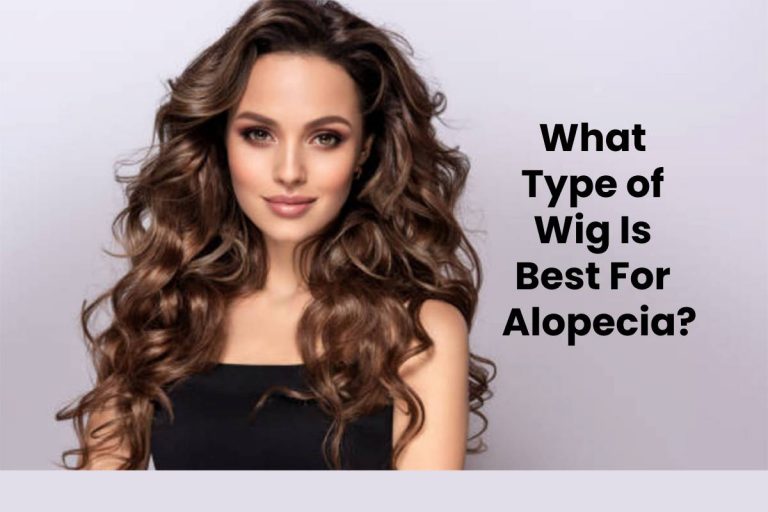
What Type of Wig Is Best For Alopecia?

0

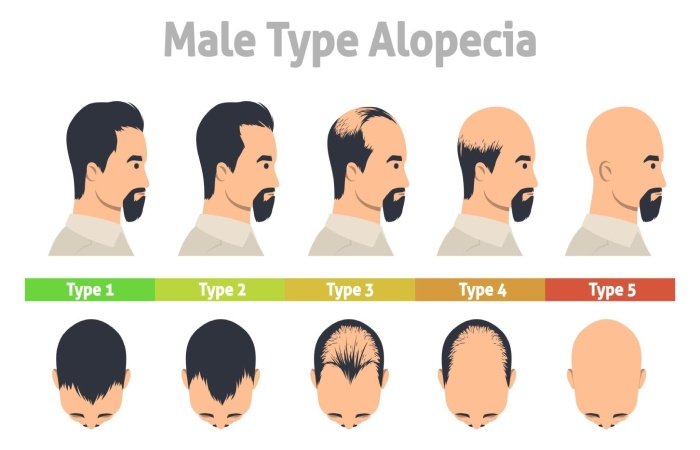
If you have alopecia, then you’re not alone. Millions of people all over the world deal with hair loss daily, and it’s important to remember that this condition can take many forms. That said, no two types of hair loss are exactly alike, and that’s why it’s so important to choose the right wig if you have alopecia. The right wig will allow you to feel confident in your appearance and to wear it throughout your daily life without anyone being able to tell whether or not you’re wearing a wig in the first place.

When to use a monofilament synthetic wig

For someone with alopecia, a synthetic wig can be your go-to choice. Monofilament wigs are made from synthetic hair. The hair on this type of wig is bonded with polymers and has no clips or combs to keep it in place. The result: it looks like you have a full head of hair and it will stay put without any effort on your part. You can style the look however you want; brush, blow dry, tease, or comb the hair in the way that suits you most. This works well if you have light coverage, but those who need heavy coverage should consider a lace front or full lace human hair wig. A monofilament wig would not provide enough coverage for someone suffering from alopecia totalis.

When to use human hair wigs

Many women with thinning hair or alopecia can wear human hair wigs as a way to create or enhance the look and feel of natural hair. Wigs made from synthetic materials, such as heat-resistant fibers and plastics, are less expensive but cannot be washed. Human hair wigs have a wider range of styles and may have adjustable straps, combs, or other attachments for a more secure fit. As the most realistic-looking option available, some people may prefer these wigs over others which are less lifelike in appearance.

When to use lace front wigs

Lace front wigs are made up of three pieces: the lace, the hair piece, and the weft. These are a great option if you suffer from alopecia or other types of hair loss because they look more natural than other styles. With this style, you may or may not need to wear a wig cap which depends on your level of comfort. Lace front wigs also help to keep your head cool by allowing your scalp to breathe when worn all day long.

Lace front wigs come in many different lengths, textures, and colors so you should feel confident about picking one that works for you. In addition, some lace front wigs will be ready-to-wear straight out of the box while others will require some styling. If you have thinner hair, it’s recommended that you go with a longer length and choose styles with either no or little layers.

Affordable wig options

Doctors often recommend medical wigs or other hairpieces to help people with alopecia have an even head of hair. To find out if your insurance provider will cover your medical wig purchase, first contact them about coverage for various types of hairpieces. In most cases, you’ll need a prescription from your doctor to receive coverage. Fortunately, The Virgin Hair Fantasy has provided information on how to have your wig covered by medical insurance.

There are a number of types of wigs that may be good for Alopecia. Whether or not you want to try them depends on your personal preference and how severe your Alopecia is. Those with minimal hair loss might find it easier to hide the wig than those who have lost a significant amount. It’s also important to think about how often you plan on wearing the wig.

Know Your Health Through DNA Test Kits

Deoxyribonucleic acid (DNA) testing used to be a complicated process that could take days to complete. In the past, most forensic DNA tests were done to establish paternity, and in modern times DNA testing is still a key method used to determine ancestry, and to help establish the identify of wrongdoers.

Whether to establish paternal rights or to pinpoint a criminal, DNA testing is used heavily by the legal system. These days, however, DNA testing may be able to provide information beyond the confirmation of a child’s parentage, or in establish who was present at a crime scene.

Technology may allow modern DNA testing to help identify a person’s specific health vulnerabilities. Although the medical community has mixed opinions about DNA testing’s health uses, a good number of people have found this medical testing process useful.

Let’s understand what the fuss is about DNA health testing and its health-related applications.

What is DNA Health Testing?

What is DNA Health Testing?

DNA refers to the genetic material present in humans and in almost all living organisms. DNA serves as your body’s database of information and provides instructions to your body on how to operate, for instance how your cells develop, exist, divide and reproduce.

In recent times, DNA testing kits have been used to analyze and identify gene mutations or anomalies which may be related to particular health conditions and illnesses. DNA testing functions not too differently from at-home COVID 19 testing kits approved by the Food and Drug Administration (FDA). In other words, genetic testing may provide information about a person’s risk of developing a certain type of disease.

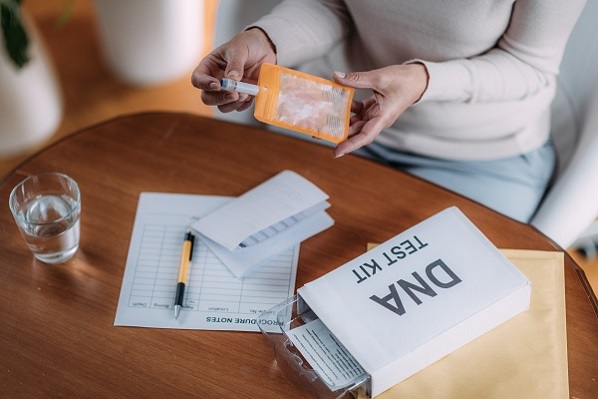
DNA health testing kits are widely available and can be done at home from gathering mouth swabs, hair samples, or blood samples. From a medical point of view, these home kits are said to be less reliable than the tests performed by healthcare professionals.

How Can A DNA Test Kit Help?

Some diseases are hereditary. Meaning, they can be passed on by your ancestors to you.

Genetic testing kits look for the presence of genetic markers that may signal vulnerabilities to specific health diseases. Known as single nucleotide polymorphisms or SNPs, these markers are anomalies in gene sequences, and could be a factor in determining your susceptibility to certain conditions.

By doing your research to find the best DNA ancestry and health test for your circumstances, you could potentially discover if you have any susceptibility to developing illnesses such as the following:

  1. Celiac disease- This is an autoimmune disease that targets a person’s small intestine tissues, and trigger abdominal pain and diarrhea. It’s said that up to 87% of the disease origin could be attributed to a person’s genetic make-up.
  2. Age-related macular degeneration (AMD)– Many Americans over the age of 60 suffer from this condition, which, as its name suggests, refers to the deterioration of the eye tissues tasked with transmitting images to the brain. This form of vision loss is said to affect about 200,000 individuals annually, according to the Macular Degeneration Foundation (MDF), who also said that those found with variations in specific genes responsible for this function have a 30% chance of getting AMD.
  3. Bipolar Disorder– According to the National Institutes for Health (NIH), up to 5.7 million Americans aged 18 and up suffer from bipolar disorder in a year. It’s believed that up to 93% of these cases are passed on by a person’s relative or ancestors. The Center for Genetics Education in Australia indicated that a person has 50% chances of developing bipolar disorder if both parents have the condition, and a 20% likelihood if only one parent is diagnosed with the disorder.
  4. Breast and Ovarian Cancer-Hollywood actress Angelina Jolie underwent a double mastectomy after a genetic testing result showed she had high chances of developing breast and ovarian cancer. Jolie has herself tested after her mother died of cancer years before. In test results, medical professionals look at the anomalies in BRCA (breast cancer) genes, which are tumor suppressors. Any mutation in BRCA genes could trigger cancer cell growth, and women with these mutations are up to five times more likely to develop breast cancer, and up to 40 times more susceptible to developing ovarian cancer. As the case for Jolie, DNA testing kits may help you prevent specific diseases from developing. If you’re aware of a personal vulnerability to diabetes for instance, this may help you create a healthier lifestyle to regulate blood sugar in your body.
  5. Parkinson’s disease-This neurodegenerative disease causes uncontrollable shaking, erratic balance and motor coordination problems. This disease typically affects persons over 50 years old, and gene mutations have been identified as a causative factor. An individual who has inherited a genetic mutation for this disease from either parent has 28% of developing it as well, as he or she ages.

Final Thoughts

DNA test kits are not a diagnostic device, and they’re not known for being highly accurate.

Although their use is still somewhat controversial, DNA testing could potentially be used to predict your susceptibility to serious hereditary illnesses – which can be very useful since most of these diseases do not show symptoms unless they’ve already developed.

15 Beauty Hacks That’ll Actually Make a Difference (From Someone Who’s Tried Everything)

0

So here’s something I wish someone had told me years ago: looking good doesn’t have to be complicated. Or expensive. Or time-consuming.

I spent my early twenties thinking I needed a 12-step Korean skincare routine, a personal trainer, and basically unlimited disposable income to look put-together. Spoiler alert: I was wrong. Dead wrong.

The truth? Most of us are just a few simple habits away from looking significantly better. And I’m not talking about those ridiculous beauty “hacks” where you’re supposed to mix honey with cinnamon and apply it during a full moon or whatever. I mean actual, practical things that work in the real world when you’re rushing to get ready for work and can barely remember if you locked the front door.

Let me share what I’ve learned through years of trial, error, and way too much money wasted on products that promised miracles and delivered… well, not miracles.

1. Your Teeth Situation is More Important Than You Think

I’m gonna start here because honestly? Your smile makes or breaks everything else you’ve got going on.

Last year I met up with this guy from a dating app. Nice profile, good conversation over text, seemed promising. Then we met in person and he smiled at me with what I can only describe as a full salad stuck in his teeth. Like, he’d clearly eaten lunch and just… never checked? I tried to focus on what he was saying but all I could think about was the spinach situation happening in his mouth.

Harsh? Maybe. But it’s reality. You can be wearing head-to-toe designer everything, but if your teeth look neglected, that’s all anyone’s gonna remember.

The Boring But Essential Stuff

You already know you’re supposed to brush twice a day. But are you actually doing it? And I don’t mean that half-asleep 30-second scrub while you’re scrolling TikTok with your other hand. I mean two full minutes of actual brushing.

Flossing is where it gets real though. I know, I know – it’s annoying, sometimes it makes your gums bleed, and you’re tired at night. But think about it this way: all that food stuck between your teeth is basically throwing a party for bacteria. Those bacteria are having the time of their lives turning into plaque, which hardens into tartar, which leads to cavities and gum disease. Not exactly the vibe we’re going for.

Level Up Your Dental Game

Regular toothpaste works fine, don’t get me wrong. But if you want to actually invest in your teeth – and considering they’re supposed to last you a lifetime, you probably should – look into luxury toothpaste formulas. The ones with vitamins and minerals that actually strengthen your enamel instead of just cleaning the surface.

Yeah, they cost more. But think about what you spend on coffee in a month and suddenly $15 toothpaste doesn’t seem that wild.

And listen, if you’ve got kids who hate brushing their teeth (or if you’re fighting them every night about it), get them a sonic toothbrush designed for kids. Game changer. They’ll actually want to brush because it feels cool, and you get to stop playing tooth-brushing police. Just remember to stock up on replacement heads – those bristles wear out faster than you’d think.

2. Stop Treating Your Skin Like It’s Indestructible

I used to be one of those people who thought moisturizer was only for people with “dry skin.” Then I hit 27 and my face suddenly felt like parchment paper. Funny how that works.

Here’s what nobody tells you when you’re young: your skin is constantly losing moisture. Heating in winter, AC in summer, hot showers, just existing in the world – it’s all sucking moisture out of your skin. And if you’re not actively putting it back in? Your skin’s gonna show it.

The Moisturizing Truth

Get a body lotion you actually like using and use it every day. Not just when you remember. Not just when your skin is visibly dry and flaky. Every. Single. Day.

Best time? Right after you shower while your skin’s still a little damp. That’s when it absorbs best. Takes two minutes tops, and I promise you’ll notice the difference within a week. Your skin will be softer, smoother, and you won’t have that weird reptilian texture thing happening on your legs.

Your Face Deserves Better Than Whatever You’re Currently Doing

Look, I’m not saying you need a 10-step routine with products that cost more than your monthly utility bill. But your face needs more attention than your body because the skin there is way more delicate and everyone’s looking at it all day.

Three things minimum: cleanser, moisturizer, sunscreen. That’s it. Everything else is optional upgrades.

A good face wash shouldn’t make your skin feel tight and squeaky. That “squeaky clean” feeling? That’s actually your skin screaming because you’ve stripped away all its natural oils. You want clean but comfortable.

Add an exfoliator maybe twice a week. This gets rid of dead skin cells that make you look dull and tired. But – and this is crucial – it needs to be gentle. Those harsh scrubs with big chunks can actually damage your skin. Chemical exfoliants (stuff with AHAs or BHAs) are usually better, even though “chemical” sounds scary.

Sunscreen is Non-Negotiable (Yeah, Even for You)

Real talk: I used to skip sunscreen constantly. I had every excuse. “I’m just running errands.” “It’s winter.” “I have melanin, I’m good.” All wrong, all stupid in hindsight.

UV damage is cumulative, which means every time you skip sunscreen, you’re adding to your lifetime total. And it’s not just about avoiding skin cancer (though that’s obviously important). Sun damage is literally the number one cause of premature aging.

Those wrinkles? Sun damage. Dark spots? Sun damage. Loss of elasticity? You guessed it – sun damage.

And before someone in the back says “but I have dark skin, I don’t need it” – nope. While melanin does provide some natural protection, it’s not sunscreen. Skin cancer rates are lower in people with darker skin, but when it does happen, it’s often caught later and is more serious. Plus, sun damage still causes hyperpigmentation and aging.

Find a sunscreen that doesn’t leave a white cast, feels good on your skin, and works under makeup. They exist now, thank god. Wear it every day. Yes, even when it’s cloudy. Yes, even in winter. Yes, even if you work indoors (windows exist).

3. Color Theory Isn’t Just for Artists

This might sound weird, but the colors you wear can completely change how people perceive your appearance.

I figured this out by accident. Bought a coral top on sale one time, wore it to brunch, and got stopped THREE TIMES by people saying I looked amazing. Meanwhile, I had this sage green shirt I absolutely loved that made me look like I was recovering from the flu every single time I wore it.

Turns out there’s actual science behind this. Certain colors complement your specific skin tone, hair color, and eye color better than others. It’s called color theory, and while it can get complicated, the basic concept is simple: some colors make you glow, others make you look washed out.

Figure Out What Works for You

You probably already have some intuition about this. Think about the clothes in your closet that always get compliments versus the ones that just hang there collecting dust. Usually there’s a color pattern.

But here’s the thing: we’re terrible judges of our own appearance sometimes. My suggestion? Do a little experiment. Try on different colored shirts (or just hold colored fabrics up to your face) and take photos in natural light. You’ll notice some colors make your skin look brighter, your eyes pop, everything just looks more alive. Those are your colors.

Or just straight-up ask people you trust. Not your mom who thinks you look beautiful in everything. I mean friends who will be honest. “Does this color actually look good on me or are you just being nice?” Show them options side by side.

Build Your Wardrobe Strategically

Once you know your winning colors, start buying more stuff in those shades. If you look killer in jewel tones, embrace it. Build your wardrobe around it. If earth tones are your thing, go there.

This doesn’t mean you can never wear other colors. I’m not gonna show up at your house and cite you for a fashion violation. But knowing your best colors gives you a foolproof strategy for those days when you need to look your absolute best. Job interview? First date? Important presentation? Wear your power colors and you’re already ahead.

4. Let’s Talk About Teeth Whitening (Because We All Want It)

So you’re brushing and flossing religiously, but your teeth still aren’t that dazzling white you see in toothpaste commercials. Welcome to being a normal human.

Most people don’t have naturally bright white teeth. And years of coffee (guilty), tea (also guilty), red wine (definitely guilty), and just living life will dull your teeth over time. It’s just what happens.

What used to annoy me was seeing everyone in magazines and commercials with these impossibly white smiles, like their teeth were glowing. Made me feel like my normal teeth were somehow deficient. But here’s the secret: those smiles often aren’t natural. They’re either veneers, professional whitening, or just good old photoshop.

Your Options for Getting Whiter Teeth

Professional whitening at your dentist’s office is the nuclear option. It’s fast, it’s effective, and it’s expensive. We’re talking a few hundred bucks, sometimes more. But if you want dramatic results quickly, that’s your best bet.

At-home whitening kits are where most of us end up, and honestly? They work pretty well if you’re patient. There are strips, trays with gel, whitening pens, LED light systems – the market is flooded with options.

The key is being consistent and not expecting miracles overnight. These things work gradually. Follow the directions (don’t just make it up as you go), use them as often as recommended, and give it time. You will see results, just not in three days.

Fair warning though: if you already have sensitive teeth, whitening can temporarily make that worse. Maybe start with every-other-day use instead of daily, and grab some toothpaste for sensitive teeth. Your teeth might feel a bit zingy during treatment, but it shouldn’t be painful.

Keep Your Smile Bright

Once you’ve whitened your teeth, you’ve gotta maintain it. This doesn’t mean giving up coffee (let’s be realistic), but maybe rinse your mouth with water after you drink it. Use a straw for stuff that stains. Do a touch-up whitening treatment every few months.

A bright smile is genuinely attractive. It makes you look more approachable, more confident, more put-together. And considering how much you use your smile, investing in it makes total sense.

5. Sleep is the Cheapest Beauty Treatment You’re Probably Skipping

I used to brag about running on 4-5 hours of sleep like it was some kind of achievement. “I’ll sleep when I’m dead,” I’d say, chugging my fourth coffee of the day. Then I looked at photos from that period and realized I looked like death warmed over.

Getting enough sleep isn’t just about feeling rested. It straight-up changes how you look.

What Lack of Sleep Does to Your Face

When you’re sleep-deprived, you look it. Dark circles under your eyes. Dull, lackluster skin. A generally exhausted vibe that no amount of concealer can fully hide.

But it goes beyond just looking tired. Sleep is when your body does repair work. Your skin cells regenerate faster while you sleep. Collagen production ramps up. Your skin is literally healing and maintaining itself overnight. Cut that process short and you’re preventing your skin from looking its best.

Plus, when you’re well-rested, you naturally look more positive and energetic. You smile more. Your eyes look brighter. You just give off better energy. People respond to that.

Actually Getting Better Sleep

Aim for 7-9 hours a night. Not “I’ll catch up on weekends” – your body doesn’t work that way. Consistent sleep schedule is what matters.

Set up a bedtime routine. Go to bed around the same time each night. Put your phone down at least 30 minutes before bed (I know, it’s hard, but doomscrolling is murdering your sleep quality). Make your bedroom actually good for sleeping – dark, cool, comfortable.

Having trouble falling asleep? Try the basics: no caffeine after 2pm, exercise regularly (but not right before bed), maybe some magnesium supplements. If you’re really struggling, talk to a doctor. Sleep is too important to just accept that you’re bad at it.

6. Your Scalp Situation is Secretly Affecting Your Hair

Nobody talks about this enough, but your scalp health directly impacts how your hair looks. You can dump money into expensive hair products, but if your scalp is clogged up, your hair’s never gonna look as good as it could.

Think about it: your hair grows from follicles in your scalp. If those follicles are clogged with oil, dead skin cells, and product buildup, your hair literally can’t grow properly. It’s like trying to grow plants in compacted soil – they’ll struggle.

Plus, a gross scalp leads to issues like dandruff, itchiness, and that feeling where your hair never really feels clean even right after washing. Not fun.

The Scalp Scrub Solution

Get yourself an exfoliating scalp scrub and use it once a week or every other week. It removes all the gunk that regular shampooing leaves behind.

The first time you use one, prepare to be amazed. Your scalp will feel clean in a way it probably hasn’t in years. And your hair will look noticeably better – shinier, fuller, just healthier overall.

Don’t overdo it though. Once or twice a week is plenty. Too much exfoliation can irritate your scalp and make things worse. Massage it in gently, let it sit for a minute, then rinse really thoroughly.

Will this magically give you twice as much hair? No. You’re limited by the follicles you have genetically. But it ensures those follicles are working at their best, producing the healthiest hair they can. And healthy hair looks fuller and better than damaged, struggling hair.

7. Drink More Water (Yes, This Again, But Actually Do It)

I know, I know. Every wellness person on the planet tells you to drink more water. It’s become such a cliché that people roll their eyes at it. But here’s the thing: most of us still aren’t doing it.

Dehydrated skin looks rough. It emphasizes fine lines, looks dull, and just has this tired quality to it. When you’re properly hydrated, your skin plumps up from the inside. It’s literally the difference between a grape and a raisin.

Keep a water bottle with you everywhere. Set phone reminders if you need to. Aim for about eight glasses a day, more if you’re exercising or it’s hot out. And no, your morning coffee doesn’t count. Sorry.

8. Moving Your Body Shows on Your Face

Regular exercise increases blood flow, which means more oxygen and nutrients getting delivered to your skin cells. This gives you that natural glow that people spend hundreds of dollars trying to achieve with highlighters and serums.

Plus exercise reduces stress, and stress absolutely destroys your appearance. Breakouts, dull skin, premature aging – stress contributes to all of it.

You don’t need to become a CrossFit enthusiast. Even just walking 30 minutes most days makes a noticeable difference. Find something you don’t hate so you’ll actually keep doing it.

9. Eyebrows Are Doing More Work Than You Realize

Well-groomed eyebrows make such a massive difference in how polished you look. They frame your entire face. Good brows can even make you look younger, more awake, more put-together.

Whether you pluck, wax, thread, or get them done professionally, maintaining your brow shape matters. If you’re unsure what shape suits your face, invest in one professional shaping session and then just maintain that shape yourself going forward.

Sparse brows? Don’t suffer. There are amazing brow pencils, powders, and gels out there that can fill them in naturally. A little definition goes a seriously long way.

10. Your Nails Say More Than You Think

You don’t need an Instagram-worthy manicure, but your nails should at least look clean and maintained. Ragged cuticles and chipped polish scream “I’ve given up,” even if the rest of you looks great.

Keep your nails trimmed to a reasonable length. Push back your cuticles (don’t cut them unless absolutely necessary). Either keep them polished or at least buffed so they look intentional.

It’s such a small thing but makes you look way more put-together. Takes like 10 minutes a week.

11. Stand Up Straight (Seriously, Right Now)

Posture changes everything about how you look. Stand up straight right this second and feel how different your entire body looks and feels.

Good posture makes you look more confident, slimmer, taller, more attractive. It’s an instant transformation that costs nothing.

Bad posture from hunching over computers and phones all day doesn’t just make you look worse now – it’s creating long-term problems that will definitely affect your appearance down the line.

Practice throughout the day. Set reminders. It feels weird at first but becomes natural.

12. Find a Scent That Becomes You

This might sound minor, but having a signature scent is powerful. People remember how you smell. Make sure it’s a good memory.

Find a perfume, body wash, or lotion that you love and that makes you feel confident. It doesn’t have to be expensive – just something pleasant that becomes associated with you.

And obviously, basic hygiene comes first. No amount of cologne will cover up not showering. Take care of the basics, then add your signature scent on top.

13. Your Stress is Written All Over Your Face

Chronic stress ages you faster than almost anything. It disrupts your sleep, causes breakouts, creates tension lines in your face, and makes you look perpetually exhausted and worried.

Find ways to actually manage your stress. Meditation, exercise, therapy, hobbies – whatever helps you decompress. This isn’t just wellness-influencer nonsense. Taking care of your mental health is one of the most effective beauty treatments out there.

14. That Hairstyle From High School? Maybe It’s Time

The hairstyle you’ve had since you were 17 might need an update. Hair trends evolve, and more importantly, different styles suit different life stages.

Consult with a good stylist every few years. Sometimes just changing your part or adding some layers makes a huge difference. You don’t need to follow every trend, but a refresh can do wonders.

15. Consistency Beats Perfection Every Time

Here’s the real secret nobody wants to hear: doing basic maintenance consistently beats fancy treatments you do occasionally.

Daily teeth brushing beats sporadic whitening treatments. Daily sunscreen beats expensive anti-aging creams used inconsistently. Regular sleep beats under-eye creams.

Build simple routines you can actually maintain. Start small – add one habit at a time. Once it becomes automatic, add another. That’s how real transformation happens.

The Bigger Picture (Getting Real for a Second)

Look, all these beauty hacks are great and they genuinely work. But I’d be lying if I said they’re the whole story.

If you’re miserable, exhausted, stressed out, or not taking care of your mental health, it shows. You can have perfect skin, white teeth, and a closet full of your best colors, but if you’re unhappy, people will sense that too.

The most attractive thing about anyone is confidence and genuine happiness. When you feel good about yourself, when you’re comfortable in your own skin, when you’re taking care of yourself mentally and physically – that radiates outward in ways no product can replicate.

Make It Personal

Everyone’s different. What works for me might not work for you. The trick is figuring out what makes you feel confident and attractive, then building sustainable habits around that.

Start with the universal basics: dental care, skin care, sleep, water. Then customize based on your specific needs. Maybe your hair needs extra attention. Maybe skin is your main concern. Maybe you just need to prioritize sleep above everything else.

Only you know what will make the biggest difference for you. Listen to your body, pay attention to what actually works, and build from there.

The Patience Game

Most people fail because they expect instant results. They try everything for a week, see no dramatic transformation, and quit.

Don’t be that person. Real change takes time. Skin cycles take about a month. Teeth whitening needs weeks of consistent use. Hair growth takes months.

Take photos when you start so you can track changes. When you see yourself every day, you don’t notice gradual improvements. But compare photos from a month ago and you’ll see the difference.

Cut Yourself Some Slack

You’re gonna mess up. You’ll sleep in your makeup sometimes. You’ll forget to floss. You’ll skip your skincare routine. You’re human.

Don’t spiral into self-criticism over it. Just pick back up the next day. One missed day doesn’t undo weeks of good habits. Progress, not perfection, remember?

Bottom Line: You’re Worth the Effort

Taking care of how you look isn’t shallow. It’s self-respect. It’s acknowledging that you deserve to feel good about yourself. It’s a form of self-care that has real, tangible benefits in how you feel every single day.

These beauty hacks aren’t about becoming someone else or meeting some impossible standard. They’re about being your best self – healthy, confident, comfortable.

Start small. Pick two or three things from this list that resonate most with you. Commit to them for a month. Once those feel natural, add more. Before you know it, you’ll have built a routine that actually works for your life.

Because honestly? When you look in the mirror and genuinely like what you see, everything else gets a little bit easier. Your confidence improves. Your mood lifts. You show up differently in the world.

And that’s really what all this is about.

Want To Become A Health Coach? Follow These 5 Steps

Based on the current rising rates of chronic diseases throughout the world, the need for health coaches is rising as well. It’s expected that the growth of the health coaching profession would be 16% in the next decade, according to the Bureau of Labor Statistics.

A dynamic collaboration focusing on enhancing knowledge and capacity for change, and inspiring individuals to embrace healthy habits, is what health coaching is all about. If you want to pursue this noble career, here are the things you need to consider:

1. Earn A Degree Or Certification In Health Coaching

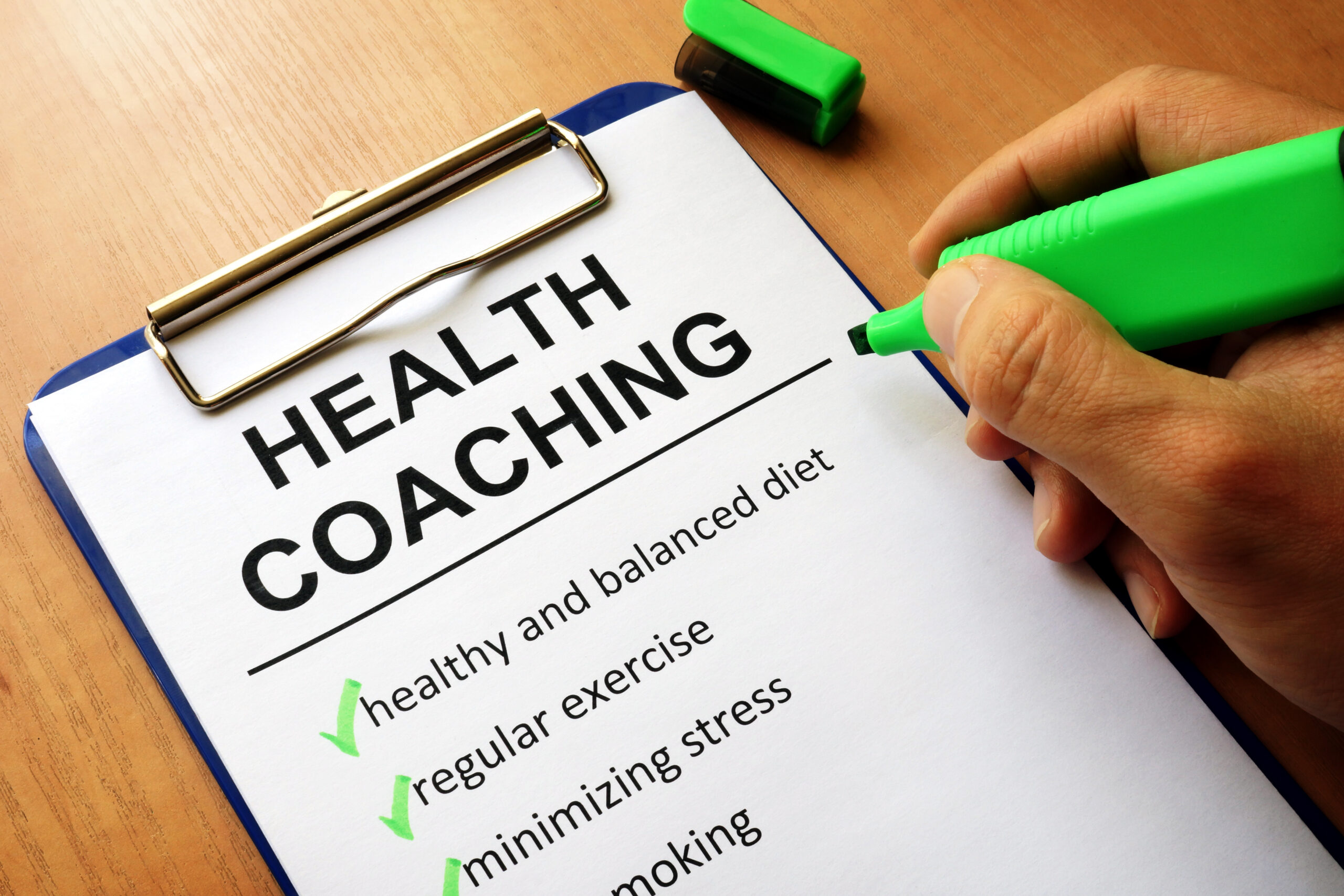
Clipboard with health coaching list. Healthy living concept.

To become a qualified health coach, one needs to attain a certain level of education or certification. These major employer health coaching organizations, such as insurance businesses and weight loss centers, are in the business of hiring health coaches who have college training.

You may have a bachelor’s degree in the health sciences or a related field. Some businesses may prefer applicants with formal schooling or training background in behavioral therapy, nursing, dietetics, or geriatrics.

If you have no college degree related to health coaching, many programs offer a health coach certification. It’s essential to find out which programs offer the most appropriate training for you.

Don’t choose a program just because it’s cheap. Make sure the certificate offered after passing the exam is worthy of your education and training. Another important consideration is making sure the school or training center you choose is properly accredited. As there are many fake schools out there, it’s always preferable to go for a school with a good reputation.

2. Define Your Specialty In Health Coaching

Even if you’re an expert in the health coaching field, you can’t be everything to everyone. Concentrating your health coaching practice on a single specialty can make it simpler to connect with customers who are suitable for your services.

Becoming a health coach specialist may assist you in acquiring the information and skills necessary to advance your expertise and business. There is a variety of specialized programs in conjunction with health industries. You can choose your specialty in health coaching by gaining expertise in fitness nutrition, behavior change, senior fitness, weight management, sports therapy, and others.

3. Gain Health Coaching Work Experience

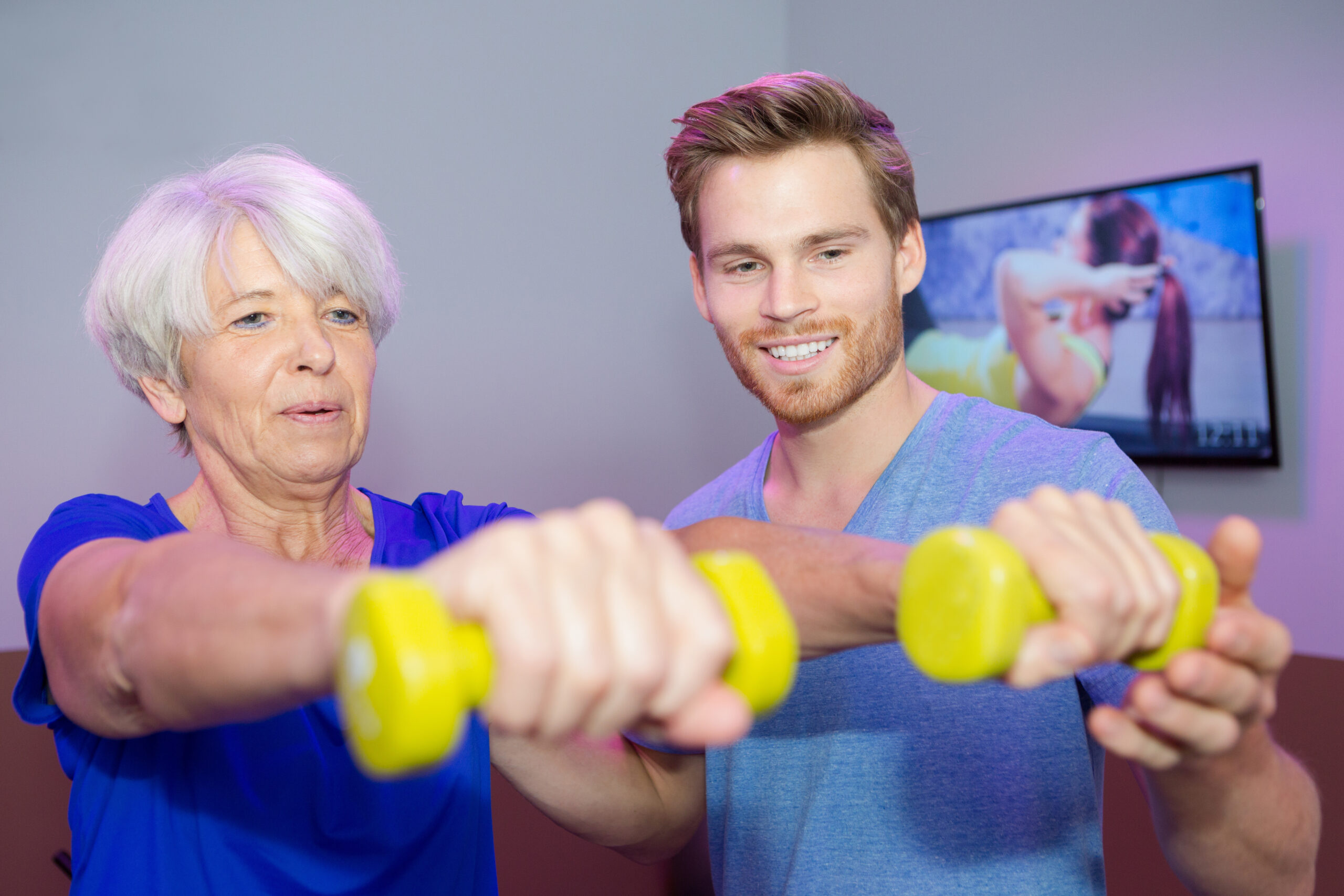
male coach with senior woman with dumbbells

According to the US Bureau of Labor Statistics, 99,400 health educators and community health professionals were employed nationally in 2012, including health coaches. By 2022, this employment level is expected to expand to 120,800, a rise of 21%. According to these figures, these health occupations are increasing faster than the average for all occupations.

You can gain your work experience in hospitals, fitness centers, state and local government, vocational rehabilitation centers, and many industries looking for health coaches.

4. Maintain Your Health Coaching Certification

If you’ve decided that continuing education is essential for you to stay on top of your career, or if you want to brush up on a few skills that you haven’t mastered, learning how to maintain your health coaching certification and studying to pass the necessary exams are ways to make sure you get it. It can also help you stand out among your peers in a competitive field.

For example, ACE certified health coach professionals (and others in the business) are obliged to complete 20 hours of continuing education credits (2.0 CECs) every two years to assure their health coach professional development and maintain high standards. By establishing and implementing this standard, they can demonstrate that experts continually improve their ability to assist individuals in changing safely and effectively.

5. Improve Your Communication and Leadership Skills

You should know how to develop your skills as a health coach through having good communication skills. If you want to give good quality service in this field, you must make sure you can effectively communicate with your clients. Communication skills are one of the foundations of any discipline. They’re essential when it comes to becoming a good health adviser.

Aside from communication skills, you must also develop leadership skills. This is perhaps one of the most important things you need to know when you decide to become a health coach.

Leadership skills play a very important role in ensuring you’re always successful in your career. Suppose you want to become a health coach. In that case, you must also make sure you have a strong foundation in health counseling and behavioral management. This results in you maximizing your potential in your career.

Takeaway

The goal of an effective health coach is to assist others in living their best lives by helping them in achieving their goals, whether these are things like weight loss or life-enhancing exercise routines. Pursuing a health coach career is rewarding, yet you need to have enough determination and patience in your pursuit of being the best health coach you can be.

How can I make a homemade spa at home?

0

Home spas are an easy alternative to visiting the local spa for some pampering. Most people love to take time out of their busy lives and treat themselves to relaxation. Making a homemade spa has never been easier! Here is a list of items you can use to create your oasis at home:

·  Epsom salt – Great for sore muscles, it also helps remove toxins from the body by drawing them out through your skin. Add this into warm bath water for a soothing soak.

·  Essential oils – Lavender or peppermint oil will relax you as well as give off a pleasant scent as they release from the steaming water.

·  Aloe vera – This can be used to soothe skin irritations such as sunburns, poison ivy, and eczema.

·  Milk and honey – Who doesn’t like a warm milk bath? Mix this with love for an extra moisturizing effect. This mixture will also help revitalize dry, dull skin along with drawing out impurities from the pores.

There are many other things you can add to your homemade spa treatment, such as candles, cucumber slices over the eyes (to reduce puffiness), essential oils (orange or lavender) in a scent machine/diffuser, or music of your choice to enjoy while you relax.

How do I make our at-home spa?

·  All you need is a little creativity and the ability to relax! Find an area in your home where you can set up a private oasis.

·  Try adding different treatments such as exfoliating scrubs with salt or sugar, detoxifying tea baths, or aromatherapy (lavender or peppermint oil).

·  Create your paradise by lighting candles around the room and playing soothing music.

·  Relax in your tub and add your favorite essential oils for a sense of aroma.

I love my homemade spa.

What is the best homemade treatment?

·  Everyone loves to relax in their private oasis, but only you know what treatments will satisfy your desires. Here are some different types of treatments:

o Soothing and relaxing hot baths with Epsom salt and Aloe vera.

And o Detoxifying tea bath with detoxifying herbs such as green or black tea or chamomile.

o Bath salts made from Dead Sea salt to help rejuvenate dry skin.

o Air-purifying room spray consisting of lavender oil, peppermint oil, and tea tree oil to help purify the air.

o Orange, cucumber, or rosemary scrub for refreshing skin

·  The choices are endless! Think about what you would like to put into your spa treatment and come up with a recipe.

Homemade lavender spa set at home

Lavender is an herb that has been used for centuries, with most people choosing to use it as a calming agent. Many claim that the smell of lavender alone can help them relax and provide relief from stress, anxiety, and depression. The essential oil produced by this plant is trendy in massage oils because it is said to increase relaxation and even sleep quality.

Today’s article will focus on homemade lavender spa sets, which you can easily make yourself. A lot of women love these kinds of products because they are one-of-a-kind. Also, since they are not mass-produced like commercial products, buyers know they are getting high-quality goods made with only the finest ingredients.

Chemical-free

The lavender spa sets that you get from this site are all-natural. This means that the essential oils and other ingredients used to make them come right from mother nature. The end products are truly beneficial for not only your body but also the environment. They are free of fillers, chemicals, and additives in their purest forms.

Lavender bath salts

For DIY enthusiasts, making your own lavender bath salts is probably one of the best options. To make these goodies at home, all you need is Epsom salt (magnesium sulfate), coarse sea salt (sodium chloride), dried culinary lavender flowers, which can be purchased online or at organic stores, food coloring (optional) if you prefer your salts tinted, and glass containers like Ball jars.

The best part is that the lavender bath salts are reusable. They can be used up to two times, after which you can refill your containers with a new batch.

If you desire the benefits of lavender but lack time to make your homemade products, purchasing these items from this website is an excellent solution. They will give you value for your money because they contain pure ingredients in the purest forms.

Homemade Spa Luxetique

Home spa kits are available through mail-order catalogs or spa stores specializing in natural products. They are easy to assemble by following the directions. Most home spas are made from fiberglass, which is non-porous and easy to disinfect for healthy skin conditions. Kits typically include a built-in control panel with adjustable jet pressure or massage jets, an inflatable headrest, insulation panels for noise reduction, and aromatherapy space heaters that offer gentle warmth in cooler climates. Other features may include aroma lights, heat lamps, bubble blowers, air filters, water purifiers, foot baths, and even extra deep spa tubs for taller people or growing children.

Discover How Wedding Guests Can Show Up in Style Not Upstaging the Bride

0

Weddings: we all have to attend them sometimes—maybe a lot more often than just sometimes, and more like every weekend for a season or two. When you reach a certain stage in life, suddenly it seems like everyone you know is getting married and you’re invited to all of them. But it’s all part of being a supportive person who gets to participate in celebrating your favorite people as they start a new chapter of their lives. It’s a great indicator of what a good friend you are to receive so many invitations, but that also means you need to have clothes to wear to all those events. And you can probably expect to see a lot of the same people at each wedding if you run in the same friendship circles, which means you can’t just repeat the same “guest of the bride/groom” outfit every time.

You need wedding guest dresses that show off your personality and make you feel like you’re going to a fun and exciting event in order to prevent wedding guest monotony. Usually the way to avoid feeling a sense of sameness from all the weddings you’re attending is by wearing something stylish and bold. But can you wear a stand-out outfit to a wedding when you’re not the bride? You don’t really want to command all the attention, now do you? Since upstaging the bride is a super uncool faux pas that’s not on your agenda, let’s go over what you can safely wear (and what you should never wear) to a wedding as a guest.

You Can Wear Bright Colors

Weddings are meant to be colorful occasions, so you don’t have to feel bad about showing up to the ceremony decked out in a bright pattern, print, or shade. Because white is the most attention-grabbing color at weddings, and only the bride wears it, the more vibrant and colorful your outfit, the more the bride stands out. It’s a win-win situation. You get to be your fully stylish self in a color you feel gorgeous in, and you’re still helping your lovely friend the bride be the stunning center of attention.

Reformation’s Buttercup Dress in Cherry.

Reformation’s Buttercup Dress in Cherry

Reformation’s Marguerite Dress in Flambe.

Reformation’s Marguerite Dress in Flambe.

Bold Patterns Are Fine

The same rule applies to bold patterns. You don’t see the bride showing up in a zebra-print dress, so that area of attire is all for the guests (although it could happen, in which case conventional wedding attire rules are probably already thrown out the window). Try to stick to cheery patterns for spring and summer weddings, and deeper jewel tones for winter and fall weddings. Think of it this way: you’re probably going to show up in the married couple’s wedding photos which they will treasure forever, so it’s always kind to wear something that fits into their wedding’s theme and season.

Reformation’s Tivoli Dress in Black/Perfume

Reformation’s Tivoli Dress in Black/Perfume

Reformation’s Jasen Dress in Forest

Reformation’s Jasen Dress in Forest

Reformation’s Veria Dress in Tarragon

Reformation’s Veria Dress in Tarragon

Don’t Wear White

Never wear white to a wedding unless the invitation explicitly says to. Even off-white is a no-no. When it comes to subtle shade differences in the beige-y category, use your best judgment. If it could be worn as a wedding dress or as the bride’s bridal shower dress, it’s a no. If it could be worn as a bridesmaid dress, on the other hand, that’s perfectly fine. Here are a few neutral colored dresses that would be fine to wear to a wedding.

Reformation’s Emersyn Dress in Champagne

Reformation’s Emersyn Dress in Champagne

Reformation’s Rudi Dress in Sweet Pea

Reformation’s Rudi Dress in Sweet Pea

Reformation’s Winslow Dress in Blush

Reformation’s Winslow Dress in Blush

Go for Mini or Maxi Length Dresses

There’s no rule on length for wedding guests’ dresses. Mini, maxi, and midi length dresses are all adorable and should be worn to all those weddings you’re attending. The only factor you need to consider is the weather, so you can stay comfortable throughout the ceremony and reception. And of course, you should also definitely be thinking about the dancing you’ll be doing at said reception. Twirlable dresses encouraged.

Reformation’s Twilight Dress in Toile De Jouy

Reformation’s Twilight Dress in Toile De Jouy


Reformation’s Kastoria Dress in Lucca

Pants Are Great Too

Pants are also A-okay for wedding guests. You’re not limited to wearing a dress at every wedding. Pantsuits sound like a great idea, as do jumpsuits and rompers.

Reformation’s Kinsale Set in Black

Reformation’s Kinsale Set in Black

Takeaway

It’s a big role, being a wedding guest. You have to find something to wear to each of the many weddings you’re invited to, and while you want to be your bold authentic self, you definitely don’t want to upstage the bride on her momentous day. Walking the line between wearing something eye-catching that makes you feel confident and not taking attention away from the bride doesn’t have to be tricky if you follow some simple guidelines. Don’t forget to have a little fun at all the weddings too, as you celebrate your best friends’ marriages.

How to Make Your Morning Better

Morning makes up an integral part of the day. Therefore, how you start your morning will determine how productive your day will be. If you love to wake up and go straight online to see what people have posted on their social media and generally browse through the internet, then you may want to reconsider. 

Generally, when you start your day browsing social media, you wind up unmotivated to achieve anything substantial during the day. Moreover, you’ll be tempted to take a peek at the social media after every 20 minutes during your working hours.

To make your morning a fun start to your day, follow these simple routines.

1. Get Adequate Sleep

The amount of sleep you get contributes to how r morning and day will be. Make sure you get a minimum of 4-6 hours of sleep. When your body is well-rested, you will not have a hard time waking up in the morning. So, if you are an early person that likes to hit the gym in the morning, then sleeping between 11 pm and 1 am should work for you. 

Essentially, when you get adequate sleep, your brain has time to rest and prepare for any tasks that you may have ahead. Moreover, you will find yourself energized. You may want to skip evening coffee if you want to give your brain the needed time to re-organize and prepare for handling your impending duties.

2. Start the Day With Positive Affirmation

No one wakes up every day with the much-needed enthusiasm to handle the tasks ahead. There are times when we just feel too exhausted to even get out of bed, or simply too unmotivated for the day. 

However, when you have mastered the art of morning positive affirmations, you are one step ahead. It essentially prepares the brain for the day by speaking to yourself towards achieving the day’s goals. 

To get you started, you need a bathroom mirror. If you do not have any, invest in bathroom cabinets with mirrors. They will serve more than one purpose.  All you need to do is stand in front of the mirror and speak positively to yourself.  It has been known to have an amazing effect. You always feel ready to take up your day’s duties as if you were never off.

3. Spread Your Bed Immediately You Get out Bed

Although some may say that you can always get back to bed after you made your bed, the truth is the chances are low. So, when you wake up, do not leave your bed undone. It’ll take you roughly 5-10 minutes, but once you are done, you have already conditioned your brain that you are set for the day. 

You should also make it a habit to do this daily. When that is coupled with a specific wakeup time, you’ll have trained your brain to that particular habit at that specific time and it’ll make your mornings significantly easier to get out of bed.

4. Never Hit the Snooze Button

If you are accustomed to this, then you should consider stopping. Naturally, when your alarm goes off, you wake up. So hitting the snooze button to get 5 more minutes of sleep does not help. This is because the brain is not trained to take such short naps, and the extension only ends up making you more tired rather than being rejuvenated.

So instead of hitting the snooze button, train yourself to wake up as your alarm goes off or simply 5 minutes earlier to give your body time to get accustomed before you jump off the bed.

5. Incorporate Exercise into Your Morning Routine

Exercising is good for your body. Whether as an athlete or not, keeping your body in shape saves you from numerous health risks. So, if you hate exercising, start with simple stretches every morning. You’ll be amazed at how it’ll transform your day. If you are a hardcore trainer,  hit the gym in teh morning. Your day will be energized and you’ll be taking care of your body.

6. Ditch Morning Coffee for a Healthier Breakfast


If you need coffee to feel energized and for your brain to be functional, then that’s a habit you should quit. You need to train your brain to be functional without the help of caffeine. So, ditch your dependence on morning coffee and start taking a healthier breakfast. A clean and  comfortable kitchen environment plays an important role in your insistence on making breakfast. Enjoy the process of making breakfast in the kitchen like OPPOLIA kitchen and slowly wake up your body. It’ll take time, but you’ll stop getting cranky in the morning when you don’t drink coffee.

The Bottom Line

The above-mentioned routines are simple routines that you can follow to turn your dragging mornings into happy and enthusiastic ones. Of course, it’ll take some time to get accustomed to but eventually, you’ll get the results. Give it a shot!

9 Ways to Style Trousers for Every Occasion: A Woman’s Guide

0

I Used to Think Trousers Were Boring (I Was Wrong)

Okay so I used to think trousers were just… work pants. Like, you wear them to the office and that’s it. They were boring. Uncomfortable. Not cute.

Then I figured out I was just styling them wrong. Like completely wrong.

Once I learned how to actually style trousers, everything changed. Suddenly I had outfits for literally everything. Work, dates, weekends, fancy stuff. All from the same few pairs of pants.

9 ways to style trousers for every occasion isn’t just a title. It’s real. You can actually do this.

If you’re stuck in a jeans-and-t-shirt rut, this article is for you. I’m going to show you exactly how I style trousers now and why it works.

Why Trousers Are Actually Amazing (Once You Know What You’re Doing)

Here’s the thing about trousers—people think they’re limited. They’re not.

Trousers are basically a blank canvas. You can dress them up, dress them down, make them casual, make them fancy. It all depends on what you pair them with.

The problem is most people only know one way to wear them. And that way is usually boring.

But when you know 9 ways to style trousers for every occasion, you realize you don’t need a million pairs of pants. You need like 2-3 good pairs and the knowledge to style them differently.

That’s what I’m sharing here. Real ways to wear trousers that actually look good. Not runway stuff. Real life stuff.

1. Casual Weekend Vibes (Yes, Trousers Can Be Casual)

Okay so this is my favorite way to wear trousers when I’m just hanging out.

What trousers: Wide-leg linen trousers or cotton chinos. Something relaxed. Not tight.

What to wear with it: A simple white t-shirt. Maybe a little oversized. Tucked in just a bit in the front.

Shoes: White sneakers. Clean ones. Not your gym shoes.

Accessories: Minimal. Maybe some small gold hoops. A crossbody bag.

Why it works: The trousers elevate the t-shirt. The t-shirt keeps it casual. It’s that simple balance.

Real talk: I wear this to brunch, to the farmer’s market, to coffee with friends. It’s comfortable but looks put together. People think I tried harder than I did.

Pro tip: Roll the hem of your trousers a tiny bit. Like one roll. Shows your ankles. Makes it look intentional.

2. Office Professional (But Not Boring)

This is the obvious one but let’s make it not boring.

What trousers: Tailored straight-leg trousers. Navy, black, or charcoal.

What to wear with it: A silk blouse. Not a button-down. Something with a little drape. Tucked in fully.

Shoes: Pointed-toe flats or low heels. Something polished.

Accessories: Simple necklace. Watch. Structured tote bag.

Why it works: The silk blouse makes it look expensive. The tailored trousers make it look professional. Together it’s polished but not stuffy.

Real talk: I used to wear button-downs with trousers to work. Looked like I was wearing a uniform. The silk blouse changed everything. Suddenly I looked like I had style.

Pro tip: If your office is more casual, swap the silk blouse for a nice sweater. Still works.

  1. Date Night (Trousers Can Be Sexy)

Okay so trousers on a date? Absolutely. You just have to style them right.

What trousers: High-waisted, wide-leg trousers in a luxe fabric. Maybe satin or a nice wool blend.

What to wear with it: A fitted camisole or bodysuit. Something that shows your shape on top since the trousers are flowy.

Shoes: Strappy heels. The higher the better.

Accessories: Statement earrings. Clutch bag. Red lipstick if you’re feeling it.

Why it works: The contrast between the flowy trousers and fitted top is flattering. The heels make your legs look longer. It’s sophisticated but still sexy.

Real talk: I wore this on a date last month. He literally said “you look amazing.” Trousers. On a date. It works.

Pro tip: Make sure your trousers are high-waisted. It defines your waist and makes the whole outfit work.

  1. Formal Event (Trousers Over Dresses)

Sometimes you just don’t want to wear a dress to a fancy thing. Trousers work.

What trousers: Wide-leg trousers in a dressy fabric. Satin, silk, or a really nice crepe.

What to wear with it: A fancy blouse. Something with details—ruffles, beading, interesting sleeves. Tucked in.

Shoes: Heeled sandals. Something dressy.

Accessories: Statement jewelry. Clutch. Updo or sleek hair.

Why it works: The dressy trousers plus fancy blouse equals formal outfit. It’s unexpected and chic.

Real talk: I wore trousers to a wedding last year. Got so many compliments. People were like “I wish I’d worn trousers.” You can be the person who does it first.

Pro tip: Make sure your trousers are floor-length or just above the floor. Shorter trousers look casual, not formal.

  1. Summer Styling (When It’s Hot But You Don’t Want Shorts)

Trousers in summer? Yes. You just need the right ones and the right styling.

What trousers: Lightweight linen trousers or cotton trousers. Light colors—white, beige, light blue.

What to wear with it: A tank top or sleeveless blouse. Linen or cotton. Something breathable.

Shoes: Sandals. Flat or low heel. Open-toe.

Accessories: Straw bag. Sunglasses. Minimal jewelry.

Why it works: Light colors reflect heat. Lightweight fabrics breathe. You look put together but not overheated.

Real talk: I wear linen trousers all summer. They’re cooler than jeans. And they look way more stylish than shorts.

Pro tip: If you’re worried about white trousers being see-through, wear nude underwear. Not white. Nude disappears.

  1. Winter Layering (Stay Warm, Look Good)

Trousers work in winter too. You just layer them right.

What trousers: Wool trousers or heavier fabric. Dark colors.

What to wear with it: A turtleneck sweater. Tucked in or not, depending on the fit.

Layer: Add a blazer or coat on top. Long coat looks amazing with trousers.

Shoes: Ankle boots. Maybe with a heel.

Accessories: Scarf. Gloves if it’s really cold. Structured bag.

Why it works: Wool trousers are warm. The turtleneck keeps you cozy. The layers look intentional and stylish.

Real talk: I wear this all winter. It’s warm. It’s professional. It works for everything from work to dinner.

Pro tip: Make sure your trousers are long enough to cover your ankles when you sit. Cold ankles ruin the whole thing.

  1. Travel Outfit (Comfortable But Not Sloppy)

When you’re traveling, you want to be comfortable but still look decent. Trousers are perfect.

What trousers: Stretchy, comfortable trousers. Maybe ponte or a stretch cotton blend.

What to wear with it: A comfortable t-shirt or sweater. Something soft.

Layer: A cardigan or jacket you can take on and off.

Shoes: Slip-on sneakers or comfortable flats. Easy to get through security.

Accessories: Backpack or crossbody bag. Scarf (doubles as a blanket on the plane).

Why it works: Stretchy trousers feel like leggings but look like real pants. You’re comfortable but you don’t look like you just rolled out of bed.

Real talk: I wore this on a 6-hour flight. Comfortable the whole time. Didn’t look like a mess when I landed.

Pro tip: Dark colors hide wrinkles and spills. Travel in dark trousers.

  1. Brunch with Friends (Casual But Cute)

Brunch is that weird in-between. Not super casual, not super fancy. Trousers work perfectly.

What trousers: Cropped trousers or ankle-length trousers. Fun color or pattern if you’re feeling it.

What to wear with it: A cute blouse or nice t-shirt. Maybe with a print.

Shoes: Mules or loafers. Something easy to slip on.

Accessories: Fun earrings. Crossbody bag. Sunglasses on your head.

Why it works: Cropped trousers look intentional and stylish. The whole outfit says “I tried but not too hard.”

Real talk: This is my go-to brunch outfit. Looks good in photos. Comfortable enough to eat a lot.

Pro tip: If you wear patterned trousers, keep the top simple. Let the trousers be the star.

  1. Evening Drinks (After Work But Before Bed)

You know that thing where you go straight from work to drinks? Trousers make that easy.

What trousers: The same trousers you wore to work (if they’re nice). Or change into slightly dressier ones.

What to wear with it: Keep your work top but add a statement necklace. Or swap the top for something slightly sexier.

Shoes: Change into heels if you were wearing flats. Or keep your work heels.

Accessories: Add a bold lip. Maybe swap your work bag for a clutch.

Why it works: Trousers are versatile. With a few accessory changes, you go from office to bar.

Real talk: I do this all the time. I keep a pair of heels and a bold lipstick in my bag. Swap those and I’m ready for drinks.

Pro tip: If your work trousers are basic (black, navy), you can style them a million ways. That’s why they’re worth investing in.

Common Questions About Styling Trousers

What if I’m short? Can I wear trousers?

Yes. Just make sure they’re the right length. Cropped trousers can make you look taller. High-waisted helps too. Avoid super wide-leg if you’re very petite.

What if I’m plus size?

Trousers look amazing on plus size bodies. High-waisted is your friend. Wide-leg is flattering. Just make sure they fit well in the waist.

How many pairs of trousers do I actually need?

Like 2-3 good pairs. One black, one navy, one fun color or pattern. That’s enough to create all these looks.

Are trousers better than jeans?

Depends on the occasion. Trousers are more versatile for dressing up. Jeans are more casual. You need both.

What shoes work with trousers?

Everything. Sneakers, flats, heels, boots, sandals. It depends on the look you’re going for. That’s the point of this article.

My Actual Trousers Collection (What I Actually Own)

Okay so people always ask what trousers I actually have. Here’s my real collection:

Black straight-leg trousers: My workhorses. I wear these to work, to dates, to drinks. Everything.

Navy wide-leg trousers: For when I want to look a bit more fashion-forward.

Beige linen trousers: Summer staple. I wear these constantly when it’s hot.

Gray cropped trousers: For casual weekends and brunch.

That’s it. Four pairs. And I can create all nine of these looks with just these four.

Pro tip: Invest in good ones. Cheap trousers look cheap. Good ones last years.

The Real Deal About Styling Trousers

Here’s what 9 ways to style trousers for every occasion actually means:

You don’t need a million pairs. You need a few good ones and the knowledge to style them.

Trousers are versatile. They work for everything from grocery shopping to weddings.

The styling matters more than the trousers. Same trousers, different top, different occasion.

Fit is everything. Ill-fitting trousers look bad no matter what you pair them with.

Confidence is key. If you feel good in them, you’ll look good in them.

Trousers changed my wardrobe. They can change yours too.

5 Diets Backed by Science (Not Just Hype)

0

I Fell for the Hype (Then I Actually Did Research)

Okay so have you ever heard about a potential breakthrough in diet and nutritional science? And then realized when you looked at the evidence that it was just… hype?

Yeah. Me too. A lot.

The media and the diet industry love to sell you dreams. New “revolutionary” diets pop up constantly. Everyone claims theirs is the one. It’s exhausting.

But here’s the thing—many of us who follow the world of dietary health have learned the hard way. Not all of it is nonsense though. Actually, there are many popular diets now that, when followed correctly, have real scientific evidence backing them up.

Researchers actually have a pretty good understanding of how to eat for weight loss, for heart health, or for developing an IBS meal plan that won’t leave you with another stomachache.

The 5 diets backed by science we’ll discuss here all have solid research backing them up. Real research. Not marketing nonsense.

And while no diet is right for everyone, each of these has something to offer people with particular health and dietary needs.

Let me break down the ones that actually work.

1. Mediterranean Diet (The Time-Tested Classic)

Okay so this one’s been around forever. And that’s because it actually works.

What you eat:

  • Fruits and veggies (lots)

  • Seafood (lean proteins)

  • Nuts (healthy fats)

  • Whole grains

  • Olive oil

What you avoid:

  • Processed foods (basically)

  • Added sugar

  • Refined grains

  • Junk

Why it’s legit: The Mediterranean diet is one of the best-studied and most popular diets around. It’s based on the traditional diet of European countries like Italy and Greece. They emphasize whole, fresh foods and lean proteins.

What research shows:

  • Lower risks of stroke

  • Reduced heart disease

  • Better Alzheimer’s prevention

  • Lower diabetes risk

Real talk: I tried this one. Didn’t feel like a diet. Just felt like eating good food. That’s the point.

The unique part: For people used to regimented diets, this is different. There’s no one right way to do it. Most Mediterranean eating plans don’t emphasize calorie counting or strict portioning.

Why that matters:

  • More appealing for normal people

  • You adjust eating patterns (not rigid)

  • Not a specific daily diet plan

  • Lots of veggie options (great for non-carnivores)

Pro tip: This diet is about lifestyle, not rules. That’s why it sticks.

2. Low Carb Diet (For Weight Loss)

Okay so processed carbohydrates are basically everywhere. And they’re a major contributor to obesity in Western countries.

What you eat:

  • Meats (lean proteins)

  • Fruit and veggies

  • Legumes

  • Dairy

What you avoid:

  • Bread

  • Pasta

  • Cereal

  • Added sugar (basically)

Why it works: Experiments have demonstrated that diets low in processed carbohydrates offer an effective way to lose weight when properly implemented.

Real talk: I lost 15 lbs on low-carb. It was real. Took discipline but results showed.

Here’s the thing though: Low carb diets have been around forever. They exist in many forms.

Popular versions:

  • Keto diet

  • Paleo diet

  • Atkins diet

  • Each has its own pros and cons

They can combine with other approaches: Low carb Mediterranean diet exists. People do it.

Real warning: As with any diet, long-term success on a low carb diet depends on a paradigm shift toward choosing healthier foods. Not just eliminating certain low-value ones. That’s key.

Pro tip: Don’t just remove carbs. Replace them with healthy stuff.

3. Low-FODMAP Diet (For Digestive Issues)

Okay so this one’s different. It’s designed specifically for people with irritable bowel syndrome (IBS) or other types of inflammatory bowel disease (IBD).

First—what is FODMAP? This wordy acronym refers to a specific kind of fermentable sugars. They’re found everywhere in our food.

Where they hide:

  • Onions

  • Garlic

  • Wheat

  • Milk

  • Tons of other stuff

Here’s the problem: These compounds often cause digestive problems for IBS sufferers. That’s why a low-FODMAP diet is standard for fighting IBS.

What you eat:

  • Most fruits and vegetables (not all)

  • Lean meats

  • Rice

  • Non-dairy milk

What you avoid:

  • Onions (big one)

  • Garlic (big one)

  • Most dairy

  • High fructose corn syrup

  • Some fruits and vegetables (depends which)

What science says: A 2016 literature review found that “the evidence to date strongly supports the efficacy of a low-FODMAP diet in the treatment of IBS.” Another 2018 study found that a low-FODMAP diet outperformed general dietary advice in reducing symptoms for IBS sufferers.

Real talk: I know people with IBS. This helped them. Actually helped them. No magic but real relief.

The challenge: These diets can be difficult to follow due to the many restricted foods. But many low-FODMAP meal plan resources are now available. FODMAP-sensitive people can find foods they love.

Pro tip: Get a list of safe foods. Stick to those while you learn.

4. DASH Diet (For Heart Health)

Okay so DASH stands for Dietary Approaches to Stop Hypertension. It’s literally designed to lower blood pressure and improve heart health.

What you eat:

  • Fruits (lots)

  • Vegetables (lots)

  • Low-fat dairy

What you avoid:

  • Salty snacks (big change for Americans)

  • Red meat (mostly)

Here’s what makes it different: It uses familiar pieces from other diets. Focus on fruits and vegetables. But adds particular emphasis on creating flavorful dishes without excessive salt.

Why that matters: Most Americans consume far more sodium than experts recommend. This diet fixes that.

Real flexibility: DASH is a flexible diet that allows people to moderate their salt intake as necessary.

The numbers:

  • Standard DASH: 2,300 mg of sodium per day

  • Low sodium version: 1,500 mg per day

Real talk: You can actually eat good food while lowering sodium. Not boring meals.

Who needs this: This diet can literally be a life saver for people who need to reduce their blood pressure. But it’s also excellent for anyone who wants to continue enjoying salt in moderation while maintaining healthy blood pressure.

Pro tip: Start with the standard version. See how you feel. Adjust as needed.

5. Flexitarian Diet (For Plant-Based Without Being Extreme)

Okay so following a plant-based diet has numerous benefits. But a lot of people find it tough to give up meat. That’s the real obstacle.

Enter the flexitarian diet.

What you eat:

  • Fruits

  • Veggies

  • Whole grains

  • Almost anything (including meat) in moderation

What you avoid:

  • Added sugar

  • Processed foods

  • Excess meat (not all, just excess)

Here’s the point: This diet emphasizes learning to prepare delicious plant-based dishes at home without completely eliminating meat.

It’s oriented toward common sense eating principles that doctors have promoted for years:

  • Prioritize fruits and veggies

  • Limit added sugar

  • Everything in moderation

Real talk: This is the diet for people who like meat but want to eat healthier. No guilt. No extremes.

The beauty—versatility: Like the Mediterranean diet, it’s designed to shift a person’s eating patterns rather than lock them into strict regimen.

How to start: Newbies to flexitarian eating are encouraged to try out a few recipes. Gradually shift toward plant-based eating. You’re not forced all-in.

If you want structure: The book that started the diet includes detailed shopping lists and meal plans. For people who like guidance.

Pro tip: Pick one plant-based recipe you like. Make it weekly. Build from there.

So Which Diet Is Actually Right for You?

Okay so here’s the real talk about all this.

Choose Mediterranean if: You want flexible eating without strict rules. You like variety. You want long-term health.

Choose Low Carb if: You want to lose weight. You’re willing to be disciplined. You don’t mind cutting processed foods.

Choose Low-FODMAP if: You have digestive issues. You have IBS. You want real symptom relief.

Choose DASH if: You need to lower blood pressure. You want heart health. You’re willing to reduce sodium.

Choose Flexitarian if: You want to eat more plants but aren’t ready for full vegan. You like flexibility. You don’t want to give up meat.

The Real Truth About These 5 Diets

They’re all science-backed. Not hype. Real research.

They all require commitment. Pick one and actually do it. Don’t half-ass it.

They all work for specific needs. Mediterranean for longevity. Low-carb for weight loss. Low-FODMAP for digestion. DASH for blood pressure. Flexitarian for transition.

They all beat fad diets. Because they’re based on real food and real science.

Real talk: Stop searching for the “perfect” diet. Pick one that matches your life and your goals. Then do it consistently.

Action Steps (Make a Choice)

Step 1: Identify your main health goal (weight loss, heart health, digestive issues, etc.)

Step 2: Pick the diet that matches that goal

Step 3: Research meal plans and recipes for that diet

Step 4: Give it 30 days (real commitment)

Step 5: Assess how you feel (energy, digestion, weight, mood)

Step 6: Adjust or continue based on results

Real talk: These diets work because they’re backed by science, not because they’re magic. You have to actually do them.

8 Tips for Smoother Skin: A Science-Backed Skincare Ritual

0

Achieving smooth, radiant skin is a common goal, but it often feels elusive amidst a sea of conflicting advice and quick-fix promises. The truth is, smoother skin doesn’t come from a single magic product or trick—it’s the result of consistent, mindful habits that support your skin’s natural biology. Whether you’re looking to refine texture, reduce breakouts, or restore a healthy glow, these fundamental, dermatologist-approved tips will help you build a routine that delivers real, lasting results.

1. Cleanse with Care: The Non-Negotiable First Step

Think of cleansing as the foundation of your entire skincare routine. It’s not just about removing makeup at night; it’s about clearing the daily accumulation of sweat, oil, pollutants, and microscopic debris that can clog pores and dull your complexion.

How to do it right:

  • Double Cleanse in the Evening: Start with an oil-based cleanser or a gentle micellar water to dissolve makeup and sunscreen. Follow with a water-based, pH-balanced cleanser to wash away any remaining impurities without stripping the skin. This two-step method ensures a truly clean canvas.

  • Morning Cleanse: A simple splash of lukewarm water or a gentle cleanse is often enough to refresh the skin without overdoing it.

  • Product Tip: Look for gentle, fragrance-free formulas. Harsh surfactants can compromise the skin’s protective barrier, leading to dryness and irritation. For many, a simple cream or gel cleanser works perfectly.

2. Hydrate from the Inside Out

Hydration is a two-way street. Your skin needs moisture both topically and systemically to stay plump, resilient, and smooth.

Topical Hydration: After cleansing, apply a hydrating toner, essence, or serum containing ingredients like hyaluronic acid, glycerin, or panthenol. These humectants draw water into the skin. Immediately follow with a moisturizer to seal that moisture in. Even oily skin needs a light, non-comedogenic moisturizer to maintain balance.
Internal Hydration: Drinking adequate water (aim for that classic 1.5L a day, more if you’re active) supports every function in your body, including skin cell turnover and toxin elimination. Combine this with a diet rich in water-filled foods like cucumbers, watermelon, and leafy greens.

3. Exfoliate Strategically for Refined Texture

Exfoliation is your key to removing the layer of dead skin cells that can make skin look rough, dull, and congested. However, more is not better.

Choose Your Method:

  • Chemical Exfoliants (AHAs/BHAs): Often gentler and more effective than physical scrubs. Alpha Hydroxy Acids (AHAs like glycolic or lactic acid) dissolve surface dead cells. Beta Hydroxy Acid (BHA, or salicylic acid) penetrates into pores to clear oil and debris. Start with a product used 1-2 times per week.

  • Physical Exfoliation: If you prefer a scrub, use a fine-grained formula with smooth particles (like jojoba beads) and apply with a very light hand, no more than once a week. DIY scrubs with sugar can have uneven, jagged edges that cause micro-tears.
    Golden Rule: Never exfoliate on irritated or active, inflamed acne. Always follow with sunscreen, as exfoliation can increase sun sensitivity.

4. Incorporate Targeted Treatments & Masks

Serums and masks allow you to address specific concerns beyond basic cleansing and moisturizing.

For Hydration & Radiance: A weekly hydrating mask with ingredients like aloe vera, honey, or ceramides can provide a deep moisture boost. Sheet masks are a great option for this.
For Purification: Clay masks, particularly green clay or kaolin clay, are excellent for absorbing excess oil and drawing out impurities from congested pores. Use them on your T-zone or oily areas 1-2 times a week.
Spot Treatment: For active blemishes, a targeted treatment with salicylic acid or benzoyl peroxide can help reduce their size and lifespan. Lemon is often recommended for brightening, but its high acidity can be irritating—patch test first and use sparingly.

5. Nourish Your Body for Glowing Skin

Your skin is a direct reflection of your internal health. A diet high in processed sugars and unhealthy fats can promote inflammation, leading to breakouts and accelerated aging.

Feed Your Skin:

  • Antioxidants: Combat free radical damage from sun and pollution with berries, dark leafy greens, nuts, and dark chocolate.

  • Healthy Fats: Avocados, olive oil, and fatty fish support the skin’s lipid barrier, keeping it supple.

  • Vitamins & Minerals: Vitamin C (citrus, bell peppers) aids collagen production, while Zinc (pumpkin seeds, legumes) can help regulate oil and healing.

6. Manage Stress and Move Your Body

Chronic stress elevates cortisol levels, which can increase oil production and break down collagen. It’s a direct path to breakouts and premature wrinkles.

Find Your Calm: Incorporate stress-reducing practices like meditation, deep breathing, or a digital detox. Regular physical activity, whether it’s a brisk walk, yoga, or Pilates, boosts circulation, delivering more oxygen and nutrients to your skin. Just remember to cleanse your face after sweating!

7. Prioritize Sleep: Your Skin’s Repair Time

Call it “beauty sleep” for a reason. During deep sleep, your body enters repair mode, increasing blood flow to the skin, boosting collagen production, and healing daily damage. Aim for 7-9 hours of quality sleep per night. Using a silk or satin pillowcase can also reduce friction, helping to prevent sleep wrinkles and hair breakage.

8. Protect Daily: The #1 Anti-Aging Step

Sun exposure is the leading cause of premature aging, texture changes, and hyperpigmentation. UV rays break down collagen and elastin, leading to wrinkles and loss of firmness.

Make Sunscreen Non-Negotiable: Apply a broad-spectrum SPF 30 or higher every single morning, rain or shine, even if you’re indoors (UVA rays penetrate windows). Reapply every two hours if you’re outdoors. This habit alone will do more for long-term smoothness than any other product.

Building Your Smoother Skin Routine: A Simple Plan

  • AM: Gentle Cleanse → Vitamin C Serum → Moisturizer → Sunscreen.

  • PM: Double Cleanse → Exfoliant (1-3x/week) → Hydrating Serum → Moisturizer/Night Cream.

  • Weekly: Treat with a hydrating or clay mask.

Final Thoughts

Smoother skin is a journey of consistency, not a destination reached overnight. By embracing these holistic tips—combining effective topical care with internal wellness—you create the ideal conditions for your skin to thrive. Be patient, listen to your skin’s needs, and celebrate the gradual, healthy glow that comes from truly caring for yourself.

For more on holistic self-care, you might find our guide on 8 Methods for Taking Care of a New Tattoo insightful, as the principles of gentle healing and protection are wonderfully similar to skincare.