Home Blog Page 15

What You Must Understand About Dermal Fillers

0

You look at yourself in the mirror and see a lot of flaws that make you feel less confident. You see the wrinkles and fine lines, your imperfect lips and other things that you wish were different to improve your looks.

Now you’ve probably heard about dermal fillers and how they help women from around the world feel more good about themselves. If you’re afraid of going under the knife, this non-invasive procedure is your next best option. Here’s everything you need to know about dermal fillers to help you decide if it’s the best treatment for you:

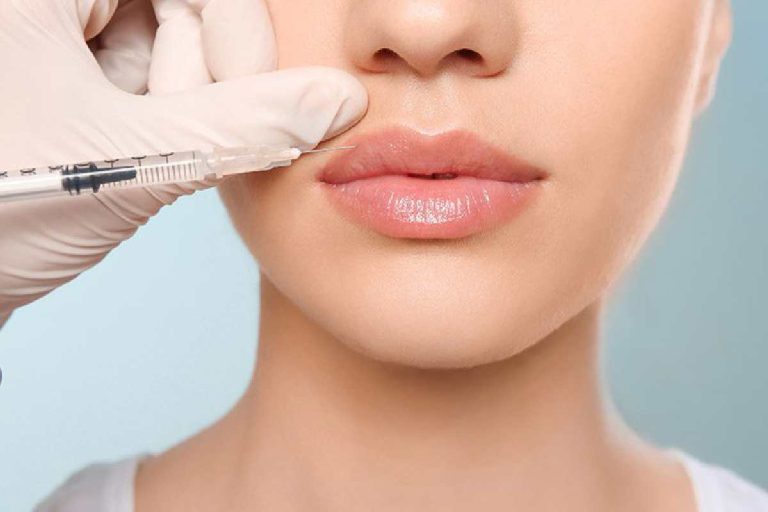
Whether it’s your lips, cheeks, or jawline, dermal fillers are injected into the skin to enhance a facial feature with volume. For instance, you get plumper lips and more defined cheeks due to fillers that add volume to these areas of your face. Fillers are also used to give you a more youthful look by reducing fine lines and wrinkles on the forehead and other parts of your face.

  • A dermal filler procedure is fast and safe.

Unlike invasive surgical cosmetic procedures, a dermal filler treatment can be done in less than an hour, and you will feel minimal pain throughout the procedure. Recovery time is also faster, so you can get back to your normal routine right after. Dermal fillers are also deemed safe as long as you get them in reputable clinics and the risks are very minimal. You may experience bruising and a bit of bleeding in some instances, but none of them are serious and life-threatening.

  • There are different types of dermal fillers.

Depending on where you’re getting treatment, you’ll be using either a natural or “off-the-shelf” dermal filler, both of which are safe. Some clinics may use “autologous fat grafting” where they get fat from one part of your body and inject it into your problem area. On the other hand, off-the-shelf fillers use manmade materials that naturally occur in your body, like calcium hydroxylapatite, hyaluronic acid, or poly-L lactic acid. Both fillers are safe and offer the same results.

  • Dermal fillers have long-lasting effects.

When you get a dermal filler, you can expect results to last from six months to one year, and you can easily get another injection if you need to. The cost of dermal fillers is also a lot lower than a surgical procedure that can set you back thousands of dollars.

Finally, a dermal filler procedure is relatively easy, and you can be in and out of the clinic before you know it. And if you’re scared of the pain, a numbing topical cream will be applied on the site, so you won’t feel anything during the procedure. The site will also be sterilised to avoid the risk of infections.

After the procedure, you can resume your regular activity right away, although experts recommend limiting yourself from doing strenuous activity for the first forty-eight hours to allow the site to heal faster.

Wellhealthorganic.Com:If-You-Are-Troubled-By-Snoring-Then-Know-Home-Remedies-To-Deal-With-Snoring

Introduction

Wellhealthorganic.Com:If-You-Are-Troubled-By-Snoring-Then-Know-Home-Remedies-To-Deal-With-Snoring – Snoring is a common problem that disturbs millions of people around the world. It can cause disturbed sleep for both the snorer and their partner, leading to fatigue, irritability, and other health problems. Fortunately, various natural remedies can help reduce or even eliminate snoring.

In this blog, Wellhealthorganic.Com:If-You-Are-Troubled-By-Snoring-Then-Know-Home-Remedies-To-Deal-With-Snoring you will discover a range of practical and easy-to-implement strategies to help you or your loved one get a good night’s sleep. Whether you’re dealing with mild snoring or more severe sleep apnea, this book will provide the information you need to reduce or stop snoring naturally without resorting to expensive medical treatments or invasive procedures.

Understanding the Science of Snoring

Understanding The Science of Snoring

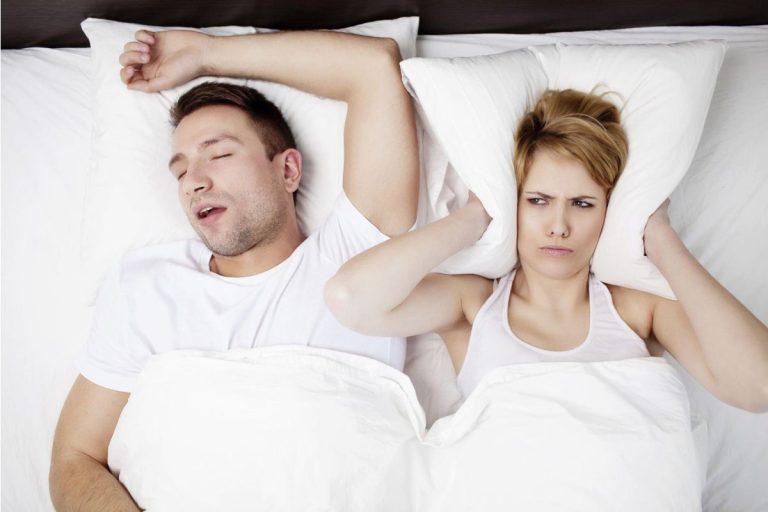
Snoring is a communal problem that affects millions of people around the world. It occurs when airflow through the mouth and nose is partially blocked during sleep, causing the tissues in the throat to vibrate and produce a snoring sound.

Various factors, including age, weight, alcohol consumption, smoking, and anatomical abnormalities in the nose and throat, can cause snoring. It can also indicate a more serious situation called sleep apnea, where breathing repeatedly stops and starts during sleep.

Wellhealthorganic.Com:If-You-Are-Troubled-By-Snoring-Then-Know-Home-Remedies-To-Deal-With-Snoring says Snoring can significantly impact sleep quality, leading to daytime fatigue, irritability, and difficulty concentrating. It can also increase the risk of severe health problems like high blood pressure, heart disease, and stroke.

It is essential to understand its underlying causes to reduce or eliminate snoring. Simple lifestyle changes, such as losing weight, leaving smoking, and avoiding alcohol before bedtime, can often help reduce snoring. In more severe cases, medical treatments or devices may be necessary.

Identifying the Causes of Snoring
Identifying the Causes of Snoring

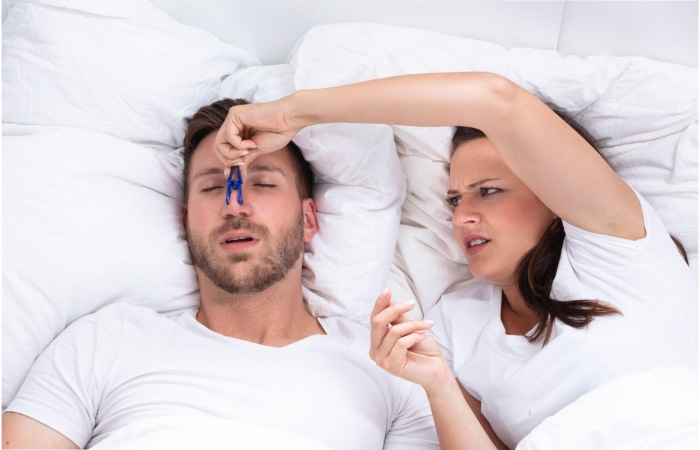
Snoring is caused by a partial block of the airways during sleep, leading to the vibration of the soft tissues in the mouth and throat. Some factors can give to this obstruction, including age, weight, and anatomical abnormalities in the nose and throat.

As people age, their throat muscles naturally weaken, increasing the likelihood of snoring. Being overweight or obese can also lead to snoring, as excess fat can put pressure on the airways and cause them to narrow. Anatomical abnormalities, such as a deviated septum, enlarged tonsils, or a small jaw, can also contribute to snoring.

Wellhealthorganic.Com:If-You-Are-Troubled-By-Snoring-Then-Know-Home-Remedies-To-Deal-With-Snoring tell Certain lifestyle factors can also contribute to snoring, such as smoking, alcohol consumption, and sedative use. Smoking irritates the lining of the throat and can cause inflammation, while alcohol and sedatives relax the muscles and can lead to snoring.

Identifying the underlying causes of snoring is essential for finding practical solutions. By making lifestyle changes, such as losing weight, quitting smoking, avoiding alcohol before bedtime, and addressing anatomical abnormalities, snoring can often be reduced or eliminated. In more severe cases, medical treatments or devices may be necessary.

The Power of Breathing Exercises For Snoring
The Power of Breathing Exercises For Snoring

Wellhealthorganic.Com:If-You-Are-Troubled-By-Snoring-Then-Know-Home-Remedies-To-Deal-With-Snoring shows that breathing exercises can be a powerful tool in reducing snoring. These exercises are designed to strengthen the muscles in the throat and promote more effective breathing during sleep.

One joint breathing exercise is known as the “didgeridoo” exercise. It involves making a continuous, low-pitched humming sound while breathing in and out through the nose. This exercise can help strengthen the muscles in the throat and improve airflow.

Another exercise involves inhaling deeply through the nose and exhaling forcefully through the mouth, making a “ha” sound. This exercise can help clear the airways and promote more effective breathing.

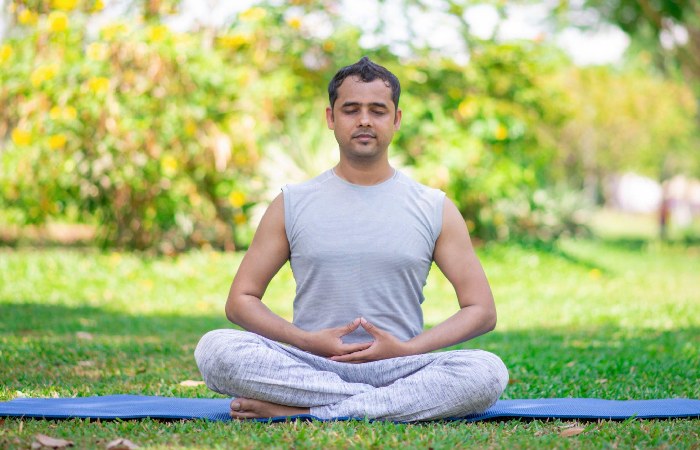
Yoga and meditation practices can also be beneficial in reducing snoring. These practices focus on deep, slow breathing and relaxation techniques, which can help reduce stress and tension in the body and promote more restful sleep.

Breathing exercises can be a simple and effective way to reduce snoring. Still, working with a qualified healthcare professional is essential to decide the best exercises for your individual needs. In some cases, medical treatments or devices may also be necessary to address snoring.

Other techniques can help improve breathing and reduce snoring. One such method is nasal irrigation, which involves flushing the nasal passages with a saline solution, which can help clear the sinuses and promote more effective breathing.

Another technique is known as the “tongue slide” exercise. This involves sticking the tongue out as far as possible and then sliding it back into the mouth while keeping it in contact with the bottom teeth. This exercise can help strengthen the muscles in the tongue and reduce the likelihood of it falling back and obstructing the airways during sleep.

The Magic of Herbal Remedies for Snoring

Herbal Remedies for Snoring

Herbal remedies can be a natural and effective way to reduce snoring. Many herbs have properties that can help reduce inflammation, promote relaxation, and improve breathing.

One herb commonly used for snoring is chamomile. Chamomile has anti-inflammatory properties that can help decrease swelling in the throat and promote more effective breathing. Drinking chamomile tea before bed can help support relaxation and improve sleep quality, which can also help reduce snoring.

Another herb commonly used for snoring is peppermint. Peppermint has a cooling and soothing effect that can help reduce inflammation in the throat and promote more effective breathing. Drinking peppermint tea or inhaling essential oil before bed can help reduce snoring.

Wellhealthorganic.Com:If-You-Are-Troubled-By-Snoring-Then-Know-Home-Remedies-To-Deal-With-Snoring says eucalyptus is another herb commonly use for snoring. Eucalyptus has a decongestant effect that can help clear the airways and promote more effective breathing. Inhaling eucalyptus essential oil before bed can help reduce snoring.

Other herbs commonly used for snoring include lavender, valerian root, and lemon balm. These herbs have properties that can help promote relaxation and improve sleep quality, which can also help reduce snoring.

Working with a qualified healthcare professional when using herbal remedies for snoring is essential, as some herbs can interact with medications or have side effects. Additionally, while herbal remedies can effectively reduce snoring, they may not suit everyone.

The Benefits of Essential Oils for Snoring

Essential Oils for Snoring

As per Wellhealthorganic.Com:If-You-Are-Troubled-By-Snoring-Then-Know-Home-Remedies-To-Deal-With-Snoring essential oils can be a usual and effective way to reduce snoring. Many essential oils have properties that can help reduce inflammation, promote relaxation, and improve breathing.

One essential oil commonly used for snoring is lavender. Lavender has calm and relaxing properties that can help reduce stress and promote more restful sleep. Inhaling lavender essential oil before bed can help reduce snoring.

Another essential oil commonly used for snoring is eucalyptus. Eucalyptus has a decongestant effect that can help clear the airways and promote more effective breathing. Inhaling eucalyptus essential oil before bed can help reduce snoring.

Peppermint essential oil is also effective in reducing snoring. Peppermint has a cooling and soothing effect that can help reduce inflammation in the throat and promote more effective breathing. Inhaling peppermint essential oil before bed can help reduce snoring.

Other essential oils commonly used for snoring include thyme, tea tree, and lemon. These essential oils have properties that can help reduce inflammation, promote relaxation, and improve breathing.

Working with a qualified healthcare professional when using essential oils for snoring is necessary, as some essential oils can interact with medications or have side effects. Additionally, while essential oils can effectively reduce snoring, they may not suit everyone.

The Role of Diet in Reducing Snoring

Role Of Diet In Reducing Snoring

Wellhealthorganic.Com:If-You-Are-Troubled-By-Snoring-Then-Know-Home-Remedies-To-Deal-With-Snoring says diet can play a role in reducing snoring by helping to control weight and reduce inflammation in the body. Here are some dietary variations that can help reduce snoring:

  • Reduce or Eliminate Alcohol Consumption: Alcohol can relax the muscles in the throat, leading to snoring. Cutting back on alcohol or reducing it together can help reduce snoring.
  • Don’t Take Heavy Meals Before Bedtime: Eating a large, heavy meal before bedtime can lead to indigestion and increase the likelihood of snoring. Try to eat light meals earlier in the evening.
  • Increase Intake of Fruits and Vegetables: Fruits and vegetables are rich in antioxidants and anti-inflammatory combinations that can help reduce inflammation in the body and promote better breathing.
  • Limit Processed and High-Fat Foods: Processed and high-fat foods can contribute to weight gain, leading to snoring. Try to reduce these foods in your diet.
  • Drink Plenty of Water: Staying hydrated can help reduce mucus build-up in the nose and throat, which can contribute to snoring.

It is vital to consult with a healthcare provider or registered dietitian before making significant dietary changes, especially if you have any underlying health conditions. Additionally, while nutritional changes can effectively reduce snoring, they may not be the only solution, and other interventions may be necessary.

The Importance of Sleeping Positions for Snoring

The Importance of Sleeping Positions For Snoring

As per Wellhealthorganic.Com:If-You-Are-Troubled-By-Snoring-Then-Know-Home-Remedies-To-Deal-With-Snoring sleeping position can play an essential role in snoring, as it affects the airway and can lead to partial blockage or obstruction. Here are some tips on sleeping positions that can help reduce snoring:

Sleep on your side: Sleeping on your back can cause the tongue and soft tissues in the back of the throat to collapse, leading to snoring. Sleeping on your side can relief keep the airway open and reduce snoring.

Elevate your head: Using a pillow or raising the head of the bed can help reduce snoring by keeping the airway open and reducing the amount of pressure on the throat. Avoid sleeping on your belly. Sleeping on your belly can put pressure on the neck and cause the airway to narrow, leading to snoring.

Use a body pillow: Using a body pillow can help keep you in a side-sleeping position and reduce the likelihood of rolling onto your back.

It is important to note that while a sleeping position can help reduce snoring, it may not be the only solution, and other interventions may be necessary. Consulting with a healthcare provider for a comprehensive evaluation and personalized treatment plan is vital.

Medical Treatments for Snoring
Medical Treatments For Snoring

There are several medical treatments available for snoring, depending on the underlying cause and severity of the condition. Here are some examples:

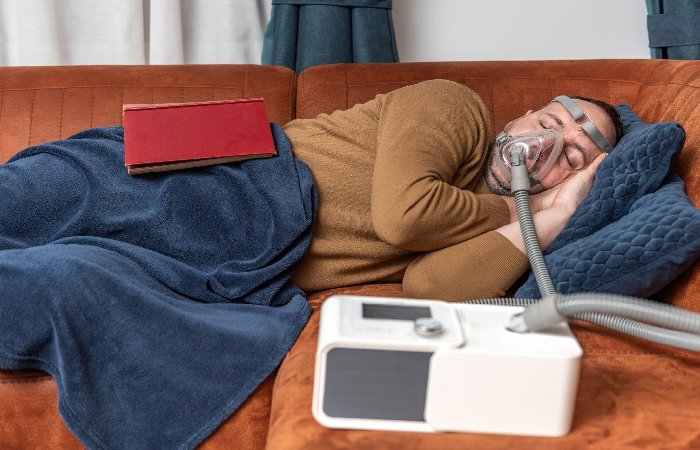
  • Continuous Positive Airway Pressure: A CPAP machine delivers a constant airflow through a mask worn over the nose and mouth to keep the airway open during sleep.
  • Oral Appliances: A dental appliance can be customize to fit the mouth and help prevent the tongue and soft tissues from blocking the airway during sleep.
  • Surgery: Surgery may be an option in cases where snoring is cause by physical abnormalities such as a deviated septum or enlarged tonsils.
  • Radiofrequency Tissue Ablation (RFTA): This minimally invasive procedure uses radiofrequency energy to shrink and tighten the tissues in the throat, reducing snoring.
  • Injection Snoreplasty: This procedure involves injecting a hardening agent into the soft palate to stiffen the tissues and reduce snoring vibrations.

Devices to Stop Snoring: Do They Work?

There are several devices available on the market that claim to help reduce or eliminate snoring. These devices work by adjusting the position of the jaw, tongue, or soft palate to keep the airway open during sleep. Examples include:

  • Mandibular Advancement Devices (MADs): These devices are custom-fit to the mouth and work by moving the lower jaw slightly forward to open the airway.
  • Tongue Stabilizing Devices (TSDs): These devices work by holding the tongue in place to prevent it from blocking the airway.
  • Nasal Dilators are small plastic or silicone devices inserted into the nostrils to help keep the nasal passages open and reduce snoring.
  • Anti-Snoring Pillows: These are design to keep the head and neck in a specific position to help prevent snoring.

While these devices may be effective for some people, they may not work for everyone.

A Holistic Approach to Treating Snoring

A holistic approach to treating snoring involves addressing the underlying causes of snoring. Through lifestyle changes, alternative therapies, and medical treatments. Here are some critical elements of a holistic approach to treating snoring:

  • Lifestyle changes: This can include losing weight, avoiding alcohol and sedatives before bedtime, quitting smoking, and improving sleep hygiene.
  • Alternative therapies: These can include breathing exercises, yoga, acupuncture, and herbal remedies.
  • Medical treatments: This can include Continuous Positive Airway Pressure (CPAP) therapy, oral appliances, and surgery.
  • Addressing underlying health conditions: Sleep apnea, allergies, and other medical conditions can contribute to snoring. It is essential to address these underlying health issues to treat snoring effectively.
  • Mind-body techniques: Stress and anxiety can affect sleep and contribute to snoring. Mind-body practices such as meditation, mindfulness, and relaxation exercises can help reduce stress and improve sleep quality.

Conclusion for Wellhealthorganic.Com:If-You-Are-Troubled-By-Snoring-Then-Know-Home-Remedies-To-Deal-With-Snoring

Snoring can have a significant impact on sleep quality and overall health. While medical treatments such as CPAP therapy and surgery are available, many effective home remedies for snoring are also available. These remedies can range from lifestyle changes, such as weight loss and improving sleep hygiene. To alternative therapies, such as breathing exercises, yoga, and herbal remedies.

Wellhealthorganic.Com:If-You-Are-Troubled-By-Snoring-Then-Know-Home-Remedies-To-Deal-With-Snoring tell it is essential to take a holistic approach to treat snoring, addressing underlying health conditions, making lifestyle changes, and exploring alternative therapies and medical treatments. By doing so, individuals can improve their sleep quality and reduce the adverse effects of snoring on their overall health and well-being.

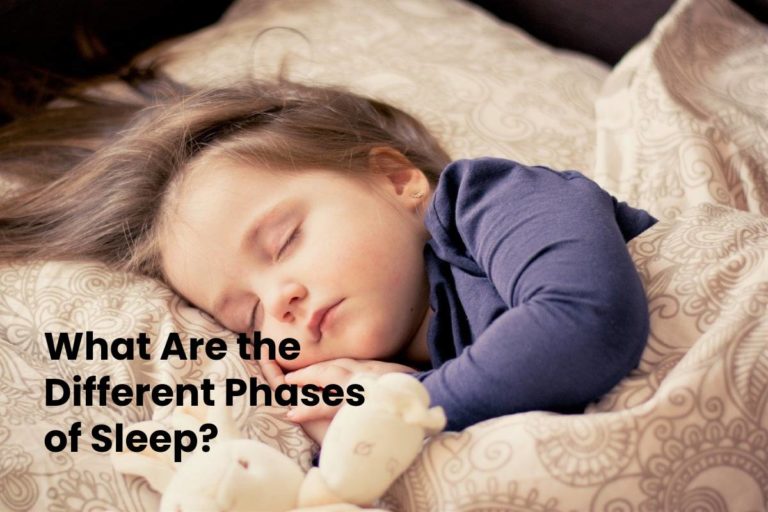
What Are the Different Phases of Sleep?

When the sleep pressure is sufficient, and the biological clock gives the signal, the signs of falling asleep are felt (yawning, discomfort in the neck, chills, etc.).

Knowing how to spot them has many advantages because they are the first train of sleep arrival. Now is the time to go to bed!

Their appearance is linked to the activation of predominant biological mechanisms during sleep:

  • Cortisol (stress hormone) decreases
  • The heart rate drops,
  • Body temperature is reduced,
  • Synthesis of melatonin (sleep hormone) begins.

At the same time, all phenomena related to awakening decrease: hunger, thirst, but also social and sensory factors.

During the day, when we are awake, brain waves (indicators of brain activity) have a high frequency, and the body is activated continuously to respond to any requests and situations that arise.

When the first phase of sleep appears, that of falling asleep, these brain waves gradually decrease. The perception of the environment is more and more confused; the body begins to relax. This state is close to that encountered when we take a micro-nap and only last a few tens of minutes.

Slow Sleep

It includes two main stages: light slow sleep, and deep, slow sleep. It is characterized by decreased brain activity and relaxed muscle tone.

During the light sleep stage, the phenomena that appear become more pronounced, and we lose contact with the outside world over the minutes. In the beginning, we have a waltz-hesitation between sleeping and not sleeping, between micro-sleeps and micro-arousals. At this stage, muscle tone begins to decrease, and we can also notice this instability by the small movements of the body that can make us jump.

When the light sleep stage sets in, the eyes move less and less, the heart rate and breathing become slower and slower. On the other hand, the electrical activity of the brain is irregular. This stage alone accounts for half of the total sleep period.

During the deep sleep stage, the brain waves are slow and complete (between 0.5 and 2 Hz), which means that the brain’s activity is minimal. On the physical level, breathing is full and calm, muscle tone is weaker, and eye movements are absent, blood pressure no longer varies.

It is during this phase of sleep that it becomes difficult to wake the sleeping person.

What also characterizes deep sleep is that it is present mainly at the start of the night during the first two sleep trains. It is the most physically recovering stadium.

REM sleep

The last car in the sleep train is the paradoxical sleep train, so named because it presents a paradox between a brain that resumes a level of activity very close to, or even higher than that of waking, and an inert body. This phase of sleep represents about 25% of the total time of our nights.

The storm of paradoxical sleep follows the calm of deep sleep.

At this point, if the body is entirely inert, the heart rate, blood pressure, and breathing, on the other hand, become irregular. The eyes also start to move quickly, hence the REM stage (rapid eye movements) to describe REM sleep.

Moreover, REM sleep is commonly referred to as dream sleep. At this stage of sleep, dreams can sometimes be remembered. While such reminiscence is impossible for dreams that occur during slow sleep.

If deep sleep is present mainly at the beginning of the night, on the other hand, the duration of REM sleep is more and more important as the night progresses.

Likewise, if the physical recovery takes place during deep sleep, everything related to the brain happens mainly during REM sleep:

  • For example, procedural memorization (that of reasoning, know-how, learning gleaned during the day)
  • Or the maintenance of psychological balance.

Then, at the end of this paradoxical sleep, we are more or less aware of an awakening phase. We can then switch to a new sleep train or, on the contrary, not be able to fall asleep again.

These nocturnal awakenings or difficulty maintaining sleep, which mainly occurs at the end of a sleep cycle, can have multiple causes. Still, natural solutions exist to help get the night back to normal.

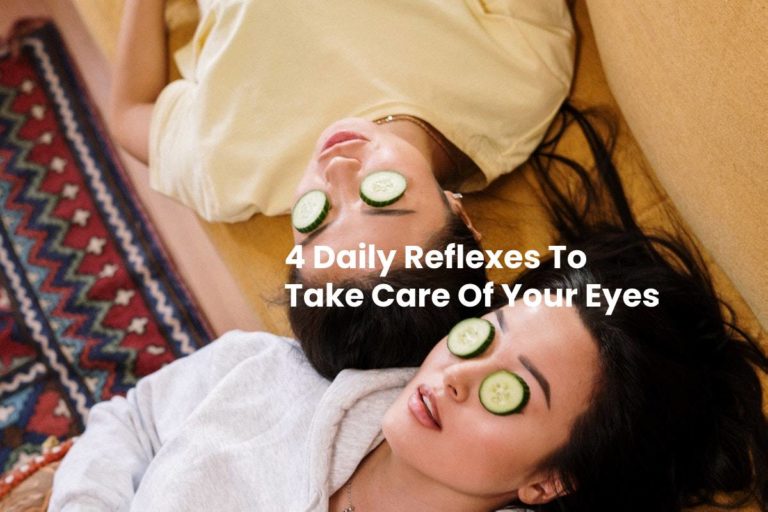
4 Daily Reflexes To Take Care Of Your Eyes

Take Care Of Your Eyes

Ultra-efficient, our eyes are complex and very fragile organs. Very busy with the long hours spent in front of the screens, here are four daily actions to take care.

Hydrate Them

Air conditioning, heating, dust, wind, cigarette smoke can dry out the eyes. In case of mild drought, use a physiological serum. If the deficiency is more severe, it is better to opt for artificial tears associated with a lubricating gel.

They cry, they sting? To relieve them, apply warm water compresses for 5 minutes. Then massage the lower then upper eyelids for one minute. Finish the treatment by closing the eyes generally for 2 seconds before opening them again. Close them also by squeezing the eyelids firmly and reopen them. Repeat this exercise ten times. Refreshed vision guaranteed!

Also read: What Is Homeopathy?

Put Them To Rest

Screens make the eyes work a lot. To rest them, practice the 20-6-20 rule: every 20 minutes spent on a screen, look at an object located at a distance of about 6 meters from you for 20 seconds. Then close your eyes, put your palms over them, and stay in this position for 2 to 5 minutes. Another option is to wear anti-blue light glasses when spending several hours in front of a computer, smartphone, television, or tablet screen.

Muscle Them

With eye gym or eye yoga. Like the “index finger” exercise: head and back straight, extend your arm, and fix the top of your index finger (or the nail of your thumb). Without moving your head, slowly bring your index finger closer to his nose, then always slowly pull it away while staring at it. Repeat about twenty times.

Give Them The Right Nutrients

Lutein and zeaxanthin

Pigments belonging to the carotenoid family have excellent antioxidant and anti-free radical power. They are found in green leafy vegetables (cabbage, spinach, broccoli ), corn, and egg yolk.

Vitamin A

It improves daytime and night vision. It is found in fruits and vegetables with yellow or orange coloring (peppers, orange, carrot ) or calf’s liver.

Vitamins C and E

They fight against free radicals. Citrus fruits, nuts, and cereals contain lots of them.

Vitamin D

It is found in food, but the best way to synthesize it is to expose yourself to the sun for a few minutes a day.

Zinc

It contributes to the production of melanin by transporting vitamin A from the liver to the retina. Oysters are one of the best zinc sources, but it can also be found in meat, sesame seeds, and pumpkin seeds.

Omega-3 fatty acids

With anti-inflammatory properties are mainly present in oily fish and nuts.

In these ways, you can take care of your eyes.

Also read: Managing Blood Sugar Levels

If Your Feet Could Choose What To Wear

0

If your feet could choose whether to wear shoes or not, they’d probably opt to go barefoot. But if they had to choose what to wear, what kind of footwear do you think your feet would pick?

Your Feet Want Healthy Footwear

Footwear can seriously impact your health. What you wear on your feet should provide support for your feet, ankles, legs, and back. Sliders are one of the healthiest choices for your feet. Unlike flip-flops, sliders provide support for the arch of your feet which protects your muscles and ligaments from stress. They cushion your heels, and the pad of your feet, avoiding inflammation, and back problems. As sliders are open, your feet won’t get the calluses, blisters, and bunions they get from tightly closed shoes. Too short, or too narrow shoes can even lead to foot deformities. And as sliders come in brilliant colors, like glitter-covered, polka dots, and pink sliders, your sliders even have a healthy impact on your mental state! Every time you look down and see the happy colors of your sliders, it will put a smile on your face!

Your Feet Want to Breathe

Your feet want to get some fresh air! They want to be able to breathe, and not be confined to closed shoes all day. Imagine being packed in a shoe for hours. No air, no circulation, and no room to move. The result is usually sweating feet. Not to mention the smell. And regularly letting feet sit in their own sweat creates a breeding ground for athletes’ foot. Feet have about 250,000 sweat glands, and can produce about a pint of moisture a day! If feet could choose their own footwear, they’d ask for space and air. Your feet won’t sweat in sliders, and to help them smell good, Freedom Moses sliders have a scent of milk and honey. So let your feet breathe.

Your Feet Want Support

Your Feet Want Support

To get healthy support, your feet want a thick soul that protects you from the ground and adds support. Flat, flip-flops add no support to the foot. The vegan shoes that offer the right support can even give relief for tired feet. The sustainable PCU plastic used in the souls of Freedom Moses sliders is injected with air. This unique technology provides a feeling of support and comfort. Do your feet a favor and give them a good pair of sliders that offer the support they need.

Your Feet Want to Feel Comfortable

A good pair of sliders can give you comfort throughout the day, even if you spend most of the time on your feet. Comfort means not having to battle with buckles, straps, laces, and zippers. Just slip your feet in and slide out the door.  Their versatility makes them easy to slip on and off, and the range of colors and styles make sliders great for home, work, and fun. In fact, with a comfortable pair of sliders, your feet might even think they’re going barefoot! If you want extra comfort, wear socks with your sliders – why not, it’s in style now.

Your Feet Want To Be Happy

That’s right, your feet want to be part of your look. They want to be dressed up in colorful prints, bright splashes of color, and crazy prints. Slip into a pair of pink sliders if you want to feel cool and calm, or shake things up with snake print, floral patterns, or neon colors. Whatever goes with your outfit. Or let your footwear standout by itself to make a statement.

Your Feet Want to Be Kind To The Environment

When you’re picking what to put on your feet, be aware that some manufacturers don’t care about hurting the environment to make a buck. Let your feet feel proud to wear the shoes you’ve chosen by checking the shoe company’s ethical policies. You don’t want fancy footwear at any cost, so ensure that you buy from a company that pays employees a fair wage, insists on diversity and equality in their factories, and doesn’t harm animals or the environment while making your footwear. Let your feet feel proud!

Choose The FootWear Your Feet Would Ask You For

Well feet can’t choose their own footwear, but you can do it for them. So make the right choice, be kind to your feet, and make them happy, with a great pair of sliders. Give your feet comfortable, healthy footwear that allows them room to move, air to breathe, and lets them show off in cool designs. Your favorite coral, mint, lilac, silver, cherry, or pink sliders, will put a smile on your face, and a skip in your stride. But most of all sliders are the footwear your feet would choose.

So, You should take care of your feet in any season because feet are also one of the body parts. If you don’t, maybe you are at risk of health issues, so focus on these things and make your life better.

Lehnga

0

The Indian Lehenga Choli

A lot of good clothes are needed to look pretty awesome in marriages at functions. Usually looks beautiful as lehnga in functions.

Lehngas are suitable for all occasions. The trend at India Wedding is lehnga these days. Girls also love this lehenga.So the demand for designers has increased a lot. A wide variety of varieties are being brought into the market.

ONLINE LEHENGA CHOLIS IN MANY AVATARS

Lehenga Cholis from India are a triumph of cut, craftsmanship, and fabric, and are easily the most sought outfit for weddings and festivals. In north and west India, this stunning costume is known as Ghagra Choli and consists of a long skirt, a choli with a bare midriff, and a dupatta.

Traditional to modern lehengas are available. A bridal staple, the Circular Lehenga is traditional and expansive. Bridesmaids like the figure-hugging Mermaid Lehenga’s youthful charm.

The Indo-Western The trend at India Wedding is lehnga these daysis also gaining popularity. A long jacket with or without a centre slit replaces the choli, creating a trendy urbane image.

A complete ankle-length robe worn by an Indian woman with a slit in the front or rear (also known as a lehenga). Traditional Rajasthani attire also includes lanjamas (length, flowing skirts).

Why Do People Wear The trend at India Wedding is lehnga these days?

The most typical occasions for wearing a lehenga are weddings, parties, and festivities. Ethnic jewellery, including as kundan, polka, and meenakari, can be worn with lehengas if the degree of intricacy is sufficient.

What Is The Difference Between Lehenga And Lacha?

A lacha, in contrast to a lehenga, usually comes with a longer choli that falls so much below the waist that you are completely silhouetted. This is a terrific option for conservative brides who want to make a statement about their body. In Punjabi weddings as well as Muslim weddings, lacha is a very popular bridal style.

What Is The Other Name Of Lehenga?

What Is The Other Name Of Lehenga?

The lacha, hragra, ghagra, leenga (also known as keenenga), chaniya, pavadai, and kala are all ankle-length traditional Indian Subcontinent skirts. Traditional embroidered patterns may be found on the lehenga. Weddings and celebrations frequently include the traditional gota patti needlework.

Is Ghagra And Lehenga Same?

In Bihar, Gujarat, Haryana, Rajasthan, and Uttar Pradesh, women wear ghengas, whereas lehengas are a modern alternative. During weddings, sangeets, and festivals, traditional Indian ladies choose to wear the latter, although the ghagra is more common on a daily basis.

What Are The Types Of Lehenga?

  • Lehenga Skirt from Benarasi.
  • Lehenga Skirt with a Printed Pattern
  • A panelled or belted gown, the kalidar lehenga is a popular design.
  • Lehenga with a half saree.
  • Lehenga Skirt with a Modified A-line.
  • Jacketed lehenga
  • Lehenga Skirt from Benarasi and also
  • Lehenga Skirt with Multiple Layers

Where Do People Wear Lehengas?

Rajasthan, Gujarat, Madhya Pradesh, Uttar Pradesh, Bihar, Haryana, Punjab, Himachal Pradesh, Andhra Pradesh, west Bengal, south Kashmir, and Jammu Kashmir, Jammu and Kashmir, for example, have different styles.

Is It Cultural Appropriation To Wear A Lehenga?

It is not traditional to wear a lehenga choli on any portion of the body.

What Culture Is Lehenga?

During the 10th century, when the Indian Mughals dominated the land, the Lehenga Choli became famous among Indians. During the Mughal era, this famed suit eventually evolved, and it now contains everything from conventional stitching to ornamental materials like silk and brocade.

When Should We Wear Lehenga?

It is frequently used by modern women as wedding attire. They are a traditional outfit that is used during festivals and other occasions. These two-piece outfits are often worn as skirts or blouses and come in two sizes. A dupatta, which resembles a large shawl and covers her entire body, is the ideal finishing touch to any ensemble.

What Is Difference Between Lehenga And Ghagra?

What Is Difference Between Lehenga And Ghagra?

There are a couple of key distinctions: Because they hold a woman’s waist perfectly at bay while hugging at the ends, lehengas attract greater attention. Ghaghras are loose-fitting skirts with a consistent circumference.

Also read: 4 Different Ways to Use Foundation

A technical guide to prepare for a cosmetic surgery procedure

Opting for plastic surgery can be overwhelming and petrifying. Although many people conduct prior research before going for it, yet it is usual to feel anxious when you are opting for cosmetic surgery for the first time. Cosmetic plastic surgery helps individuals to improve their appearance, thereby enhancing their quality of life. Therefore it is vital to discuss with a certified surgeon for your procedure. Experienced and certified cosmetic surgeons help individuals, minimizing the possibility of risk involved in the surgery, thereby taking care of them in the best possible way. However, you must abide by the rules after the surgery to avoid any complications.

Here are a few prerequisites you must consider while preparing for the cosmetic procedure:

Opt for the surgery in good health

Any cosmetic procedure requires surgical action. Whether your surgical procedure involves liposuction or breast implant, it is significant to have a healthy body. Therefore the patient must be healthy. Patients with chronic ailment or infection undergoing surgery are at higher risk of complications. You must remember to prepare a list of past health issues, thereby providing the doctor with adequate details. Any history of diseases will help your medical practitioner in prescribing supplements and medication. It is always sensible to consult a physician before opting for a Cosmetic procedure.

Be aware of the food you are allowed to consume

Since cosmetic surgery requires the patient to be in good health, it is necessary to provide adequate nutrition to the concerned patient. Try maintaining a healthy diet before undergoing surgery for the patient to recover smoothly. The anxiety and fear before the surgery do not allow hunger to kick in. Yet, it is essential to have adequate knowledge about the kind of food you can eat. An optimum amount of fruits and vegetables will aid in fighting the infection. It is also necessary to consume protein, thereby helping the patient to stay active post-surgery. However, you must consult a medical practitioner regarding what to eat before the procedure.

Stay hydrated before the surgery

Another important guideline to follow before undergoing any cosmetic plastic surgery is to keep you hydrated. Water plays a crucial role in maintaining tissue health, thereby allowing the body to sustain necessary functions. It is essential to consume the optimum amount of water before and after the procedure to enable smooth recovery.

Take a respite from smoking well in advance before the surgery

Many individuals undergoing plastic surgery have the habit of smoking. However, you must understand that smoking De-escalate the process of recovery. An individual recovering from plastic cosmetic surgery must have a smooth circulation of blood. If you cannot get rid of your smoking habit, it might interfere with your blood circulation in the area of surgery. Therefore it is essential to get rid of smoking long before you start the procedure.

Hire help for household chores

Patients undergoing cosmetic surgery require an ample amount of rest. Therefore you must make necessary arrangements to perform the household tasks after the surgery. The patient must go on bed rest for a few days, thereby monitoring the progress while they undergo medication. Stratus Plastic Surgeryrecommended patients undertake the necessary follow-up and report to the technical team in case of any side effects.

Health Issues A Chiropractor Can Help You Manage

0

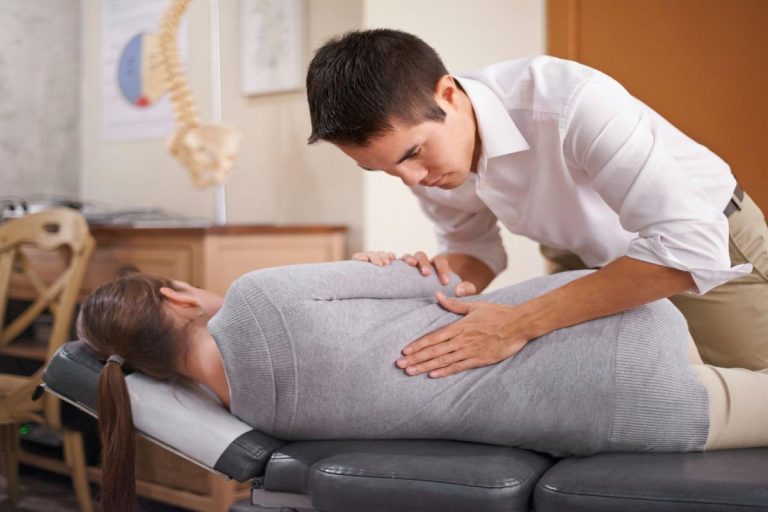
Are you one of the millions of people who suffer from back pain, whether due to an injury, strain or simply bad posture? If so, you may have considered investing in the services or a chiropractor. These healthcare professionals are often heralded as miracle workers for being able to help those who have issues with their spines, as well as those who suffer from chronic back pain, using treatments such as spinal adjustment, decompression therapy, and even posture correction. These alleviate the discomfort and restore the mobility in your back and your spine.

However, you may not be aware that while these areas are their specialty, there are many other health issues that a chiropractor can help you with. Do you have any of them? Read on to find out!

Neck Pain

The back is connected to the neck, and chiropractors are often called upon to treat neck pain. In more recent years, neck pain issues have become more commonplace due to the fact that more people are engaging in prolonged screen usage and may have issues with their sleeping posture. When you visit Taylor Chiropractic, they may use targeted adjustments to the neck to reduce pain and restore mobility to the neck.

Whiplash

If you have recently been in an accident and sustained whiplash, it may also be worth checking in with a chiropractor, as they will be able to help reduce the discomfort with exercises and targeted pressure applications while also providing you with exercises and stretches to try at home. Only do this once you have had the approval from your doctor after the accident.

Sciatica

Sciatica is different from traditional back pain in that it is associated with the sciatic nerve that runs from the lower back down through the hip and into each leg. So, if you have lower back pain that radiates down one leg (usually the left leg), it is likely to be sciatica. You can go to your doctor to get an official diagnosis before booking an appointment with a chiropractor. The issue can arise from a herniated disc or a spinal misalignment, which compresses the nerve and is often the result of exercising incorrectly. However, sometimes it can be because of genetics.

When you visit a chiropractor, you’ll find they can offer a non-invasive solution, such as spinal adjustments and physical therapy, which will aim to move the disc back into alignment or minimize the pain that comes from a herniated disc.

Headaches and Migraines

Chiropractic care doesn’t just help with physical pain in the back and neck. It can also help with the management of migraines and headaches – something that too many people around the world suffer from. This is more so when the pain is linked to tension headaches, as well as issues in the cervical spine, which can cause nerve tension. A chiropractic adjustment can reduce the irritation in these areas and help to improve blood flow, a lack of which can cause stiffness and lead to head pain. Health Issues A Chiropractor Can Help You Manage

Check Out: giva ranchi circ

Possible Reasons Why You Are Losing Your Hair

People all around the world experience hair loss, and this is normal. However, there are severe cases of hair loss that people experience due to different factors. Hair loss is a more common experience among men. People typically shed 50 to 100 hairs in one day. Excessive shedding is when hair loss reaches up to 300 hair strands daily. Alternative treatments also exist with different factors causing hair loss since common medications may not effectively combat particular causes.

Hair loss in males can be observed as thinning hair around one’s temples and sides of the scalp. It can also be balding on the crown or a receding hairline.

There are Several Types of Hair Loss, Also Called Alopecia

There are Several Types of Hair Loss, Also Called Alopecia

Involutional areata

It is a normal condition in which the hair gradually thins with age. More hair follicle enter the resting phase, and the remaining hairs become short and fewer in number.

Androgenic alopecia

It is a genetic condition that can affect both men and women. Men with this condition, called male pattern baldness, can begin losing hair as early as their teens or 20s. A receding hairline and regular hair loss from the crown and frontal scalp consider it. Women with this condition, female pattern baldness, don’t experience noticeable thinning until 40 and beyond. Women experience general thinning over the entire scalp, with more significant hair loss at the crown of the head.

Alopecia areata

often begins suddenly and causes patchy hair loss in children and young adults. This condition can lead to total baldness (alopecia totalis). But the hair comes within a few years in about 90% of people with this form.

Alopecia Universalis

It causes the entire body to lose hair, including eyebrows, eyelashes, and pubic hair.

Telogen effluvium

do changes in the hair growth cycle cause temporary hair thinning on the scalp? A large sum of inches enters the resting phase simultaneously, causing hair loss and subsequent thinning. Learn more about the causes of telogen effluvium.

Scarring alopecia

It causes permanent hair loss. Inflammatory skin situations (cellulitis, acne, folliculitis) and other skin disorders (such as some types of lupus and lichen planus) frequently result in scarring that destroys the hair’s ability to regenerate.

Here are some of the most common reasons for hair loss in men

most common reasons for hair loss

Heredity

Heredity is the most common cause of excessive shedding or thinning in men. This is also associated with aging and the production of DHT. DHT is an enzyme that causes a receptor’s activation. This receptor causes your hair follicle to become thinner. It also shortens the hair follicle’s growth until it stops the growth stage completely. Hair loss caused by heredity is known as androgenic alopecia. It occurs in a predictable pattern and happens gradually. It results in bald spots and receding hairline.

Hormonal fluctuations

Hormonal instability due to thyroid problems can cause temporary or permanent hair loss.

Prior or existing medical health issues

A known cause of hair loss is cancer. It can also be due to immune-system-related illnesses and scalp infections, which include ringworm. It can be caused by a behavioral order called trichotillomania or a hair-pulling disorder.

Stressful events

Stress is one of the most widespread reasons behind hair loss. It causes the general thinning of hair and intensely occurs after experiencing trauma.

One of the treatments available is Rogaine. However, you may find Rogaine not working for you, and here’s what you can do.

Rogaine contains minoxidil, which can be bought without any prescription. Hair loss treatments take effect immediately but usually only show noticeable results after three to 6 months. So what you can do is to be patient. Minoxidil is known to be effective in reducing and reversing hair loss. If it doesn’t work after six months, you can try Finasteride and other treatments.

Additionally, if minoxidil doesn’t work for 2-4 months, an essential solution is to consult a doctor or get expert advice. A severe health condition may cause hair loss and persist until you address the medical condition causing it. Minoxidil is specifically a treatment for male-pattern baldness caused by heredity, so if a different factor causes your hair loss, rogaine may not be the one for you. You can try Finasteride or what your doctor prescribes.

Conclusion

It is usual for a certain amount of hair to fall out each day. People often lose up to 100 inches per day. If people see that they are losing more hair than usual, they may have an underlying situation. In this case, they would see a doctor and seek advice on the best treatment options. Often, a person’s hair will return to its normal once a doctor treats the underlying condition.

Surprising Skincare Ingredients that are very Effective

When people think about beauty products, they often think of delicate flowers and various herbs. It is especially so when it comes to skincare products. However, some ingredients don’t exactly match the idea of caring for your skin. While they seem strange, they are also surprisingly effective. Here are some of them.

Charcoal

One interesting ingredient for skincare is charcoal. Don’t expect the ordinary charcoal people burn in barbecues. What some skincare products use is activated charcoal. It is a powder used in emergency rooms to absorb toxic chemicals in victims of overdose. Thanks to its manufacturing process, activated charcoal is a very absorbent substance. In beauty terms, it is the ideal ingredient for drawing the various toxins, microparticles, and more that land on your skin during the day. Apply a skin care product with an activated charcoal ingredient before you sleep, and your skin will feel refreshed the next day.

Cannabis

Cannabis has a more well-known reputation as a recreational drug. However, organic CBD oil has potentially interesting uses when it comes to skincare. Reports claim it has a potent anti-inflammatory that can help with various skin conditions. For example, if you suffer from frequent acne flare-ups, applying CBD oil to the affected areas could help ease the inflammation and infection of the skin. It’s said CBD has excellent antioxidant properties, with a rumoured application being that people could use it to fight the wrinkles that develop on your face.

Black tea

When it comes to tea and skin care, many people have a general idea to drink them. That is understandable, considering how rich the various tea varieties are in antioxidants. While people think of green tea, black tea is equally effective. It is thanks to the high concentrations of tannins and polyphenols in it. While it is still effective when consumed, people have the option to apply black tea in skin products directly to the skin.

Oatmeal

Another strange ingredient is oatmeal. Applying it to the skin may seem odd, but the processed oatmeal ingredient delivers several essential elements to your skin. For one, it can hydrate your skin quickly. People suffering from dry and itchy skin can benefit greatly from using it. Additionally, the oatmeal has saponins. This soap-like substance can provide a cleansing touch to your skin without the chemical harshness of soap. Finally, there are several natural oils that you can get from oatmeal. When applied to your skin, they have a rejuvenating touch.

Meteorite extract

A genuinely out-of-this-world ingredient is meteorite extract. It is more like meteorite powder. Finely-ground meteorites contain calcium, magnesium, silicon, and iron. They provide an excellent addition to other ingredients, allowing for better absorption and helping brighten up the skin.

Final thoughts

The human skin can be fascinating in how it reacts to different substances. Whether it is everyday items like milk or more exotic ones like fish eggs, the ultimate goal is smooth, youthful skin. Try some of the ones in the list above if you want to see which ones work best.