Last Updated: September 15, 2026
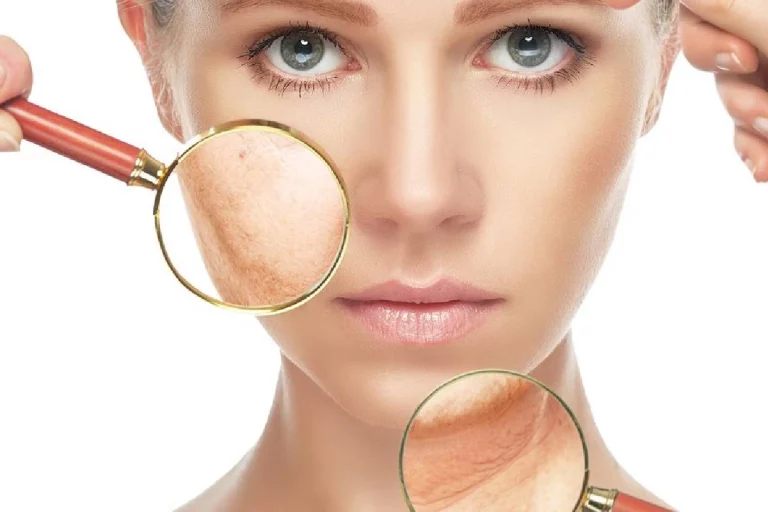
Facial skin is a business card both for them and for them. But, let’s agree, for women, skin care begins in adolescence and continues throughout life. Skin aging occurs slowly and is determined both by each person’s genetics and by their lifestyle habits.
The first signs of skin aging are noticed even before the age of 30 and include the increase in dark circles and the appearance of nasolabial folds, the lines on the face that go from the corner of the nose to the outer corner of the contour of the mouth, the popular Chinese mustache.
this article belongs senior health
Table of Contents
Menopause accelerates aging
At menopause, when the menstrual cycle ends, the effects of skin aging are more intense. Often, medical help is needed to deal with hormonal changes. The production of estrogen and progesterone decreases, and with this also reduces the production of elastin and collagen fibers. Therefore, women begin to notice thinner, more fragile and dry skin. There are cases in which the woman notices atypical spots, intensified wrinkles and more skin sensitivity.
The later we start skin care, the greater our effort must be to make up for lost time. In addition to daily care, there are numerous office procedures to help, such as the application of botulinum toxin, hyaluronic acid, biostimulators, lasers and microneedling.
Each skin has particularities, so it is important to seek professional medical advice to understand the best solution for your case. The dermatologist explains that, in some cases, the use of oral substances, combined with a balanced diet, physical exercises and good night’s sleep complete the care routine.
To understand how this fits into the broader picture, explore our Comprehensive Tips For Managing Hearing Loss Pillar.
Protection against solar radiation
We have already commented that life habits also influence aging. Among them, solar radiation is the one that causes the most damage. Have you been using facial sunscreen daily? This is the most effective anti-aging measure that exists. It should be carried out from six months of age and also brings benefits to mature skin. It is important that the sunscreen is appropriate for your skin type and color.
Wearing sunglasses with UV protection outdoors is also important, especially for those with light eyes. This will help to avoid diseases like cataracts. Excessive drinking and smoking are also enemies of the healthy appearance of mature skin. The healthier your life habits are, the better your skin will look, even in old age.
Daily Care
Although the ideal age to start skin care varies according to each person’s physical and psychological characteristics, there are tips that can help in this process. Check some recommendations for the skin care routine:
- A good skincare involves cleaning with products appropriate to your skin type (oily, mixed, dry), morning application of sunscreen, which should be repeated every 2 hours if you are outdoors or in places with a lot of light of the day.
- When choosing anti-aging creams, consider that the most effective are those that contain retinoic, glycolic and other similar acids – but each skin will benefit more from one of them.
- Vitamin C and other antioxidants, such as hyaluronic acid, anti-glycants and several other products have also been shown to be effective in delaying aging, both topically, injected and orally.
- Using some tools that promote blood circulation and accelerate skin repair to improve skin elasticity, a great device is the Face Sculpt device, which enhances serum absorption, improves skin concerns like dark marks and overall dullness by regulating melanin overproduction. Also reduces fine lines and wrinkles and micro-current for a lifting effect. Helps with lymphatic circulation and detoxification.
You may also find our companion piece on Anti Aging Clinic Near Me Overview helpful for further context.
Lifestyle Habits For Healthier Skin
A good skincare routine is important, but the condition of your skin is also influenced by the way you live. As you get older, paying attention to your daily habits can help support healthier-looking skin and complement the products and treatments you already use. Skin needs consistent care, and small lifestyle improvements can become particularly valuable over the years.
Stay Hydrated
Drinking enough water throughout the day is an important part of maintaining overall health and can support the skin as part of a balanced lifestyle. When your body does not receive enough fluids, your skin may appear dull or feel uncomfortable and dry. Instead of relying only on skincare products, make hydration part of your everyday routine.
You can also include foods with high water content, such as fruits and vegetables, as part of a nutritious diet. A balanced approach to hydration and nutrition can help support your skin from within while your skincare routine takes care of the outside.
Prioritize Quality Sleep
Sleep is another important part of maintaining a healthy appearance. During the night, your body has time to rest and recover from the demands of the day. Regularly getting enough sleep can help you feel more refreshed and may contribute to a healthier-looking complexion.
Try to maintain a consistent bedtime and create a relaxing nighttime routine. Limiting unnecessary screen time before bed, keeping your sleeping environment comfortable, and following a regular schedule can make it easier to get restorative sleep.
Manage Everyday Stress
Long-term stress can affect many aspects of your overall well-being, and it can also influence your skin. Stress may contribute to changes in oil production, sensitivity, breakouts, or a tired-looking complexion. Finding healthy ways to manage stress can therefore be useful for both your general health and your skincare routine.
Simple activities such as walking, reading, gentle exercise, meditation, spending time with friends, or enjoying a favorite hobby can help you relax. You do not need to completely eliminate stress; instead, focus on creating regular opportunities to slow down and take care of yourself.
For related practical techniques, check out our insights in Age Related Vision Issues Practical Tips.
Be Gentle With Mature Skin
As skin becomes thinner and more sensitive with age, a gentle approach becomes increasingly important. Avoid excessive scrubbing or using too many active products at the same time. Cleansing should remove dirt, makeup, and excess oil without leaving the skin feeling uncomfortably tight.
When introducing a new product, give your skin time to adjust and pay attention to how it responds. If you experience persistent irritation, unusual changes, or worsening skin concerns, professional advice from a dermatologist can help you determine the most appropriate approach.
Review verified patient guidance outlined in the Mayo Clinic Lifestyle Fundamentals.
Stay Consistent With Your Routine
One of the biggest mistakes people make with skincare is expecting immediate results. Healthy-looking skin usually requires consistency. A simple routine that you can follow every day is often more practical than constantly changing products or trying too many treatments at once.
Continue protecting your skin from the sun, cleansing appropriately, moisturizing when needed, and choosing products that suit your individual skin type. As your skin changes over time, your routine may also need to change. Regular observation and professional guidance can help you make those adjustments while keeping your long-term skin health in focus.