Last Updated: December 8, 2025
Hearing loss is often misunderstood as an issue exclusively for older adults, but it affects people across all age groups. According to the National Institute on Deafness and Other Communication Disorders (NIDCD), approximately 13% of Americans aged 12 and older experience hearing loss in both ears. This condition can transform everyday conversations into challenging endeavors and impact emotional well-being and social confidence.
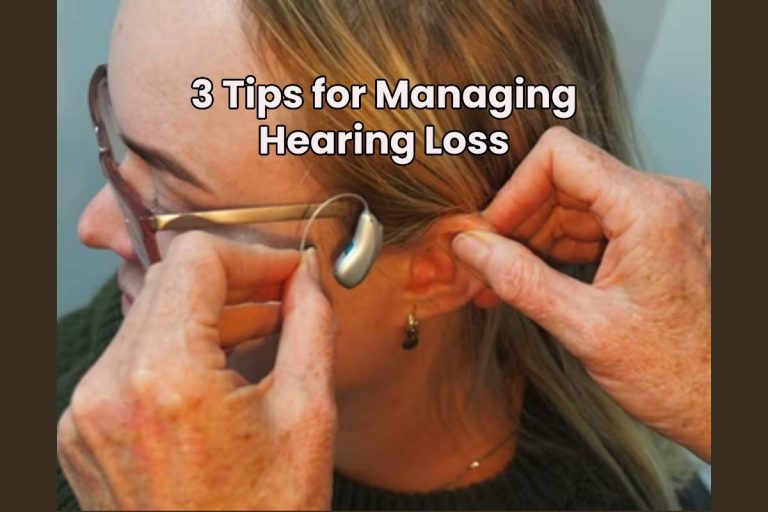
The good news? Modern strategies and technological advances—from nearly invisible hearing aids to sophisticated assistive systems—make managing hearing loss more effective than ever. Here are three practical, evidence-based tips to help you navigate life with hearing loss while protecting your remaining hearing.
Table of Contents
1. Proactively Protect Your Hearing
Noise-induced hearing loss (NIHL) is one of the most common—and preventable—forms of hearing damage. It doesn’t only come from sudden explosive sounds; prolonged exposure to everyday noise like traffic, loud restaurants, or personal audio devices can accumulate over time.
Practical Protection Strategies:
-
Use hearing protection smartly: Keep high-fidelity earplugs (like musician’s earplugs) in your keychain case for unexpected noisy environments. For consistent exposure (like commuting or using power tools), consider custom-molded options.
-
Embrace the 60/60 rule: When using headphones, listen at no more than 60% volume for no longer than 60 minutes at a time. Noise-cancelling headphones can help by allowing you to listen clearly at lower volumes.
-
Create quiet spaces at home: Use area rugs, curtains, and upholstered furniture to absorb sound. In social settings, position yourself with your back to a wall to reduce background noise interference.
-
Download a sound meter app: Several free apps can measure environmental decibel levels, helping you identify when protection is needed (generally above 85 dB).
2. Leverage Modern Assistive Technology
Today’s hearing technology extends far beyond traditional hearing aids, though modern hearing aids themselves are marvels of connectivity—many now stream directly from phones, televisions, and public sound systems.
Beyond Hearing Aids: The Assistive Ecosystem
-
Smart home integration: Devices like smart doorbells with visual alerts, vibrating alarm clocks, and phone apps that transcribe conversations in real-time can reduce daily friction.
-
Public accessibility systems: Look for venues displaying the hearing loop symbol (a blue ear with a line through it). When you switch your hearing aid to the “T” setting, you’ll receive clear, direct audio from the venue’s sound system, free of background noise.
-
Personal amplifiers: For situations where hearing aids aren’t available or sufficient, discreet personal sound amplifiers (PSAPs) can help in one-on-one conversations or while watching television.
-
Captioning everywhere: Enable captions on streaming services, use live transcription apps like Otter.ai during meetings, and explore theater and cinema offerings with closed captioning devices.
3. Adopt a Hearing-Healthy Lifestyle
Emerging research continues to reveal connections between overall wellness and hearing health. A 2022 study in the American Journal of Clinical Nutrition reinforced that specific nutrients may support auditory function, while cardiovascular health directly impacts hearing by ensuring adequate blood flow to delicate inner ear structures.
Nutritional and Behavioral Approaches:
-
Focus on circulation-supporting foods: Incorporate omega-3-rich foods (walnuts, flaxseeds, fatty fish), potassium-rich bananas and spinach, and antioxidants from berries and leafy greens. Magnesium (found in almonds and avocados) may help protect against noise-induced damage.
-
Manage chronic conditions: Work with your healthcare provider to control diabetes, hypertension, and high cholesterol—all linked to increased hearing loss risk.
-
Stay socially and mentally active: Challenging your brain to process sounds through conversation, music, and auditory training apps can help maintain auditory processing skills.
-
Schedule regular hearing check-ups: Just like vision or dental exams, annual hearing evaluations establish a baseline and catch changes early. The Centers for Disease Control and Prevention (CDC) recommends screenings every decade until age 50, then every three years thereafter.
Moving Forward with Confidence
Managing hearing loss is an ongoing process that combines protection, technology, and holistic health. If you suspect hearing changes, the most important first step is a comprehensive evaluation by an audiologist. They can provide personalized solutions ranging from medical treatment to hearing aid fitting and communication strategies.
Remember that hearing loss management isn’t just about better hearing—it’s about maintaining connection, engagement, and quality of life. With today’s resources and strategies, millions of people with hearing loss lead full, active lives while staying connected to what—and who—matters most.
For current research and support resources, visit the Hearing Loss Association of America (HLAA) or the American Speech-Language-Hearing Association (ASHA), both of which provide updated guidance on hearing technology and communication strategies.