Home Blog Page 31

Theapknews.Shop Health & Beauty: Complete Self-Care Guide for Healthy Living

Introduction: Why Self-Care Matters More Than Ever

Let me be real with you. Life moves fast. Between work, responsibilities, and everything else, most of us forget about ourselves. That’s where self-care comes in.

Self-care isn’t selfish. It’s necessary. It’s about taking intentional time to nurture your body, skin, and mind. And honestly? It changes everything.

At Theapknews.Shop Health & Beauty, we get it. We’ve built this entire platform around one simple idea: everyone deserves access to quality health and beauty products without breaking the bank. No gatekeeping. No ridiculous markups. Just affordable, effective products that actually work.

If you’re tired of spending a fortune on skincare or unsure which products are right for you, this guide is for you. We’re breaking down exactly what we offer, how to choose the right products, and how to build a self-care routine that sticks.

this article belongs to beauty tips

What Is Theapknews.Shop Health & Beauty?

Theapknews.Shop Health & Beauty is an online platform dedicated to helping people live healthier, more beautiful lives. We’re not just another e-commerce site selling random products. We’re committed to education, quality, and affordability.

Here’s what makes us different:

Affordable Pricing: We believe health and beauty shouldn’t cost a fortune. That’s why we work directly with brands to offer competitive prices.

Curated Selection: We don’t sell everything. We carefully select products based on quality, effectiveness, and safety. Every product in our store has been vetted.

Educational Resources: We provide guides, tips, and information to help you make informed decisions about your health and beauty choices. For more practical beauty ideas, explore our Beauty Tips guide.

For All Skin Types: Whether your skin is oily, dry, combination, or sensitive, we have products specifically chosen for you.

Comprehensive Coverage: From skincare to supplements, haircare to wellness tools, we cover everything you need for a complete self-care routine.

How to Choose the Right Health & Beauty Products: 5 Key Factors

Not all products work for everyone. That’s why it’s important to know what to look for when shopping for health and beauty items.

Factor 1: Know Your Skin Type First

Your skin type is the foundation of everything. Before you buy anything, understand what you’re working with.

Oily Skin:

  • Looks shiny or greasy
  • Large, visible pores
  • Prone to breakouts and acne
  • Best products: Lightweight serums, mattifying moisturizers, clay masks

Dry Skin:

  • Feels tight or uncomfortable
  • Visible flaking or rough patches
  • More prone to sensitivity
  • Best products: Rich creams, hydrating serums, nourishing oils

Combination Skin:

  • Oily in T-zone (forehead, nose, chin), dry everywhere else
  • Needs balanced approach
  • Best products: Lightweight hydration with targeted treatments

Sensitive Skin:

  • Reacts easily to products
  • Gets red, itchy, or irritated
  • Needs gentle formulations
  • Best products: Natural ingredients, fragrance-free options

How to identify yours: Look in the mirror 1-2 hours after cleansing. Does your face look shiny? Are there dry patches? That tells you your type.

Factor 2: Read the Ingredients List

Ingredients matter. A lot.

Here’s what to do: When buying any product, flip it over and read the ingredient list. If you can’t pronounce it, Google it. Seriously.

Look for these beneficial ingredients:

  • Hyaluronic acid (hydration)
  • Niacinamide (balancing, anti-inflammatory)
  • Vitamin C (brightening, antioxidant)
  • Retinol (anti-aging, cell turnover)
  • Salicylic acid (acne-fighting)
  • Glycerin (moisturizing)
  • Peptides (firming, collagen-boosting)

Avoid these if you have sensitive skin:

  • Alcohol (drying)
  • Fragrance (irritating)
  • Essential oils (can sensitize skin)
  • Strong acids if you’re a beginner

Pro tip: Natural doesn’t always mean better. Some natural ingredients can irritate sensitive skin. Lab-tested ingredients are often safer and more effective.

Factor 3: Consider Your Budget Realistically

Here’s the truth: expensive doesn’t always mean better.

Some luxury brands charge for packaging and marketing, not better ingredients. Some affordable brands deliver incredible results.

Budget tiers at Theapknews.Shop:

  • Budget-friendly ($5-20): Great starter products, solid basic skincare
  • Mid-range ($20-50): Better formulations, noticeable results
  • Premium ($50+): Advanced technology, specialized treatments

Our recommendation: Start with a solid routine in the budget-friendly range. Once you understand what your skin likes, invest in one premium product you really love.

Factor 4: Check Brand Reputation & Reviews

Don’t just trust marketing claims. Trust people who’ve actually used the product.

Where to check reviews:

  • Google reviews
  • Amazon reviews
  • Influencer reviews (but be aware of sponsorships)
  • Customer testimonials on product pages
  • Before/after photos from real customers

Red flags:

  • All 5-star reviews (seems fake)
  • No reviews at all (new or unpopular product)
  • Reviews that sound like ads (“This literally changed my life!”)
  • Company doesn’t respond to negative feedback

Good signs:

  • Mix of ratings (3-5 stars is realistic)
  • Detailed reviews explaining pros and cons
  • Company responds to negative feedback professionally
  • Before/after photos that look genuine
  • Reviews mention specific results (not just “good!”)

Factor 5: Understand Regulated vs. Unregulated Claims

This is important. Companies make claims about what their products do. But not all claims are equal.

Regulated claims (FDA-approved):

  • “Moisturizes dry skin”
  • “Reduces the appearance of fine lines”
  • “Helps prevent acne breakouts”
  • “Protects from UV damage”

Unregulated claims (marketing hype, not science-backed):

  • “Erases wrinkles” (can’t erase, only reduce appearance)
  • “Removes toxins” (your liver does that)
  • “Cures acne” (products help manage, not cure)
  • “Anti-aging” (slows signs of aging, doesn’t stop it)

Bottom line: If a claim sounds too good to be true, it probably is.

The Self-Care Approach at Theapknews.Shop

Self-care is more than just buying products. It’s a mindset. A commitment to yourself.

Real self-care is:

  • Intentional and mindful
  • Consistent, not occasional
  • Personalized to your needs
  • Gentle and compassionate toward yourself
  • Sustainable long-term

Self-care is NOT:

  • Spending tons of money
  • Following someone else’s routine exactly
  • Perfectionism
  • Guilt-tripping yourself
  • Another chore on your to-do list

At Theapknews.Shop, we believe self-care should be accessible to everyone. That’s why we’ve curated our collection around these principles:

Quality over quantity: Fewer products that work is better than a bathroom full of stuff.

Affordability: You shouldn’t have to choose between self-care and paying bills.

Education: We teach you WHY you need certain products, not just that you should buy them.

Flexibility: Your routine can look different from anyone else’s. That’s okay.

Inclusivity: All skin types, all budgets, all preferences welcome.

How to Build Your Personal Self-Care Routine in 5 Steps

Creating a self-care routine sounds complicated. It’s not. Follow these steps.

Step 1: Start with the Basics (Week 1)

You don’t need 15 products. You need 3-5 good ones.

Essential routine:

  1. Cleanser (remove dirt and makeup)
  2. Moisturizer (hydrate your skin)
  3. Sunscreen (daily, non-negotiable)

That’s it. For the first week, use only these. Get your skin used to a basic routine.

How to use:

  • Morning: Cleanser → Moisturizer → Sunscreen
  • Night: Cleanser → Moisturizer

Takes 5 minutes. Do it daily.

Step 2: Add One Product at a Time (Week 2-3)

Once your basic routine feels normal, add ONE new product. Give it 2 weeks before adding another.

Why slow? Your skin needs time to adjust. Introducing too many products at once makes it impossible to know which one is causing issues.

What to add second:

  • Serum (if dry skin): Hydrating serum
  • Toner or essence (if oily skin): Balancing toner
  • Eye cream (if concerned about under-eye area)

Step 3: Customize Based on Your Needs (Week 4+)

Now that you have a foundation, identify your main skin concern.

Acne-prone skin add:

  • Salicylic acid toner or spot treatment
  • Oil-control moisturizer
  • Gentle face mask (1x weekly)

Anti-aging concerned add:

  • Retinol serum (start 1-2x weekly)
  • Vitamin C serum
  • Eye cream with peptides

Sensitive skin add:

  • Calming essence
  • Gentle exfoliant (not harsh scrubs)
  • Barrier-repair moisturizer

Dull or uneven tone add:

  • Brightening serum
  • Exfoliating toner
  • Hydrating mask

Step 4: Include Non-Skincare Self-Care (Ongoing)

Self-care isn’t just face products. Include:

Relaxation tools:

  • Aromatherapy diffuser with essential oils
  • Face massage roller (feels amazing)
  • Silk pillowcase (reduces wrinkles, hair breakage)
  • Soft towels and washcloths

Wellness products:

  • Supplements for health (collagen, vitamins, etc.)
  • Herbal teas for relaxation
  • Body care products (don’t neglect your body!)
  • Hand and foot creams

Mental health:

  • Dedicate 10 minutes daily for skincare ritual
  • Use this time to be mindful, not rushed
  • Play music, light candles, make it an experience
  • Turn it into a meditation, not a chore

Step 5: Review and Adjust (Monthly)

Once a month, evaluate what’s working.

Ask yourself:

  • Is my skin looking/feeling better?
  • Do I actually enjoy using these products?
  • Has anything caused irritation or breakouts?
  • Am I noticing results from any specific product?
  • Would I buy this product again?

What to do:

  • Keep products that work
  • Replace products that don’t
  • Adjust routine as seasons change
  • Update based on skin changes (stress, hormones, weather)

Real Results: What to Expect from Self-Care

Let’s be honest. You want to know if self-care actually works.

Short-term results (1-4 weeks):

  • Skin feels more hydrated
  • Less tight or uncomfortable feeling
  • Skin looks slightly brighter
  • You feel calmer and less stressed
  • Better sleep from the routine

Medium-term results (1-3 months):

  • Clearer skin
  • Fewer breakouts
  • More even skin tone
  • Visible reduction in fine lines (hydration helps)
  • Overall skin looks healthier
  • You feel more confident

Long-term results (3-6 months+):

  • Significant reduction in acne
  • Visible improvement in skin texture
  • Fine lines appear softer
  • Skin tone is more even
  • Improved skin elasticity
  • Sustainable habit that feels normal
  • Real improvements in mental health and well-being

Reality check: Results vary. Some people see changes in 2 weeks. Others take 6-8 weeks. Consistency matters more than product quality.

If you skip your routine for a week, your skin will notice. If you’re consistent for 3 months, your skin will transform.

5 Tips to Actually Stick With Your Self-Care Routine

Most people start routines with enthusiasm. Then life happens and they quit.

Here’s how to actually stick with it:

Tip 1: Set a Specific Time

Don’t say “I’ll do skincare sometime.” Set a time.

Morning routine: Right after waking up, before coffee
Night routine: Before bed, part of your wind-down

When it’s attached to an existing habit, you’re more likely to do it.

Tip 2: Keep Products Visible

Out of sight = out of mind.

Keep your skincare products on your bathroom counter where you’ll see them. Don’t hide them in a drawer.

Tip 3: Start Small

A 10-minute routine you actually do beats a 45-minute routine you abandon.

Start with just 5 minutes. Add more once it becomes habit.

Tip 4: Track Your Progress

Take before photos. Write down how your skin feels.

After 4 weeks, look back. You’ll notice improvements that motivate you to keep going.

Tip 5: Make It Feel Like a Treat, Not a Chore

Use nice-smelling products. Get a pretty jar for cotton pads. Light a candle.

When your routine feels luxurious, you look forward to it instead of dreading it.

Theapknews.Shop’s Top Self-Care Product Recommendations

Not sure where to start? Here are some of our bestselling products across different needs and budgets.

For Beginners (Budget-Friendly Starter Kit)

Total cost: $25-35

  • Gentle cleanser ($8-10)
  • Hydrating moisturizer ($10-12)
  • Broad-spectrum sunscreen SPF 30+ ($8-12)

Why these: Effective, gentle, won’t irritate, builds a solid foundation.

For Acne-Prone Skin

Total cost: $40-60

  • Salicylic acid cleanser ($10)
  • Lightweight moisturizer ($12)
  • Salicylic acid treatment ($15)
  • Oil-control sunscreen ($12)

Expected results: Less acne in 4-6 weeks with consistent use.

For Anti-Aging Concerns

Total cost: $50-80

  • Gentle cleanser ($10)
  • Retinol serum ($25-35)
  • Moisturizer with peptides ($15-20)
  • Eye cream ($12-15)
  • Sunscreen SPF 50+ ($10-15)

Expected results: Fine lines softer, skin firmer in 8-12 weeks.

For Sensitive Skin

Total cost: $35-50

  • Fragrance-free cleanser ($8-10)
  • Calming essence ($10-12)
  • Barrier-repair moisturizer ($12-15)
  • Gentle sunscreen ($10-12)

Expected results: Less redness and irritation in 2-3 weeks.

For Dry Skin

Total cost: $45-65

  • Hydrating cleanser ($10)
  • Hydrating essence ($12)
  • Rich moisturizer ($15-20)
  • Face oil ($10-15)
  • Hydrating sunscreen ($10-12)

Expected results: Skin feels more comfortable, plump in 2-3 weeks.

Comparing Theapknews.Shop to Other Beauty Retailers

How do we stack up against other options?

FeatureTheapknews.ShopHealth & GlowThe Plus News
Price Budget-friendly Mid-range to premium Premium
Selection Curated 200+ products 500+ products 300+ products
Physical locations Online only 175+ locations in India Online/select stores
Education Detailed guides & tips Basic product info Some guides
Skin type focus All types equally Focused on all types Mostly premium
Shipping Affordable, reliable Fast Standard
Customer service Responsive Good Variable
Customization Personalized recommendations Limited Limited

Bottom line: Choose based on what matters to you. Want affordability? Theapknews.Shop. Want to see products in person? Health & Glow has physical stores.

Common Questions About Theapknews.Shop & Self-Care

Can self-care actually change my life?

Yes, it can. Not just your skin—your entire life.

When you prioritize self-care, you’re sending a message to yourself: “I’m worth taking care of.”

That mindset shift affects everything. You sleep better. You feel calmer. You make better choices. Your skin improves.

It’s not magic. It’s consistent effort. But the results are real.

What if my skin type is mixed or keeps changing?

Then use a combination approach.

For example, if you’re combination skin (oily T-zone, dry cheeks):

  • Use a mattifying moisturizer on your T-zone
  • Use a richer moisturizer on cheeks
  • Or use a lightweight moisturizer everywhere and add oil just to dry areas

Your skin also changes with seasons. In winter, everyone’s drier. In summer, oilier. Adjust products accordingly.

Do I have to buy expensive brands for good results?

Not at all.

The most important factors for results are:

  1. Consistency (using products regularly)
  2. Right ingredients (for your skin type)
  3. Proper technique (correct application)
  4. Patience (waiting 4-8 weeks for results)

Price doesn’t guarantee these. A $15 product you use consistently beats a $150 product you use sporadically.

Are all products at Theapknews.Shop organic or natural?

We have both organic and conventional products.

Here’s our philosophy: Effective is better than natural if something has been proven to work.

Some natural ingredients are amazing (aloe, green tea, etc.). Some lab-created ingredients are incredible (hyaluronic acid, niacinamide). Both belong in your routine.

We focus on safety and effectiveness, not whether it’s “natural.”

If you enjoy exploring simple ingredient-based beauty approaches, you can also read The Egg in Your Beauty Treatments.

What if I’m allergic to something?

Always patch test new products first.

Here’s how:

  1. Apply a tiny amount to your inner arm
  2. Wait 24 hours
  3. If no reaction, try on your face (behind your ear first)
  4. Wait another 24 hours
  5. If still good, use in your routine

If you know you’re allergic to specific ingredients, check the ingredient list before buying. We list all ingredients on every product page.

How long until I see results?

Realistic timeline:

  • Week 1-2: Skin feels different (hydrated, cleaner)
  • Week 2-4: You notice improvements (less breakouts, brighter skin)
  • Week 4-8: Significant visible changes (clearer, smoother, more even tone)
  • Month 3+: Major transformation (especially for anti-aging)

Some people see results in 2 weeks. Some take 8 weeks. Stick with it either way.

Your Self-Care Journey Starts Here

Self-care isn’t a luxury. It’s necessary.

In our fast-paced world, taking care of yourself is one of the most rebellious, important things you can do.

At Theapknews.Shop Health & Beauty, we’re here to make that journey affordable, accessible, and effective.

Here’s your action plan:

  1. Identify your skin type (oily, dry, combination, sensitive)
  2. Start with the basics (cleanser, moisturizer, sunscreen)
  3. Browse our curated collection with your skin type in mind
  4. Add one product at a time every 2 weeks
  5. Be consistent for 8 weeks before deciding if something works
  6. Adjust based on results and how your skin responds

Remember: Your skin is an organ. It deserves care. You deserve care.

With the right products, knowledge, and consistency, you can transform not just your skin, but your entire relationship with yourself.

Start your self-care journey today. Your future self will thank you.

For more everyday ideas, explore these Simple Beauty Hacks.

How to Prepare for Your First Botox Appointment

Regular Botox treatments provide an array of benefits but getting your first one can be stress-inducing, just like any other medical procedure you haven’t had before. The best way to mitigate both your anxiety levels and the chance of anything going wrong is by preparing properly. Your nurse or doctor will provide you with useful information, but there are other things you can do to ensure the experience is as comfortable as possible. Here’s how to prepare for your first Botox appointment.

this article belongs to Pharmacy & Medicines

Research the Company

Before deciding on a place, be sure to research the company that delivers the Botox cosmetic, as you want to be sure that they are reputable and have the best doctors and nurses on hand. Their website will give you an indication of what their practices are like, and it’s also always useful to look at other customer’s reviews. Once you know you’re in safe hands, the process will feel much smoother.

Check the Provider’s Experience

Researching the clinic is only one part of the process. It is also useful to learn about the healthcare professional who will actually perform the treatment. Look for information about their qualifications, experience with Botox, and the types of treatments they regularly provide.

During your consultation, don’t hesitate to ask who will administer the injections and how frequently they perform the procedure. A qualified professional should be comfortable discussing the treatment, answering questions, and explaining what you can realistically expect.

You should also make sure that the clinic provides an appropriate environment for a medical procedure. Cleanliness, professional communication, and clear information about aftercare can all contribute to a more comfortable experience.

To understand how this fits into the broader picture, explore our Comprehensive Syringes And Iv Sets Pillar.

Choose the Best Appointment Time

To ease your nerves, choose an appointment time that doesn’t allow for too much worrying throughout the day. Morning is generally best, as it means you get the procedure over and done with, allowing you to spend the rest of the day wondering what you were so worried about!

Give Yourself Enough Time

Try not to schedule your first Botox appointment immediately before an important event. Giving yourself enough time for the appointment means you won’t feel rushed when completing paperwork, discussing your goals, or asking questions.

It can also be helpful to leave some flexibility in your schedule after the appointment. Although many people return to their normal activities quickly, individual recommendations can vary, and your provider may give you specific instructions based on your treatment.

Arriving a little early can also give you time to settle down and become familiar with the clinic instead of arriving feeling stressed.

Open Up About Medical History

You’re required to open up about your medical history before Botox injections, which makes sense, as it is a medical procedure. Be sure to tell your doctor or nurse about any illnesses you have and medications you take, including minor things like acne. This is particularly important, as there might be a medication that you take that doesn’t work well alongside Botox.

You may also find our companion piece on Ed Meds And Improved Relationship Satisfaction Overview helpful for further context.

Tell Your Provider About Previous Treatments

Your provider should also know if you have previously received Botox, dermal fillers, or other cosmetic treatments. Information about previous procedures may help them understand your treatment history and plan appropriately.

Make a list of prescription medications, over-the-counter medicines, supplements, and other products you regularly use if necessary. If you are unsure whether something is relevant, mention it rather than leaving it out.

Do not stop or change a prescribed medication simply because you are preparing for Botox. If you are concerned about a particular medicine, ask your healthcare professional whether any adjustment is appropriate.

Read Other People’s Experiences

If you find yourself worrying about getting Botox, it can be helpful to read up on other people’s experiences, as you’ll find that most people who were worried like you later discovered just how simple and painless it is. You could even find online forums to ask fellow Botox users any questions you may have before seeing your nurse/doctor.

Use Online Experiences Carefully

Reading other people’s experiences can make an unfamiliar procedure feel less intimidating, but remember that everyone’s experience can be different. A person’s results, discomfort level, recovery, and satisfaction may not be identical to yours.

Online discussions are best used to help you think of questions rather than as a replacement for professional medical advice. Your provider can explain how the treatment applies to your specific circumstances.

You can also prepare a short list of questions before your appointment. This can prevent you from forgetting something important when you are nervous.

Avoid Aspirin and Ibuprofen

You want to avoid anything that thins your blood the day before receiving treatment, which means not taking aspirin or ibuprofen. Remember – Botox involves injections, and thinner blood will cause more bleeding during the process. That’s not something anyone wants!

Discuss Medications Before Making Changes

Medication instructions should always be individualized. If you regularly take aspirin, ibuprofen, or another medication for a medical reason, do not stop taking it without first discussing it with your healthcare provider.

Your doctor or nurse can tell you whether a particular medication or supplement needs to be avoided or adjusted before treatment. This is especially important when a medication has been prescribed to manage an ongoing health condition.

The goal is to balance preparation for the cosmetic procedure with your overall health and safety.

For related practical techniques, check out our insights in Could Metformin Potentially Have Uses Similar To A Fountain Of Youth Practical Tips.

Cleanse Your Skin (and Avoid Makeup)

Your doctor/nurse will likely cleanse your face before starting your Botox treatment, but it’s best practice to go with an already clean face. So, before you set off for the appointment, deeply cleanse your skin and avoid putting on makeup.

Keep Your Skin Comfortable

On the day of treatment, avoid unnecessarily irritating the skin around the areas that will be treated. Your provider may give you specific instructions about skincare products, exfoliation, or other facial treatments before and after your appointment.

It is also helpful to tell your provider if you have irritation, a rash, an infection, or another unusual skin problem near the planned injection area. They can determine whether treatment should proceed or be postponed.

Find Ways to Relax

It’s not just your skin you need to prep; it’s your brain, too. Some people find injections scary, so if that’s you, find ways to relax your body and mind. You could practice some meditation before going, do some breathing exercises, listen to relaxing music, or take a friend with you. Whatever works for you – do it.

Know What to Expect During the Appointment

Knowing the general process can make your first appointment feel less unfamiliar. Your provider will usually discuss your goals and assess the areas you want treated before deciding where injections may be appropriate.

The number and location of injections depend on the treatment plan. The provider may mark or examine particular areas before administering the product.

You should feel comfortable asking the provider to explain what they are doing. If you feel nervous during the appointment, let them know. Clear communication can make the experience considerably easier.

Prepare for Aftercare

Before leaving the clinic, make sure you understand the aftercare instructions provided by your healthcare professional. Ask when you can return to your usual activities and whether there are specific products, treatments, or activities you should temporarily avoid.

It is also useful to know what common temporary reactions may occur and when you should contact the clinic. Having clear instructions beforehand can prevent unnecessary worry after you get home.

Learn more about sustainable community wellness priorities at the UN Sustainable Development Goals.

Have Realistic Expectations

One of the most important parts of preparing for Botox is understanding that the treatment is not designed to transform your face overnight. Results can develop over time, and the outcome depends on factors such as the treatment area, individual anatomy, muscle activity, and the amount of product used.

During your consultation, discuss what you hope to achieve and ask the provider whether those expectations are realistic. A responsible professional should explain both the potential benefits and limitations of the treatment.

Whether you’re using Botox for medical benefits or to maintain your youthful appearance, these preparation tips will help ensure the process is smooth sailing.

Top Indian Government Health Insurance Schemes

The pandemic proved once again that health is the most valuable possession for every human being. The need to be healthy at all times has become a universal demand, and to achieve this aim, people are spending a lot of money on items that will protect them from any adverse occurrences. The Indian government is also heavily investing in expanding the public healthcare system so that all Indian citizens, particularly those who cannot afford to pay large sums for private treatments, can benefit from these central government health plans.

Government health schemes are health insurance systems sponsored by the central or state
government. The primary goal of efforts such as the Indian government health insurance
scheme is to make healthcare available to all people at an affordable cost. Some of these
initiatives have achieved international acclaim and are used as case studies for how to carry
them out.

The government of India is introducing govt health insurance programmes to help those who earn daily wages and are below the poverty line have access to basic healthcare amenities.

this article belongs to Healthcare Services

Why Government Health Insurance Schemes Are Important

Healthcare expenses can place a significant financial burden on individuals and families. A sudden illness, accident, hospitalization, surgery, or long-term treatment can require a substantial amount of money, especially when a household depends on a single income. Government-sponsored health and insurance programmes are intended to reduce some of these financial barriers and make essential services more accessible to eligible beneficiaries.

For low-income households, even routine medical expenses can become difficult to manage. When healthcare costs consume a large part of the household budget, families may postpone consultations, diagnostic tests, medicines, or hospital treatment. Public healthcare programmes can help eligible people access services without having to depend entirely on their personal savings.

Another important purpose of government health schemes is to improve access to organized healthcare. Depending on the specific programme, beneficiaries may receive services through government hospitals, designated healthcare facilities, insurance networks, or other participating institutions. This can be particularly useful for people who live in areas where private healthcare services are expensive or limited.

For an in-depth breakdown on this subtopic, refer to our Obtaining Healthcare Software Integration Solutions Guide.

How Government Health Schemes Support Families

A major advantage of public healthcare programmes is that they can provide financial assistance at a time when a family may already be facing emotional and practical difficulties. A serious illness can affect not only the patient but also caregivers and other family members. When medical expenses are partially or fully covered under an eligible scheme, families may have more financial resources available for household necessities.

Different schemes have different eligibility requirements, benefits, enrollment processes, and coverage limits. Therefore, people should understand the specific rules of a programme before relying on it for a particular medical expense.

Some programmes are designed around hospitalization and treatment, while others may focus on employment-related medical protection, life insurance, accidental coverage, or financial assistance. This means that the term “government health scheme” covers several different types of public welfare initiatives rather than one single form of insurance.

1. Ayushman Bharat Yojana

The Ayushman Bharat Pradhan Mantri Jan Arogya Yojana (PMJAY) also knowns as ‘prime minister health insurance, which was introduced in 2018, is a centrally sponsored scheme funded jointly by the Union Government of India and the state governments to provide free health insurance coverage to low-income earners in the country. It is the world’s largest government medical insurance system, with an estimated 50 crore beneficiaries.

This Indian government health insurance scheme includes a mediclaim policy of Rs 5 lakh per family per year, 3 days of pre-hospitalization and 15 days of post-hospitalization, reimbursement of diagnostic and medical charges, and so on. It also covers any pre-existing medical disorders, and beneficiaries can seek treatment at any empanelled institution in the country.

Understanding the Importance of Eligibility

For any government healthcare programme, eligibility is an important consideration. A person should not assume that every government scheme automatically applies to them. Eligibility may depend on factors such as household circumstances, income, employment, location, or other criteria established by the relevant authority.

Beneficiaries should also understand what services are included under their particular coverage. Knowing the participating hospitals and available services in advance can make it easier to seek appropriate care when a medical need arises.

For an in-depth breakdown on this subtopic, refer to our Stand Out As A Nurse Guide.

2. Aam Aadmi Bima Yojana

This is one of the most recent National Health Insurance Schemes, having been established in 2007. It seeks to include all people between the ages of 18 and 59. This government health insurance system is available to citizens living in both urban and rural locations.

One of the primary advantages of this health insurance scheme is that it provides scholarships to deserving pupils. Under this plan, the head of the family or the primary breadwinner is covered for all medical expenses.

Financial Protection for Lower-Income Households

Insurance and social security programmes can be especially important for families that do not have sufficient savings to manage unexpected events. When the primary income earner becomes ill, disabled, or otherwise unable to work, the consequences can extend beyond medical expenses.

Government-supported schemes can therefore serve a wider social purpose. They can help reduce the financial vulnerability of families and provide a degree of protection against circumstances that might otherwise lead to debt or loss of income.

At the same time, beneficiaries should check the current status of any particular programme because government schemes can be modified, merged, replaced, or administered differently over time.

For an in-depth breakdown on this subtopic, refer to our Doctor For A Lip Nodule Guide.

3. Employment State Insurance Scheme

The ESIC was implemented by the government of India in 1950, primarily for workers to provide them with health coverage and protect them against health-related complications such as permanent or temporary disablement, sickness, death due to employment injury or occupational disease, and so on, which could result in a loss of income for their family.

The system, which has over 3 crore beneficiaries, provides the following benefits: medical benefit, sickness benefit, maternity benefit, disability benefit, dependent’s benefit, funeral expenses, and rehabilitation allowance. Those registered with the scheme are eligible for medical treatment for themselves and their dependents at ESI centres located in all major cities across India.

Healthcare Support for Workers

Employment-related health coverage is important because workers may face health risks that are connected to their working environment. Employees may also need support when sickness or injury temporarily affects their ability to earn an income.

A comprehensive social security system can therefore address more than just hospital bills. Depending on the applicable programme and eligibility requirements, workers and their families may receive different forms of medical, financial, or rehabilitation support.

For employees who are covered under such a system, understanding how to access medical facilities and benefits is important. They should also keep their relevant registration and identification information available when seeking services.

For an in-depth breakdown on this subtopic, refer to our The Nurses Dilemma Solved Guide.

4. Janshree Bima Yojana

The Life Insurance Corporation and the Central Government jointly inaugurated the Janashree Bima Yojana. This government-sponsored insurance system was designed to provide life insurance coverage to both urban and rural residents who are below and marginally over the poverty line.

With the implementation of this system, the Rural Group Life Insurance Scheme (RGLIS) and the Social Security Group Insurance Scheme (SGIS) have been phased down (SGIS). Currently, this system provides coverage to 45 different occupational groups.

The Role of Social Security Programmes

Social security programmes are particularly important for households that have limited access to private insurance. Many people working in informal or low-income occupations may find it difficult to purchase comprehensive private coverage.

Government initiatives can help extend social protection to groups that might otherwise remain underserved. Occupationally focused programmes can also take into account the specific economic circumstances of workers and their families.

However, people should always verify whether a particular historical scheme is currently active, whether it has been integrated into another programme, and what benefits are presently available. Government welfare policies can change as new programmes are introduced.

For an in-depth breakdown on this subtopic, refer to our Do Rns Need A Medical Director Guide.

5. Pradhan Mantri Suraksha Bima Yojana

It is a central government health scheme that was introduced in 2016 to allow more people to obtain accident insurance. It provides a life cover of Rs 2 lakhs and a limb or eye loss policy of Rs 1 lakh at a premium of Rs 12 per year per member of a family. Anyone between the ages of 18 and 70 is eligible to participate in this plan.

This scheme’s major goal is to make inexpensive insurance coverage available to the general people in India at the lowest possible rate. Most banks and public sector insurance companies have made this plan available for individuals to join, with the premium being auto-debited from the beneficiary’s savings account every year.

Why Accident Coverage Matters

Accidents can create sudden financial pressure because they may result in hospitalization, disability, temporary loss of income, or long-term changes in a person’s ability to work. For families with limited savings, even a single unexpected accident can have serious financial consequences.

Affordable accident insurance can therefore form one component of a broader financial protection strategy. It is important, however, to understand that accident insurance and comprehensive health insurance are not necessarily the same thing. Each programme may cover different circumstances and provide different benefits.

People should read the terms and conditions carefully and understand the situations in which a claim may or may not be applicable.

For an in-depth breakdown on this subtopic, refer to our Nurses Suspect The Staffing Crisis Will Get Worse.

6. Chief Minister’s comprehensive health insurance

This is a state government scheme created by the state of Tamil Nadu. In collaboration with the United India Insurance Company Ltd., The Comprehensive Health Insurance Scheme of the Chief Minister also referred to as ‘CM health insurance’ provides enough coverage for thousands of medical treatments and amenities.

Under this govt health insurance policy, you may even recover hospitalisation expenditures of up to Rs. 5 lakhs. All Tamil Nadu residents with an annual income of less than Rs. 75,000 are eligible to join this government scheme.

Understanding State and Central Government Schemes

India’s healthcare system includes both central and state-level initiatives. Central government programmes may be available across multiple states, while state-sponsored schemes can have eligibility criteria and benefits specifically designed for residents of that state.

This creates opportunities for people to access different forms of healthcare support depending on where they live and their personal circumstances. However, it can also make the system confusing for people who are unfamiliar with the differences between programmes.

Before applying for any scheme, individuals should identify whether it is a central or state programme, determine whether they meet the eligibility requirements, and check which hospitals or healthcare providers participate in the scheme.

How to Make Better Use of Government Healthcare Schemes

Simply having access to a government healthcare programme is not always enough. Beneficiaries should understand how the programme works and what documentation may be required when accessing services.

Keep Important Documents Ready

People may need identification documents, income-related information, employment records, scheme-specific cards, or other documents depending on the programme. Keeping important records organized can make the enrollment and treatment process easier.

Check Participating Hospitals

Before planned treatment, beneficiaries should check whether the hospital or healthcare provider is included in the relevant network. This can help avoid confusion at the time of admission.

Understand the Coverage

People should know whether their scheme covers hospitalization, medicines, diagnostic procedures, consultations, surgery, follow-up treatment, or other services. Coverage can vary considerably between programmes.

Ask About the Claim or Authorization Process

Some schemes may use direct arrangements between the healthcare facility and the programme administrator, while others may require specific documentation or procedures. Understanding the process beforehand can reduce unnecessary delays.

Government Healthcare Schemes and Rural Communities

Access to healthcare can be particularly challenging in rural communities. Distance from hospitals, transportation costs, limited medical facilities, and lower awareness of available programmes can prevent people from receiving timely care.

Government health initiatives can help address some of these challenges by expanding access to medical services and financial protection. Awareness campaigns are equally important because a programme cannot benefit eligible families if they do not know that it exists or do not understand how to access it.

Community health workers, local authorities, hospitals, and public information campaigns can all play a role in improving awareness.

Review global population wellbeing trends via the World Health Organization Global Indicators.

The Importance of Healthcare Awareness

Healthcare awareness is not limited to knowing the names of government schemes. People should also understand the importance of preventive healthcare, regular medical consultations, healthy lifestyle choices, vaccination where appropriate, and timely treatment.

Insurance or government assistance can help reduce financial barriers, but it does not replace preventive care. Detecting a health problem early can sometimes reduce the need for more complex and expensive treatment later.

Families should therefore consider government health coverage as one part of their broader approach to managing health and financial risks.

Challenges in Accessing Government Health Schemes

Although government health programmes can provide valuable support, beneficiaries may sometimes face practical challenges. These may include lack of awareness, difficulty understanding eligibility rules, documentation requirements, limited availability of participating facilities in some locations, or uncertainty about which services are covered.

Digital systems have made it easier for many people to access information and complete certain processes, but not everyone has reliable internet access or the digital skills required to use online services.

Improving awareness and providing accessible support at local healthcare facilities can help eligible individuals make better use of available programmes.

Choosing the Right Healthcare Support

There is no single government healthcare programme that is designed for every person or every medical situation. The appropriate option depends on factors such as eligibility, location, employment status, household circumstances, and the type of financial or medical protection required.

People should therefore compare the actual benefits and requirements of relevant programmes rather than choosing a scheme based only on its name or advertised coverage. Official government sources and authorized programme representatives are useful places to verify current information.

In the event of an emergency, the govt health insurance plans provide financial protection to the insurer, spouse, children, and family members. Health insurance coverage is a substantial contribution to anyone’s financial portfolio. The government has launched such initiatives to make this possible for all sections of the country and to attain the goal of greater health care services.

As a result, the government provides a multitude of various health insurance options for persons living below the poverty level. They can use these programmes to improve their health and make the most of them.

Final Thoughts

Government-sponsored healthcare programmes can play an important role in improving access to medical services and reducing financial pressure on eligible families. They are especially relevant for people who may not have sufficient resources to pay for private healthcare or insurance.

Understanding eligibility, coverage, participating healthcare facilities, documentation requirements, and the process for receiving benefits can help beneficiaries make better use of these programmes. It is also important to remember that government policies can change, so current information should always be confirmed through official sources before making healthcare or financial decisions.

Ultimately, the goal of these initiatives is not only to provide financial assistance during illness but also to make healthcare more accessible to different sections of society. Greater awareness, timely medical care, and appropriate use of available public healthcare resources can contribute to a stronger and more inclusive healthcare system.

Author Bio:

Smriti Gala works as a Digital Marketing Manager with Coverfox. As her life turned upside down when COVID severely afflicted her family members, Smriti decided to dedicate her expertise towards informing and educating the masses about the importance of health insurance. When she is not actively writing enlightening content, our ‘monk marketer’ likes to meditate, meet new people and explore less travelled territories.

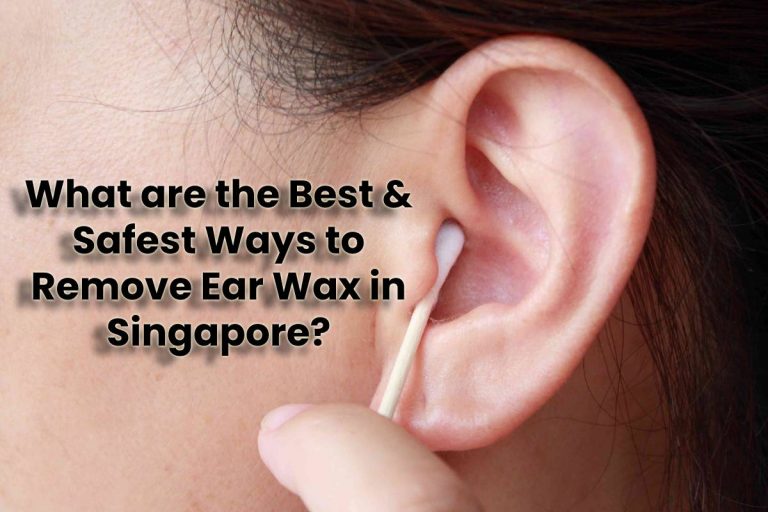
What are the Safest Ways to Remove Ear Wax in Singapore?

Do you have a blockage in the ears? Excessive wax can build up over time, making haring harder. At the very same time, you’ve undoubtedly heard that removing wax with cotton buds isn’t a good idea.

While examining the ear, your physician can effectively remove wax with a tiny, curved device called a curet or vacuum. You could also use a water picker or a hard plastic syringe loaded with hot water to rinse the wax by your doctor.

The ear canals generate earwax. Its presence is generally hidden and beneficial. On the other hand, Earwax accumulation can be bothersome, unattractive, and, in some circumstances, impair your hearing momentarily.

Even though there are under earwax draining treatment options, they may use numerous home objects to remove excess wax from the ear canals.

this article belongs to Eye & ENT Care

Here are a few pointers on how to wash your ears properly, how not to do it, or when to visit a doctor.

Ear cleansers work great if you only have a small quantity of wax. Check for hydrogen or other types of peroxide in the droplets. The oxygen is effective in dissolving ear wax.

  • While earwax removal may generally be done safely at home, some situations necessitate the assistance of a health professional. If none of the following home treatments work, see your physician. To get rid of earwax, don’t utilize the following methods:
  • When earwax accumulation is a persistent issue, your treatment includes a wax-removal medicine like hydrofluoric acid. Often use drops only as advised since they might irritate the sensitive skin of the membrane and inner ear.
  • Many people employ ear candling to eliminate earwax, which includes inserting a lit, hollow cylinder candle into the ear. According to the idea, the heat from the flames creates a sealable bag, causing the earwax to cling to the candles.
  • In an ancient canon, a cotton swab functions as a ramrod. The tip helps to push ear wax further into the ear canal; thus, the more ear fluid you press in when you’re using it. Furthermore, if you try hard, you risk rupturing your eardrum. Scratching your ear canal can also cause infection since dirt and germs can now enter beneath your skin. You can contact Ear & Allergy Clinic Singapore**.**
  • If you believe you get an earwax issue, you should first talk to your doctor. They can determine if it’s a problem that has to be addressed, a sign of an actual pathology, or something that your system can manage on its own.

Excessive wax removal might cause hearing difficulties or itchy, uncomfortable, or infected ear canals. Consider homemade remedy suggestions with your physician when discussing your worries to determine whether they’re the best course of action for your case.

You might be able to have your hearing unclog straight away if the issue is minimal. If not, ENT physicians can enlarge the ear canal with surgical telescopes, release the wax, and suction it out.

It’s natural to have some earwax in your ears. Earwax shields your ear canal from contaminants like germs and pollen. Usually, wax moves out of your ear gradually, preventing an obstruction. If you push the grease deeply into your ear or spontaneously create an excessive amount of gunk, you may make a block.

What Is Earwax?

Earwax, also called cerumen, is a natural substance produced inside the ear canal. It may look unpleasant to some people, but it actually serves several useful purposes. Earwax helps trap dust, small particles, and other foreign material before they can travel deeper into the ear.

It also helps keep the skin inside the ear canal from becoming excessively dry. The ear canal is sensitive, and maintaining a suitable environment can help protect it from irritation. As the wax gradually moves toward the outer portion of the ear, it normally leaves the ear without requiring any special cleaning.

For this reason, seeing some wax around the outer ear does not necessarily mean that the ear needs to be cleaned immediately. The visible presence of wax is often part of the normal process by which the ear cleans itself.

Why Does Earwax Build Up?

Although the ears generally remove wax naturally, some people experience repeated accumulation. The shape of the ear canal can influence how easily wax moves outward. Some people may also naturally produce more earwax than others.

Using cotton buds or other objects inside the ear can make the situation worse. Instead of removing all the wax, these objects can push some of it deeper into the canal. Repeated attempts to clean the ear can therefore create a cycle in which more wax becomes impacted.

Earphones, hearing aids, and other devices that sit inside or around the ear can also sometimes interfere with the natural movement of wax. People who regularly use such devices may need to pay closer attention to changes in hearing or a sensation of blockage.

For an in-depth breakdown on this subtopic, refer to our Blurred Vision Causes And Associated Problems Guide.

Common Symptoms of Earwax Blockage

Not every person with excess earwax experiences symptoms. However, when wax becomes impacted, several changes can occur.

Common symptoms may include:

  • A feeling of fullness or blockage in the ear
  • Reduced or muffled hearing
  • Ringing or buzzing sounds
  • Mild ear discomfort
  • Itching around or inside the ear
  • A sensation that the ear is plugged
  • Occasionally, an unpleasant odor or discharge

These symptoms do not always mean that earwax is the cause. Hearing changes can occur for many different reasons, including infections, inflammation, problems involving the middle ear, or other conditions.

That is why persistent symptoms should not automatically be treated as a simple wax problem.

When Earwax Should Be Professionally Removed

Professional removal may be appropriate when earwax has become impacted and is causing symptoms. A healthcare professional can look inside the ear and determine whether the blockage is actually caused by wax.

Depending on the situation, a professional may use appropriate instruments to remove the wax. Methods can include manual removal, suction, or irrigation when suitable.

Professional treatment can be particularly important when there is a history of ear surgery, an eardrum problem, repeated ear infections, or another condition affecting the ear. In such cases, attempting to remove wax without professional guidance can potentially cause injury.

Why Cotton Buds Can Be Harmful

Cotton buds are commonly used because they seem convenient. However, the ear canal is not designed to be cleaned by repeatedly inserting objects into it.

A cotton bud can push wax deeper into the canal, where it may become harder to remove. It can also scratch the delicate skin of the ear canal. Scratches may create irritation and make it easier for infection to develop.

Inserting an object too deeply can also injure the eardrum. Even if an injury does not occur, repeatedly disturbing the ear canal can interfere with its natural cleaning process.

For everyday ear care, cleaning the visible outer ear with a soft cloth is generally preferable to inserting objects deep into the canal.

Ear Irrigation and Water

Ear irrigation involves introducing liquid into the ear canal to help loosen and remove wax. Although irrigation can be appropriate in some situations, it is not suitable for everyone.

The water used for irrigation should not be excessively hot or cold. Temperature extremes can cause discomfort or dizziness. More importantly, irrigation should not be attempted when there may be a perforated eardrum or certain other ear conditions.

People who have experienced ear surgery, significant ear pain, drainage, or other unusual symptoms should consult a healthcare professional before considering irrigation.

Using a home device without understanding the condition of the eardrum can create unnecessary risks.

Ear Drops and Wax-Softening Products

Some ear drops are designed to soften earwax so that it can move out of the ear more easily. Different products contain different ingredients, and they should be used according to their instructions.

A wax-softening product may be useful for certain people, but it should not be considered appropriate for every ear problem. If symptoms are caused by an infection or another condition rather than wax, using drops may not solve the underlying problem.

People should also avoid putting substances into the ear simply because they are described online as natural remedies. The ear canal is sensitive, and an ingredient that is harmless on the skin may not be suitable inside the ear.

Why Ear Candling Should Be Avoided

Ear candling is sometimes promoted as a natural method of removing earwax. The process involves placing a hollow candle near or inside the ear and lighting it.

This method does not provide a reliable way to remove impacted earwax and can create additional risks. Hot wax may drip onto the skin, potentially causing burns. There is also a risk of damaging the ear.

Because safer professional methods exist for dealing with impacted wax, ear candling is not a sensible substitute for appropriate medical assessment.

Earwax and Hearing

A blockage caused by impacted earwax can temporarily reduce hearing because sound cannot travel through the ear canal normally. Some people notice that sounds become muffled or that one ear seems significantly different from the other.

Once the blockage is removed, hearing may return to its previous level if wax was the only cause.

However, hearing loss should never automatically be attributed to earwax. Sudden or significant hearing changes can have other causes and may require prompt medical evaluation.

If hearing does not improve after wax removal, additional assessment may be necessary.

Ear Care for People Who Use Hearing Aids

People who use hearing aids may experience earwax accumulation more frequently because the device can interfere with the normal movement of wax.

Regular maintenance of the hearing aid is important. The device should be cleaned according to the manufacturer’s instructions, and any unusual reduction in sound quality should be checked.

If a hearing aid suddenly seems less effective, wax may be one possible explanation, but the device itself could also require maintenance. A professional can determine the cause rather than assuming that the ear simply needs cleaning.

For historical context and foundational research, reference the Wikipedia Foundation Overview.

Ear Care for Children

Children’s ears require particular care because their ear canals are smaller and more delicate. Parents should avoid inserting cotton buds, hairpins, or other objects into a child’s ear.

If a child complains of ear pain, reduced hearing, fullness, itching, or unusual discharge, professional assessment is preferable to attempting to remove wax at home.

Children may also have difficulty describing exactly what they are experiencing. A healthcare professional can examine the ear and determine whether wax, infection, a foreign object, or another issue is responsible.

How to Keep Your Ears Healthy

Good ear care does not require frequent deep cleaning. In many cases, the best approach is to allow the ear’s natural cleaning process to work.

You can maintain healthy ears by avoiding unnecessary objects inside the ear canal, keeping the outer ear clean, and protecting your ears from excessive noise.

People who regularly swim may also need to pay attention to moisture in the ears. Persistent moisture can contribute to irritation in some circumstances. If swimming repeatedly causes ear discomfort or infections, discuss preventive strategies with a healthcare professional.

Signs That Require Medical Attention

Certain symptoms should not be treated as ordinary earwax buildup. Contact a healthcare professional if you experience severe ear pain, significant hearing loss, bleeding, persistent drainage, dizziness, or symptoms that continue despite appropriate care.

Sudden hearing changes deserve particular attention because not all causes are related to wax. Delaying an assessment because of an assumption that the ear is simply blocked could delay appropriate treatment.

Likewise, recurring ear problems may indicate an underlying condition that needs evaluation rather than repeated home cleaning.

Avoid Over-Cleaning Your Ears

One of the most common misconceptions about ear care is that completely removing earwax is necessary. In reality, the ear produces wax for a reason.

Trying to remove every trace of wax can leave the ear canal dry and irritated. Repeated cleaning can also damage the skin and interfere with the natural movement of wax.

The goal should therefore be to manage problematic accumulation rather than attempting to make the ear completely free of wax.

What to Expect During a Professional Examination

When you visit a doctor or ENT specialist for suspected earwax blockage, the professional will usually examine the ear canal and eardrum using an appropriate viewing instrument.

This examination helps determine whether wax is actually responsible for the symptoms. If it is, the professional can select a suitable removal method based on the condition of the ear.

The procedure may be relatively quick, although the exact process depends on how much wax is present and whether it is firmly impacted.

If another problem is identified, such as inflammation or infection, the healthcare professional can recommend the appropriate next steps.

Prevention of Repeated Earwax Blockage

People who frequently develop impacted wax can discuss preventive measures with their doctor. The goal is not necessarily to clean the ears more aggressively but to find a safe routine that reduces repeated obstruction.

If hearing aids or in-ear devices contribute to the problem, proper cleaning and maintenance may help. Some people may also benefit from occasional professional examinations.

Avoiding cotton buds and other objects remains one of the simplest ways to prevent wax from being pushed deeper into the ear canal.

Final Thoughts

Earwax is a normal and useful part of ear health. It protects the ear canal from dust and other particles while helping maintain the condition of the delicate skin inside the ear.

Problems occur when wax accumulates and becomes impacted. Symptoms such as muffled hearing, fullness, itching, or discomfort can sometimes indicate a blockage, but similar symptoms can also occur with other ear conditions.

The safest approach is to avoid inserting objects into the ear canal and to seek professional advice when symptoms are persistent, severe, or unusual. Cotton buds, ear candles, and improvised tools can cause more harm than good.

If a doctor determines that earwax is responsible for the blockage, appropriate removal can usually restore the ear canal’s normal function. Regular ear care should focus on protection rather than excessive cleaning.

It’s natural to have some earwax in your ears. Earwax shields your ear canal from contaminants like germs and pollen. Usually, wax moves out of your ear gradually, preventing an obstruction. If you push the grease deeply into your ear or spontaneously create an excessive amount of gunk, you may make a block.

Early Onset Alzheimer’s Symptoms to Look Out For

Alzheimer’s disease is a neurodegenerative condition. More than fifty million people around the world are affected by this type of dementia. While it is mostly a condition that will develop in adults that are over the age of 65, around 5% of people with this condition will develop early onset Alzheimer’s disease, which occurs earlier in life, usually between the ages of forty and sixty. Some of the main symptoms of early onset Alzheimer’s include:

this article belongs to Diseases & Conditions

Personality and Mood Changes

With the early onset of Alzheimer’s disease, you may notice that your loved one is having extreme mood and personality swings and changes. There may be a noticeable change in their mood, and they may be obviously more confused, fearful, anxious or depressed. It is not uncommon for somebody with early onset Alzheimer’s to become visibly and more increasingly frustrated or irritated if something happens outside of their normal routine.

To understand how this fits into the broader picture, explore our Comprehensive Understanding Long Covid And Its Effects On Vertigo Pillar.

Memory Loss

With early onset Alzheimer’s disease, you may notice that a loved one or friend is more forgetful than they would normally be. This may go beyond regular forgetfulness and you may notice that they are often forgetting important events or dates. It’s worth contacting a professional such as a doctor or memory care at McKnight Place if it gets to a point where your loved one is often forgetting things and frequent reminders are necessary.

You may also find our companion piece on Covid 19 In Children Symptoms Overview helpful for further context.

Problems with Concentration

Some people who have early onset Alzheimer’s Disease will experience problems with their concentration. As the disease continues to progress, you may notice that they are having difficulties performing any routine tasks that require critical thinking, even if they are used to doing these tasks and have been performing them on a regular basis for some time, such as driving.

For related practical techniques, check out our insights in Behavior Changes Of A Person With Dementia And How To Cope Practical Tips.

Issues with Communication

With early onset Alzheimer’s disease, it is not uncommon for problems with communication to occur. Your friend or loved one may find it more difficult than usual to join in with a conversation or start a conversation with somebody. They may have problems remembering the right word for something or figuring out how to complete a sentence when you are talking to them. This can make conversations difficult or lead to repetitive conversations, especially when coupled with memory loss symptoms as they may forget that they have already spoken to you about a certain topic.

Consult public wellness guidelines published by the CDC Healthy Living Resources.

Becoming Withdrawn

As the problems caused by early onset Alzheimer’s continue to persist, you may notice that your loved one or friend is not as socially active as they used to be. This could include no longer taking part in hobbies that were once important to them, withdrawing from social events, or not attending work meetings. The withdrawal and avoidance of social situations may worsen as the symptoms develop further, which can lead to or compound mental health difficulties such as depression or anxiety.

Early onset Alzheimer’s disease affects a small percentage of people with this neurological condition. Aging is one of the biggest risk factors for the disease, and those who have a parent, sibling, or child with the condition are at a higher risk.

The Crown Chronicles: Mastering the Art of Haircare

Your Hair Is Falling Out (And You’re Probably Making It Worse)

Okay so my hair used to be a disaster. Like, seriously bad.

Split ends everywhere. Frizz constantly. Dull. Limp. Just… sad.

I’d throw random products at it hoping something would work. Nothing did.

Then I realized I was doing basically everything wrong. And when I fixed it, my hair actually got better. Like actually.

The Crown Chronicles: Mastering the Art of Haircare isn’t some complicated thing. It’s just knowing what your hair actually needs and doing that.

If your hair is a mess right now, this article is gonna help. I’m going to tell you exactly what changed for me and why it works.

This article belongs to hair care

Why Your Hair is Actually Struggling

Before we talk about fixing it, let’s talk about why it’s broken.

Most people are basically attacking their hair every day without realizing it.

You’re using the wrong temperature water. Hot water strips your hair. Makes it drier. Frizzier. Your natural oils wash away.

You’re using too much shampoo. You don’t need that much. You’re just stripping your hair of everything good.

You’re not conditioning enough. Or you’re conditioning wrong. People condition their roots. That’s dumb. Your roots are oily. Condition the ends.

You’re brushing wet hair. Wet hair breaks easy. You brush it and snap. Ends up broken.

You’re using products with bad stuff in them. Sulfates, silicones, alcohol. These dry your hair out.

You’re not deep conditioning. Your hair needs actual treatment. Not just regular conditioner. Real treatment.

You’re touching it too much. Playing with your hair, touching it, redoing it. This causes frizz and breakage.

You’re not protecting it at night. You sleep on cotton pillows. That friction damages your hair. You’re basically destroying it while sleeping.

This is why The Crown Chronicles: Mastering the Art of Haircare starts with understanding what you’re doing wrong.

What Hair Actually Needs (And It’s Simple)

Okay so here’s the thing about hair. It’s dead. Your hair is literally dead cells. So you can’t “heal” it. You can only protect it and make new growth better.

But you can make your current hair look and feel way better. Here’s what it needs:

Moisture. Hair needs water. Hydrated hair is shiny, soft, strong. Dry hair breaks, looks dull, feels rough.

Protein. Hair is made of protein. When it breaks down, you need to rebuild it with protein treatments.

Protection. Sun, heat, wind, pollution. All that stuff damages hair. You need to protect it.

Gentle handling. Your hair isn’t a stress toy. Don’t yank it around.

Good products. Sulfates and silicones dry it out. You need products that actually care for it.

That’s it. Moisture, protein, protection, gentle handling, good products. That’s the foundation.

Know Your Hair Type (Because You’re Probably Wrong About Yours)

This is important. Most people don’t actually know their hair type.

Oily hair. Gets greasy fast. Looks limp by midday. Your scalp produces lots of oil.

Dry hair. Feels rough. Tangles easy. Frizzy. Your scalp doesn’t produce enough oil.

Combination hair. This is most people honestly. Your roots are oily. Your ends are dry. Your hair can’t decide what it wants.

Curly hair. Texture is there. Tangles happen. Needs more moisture usually.

Fine hair. Thin strands. Gets weighed down easy. Breaks easy.

Thick hair. Dense. Strong. Needs a lot of conditioner. Takes forever to dry.

Here’s the thing—you might have oily scalp but dry ends. That’s combination. Don’t treat your whole head the same. Your roots and ends need different things.

Figure out your actual hair type. Not what you think it is. What it actually is.

The Haircare Routine That Actually Works

Okay so this is The Crown Chronicles: Mastering the Art of Haircare in actual practice.

Step 1: Shampoo the Right Way

Most people use way too much shampoo. And they use hot water.

Here’s what to do:

Use lukewarm water, not hot. Hot water opens your hair cuticles and strips everything. Lukewarm is better.

Use less shampoo than you think. Like seriously, less. A quarter-sized amount. That’s it.

Focus on your scalp. Your scalp is dirty. Your ends aren’t. Shampoo your scalp and roots. Let the water rinse the shampoo down to your ends.

Massage gently. Don’t scrub like you’re attacking it. Massage gently with your fingers.

Rinse with cool water at the end. Closes your hair cuticles. Seals in moisture. Makes it shinier.

That’s it. Shampoo 2-3 times a week. Not every day. Your hair needs its natural oils.

For more information about choosing the right products, check out best shampoo and conditioner.

Step 2: Condition Like You Mean It

Okay so conditioning is where most people mess up.

Don’t condition your scalp. Your scalp doesn’t need it. It’s already oily.

Condition your mid-lengths and ends. That’s where you need it.

Leave it on for a few minutes. Don’t rinse it immediately. Let it sit. Your hair absorbs it.

Use less product than you think. You don’t need a ton.

Comb it through gently. Use a wide-tooth comb. Work through tangles gently while conditioner is on. Easier to detangle.

Rinse with cool water. Again, seals your cuticles.

Condition every time you shampoo. Your ends will thank you.

Step 3: Deep Condition (This Changes Everything)

This is where real improvement happens.

Deep conditioning is like a treatment. Your hair soaks it up. Your hair gets stronger, shinier, healthier.

Use a deep conditioner once a week. Leave it on for 10-20 minutes. Or longer if you want.

Apply it to your mid-lengths and ends. Avoid your scalp.

You can wrap your hair in a towel or plastic cap. The warmth helps it penetrate deeper.

Rinse with cool water.

This one thing changes your hair. Like legitimately. After a few weeks of weekly deep conditioning, your hair is noticeably better.

Step 4: Protect Your Hair (Before and After Washing)

This is the part people skip. But it matters.

Before shampooing: If your hair is really dry or damaged, wet it slightly and apply a light oil or leave-in conditioner before shampooing. This protects it during washing.

After conditioning: While your hair is still damp, apply a leave-in conditioner or hair oil to your ends. This seals in moisture.

Heat protection: If you blow-dry or use heat tools, use a heat protectant spray first. Seriously. It makes a huge difference.

Night protection: Use a silk or satin pillowcase. Cotton causes friction and breakage. Silk doesn’t. Your hair will be so much better.

You can also learn more about everyday hair-care practices from the American Academy of Dermatology’s hair-care guidance.

How Often Should You Wash Your Hair?

Okay this is the part that’s confusing because everyone says something different.

Real talk: It depends on your hair type.

Oily hair: 2-3 times a week. Your scalp produces lots of oil so you need to wash more.

Normal hair: 2-3 times a week.

Dry or curly hair: 1-2 times a week. Your hair needs its natural oils. Washing strips them away.

Fine hair: 2-3 times a week. Too infrequent and it gets greasy.

Thick hair: 1-2 times a week. It takes longer for oil to travel down.

Here’s the thing—your hair will adjust. If you’ve been washing daily and you switch to 2-3 times, your scalp will be oily for like a week. Then it adjusts. Stick with it.

If you want more practical tips for maintaining your hair, check out take better care of your hair.

The Products That Actually Matter

You don’t need 500 products. You need like 5 basic ones.

Shampoo: Use a sulfate-free one. Sulfates strip your hair. They’re harsh.

Conditioner: Sulfate-free. Match it to your hair type (hydrating for dry, lightweight for fine, etc).

Deep conditioner: Once a week treatment. This is non-negotiable.

Leave-in conditioner: Apply to damp hair. Keeps moisture in.

Hair oil or serum: For your ends. Protects them. Makes them shiny.

That’s it. You don’t need a serum AND an oil AND a spray AND all this stuff. Keep it simple.

Budget options: Drugstore brands work fine. Cantu, SheaMoisture, Creme of Nature. All good. Expensive doesn’t equal better.

Heat Damage (And How to Stop Destroying Your Hair)

Blow dryers, straighteners, curling irons. They all damage your hair.

Here’s the real thing—heat damage is permanent. You can’t fix it. Your only option is prevention.

If you use heat tools:

Use heat protectant spray. Seriously. Every time. This reduces damage significantly.

Don’t use the highest heat setting. Lower heat takes longer but damages less.

Use ionic or ceramic tools. They distribute heat better. Less damage.

Don’t do it every day. Let your hair air dry sometimes. Give it breaks.

Get trims every 6-8 weeks. Cut off the damaged ends before they split further.

Real talk though—if you want healthy hair, minimize heat. Air dry when you can. Let your natural texture be okay.

For additional hair-care ideas, you can also read keep your hair healthy and hydrated.

Frizz Solutions (Because Nobody Likes Frizz)

Frizz is basically your hair being dry and your cuticles being raised.

Here’s how to deal:

Deep condition regularly. Moisturized hair doesn’t frizz as much.

Use a leave-in conditioner on damp hair. Seals everything down.

Use anti-frizz serum. Apply to damp hair. Smooths everything.

Don’t brush dry hair. Brushing raises the cuticles and causes frizz. Use a wide-tooth comb on wet hair.

Sleep on silk. Cotton causes frizz. Silk doesn’t.

Don’t touch your hair constantly. Every time you touch it, you mess with the cuticles.

Use cool water when rinsing. Seals cuticles down.

This isn’t magic. But it helps.

Split Ends (And Why They Won’t Go Away on Their Own)

Here’s the hard truth—split ends don’t repair themselves. Ever.

Once your hair splits, it’s split. There’s no product that fixes it.

Your only option is cutting them off.

So here’s what to do:

Get trims every 6-8 weeks. Cut off the split ends before they split further.

Take care of your hair to prevent new splits. Moisture, protection, gentle handling.

Use hair oil on your ends. This helps prevent splitting.

Minimize heat and styling.

Once you start getting regular trims and protecting your hair, split ends slow way down. But you do need to trim them.

What Results Can You Actually Expect

After one week: Nothing probably. Just started caring for your hair.

After 2-3 weeks: Your hair feels softer. A bit shinier maybe.

After one month: Your hair looks noticeably better. Shinier. Smoother. Healthier looking.

After 2-3 months: Big change. Your hair is way healthier. Split ends are gone (because you trimmed them). New growth is stronger. Hair overall is in way better shape.

After 6 months: If you’ve stuck with it, major transformation possible. Your hair looks and feels like healthy hair.

The key is consistency. Do this stuff regularly. Not just once.

Common Hair Questions

How often should I trim my hair?

Every 6-8 weeks. This keeps split ends away and hair looking fresh.

Should I oil my hair?

Depends on your hair type. Oily hair probably not. Dry hair absolutely yes. Use it on your ends, not roots.

What about dry shampoo?

It’s fine for between washes. But don’t use it as a replacement for real washing.

Is coconut oil good for hair?

It can be but it’s heavy. Works better for thick or curly hair. Fine hair gets weighed down.

Should I brush my hair wet?

Nope. Use a wide-tooth comb on wet hair if you need to detangle. Regular brush on dry hair only.

Does coloring damage hair?

Yes. Color is harsh on hair. If you color, use sulfate-free products and deep condition more.

How do I grow my hair faster?

You can’t really. Hair grows about half an inch a month naturally. What you can do is take care of it so you keep the length instead of constantly trimming splits.

My Actual Haircare Routine

Here’s what I actually do:

Wash: 2 times a week with sulfate-free shampoo and conditioner. Cool water rinse at the end.

Deep condition: Once a week for 15 minutes. Wrap in a towel while it sits.

Leave-in conditioner: Apply to damp hair after washing.

Hair oil: On my ends, especially before bed.

Protective measures: Silk pillowcase. Heat protectant when I blow dry. Trims every 8 weeks.

Heat styling: Barely ever. I air dry mostly.

That’s literally it. Consistent. Simple. Works.

The Crown Chronicles: Mastering the Art of Haircare (The Real Summary)

Here’s what The Crown Chronicles: Mastering the Art of Haircare actually means:

Know your hair type. Treat it accordingly.

Shampoo 2-3 times a week max. Use sulfate-free. Cool water. Less product than you think.

Condition every wash. Focus on ends. Leave it on for a minute.

Deep condition weekly. This is the game-changer.

Protect your hair. Heat protectant, silk pillowcase, gentle handling.

Get regular trims. Every 6-8 weeks.

Use good products. Sulfate-free. Simple ingredients.

Be consistent. Do this regularly.

Be patient. It takes a few weeks to see real improvement.

Your hair isn’t permanently damaged. You can make it better. It just takes consistent care. That’s it.

For hair-loss and hair-treatment information, you can also explore iGraft’s hair treatment resources.

If you’re interested in other beauty and personal-care topics, you can also explore laser hair removal and types of wheelchairs.

7 Health Issues Every Woman Should Understand

Introduction

Although women and men share many chronic health issues, women have unique health problems that require special attention. Due to the disorder of a woman’s daily life, healthy living can take a back seat. Every woman must get information about women’s health conditions, not only about her reproductive system but also about all parts of her body. Their responsiveness can promote healthy lifestyle practices, which are the best way to prevent disease, prolong life, and improve quality of life. In this article, we will see which conditions women can face the health issues.

this article belongs to general health

Heart Disease

Heart Disease

In the United States, heart disease is the cause of one in four deaths among women. Although people think of heart disease as a more common problem in men, the condition affects men and women almost equally. Yet, only 54 percent of women understand that heart disease is the leading health condition for their gender. In the United States, 49 percent of all customers have high blood pressure, high cholesterol factors contributing to heart disease.

To understand how this fits into the broader picture, explore our Comprehensive What Is Ginger Water Pillar.

Breast Cancer

Breast cancer, which frequently originates in the lining of milk ducts, can spread to other organs and is the most aggressive cancer disturbing the global women population. The condition is more communal in developed countries due to the longer life expectancy of the female population.

Initially, women with breast cancer may develop a lump in the breast. While most breast lumps are harmless, women need to have each lump checked by a care provider. For those undergoing treatment, breast cancer reconstruction surgeons play a crucial role in helping restore appearance and confidence post-surgery.

You may also find our companion piece on Zeno Health Overview helpful for further context.

Uterine and Ovarian Cancer

Many people are not aware of the difference between ovarian and cervical cancer. Cervical cancer begins in the lower portion of the uterus, though ovarian cancer starts in the fallopian tubes. Although both conditions cause similar pain, cervical cancer also causes discharge and pain during intercourse.

Although the symptoms of ovarian cancer are very vague, the condition is very complex. Finally, the Pap smear detects cervical cancer but not ovarian cancer.

Gynecological Health

Bleeding and discharge is a normal part of the menstrual cycle. However, additional symptoms during menstruation may indicate health problems, and unusual symptoms, such as bleeding between periods and frequent urination, may mimic other health conditions.

Vaginal problems can also specify serious issues such as sexually transmitted diseases (STDs) or generative tract cancer. While care providers can quickly treat mild infections, they can lead to infertility or kidney failure if left untreated.

For related practical techniques, check out our insights in Advantages Of Pay Per Click Advertising For Health Professionals Practical Tips.

Pregnancy Problems

Pregnancy ProblemsPre-existing conditions may worsen during pregnancy, putting the mother’s and her baby’s health at risk. Asthma, diabetes, and depression during pregnancy can harm the mother and child if not appropriately managed.

Pregnancy can cause a healthy mother to have a low red blood cell count, identified as anemia or depression. Another problem occurs when a reproductive cell implants outside the uterus, making further pregnancy impossible. Luckily, obstetricians can manage and treat common and rare health problems that may arise during pregnancy.

For related practical techniques, check out our insights in Advantages Of Pay Per Click Advertising For Health Professionals Practical Tips.

Diabetes

Although diabetes is positively not exclusive to women, it increases the risk of heart disease in women by four times. Women are also more vulnerable to diabetes-related complications such as blindness, kidney disease, and depression. Gestational diabetes is a form that can occur during pregnancy in which your glucose level rises and causes other complications. It occurs in at least 3 out of 100 women, and treatment may include careful diet, exercise, blood sugar monitoring, insulin injections, and oral medications.

Diabetes can also cause complications during pregnancy, including miscarriage and congenital disabilities. Pregnant women with diabetes may require special testing and monitoring, especially insulin-dependent ones. To lessen your danger of type 2 diabetes, try to preserve a healthy weight, exercise regularly, and quit smoking.

Depression and Anxiety

Natural hormonal fluctuations can be central to depression or anxiety. Premenstrual syndrome (PMS) is more common in women, while premenstrual dysmorphic disorder (PMDD) presents with similar, but more severe, symptoms. Immediately after giving birth, many mothers experience depression, known as the “baby blues,” but prenatal depression causes similar but greater worries, mood swings, sadness, and fatigue. Perimenopause, the transition into menopause, can also cause depression. Regardless of the symptoms, care providers can provide relief with prescription or over-the-counter medications.

Explore educational health benchmarks through the National Institutes of Health Health Info.

Conclusion

Several studies have confirmed that women’s immune systems are more robust in resisting infections than men’s. Genetic structures and microRNAs on the female X chromosome are responsible for a more muscular female immune system. It also means that diseases and health disorders are unique to women based on their genetic makeup.

The diseases mentioned above are more common in women, but this does not mean that men are not prone to the same diseases. Most of these conditions and disorders require immediate treatment to avoid further effects on one’s immune system and health in general.

10 Calming Gifts for People with Anxiety

Let’s face it — watching a friend or family member struggle with their anxiety is tough. When someone’s worry meter is off the charts, it often interferes with their ability to live a normal, happy life. Fortunately, there are plenty of things you can do to help, from recognizing the signs of their anxiety to encouraging them to see a mental health provider.

Another way to show your love and support? Giving them a thoughtful gift that promotes rest and relaxation. After all, nothing is better than the gift of stress relief. Keep reading for 10 calming gift ideas that will help your loved one rejuvenate their mind, body and soul.

this article belongs Mental Wellness

1. Weighted Blanket

We’ve all had restless nights where, despite feeling utterly exhausted, we just can’t seem to fall asleep. If your friend’s anxiety causes them to toss and turn at night, help them achieve a better night’s rest by gifting them a premium weighted blanket. These ultra-calming blankets are designed to simulate the feeling of being hugged, increasing the production of the feel-good hormone oxytocin (aka, the cuddle hormone).

Weighted Blanket

2. Therapy Dough

Anyone who has ever played with Play-Doh as an adult knows that it can be a surprisingly relaxing activity. The repetitive act of kneading dough makes us feel more grounded, easing our stress and giving us a sense of satisfaction. So, why not give your loved one some soothing therapy dough to help them find peace? These fidget-friendly doughs often contain relaxing aromas — like eucalyptus and lavender — to help relieve stress.

To understand how this fits into the broader picture, explore our Comprehensive Cbt For A Healthier Mind Pillar.

3. Roll-On Essential Oils

If you are looking for another great gift idea then consider purchasing a shower steamer from BodyRestore.

Speaking of relaxing aromas, has your anxious friend tried aromatherapy? While it might sound dubious, there is some evidence to suggest that certain aromas can improve our health and well-being. For instance, one study found that participants who were exposed to the scent of peppermint experienced a reduction in pain and anxiety. If your friend is an essential oil newbie, consider gifting them a pack of roll-on essential oils that provide stress-relief on the go.

4. Herbal Tea Sampler + Positive Mantra Mug

Herbal tea is a great way to calm down before bedtime and introduce a little more Zen into your daily routine. If the anxious person in your life isn’t a big tea drinker, help them find a new favorite with an herbal tea sampler. Specifically, look for a tea sampler with chamomile, mint, lavender, rose and other tea varieties that are known for promoting rest and relaxation. If you really want to spread some “positivi-tea” into your friend’s life, pair your tea sampler with a personalized mug with a photo or a positive mantra.

You may also find our companion piece on How To Help Your Teenager With Depression Overview helpful for further context.

5. Anxiety Journal

Journaling for anxiety relief can be beneficial for several reasons. When your mind is racing, getting your thoughts out of your head and onto paper can help declutter your mind, making it easier to sleep. Writing down your thoughts and feelings can also help hold you accountable to your hopes and dreams. For best results, seek out a journal or notebook that will lift your loved one’s spirits. Whether it’s an eye-catching design or a pretty color, your loved one is more likely to write in a notebook that makes them happy whenever they look at it.

Anxiety Journal

6. A “Sweet Dreams” Care Package

If your loved one is having trouble sleeping at night, consider sending them a care package designed to help them wind down before bed. In your care package, include items such as melatonin, soy candles, lavender pillow spray and other bedtime essentials that promote rest and relaxation. Don’t forget to include a sleep mask! For maximum stress relief, choose a weighted eye mask that uses the power of deep touch pressure stimulation.

7. DIY Hot/Cold Pack

Looking for a homemade gift idea for someone with anxiety? If you have basic sewing skills, make a hot/cold pack filled with flax seed or dry rice. These nifty packs can be warmed in the microwave or chilled in the freezer, providing instant stress relief through heat or cold therapy. Hot/cold packs also come in handy for soothing headaches, muscle tension and other physical symptoms of anxiety.

8. Crystal Geode Air Plant

Ever notice how plant parents seem to be more relaxed than everyone else? Turns out, plants can have a positive impact on our health and well-being. According to a study published in the Journal of Physiological Anthropology, surrounding yourself with indoor plants can make you feel less stressed and more comfortable in your home or at the office. Why not add some tranquility to your friend’s room with a crystal geode air plant? Attached to a beautiful geode crystal, these hardy little plants are insanely easy to care for and are sure to brighten up any space.

For related practical techniques, check out our insights in To Better Manage Stress And Anxiety During The Pandemic Practical Tips.

9. Positive Affirmation Cards

Empower your anxious friend with a pack of positive affirmation cards that they can use on a daily basis. Often used in cognitive behavioral therapy, positive affirmations are positive statements that you repeat to yourself every day to help challenge negative thoughts. The idea is that by repeating these phrases daily, you’ll eventually start to feel calmer and happier in the long-term.

Examine scientific research methodology in the Nature Health Sciences Portal.

10. Jigsaw Puzzle

During the height of the pandemic, jigsaw puzzles practically flew off the shelves as people looked for ways to alleviate their stay-at-home anxiety and boredom. Not only are jigsaw puzzles good for the brain, they’re also a meditative activity that can help us keep our minds focused on the present. If you’re thinking about buying a jigsaw puzzle for your friend, be sure to choose one that isn’t too difficult.

Jigsaw Puzzle

No matter what type of anxiety your loved one is struggling with, these gifts can go a long way in helping them feel more calm and restful. Even if your gift doesn’t eliminate their anxiety, your anxious friend is sure to appreciate the gesture. Simply knowing that they have your unwavering love and support is a stress-reliever in itself!

Overcoming Addiction: The Journey to Recovery

Addiction affects millions of individuals around the world, creating a ripple effect that impacts families, friendships, and communities. Understanding addiction, developing strategies for coping, and embracing support systems are critical for those journeying toward recovery. Each step forward on this path is a testament to the resilience and strength of the human spirit. Keep reading to discover the supportive measures and life-altering practices that can lead to lasting change.

this article belongs to Addiction & Recovery

Understanding Addiction: Recognizing the Signs and Symptoms

Addiction is a complex disease characterized by compulsive substance use despite harmful consequences. Individuals struggling with addiction may exhibit signs such as changes in behavior, neglect of responsibilities, and withdrawal from social activities. Early recognition of these symptoms is paramount in seeking timely help and preventing the progression of the disorder.

Physical indicators can also serve as warning signals of substance misuse. These may include sudden weight changes, poor hygiene, sleep disturbances, and unexplained health issues. Being vigilant about these signs within oneself or a loved one can be the first step toward acknowledgment and action.

Understanding that addiction is not a choice but a medical condition can reduce stigma and offer a more compassionate perspective. Recognizing the signs and symptoms is the prologue to addiction treatment in Texas or elsewhere, which can be customized to suit an individual’s needs, ultimately setting the foundation for recovery.

To understand how this fits into the broader picture, explore our Comprehensive Practical Strategies To Conquer Alcohol Addiction Pillar.

The Importance of Personalized Recovery Plans

Because addiction affects people differently, recovery does not follow a single path. Factors such as the substance involved, length of use, physical health, emotional well-being, living environment, and available support can all influence the recovery process. A personalized plan can help address these individual circumstances instead of relying on a one-size-fits-all approach.

Professional guidance can also help individuals understand which forms of treatment and support may be appropriate. Depending on a person’s needs, recovery may involve counseling, behavioral therapy, peer-support programs, medical care, or a combination of different approaches. Having realistic short-term goals can make the process feel more manageable while creating opportunities to recognize progress along the way.

Strategies for Breaking the Cycle: Coping With Cravings and Triggers

Managing cravings and triggers is a dynamic challenge in addiction recovery. Developing effective coping strategies is essential for breaking the cycle of addiction. These strategies often include identifying triggers, creating a plan for when they are encountered, and employing healthy distractions or alternatives to substance use.

Mindfulness techniques, such as meditation and deep-breathing exercises, have been shown to be beneficial in reducing the intensity and frequency of cravings. Practicing mindfulness can enhance awareness of cravings and enable individuals to respond to them with intention rather than impulsivity.

Behavioral therapies play a critical role in learning how to cope with triggers. Cognitive-behavioral therapy (CBT), for example, helps individuals identify thought patterns that lead to substance abuse and understand how to reframe these thoughts positively.

You may also find our companion piece on Quit Drinking Without Pausing Your Life Overview helpful for further context.

Building a Strong Support Network

Recovery can become more sustainable when individuals do not have to face challenges alone. Trusted family members, friends, counselors, healthcare professionals, and peer-support groups can provide encouragement and accountability during difficult periods. Support can also help reduce feelings of isolation, which may otherwise make it harder to maintain healthy routines.

It is important for loved ones to understand that support does not mean judging or controlling someone in recovery. Listening without criticism, encouraging professional help, and respecting healthy boundaries can create a safer environment for change. Individuals in recovery can also benefit from identifying a few people they can contact when cravings or difficult emotions become overwhelming.

Lifestyle Changes and Holistic Approaches to Aid Recovery

Unable to load the picture

A cornerstone of successful recovery is often found in the implementation of positive lifestyle changes. Nutritious eating, regular exercise, and sufficient sleep contribute significantly to overall well-being and can bolster the physical body against the rigors of addiction recovery.

Moreover, engaging in new or long-neglected hobbies can channel energies into constructive and rewarding endeavors. Whether it’s art, music, sports, or volunteering, these activities bring a sense of achievement and fulfillment that was perhaps once sought through substance use.

Many in recovery also find solace in holistic approaches, embracing practices such as yoga, tai chi, or acupuncture. These methods not only help in coping with stress and cravings but also in fostering a deeper connection with one’s body and emotions, which is integral to healing.

For related practical techniques, check out our insights in The Impact Of Family Dynamics On Addiction And Recovery Practical Tips.

Creating Healthy Daily Routines

A structured routine can provide stability during recovery. Simple habits such as maintaining regular meal times, getting consistent sleep, attending appointments, exercising appropriately, and setting aside time for relaxation can help create a predictable daily rhythm. Replacing substance-related routines with healthier activities can also make it easier to develop new patterns over time.

Recovery is not only about avoiding substances; it can also involve rebuilding confidence, relationships, responsibilities, and personal interests. Celebrating small achievements can help reinforce these positive changes and provide motivation to continue.

Navigating Relapse: Maintaining Progress and Building Resilience

Relapse is viewed not as a failure but as a potential part of the recovery journey. It serves as a signal to re-evaluate and strengthen one’s recovery plan. Acknowledging the potential for relapse and preparing to navigate it proactively can reduce its impact and duration.

Education on relapse prevention and the development of a solid relapse prevention plan can empower individuals to recognize early warning signs and take prompt action. This may include reaching out to a support system, revisiting treatment options, or adjusting daily routines to address new triggers.

Learn more about sustainable community wellness priorities at the UN Sustainable Development Goals.

Knowing When to Seek Additional Help

Sometimes, existing coping strategies may no longer feel sufficient. Increased cravings, withdrawal from support systems, significant changes in mood or behavior, or returning to substance use can be signs that additional professional support is needed. Seeking help early can provide an opportunity to reassess the recovery plan rather than waiting for difficulties to become more serious.

For some substances, suddenly stopping after prolonged or heavy use can cause serious withdrawal complications. Anyone who may be physically dependent should seek appropriate medical guidance rather than attempting to manage potentially dangerous withdrawal symptoms alone. Emergency symptoms such as seizures, severe confusion, or hallucinations require immediate medical attention.

Overall, recovery from addiction is a multifaceted journey requiring dedication, support, and continuous self-reflection. It’s a path marked by personal growth, resilience-building, and an ever-evolving understanding of oneself. By recognizing the crucial role of support systems, embracing healthy lifestyle changes, and persisting through setbacks, recovery can transform lives, offering a renewed sense of hope and possibility.

A Few Standard Etiquettes Around Wearing Cowboy Hats

Etiquettes Around Wearing Cowboy Hats

You must have seen cine stars in their ranch wear, sporting cowboy hats, boots, horses, and that relaxed attitude. Their overall presence can make you feel you can also ace the cowboy style. Well, it is precisely one of the reasons why many people want to own one in their wardrobe. If you wear it right, you don’t need anybody else’s validation. But it is not a matter of a joke to have one. It can be one of your most special purchases, and hence, you cannot afford to go wrong with it.  You don’t need to be anxious over this. Here are some general rules around how to handle it. Keep them in mind, and you can look perfect.

Shopping guidelines

You get varieties in a cowboy hat – felt, straw, etc. Felt tends to be the popular choice, though. But you cannot appear in this hat during summer as it would be impractical and look awkward. The material can make your head hot and heavy. As an alternative, you can try the straw option. It can be an excellent headwear to keep your head cool. No matter what you choose, sun protection is a guarantee. You can take out your straw hat during Easter and felt hat during Labor Day weekend based on the weather condition in your state.

Another thing you have to be careful about is the size. A too-big hat will fall off your head every time, making everything too messy. And if you attempt to fit your head in a smaller one, you can look too uncomfortable in that. So get the proper size.

Rules around removing your hat

Some occasions demand you to remove your hat gracefully and hold it in one hand. For example, if you attend indoor weddings or funerals, you want to take it off and keep it in your right hand. You also would like to remove it at church prayers, national anthem, flag passing ceremony, etc. During the national anthem, you can half tip your hat. It is also acceptable.

However, when someone introduces you to a woman, the experts suggest grabbing its crown with your left hand to take it off and keeping your right hand free for shaking hands with her. Whether you stop to say hello to someone, you can again remove it. Apart from this, if you visit someone’s home, you may consider removing your hat if others have also removed theirs.

These are some of the scenarios to remember. And regardless of the occasion, make sure to remove your hat by its crown. Some people like to use their brim, but it can become inconvenient if it lacks strength. At the same time, you can adjust your hat using its brim. In this context, it can be essential to know that you should keep your hat down on its crown and not the bill. However, you will not need to worry about this if there is a rack or hat stand in the room.

Do you wonder if you can keep it on in the restaurant? Well, the casual dining atmosphere is something different. But when you go for fine dining, removing your hat can be the best practice.

Anyway, you can decide what is best to do. These are not laws, just some socially acceptable conduct. Some occasions may not be the place for your cowboy look. That’s why it can be better to stick to their requirements.

The tips for first-time hat buyers

It can be impossible to resist the charm of these hats, which have become an integral part of western wear today. And it is not just men who take pride in their cowboy looks. The ladies also don’t mind flaunting their cowgirl side. Well, whether you are a fashion-forward person, a casual stylist, or somewhere in between these two groups, trying anything new for the first time can be slightly overwhelming. You may feel a little nervous about your decision. So, the best way to deal with it is to go for safe choices like black or silver colors. These can enhance any dressing with their timeless and classic appeal.

Dressing up in your favorite attire with handpicked accessories can be fun. Those who care for details would only know how much effort and thinking it takes to pull together the perfect ensemble. Still, you don’t need to spend too much time and energy finding the right choice, especially with options like cowboy hats for men. There are unique varieties for everyone. You can wear it to curate formal, semi-formal, casual, or any other look that you desire. In the end, you can check yourself in the mirror and appreciate your style. If you have a nice pair of cowboy boots also, it can be incredible. You can walk into your friends’ party at a pub or somewhere else in total confidence.