Last Updated: September 28, 2026
Everyone will likely have to face depression at least once in their life, but it is important to understand that there are varying degrees of depression that can have different impacts on a person’s life. Mild depression can last a few days or even a few weeks but usually lifts after a short period. More severe depression or clinical depression can last for much longer and feel as though it will never end. The latter can be incredibly difficult, and it can take its toll on an individual. Depression suit set may be caused by a chemical imbalance in the brain, or it might be a symptom of other mental health issues like trauma, anxiety disorder, bipolar disorder, etc. It can also be caused by the circumstances an individual finds themselves in, such as financial difficulty, unhappy relationships, they are being bullied, or another reason why they might be unhappy.
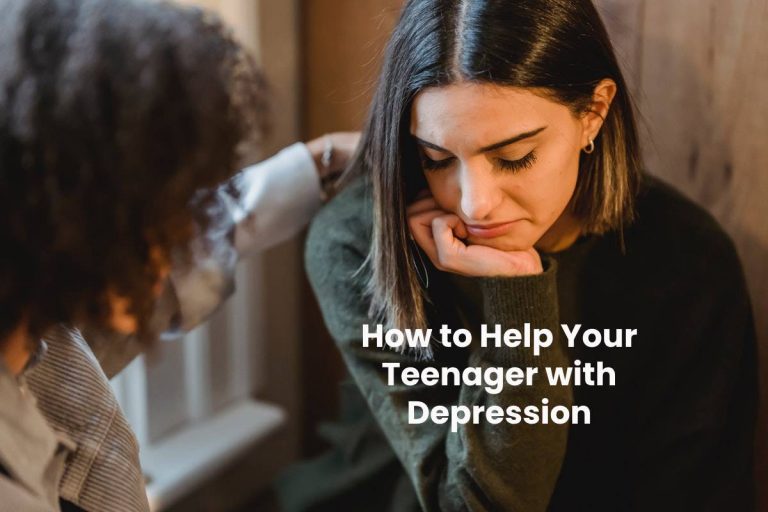
While anyone at any age can find themselves struggling with depression, adolescents are a particularly vulnerable group to this. If you are a parent who is concerned that your teenager has developed depression, here are some tips to try and help them through this.
this article belongs Mental Wellness
Table of Contents
Show Them Some Compassion
When someone is already feeling low, the last thing they need is to feel attacked, misunderstood, or as though they have no support. It isn’t always easy to cope with seeing a loved one struggle with depression, and sometimes it might even be hard to understand why they are feeling this way. However, you need to try and be compassionate and patient with them during this time, as they need to know that they have your support, even if they don’t want it right now. Yellow Floral Printed Suit
To understand how this fits into the broader picture, explore our Comprehensive Cbt For A Healthier Mind Pillar.
Speak to Their Teachers
You might also want to think about speaking to their teachers at school to ask if they have noticed any changes in your teen. They might also be able to shed some light on things that are happening at school that might be contributing to the problem, and together you can come up with a plan to try and make their experience at school a little easier.
Get Professional Support
It is also important to look into getting professional support. Particularly if nothing you are trying at home so far appears to help. Talking therapies or medication can help your teenager cope with their depression and hopefully overcome it, depending on the cause. This teen rehab center can provide support for adolescents who are facing depression and suicidal thoughts and are a good example of the kind of mental health services that are on offer for young adults. Talk to your family doctor first to see if they can help you or refer you to a specialist treatment center.
Provide Positive Distractions
They might not be up to doing much, but it is important to try and provide positive distractions to take their mind off of things that could be making them feel worse — for example, going for a short walk or watching a film together. You could even ask them to help you cook dinner or join in for a family games night. It’s important not to pressure them. But some gentle encouragement to see if they would like to do these things could help to boost their spirits.
You may also find our companion piece on To Better Manage Stress And Anxiety During The Pandemic Overview helpful for further context.
Listen Without Judging
One of the most helpful things a parent can do is create a space where a teenager feels safe talking about what they are experiencing. You do not need to have an immediate solution to every problem they describe. Sometimes simply listening carefully can help them feel understood.
Try to avoid dismissing their feelings or comparing their experiences with someone else’s. Statements such as “everyone feels this way” may unintentionally make a teenager feel that their concerns are not important. Instead, acknowledge that what they are experiencing feels difficult and let them know that they can talk to you when they need support.
Watch For Changes In Everyday Behaviour
Depression can affect many areas of a teenager’s everyday life. Parents may notice changes in sleep, appetite, school performance, friendships, motivation, or activities that the teenager previously enjoyed. Some teenagers may become withdrawn, while others may appear unusually irritable or frustrated.
A single change does not necessarily mean that a teenager has depression. However, noticeable or persistent changes can be worth discussing with a healthcare or mental health professional. Keeping communication open can make it easier to understand what is happening rather than assuming the reason behind a change in behaviour.
For related practical techniques, check out our insights in How Fast Fashion Affects Our Mental Health Practical Tips.
Help Them Maintain Healthy Habits
During difficult periods, basic routines can become harder to maintain. Parents can provide gentle encouragement around regular meals, sleep routines, physical activity, school responsibilities, and time away from screens without turning these activities into punishments or demands.
Small goals are often easier to manage than expecting a teenager to make major changes all at once. For example, encouraging them to take a short walk, eat a meal with the family, or spend some time outside can be a reasonable starting point.
Respect Their Need For Privacy
Teenagers naturally want a certain level of independence, and respecting their privacy can help maintain trust. At the same time, parents still have an important responsibility to take concerns about safety seriously.
Let your teenager know that you are available to listen while making it clear that situations involving immediate danger, self-harm, or suicidal thoughts require adult and professional intervention. Safety should always take priority over concerns about whether a teenager might be upset by asking for help.
Learn more about sustainable community wellness priorities at the UN Sustainable Development Goals.
Be Patient During Recovery
Supporting a teenager through depression can take time. Progress may not happen in a straight line, and there may be days when they appear to be doing better followed by more difficult periods.
Parents should also remember to take care of themselves during this process. Supporting someone who is struggling emotionally can be stressful, and having another trusted adult, healthcare professional, counselor, or support network to talk to can make the situation easier to manage.
No one wants to see someone they love dealing with depression, especially when it’s your child. If you are worried about your teenager being depressed, try these tips to support them.