Home Blog Page 14

How Older Adults Can Maintain A Happy & Healthy Lifestyle

As you get older, it is hugely important that you take steps to lead a happy and healthy lifestyle. You will want to make the most out of your senior years and remain fit and active, which will require some effort. Of course, aging is natural, and health issues can affect even the healthiest of people, but maintaining a happy and healthy lifestyle will improve your quality of life and hopefully help you to keep on top of your health. So, what should you be doing to maintain a happy and healthy lifestyle as you get older? Read on to find out.

Find A Low Impact Exercise You Enjoy

As you might expect, regular exercise is key for maintaining health as you get older. While you might not be able to endure heavy workouts like you could in your 20s, you should still engage in exercise throughout the week. For seniors, you want to find a low-impact form of exercise that you enjoy (ideally one that is also social). A few ideas include:

  • Hiking
  • Cycling
  • Swimming
  • Walking sports
  • Yoga

Maintain A Healthy Diet

Diet is another pillar of good health, and you want to ensure that you eat a healthy diet as you age. In addition to plenty of protein, whole grains, fruit and veg, you also need to limit your intake of sugar, fast food, and alcohol. Of course, you need to enjoy life, and the occasional treat is fine, but you need to practice moderation.

Get Enough Rest

Many people fight against aging as they get older. While you certainly need to remain active, you must also make sure that you are getting enough rest. You should listen to your body and avoid overdoing to preserve your health and avoid injury. This is why it is helpful to have relaxing hobbies that you can enjoy at home.

Stay On Top Of Health

Following on from this, one of the most important steps to take is to be proactive when it comes to your health. You should attend regular checkups and see a healthcare professional if you have any health concerns – early detection is often key. Additionally, if you start to struggle with your mobility and independence, then it is important to take action sooner rather than later. This could involve hiring a live-in carer from somewhere like alinahomecare.com who can stay with you at home and help with your day-to-day activities as well as provide social contact.

Look After Your Mental Health

Mental health can sometimes be overlooked, but it is hugely important for maintaining a happy and healthy lifestyle as you age. You should find hobbies that you enjoy, reduce stress, stay socially connected, and spend time with loved ones. If you are worried about your mental health, then it is a good idea to speak to a professional that will be able to help.

These are the key areas to focus on as you get older. Hopefully, this will help you to live a happy and healthy lifestyle in your senior years.

7 Essential Hydration Tips for Gym Enthusiasts

0

Table of Contents

Introduction

For anyone serious about fitness, hydration is non-negotiable. Your body is 60% water, and exercise depletes this vital resource rapidly. Even mild dehydration can significantly impact workout performance, muscle recovery, and overall health.

Yet many gym goers don’t drink enough water—either because they underestimate their needs, forget to bring water, or don’t understand the importance of proper hydration. The consequences are real: reduced strength and endurance, increased fatigue, muscle cramps, dizziness, and in severe cases, dangerous health complications.

This comprehensive guide explores everything you need to know about staying hydrated as an avid gymgoer: how much water you actually need, the best hydration practices, what to drink, when to drink it, and how to optimize your hydration strategy for peak performance and recovery.

Understanding Hydration: Why It Matters for Gym Goers

What Happens During Exercise

When you exercise, your body undergoes significant physiological changes:

Heat generation:

  • Intense exercise generates enormous heat (muscles produce 20+ times more heat during exercise than at rest)

  • Your body must cool itself to prevent dangerous overheating

  • Sweating is your body’s primary cooling mechanism

Fluid loss:

  • Average person loses 0.5–2 liters of sweat per hour during intense exercise

  • Sweat contains water and electrolytes (sodium, potassium, magnesium)

  • Both must be replaced to maintain performance

Cardiovascular stress:

  • Dehydration reduces blood volume, making your heart work harder

  • Blood flow to muscles decreases, reducing oxygen and nutrient delivery

  • Performance drops even with mild dehydration (2% fluid loss)

Performance impact:

  • 2% dehydration reduces strength by 5–10%

  • 3% dehydration reduces endurance by 10–20%

  • Mental focus and coordination suffer

  • Recovery is compromised

Why Gym Goers Need Extra Attention

Regular gym goers are at higher risk of dehydration because:

  • High training intensity: More heat generation = more sweat loss

  • Long training duration: Extended workouts = extended fluid loss

  • Frequent training: Daily or near-daily workouts compound fluid needs

  • Often forget to drink: Focused on workout, not hydration

  • Varied environments: Outdoor training, hot gyms, humidity

  • Performance obsession: May push beyond safe limits

This is why dedicated gym goers must develop intentional hydration strategies.

How Much Water Do You Actually Need?

This is the question most gym goers get wrong. The answer isn’t simple because it depends on many factors.

General Daily Water Needs (Non-Exercise)

Basic formula:

  • Half your body weight in ounces of water daily

  • A 150 lb person needs 75 ounces (2.2 liters)

  • A 200 lb person needs 100 ounces (2.9 liters)

This is your baseline before considering exercise.

Additional Water Needs During Exercise

General guideline:

  • Drink 7–10 ounces of water every 10–20 minutes of exercise

  • For a 60-minute workout: 210–600 ounces total during workout

  • This is in addition to your daily baseline

More specific calculation:

  • 0.5–0.7 ounces per pound of body weight per hour of exercise

  • A 150 lb person: 75–105 ounces per hour of intense exercise

  • A 200 lb person: 100–140 ounces per hour of intense exercise

Factors That Increase Water Needs

  • Training intensity: Higher intensity = more sweat

  • Training duration: Longer workouts = more fluid loss

  • Environmental temperature: Heat increases sweat rate dramatically

  • Humidity: High humidity reduces evaporative cooling efficiency

  • Body composition: More muscle = higher metabolic heat

  • Genetics: Some people are heavier sweaters

  • Fitness level: Fitter athletes often sweat more efficiently

  • Clothing: Heavy or non-breathable clothing increases heat retention

The Sweat Rate Test

To personalize your hydration needs:

  1. Weigh yourself before a typical workout (naked, dry)

  2. Exercise for 1 hour (note temperature and intensity)

  3. Weigh yourself after (naked, dry, toweled off)

  4. Calculate fluid loss: Pre-weight minus post-weight = fluid loss

  5. Add back fluids consumed: If you drank 16 oz during workout, add that to calculation

Example: Lost 2 lbs = 32 oz fluid loss in 1 hour = need 32+ oz per hour

Pre-Workout Hydration: Start Strong

Proper hydration begins before you hit the gym.

When to Start Hydrating

2–3 hours before workout:

  • Drink 16–20 ounces of water

  • Allows full absorption and stomach emptying before exercise

  • Establishes baseline hydration

20–30 minutes before workout:

  • Drink 8–10 ounces of water (small amount to “top off”)

  • Provides hydration without causing stomach discomfort

  • Too much liquid causes sloshing and GI issues

Pre-Workout Hydration Tips

  • Drink plain water: Sports drinks not necessary pre-workout

  • Avoid excessive caffeine: Can have diuretic effect, increasing fluid loss

  • Don’t drink excessive fluids: 20+ ounces immediately before causes bloating

  • Monitor urine color: Should be pale yellow (sign of good hydration)

  • Account for breakfast: Food contains water; adjust accordingly

Signs You’re Adequately Hydrated Before Exercise

  • Pale yellow urine

  • No excessive thirst

  • Normal weight (compared to daily baseline)

  • Clear thinking and focus

During-Workout Hydration: The Critical Window

This is where most gym goers fail. Drinking during exercise is essential.

How Much to Drink During Exercise

General guideline:

  • 7–10 ounces every 10–20 minutes

  • For a 60-minute workout: total of 210–600 ounces

  • Spread throughout workout, not all at once

More specific (by intensity):

Light exercise (walking, easy cardio):

  • 4–8 oz every 20 minutes

  • Mainly water is adequate

Moderate exercise (steady-state cardio, strength training):

  • 7–10 oz every 15–20 minutes

  • Water plus electrolytes helpful

Intense exercise (HIIT, heavy lifting, competitive sports):

  • 10–15 oz every 10–15 minutes

  • Sports drink with carbs and electrolytes beneficial

Practical Hydration During Workouts

Best practices:

  • Schedule hydration breaks: Don’t wait until thirsty (thirst lags behind needs)

  • Sip, don’t chug: Small, frequent sips better than large gulps

  • Keep water accessible: Nearby water fountain or your own bottle

  • Set phone reminders: For workouts without natural breaks

  • Drink between sets: Use rest time between sets to hydrate

What NOT to do:

  • Don’t wait until you’re thirsty (dehydration has already begun)

  • Don’t drink massive amounts at once (causes stomach distress)

  • Don’t avoid fluids thinking it builds toughness (dangerous misconception)

  • Don’t rely on feeling okay (dehydration can feel fine until it’s serious)

Post-Workout Hydration: Recovery is Critical

Proper rehydration after exercise is often overlooked but crucial for recovery.

How Much to Drink After Exercise

Rehydration formula:

  • 16–24 ounces for every pound of body weight lost during exercise

  • Lost 2 pounds during workout? Drink 32–48 ounces after

  • Continue drinking 4–6 hours post-workout

Why so much?

  • Your kidneys will excrete some as urine (not all is retained)

  • Electrolyte losses need replacement

  • Some continued sweating occurs post-exercise

Post-Workout Hydration Timeline

Immediately after (0–30 minutes):

  • Drink 8–16 ounces

  • Include carbs and protein (aids recovery)

  • Example: chocolate milk, sports drink, recovery shake

30 minutes–2 hours post-workout:

  • Drink another 16–24 ounces

  • Spread throughout this window

  • Include meals and snacks for optimal recovery

2–6 hours post-workout:

  • Continue normal hydration

  • Sip water throughout day

  • Monitor urine color (should return to pale yellow)

Why Post-Workout Hydration Matters

  • Replenishes fluid losses lost during workout

  • Restores electrolyte balance (essential for nerve and muscle function)

  • Aids muscle recovery (muscles need hydration to repair)

  • Reduces DOMS (delayed onset muscle soreness)

  • Supports adaptation (training adaptations require proper hydration)

  • Prevents complications (dizziness, cramps, next-day fatigue)

Invest in a Quality Water Bottle: Essential Equipment

Your water bottle is one of the most important pieces of gym equipment you own.

What to Look for in a Water Bottle

Durability:

  • Heavy-duty construction that withstands gym environment

  • Won’t crack or leak with regular use

  • Lid mechanism that actually seals

  • Metal or high-quality plastic construction

Size:

  • Minimum 24 ounces (for shorter workouts)

  • Better: 32–40 ounces (reduces refill needs during long workouts)

  • For very long workouts: 40–64 ounces

  • Large enough to hold adequate fluid without multiple refills

Insulation:

  • Double-walled insulation keeps water cool longer

  • Prevents condensation from dripping on gym equipment

  • Maintains water temperature even in hot gym

Ease of use:

  • Easy to open and close one-handed (while working out)

  • Easy to clean

  • Lightweight when empty

  • Doesn’t leak or drip

Additional features to consider:

  • Carrying handle (convenient for gym bag)

  • Time markers (tracks hydration throughout day)

  • Wide mouth (easier to fill and clean)

  • Durable lid mechanism

Recommended Water Bottle Features for Gym Goers

  • Size: 32–40 ounces (sweet spot for most workouts)

  • Insulation: Double-walled stainless steel

  • Material: BPA-free plastic or stainless steel

  • Lid: Leak-proof with one-handed opening

  • Durability: Can withstand being dropped

  • Maintenance: Dishwasher safe

Cost-Benefit

  • Quality water bottle: $30–$60 (one-time investment)

  • Cost per use: Minimal (bottle lasts years)

  • Comparison to bottled water: Saves money quickly (bottled water ~$2–$3 per bottle)

Ensure Your Home Water System Works

If you’re filling your water bottle at home, your water supply must be safe and clean.

Water System Assessment

Steps to ensure safe home water:

  1. Contact your city/county water supplier:

    • Request water quality report

    • Confirm if water is safe to drink

    • Ask about potential contamination issues

  2. Have your water tested (if not provided by city):

    • Private lab testing: $100–$300

    • Tests for bacteria, minerals, chemicals

    • Identifies specific contaminants

  3. Inspect your plumbing:

    • Hire licensed plumber to check pipes

    • Look for corrosion, rust, leaks

    • Check age of pipes (very old pipes may have issues)

Water Treatment Options

If water is safe:

  • Simply maintain your pipes (have plumber do routine maintenance)

  • Periodically flush pipes to remove sediment

  • Consider basic carbon filter for taste improvement

If water has issues:

Water Filter Options:

  • Pitcher filters: Low cost ($20–$30), moderate effectiveness

  • Faucet-mounted filters: Moderate cost ($30–$60), good for taste

  • Under-sink systems: Higher cost ($300–$800), effective

  • Whole-house systems: Most expensive ($1,500–$3,000+), comprehensive

Water Purifier Systems:

  • Reverse osmosis: Very effective, slower flow

  • UV purification: Kills bacteria and viruses

  • Activated carbon: Good for taste and odor

Water Tank:

  • Separate storage for clean water

  • Useful if main water supply is unreliable

  • Requires regular maintenance

Cost-Benefit of Water System Investment

  • Initial investment: $300–$3,000 depending on method

  • Cost per day for clean water: Minimal

  • Comparison to bottled water: Breaks even within months

  • Health benefits: Significant (access to clean drinking water)

  • Sustainability: Eliminates plastic bottle waste

Choose Sports Drinks Wisely

Not all hydration comes from plain water. For long or intense workouts, strategic sports drink use can enhance performance.

Water vs. Sports Drinks: When to Use Each

Water is sufficient for:

  • Workouts under 60 minutes

  • Light to moderate intensity

  • Workouts where weight maintenance isn’t critical

  • Most gym sessions

Sports drinks beneficial for:

  • Workouts exceeding 60–90 minutes

  • High-intensity interval training (HIIT)

  • Competitive sports

  • When you need quick energy

  • When electrolyte losses are high

What Makes a Good Sports Drink

Optimal sports drink contains:

Carbohydrates (4–8% solution):

  • 6–8 grams carbs per 8 oz serving

  • Provides quick energy during workout

  • Spares muscle glycogen

  • Enhances endurance

Electrolytes:

  • Sodium: 110–165 mg per 8 oz (helps retain water)

  • Potassium: 20–30 mg per 8 oz (muscle function)

  • Magnesium: Small amounts (muscle function)

Low sugar (if possible):

  • Under 10 grams per serving if possible

  • Excessive sugar causes blood sugar spikes and crashes

pH slightly acidic (under 4):

  • Doesn’t damage tooth enamel as much

  • Around pH 3–4 is ideal

Sports Drink Options

Commercial sports drinks (Gatorade, Powerade, etc.):

  • Pros: Convenient, tested formula, readily available

  • Cons: Often contain artificial ingredients, added sugars

  • Cost: $1.50–$3 per serving

Natural sports drinks:

  • Coconut water

  • Diluted juice mixed with salt

  • Green tea with honey and lemon

Homemade sports drinks (best option):

Simple recipe (per liter):

  • 1 liter water

  • 6 tablespoons sugar (or honey)

  • 1/4 teaspoon salt

  • Juice of 1–2 lemons or limes (for flavor and added potassium)

Benefits:

  • Control exactly what goes in

  • Cost-effective (~$0.25 per liter)

  • No artificial ingredients

  • Customizable to taste preference

Sports Drink Cautions

Avoid:

  • Overly sugary drinks (over 10g sugar per serving)

  • Energy drinks (contain excessive caffeine)

  • Sodas (acidic, high sugar, no hydration benefit)

  • Drinks with artificial sweeteners only (don’t provide energy)

Remember:

  • Sports drinks are tools, not daily drinks

  • Plain water should be your primary hydration

  • For most gym sessions, water is sufficient

Know Your Limits: Listen to Your Body

One of the most important hydration tips is recognizing when to stop pushing.

Signs You’re Reaching Your Limits

Dehydration warning signs:

  • Excessive thirst

  • Dry mouth

  • Headache

  • Dizziness or lightheadedness

  • Reduced performance

  • Muscles feeling tight or crampy

  • Dark urine

  • Confusion or difficulty concentrating

When to stop and hydrate:

  • Immediately if you experience any of above symptoms

  • Drink water and rest

  • Don’t tough it out hoping symptoms pass

  • Dehydration gets worse quickly if not addressed

Severe dehydration (seek medical attention):

  • Extreme dizziness or fainting

  • Severe headache

  • Confusion

  • Rapid heartbeat

  • No sweating despite heat

  • Loss of consciousness

Overtraining and Dehydration

The dangerous combination:

  • Pushing beyond your limits while dehydrated = high risk

  • Intense exercise + inadequate hydration = heat exhaustion or heat stroke

  • Not worth the temporary ego boost

Progressive training approach:

  • Build intensity gradually

  • Increase duration progressively

  • Allow adequate recovery

  • Always maintain hydration

The Role of Thirst

Myth: “Drink when thirsty”
Reality: By the time you feel thirsty, dehydration has already begun

Better approach:

  • Drink on a schedule, not by thirst

  • Drink before you’re thirsty

  • Monitor urine color instead of thirst

  • For intense workouts, follow timing guidelines above

Use the Right Clothing: Support Your Hydration Efforts

What you wear significantly impacts sweat rate and thermoregulation.

Ideal Gym Clothing

Material properties:

  • Breathable: Allows sweat evaporation (cotton is NOT ideal)

  • Moisture-wicking: Pulls sweat away from skin (synthetic blends best)

  • Lightweight: Minimal heat trapping

  • Loose fit: Allows air circulation

Best fabrics:

  • Polyester blends: Excellent moisture-wicking

  • Nylon: Durable and quick-drying

  • Spandex/lycra blends: Stretches and wicks moisture

  • Technical fabrics: Designed for performance sports

Avoid:

  • Cotton: Absorbs sweat but doesn’t dry; stays wet against skin

  • Heavy fabrics: Trap heat

  • Tight clothing: Restricts air circulation

  • Multiple layers when unnecessary: Excessive heat trapping

Temperature-Appropriate Clothing

Hot gym or summer training:

  • Minimal clothing (tank top, shorts)

  • Lightweight, light-colored fabrics

  • Maximum air exposure

Cool gym or winter training:

  • Layered approach (can remove layers)

  • Outer layer moisture-wicking

  • Avoid cotton (even cold-weather cotton stays wet)

Proper footwear:

  • Well-fitting athletic shoes

  • Good arch support

  • Breathable materials

Why Clothing Matters for Hydration

  • Better air circulation = more efficient sweat evaporation = cooler body = can exercise longer

  • Non-moisture-wicking clothing = sweat stays on skin = inefficient cooling = overheating

  • Appropriate clothing = can maintain core temperature = can maintain hydration status

Time Your Exercises: Avoid Peak Heat Hours

Timing your workouts strategically reduces dehydration risk.

Temperature Throughout the Day

Early morning (5–8 AM):

  • Coolest temperatures

  • Lowest heat stress

  • Optimal for intense workouts

  • You’ve had overnight to rehydrate

Mid-morning to early afternoon (10 AM–2 PM):

  • Increasingly hot

  • Peak UV intensity

  • Highest dehydration risk

  • Worst time for intense exercise outdoors

Mid-afternoon (2–4 PM):

  • Often peak temperature

  • Extreme heat stress

  • Significantly increased dehydration risk

Late afternoon/early evening (4–6 PM):

  • Starting to cool slightly

  • Still warm

  • Reasonable option for workouts

Evening (6 PM–dark):

  • Cooling temperatures

  • Good for outdoor workouts

  • Reduces heat stress

Night (after dark):

  • Coolest temperatures

  • Lowest heat stress

  • Ideal if available (gym or outdoor lighting)

Strategic Timing by Workout Type

Intense outdoor workouts:

  • Early morning (5–8 AM) is optimal

  • Evening (after 6 PM) is secondary choice

  • Avoid 10 AM–4 PM if possible

Moderate gym workouts:

  • Any time works (climate-controlled environment)

  • Morning may be slightly better (well-rested)

Light cardio or flexibility:

  • Timing less critical

  • Any time that fits your schedule

Seasonal Considerations

Summer:

  • Shift workouts earlier or later

  • Reduce intensity during hot hours

  • Increase hydration significantly

Winter:

  • Opposite problem (less sweating, less dehydration)

  • Still important to hydrate

  • Cold can mask hydration needs

Spring/Fall:

  • Moderate adjustment needed

  • Still avoid peak heat hours

Sanitary Practices During Workouts

Dehydration and illness often go hand-in-hand. Gym environments are breeding grounds for bacteria and viruses.

Preventing Illness at the Gym

Hand hygiene:

  • Before workout: Wash hands with soap and water

  • During workout: Use hand sanitizer frequently (especially after touching equipment or face)

  • After workout: Wash hands thoroughly

  • Key times: Before eating/drinking, after touching shared equipment

Equipment sanitation:

  • Wipe down equipment before and after use

  • Bring your own towel to place on equipment

  • Use disposable gloves if you prefer

  • Avoid touching face while working out

Personal hygiene:

  • Shower after workouts

  • Change out of sweaty clothes immediately

  • Wash gym clothes regularly (after each use)

  • Keep gym bag clean

  • Trim nails (prevents spreading germs)

Respiratory hygiene:

  • Wear mask if you’re sick (don’t go to gym sick)

  • If maskless and sick, stay home

  • Cover cough/sneeze with elbow

  • Avoid touching face while working out

Social distancing:

  • Maintain distance from others when possible

  • Use less-crowded times if available

  • Avoid very crowded gym periods

Why Illness Impacts Hydration

When you get sick:

  • Workouts are compromised or impossible (loss of training days)

  • Recovery time needed (detracts from fitness gains)

  • Fever increases fluid needs (worsening dehydration)

  • Body diverts resources to immune function (impacts performance)

Prevention is easier than recovery from illness.

Special Hydration Considerations

Different situations require different hydration strategies.

Long Workouts (90+ Minutes)

Hydration strategy:

  • Consume 7–10 oz every 10–15 minutes

  • Include carbs and electrolytes (sports drink or fuel)

  • Total fluid: May exceed 100 oz

  • Plan bathroom breaks accordingly

Why it matters:

  • Glycogen depletion becomes factor

  • Heat accumulation is significant

  • Electrolyte losses are substantial

HIIT and High-Intensity Training

Hydration challenges:

  • Intense sweating

  • Less time between sets to drink

  • Risk of overheating

Strategy:

  • Hydrate heavily pre-workout

  • Take hydration breaks between sets

  • Use electrolyte drink

  • Keep core temperature managed

Hot Environments (Summer, Hot Gym)

Increased challenges:

  • Environmental heat + exercise heat = extreme stress

  • Sweat rate may double

  • Dehydration risk significantly increased

Mitigation:

  • Double your normal hydration

  • Consider electrolyte replacement

  • Time workouts for cooler hours

  • Reduce intensity if necessary

  • Watch carefully for dehydration signs

Cold Environments (Winter, Cold Gym)

Unique challenges:

  • May not feel sweating as much

  • Dehydration can be missed

  • More visible when exhaling (feels like breathing is affected)

Strategy:

  • Drink even though you don’t feel as hot

  • Monitor urine color

  • Don’t underestimate fluid needs

  • Wear moisture-wicking layers

Altitude Training

Increased challenges:

  • Less oxygen available

  • Breathing rate increases

  • Respiratory water loss increases

  • Altitude diuresis (increased urination)

Strategy:

  • Increase hydration 1–2 weeks before going to altitude

  • Drink more at altitude than sea level

  • Monitor hydration status carefully

Monitoring Your Hydration Status

Beyond thirst, there are several ways to track hydration.

Urine Color Test

Ideal hydration (pale yellow):

  • Indicates adequate hydration

  • Goal throughout day and workouts

Slightly dehydrated (dark yellow):

  • Increase water intake

  • Usually not immediately dangerous

  • Can progress to concerning levels quickly

Very dehydrated (dark amber):

  • Significant dehydration

  • Increase water immediately

  • Stop intense exercise

Clear:

  • May indicate overhydration

  • Generally okay, but not necessary

Track: Check urine color 2–3 times daily

Body Weight Measurement

Weighing before and after workout:

  • Weight loss = fluid loss (primarily)

  • Aim to lose less than 2% of body weight

  • More than 2% loss = significant dehydration

Example:

  • 150 lb person should lose no more than 3 lbs (2%)

  • If loses 4 lbs, that’s concerning dehydration

Remember:

  • Some weight loss is normal and expected

  • Exactly replacing all lost weight isn’t always necessary

  • Progressive dehydration over multiple days is the concern

Performance Metrics

Declining performance indicates dehydration:

  • Strength down (can’t lift usual weights)

  • Endurance down (less reps/distance than normal)

  • Feeling fatigued earlier

  • Mental focus reduced

If experiencing performance decline:

  • Increase hydration

  • Check sleep and recovery

  • Reduce training volume temporarily

Sweat Rate Calculation

As mentioned earlier, calculate your individual sweat rate:

  • Know how much you sweat per hour

  • Allows accurate hydration planning

  • Different for different activities

  • Update seasonally (warmer months = higher sweat rate)

Frequently Asked Questions About Hydration for Gym Goers

Q1: Is it possible to drink too much water?

A: Yes, though it’s rare in gym settings.

Overhydration (hyponatremia):

  • Occurs from drinking excessive water with insufficient electrolytes

  • Dilutes sodium in bloodstream

  • Symptoms: nausea, headache, confusion, seizures (severe)

  • Rare in gym context (usually endurance athletes in extreme situations)

Prevention:

  • Drink according to guidelines (not excessive amounts)

  • Include electrolytes when drinking lots

  • Stop drinking when thirsty stops

General rule: If you’re thirsty, you need more water. If you’re not thirsty and feel sloshy, you might have enough.

Q2: Can I drink too much sports drink?

A: Yes, this is more common than water overhydration.

Problems with excess sports drinks:

  • High sugar intake (causes blood sugar spikes and crashes)

  • Excessive sodium (affects blood pressure long-term)

  • Dental problems (acidic environment damages teeth)

  • Excessive calories (leads to weight gain)

Recommendation:

  • Use sports drinks only for workouts exceeding 60 minutes

  • Otherwise, water is sufficient

  • Limit to 1–2 sports drinks per day maximum

Q3: What’s the best time to weigh myself for hydration assessment?

A: Consistency matters most.

Best practice:

  • Weigh yourself at same time each day (morning best)

  • After bathroom, before eating or drinking

  • Naked or in consistent clothing

  • Same scale each time

For workout assessment:

  • Weigh before workout (after bathroom, minimal clothes)

  • Weigh immediately after workout (toweled off)

  • Weight loss = approximate fluid loss

Q4: Should I hydrate differently based on my fitness level?

A: Somewhat, but basic principles are similar.

Beginners:

  • May sweat less initially (lower intensity)

  • Still need adequate hydration

  • Follow standard guidelines

Experienced athletes:

  • More efficient sweating (better thermoregulation)

  • May have higher sweat rates (higher training intensity)

  • May have better awareness of hydration needs

Advanced:

  • Calculate personal sweat rate

  • Optimize hydration timing

  • Fine-tune electrolyte intake

Key point: Everyone needs proper hydration regardless of fitness level.

Q5: Does caffeine impact hydration?

A: Somewhat, but not as much as once thought.

Caffeine’s effect:

  • Mild diuretic effect (increases urination slightly)

  • Dehydration risk minimal if adequate water intake maintained

  • Safe amount: up to 400 mg daily

Practical consideration:

  • Pre-workout caffeine is fine (within 400 mg limit)

  • Coffee/tea can count toward daily fluid intake

  • Don’t use caffeine as excuse for not drinking water

  • For intense exercise: avoid excessive caffeine pre-workout

Q6: How do I hydrate if I don’t like plain water?

A: Many options available.

Flavored water options:

  • Add lemon, lime, or cucumber slices

  • Add berries

  • Add small amount of juice (dilutes for lower sugar)

Tea options:

  • Green tea (hydrating, antioxidants, minimal caffeine)

  • Herbal tea (hydrating, no caffeine)

  • Can be cold or hot

Coconut water:

  • Natural electrolytes

  • Good for post-workout

  • Higher calorie than plain water

Milk (after workout):

  • Hydrating + protein + carbs

  • Great recovery drink

Avoid:

  • Sodas (too much sugar)

  • Energy drinks (excessive caffeine)

  • Alcohol (dehydrating)

Q7: Should I hydrate differently for strength training vs. cardio?

A: Slightly different approaches, but hydration is essential for both.

Strength training:

  • Shorter rest periods = less time to drink

  • Take sips between sets

  • Total fluid needs slightly less than cardio

  • Can use smaller bottle

Cardio:

  • Continuous sweating

  • Drink more frequently

  • Larger bottle helpful

  • Total fluid needs higher

HIIT:

  • Somewhere between strength and cardio

  • Drink during recovery intervals

  • Plan hydration strategically

Q8: What’s the difference between electrolyte drinks and water for hydration?

A: Both hydrate, but electrolytes serve additional purposes.

Water:

  • Essential for hydration

  • Only input needed for workouts under 60 minutes

  • Insufficient alone for long workouts

Electrolytes (sodium, potassium, magnesium):

  • Help body retain water

  • Support muscle function

  • Prevent cramping

  • Help with blood osmolarity balance

  • Essential for workouts exceeding 60–90 minutes

When each is needed:

  • Under 60 min: Water sufficient

  • 60–90 min: Water primarily; electrolytes helpful

  • 90+ min: Electrolytes essential

Q9: Can dehydration cause muscle cramps?

A: Yes, dehydration is a primary cramp cause.

Why dehydration causes cramps:

  • Electrolyte imbalances (especially sodium and potassium)

  • Reduced blood volume affecting muscle oxygen

  • Nervous system irritability

Prevention:

  • Adequate hydration throughout workout

  • Electrolyte replacement for long workouts

  • Proper stretching

  • Gradual warm-up

During cramps:

  • Stop exercising

  • Drink water with electrolytes

  • Gently stretch cramping muscle

  • May take 24–48 hours to fully resolve

Q10: Should I hydrate before bed after evening workouts?

A: Depends on your situation.

Consider:

  • How much you sweated

  • How much you already drank

  • Urine color

  • Your sleep quality concerns

General approach:

  • Drink water post-workout (within 2 hours)

  • By bedtime (several hours later), normal hydration adequate

  • Don’t force excessive water right before bed (affects sleep with bathroom trips)

  • Rehydrate properly the day after workout

Putting It All Together: Your Hydration Strategy

Pre-Workout

  • Drink 16–20 oz water 2–3 hours before

  • Drink 8–10 oz water 20–30 minutes before

  • Check urine color (should be pale yellow)

During Workout

  • Drink 7–10 oz every 10–20 minutes

  • Sip, don’t chug

  • For intense/long workouts: use sports drink with carbs and electrolytes

  • Hydration breaks every 15–20 minutes

Post-Workout

  • Drink 16–24 oz for every pound lost

  • Consume within 30 minutes: hydrating beverage with carbs and protein

  • Continue drinking 2–4 hours post-workout

  • Monitor urine color (return to pale yellow)

Throughout Day

  • Baseline: half body weight in ounces of water daily

  • Spread throughout day

  • Monitor urine color

  • Increase on training days

Environmental Adjustments

  • Hot weather: increase all amounts

  • Cold weather: don’t underestimate (still need full hydration)

  • High altitude: significantly increase

  • High humidity: increase (less evaporative cooling)

Final Thoughts: Hydration as Non-Negotiable Foundation

For any serious gym goer, proper hydration is foundational to performance, recovery, and health. It’s not optional or negotiable—it’s essential.

The good news: implementing these strategies is straightforward.

Start today:

  1. Invest in a quality water bottle

  2. Calculate your personal sweat rate

  3. Establish pre-, during, and post-workout hydration routine

  4. Time your workouts for cooler hours when possible

  5. Wear appropriate moisture-wicking clothing

  6. Make hydration automatic (not something you think about)

Expected results:

  • Immediately: Better performance during workouts

  • 1 week: Better recovery, fewer muscle cramps

  • Ongoing: Sustained performance, faster adaptation, fewer workout-related health issues

Your performance, recovery, and health depend on it. Make hydration your non-negotiable priority.

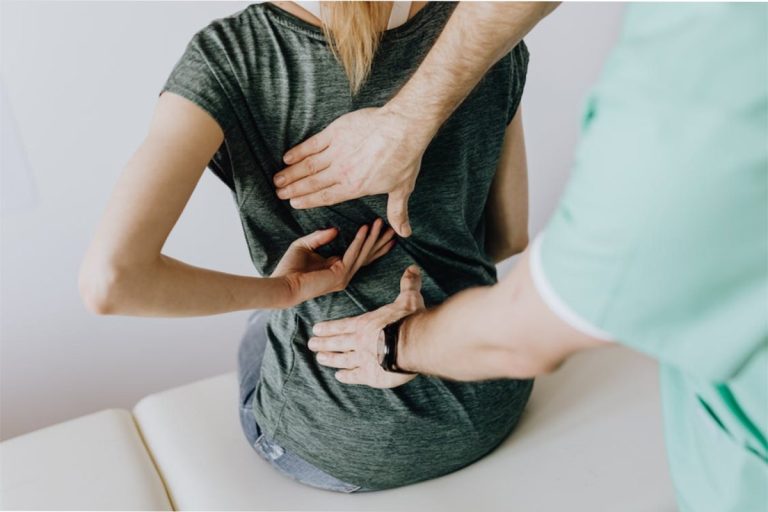
How to Treat a Back Injury Effectively

If you want to be able to treat your back pain effectively then there are numerous things you can do. Whether you have thrown your back out as the result of an injury, or whether you have sprained it at work, it’s safe to say that there are several things you can do to try and help yourself. If you want to find out more then take a look below.

Treating your Sprain

The main thing you need to do when trying to treat a sprain at home is rest. The great thing about resting is that it gives your body a chance to heal, and it also enhances the general effectiveness of other remedies. Depending on how severe your symptoms are, you may need to rest for several days before you integrate activities back into your routine. Lie on your stomach with your hands down by your side. When you have done this, you then need to relax your body, so your back muscles soften. You will then feel a release of pressure around your nerves. Make sure that you apply covered ice packs to the area so you can limit swelling as well as radiating pain. If you are struggling with pain, make an online search for “chiropractor Downers Grove IL” or “chiropractor Buffalo NY” or similar search term relating to where you are located, to find the specialist support you are looking for.

Additional Treatments

Over-the-counter medication, such as ibuprofen is great for reducing swelling and it also gives you a good amount of pain relief too. Sleeping on your back where possible reduces the risk of you making the sprain worse too. If you aren’t sure if this is going to work, then one thing you can do is look into getting a massage. This may ease your acute lower back pain, which is great, but it will also stimulate blood flow as well as helping with stiffness. Even though initial rest is so important in regards to the healing process, you also need to make sure that you stay active.

When Should You See a Doctor?

A thrown-out back is often the result of a temporary muscle sprain. That being said, more serious conditions can result in a similar level of pain. Serious injuries can include a herniated disc or even a muscular tear. If you have a condition such as this, then you may need to undergo medical intervention so you can make a full recovery. A thrown-out back can also indicate that you have other medical issues, which can range from kidney stones to osteoporosis and even cancer. If you experience these symptoms, such as bladder control problems, fever, intense or enduring pain and persistent pain then you should go and see a professional about your symptoms. They will then take X-rays as well as carrying out a CT scan. This will help you to assess the extent of the injury so that you can get the right treatment for your back pain.

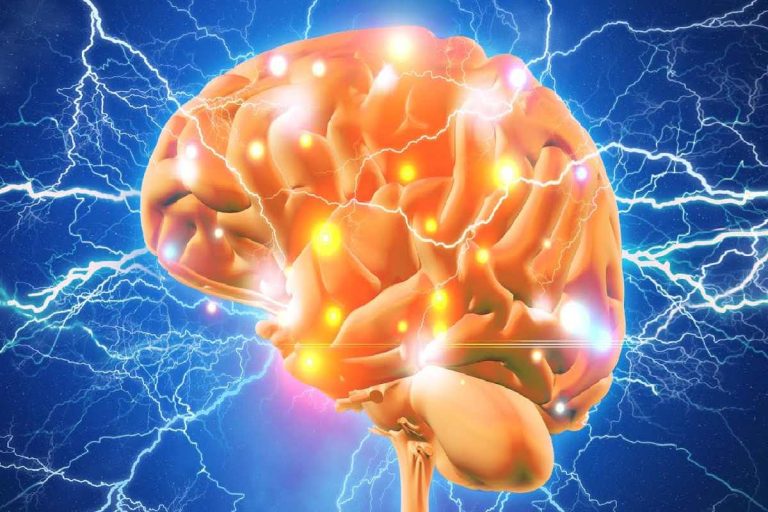
How Can Chiropractic Boost Your Brain Power?

Introduction

How Can Chiropractic Boost Your Brain Power? Have you ever noticed that your thinking can be a bit clearer or that you can concentrate better after a chiropractic adjustment? If so, you’re not alone. Many people have experienced an improvement in brain function following an adjustment. But how?

Chiropractic is more than just about treating physical issues, it can improve your overall health, including mental and emotional well-being. In this article, we’ll explore how and why chiropractic care can boost your brain power and help you become the best form of yourself possible.

From improving memory recall to reducing stress levels, chiropractic care provides many potential mental benefits. So let’s dive into the science behind it to discover precisely how chiropractic care can work wonders for your mental health.

What is Chiropractic Care?

Chiropractic is a system of alternative medicine that attentions on manual spine adjustment. Its goal is to help improve balance and alignment, reduce stress on nerves, and restore proper functioning to the body’s systems. When your spine is aligned correctly, it allows full communication between your brain and body. This improved flow of communication helps regulate hormones, chemicals, and other vital substances in your body, creating a healthier environment for your brain.

In addition to realigning the spine, chiropractic practitioners often use soft tissue massage or joint manipulation to reduce muscle tension and enhance mobility. All these techniques work together to ensure that your nervous system functions properly, and this improved functioning, in turn, boosts your overall brain function. For example, chiropractic can improve cognitive function by improving focus and concentration and alleviating headaches and fatigue that can impair memory recall or information processing abilities.

How Does Chiropractic Stimulate the Brain?

Do you want an edge in life? Have you ever wanted to boost your brain power and unlock your full potential? Well, chiropractic care could be the solution.

Chiropractic is a form of natural healing that focuses on treating issues within the spine and nervous system, especially as it relates to brain functioning. Chiropractors are trained professionals that can adjust the spine, allowing for increased communication with the brain. Better communication between the spine and brain means improved performance of your cognitive functions.

The benefits can be felt almost immediately. Research shows that people who receive regular chiropractic care experience improved alertness, clarity, and focus in their daily lives. It can lead to faster problem-solving skills, sharper memory recall, and enhanced overall mental processing.

Put: regular chiropractic treatment is like taking a vitamin for your brain! So what are you waiting for? Start working smarter, not more complicated, and supercharge your mental performance with a simple chiropractic adjustment!

Benefits of Chiropractic Treatment

Chiropractic care doesn’t just make you feel good; it can also help to boost brain power. How is this possible? Well, let’s review a few of chiropractic treatment’s key benefits.

Increased Blood Flow and Oxygenation

By realigning the spine, pressure, and tension is taken off the nerves and muscles, allowing for increased blood flow and oxygenation to reach our brains. This improved circulation helps to reduce stress hormones like cortisol, resulting in a calmer state of mind which helps us think more clearly and creatively.

Improved Focus

Chiropractic care can help improve focus, leading to enhanced cognitive performance and improved productivity. The tension in the neck and shoulders can cause fatigue, making it difficult for us to concentrate on the tasks at hand. However, with regular chiropractic visits, this tension can be released, allowing us to regain energy and focus.

Reduced Stress

Stress hurts our cognitive performance by disrupting our ability to learn and remember information. Chiropractic care helps to reduce stress by getting rid of tension in the body which lowers cortisol levels in the bloodstream, thus allowing us to stay calm, alert, and focused while tackling tasks that require mental effort.

Improving Memory and Thinking Clarity Through Chiropractic Care

Improving Memory and Thinking Clarity Through Chiropractic Care

Do you want to achieve peak mental performance? You might be amazed to learn that you can boost your brain by seeing a chiropractor. That’s right: chiropractic care can improve your memory and thinking clarity.

Enhancing Brain Performance

Chiropractic adjustments help enhance brain performance by restoring spinal balance throughout the body. It helps improve the flow of nerve signals from the brain to all body areas, resulting in improved mental performance. When these signals are clear, your brain can think more clearly and accurately by sending stronger signals, resulting in improved memory, focus, and information retention.

Increasing Blood Flow

One way that chiropractic care increases your mental capabilities is by increasing the circulation of blood flow to the brain. It helps oxygenate your cells and boosts cognitive function, letting you to think more clearly and quickly. By opening up pathways in the spine, which runs parallel to the neck and head, a chiropractor can improve blood flow to the brain and allow it to perform at its best.

Chiropractic care can help you better access your mental capabilities. Here are some of the ways that it accomplishes this:

  1. Relieving stress on nerves, improving nerve transmission from the brain throughout all areas of the body
  2. Improving posture with adjustments and exercises
  3. Releasing endorphins which reduce pain and increase focus
  4. Reducing inflammation which improves neurological functioning

The Effect of Regular Adjustments on Mental Health

Did you know that regular chiropractic adjustments can help to boost brain power? It’s valid through a few simple techniques; chiropractors can ease pain, improve spinal alignment and help the body to recover from physical traumas.

Improving Cognitive Function

Chiropractic adjustments help to stimulate the brain and nervous system by reactivating the blood flow in the neck and spine. For example, gently manipulating the upper cervical spine is thought to increase cerebrospinal fluid (CSF) flow, which helps to relieve pressure on the brain and restore cognitive function. Regular chiropractic adjustments can improve mental health by improving focus, memory retention, stress levels, and better sleep patterns.

Improving Physical Health

Chiropractors are trained in the manipulation of the musculoskeletal system. When you have regular adjustments, it helps reduce inflammation in the muscles of your neck and back which have been caused by activities such as sitting for long hours at a desk or constantly looking down at your phone or another device. Improving your physical health overall will also help improve your mental health and functioning.

Benefits of Regular Adjustments:

  • Reduced stress levels
  • Improved posture
  • Relief from chronic headaches
  • Improved blood circulation
  • Reduced inflammation in muscles and joints
  • Improved mental clarity

Regular chiropractic care is a great way to keep your spine healthy and also maintain optimal brain power.

Taking the Right Steps Towards Better Brain Health With Chiropractic Care

One of the most critical yet lesser-known benefits of chiropractic care is that it can give you better brain power. How? Well, there are several steps you can take to boost your brain power with chiropractic!

Improved Spinal Alignment

The first step is improved spinal alignment. When the vertebrae in your spine are out of alignment, it’s like throwing a monkey wrench into your nervous system. That’s because the nerves in your spine control many aspects of your life, from digestion to sleep and how well you think and concentrate. Adjusting the spine helps to realign these nerves so that they can work at maximum efficiency.

Improved Blood Flow

Once the spinal alignment has been improve, it’s time to focus on optimizing your blood flow. Blood carries vital nutrients and oxygen throughout the body, so having peace and balance in this area will help enhance the function of your entire body, including your brain! Chiropractors understand how vital blood flow is for brain health and can help ensure this area is well-maintain.

Better Posture

Lastly, improved posture is critical when trying to boost your brain power. Good posture helps keep airways open, allowing more oxygen to reach the lungs, travel through the bloodstream, and nourish all body parts, including both physical and mental. With regular chiropractic care, you will learn about proper posture that works best for you to keep everything in balance!

Conclusion

In conclusion, scientific evidence suggests that chiropractic can potentially be a powerful tool to improve various aspects of brain function. It appears to be a safe and effective way to reduce stress while optimizing the brains performance. Its important to remember, however, that individual results may vary. Your best bet is to find a qualified chiropractor who can tailor a treatment plan best suited to your specific needs and also goals. Also, keep your doctor informed about any treatments you’ve receive to ensure your safety.

Speed up the Recovery Process After a Car Accident

In the United States of America, more than two million people get injured each year in car accidents. And these accidents cause injuries that can be severe. No matter how careful you are on the road, car accidents are unpredictable, so are the injuries caused by them.

When injured in a car accident, it is obvious that a person would call an emergency line to get instant medical attention. Even if you think that you got lucky and escaped any injury, it is still possible that you have contracted injuries which aren’t surfaced yet. These injuries are usually in the neck, back, and head area. Therefore, getting immediate medical attention is a must.

Once you are in surveillance of a professional, you will be treated the way you should. But when you are back at home, it doesn’t mean that your treatment has finished. You would still be in a state of recovery. However, to speed up the recovery process, there are some things you can do on your own.

When you are doing these things, it is important to have someone you know and trust by your side. Because no matter how fine you feel, you are not to be left alone to engage in activities. If something injurious or problematic were to happen with your already-weakened body, someone should be there to assist you and get you the help that you need.

Without further, let’s check out some things you can do on your own to speed up your recovery.

1. Visit a Car Accident Specialist

 As stated above, a car accident victim requires immediate medical attention. But after that, when you are good to leave the emergency care unit, you should make an appointment with a doctor who has professional specialization in dealing with car accident patients.

It is quite possible that you contract back pain, neck pain, or body stiffness after an accident, and if you go to a primary care physician for that, they might hook you up on a long list of medications or wrap you up in plasters. But a car accident injury chiropractor would heal you just with their hands – they’d manipulate your spine and make sure all your body parts are properly aligned.

Chiropractic treatment proves to be much more reliable, safe, and cost-effective for those who have recently suffered a loss due to a car accident.

2. Stay Home and Take Rest

One of the biggest mistakes people make after dealing with a car accident is not to take enough rest to recover completely. They believe they don’t have any major injuries, so they don’t need to be wrapped in a blanket and stay in bed. Well, it might be true that you didn’t face critical injuries, thankfully, but it still doesn’t mean that a collision didn’t take a toll on your physical and mental capability.

At some point in your recovery, you will start believing that you have healed and are fit to back to your old, restless life. But that wouldn’t be entirely true. If you are feeling fine, it only means that your injuries have been suppressed, not eliminated entirely. For injuries and pains to vanish entirely and never come back again after a slight strain, you will need to take a rest as long as your car accident doctor recommends.

3. Stay Hydrated

Your body goes through a lot in an accident, whether it was critical or not. The body loses its stability. And to bring that back, it needs a lot of fluids. That is why it is important for you to stay hydrated.

It is recommended that you drink at least 6 cups of water a day for at least a week when you are recovering from a car accident. The extra amount of fluid in your body wouldn’t only allow your muscles to relax, but would also reduce inflammation, which would speed up your recovery.

While it is important that you stay hydrated, you need to avoid drinking sodas and soft drinks. These drinks have high-fructose corn syrup which can retract the production of collagen in your body, which is a critical element needed for your body to heal from muscle tears.

4. Take Vitamin C

A car accident is a perfect weapon against your body strength. As stated above, it can weaken your body, even if you think you don’t have any injuries. And when your body weakens, vitamin C helps it get its strength back.

It is important that you put vitamin C in your daily intake if you are recovering from an auto accident. Not only vitamin C helps reduce inflammation, like water, but it also helps tissues to repair. Vitamin C produces electrolytes in your body, which are responsible for neutralizing the free radicals in your body that causes inflammation.

5. Avoid Physical Activity

For some people, it gets really hard to avoid physical activity during recovery because they live a really active lifestyle. It is perfectly understandable that your need to play sports, work out, drive, or go back to work is frustrating you, but it is crucial that you avoid physical activity that might be strenuous, at least for a few weeks.

If you don’t give your body time to heal and engage in physically demanding activities, your injuries will get worse. Just you aren’t currently in pain, doesn’t mean you can test your limits. If things get worse for your body, you might have to take even more drastic measures to heal again.

Although it can be very frustrating for you to avoid doing things that you were so capable of doing, you need to understand that it is for the betterment of yourself.

6. Some Exercise Might Help

It is established above that taking enough rest and avoid engaging in physically demanding activities is good for you if you are recovering from a car accident. However, you need to keep in mind that some light exercise can also be really good for your body.

Experts recommend light stretching as a way for your muscles to relax. Light exercise also helps your body gradually recover from the resting state.

And it doesn’t mean that you can play any sport or do any kind of exercise. Weightlifting is totally out of the question. And sports involving physical contact also needs to be avoided.

What you can do is gentle stretching, walking on a flat surface, stretch your muscles – these activities will at least prep your body to get out of bed without feeling too weak.

Before you engage in such activities, you definitely need to consult a car accident doctor, because they can guide you properly about how much and how frequent you should walk. You don’t need to burn more calories than you are actually gaining, it would make you weaker instead of getting stronger.

Some other things you need to take care of after a car accident is wearing the right kind of shoes, avoid lifting anything, not bending your back often, and sing at the top of your lungs to make sure your diaphragm is relaxed and your lungs aren’t compressed against your ribs – which usually happens in car accidents when you are wearing seat belts.

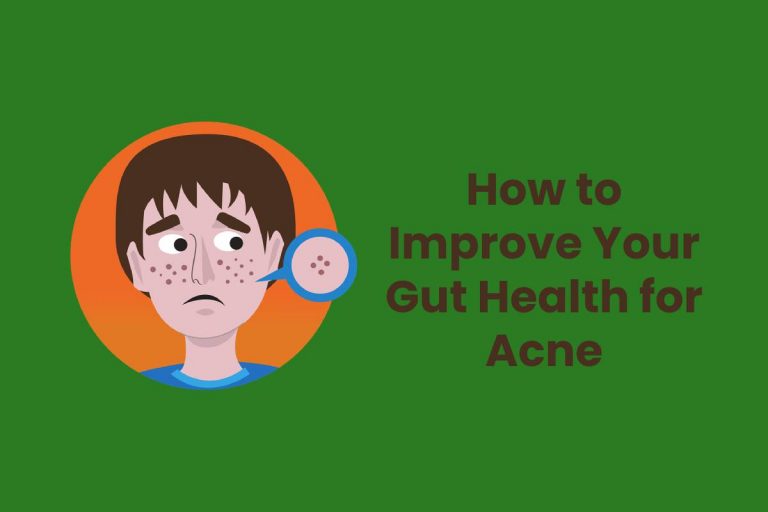
How to Improve Your Gut Health for Acne

0

Many people suffer from acne as a result of poor gut health. A bad gut is caused by a bacterial imbalance, nutrition deficiency, or poor blood sugar levels—all of which plays an important role in the breakdown and absorption of food in the body.

In addition, poor gut health has been linked to an increased risk of skin diseases such as atopic dermatitis and psoriasis. Beyond our epidermis layer, poor gut health has also been linked with other medical conditions such as obesity and diabetes. Read the total restore reviews to know more about Gundry MD, which helps improve your gut health

In this article, we’ll highlight some ways that you can improve your gut health to have a clearer complexion and better overall health.

1. Eat Fermented Foods

Fermented foods are a great way to help improve gut health and break down nutrients for your body to absorb. These food types also contain cultures of healthy bacteria such as Lactobacillus acidophilus and Bifidobacteria. These healthy gut bacteria can help fight off bad bacteria that live off your colon and support your intestinal health.

One of the best sources of natural lactobacillus is unsweetened yoghurt as it contains these beneficial probiotics that can stave away harmful bacteria. Other great sources of this bacteria can be found in kimchi, sauerkraut, tempeh, and miso paste.

2. Avoid Dairy Products

Studies show that acne is more common in people who consume dairy products than those who don’t. There are many reasons why this is the case.

For one, dairy products have been linked to acne breakouts as they contain a high amount of male hormone testosterone, which is known to cause inflammation and overgrowth in the skin cells. In addition, dairy can increase insulin production which can speed up cell turnover that clogs pores and lead to acne breakouts.

So, the best way to improve your gut health for clear skin is by not consuming dairy products. If you’re looking for professional advice, visit a local centre for GI health for a more curated experience.

3. Drink Water with Lemon

One of the best ways to support healthy gut bacteria levels is by drinking warm water mixed with lemon. It’s best to drink it at a set time each day, such as before or after breakfast, in order to keep your gut healthy.

The acetic acid in the lemon will not only help cleanse your system but also helps kill bad bacteria in your body due to its antiseptic properties. Lemon water is also great for regulating digestion and removing toxins from the body that lead to acne breakouts.

4. Take Probiotics

Taking a supplement like probiotics and prebiotics has been shown to be beneficial in improving gut health. These supplements can help replenish the healthy bacteria in your stomach that supports digestion and skin health. How so, you may ask.

Probiotics are live cultures of “good” bacteria that help strengthen the immune system. These healthy gut bacteria have properties that aid in defending against bad bacteria in your intestines, all while also preventing breakouts from happening in our outermost layer (aka our skin).

5. Exercise Regularly

Exercise and meditation can help improve your gut health in multiple ways.

The first way exercise helps is by regulating blood sugar levels which prevents acne breakouts from happening. This increased regulation is due to the increase of blood flow throughout the body that comes after a pumped-up workout session.

In addition, exercising also increases serotonin levels in the brain which helps with stress and mental clarity. This is great for improving gut health in several ways.

First, stress can play a part in how your gut functions—imbalances of healthy bacteria levels are influenced by stress. So, if you’re feeling stressed out on a normal day, your downcast mood may have a larger effect on the bacteria that live in your stomach than you may realize.

Second, exercise is known to improve insulin sensitivity which improves sugar metabolism and reduces blood glucose levels. This is beneficial for acne, as high levels of insulin can increase the production of male hormones that cause inflammation and breakouts.

6. Get Enough Sleep for Skin Health

While getting enough sleep is important, studies show that sleeping with the right pillow types can also help improve gut health. It does this by promoting the regulation of the body’s blood sugar levels, which is central to the health and wellbeing of our digestive system.

For those who spend a lot of time sleeping on their side, it’s recommended that you use a pillow with medium support. You want your spine to sit straight during sleep but not be too rigid or contain entirely too much force. Doing this will help prevent any unnecessary pressure on your stomach, which can aid in fighting against inflammation and acne breakouts.

7. Add Fibre to Your Diet

The final way to improve gut health for clear skin is by adding more fibre into your diet. Foods that are high in fibre include beans, apple skins, nuts, seeds, and oatmeal. If you’re interested in getting the most out of these foods, it’s best to soak them overnight and eat them raw.

The reason you must soak them is since they’re high in soluble fibre beta-glucan, which can greatly enhance your blood sugar levels, cholesterol, and heart and gut health systems. When you soak these high-fibre foods overnight they become a prebiotic instead of a probiotic.

The difference between the two is that prebiotics is the food that exists in your stomach that bacteria eats whereas probiotics are the good bacteria themselves. Soaking helps your body absorb the nutrients, leading to glowing skin. Check out our guide to achieving a more youthful glow for more tips.

List of Items To Have For Your Next Summer Room Makeover

0

Summer can be very humid and hot. The warm temperature can be uncomfortable and unmotivating. The items and furniture that you had during the previous cold season might not suit your summer days. Now would be the best time to switch things up.

In addition to this, your bedroom is where you spend most of your time. Your room is where you rest, sleep and prepare for the day. That is why it is essential to make your space your own and comfortable at the same time.

Mattress and Pillows

The main factor that directly affects your sleep is your bed. Although not necessary, in choosing for upgrades, do not forget to select the best beds so you are adequately rested. Try looking for the mattress and pillows that are great for the summer season, especially if you are a hot sleeper. Look for a quality-made bed that will keep you cool in the hot weather.

Area Rug

Area rugs can be an excellent upgrade to your room. A rug can offer a lot of benefits, such as it lessens the noise from footsteps. It also traps pollutants like dust mites and can be a good design if you want a pop of color on your floor. Moreover, you can choose from a wide range of colors and materials. Without a doubt, you can easily find a rug that will fit you and your personality.

Dimmable Bed Light

Bed lights can be a good alternative when you are about to sleep and do not want a very bright light. You can place the dimmable light beside your bed and comfortably lay down, waiting for the drowsiness to consume you entirely. It can also be convenient that you can adjust the brightness however you want. Additionally,  you will be able to save a lot of money from your electric bills. You can lessen the expenses in buying new light bulbs because it reduces the wattage used in your room’s leading light.

Cooling Blanket

Summer can be scorching and cooling blankets can be a good investment for your room upgrades. It can improve sleep quality and help resting people who feel hot have a better sleeping environment. If you experience night sweats, you should try adding a cooling blanket to your list.

Diffuser and Humidifier

Adding a humidifier can help regulate the air. It prevents dryness that can irritate your skin. It will add moisture to the air during the hot summer season. Moreover, a humidifier can help in nose congestion when you are sick.  Since this can give you a hard time breathing and disrupt your daily activities, make the humidifier a more important item.

On the other hand, a diffuser is a smaller device compared to humidifiers. It is designed so you can mix essential oils to regulate the room’s air. Adding essential oil can significantly improve sleep and relax your body and mind. You can drop essential oil into your diffuser according to your liking.

Storage

An item that can make your room a bit tidier and put together is the use of various storage. Storage boxes can help you in the organization and allow you easier access to your stuff. Your bedroom will not look decluttered and uncoordinated.

Your storage bins can be boxes, containers, or storage cabinets. You can get creative in choosing what storage bins you want to utilize. Since storage like these can also be used as a decoration in your room.

Framed Artworks

Framed artworks and decals can be a great accent to your room. These can make your room feel more personal since the displayed artworks will somehow relate to your personality. Look for pieces that can express who you are.

You can opt for arts or photographs of landscapes and portraits. Choose something that will go well in your room. You can go crazy or choose the safest choice, minimalist. Ultimately, the decision is up to your preferences.

Home Plant

Green in nature is frequently associated with tranquility and good luck. Studies show that green can improve reading ability. Hence, putting green plants inside your room is an excellent decision.

However, not all plants are suitable inside your room. In finding the best plants, make sure that they can live in pots and thrive well in partial sunlight. Usually, plants like Snake Plants and English Ivy are put inside the house. They are low maintenance plants that also have many benefits, such as improving quality air drives away insects like cockroaches.

Takeaway

Change in seasons means a change in your lifestyle. You will need to adapt to the changes so you will be able to get by. The shift from the cold season to summer may be one of the hardest, but it can also be fun, especially if you find joy in trying new things. The listed upgrades can be a great addition to your room that you should consider. Do not hesitate and start your plan for this summer!

These are the first and most important rules to buy Kratom online?

0

rules to buy Kratom online

When you see a herb that is in use for hundreds of years, mysterious in its qualities and surrounded by hype or disgrace, instead of forming conclusions, you might want to research and find out more about it before rejecting or even utilizing it. Kratom is one such medication that is available at your nearest holistic.

Kratom is safe for consumption and is often seen as an opioid replacement for addiction eradication. But how do I decide that Kratom is the right choice? And where can I buy kratom capsules, powder, and leaves? Read on to find more about this unique compound that has helped many individuals fight pain daily and work their day without being addicted or dependent on it.

What is Kratom?

Kratom or Mitragyna speciosa Korth comes from the Rubiaceae family. It is a 4-16 meter tropical tree found in South East Asia, where it is known for its benefits of fighting fatigue and lowering substance addiction. The name comes from Mithraic cults that are perceived as the source of spiritual awakening and transcendence for thousands of years. Traditionally, workers and laborers in the Philippines and New Guinea use Kratom leaves, chopped fresh or dried, and chewed or in tea.

Kratom contains several phytochemicals that are hard to categorize definitely and hence it becomes difficult to classify and isolate specific chemical compositions. Alkaloids mitragynine and 7-hydroxy mitragynine are the psychoactive elements present in Kratom that make it a controversial substance often held responsible for addiction instead of treating addiction.

The effects or side effects of using Kratom are dose-dependent and vary from person to person concerning their unique tolerance level. They can be stimulatory effects like that of cocaine or amphetamines, while larger dosages tend to mirror sedative-narcotic results like opiates. It is vital to control the dose to control the dependency. While Kratom is mainly implemented for chronic pain relief in western countries, FDA debates its position with the class 1 drugs. But it is holding back the decision to regulate a supply of pure Kratom that may be compromised when classified as a class 1 drug.

What are the first and most vital rules to buy Kratom online?

What are the first and most vital rules to buy Kratom online?

Kratom is legal nationwide. It has no federal laws prohibiting the use and supply. But you want to buy your Kratom from a trusted vendor who knows what they are selling. Kratom has several strains and Green, Red, White, Yellow Vein Kratom. The batch refers to the mitragynine content ranging from 10 mg to 30 mg per 2 grams of serving. Due to complex types that affect the user differently, according to the vein and batch, you have to choose a vendor who will help you navigate through this and make sure you have the best experience with it. You can go for the capsules that have a fixed dose and capacity.

  • Ask the vendor for more information:

If the vendor has no problem answering your little doubts in detail via email or a phone call, they might be the one to send quality products. Ask questions about additives, dosage, strains, and veins. Trusted vendors want to educate you on the benefits and effects of buying Kratom and why their brand is the one you must choose. You must navigate through the riff-raff and see if the vendor information is genuine.

  • Ask for these details:

When a reputable vendor with a quality product sells to their customer, they want to assure you of the brand genuinely with proof. Check for the following:

    1. Shares their open lab testing policies and procedures with the public
    2. Follows the FDA’s good manufacturing practices (GMP)
    3. Registers through the American Kratom Association as a GMP Qualified Vendor

Always look for pure Kratom that has been organically grown, harvested, dried, and cured. The final product must be tested with a third party and must be marked safe.

  • Check the reviews:

Customer reviews/number of reviews: positive and negative, let you know the quality of the products and the vendor. You must check and sort through the comments to help get a decent picture of what you are investing in with the particular vendor. It is one of the advantages of buying Kratom online. You can go one step further and inquire the kratom community to review a specific vendor or brand.

  • Find affordable products:

Cheap is not the way to go, but expensive Kratom does not guarantee quality. You have to do your research before you bet on a vendor with your money. Observe the advertisements and do not fall for exaggerated descriptions and unrealistic claims. Keep an eye on the news: if bad/impure Kratom is on the rise, it will be identified on the tv news. Check the vendor’s online reputation. Read the ingredients and see if you are partial or dismayed at the component and composition list.

  • Compare

when you have shortlisted some of the vendors, you compare them and choose the one that ticks the right boxes for you.

Benefits of Kratom

  • Pain relief: kratom components bind with the pain receptors in the central nervous system and suppress pain. It is essential to know that this temporary relief can be regulated with uninterrupted use of a specific amount, not to develop a dependency.
  • Relieves anxiety: Kratom is not an opioid, but it binds with the opioid receptors in the brain and relieves depression and anxiety, allowing you to feel elevated with a regulated mood and positive attitude.
  • Boost energy: kratom consumption commences a fast metabolic drive that chases energy in every cell of your body. With elevated blood circulation, oxygen supply increases that lead to high cell metabolic activity. You feel energized due to fast metabolism and an uninterrupted supply of food molecules to your muscles.
  • Improves focus: Kratom induces the release of serotonin, dopamine, and acetylcholine. It is responsible for enhancing focus, good mood, and happy learning for students pulling an all-nighter.
  • Addiction recovery: as mentioned, Kratom binds with opioid receptors to induce similar but relatively controlled effects like pain relief and increased energy. It treats the side effects accompanying the withdrawal phase like nausea and vomiting, sleeplessness, anxiety, and mood swings. But refrains from causing dependency like opioids and, hence, is recommended in treating opioid addiction.

Knowing what you buy is the first and foremost step in not getting scammed while buying products online. You can only trust yourself to research and navigate the infinite amount of online information to find the correct answers. You must be careful as to what you order and whom you order it from. Buy Kratom for the right reasons from the right people.

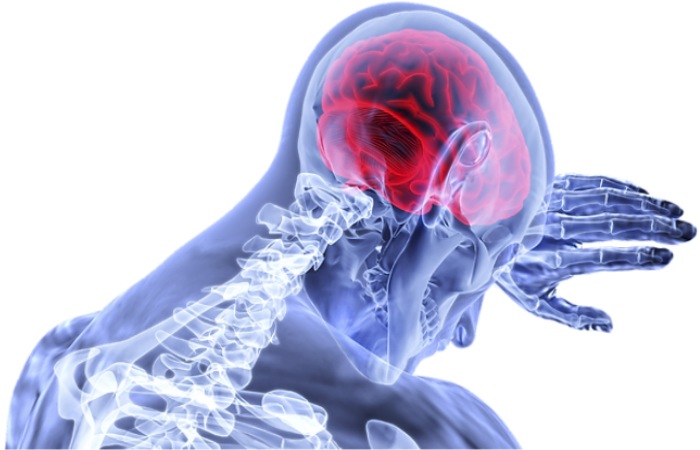
Whiplash: Causes, Symptoms, and Treatments

Sudden movements and blows to the neck and areas surrounding it can cause whiplashes. Whiplash can cause you severe pain and discomfort if not diagnosed and treated in time. You should be careful about what you know about whiplash to ensure the best chiropractic care and other such treatments for yourself. To help you with this, we have mentioned different causes, symptoms, and treatments of whiplash below.

What is Whiplash?

Whiplash is an injury to the neck. It is generally caused by a forceful or rapid movement of the neck or the surrounding area. There can be various causes like road accidents, sports incidents, physical abuse, or other types of traumas. However, there are various types of treatments that one can use. Chiropractic treatment is one of the most ideal treatments for whiplash. Whiplashes are another name for severe sprain or strain to the neck or surrounding area.

What are the Symptoms of Whiplash?

There are various symptoms of whiplash. There can be common symptoms as well as those that may or may not be directly related to it. However, if you are facing serious sprains, before visiting chiropractic care, you should know your symptoms properly. Knowing ones’ symptoms is necessary as it will lead to a proper diagnosis. Some of the many symptoms are mentioned below.

  • Pain and stiffness in the neck.
  • Neck movement causes more pain in the neck.
  • There is a lack of motion range in the neck or area surrounding it.
  • Headaches at the base of the skull.
  • Numbness
  • There is tenderness or pain in the upper back, shoulders, or arms.
  • The arm has certain tingles or numbness.
  • Fatigue

These are those symptoms that are general or common in nature. However, different people have different body types. Thus, there can be some other symptoms also. These symptoms are not that common. However, these symptoms cannot be ignored and one should visit a professional immediately.

  • Memory problems
  • Difficulty in concentration
  • Sleep disturbances
  • Blurred vision
  • Ringing in the ears
  • Depression
  • Irritation

What are the Causes of Whiplash?

Whiplashes commonly occur due to the rapid movement of the neck or a sudden blow caused by it. This can cause the muscles in the neck and surrounding area to strain or sprain severely. The ligaments and the muscles around the neck tear and stretch due to the sudden movement. This causes whiplash. There are various ways through which one can experience a whiplash. Before taking chiropractic treatment, you should be aware of the proper cause of your whiplash.

  • One has suffered through a sudden blow to the neck or surrounding area during the time of a car accident.
  • You have been punched or shaken violently during physical abuse.
  • You play sports like football, boxing, and karate on a daily basis. This makes you more prone to whiplashes as they include sudden movements and blows.
  • You have had a negative experience while riding a horse.
  • Accidents during cycling have occurred.
  • You have had or recently been through an accident that caused your neck to move violently.
  • A blow to your head by a heavy object.

These are just some of the many causes. You have to be extremely careful while performing activities that can lead to accidents or falls. If you are experiencing even a small discomfort and it is not going away, contact your doctor. The symptoms of the whiplash might not occur for a few days. However, if you have suffered these causes, you should immediately seek help.

What are the Complications Involved?

There are many people who get relieved from whiplash in a few days. These are not serious whiplashes. They can be cured easily through home remedies. However, many people continue to experience pain even when a significant amount of time has passed since the injury. Each person is different. So, it is hard to judge how a person from whiplash can recover.

You may be more likely to experience chronic pain if the starting symptoms have been severe or started occurring rapidly. These symptoms can include the following:

  • Pain that has spread to the arm
  • Limited range of motion
  • Neck pain is severe

The complications of having a whiplash even during the smallest falls or accidents increase if the:

  • The person has had whiplash before
  • During old age
  • There is an existing pain in the lower back and neck.
  • There has been a high-speed injury.

What are the Treatments of Whiplash?

The treatment of whiplash includes focusing on those parts that are facing sprains or strains. It also includes healing those areas where damage has been caused to ligaments, muscles, and tendons. Most patients commonly experience symptoms. If there are serious symptoms, one should get chiropractic care or consultation from other professionals as soon as possible. There are various treatments that professionals provide. Some of them are mentioned below.

  • Use ice packs immediately in the affected area.
  • Perform small neck exercises if possible. However, keep your neck at complete rest if the pain is too severe.
  • Use medication for pain. NSAIDs are common drugs that doctors prescribe to their patients who have swelling in the area. Painkillers can also be taken to help reduce the pain.
  • Doctors also help their patients to maintain proper posture. They provide different techniques and exercises to keep the posture of the neck in the proper place.
  • Injections like corticosteroids or lidocaine are also given by doctors to decrease muscle spasms.
  • Muscle relaxants are offered by professionals to be taken during bedtime as they can cause drowsiness.
  • Physical therapists use massage and manipulation like using ice packs, electrical stimulation, etc., to relieve pain.
  • Osteopathy is a common treatment for whiplash.

This is important information that you should know about whiplash. The given information should be thought of carefully. If you are experiencing mild or severe discomfort, you should refer to a professional for chiropractic treatment immediately to receive the best treatment possible. Whiplash might seem like a small thing but can cause you severe pain and discomfort. To get the best possible treatment, you should be aware of all this. Use this information to your benefit.


New Methods of Allocating Heart Transplants

The Bio medicine Agency has set up with All the Transplant Teams New Methods of Allocating Heart Transplants. These new graft allocation methods were implemented on January 2, 2018. They Fundamentally Change the Way of distributing grafts. These new methods place all candidates on the waiting list, take into account the risk of death on the list and aim to improve the match between the donor and the recipient.

Terms of Allocation of Grafts Before 2018

Heart Transplants Are Still A Limited Resource. There Is Still A Shortage Of Heart Transplants With According To Data From The Bio medicine Agency 1.9 Patients Waiting For A Heart Transplant (1). According To Bioethics Laws, The Distribution Of Grafts Must Be Fair, Efficient, Transparent, And Take Into Account Any Logistical Constraints.

Until January 1, 2018, distributing of grafts was according to two principles (2, 3).

There were three national graft allocation priorities (Super emergency 1, 2, 3) implemented in 2004. They aimed to reduce the number of deaths of patients on the waiting list and the number of discharges for aggravation.

The main priority, which was requested, was Super emergency 1 (SU1). It was established based on patient management criteria. Hospitalization in an ICU needs to use an inotropic infusion or short-term circulatory assistance. Super emergency 2 (SU2) corresponded to an infection or a long-term assistive dysfunction, and super emergency 3 (SU3) compared to a patient with a stabilized total artificial heart.

The assessment of the distribution rules made by the Bio medicine Agency showed:

– The criterion for assigning a national priority of SU1 did not distinguish the severity of patients. Indeed, a quarter of patients in SU1 were at low risk of death, and, conversely, 1/3 of patients at high risk of death were not in SU1.

ED patients had a very high access rate to the transplant compared to patients’ access rates without national priority.

– Matching between donor and recipient could not be adequate in the context of a local allocation, the number of candidates on the waiting list in most centers, by blood group, being too small.

In this context, new rules for allocating grafts were decided to put four based on five criteria.

New attribution rules

  • Firstly, a ranking of all candidates on the waiting list with a national heart transplant award (SNAGC).
  • They allocate the grafts according to objective emergency criteria (risk of death on the list).
  • Taking into account the risk of death after transplant.
  • A match between the donor and the recipient.
  • Replacement of the traditional geographic model of graft allocation by a gravity model considers the travel time between the site of collection and grafting to control ischemia time.
  • Calculation of the national heart transplant allocation score (SNAGC).