Last Updated: September 10, 2026
If you’ve been feeling out of whack lately, whether physically, mentally or emotionally, you may be experiencing more than just the usual stress or a busy workweek. It could be a sign that your entire system is crying out for a complete reboot, something you can do in a facility for rehab in Thailand. More and more people are seeking out such facilities not just to recover from addiction, but also to rejuvenate and realign on a holistic health level.
this article belongs to Preventive Health
Table of Contents
Understanding Health Reset and Its Importance
A holistic health reset is more than just taking a super-long break and eating a proper diet. It’s an intentional step back to evaluate every part of your well-being and make intentional changes to achieve balance.
A reboot helps you:
- Break free from toxic patterns
- Reconnect with your body’s natural rhythm
- Rebuild your energy, focus, and emotional stability
- Make room for self-reflection and healing
Signs You Need a Holistic Health Reset
Different people experience burnout or imbalance in different ways. It’s important that you watch out for signs that a reboot is in order to restore your well-being.
Physical Signs
Your body screaming for help is rarely loud and immediately recognisable. Most of the time, the signs start subtly and then become louder.
- Constant fatigue and low energy, even when you slept for 8 hours
- Not sleeping well or experiencing poor or disrupted sleep patterns
- Headaches or migraines that just won’t go away
- Bloating, constipation, and other digestive issues that don’t normally happen to you
- Uncontrollable cravings for caffeine, sugar, or alcohol
- Joint pains, muscle tension, and recurring illnesses
For an in-depth breakdown on this subtopic, refer to our Why Primary Care Matters Guide.
Mental and Emotional Signs
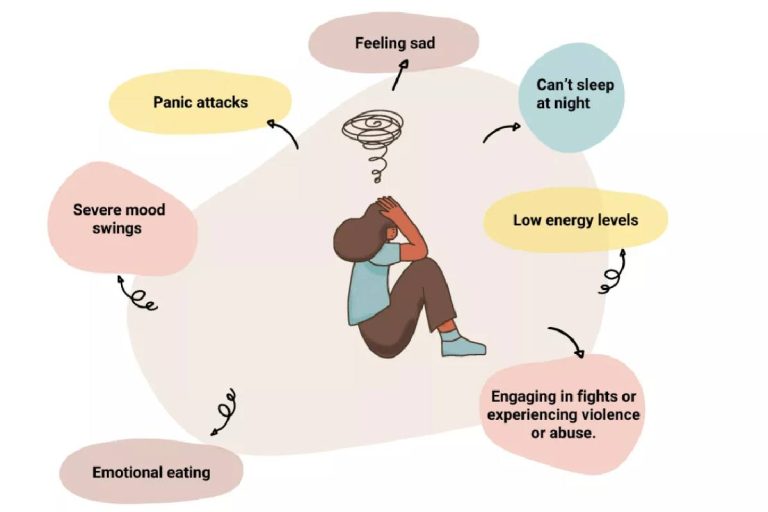
When your brain isn’t working to full capacity, everything’s more difficult. You may notice:
- Mood changes, irritability, or nervousness for no apparent reason
- Struggling to focus or make decisions
- Feeling numb emotionally or getting overwhelmed at the blink
- More critical self-talk or a lack of motivation
- Detachment from people or commitments
Spiritual & Lifestyle Signs
These signs are usually the hardest to spot, but the most telling and shouldn’t be ignored:
- Feeling disconnected from values or a sense of mission
- Existing in the grey zone without joy or passion
- Little to no time or space for self-care or reflection
- Too much time on social media or avoidance through distraction
- Not attending to your own needs to “keep up” or impress others
For an in-depth breakdown on this subtopic, refer to our Select Your Health Checkup Package Guide.
How to Start Your Holistic Health Reset
If you’re nodding at more than a few indicators above, maybe it’s time to take action. A reset doesn’t need to be extreme or dramatic, but it does need intention. For some, this takes the form of a complete retreat in the right rehab centre in order to heal and reboot, but there are simple steps you can take to get started.
- Commit to slowing down
- Seek professional advice from a good therapist, wellness coach, or rehab counsellor
- Pick an environment that promotes healing, far away from stressors and daily stimuli
- Prioritise sleep, diet, movement, and mindfulness
Creating a Healthier Environment for Your Reset
A holistic health reset is not only about changing what you eat or how much you exercise. Your surroundings can also influence how you feel and behave throughout the day. If your environment is constantly filled with noise, notifications, work pressure, and distractions, it can become difficult to slow down and reconnect with yourself.
Start by making your personal space more comfortable and peaceful. Keep your bedroom organized, reduce unnecessary clutter, and create an area where you can relax without constantly checking your phone or responding to work messages. Even small changes can make your environment feel more supportive.
You can also spend more time outdoors when possible. Walking through a park, sitting in a quiet garden, or simply getting some fresh air can give you a break from your usual surroundings. The goal is to create moments where your mind does not have to constantly process information.
For an in-depth breakdown on this subtopic, refer to our Tips To Prevent Drug Relapse Bay Addiction Recovery Experts Guide.
Reset Your Daily Routine
Many feelings of exhaustion and imbalance develop because daily routines become unpredictable. You may sleep at different times, skip meals, work late, or spend most of the day sitting without taking proper breaks.
A health reset provides an opportunity to establish a routine that feels manageable. Rather than changing everything overnight, begin with a few basic habits. Set a consistent time for waking up, establish a relaxing evening routine, and create regular periods for meals and movement.
Having a predictable routine can make your day feel more organized. It can also help you become more aware of how different activities affect your energy and mood.
Focus on Nutritious Meals
Food is an important part of any wellness reset. You don’t need to follow an extreme diet or eliminate entire food groups to start eating better. Instead, focus on creating meals that provide a variety of nutrients.
Include vegetables, fruits, whole grains, protein-rich foods, and healthy sources of fats in your meals. Try to reduce your dependence on heavily processed foods and excessive added sugars while allowing yourself flexibility.
Planning meals ahead of time can make healthy eating easier. When nutritious options are already available, you’re less likely to rely on whatever is quickest when you’re tired or busy.
A reset can also be a good time to pay attention to how different foods make you feel. Keeping a simple food and energy journal may help you notice patterns in your eating habits and daily energy levels.
For an in-depth breakdown on this subtopic, refer to our Zinc And Immune System Function Guide.
Make Movement Part of Your Day
Physical activity doesn’t have to mean spending hours at the gym. Movement can take many forms, and the best option is often something you actually enjoy.
Walking, swimming, cycling, stretching, dancing, yoga, and strength exercises can all become part of a balanced routine. If you’ve been inactive for a while, begin gradually and choose activities that match your current ability.
Try breaking up long periods of sitting throughout the day. A short walk or stretching session can give you a physical and mental break from work or other responsibilities.
The purpose of movement during a health reset is not punishment or rapid transformation. Instead, think of it as a way to reconnect with your body and develop habits that can continue after your reset period is over.
For an in-depth breakdown on this subtopic, refer to our Bad Breath Causes And Prevention Guide.
Give Your Mind Time to Rest
Mental rest is just as important as physical rest. Constantly switching between work, social media, entertainment, and notifications can leave very little space for quiet thinking.
Consider creating periods during the day when you intentionally disconnect from technology. You might read a book, write in a journal, listen to music, practice breathing exercises, or simply sit quietly.
Mindfulness can also help you become more aware of your thoughts and emotions. You don’t need to spend an hour meditating to benefit from a mindful moment. Even a few minutes of slowing down and paying attention to your breathing can provide a useful pause in a busy day.
Improve Your Sleep Habits
Sleep should be one of the central priorities of a health reset. When you regularly fail to get enough quality sleep, it can affect your energy, concentration, mood, and ability to manage everyday responsibilities.
Create a nighttime routine that signals to your body that it is time to slow down. Try to maintain a regular sleep schedule and make your bedroom as comfortable as possible.
Reducing screen use before bedtime may also help you relax. Instead of scrolling through social media late into the night, choose a calmer activity such as reading, stretching, or listening to something relaxing.
If sleep problems continue despite making lifestyle changes, speaking with a healthcare professional can help determine whether there is an underlying issue that needs attention.
Reconnect With People Who Support You
A health reset does not have to be a completely individual experience. Positive relationships can provide emotional support and remind you that you don’t have to manage everything alone.
Make time for people who make you feel comfortable, respected, and understood. This could mean having dinner with family, meeting a friend for a walk, calling someone you haven’t spoken to in a while, or participating in a community activity.
At the same time, consider whether certain relationships or environments consistently leave you feeling drained. Creating healthier boundaries can be an important part of protecting your time and emotional energy.
Take a Break From Digital Overload
Phones and social media can be useful, but excessive digital consumption can make it difficult to relax. Constant notifications can encourage you to remain mentally connected to work, news, entertainment, and other people’s lives.
Try establishing specific times for checking social media instead of opening apps automatically throughout the day. You can also turn off unnecessary notifications and create phone-free periods.
A digital break doesn’t necessarily mean completely abandoning technology. It simply means becoming more intentional about how you use it.
Taking care of your skin is also part of a healthy routine. Learn more about Prevent Summer Hyperpigmentation.
Practice Self-Reflection
A meaningful health reset should give you an opportunity to think about what is and isn’t working in your life. Ask yourself simple questions about your routines, priorities, relationships, and sources of stress.
Consider what makes you feel energized and what consistently leaves you exhausted. Think about whether your current routine reflects the things that are actually important to you.
Writing your thoughts down can make this process easier. A journal can help you identify patterns and turn vague feelings into specific areas that you can work on.
Set Realistic Goals
One common mistake during a health reset is attempting to change everything at once. You might decide to completely change your diet, exercise every day, meditate, stop using social media, sleep perfectly, and reorganize your entire life within a week.
This approach can quickly become overwhelming.
Instead, choose a few realistic goals. For example, you might focus on getting more consistent sleep, walking every day, preparing healthier meals, or spending less time on your phone. Once these habits become easier, you can gradually introduce additional changes.
Progress doesn’t have to be dramatic to be meaningful. Small improvements that become permanent habits can be more valuable than short-term changes that are impossible to maintain.
Know When You Need Professional Support
A holistic health reset can support general well-being, but it should not replace professional medical or mental health care when it is needed. Persistent physical symptoms, severe emotional distress, substance dependence, or other significant concerns deserve appropriate professional attention.
A healthcare professional can help you understand symptoms, identify potential problems, and determine what type of support may be appropriate. Similarly, a qualified therapist can provide guidance when stress, anxiety, emotional difficulties, or other mental health concerns become difficult to manage alone.
Seeking help is not a sign of failure. Sometimes the healthiest step you can take is recognizing when you need additional support.
Continue the Reset Beyond a Retreat
A retreat or wellness program can provide a valuable opportunity to step away from your normal environment, but the real challenge is maintaining healthy changes afterward.
When you return to your normal routine, try to keep the habits that made you feel better. Continue prioritizing sleep, nutritious food, movement, relaxation, and meaningful relationships.
You don’t need to recreate every part of a retreat at home. Instead, identify the few changes that had the biggest positive impact and make them part of your everyday life.
A successful health reset is ultimately not about becoming a completely different person. It is about becoming more aware of your needs and making intentional choices that support your overall well-being. By taking small, sustainable steps and giving yourself enough time to adjust, you can create a healthier routine that continues long after the initial reset has ended.
Most importantly, be kind to yourself. Real healing is a slow process, and it’s perfectly fine to take little steps. If you’re looking for a reputable treatment centre that offers various programmes for creating a healthy mind and body, The Hills Rehab offers just what you need.