
Last Updated: September 10, 2026
Summer brings longer days, more time outdoors, and increased exposure to heat and sunlight. While those changes can be enjoyable, they also create the perfect conditions for uneven skin tone to develop. Hyperpigmentation often appears gradually, but once it sets in, it can be difficult to reverse. That’s why prevention plays such an important role in maintaining a balanced complexion.
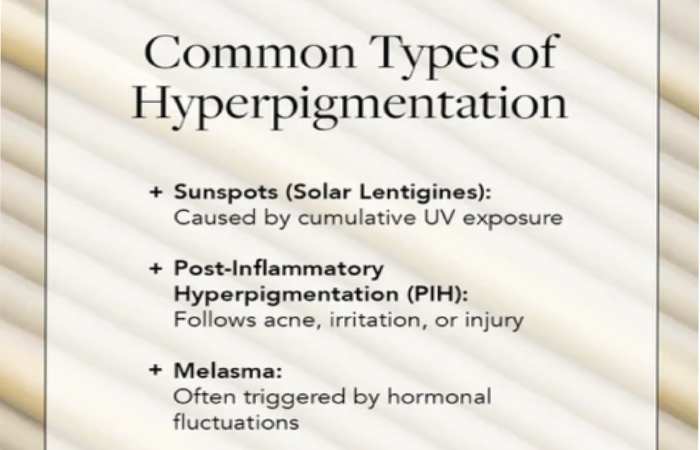
At its core, hyperpigmentation is your skin’s response to stress. UV exposure, heat, and inflammation all signal the skin to produce more melanin. Over time, this can lead to dark spots, patches, and uneven tone—especially if the skin is repeatedly exposed without protection. In some cases, irritation from breakouts, bug bites, or friction can trigger post-inflammatory hyperpigmentation, which may linger long after the initial issue has healed.
A consistent routine that includes protective and antioxidant support, such as formulations found in products like IMAGE Skincare® Vital C, can help reduce the likelihood of these changes before they begin.
this article belongs to Preventive Health
Table of Contents
Why Summer Triggers Hyperpigmentation
During the summer, your skin is exposed to a combination of environmental stressors that can accelerate discoloration. Ultraviolet radiation is one of the primary triggers, as it stimulates melanin production as a defense mechanism. Heat can intensify this process by increasing inflammation, while sweat and oil can lead to congestion or irritation.
Frequent cleansing, travel, and changes in routine can also weaken the skin barrier. When the barrier is compromised, skin becomes more reactive, making it easier for discoloration to develop. This is why prevention isn’t just about sunscreen—it’s about maintaining balance across your entire routine.
Build a Routine That Supports Prevention
A thoughtful skincare routine can help minimize the triggers that lead to hyperpigmentation. Rather than focusing on aggressive treatments, the goal is to support the skin consistently with ingredients that protect and strengthen it over time.
Antioxidants like vitamin C help defend against environmental stressors while supporting a more even-looking tone. Gentle exfoliation can help remove buildup, but it should be used sparingly to avoid irritation. Whenever introducing new products, it’s important to patch-test to ensure your skin responds well before fully incorporating them into your routine.
Equally important is avoiding harsh products or overly aggressive routines. Over-exfoliating or using products that disrupt your skin barrier can increase sensitivity and make discoloration more likely.
To understand how this fits into the broader picture, explore our Comprehensive Much Needed Health Reset Pillar.
Sun Protection Is Essential, But Often Overlooked
Daily sun protection is one of the most effective ways to prevent hyperpigmentation. A broad-spectrum mineral sunscreen can help protect against both UVA and UVB rays, reducing the likelihood of melanin overproduction.
Consistency matters just as much as product choice. Sunscreen should be applied in the morning and reapplied throughout the day, especially during prolonged outdoor exposure. Even brief periods of sun exposure can contribute to discoloration over time.
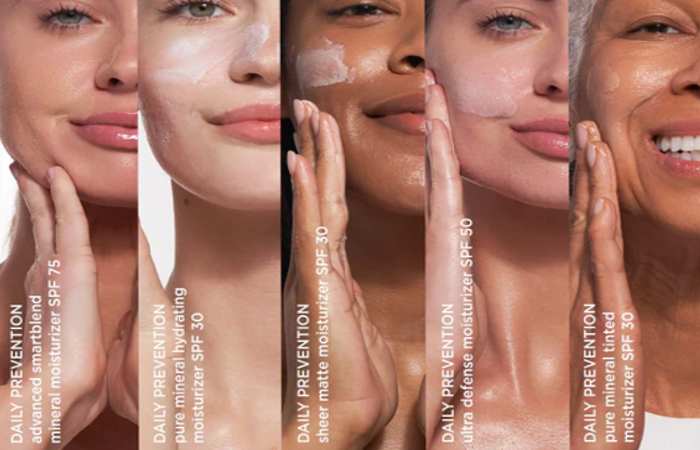
Above: Image Skincare DAILY PREVENTION™ SPF sampler set
Areas often missed when applying sunscreen include:
- Lips
- Ears
- Hands
- Tops of the feet
- Back of the neck
Experts advise including a sunscreen with an SPF of at least 30 as part of daily protection, particularly for those looking for lightweight formulas that layer easily with other products. For the best skin protection and value, browse trusted brands like the IMAGE Skincare sunscreen collection and check out the sample sizes to test out different formulas and find what works best for you.
You may also find our companion piece on Why Primary Care Matters Overview helpful for further context.
Be Mindful of Hidden Triggers
Not all causes of hyperpigmentation are obvious. Everyday experiences, like insect bites, friction from clothing, or exposure to certain plants, can lead to inflammation that triggers discoloration.
For example, contact with poison ivy or similar plants can cause a reaction that leads to lasting marks on the skin. Similarly, scratching bug bites or irritation from tight clothing can create small areas of inflammation that develop into uneven tone.
Taking simple precautions such as using bug repellent, wearing protective clothing, and avoiding unnecessary friction can help reduce these risks.

Consistency Matters More Than Complexity
It’s common to feel like you need to overhaul your routine to see results, but prevention is often about maintaining steady habits. Gentle cleansing, consistent hydration, and daily sun protection form the foundation of a routine that supports long-term skin health.
Making small, intentional adjustments, like reapplying sunscreen, avoiding over-exfoliation, and supporting your skin barrier, can have a meaningful impact over time. These habits help reduce the likelihood of discoloration before it becomes noticeable.
For related practical techniques, check out our insights in Select Your Health Checkup Package Practical Tips.
Stay Ahead of Summer Skin Changes
Preventing hyperpigmentation isn’t about doing more. It’s about doing the right things consistently. By understanding how sun exposure, heat, and irritation affect your skin, you can take steps to minimize their impact before discoloration develops.
A balanced routine that includes antioxidant support, daily protection, and mindful habits can help your skin stay more even, resilient, and comfortable throughout the summer months. Over time, these small decisions add up, helping you maintain a healthier-looking complexion without relying on corrective treatments later.