Overlooked Areas of Health You Shouldn’t Ignore
When it comes to health, most people focus on the obvious—exercise, diet, and regular medical checkups. While these are undoubtedly important, there are several less-discussed aspects of health that deserve attention. Neglecting these areas can lead to bigger problems down the line, affecting not just your physical well-being but also both your mental and emotional health.
this article belongs to general health
Here are some often-overlooked areas of health you shouldn’t ignore and why they matter.
Oral Health
Oral health is about much more than just a bright smile. For instance, gum disease has been linked to conditions like heart disease, diabetes, and even Alzheimer’s. Regular dental checkups and cleanings help catch potential problems early and maintain your oral hygiene.
If you live in South London, visiting the Direct Dental Wandsworth dental practice could be the perfect step toward ensuring your teeth and gums stay in top shape. Beyond health, oral care contributes to self-esteem and confidence, impacting everything from personal interactions to professional success.
Eye Health
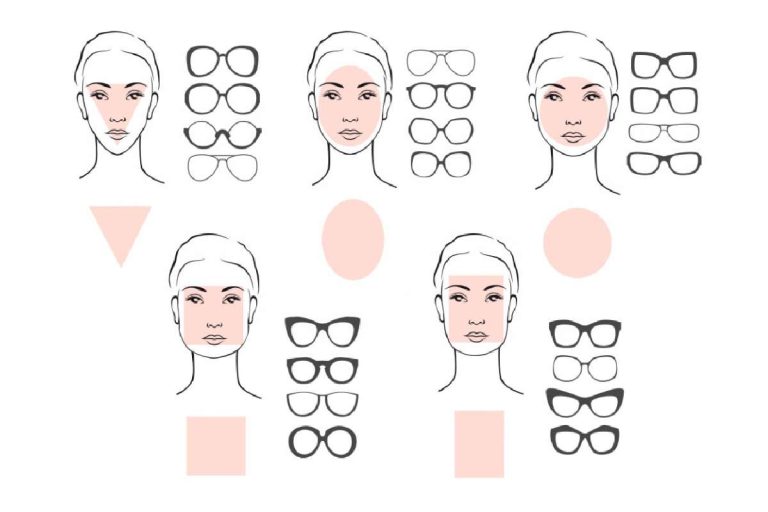
You, like many, likely take your eyes for granted until something goes wrong. Many people skip regular eye exams, thinking they’re unnecessary unless their vision changes. However, eye exams can reveal underlying issues such as glaucoma, diabetes, or high blood pressure before they manifest in other ways.
Protecting your eyes involves more than just a good pair of glasses. Ensure you take breaks from screens, wear sunglasses to guard against UV rays, and consult a specialist if you notice any changes in your vision.
Mental Health
Mental health remains an area many neglect often because its symptoms can be less visible than those of physical ailments. Yet, mental well-being is fundamental to overall health. Ignoring stress, anxiety, or depression can lead to more severe consequences, such as chronic illness or burnout.
Take proactive steps like practicing mindfulness, seeking therapy when needed, and maintaining strong social connections. Even small acts like journaling or taking daily walks can contribute to better mental clarity and emotional balance.
To understand how this fits into the broader picture, explore our Comprehensive What Is Ginger Water Pillar.
Posture and Musculoskeletal Health
With the rise of desk jobs and remote work, poor posture has become a common issue. Slouching or sitting improperly for extended periods can lead to chronic back pain, neck strain, and digestive issues.
If you sit down all day, consider incorporating stretches and exercises into your routine to strengthen your core and support better posture. Ergonomic furniture and proper workspace setups can also make a world of difference. If discomfort persists, consulting a physical therapist or chiropractor can help address underlying problems.
Skin Health
Skin is the body’s largest organ, yet it’s often treated as an afterthought. Neglecting skincare doesn’t just lead to cosmetic issues but can also increase the risk of infections or more serious conditions like skin cancer. Therefore, ensure you make sunscreen a daily habit, even in colder months, and check your skin regularly for any changes in moles or spots. A dermatologist can provide expert guidance and early detection of potential problems.
Hearing Health
Hearing loss tends to creep up slowly, making it easy to overlook. Whether due to aging, loud environments, or prolonged headphone use, neglecting your ears can lead to permanent damage. Regular hearing tests, wearing ear protection in noisy settings, and keeping music volumes at safe levels are simple yet effective ways to preserve your hearing.
Health isn’t just about the visible or urgent issues—it’s about paying attention to every aspect of your body and mind. When it comes to health, no detail is too small to ignore.
You may also find our companion piece on The Most Luxurious Ways To Look After Your Health Overview helpful for further context.
Sleep Health
Sleep is another important area of health that people often overlook. With busy schedules, work responsibilities, and constant access to phones and screens, it can be tempting to treat sleep as something that can be sacrificed. However, getting enough quality sleep is an important part of supporting your overall physical and mental well-being.
Poor sleep can affect your concentration, mood, energy levels, and ability to perform everyday activities. When you regularly fail to get enough rest, you may find it harder to stay focused or manage daily stress. Creating a consistent sleep schedule, keeping your bedroom comfortable, and limiting stimulating activities before bedtime can help establish healthier sleep habits.
Try to go to bed and wake up around the same time each day, including on weekends when possible. A relaxing bedtime routine, such as reading, gentle stretching, or listening to calming music, may also make it easier to transition into sleep.
Digestive Health
Your digestive system plays an important role in how your body processes food and absorbs nutrients, but digestive health is often ignored until an uncomfortable symptom appears. Occasional digestive changes can happen for many reasons, including changes in diet, stress, or daily habits.
Eating a balanced diet that includes fiber-rich foods, fruits, vegetables, whole grains, and appropriate sources of protein can support normal digestion. Drinking enough fluids and staying physically active can also be useful parts of a healthy routine.
Pay attention to persistent changes in your digestion rather than simply ignoring them. Ongoing symptoms such as significant abdominal discomfort, unexplained changes in bowel habits, or other unusual problems should be discussed with a healthcare professional. Keeping track of when symptoms occur and what foods or habits may be associated with them can also provide useful information during a medical appointment.
Foot Health
Feet carry you through nearly everything you do each day, yet they are frequently neglected. Wearing uncomfortable footwear for long periods, standing for extended hours, or ignoring small problems can eventually make everyday movement more difficult.
Taking a few minutes to examine your feet regularly can help you notice changes such as irritation, swelling, blisters, or other unusual areas. Comfortable footwear that provides appropriate support can also make a significant difference, particularly if you spend much of your day walking or standing.
Basic foot care includes keeping your feet clean and dry, changing socks regularly, and paying attention to any persistent discomfort. If you experience ongoing pain or notice a concerning change, getting professional advice is preferable to simply trying to tolerate the problem.
For related practical techniques, check out our insights in 7 Health Issues Every Woman Should Understand Practical Tips.
Heart Health
Heart health should not be overlooked simply because you feel healthy. Everyday habits can play an important role in supporting cardiovascular health over time. Regular physical activity, a balanced diet, maintaining a healthy weight, avoiding tobacco, and managing stress are all valuable lifestyle considerations.
You can start with simple changes rather than attempting to completely transform your routine overnight. Taking regular walks, choosing nutritious meals more often, reducing highly processed foods, and finding enjoyable ways to stay active can gradually become sustainable habits.
It is also important to understand your personal health information. Regular medical appointments can provide opportunities to discuss factors such as blood pressure, cholesterol, and other measurements that may help you understand your cardiovascular health.
Hydration and Everyday Wellness
Hydration is another simple aspect of health that can easily be forgotten during a busy day. Water supports many normal functions throughout the body, and your fluid needs can vary depending on factors such as activity, environment, and individual circumstances.
Instead of waiting until you feel extremely thirsty, make drinking fluids a regular part of your day. Keeping water nearby can make this easier, particularly when working, exercising, or spending time outdoors.
Hydration is not a replacement for nutritious food, adequate sleep, or other healthy habits. Rather, it works alongside them as part of a balanced approach to everyday wellness.
Regular Preventive Care
Preventive healthcare is often overlooked because it focuses on problems that may not exist yet. However, routine appointments and recommended screenings can provide opportunities to identify potential concerns early and discuss changes in your health.
The appropriate preventive care can vary depending on your age, personal circumstances, and risk factors. Rather than relying only on how you feel, discuss appropriate checkups and screenings with a qualified healthcare professional.
Taking care of your health does not require paying attention to everything at once. Start by noticing the areas you have been neglecting and make one or two realistic changes at a time. Over time, these small efforts can become regular habits that support your physical, mental, and emotional well-being.