
Last Updated: September 8, 2026
Dry skin affects nearly 40% of Indian adults, especially during winter months and in air-conditioned environments. If your skin feels tight, flaky, or rough despite using moisturizer, you’re not hydrating it correctly.
The best way to hydrate dry skin isn’t just about slathering on cream. It’s a strategic combination of barrier repair, moisture retention, and lifestyle adjustments that work together to restore your skin’s natural hydration levels.
In this guide, you’ll learn evidence-based methods that actually work, common mistakes that worsen dryness, and a step-by-step routine tailored for Indian climate conditions.
For a complete foundational overview, make sure to read our core guide on 14 effective ways to help avoid face wrinkles before starting any regimen.
this article belongs to skin care
Table of Contents
Understanding Dry Skin vs. Dehydrated Skin
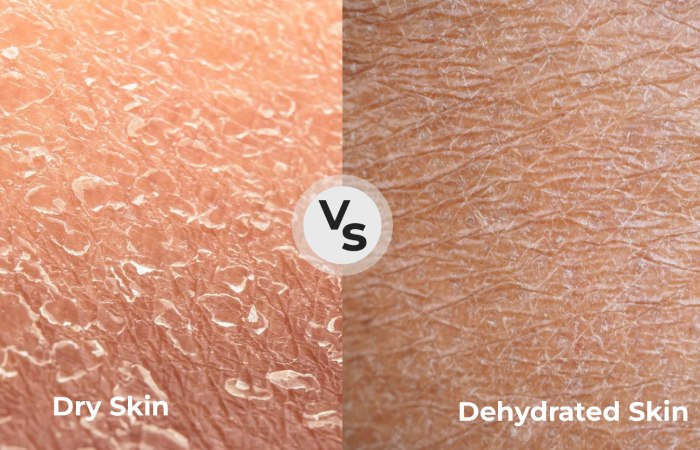
Before diving into solutions, let’s clarify an important distinction.
Dry skin lacks oil (sebum) and is a skin type. It feels rough, may have visible flakes, and often appears dull.
Dehydrated skin lacks water and is a temporary condition. It can affect oily skin too, showing fine lines, tightness, and sensitivity.
Most people have both issues simultaneously. The best way to hydrate dry skin addresses both oil and water deficiencies.
Furthermore, exploring our related article on achieving radiant skin with solawave therapy provides complementary techniques to maximize results.
Why Your Skin Loses Hydration
Your skin has a protective barrier made of lipids (fats) and proteins. When this barrier is compromised, water escapes faster than your skin can replace it.
Common causes include:
- Hot showers that strip natural oils
- Harsh soaps and cleansers with sulfates
- Low humidity environments (AC, heaters)
- Over-exfoliation damaging the skin barrier
- Aging, which reduces ceramide production
- Hard water with high mineral content
- Indoor pollution and dust exposure
According to dermatological research, skin loses up to 25% more moisture in environments below 60% humidity—common in Indian cities during winter.
The 3-Layer Hydration Strategy
The most effective approach uses three types of ingredients working together:
Layer 1: Humectants (Water Magnets)
These pull water into your skin from the environment and deeper skin layers.
- Hyaluronic acid (holds 1000x its weight in water)
- Glycerin
- Aloe vera
- Honey
- Sodium PCA
Layer 2: Emollients (Smoothers)
These fill gaps between skin cells, creating a smooth surface.
- Squalane
- Jojoba oil
- Shea butter
- Coconut oil
- Sunflower seed oil
Layer 3: Occlusives (Sealers)
These create a protective film preventing water loss.
- Petrolatum (petroleum jelly)
- Dimethicone
- Beeswax
- Lanolin
- Mineral oil
The best way to hydrate dry skin uses all three layers in the right order.
Step-by-Step Hydration Routine
Morning Routine
Step 1: Gentle Cleansing
Use a creamy, sulfate-free cleanser. Avoid foaming cleansers that strip natural oils.
Cleanse with lukewarm water (not hot) for 30-60 seconds maximum.
Step 2: Apply Toner on Damp Skin
Don’t dry your face completely. While skin is still damp, apply a hydrating toner with glycerin or hyaluronic acid.
Damp skin absorbs products 10x better than dry skin.
Step 3: Serum Layer
Apply a hyaluronic acid serum while skin is still moist. This locks in the water from your toner.
Pat gently—don’t rub.
Step 4: Moisturizer
Within 3 minutes, apply a ceramide-rich moisturizer. This is the critical window when your skin barrier is most receptive.
Step 5: Sunscreen
Never skip SPF 30 or higher, even indoors. Sun damage worsens dryness over time.
Night Routine
Step 1: Double Cleanse
Use an oil-based cleanser first (removes sunscreen and pollution), followed by your gentle cream cleanser.
Step 2: Treatment (2-3 times per week)
Apply a lactic acid or PHA exfoliant to remove dead skin buildup. This helps hydrating products penetrate better.
Start once weekly and increase gradually.
Step 3: Hydrating Layers
- Damp skin + essence/toner
- Hyaluronic acid serum
- Niacinamide serum (strengthens barrier)
- Rich night cream with ceramides
Step 4: Occlusive Layer
Apply a thin layer of petroleum jelly or a sleeping mask on extra-dry areas (around nose, cheeks).
This “slugging” method is recommended by dermatologists for severe dryness.
Ingredients That Actually Hydrate Dry Skin
The Power Players
Hyaluronic Acid: Available in different molecular weights. Low-weight penetrates deeper; high-weight sits on surface for immediate plumping.
Ceramides: Natural lipids that repair your skin barrier. Look for ceramide 1, 3, and 6-II in products.
Niacinamide: Vitamin B3 that increases ceramide production by 34% according to dermatology studies. Also reduces water loss.
Panthenol (Vitamin B5): Attracts and holds moisture while soothing inflammation.
Squalane: Mimics skin’s natural oils, absorbs quickly without greasiness.
Supporting Ingredients
- Urea (at 5-10%): Gently exfoliates while hydrating
- Lactic acid: Mild exfoliant that also hydrates
- Centella asiatica: Soothes and repairs
- Beta-glucan: Anti-inflammatory hydrator
What to Avoid
- Alcohol denat (drying)
- Fragrance (irritating to dry skin)
- Harsh sulfates (SLS, SLES)
- Physical scrubs (damaging)
- Witch hazel (too astringent for dry skin)
Common Mistakes That Worsen Dry Skin
Mistake 1: Skipping Moisturizer Because You Applied Serum
Serums are treatment products, not replacements for moisturizer. You need both—serum delivers actives, moisturizer seals them in.
Mistake 2: Applying Products to Bone-Dry Skin
If you wait until your face is completely dry after washing, you’ve already lost the battle. Products applied to damp skin are 3x more effective.
Mistake 3: Hot, Long Showers
Water above 40°C damages your lipid barrier. Limit showers to 5-10 minutes with lukewarm water.
Mistake 4: Over-Exfoliating
Exfoliating more than 2-3 times weekly strips your barrier. Damaged skin can’t retain moisture.
Mistake 5: Using Humectants Alone in Dry Climates
In low-humidity environments, humectants like hyaluronic acid can actually pull water from deeper skin layers, worsening dryness. Always seal with an occlusive.
Mistake 6: Ignoring Indoor Humidity
Air conditioning and heaters drop humidity below 30%. Your skin loses moisture constantly in these conditions.
Lifestyle Changes for Hydrated Skin
Hydrate from Within
Drinking water alone won’t directly hydrate skin, but severe dehydration does show up on your face.
Aim for 8-10 glasses daily. Add hydrating foods:
- Cucumber (96% water)
- Watermelon
- Oranges
- Tomatoes
- Coconut water
Boost Omega-3 Intake
Omega-3 fatty acids strengthen your skin barrier from inside. Include:
- Flaxseeds
- Walnuts
- Chia seeds
- Fatty fish (salmon, mackerel)
Studies show omega-3 supplementation improves skin hydration by 39% within 12 weeks.
Use a Humidifier
Maintain indoor humidity at 40-60%. A simple cool-mist humidifier can increase skin hydration by 20% during winter.
Place it in your bedroom for overnight benefit.
Protect Your Skin Barrier
- Wear gloves when washing dishes
- Pat skin dry instead of rubbing
- Switch to fragrance-free detergents
- Use a silk or satin pillowcase
Manage Stress
Chronic stress increases cortisol, which impairs barrier function. Practice:
- 10 minutes daily meditation
- Adequate sleep (7-8 hours)
- Regular exercise
Best Products for Different Budgets
Budget-Friendly (Under ₹500)
- Cleanser: Cetaphil Gentle Skin Cleanser
- Moisturizer: Ponds Super Light Gel / Vaseline Intensive Care
- Serum: Minimalist Hyaluronic Acid 2%
Mid-Range (₹500-1500)
- Cleanser: Bioderma Sensibio Cleansing Milk
- Toner: Klairs Supple Preparation Toner
- Serum: The Ordinary Hyaluronic Acid 2% + B5
- Moisturizer: CeraVe Moisturizing Cream
Premium (₹1500+)
- Serum: Dr. Sheth’s Ceramide & Vitamin C Oil-Free Moisturizer
- Moisturizer: La Roche-Posay Cicaplast Baume B5
- Night Cream: Neutrogena Hydro Boost Water Gel
Remember: Expensive doesn’t mean better. Consistency with basic, well-formulated products beats sporadic use of luxury brands.
DIY Hydrating Treatments
Honey & Aloe Mask
Mix 1 tbsp raw honey with 1 tbsp fresh aloe vera gel. Apply for 15 minutes, rinse with lukewarm water.
Honey is a humectant; aloe soothes and hydrates.
Oatmeal Soak
Add colloidal oatmeal to lukewarm bath water. Soak for 15-20 minutes.
Oatmeal contains beta-glucan, which forms a protective film on skin.
Yogurt & Cucumber Compress
Blend ½ cucumber with 2 tbsp plain yogurt. Apply as a cooling mask for 20 minutes.
Lactic acid in yogurt gently exfoliates while hydrating.
Oil Massage
Warm 2-3 drops of jojoba or almond oil between palms. Gently massage into clean, damp skin before moisturizer.
This mimics your skin’s natural sebum and enhances absorption.
When to See a Dermatologist
Consult a professional if you experience:
- Persistent dryness despite consistent routine (6+ weeks)
- Cracking, bleeding, or oozing skin
- Severe itching affecting sleep
- Sudden onset of extreme dryness
- Skin infections (redness, warmth, pus)
These could indicate conditions like eczema, psoriasis, or thyroid issues requiring medical treatment.
For comprehensive health guidance, explore our health and wellness tips.
Quick Reference Guide
| Skin Condition | Best Ingredient | Product Type |
|---|---|---|
| Extreme dryness | Ceramides + Petrolatum | Rich cream + occlusive |
| Mild dryness | Hyaluronic acid | Lightweight gel-cream |
| Sensitive + dry | Centella + Panthenol | Fragrance-free lotion |
| Mature dry skin | Peptides + Niacinamide | Anti-aging moisturizer |
| Acne + dryness | Niacinamide + Squalane | Oil-free hydrator |
Seasonal Adjustments for India
Monsoon (June-September)
Humidity is high, so focus on lightweight hydrators. Use gel-based moisturizers with hyaluronic acid.
Winter (October-February)
Low humidity demands richer formulations. Layer serums under thick creams. Add facial oils at night.
Summer (March-May)
High temperatures mean sweat and oil buildup. Use water-based hydrators and lighter occlusives like dimethicone.
The 30-Day Hydration Challenge
Week 1: Establish basic routine (cleanser, toner, moisturizer, sunscreen)
Week 2: Add hyaluronic acid serum in AM and PM
Week 3: Introduce gentle exfoliation 2x weekly
Week 4: Add occlusive layer at night (petroleum jelly or sleeping mask)
Track your progress with weekly photos. Most people see visible improvement by day 21.
Real-World Example: Priya’s Transformation
Priya, a 32-year-old software engineer from Bangalore, struggled with flaky, tight skin for years. She used expensive products but saw no improvement.
Her mistakes:
- Washing face with hot water 3x daily
- Applying products to dry skin
- Using alcohol-based toner
- Skipping sunscreen
After switching to the 3-layer hydration method:
- Reduced cleansing to 2x daily with lukewarm water
- Applied hyaluronic acid on damp skin
- Added ceramide moisturizer within 3 minutes
- Started slugging at night
Within 4 weeks, her flakiness reduced by 80%, and skin felt supple for the first time.
For those looking beyond daily skincare for more advanced options, skin rejuvenation treatments may also be worth exploring with a qualified professional.
Final Thoughts
The best way to hydrate dry skin isn’t a single miracle product—it’s a comprehensive approach combining the right ingredients, proper application techniques, and supportive lifestyle habits.
Focus on repairing your skin barrier with ceramides, trapping moisture with occlusives, and maintaining consistency. Results take time, but with the strategies in this guide, you’ll achieve lasting hydration and healthy, glowing skin.
Start with the basics: cleanse gently, apply products on damp skin, layer lightweight hydrators under rich creams, and protect with sunscreen daily. Your skin will thank you.
FAQs
Q: What is the fastest way to hydrate dry skin? A: Apply hyaluronic acid serum on damp skin, immediately followed by a ceramide moisturizer, then seal with petroleum jelly. You’ll see improvement within 24 hours.
Q: How long does it take to hydrate dry skin? A: With consistent care, you’ll notice softer skin in 7-10 days. Full barrier repair takes 4-6 weeks.
Q: Can I use coconut oil to hydrate dry skin? A: Coconut oil is an emollient that smooths skin but doesn’t hydrate it. Pair it with humectants like hyaluronic acid for best results.
Q: Should I hydrate my skin if it’s oily? A: Yes. Oily skin can be dehydrated. Use lightweight, oil-free hydrators like gel moisturizers with hyaluronic acid.
Q: Is Vaseline good for dry skin? A: Yes. Petroleum jelly is an excellent occlusive that prevents water loss. Apply it as the final step over your moisturizer.
Q: What foods help hydrate skin? A: Water-rich foods (cucumber, watermelon, oranges) and omega-3 sources (flaxseeds, walnuts, fatty fish) support skin hydration from within.
Q: Can hard water cause dry skin? A: Yes. High mineral content in hard water can disrupt your skin barrier. Use a gentle cleanser and consider installing a shower filter.