Last Updated: September 28, 2026
If you’re reading this while hunched over your laptop or phone (guilty as charged), chances are you’ve experienced neck discomfort. This pain is a stiff, aching reminder that our bodies weren’t designed for the digital age.
Whether it’s from endless Zoom calls or just bad posture on the couch, neck discomfort has quietly become one of the most common complaints among adults. The World Health Organization even estimates that 30% to 50% of us deal with it every single year. In the workplace it’s a major culprit behind sick days and lost productivity.
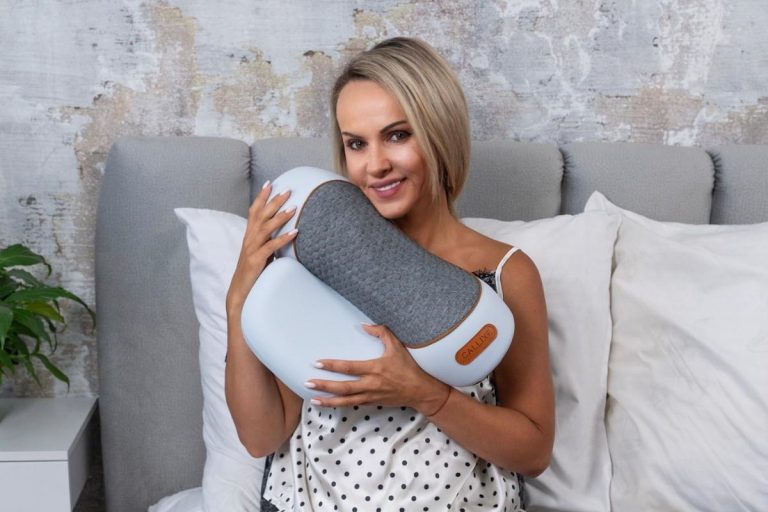
However, the good news is that there’s a fresh wave of wellness solutions coming our way. One of the most exciting is traction therapy. This is a gentle, non-invasive technique which has been around for decades. Now, thanks to modern design, it’s more comfortable and accessible than ever. Enter the CALLIXE Thera Pillow, your new best friend in the fight against neck pain.
this article belongs to Sleep & Rest
Table of Contents
What exactly is traction therapy?
Traction therapy pushes against the spine and helps to realign the natural lordotic neck curve. This gives the user a stretching effect and can help to alleviate neck pain and discomfort.
Through this therapy, pressure on compressed nerves is relieved, blood circulation is boosted and inflammation is reduced.It help the vertebrae and discs realign naturally. I
This isn’t just wellness hype. A 2021 study in the Journal of Orthopaedic & Sports Physical Therapy found that people using cervical traction regularly saw their pain levels drop by a whopping 68% in just four weeks. Beyond pain relief, it can also improve sleep quality, flexibility, and even reduce your reliance on pain meds. Not bad for something that looks like a plush neck rest.
To understand how this fits into the broader picture, explore our Comprehensive Make Sleeping While Pregnant Pillar.
Traction therapy’s ancient roots
Believe it or not, traction therapy isn’t new. Its roots go all the way back to ancient Greece, when Hippocrates used simple tools to decompress the spine. Unlike medication, which often just dulls the pain, traction goes straight to the source. It’s about relieving pressure, restoring balance, and helping your body function the way it’s meant to.
Some fans of traction therapy even say it gives them clearer thinking, likely because of the increased blood flow to the brain. When paired with good posture habits and a few simple stretches, traction can help slow the wear and tear of aging joints and discs. While clinics have long used traction alongside heat and electrical stimulation, now you don’t need a doctor’s office to get that kind of care.
Meet the Thera Pillow
The CALLIXE Thera Pillow provides an innovative way of implementing traction therapy. You don’t need to plug in bulky machines or keep up with appointments. All you do is lie down, relax, and let the pillow do the work.
It only takes 10 to 15 minutes a day to start feeling a difference. The design uses your body weight and gravity to create a light traction effect. Since it also includes heat therapy and vibrational massage, it turns your living room into your very own mini wellness center.
You may also find our companion piece on Obstructive Sleep Apnea Treatment Overview helpful for further context.
A new way to feel better
Let’s face it: life is busy, and making time for physical therapy appointments isn’t always doable. That’s why the rise of home-based wellness tools like the Thera Pillow feels so refreshing. It’s not just about convenience; it’s about empowerment. Instead of masking the pain, you’re actively treating the root cause, and doing it on your own terms.
With tech neck on the rise and our lifestyles growing more sedentary, tools like the Thera Pillow aren’t just helpful, they’re essential. It’s a modern, beautifully-designed reminder that sometimes, the best way to move forward is to lie back and let your neck breathe.
Why Modern Lifestyles Can Affect Neck Comfort
Our daily routines can place repeated demands on the muscles and joints around the neck. Looking down at a phone, working at a poorly positioned desk, or sitting in the same position for several hours can contribute to muscle tension and stiffness. Even activities that seem harmless can become uncomfortable when they are repeated for long periods without movement.
This is why taking regular movement breaks can be useful. Standing up, changing positions, gently moving the shoulders, and looking away from a screen can give the neck and upper back a break from staying in one fixed position.
The Role Of Good Posture
Traction therapy is only one part of a broader approach to neck comfort. Paying attention to posture throughout the day can also make a difference. A workstation should allow the screen to be viewed without constantly bending the head forward, while the shoulders should remain relaxed rather than held tightly upward.
Good posture does not mean remaining perfectly still. In fact, regularly changing positions is often more practical than trying to maintain one rigid posture for hours. Combining better positioning with gentle movement can help reduce the amount of strain placed on the neck during everyday activities.
For related practical techniques, check out our insights in Cons Of The Different Mattress Types Practical Tips.
How Home-Based Neck Care Fits Into A Routine
One reason home wellness devices can be appealing is that they can fit into an existing routine. Instead of setting aside a large amount of time, someone may choose a short period during the day to relax, perform gentle exercises, or use a device according to its instructions.
Consistency is often more practical than occasional long sessions. However, people should follow the instructions supplied with any traction device and avoid using equipment more frequently or intensely than recommended. Comfort should remain an important consideration throughout the process.
When Professional Guidance Is Important
Not every type of neck discomfort has the same cause, and a home wellness device may not be appropriate for everyone. Persistent or worsening pain should not simply be ignored. Symptoms such as significant weakness, numbness, severe headaches, dizziness, or pain following an injury may require professional assessment.
A healthcare professional or physical therapist can help determine what may be contributing to the discomfort and whether traction, exercise, posture changes, or another approach is appropriate. Professional guidance can also be especially useful for people who already have a diagnosed neck or spinal condition.
Combining Traction With Healthy Daily Habits
A balanced approach can make neck care more sustainable. Along with any appropriate therapy, people can focus on regular movement, a comfortable sleeping position, an ergonomic workspace, and breaks from prolonged screen use. Gentle stretching and strengthening exercises may also be recommended by a qualified professional depending on the individual situation.
The goal is not simply to find one device that solves every problem. Instead, traction therapy and other wellness tools can be considered as part of a broader routine designed to support comfortable movement and healthier daily habits.
Review verified patient guidance outlined in the Mayo Clinic Lifestyle Fundamentals.
Final Thoughts On Neck Comfort
Modern life may make neck discomfort more common, but small changes can help people become more aware of how their daily habits affect their bodies. Home-based traction products offer one convenient option for people interested in incorporating additional neck-care practices into their routines.
Whether someone chooses a traction pillow, professional therapy, gentle exercises, or simple posture improvements, the most important step is to pay attention to the body’s signals. Persistent or unusual symptoms deserve appropriate professional attention rather than being treated as ordinary consequences of spending time at a desk.