Last Updated: September 24, 2026
The interdental area is most often the favorite refuge for oral bacteria as it accumulates food waste and dental plaque.
Indeed, we highly recommend dental floss for maintaining impeccable oral hygiene since the toothbrush cannot reach certain areas: between the teeth, under the gums, etc.
Thus, the proliferation of bacteria and the formation of dental plaque can significantly affect oral health and subsequently cause tooth decay and other diseases.
this article belongs to Dental Care
Table of Contents
How to Use Dental Floss?
Oral hygiene requires thorough brushing at least twice a day, promoting a diet that is adequate for healthy teeth, and visiting your dentist regularly.
However, dental floss can be considered a highly valued accessory for complete dental and oral cleaning.
Proper use of this accessory requires good reflexes, so proceed as follows:
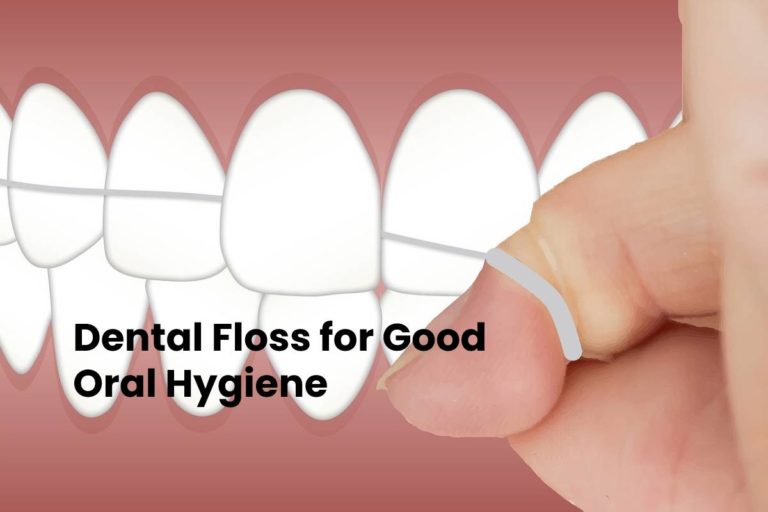
- Cut about 45 centimeters of dental floss, the ends of which you need to wrap around each middle finger to handle it when cleaning.
- Using your thumbs and index fingers, you have to slip the dental floss between your teeth and clean it gently, not to injure the gums.
- We can perform cleaning by moving back and forth.
- This process is repeated in each interdental area, each time using a new portion of [dental floss].
- They remove the wire by performing the same back and forth movement when inserting it.
Why Is Proper Flossing Technique Important?
Using dental floss is not simply a matter of passing a piece of floss between the teeth. The technique used can make a significant difference in how effectively the interdental areas are cleaned. When floss is handled too aggressively, it may irritate or injure the gums. On the other hand, if it is used too quickly or only placed between the teeth without cleaning the sides of the teeth, some plaque and food particles may remain.
The goal is to gently clean the spaces between the teeth and along the gumline. The floss should be guided carefully rather than snapped into the gums. Once the floss reaches the gumline, it can be gently curved around the side of one tooth and moved up and down. The same process can then be performed on the neighboring tooth.
It is also important to use a clean section of floss for each interdental space. Reusing the same portion can move food debris and bacteria from one area to another. A fresh section helps maintain a cleaner process throughout the routine.
For people who are new to flossing, it may take some time to develop the coordination required to use traditional string floss comfortably. This is completely normal. With regular practice, handling the floss generally becomes easier and more natural.
For an in-depth breakdown on this subtopic, refer to our Dental Health Affects How Old You Look Guide.
When Should You Floss Your Teeth?
Dental floss can be incorporated into a person’s daily oral hygiene routine. Some people prefer flossing before brushing, while others prefer to floss after brushing. The most important consideration is developing a routine that allows the interdental spaces to be cleaned consistently.
Flossing before brushing can help loosen food particles and plaque from between the teeth so that brushing can subsequently clean the mouth more thoroughly. However, consistency is more important than focusing excessively on a particular time of day.
A simple routine can make flossing easier to remember. For example, a person may keep dental floss near their toothbrush so that it becomes part of the same daily habit. Establishing a predictable routine can also help prevent flossing from being forgotten.
Flossing should be performed gently and carefully. There is no benefit to rushing through the process. Taking a little additional time to clean each interdental space properly can make the routine more effective.
How Often Should Dental Floss Be Used?
For many people, interdental cleaning is a daily part of maintaining oral hygiene. The spaces between the teeth can collect plaque and food particles even when brushing is performed regularly. This is because toothbrush bristles may have difficulty reaching narrow spaces between adjacent teeth.
Making interdental cleaning part of a consistent daily routine can therefore help address areas that are commonly missed during brushing.
People with braces, dental bridges, crowns, implants, or other dental appliances may have additional cleaning requirements. In these circumstances, a dentist or dental hygienist can explain which interdental cleaning method is most suitable and how frequently it should be performed.
The ideal routine may also differ depending on the spacing between a person’s teeth. Some people have very tight contacts, while others have larger spaces. The appropriate type of interdental cleaner can therefore vary from one person to another.
For an in-depth breakdown on this subtopic, refer to our Symptoms Of Declining Oral Health To Be Aware Of Guide.
The Advantages of Dental Floss
As mentioned above, [dental floss] is considered a recommended and beneficial supplement to tooth brushing; it thus allows:
- Ensure good oral hygiene.
- Limit the manifestation of dental plaque and other diseases as a result.
- Evacuate the interdental area of food waste.
- It can replace dental brushes for people who do not have enough space between their teeth.
1. Helps Clean Difficult-to-Reach Areas
One of the primary reasons people use dental floss is its ability to reach areas that are difficult to access with an ordinary toothbrush. A toothbrush is designed to clean the surfaces of the teeth, but its bristles may not adequately enter every narrow interdental space.
Food particles can become trapped between teeth after meals and snacks. If these particles are not removed, they can contribute to the accumulation of plaque. Floss provides a practical way to physically clean these spaces.
This is particularly important because the spaces between teeth are part of the mouth and should not be overlooked when creating a complete oral hygiene routine.
2. Helps Remove Plaque
Dental plaque is a sticky film that can develop on teeth. It contains bacteria and can accumulate when oral hygiene is insufficient. Brushing helps remove plaque from many surfaces, while interdental cleaning addresses areas that brushing may miss.
Regular cleaning between the teeth can therefore complement brushing rather than replace it. Both activities have different roles in maintaining oral cleanliness.
When plaque remains around the teeth and gumline for extended periods, it can become harder to remove and may contribute to oral health problems. This makes regular removal an important part of preventive oral care.
For an in-depth breakdown on this subtopic, refer to our Dental Veneers Guide.
3. Removes Food Particles
Food frequently becomes lodged between teeth, especially after eating foods with small particles or fibrous textures. While rinsing the mouth may remove some loose particles, it may not eliminate everything trapped in tight spaces.
Dental floss can help remove these particles mechanically. This can leave the mouth feeling cleaner and reduce the amount of material available for bacteria to act upon.
People who frequently notice food becoming stuck between particular teeth may benefit from discussing their interdental cleaning routine with a dental professional. Repeated food trapping can sometimes be associated with the shape or alignment of the teeth.
4. Supports Gumline Cleaning
The gumline is another area where plaque can accumulate. Gentle flossing allows a person to clean around the sides of the teeth close to the gums.
The key word is gentle. Floss should not be forced deeply into the gums or moved aggressively. Proper technique is intended to clean the area without unnecessarily traumatizing the soft tissue.
Healthy oral hygiene habits are generally based on consistency and care rather than excessive pressure.
For an in-depth breakdown on this subtopic, refer to our Aligners For Teeth Guide.
5. Complements Tooth Brushing
Dental floss should generally be viewed as a complement to brushing rather than as a complete replacement for it. Brushing remains important for cleaning the accessible surfaces of the teeth and delivering fluoride toothpaste to the tooth surfaces.
Flossing adds another level of cleaning by targeting areas that may be missed during brushing.
A complete routine may therefore include brushing, interdental cleaning, cleaning the tongue when appropriate, and regular dental examinations. The exact routine can be adapted according to individual oral health needs.
6. Can Help Maintain a Cleaner Mouth
Many people notice that their mouth feels fresher and cleaner after flossing. Removing trapped food particles can contribute to this feeling of cleanliness.
A clean mouth is not only about appearance. Oral hygiene is also connected with the condition of the gums and teeth. Small daily habits can have an important role in maintaining oral cleanliness over time.
Dental Floss and Gum Health
The condition of the gums is an important part of overall oral health. Gums can become irritated when plaque accumulates around the teeth and gumline. Regular brushing and appropriate interdental cleaning can help remove the buildup responsible for this irritation.
Some people notice a small amount of bleeding when they first begin flossing. This can happen when the gums are already irritated or when flossing technique is too forceful. However, persistent or significant bleeding should not simply be ignored.
If the gums regularly bleed, appear swollen, feel painful, or change in appearance, it is advisable to speak with a dentist. A dental professional can determine whether the bleeding is related to plaque buildup, technique, or another dental issue.
It is also important not to respond to bleeding by completely abandoning oral hygiene. Instead, people should seek professional guidance about the appropriate technique and treatment when necessary.
For an in-depth breakdown on this subtopic, refer to our Invisalign Singapore Guide.
Choosing the Right Type of Dental Floss
Not every person finds the same type of dental floss equally comfortable. Dental floss is available in different forms, including traditional string floss, waxed floss, unwaxed floss, tape-style floss, and floss designed for specific dental situations.
Waxed floss may slide more easily between tightly spaced teeth. Some people find wider dental tape more comfortable when they have larger spaces between teeth. Individuals with orthodontic appliances may require specialized products or additional cleaning tools.
There are also floss holders and disposable flossing tools that can make handling easier for people who struggle to wrap and control traditional floss.
The best option is often the one that a person can use correctly and consistently. If it is difficult to select a suitable product, a dentist or dental hygienist can provide personalized advice based on the arrangement of the teeth and the condition of the gums.
Dental Floss for People With Braces
People who wear braces may find interdental cleaning more complicated because brackets and wires create additional areas where food and plaque can accumulate.
Traditional floss can still be used in some situations, but threading it around orthodontic wires may require additional time and patience. Special orthodontic flossers, threaders, or interdental brushes may make the process easier.
Because orthodontic treatment creates unique cleaning challenges, people with braces should follow the instructions provided by their orthodontist. Keeping the teeth and gums clean throughout orthodontic treatment is especially important because food and plaque can become trapped around brackets.
Rather than using excessive force, patients should learn the correct technique and use appropriate cleaning tools.
Common Mistakes People Make While Flossing
Although dental floss is relatively simple to use, several mistakes can reduce its effectiveness.
One common mistake is using too much force. Snapping floss between the teeth can injure the gums. Instead, the floss should be guided gently through the contact point.
Another mistake is cleaning only the front portion of the interdental space. The sides of both neighboring teeth need attention because plaque can remain attached to surfaces that are not directly visible.
Some people also use the same short section of floss throughout the entire mouth. A fresh portion should be used as the cleaning process moves from one space to another.
Rushing is another common problem. Flossing is most useful when each space is cleaned carefully rather than when the entire process is completed as quickly as possible.
Finally, some people stop flossing when they notice minor bleeding. If bleeding continues, professional advice is appropriate, but technique and the condition of the gums should be evaluated rather than simply abandoning interdental cleaning.
For an in-depth breakdown on this subtopic, refer to our About Lingual Brackets.
What Happens If You Do Not Clean Between Your Teeth?
Brushing alone may leave certain areas between the teeth untouched. Over time, plaque and food particles can accumulate in these areas.
When plaque remains on the teeth, bacteria can interact with food particles and produce substances that can damage tooth surfaces. This can increase the risk of dental problems, including tooth decay.
Plaque around the gumline can also contribute to gum irritation. If oral hygiene problems persist, professional dental cleaning may become necessary to remove hardened deposits that cannot be effectively removed through ordinary brushing and flossing.
This is why interdental cleaning should be considered part of a broader oral hygiene routine instead of an optional cosmetic step.
Review global population wellbeing trends via the World Health Organization Global Indicators.
Dental Floss and Bad Breath
Bad breath can have many causes, including food particles, bacteria, dry mouth, certain foods, tobacco use, and dental or medical conditions.
Food trapped between the teeth can contribute to unpleasant mouth odors because bacteria can break down organic material. Removing these particles through appropriate interdental cleaning may help improve oral freshness.
However, flossing should not be considered a universal treatment for persistent bad breath. If unpleasant breath continues despite good oral hygiene, it is worth discussing the issue with a dentist or healthcare professional. The underlying cause needs to be identified rather than simply masking the odor.
Cleaning the tongue, brushing regularly, drinking enough water, and attending dental appointments can also form part of a broader approach to oral freshness.
Dental Floss and Regular Dental Checkups
Even a careful home-care routine does not eliminate the need for professional dental examinations. Dentists can identify problems that may not be noticeable during everyday brushing and flossing.
Regular examinations can help monitor the condition of the teeth, gums, and other structures of the mouth. Professional cleaning may also be recommended when plaque has hardened into tartar or calculus.
Dental floss is therefore one part of preventive oral care. It works best when combined with appropriate brushing, a balanced diet, professional examinations, and other recommendations made by a dental professional.
People should also inform their dentist about any persistent bleeding, swelling, pain, sensitivity, loose teeth, or changes in the mouth.
Alternatives to Traditional Dental Floss
Traditional dental floss is not the only method available for cleaning between teeth. Depending on the individual’s needs, alternatives can include interdental brushes, water flossers, floss holders, and specialized cleaning devices.
Interdental brushes can be particularly useful when there is enough space between teeth for the brush to fit comfortably. Water flossers use a stream of water to clean around and between teeth and may be helpful for certain individuals.
However, different tools are suitable for different situations. A person with very tight spaces may require a different approach from someone with larger interdental gaps.
The most suitable option should be selected according to personal needs and, when necessary, professional dental advice.
How to Make Flossing a Daily Habit
One of the biggest challenges with dental floss is remembering to use it consistently. People who are not accustomed to flossing may initially find the process inconvenient.
A simple strategy is to connect flossing with an existing daily habit. Keeping the floss beside the toothbrush can act as a visual reminder. Some people prefer to floss at the same time every day so that the activity becomes automatic.
It can also help to begin slowly and focus on using the correct technique rather than trying to make the process extremely fast.
Parents can introduce appropriate oral hygiene habits to children according to their age and abilities. Children may need assistance with flossing until they develop the coordination necessary to clean between their teeth independently.
The Disadvantages
The use of [dental floss] can cause injuries and bleed in certain situations; we should avoid these solutions in the following cases:
- When the gums tend to bleed.
- People who have found it challenging to floss: improper use can lead to infections or inflammation of the gums.
- For them, who have had invasive procedures.
- People who are prone to other dental diseases.
When Flossing May Require Professional Guidance
Although dental floss is generally a simple oral hygiene tool, certain dental situations require extra care. People who have recently undergone oral surgery or another invasive dental procedure should follow their dentist’s instructions before resuming normal flossing.
Similarly, people with gum disease, significant gum recession, dental implants, bridges, braces, or other dental appliances may need specialized cleaning techniques.
If floss repeatedly becomes stuck, shreds between the same teeth, or causes significant discomfort, this should also be discussed with a dental professional. These problems can sometimes indicate an issue with the contact between teeth, a restoration, or the surrounding tissues.
Professional advice is particularly important when a person experiences persistent pain, swelling, bleeding, or sensitivity.
Final Thoughts on Dental Floss
Dental floss is a small but useful part of a complete oral hygiene routine. The spaces between the teeth can easily be overlooked because they are difficult to see and reach with a regular toothbrush. Yet these areas can collect food particles and plaque.
Using dental floss correctly can help clean these difficult-to-reach areas and complement regular tooth brushing. The process should always be gentle, controlled, and consistent. People should avoid forcing the floss into the gums or using excessive pressure.
Good oral hygiene is not based on one product alone. Brushing twice a day with an appropriate toothpaste, cleaning between the teeth, maintaining healthy dietary habits, drinking water, and visiting a dental professional regularly can all contribute to maintaining the health of the teeth and gums.
The most important factor is consistency. A few minutes spent cleaning between the teeth as part of a daily routine can help prevent food and plaque from remaining in areas that brushing alone may not adequately reach.
At the same time, dental floss should not be used as a substitute for professional care. If the gums bleed frequently, become swollen, or cause pain, or if there are other noticeable changes in the mouth, a dentist should be consulted.
Ultimately, dental floss is best viewed as a supportive tool that works alongside brushing and professional dental care. By learning the proper technique and choosing an interdental cleaning method that suits individual needs, people can make their daily oral hygiene routine more thorough and effective.