
Home Blog Page 7

Which Signs Point to a Much-Needed Health Reset?

If you’ve been feeling out of whack lately, whether physically, mentally or emotionally, you may be experiencing more than just the usual stress or a busy workweek. It could be a sign that your entire system is crying out for a complete reboot, something you can do in a facility for rehab in Thailand. More and more people are seeking out such facilities not just to recover from addiction, but also to rejuvenate and realign on a holistic health level.  

Understanding Health Reset and Its Importance 

A holistic health reset is more than just taking a super-long break and eating a proper diet. It’s an intentional step back to evaluate every part of your well-being and make intentional changes to achieve balance. 

A reboot helps you: 

  • Break free from toxic patterns 
  • Reconnect with your body’s natural rhythm 
  • Rebuild your energy, focus, and emotional stability 
  • Make room for self-reflection and healing 

Signs You Need a Holistic Health Reset  

Different people experience burnout or imbalance in different ways. It’s important that you watch out for signs that a reboot is in order to restore your well-being. 

Physical Signs  

Your body screaming for help is rarely loud and immediately recognisable. Most of the time, the signs start subtly and then become louder.  

  • Not sleeping well or experiencing poor or disrupted sleep patterns 
  • Headaches or migraines that just won’t go away  
  • Bloating, constipation, and other digestive issues that don’t normally happen to you 
  • Uncontrollable cravings for caffeine, sugar, or alcohol 
  • Joint pains, muscle tension, and recurring illnesses  

Mental and Emotional Signs  

When your brain isn’t working to full capacity, everything’s more difficult. You may notice: 

  • Mood changes, irritability, or nervousness for no apparent reason 
  • Struggling to focus or make decisions 
  • Feeling numb emotionally or getting overwhelmed at the blink 
  • More critical self-talk or a lack of motivation 
  • Detachment from people or commitments 

Spiritual & Lifestyle Signs 

These signs are usually the hardest to spot, but the most telling and shouldn’t be ignored: 

  • Feeling disconnected from values or a sense of mission 
  • Existing in the grey zone without joy or passion 
  • Little to no time or space for self-care or reflection 
  • Too much time on social media or avoidance through distraction 
  • Not attending to your own needs to “keep up” or impress others 

How to Start Your Holistic Health Reset 

If you’re nodding at more than a few indicators above, maybe it’s time to take action. A reset doesn’t need to be extreme or dramatic, but it does need intention. For some, this takes the form of a complete retreat in the right rehab centre in order to heal and reboot, but there are simple steps you can take to get started.  

  • Commit to slowing down 
  • Seek professional advice from a good therapist, wellness coach, or rehab counsellor 
  • Pick an environment that promotes healing, far away from stressors and daily stimuli  
  • Prioritise sleep, diet, movement, and mindfulness 

Most importantly, be kind to yourself. Real healing is a slow process, and it’s perfectly fine to take little steps. If you’re looking for a reputable treatment centre that offers various programmes for creating a healthy mind and body, The Hills Rehab offers just what you need. 

Understanding the Gut-Skin Connection: How Gut Health Affects Acne-Prone Skin

Introduction

When it comes to acne-prone skin, most of us instinctively think and look outwardly at the surface of our skin, focusing on the influence of skincare routines, makeup habits, and environmental stressors on our condition. But what if the key to clearer skin lies deeper within, more particularly, in your gut? Emerging science reveals that the health of your gut microbiome may significantly impact your skin’s condition, especially when it comes to acne. This gut-skin connection is not just a trendy topic in holistic health circles—it’s backed by growing clinical evidence.

In this blog article, we’ll explore how gut health influences acne-prone skin, explain the science in simple terms, and offer actionable solutions to help mitigate the condition. We’ll also highlight supplements for hormonal acne and how ingredients can help to maintain clear skin during hormonal shifts. So, let’s dive into this fascinating intersection of dermatology and digestive health.

Section 1: What is Acne and How Is It Related to Gut Health? [1]

Acne vulgaris is a chronic inflammatory skin condition that primarily makes its presence known on a person’s face, chest, and back. It is characterized by blackheads, whiteheads, papules, pustules, cysts, and nodules. While acne is most common amongst teenagers it can, and unfortunately oftentimes does, persist into adulthood as it is influenced by various internal (inside the body) and external (environmental) factors.

The gut-skin axis is a bidirectional communication network between your gastrointestinal system and your skin. Think of it as a kind of phone line, i.e., your gut sends biological messages to your skin via your immune system, hormones, and metabolites. When your gut microbiome, home to trillions of bacteria, becomes imbalanced, a condition known as “dysbiosis”, it can trigger systemic inflammation via its biological communication pathways which, in turn, oftentimes trigger an acne breakout.

Teens and young adults are the most commonly affected demographic when it comes to acne. That said, hormonal acne triggered by a hormonal imbalance within the body oftentimes associated with menstruation, is particularly prevalent in women between the ages of 20 and 40, and it’s this particular demographic that may benefit the most from addressing gut health as part of a holistic or integrative treatment plan for addressing acne-prone skin.

Section 2: Causes of Acne and the Role of Gut Health [2]

Primary Causes of Acne

  • Hormonal fluctuations: Increased androgen levels have been shown to stimulate sebum (oil) production.
  • Genetics: A person’s family history plays a significant role in the drama known as acne-prone skin.
  • Diet: High glycemic foods, i.e., those that cause a sudden spike in blood sugar levels (ex. starchy and sugary foods), as well as dairy, may worsen existing acne or trigger a new breakout.
  • Stress: Alters hormone levels within the body via the release of cortisol and adrenaline which, in turn, activates inflammatory responses which can trigger or worsen acne.
  • Microbiome imbalance: Dysbiosis in the gut (imbalance between the number of good versus bad organisms) can also promote acne triggering skin inflammation.

How the Gut Contributes to Acne

  • Increased Intestinal Permeability (“Leaky Gut”)

When the gut lining becomes compromised, i.e., the junctions between cells that line the gut wall become loose rather than remaining tight, harmful bacteria and toxins can leak through the gut wall and into the bloodstream, thereby triggering immune responses that cause and contribute to systemic inflammation, including in the skin.

  • Microbiome Dysbiosis

A healthy gut contains a balanced mix of “good” and “bad” bacteria. When this balance is disrupted (due to antibiotics, poor diet, or stress), it can affect nutrient absorption, immune function, and hormone regulation, all of which are directly tied to skin health.

  • Nutrient Malabsorption

An unhealthy gut struggles to absorb essential vitamins and minerals like zinc, vitamin A, and omega-3 fatty acids. These nutrients are known to play a role in helping to prevent acne breakouts.

  • Hormonal Imbalances

Specific types of gut bacteria help to metabolize hormones like estrogen. If the gut isn’t functioning optimally, excess hormones may circulate longer within the body, thereby potentially further exacerbating hormonal acne.

Section 3: Symptoms and Identification

Common Acne Symptoms:

  • Red, inflamed pimples
  • Clogged pores (blackheads and whiteheads)
  • Deep, painful cysts or nodules
  • Post-inflammatory hyperpigmentation or scarring

Acne vs. Other Skin Conditions:

Unlike rosacea or perioral dermatitis (a red, bumpy rash around one’s mouth), acne is characterized by pores clogged with sebum (oil) which oftentimes gets worse when associated with hormonal shifts within the body such as those caused by menstruation.

Where It Appears:

  • Hormonal acne typically presents along a person’s jawline, chin, and neck.
  • Gut-related acne is more widespread and may appear on a person’s cheeks, forehead, chin, and upper back area.

Section 4: Treatment Options

Topical treatment active ingredients conventionally include:

  • Benzoyl peroxide:  While considered for many years to be the gold standard for treating acne, it has recently come under intense scrutiny due to its alleged potential for releasing cancer causing benzene, coupled with the damage it does to a person’s skin microbiome by killing acne causing bacteria (C. acnes) together with any GOOD bacteria it also contacts 
  • Salicylic acid: Acts as an exfoliant to remove dead skin cells and unclog pores
  • Sulfur: Mother Nature’s powerful acne treatment hero ingredient
  • Retinoids: These active ingredients help to reduce oiliness, unclog pores, and promote skin cell turnover (the body’s natural exfoliation process).

Oral Medications:

  • Antibiotics: Only intended for short-term use so as to avoid potential treatment resistance issues in the future
  • Hormonal treatments: Products like birth control pills or spironolactone can help to mitigate acne breakouts
  • Isotretinoin (Accutane): A type of retinoid medication that should only be used as a last resort for severe cases when other, less aggressive treatment options, have failed

The Gut-Health Focused Approach: [3]

  • Probiotics: Help to reinforce the gut barrier, thereby helping to reduce systemic inflammation.
  • Prebiotics: Nature’s food source for feeding the good “beneficial” bacteria in the gut microbiome.
  • Synbiotics: Supplements that contain a combination of pre- and probiotics for the best of both worlds when it comes to gut microbiome management and support. 
  • Digestive enzymes: These help to enhance nutrient absorption within the gut which can have a positive effect on acne-prone skin.

Lifestyle Changes:

  • Adopt a low-inflammatory diet that is rich in fiber, healthy fats, and has a low-glycemic index.
  • Reduce your daily intake of dairy and sugar.
  • Practice stress reduction techniques such as yoga, meditation, and mindfulness.
  • Get adequate sleep on a consistent basis.

When to See a Dermatologist:

  • If over-the-counter treatments don’t help after 2–3 months.
  • If acne is severe, painful, or causes scarring.
  • To discuss personalized, gut-focused treatment plans.

Section 5: Prevention Strategies

Gut-Friendly Skincare Tips:

  • Avoid the use of harsh cleansers that can strip the skin barrier of its natural, moisture retaining oils.
  • Use gentle, pH-balanced products on your skin in order to support your skin’s microbiome.
  • Make sure to moisturize consistently in order to maintain and support your skin barrier.

Diet and Lifestyle:

  • Eat fermented foods rich in probiotics such as yogurt, kimchi, and kefir to help support and manage your gut microbiome.
  • Avoid highly processed foods (you know the types this refers to).
  • Take probiotic supplements that contain good/beneficial strains of bacteria like Lactobacillus rhamnosus and Bifidobacterium lactis.
  • Incorporate histidine, an essential amino acid that the body uses to support gut health and skin repair.

Daily Routine:

  • Stick to a consistent sleep schedule.
  • Manage stress levels.
  • Hydrate properly and consistently.

Section 6: Myths and Facts

Myth: Probiotics are just for digestion

Fact: Probiotics influence the body’s immune function and can therefore help with acne-prone skin

Myth: Only teenagers get acne

Fact: Hormonal acne in adults is very common, especially in women (ex. hormonal acne)

Myth: All supplements work the same

Fact: Clinical-grade supplements like those with histidine have specific skin benefits

Myth: Harsh scrubs fix acne

Fact: Over-exfoliating can damage the skin barrier, cause inflammation, and potentially trigger a breakout

Section 7: FAQ

  1. Can gut health affect acne?

Yes. Gut imbalances can cause inflammation and hormonal disruptions that can trigger acne breakouts.

  1. What supplements help with hormonal acne?

Supplements that contain probiotics, zinc, omega-3s, and amino acids like histidine can help regulate gut health and reduce breakouts.

  1. What is the gut-skin axis?

It’s the two-way communication between the gut and skin involving hormones, immune signals, and microbiome.

  1. How do I know if my acne is hormonal?

Look for cyclical breakouts around the chin and jaw which oftentimes get worse around menstruation.

  1. Is histidine good for acne?

Yes. Histidine supports the integrity of the gut lining thereby helping to mitigate inflammation in the skin.

  1. Are probiotics useful for those with acne-prone skin?

Yes, especially strains like L. rhamnosus and B. bifidum, which have been found to potentially help regulate inflammation and the body’s immune system.

  1. Can diet alone clear acne?

Not always, but a gut-friendly, anti-inflammatory diet can greatly improve skin health and appearance over time.

  1. What foods are best for gut health and acne?

Fiber-rich fruits and vegetables, fermented foods, omega-3-rich fish, and plenty of water.

  1. Can stress impact gut health and acne?

Absolutely. Stress alters your gut flora and increases inflammation, which can exacerbate breakouts.

  1. How long does it take to see improvements with gut health changes?

You may see small improvements in 2–4 weeks, but it often takes 8–12 weeks for significant changes.

Section 8: Recommended Product or Kit

If your goal is to FINALLY get a truly meaningful handle on your recurring acne flare-ups and, if you’re willing to also address your internal (gut-based) triggers to do so, then the SHAANT ADVANCED ACNE SYSTEM is precisely what the doctor ordered! This specially designed “Quad Set” comes with our:

  • SHAANT CLEAR SKIN PROBIOTIC which helps to rebalance your gut microbiome, reduce sebum production by supporting lipid metabolism, prevent pore irritation with antioxidants and improve skin hydration and collagen.
  • SHAANT PORE PURIFIYING FACE SCRUB (w/2% salicylic acid) to cleanse away dirt, bacteria and oil from your pores.
  • SHAANT REFINING TONER (w/2% gluconolactone [PHA] to both minimize and keep your pores clear while soothing redness and providing much needed hydration.
  • SHAANT SPOT HERO (w/5% sulfur) to clear existing and/or new blemishes quickly and gently while exfoliating your inflamed pores to prevent scarring.

For those suffering primarily from hormonal acne, Codex Labs’ SHAANT® HORMONAL ACNE SET is what your skin has been craving! This dermatologist-developed and approved system is specifically geared towards effectively addressing your hormonal and gut-related acne-prone skin. It’s a science-backed, inside-out approach designed for people who want to address the root causes of hormonal acne, together with its symptoms.

Conclusion

It turns out that a person’s gut and skin are more connected than we ever imagined. By nurturing your gut microbiome with diet, supplements, and lifestyle changes, you may see a transformative improvement in your skin health, especially if you happen to suffer from acne-prone skin. If you have NOT yet gifted your acne-prone skin with Codex Labs’ inside- out approach to skin that looks as great as it feels, NOW IS THE TIME!

Moms Finding Beauty in the Midst of Motherhood – stylebeautyhealth

Motherhood: a role most demanding yet often overlooked in its complexity. For many, the idea of motherhood comes wrapped in images of joyful playdates and warm cookies fresh out of the oven. But there are many challenges that lie ahead. In these everyday challenges, finding beauty in the chaos may seem impossible, but it doesn’t have to be.

Embrace the Mess

Let’s get one thing straight. Perfect homes only exist in catalogues. Real ones? They’re chaotic. Toys line the floors, heaps of laundry loom large, and let’s not get started on the scribbles adorning the walls. It’s a visual cacophony, sure, but this disarray tells a story—a beautiful one at that. Witness the budding creativity of a young mind or recall the laughter shared during wild dance sessions in the living room.

The mess is also the perfect playground for building connections. Fumbling through a stack of mismatched socks with your toddler can spark moments of unexpected joy and hilarity. These seemingly ordinary times serve as a reminder that bonding doesn’t always require carefully curated activities—with love as the primary ingredient, even chaos can double as the perfect setting for treasured memories.

Time is Fleeting

For those knee-deep in motherhood, each day often feels eternal. But trust me—the years are short. Toddlers, fresh-faced with giggles, soon morph into sullen teenagers with a mind of their own. The constant? Love. So, when spaghetti sauce smears across the kitchen floor following yet another mealtime catastrophe, take a breath. This phase will, like all others, pass.

Memories are made in the small moments—in the first lopsided haircut attempted with child-safe scissors or in the impromptu puppet shows that punctuate lazy afternoons. Capture these spontaneous interludes with your mental camera and revisit them when schedules grow busy. Just as quickly as time slips away, so do these fledgling rituals that knit hearts together.

In some journeys through motherhood, moms may find themselves yearning to reconnect with their personal identity and sense of self, leading some to explore avenues like a mommy makeover. For these moms, a transformative experience helps them feel rejuvenated and empowered, embracing all roles they inhabit.

The fleetingness serves as a gentle reminder to savor each day spent together, even when tempers fray and patience runs thin. Noon today may be filled with tears and tantrums; however, tomorrow holds the promise of shared snuggles and newfound achievements. Every sunset is an opportunity to reflect on God’s grace in granting the tapestry of these precious days, urging us to cherish every thread, no matter how tangled it may seem.

Savor Simple Wins

Forget grandiose milestones. Sometimes, triumph lies in unearthing the matching socks or leaving the house almost on time. Find joy in these small victories—they mark the real essence of motherhood. A full night’s sleep deserves a mini-celebration. As does any car ride sans incessant “Are we there yet?” queries. Shine a spotlight on these tiny moments of success. They are the unsung heroes of parenting.

Celebrating simple wins can even motivate tackling tougher days. Find your “you did it!” mantra for each unexpected achievement, be it an uninterrupted family dinner or a tantrum-free grocery run. These affirmations provide emotional fuel, surprising in its potency, ready to lift spirits and buoy courage.

Find small victories in the everyday blunders, too. As socks disappear into the infamous laundry vortex, allow the moment to bond over a search party with your child. Relish the shared laughs and marvel at their imagination as they concoct stories of secret sock elves hiding away on wonderful adventures. Together, these tales become a cherished aspect of your family folklore, sprinkled with the dust of enchantment.

The Tribe

Loneliness? It’s all too common. After all, how many adults can genuinely relate to stories of diaper blowouts? Yet, isolated doesn’t have to mean alone. Other moms—often equally frazzled and sleep-deprived—become pillars of strength. They laugh with you at absurd bedtime antics and provide emotional buoyancy on challenging days. Cultivate this community. It’s invaluable.

In moments of support, camaraderie shines through in acts of kindness—a quick text checking on a feverish little one, a cup of coffee left on your doorstep, or offering hugs of reassurance on a difficult day. The woven threads of empathy and companionship create a blanket of reassurance—a warm comfort reinforcing that motherhood, while challenging, is never traveled alone.

Perfect Imperfection

The shiny narratives spun by social media get old quickly. The truth is, authentic beauty lingers in embracing imperfections. Whether it’s a burnt batch of cookies or chaotic school runs, perfection is overrated. Relish the roller coaster that is daily motherhood. Each bump, twist, and turn brings growth, laughter, and resilience.

The senses tingling with expectation—the feeling of sticky fingers gently grasping yours or warm cuddles on a stormy night. These are the true treasures of parenting. In years to come, when stories are swapped around the table or bedtime tales are passed down to another generation, these tales of imperfect triumph and joy will weave a legacy of laughter and love.

Conclusion

Motherhood is taxing, unpredictable, but above all else, remarkable. In the thick of it, remember to pause, breathe, and absorb the beauty amid the chaos. Beauty that doesn’t always shine in gleaming trophies but in hugs that feel like home, laughter that echoes after bedtime, and love that roots deep and far beyond measure.


Fussy Eating in Children: Tips Every Parent Should Know

One of the most common phases that many children experience is fussy eating. Most of the time, parents get frustrated with such behaviours, as they aim to balance their children’s diets. 

At a priority, it’s imperative to know and understand the reasons behind fussy eating. Once understood, the next move is to implement effective strategies to help make mealtime more enjoyable for your children.

Wondering what you should do to make it happen? Rest assured, you’re not alone! Stay with us to find out a five-point satisfactory answer! 

1. Introduce Multiple Foods, But Gradually  

When you introduce new foods, don’t rush or be overly strict with your children. Try to do it gradually. Present meals in small portions. 

The best approach is to offer unfamiliar items along with familiar favourites. Therefore, your children will feel comfortable exploring new tastes without feeling overwhelmed. 

Be mindful that repetitive exposure can gradually increase the likelihood of acceptance. According to expert advice, making 10 to 15 attempts before a child tries a new food is most effective.

2. Make Meals Fun and Interactive 

Don’t restrict your children from entering the kitchen. Instead, welcome them to help you cook and prepare meals, as this will spark their interest in trying different foods. 

Encourage them to help with age-appropriate tasks, such as washing fruits and vegetables or stirring ingredients. Additionally, engage in creative presentation techniques, some of which are: 

  • arranging foods in fun shapes, 
  • creating colourful plate, or 
  • presenting food nicely. 

These approaches, when utilised well, can make the meals more appealing, allowing children to try new things with excitement. 

3. Encourage Independence with Choices  

The independence of choosing whatever they want to eat makes them feel more in control of their eating habits. So, offer them some freedom of choice. From the market, buy toddler snacks, cookies, and other food items that they will definitely like the most. 

At mealtime, offer multiple options from different food groups, such as a choice between broccoli and carrots. This will promote independence and allow them to try a variety of diets. 

4. Establish a Positive Mealtime Environment

Gone are the days when parents strictly convince their children to eat their meals. Nowadays, this strategy no longer works. So, be wise and create a relaxed and positive environment during meals. Try to minimise distractions. Take mobile devices and gadgets from your children. 

While having meals, share interesting stories and engage them in pleasant conversation. In a stress-free setting, children are more likely to try new foods, so transform the environment from boring to interesting. 

As stated above, it is strongly advised to avoid pressuring them to eat whatever you have served. If you don’t follow this expert advice, this will result in negative associations with food. 

5. Be a Role Model 

Children often imitate what parents and adults do. That’s why parents, including you, must set a good example for their children. In front of them, eat a variety of foods yourself. Express strong desires to try new recipes or cuisines. 

When they see how much you’re enjoying a range of flavours, they may become more curious and willing to experiment with different food options like you. The best part? They will join you whenever you eat something, whether it’s a new dish or a usual one. 

Final Verdict 

As a parent, incorporating the above tips into your daily life can help reduce fussy eating behaviours and promote healthier eating habits in your children. Just you need to foster a more enjoyable and satisfying mealtime experience, and the results will go beyond your imagination. 

Top Beauty Filler Treatments to Transform Your Look in 2025

0

We all know the term ‘Botox’, which is a type of plastic surgery treatment to slightly change aspects of a person’s appearance, plus there are other filler brands that are designed to create shape and volume on the face and neck. Plastic surgeons are highly skilled and using derma fillers enables you to create or remove any feature. 

Here are some of the most popular dermal filler treatments that a top clinic would offer: 

  • Adding volume to the cheeks – A very popular way to slightly lift the cheeks and with a top surgeon, you can be sure there are no scars. The nasolabial folds are either side of the nose and with ฉีดฟิลเลอร์ร่องแก้ม (nasolabial fold filler injection), you can create attractive contours where the nose skin turns up. 
  • Lip enhancement – Many women are looking for fuller lips and dermal fillers are ideal. Book a free consultation with the expert and you can explore the many options. Look at some before and after images to help you get a clear understanding of what can be achieved. State-of-the-art clinics in Bangkok use the best filler products and with many great client reviews, you can be sure that you’ll be happy with the outcome. 
  • Hollows under the eyes – This is a common occurrence in middle-aged people and dermal filler injections add some volume, which makes you look younger. This is a relatively simple procedure and if you book a consultation, you can spend time with the plastic surgeon to explore the many options. 
  • Ageing hands – As we age, the very thin layers of skin around the hands and lower arms start to highlight the veins, making a person look their years and more. If you look at some of the before/after images, you get a good idea of what is possible; there is no downtime with dermal fillers and it is a quick and painless procedure. Click here for cosmetic treatments that boost self-confidence. 
  • Removing forehead wrinkles – The skin sags over time and forehead wrinkles can add years to your look. You could start your treatment by having fillers to remove those ugly brow lines that are highlighted when you have certain expressions. You could sit down with the healthcare professional and look at various ways to improve your appearance, which might involve 4-5 different areas that could be improved. 
  • Neck wrinkles – The neck and nape is one area where wrinkles often form; when we reach our mid-forties, early fifties, the skin starts to sag and wrinkles form. Dermal fillers are ideal and can transform your look by removing ugly neck wrinkles. 

There are quite a few dermal filler brands and make sure that the clinic you choose is registered with the Thai government. Some of the best clinics in the world are located in Bangkok, where plastic surgery has long been a thriving industry.


Frequently Asked Questions About Beyond-Botox Anti-Aging

Q1: How long before I see results from topical actives?

A: Timeline varies by ingredient:

  • Hyaluronic acid: Immediate plumping effect visible within hours

  • Vitamin C: Visible brightening in 2 weeks, tone improvement in 4–8 weeks

  • Peptides: Skin firmness improvements in 4 weeks; more dramatic in 8–12 weeks

  • Retinol: Texture improvement in 4 weeks; fine line reduction in 8 weeks; dramatic results in 12+ weeks

Most people see noticeable results within 4–8 weeks with consistent use.

Q2: Can I use retinol and vitamin C together?

A: It’s complicated:

  • Same routine: Not ideal—both are actives and can be irritating together

  • Different times: Separate them—vitamin C in morning, retinol at night (ideal approach)

  • If combining: Use low concentrations, add gradually, and monitor skin response

  • General rule: Don’t mix multiple strong actives in one routine when starting out

Q3: Are at-home laser devices really effective?

A: Yes, with caveats:

  • Effectiveness: Clinically proven to improve skin firmness and reduce fine lines

  • Timeline: Results take longer than professional lasers (8–12 weeks vs 4–8 weeks)

  • Consistency required: Must use 2–3 times weekly for results to appear

  • Cost-effectiveness: Often more cost-effective long-term than professional treatments

  • Limitations: Less powerful than professional-grade equipment

Expect results, but be patient and consistent.

Q4: How is microcurrent different from Botox?

A: Key differences:

Aspect Microcurrent Botox
How it works Exercises facial muscles Paralyzes muscles
Results type Toning and lifting Preventing movement
Reversibility Results fade if stopped Requires new injections
Cost per year ~$0 (one-time device cost) $800–$2,400
Timeline for results Visible in 1–2 weeks Visible in 3–7 days
Needle involved No Yes
How long results last Ongoing (with use) 3–4 months

Microcurrent lifts and tones; Botox prevents movement. Both work, just differently.

Q5: Can I combine multiple at-home devices?

A: Yes, but with planning:

  • Safe to combine: Microcurrent + retinol (different mechanisms)

  • Safe to combine: Laser + peptides/hyaluronic acid (different mechanisms)

  • Avoid combining same night: Retinol + derma roller (both create cellular turnover)

  • Avoid combining: Retinol + vitamin C + exfoliating acids (too many actives)

  • General rule: Spread out strong actives—don’t overload your skin

Q6: What’s the best starting point for anti-aging at home?

A: Start simple and build:

Month 1–2:

  • Establish solid basics: cleanser, moisturizer, sunscreen

  • Add one active: hyaluronic acid serum or vitamin C

  • Build routine consistency

Month 3–4:

  • Introduce gentle retinol (start 1–2 times weekly)

  • Continue hyaluronic acid and vitamin C

  • Add peptide serum if desired

Month 5–6:

  • Increase retinol frequency as skin adjusts

  • Consider adding a at-home device (laser or microcurrent)

  • Optimize routine based on results

Month 6+:

  • Combine multiple strategies (topicals + devices + habits)

  • Maintain consistency

  • Expect dramatic cumulative results

Q7: How much should I expect to spend for a comprehensive routine?

A: Realistic budget breakdown:

Initial investment (one-time):

  • Skincare products (retinol, serums, moisturizer, sunscreen): $100–$300

  • At-home device (laser or microcurrent): $200–$500

  • Total initial: $300–$800

Monthly maintenance:

  • Product replenishment: $30–$50/month

  • Device cost per use: ~$0 (amortized)

  • Total monthly: $30–$50

Annual cost: $360–$600 (after initial investment)

Comparison to Botox:

  • Botox annually: $800–$2,400

  • At-home routine annually: $360–$600

  • Savings with home routine: $200–$2,000/year

Q8: What if I have sensitive skin?

A: Approach cautiously:

  • Start with hydration: Hyaluronic acid and gentle moisturizers

  • Skip strong actives initially: Avoid retinol and vitamin C until skin is strong

  • Patch test: Try any new product on a small area first

  • Introduce slowly: Add one product at a time, wait 2 weeks before adding another

  • Gentle devices: Use lowest settings on microcurrent and laser

  • Avoid combining: Don’t mix multiple actives in early stages

  • Focus on barrier support: Use peptides and ceramides to strengthen skin

Sensitive skin can do at-home anti-aging—just move slower.

Q9: How long do results last if I stop using these products?

A: Results vary by method:

  • Topical actives: Results fade in 2–4 weeks as cells turn over

  • At-home devices: Results plateau but remain for months if you’ve built collagen

  • Retinol: Long-term benefits (improved skin quality) persist even after stopping, but active anti-aging stops

  • Lifestyle habits: Benefits persist because they’re supporting overall health

The key: Consistency is what matters. You can take breaks, but ongoing use maintains results.

Q10: Should I still see a dermatologist if I’m doing at-home anti-aging?

A: Yes, for several reasons:

  • Professional assessment: Dermatologist can identify your specific skin concerns and needs

  • Personalized recommendations: Professional guidance optimizes your routine

  • Monitoring: Professional can track changes and adjust recommendations

  • Problem-solving: If something isn’t working, professional input helps

  • Advanced treatments: Some concerns benefit from professional treatments + home care

  • Skin cancer screening: Regular professional monitoring is important

Think of it this way: Primary care provider + at-home routine = optimal results.

Final Thoughts: You Don’t Need Botox for Beautiful Skin

Botox has been the gold standard for anti-aging for decades, but it’s no longer your only option—or even necessarily your best option.

The truth about beyond-Botox anti-aging:

  • Topical actives (retinol, peptides, vitamin C, hyaluronic acid) are scientifically proven to reduce fine lines, improve firmness, and support anti-aging

  • At-home laser and microcurrent devices deliver professional-quality results without the cost or invasiveness of repeated injections

  • Facial massage and simple tools reduce puffiness, improve circulation, and support lifting

  • Daily habits (sun protection, hydration, sleep, antioxidants, stress management) create the foundation for lasting beauty

The combination of these approaches delivers dramatic, lasting results—often rivaling Botox without the cost, needles, or long-term uncertainty.

Start today:

  • Invest in 2–3 quality topical products that address your specific concerns

  • Add a simple daily habit: drink more water, prioritize sleep, or use sunscreen religiously

  • After 4 weeks, assess results

  • Gradually add tools (facial roller, massage device) or at-home technology if desired

  • Build your personalized routine based on what works for your skin

Timeline expectations:

  • 4 weeks: Noticeable improvement

  • 8 weeks: Significant visible results

  • 12 weeks and beyond: Dramatic anti-aging effects that many will compare to professional treatments

Small, consistent steps really do add up to big results. Your future glowing, firm, youthful-looking skin awaits—no Botox required.


Managing PCOS in Singapore: Getting to Know the Treatment Options

The PCOS Challenge

Polycystic Ovary Syndrome (PCOS) is found in about 1 in 10 women of childbearing age in Singapore. The prevalent hormonal disorder may occur in a variety of ways, including irregular periods, hirsutism, acne, and weight gain. Although there is no cure, there are effective types of PCOS treatment in Singapore

Getting to Know the Signs

PCOS presents differently in every woman. Some of the common symptoms include:

  • Irregular or missed menstrual periods
  • Excessive hair on the face and body
  • Acne on the face, chest, and upper back
  • Resistance to weight gain or loss
  • Thinning or balding on the scalp (hair loss)
  • Dark patches on the skin, particularly on the neck creases and groin

If you notice a few of these, a visit to a healthcare provider is the way forward for diagnosis and treatment.

Singapore’s Diagnosis Paths

Getting tested for PCOS in Singapore is easy. It usually begins with:

  1. First Consult: Begin with a first visit to a general practitioner (GP) at a polyclinic or private clinic. He/she will interview your symptoms and medical history.
  2. Physical Check: Your physician will inspect for evidence of PCOS on your physical looks, e.g., hirsute face, acne, skin tags.
  3. Blood Tests: They check hormone levels, e.g., testosterone, luteinizing hormone, follicle-stimulating hormone.
  4. Ultrasound Scan: It is a scan test that investigates your ovaries for cysts and tracks your uterine lining.

Most of the Singapore polyclinics can conduct initial PCOS check-ups. For complete evaluation, your GP might refer you to gynecologists or endocrinologists at such hospitals as Singapore General Hospital, KK Women’s and Children’s Hospital, or National University Hospital.

Treatment Approaches for PCOS treatment in Singapore

Treatment of PCOS in Singapore is aimed at controlling symptoms and avoiding complications. It is usually individualized according to your personal symptoms, medical issues, and if you are going to become pregnant.

Changes in Lifestyle

Lifestyle modifications are the cornerstone of PCOS treatment in Singapore for most women:

  • Healthy Eating: Emphasizing whole foods, lean meat, and complex carbohydrates regulates blood sugar.
  • Regular Exercise: Even daily moderate exercise for 30 minutes can improve insulin sensitivity and help with weight control.
  • Weight Management: Weight loss of 5-10% is able to significantly improve PCOS symptoms as well as fertility.

Medication Options

There are various medication options available in Singapore:

  • Hormonal Contraceptives: Menstrual periods are regulated and excessive hair growth and acne are reduced by using birth control pills.
  • Anti-androgen Medications: These are used to reduce symptoms like excessive hair growth and acne.
  • Metformin: Originally used to treat diabetes, increases insulin sensitivity, and can also stabilize the cycle.
  • Clomiphene: For whom conception is necessary, the drug will cause ovulation.

Specialised Care

Specialised care may involve the following for complex conditions:

  • Fertility Treatments: Such as ovulation induction, intrauterine insemination, or in vitro fertilization.
  • Laparoscopic Ovarian Drilling: Surgery to stimulate ovulation in those women who have been unresponsive to drugs.

Healthcare Navigation in Singapore

Public vs. Private Healthcare

Singapore provides public and private healthcare for PCOS treatment in Singapore:

  • Public Healthcare: Subsidized treatment can be found in restructured hospitals and polyclinics. Although less expensive, waiting periods may be longer.
  • Private Healthcare: Private hospitals and gynecologists provide shorter waiting periods and more individualized care, but at a greater expense.

Cost Considerations

The cost of treating PCOS in Singapore can be quite extensive:

  • First consultation: $20-$40 in polyclinics; $80-$150 in private clinics
  • Ultrasound scan: $50-$200 depending on the clinic
  • Blood work: $100-$300 depending on tests
  • Medicines: $30-$150 monthly depending on the treatment program

Singaporeans and Permanent Residents can apply MediSave for part of PCOS treatment in Singapore, particularly those concerning fertility. Subsidies by the government might also lower the cost greatly at public hospitals. 

Locating Support Networks

Having PCOS sometimes isolates a woman, but in Singapore, there are several resources at hand. Locally available support groups enable women with the same problems to empathize and share support as well as useful advice with each other. Singapore hospitals offer continuous PCOS awareness and education campaigns. Singapore online forums solely for women with PCOS across the island enable sharing experience and tips for coping with it.

A few women’s health clinics provide specialty PCOS programs that integrate medical care with counseling. These whole-person treatments target both the body symptoms and states of mind associated with having PCOS. For counseling, psychologists and counselors with expertise in treating women’s health conditions can assist in the development of stress management coping skills, which tend to worsen PCOS symptoms.

Living Well with PCOS

PCOS is a chronic condition, but if the woman is properly managed, most women can have healthy, active lives. The key is to work with your doctor to create a treatment plan that is sustainable.

Follow-up visits are required to check on your condition and make changes to treatment as needed. Most women find their symptoms improve with consistent treatment and lifestyle modification.

Embracing Your Journey

While PCOS can be difficult, Singapore’s holistic healthcare system offers comprehensive support. Ranging from lifestyle advice to advanced medical treatments, the facilities made available can help you in controlling your symptoms in the best possible manner.

Remember, each woman’s case with PCOS is unique. Coordination with healthcare providers in order to develop a personalized treatment plan is the optimum method of addressing this condition in the long term.

Really Are Natural Remedies Effective for Premature Ejaculation?

Premature ejaculation is a common problem for men and can damage relationships and confidence. There are drugs available, but some opt for natural premature ejaculation treatment in Singapore for a more long-term and safe solution. But do they work? Let’s examine natural remedies and their efficacy in treating premature ejaculation.

What Is Premature Ejaculation?

Premature ejaculation is when a male ejaculates earlier than he would have wished during sex. It may be for psychological, hormonal, or increased sensitivity. It is not harmful but distressing and impacts the quality of one’s life. 

What Causes Premature Ejaculation?

Premature ejaculation causes may be physical or psychological or both. Some of these include:

  • Anxiety & Stress – General anxiety or stress to do it may lead to premature ejaculation.
  • Hormonal Imbalances – Reduced serotonin levels are an etiology of ejaculatory control disorder.
  • Penile Sensitivity – Hypersensitivity augments the difficulty of delaying ejaculation.
  • Genetics – Hereditary predisposition to premature ejaculation is likely in certain men.
  • Underlying Health Conditions – Diabetes, prostatitis, or thyroid disease may affect sexual functioning.

Identifying the cause is beneficial to determine the optimal treatment plan.

The Psychological Effects of Premature Ejaculation

Pre-ejaculation is not merely physical—it can affect men psychologically.

  • Effect on Self-Esteem – Men feel incomplete or embarrassed and therefore might not approach intimacy.
  • Effect on Relationships – The partner will not understand the condition, and frustration or dissatisfaction will ensue. Proper communication is the essence of building a good relationship.
  • Stress and Anxiety – Anxiety may initiate a feedback loop of worrying about performance, leading to further premature ejaculation. Stress reduction with relaxation therapy may be beneficial.

Natural Therapies 

Most natural treatments to facilitate better ejaculatory control are outlined below.

A few therapies that have generally been found beneficial include:

  • Breathing Techniques & Mindfulness

Reducing anxiety by being in the present moment and breathing slowly will improve control.

  • Pelvic Floor Exercises

Pelvic muscle strengthening by Kegel exercises can be helpful to gain greater ejaculation control.

  • Dietary Modifications

Food high in zinc and magnesium is said to enhance sexual well-being and stamina.

  • Herbal Dietary Supplements

Ashwagandha, ginseng, and maca root are said to have been utilized to enhance stamina and reduce sensitivity.

  • Desensitisation Strategies

‘Start-stop’ technique and ‘squeeze technique’ help to delay ejaculation.

  • Healthy Sleep & Exercise

Regular physical exercise and good rest can improve overall sexual health and endurance.

  • Avoiding Stimulants

Reducing or eliminating caffeine, alcohol, and nicotine can normalize the arousal level.

Myths about Premature Ejaculation

There are several myths about premature ejaculation that may bring undue stress or confusion.

  • “Only young men have it” – While more common in younger men, it can affect men of all ages.
  • “It’s all in the mind” – Although stress and anxiety are contributory factors, premature ejaculation is typically caused by a physical factor, e.g., hormonal imbalance or heightened sensitivity.
  • “It’s incurable” – There are many treatments to try, from natural remedies to medication, so there is premature ejaculation treatment in Singapore for the majority of men.

Do These Remedies Work?

Natural remedies work for some men, but there is little scientific evidence.

  • Breathing exercises & pelvic floor training – Helpful in a few but must be on a regular basis.
  • Herbal supplements – Variable response; little effect can occur for some, but response cannot be relied upon.
  • Desensitisation techniques – Will be effective with repetition, but response is individual-dependent.
  • Lifestyle changes – Healthy lifestyle modifications can improve overall sexual function but cannot cure premature ejaculation entirely.

Generally, everyone’s effectiveness is unique. Lifestyle and condition severity play a role in outcomes. Natural remedies alone may not be enough for chronic premature ejaculation.

How Do Natural Remedies Compare to Medical Treatments?

For reliable results, medical premature ejaculation treatment in Singapore are typically recommended. These are:

  • Medications – Certain medications have been shown to delay ejaculation.
  • Topical creams & sprays – Reduce sensitivity to prolong intercourse.
  • Cognitive Behavioural Therapy (CBT) – Assists sexual confidence and helps to manage anxiety.

Prescription Serotonin Reuptake Inhibitors (SSRIs) – First developed to be used to cure depression, SSRIs can aid in the prevention of premature ejaculation.

All the above treatments are well-researched and more dependable than herbs.

Can Premature Ejaculation Be Prevented?

Even though there are some causes of premature ejaculation which cannot be helped, there are some habits and ways of life that can reduce or even eliminate its occurrence.

  • Regular Exercise – Regular exercise encourages circulation and overall sexual endurance.
  • Healthy Diet – A balanced diet rich in necessary nutrients improves sexual wellness.
  • Mindfulness & Relaxation – Reduction of stress through the use of meditation or controlled breathing may improve control.
  • Practicing Ejaculatory Control – Methods such as the ‘start-stop’ technique may be used to condition the body to allow delayed ejaculation.

The formation of these habits at an early age will ensure the prevention of chronic premature ejaculation.

Is there premature ejaculation treatment in singapore?

Although there is no universal cure, the majority of the treatment is effective in enhancing ejaculatory control.

  • Mild – Natural remedies may be useful.
  • Chronic cases – Both medical and natural therapies might be required.
  • Long-term maintenance – Therapy and lifestyle modifications may augment other therapies for long-term gain.

Trial and error often go into finding the right remedy, and consultation with a physician can help.

Final Thoughts

Natural premature ejaculation treatment in Singapore may be helpful to some extent, especially to enhance relaxation, pelvic muscle strength, and overall sexual well-being. But they are not of the same efficacy and may not be comfortable for everyone. Individuals with regular issues may resort to medical alternatives to get a complete resolution. Knowledge of all the available options empowers men to take care of their sexual well-being.

Eugene Pallisco on The Fitness Plateau: How to Break Through and Keep Progressing

0

Have your workouts hit a wall? You’re lifting, running, eating clean—and yet, the results just… stop. If this sounds familiar, you’re likely in a fitness plateau, a common and normal stage in any fitness journey. But just because progress has paused doesn’t mean you’re stuck. According to Eugene Pallisco, a certified personal trainer based in Dallas, Texas, a plateau is often your body’s way of signaling it’s time to level up.

Understanding the Plateau

When you first start training—whether for strength, weight loss, or endurance—your body responds quickly. Early gains come from the novelty of movement, increased neuromuscular efficiency, and a shift in daily habits. Over time, though, your body adapts. That adaptation can slow progress and stall your goals, even if you’re still putting in the work.

“Plateaus aren’t a failure,” says Eugene Pallisco. “They’re feedback. Your body is telling you it’s capable of more—and needs something different to keep growing.”

Several factors can contribute to this plateau phase. A common one is following the same workout routine for too long without any variation; your body becomes efficient at performing the same movements. As a result, the physical benefits decrease. Inadequate rest and recovery also play a role; your muscles can’t grow or perform optimally without time to rebuild. Nutrition matters just as much—undereating or failing to get the right balance of macronutrients can starve your progress. Lastly, many people forget to challenge themselves progressively. If you’re not gradually increasing the difficulty of your workouts through added resistance, volume, or intensity, your body has no reason to adapt further.

Strategies to Break Through

The good news? There are actionable, science-backed ways to overcome plateaus and keep moving forward.

  1. Revamp Your Routine

If your workouts haven’t changed in weeks (or months), that’s likely the culprit. Introduce progressive overload, gradually increasing the resistance, reps, or intensity to keep muscles engaged.

  1. Cross-Train

Adding variety can jolt your body out of stagnation. Try alternating strength days with HIIT, cycling, or even mobility work like yoga. Eugene often recommends mixing modalities to stimulate different muscle groups and prevent burnout.

  1. Track Your Progress

Use fitness apps or journals to log workouts, meals, sleep, and mood. You may discover hidden under-fueling or overtraining patterns that could impact your gains.

  1. Prioritize Recovery

Muscle growth and fat loss don’t happen during workouts—they occur during recovery. Ensure you get enough sleep, manage stress, and incorporate rest days or active recovery sessions.

  1. Nutrition Tune-Up

Without proper fuel, your body can’t perform or progress. Review your macro intake, especially protein, and consider consulting a nutrition coach to align your diet with your goals.

Reframe the Mental Game

Plateaus are more than a physical stall—they can shake your confidence. That’s where mental resilience comes in. “When you hit a plateau, it’s easy to question your effort,” says Eugene Pallisco. “But that consistency is actually a sign of success. You’ve built habits. Now it’s about refining them.”

Sometimes, even a slight shift—like working with a trainer, joining a new class, or trying a different environment—can reignite motivation.

Embrace the Plateau as Part of the Process

Progress isn’t always linear. There will be peaks and valleys, fast gains and frustrating stalls. But every plateau you push through adds to your experience and builds a deeper understanding of your body.

So if you’re feeling stuck, don’t be discouraged. Take it as a challenge—a new layer to uncover in your fitness journey. With smart adjustments and a growth mindset, you’ll be amazed at what’s on the other side.

About Eugene Pallisco

Eugene Pallisco is a Dallas-based certified personal trainer passionate about helping people unlock their physical potential. His philosophy blends strength training, mobility, and holistic coaching tailored to each individual. Eugene Pallisco aims to inspire long-term, sustainable fitness habits through private sessions, group training, and educational content.

What Are the Important Details to Understand About Lingual Brackets

For many adults and teens, the idea of traditional metal braces can be a significant deterrent to seeking orthodontic care. The visual impact of “metal mouth” often clashes with professional and social confidence. This is where lingual braces—sometimes called “hidden braces”—come in as a revolutionary solution. They offer the powerful, predictable tooth movement of traditional braces with one crucial difference: they’re completely invisible from the outside.

If you’re considering discreetly correcting your smile, this comprehensive guide covers everything you need to understand about lingual brackets, from how they work to how to care for them.

What Exactly Are Lingual Braces?

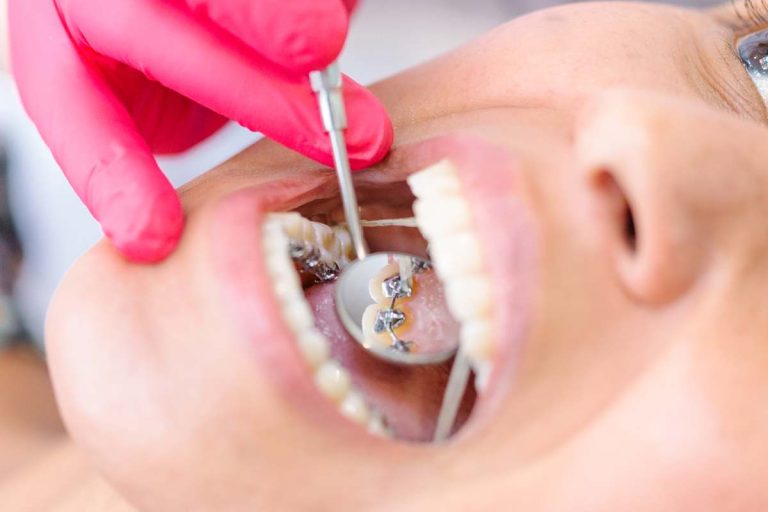
Lingual braces are a fixed orthodontic appliance where the brackets and wires are custom-fitted to the back (tongue-side) surfaces of your teeth. The term “lingual” literally means “pertaining to the tongue.” Unlike clear aligners, which are removable, lingual braces are bonded directly to your teeth, working 24/7 to apply precise pressure and guide teeth into their ideal positions.

They are an excellent alternative for patients who need complex corrections but want to avoid the visible appearance of traditional labial braces (which are placed on the front of teeth). While they function on the same mechanical principles, their placement makes them a uniquely aesthetic choice.

Key Benefits of Choosing Lingual Braces

1. Unmatched Aesthetic Discretion

This is the primary advantage. Lingual brackets are virtually undetectable in social interactions, professional settings, and photographs. They are the ultimate choice for public figures, models, musicians, or anyone who is self-conscious about their appearance during treatment. You can achieve your dream smile without anyone knowing you’re in braces.

2. Effective for Complex Orthodontic Issues

Don’t let their discreet nature fool you. Lingual braces are not a compromise on effectiveness. They are highly effective at correcting a wide range of issues, including:

  • Severe Crowding or Spacing

  • Overbites, Underbites, and Crossbites

  • Deep Bites and Open Bites

  • Tooth Rotation

Because the braces are fixed and the wires are precisely engaged, orthodontists have excellent control over tooth movement in all three dimensions, often making them more predictable for complex cases than clear aligners alone.

3. Custom-Made for Comfort and Precision

This is a game-changer. Unlike standard front-mounted braces, modern lingual braces are fully customized using advanced digital scanning and CAD/CAM technology. A 3D model of your teeth is created, and each bracket is digitally designed and then milled or printed to fit the unique contour of the back of each specific tooth. This customization:

  • Improves comfort by reducing irritation to the tongue.

  • Enhances precision, leading to more efficient tooth movement and potentially shorter treatment times.

  • Ensures a better fit from day one.

4. No Risk of Removal or Loss

As a fixed appliance, you don’t have to remember to put them in or worry about losing them like clear aligners. Your treatment progresses consistently because the braces are always working.

The Process: What to Expect from Start to Finish

1. Consultation and Digital Impression

Your journey begins with a consultation with an orthodontist experienced in lingual systems. They will use an intraoral scanner to take a precise digital impression of your teeth, which is used to plan your treatment and design your custom brackets.

2. Custom Bracket Fabrication

Your digital scan is sent to a specialized dental lab. Companies like W&H Tech, a trusted provider of dental supplies in Thailand and globally, use this data to manufacture your personalized set of brackets. This process ensures each bracket perfectly matches the anatomy of your teeth.

3. Fitting and Attachment

Once your custom set arrives, your orthodontist will meticulously bond each bracket to the back of its assigned tooth. A specially shaped archwire is then threaded through the brackets. Your orthodontist will ensure everything fits comfortably and that the necessary forces are applied to begin tooth movement.

4. Adjustment Visits

Similar to traditional braces, you’ll have periodic adjustment appointments (usually every 6-8 weeks). During these visits, your orthodontist will change wires, add bends, or use other mechanics to continue guiding your teeth. These follow-ups are crucial to monitoring progress.

Essential Care and Maintenance for Lingual Braces

Maintaining excellent oral hygiene is more important with lingual braces, as plaque can easily accumulate around the brackets on the tongue side.

1. Master Your Brushing Technique: You’ll need to be diligent about brushing the backs of your teeth. Use a soft-bristled brush and angle it to clean around the brackets and under the wires. An electric toothbrush with an orthodontic head can be very helpful.

2. Floss Daily—It’s Non-Negotiable: Flossing is challenging but essential. Use a floss threader, orthodontic flossers, or a water flosser to clean between teeth and under the archwire. A water flosser is often considered a lifesaver for lingual brace wearers.

3. Incorporate an Antiseptic Mouthwash: Rinsing daily with an alcohol-free, antiseptic mouthwash helps reduce plaque buildup and keeps gums healthy in hard-to-reach areas.

4. Be Mindful of Your Diet: Avoid very hard, sticky, or crunchy foods (like hard candy, nuts, or chewy caramels) that could damage the brackets or wires from behind.

5. Use Orthodontic Wax: Initially, your tongue may feel irritated. Use the orthodontic wax provided by your orthodontist to cover any brackets that are causing discomfort until your mouth adapts.

Are Lingual Braces Right For You? Key Considerations

Potential Challenges:

  • Adaptation Period: The first 1-2 weeks involve an adjustment where your tongue gets used to the brackets. Speech may be slightly affected initially but typically returns to normal with practice.

  • Oral Hygiene Difficulty: Cleaning is more demanding than with front braces.

  • Cost: Due to the custom fabrication and specialized training required, lingual braces are often more expensive than traditional braces.

  • Orthodontist Expertise: It’s crucial to choose an orthodontist with specific training and experience in lingual systems.

Final Verdict

Yes, lingual braces are an excellent choice for the right candidate. They are a powerful, aesthetic orthodontic solution that successfully blends discretion with clinical effectiveness. If you are motivated, committed to excellent oral hygiene, and seeking a truly invisible method for a significant smile transformation, they are undoubtedly worth considering.

The success of your treatment hinges on two key partnerships: first, with a skilled and experienced orthodontist, and second, with a quality dental lab. For custom, precision-engineered brackets, orthodontists often partner with reputable manufacturers like W&H Tech, a company trusted to provide reliable dental supplies in Thailand and beyond. Partnering with the right professionals ensures your journey to a hidden, healthier smile is smooth and successful.

Suboxone treatment for Opioid addiction – Vital benefits to keep in mind before undergoing treatment

Opioid addiction used to be an isolated complexity even a decade back. However, with the increased use of prescription medications and the availability of over-the-counter drugs, it has become one of the most significant problems. According to a recent WHO estimation, over 15 million people are suffering from opioid addiction globally. What is even more shocking is that out of this collection, around 2.1 million are Americans.

Quitting any form of addiction has always been a tough ask. It requires a lot of willpower and professional care. However, even with all the support systems in place, opioid treatment will often include MAT or medical-assisted treatment. Usually, methadone is the drug of choice for combating the effects of opioid addiction and the associated withdrawal symptoms.

According to Dr.Fettman’s suboxone clinic, an expert in opioid addiction treatment, methadone can have several side effects. However, there are distinct advantages of choosing Suboxone over methadone, and here is a comprehensive list for your perusal.

Low abuse risk

The goal for addiction treatment is complete recovery from the addiction. So, it doesn’t make sense to undergo a costly and challenging therapy only to substitute opioids with a different drug. That is the problem you face with methadone-assisted treatment. So, how is Suboxone different, you ask? For starters, Suboxone contains the compound naloxone, which is the medication that enables the reversal of opioid overdoses. So, no individual can abuse Suboxone to substitute for the effects of opioids. Also, intravenous usage of Suboxone is virtually impossible as it will immediately cause the onset of withdrawal effects in opioid users.

Suboxone is accessible

Methadone is highly regulated, which means the only way you can get your hands on a batch is through a professional rehab center. Keep in mind that rehabilitation centers are costly, and you will have to get into the residential program. On the other hand, suboxone treatment doesn’t require you to check-in at the center. You can carry out your day-to-day life and activities while undergoing addiction treatment.

High rates of success

As stated in the previous section, suboxone treatment results in a decrease in the need for use. The most important fact is that Suboxone fills the same opioid receptors in the brain without giving the patient any “high.” It means suboxone use can decrease your opioid cravings through a natural process without the crippling withdrawal effects. It is also important to remember that Users cannot lower suboxone doses quickly but gradually wean off them.

Affordable

Methadone is seen as the better option out there when it comes to cost-effectiveness. However, with all things considered, with Suboxone, you are getting better treatment for your money’s worth. Remember that there are generic versions of Suboxone available as well, and it qualifies for insurance coverage.

It is vital to remember that rehab and medically-assisted therapy is the way to go. Suboxone treatment can provide you with peace of mind like never before. All the best!