

Table of Contents
I Thought About a Nose Job for Years (Here’s What I Learned)
Okay so I’ve always been self-conscious about my nose. Since like middle school. Big bump on the bridge. Crooked tip. Just… off.
For years I thought about getting a rhinoplasty. Looked at photos. Googled surgeons. Stalked before and afters.
Then I actually did research. Real research. Not just Pinterest stuff.
Turns out there’s a lot you need to know before getting a rhinoplasty. Like, a LOT.
Here’s everything I learned. The stuff nobody really talks about.
1. It’s Major Surgery (Not a Quick Fix)
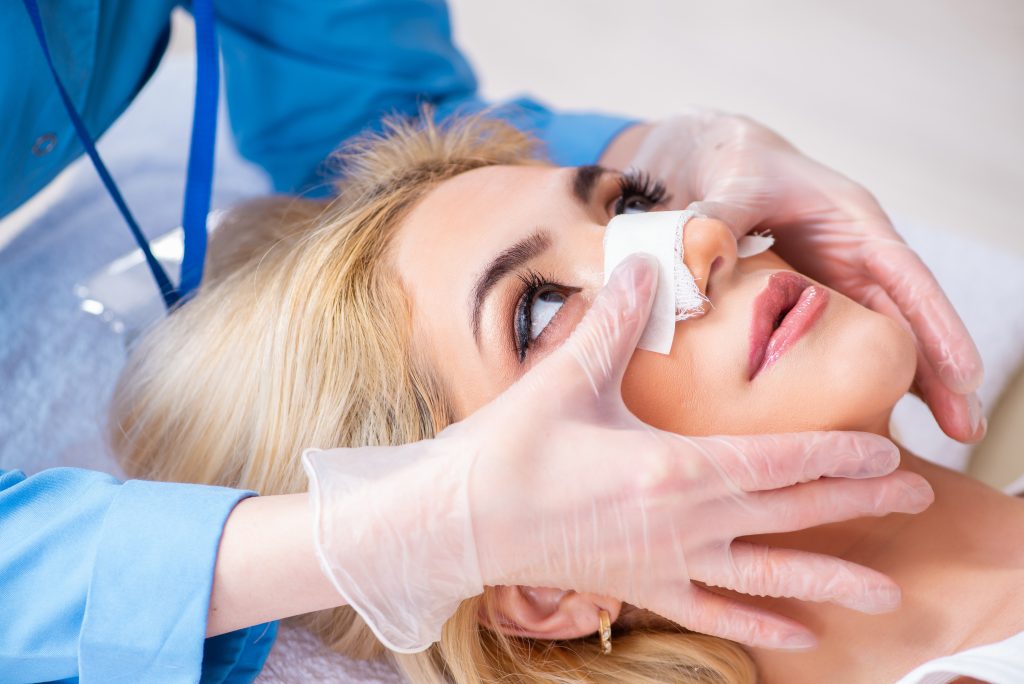
Okay so this is the first thing to understand.
Rhinoplasty is actual surgery. Not a procedure. Not a treatment. Surgery.
What that means:
-
You’re under anesthesia (sleeping)
-
They break and reshape your nose bones
-
It involves actual incisions
-
There’s risk involved
-
Recovery takes months
-
Not “get it and go home” situation
Real talk: I thought it was like getting filler. Quick. Easy. Wrong. This is legit surgery.
Pro tip: Don’t do this if you’re not serious about recovery.
2. Recovery Is Longer Than You Think
People say 2 weeks. That’s a lie. Or incomplete.
Real timeline:
-
First 2 weeks: Brutal. Swollen. Bruised. Can’t work or go out.
-
Weeks 3-6: Better but still swollen. Noticeable if you go out.
-
Months 2-3: Noticeable if people know you.
-
Months 3-6: Getting closer to normal.
-
Month 6-12: Still slightly swollen (you can see it).
-
Year 1+: Final results.
Real talk: It’s not just 2 weeks. You need to plan for months of swelling. And I mean actual swelling. Your nose looks puffy.
What to expect:
-
Splint for first week (looks weird)
-
Tape or bandages for weeks 2-3
-
Swelling for months
-
Bruising around eyes (black eyes basically)
-
Congestion and stuffiness
-
Can’t exercise for 4-6 weeks
-
Can’t blow your nose for weeks
Pro tip: Don’t make plans for the first month. You’re not going anywhere.
3. It Costs More Than You Think
Rhinoplasty isn’t cheap. Like, at all.
Cost breakdown:
-
Surgeon fee: $3,000-$8,000
-
Anesthesia: $1,000-$2,000
-
Facility fee: $1,000-$2,000
-
Post-op care: $500+
-
Total: $5,500-$12,000+
Real talk: That’s a lot of money. And insurance usually doesn’t cover it (unless it’s functional, like breathing issues).
Pro tip: Get quotes from multiple surgeons. Prices vary wildly.
4. The Results Take Time to Show
This is the frustrating part.
You’ll be swollen for months. And I mean months.
What happens:
-
Week 1: You look like you got in a fight (worse than before)
-
Week 2-4: Still pretty swollen. Looks weird.
-
Month 2: Swelling starts going down. You see changes.
-
Month 3: Closer to final result but still puffy.
-
Month 6: Pretty much there but slight swelling remains.
-
Year 1: Actual final result
Real talk: You can’t judge the surgery until month 3-4. Before that you’re just swollen. This drives people crazy.
Pro tip: Don’t panic in month 1. You look worse before you look better.
5. There Are Real Risks (Not Just Complications)
Surgery has risks. Real ones.
Possible complications:
-
Breathing problems (worst case)
-
Asymmetry (one side different)
-
Need for revision surgery (redo)
-
Loss of sensation in nose
-
Scar tissue buildup
-
Infection (rare but possible)
-
Dissatisfaction with results
-
Difficulty smelling
Real talk: Most people are fine. But some aren’t. That’s just reality.
Pro tip: Only use a board-certified surgeon. Seriously. This matters.
6. Picking the Right Surgeon Is Everything
This is the most important decision. Seriously.
What to look for:
-
Board certified (required)
-
Lots of experience (100+ surgeries)
-
Before and after photos that match your goals
-
Communication style you like
-
References from patients
-
Hospital privileges
-
Honest about risks
What NOT to do:
-
Don’t pick the cheapest surgeon
-
Don’t pick based on location alone
-
Don’t pick based on one consultation
-
Don’t ignore bad reviews
-
Don’t pick someone who won’t listen
Real talk: My friend went to a cheap surgeon. Ended up needing revision surgery. Cost her double. Pick someone good. Pay more if needed.
Pro tip: Get at least 3 consultations. Compare.
7. You Need Clear Goals (Before Surgery)
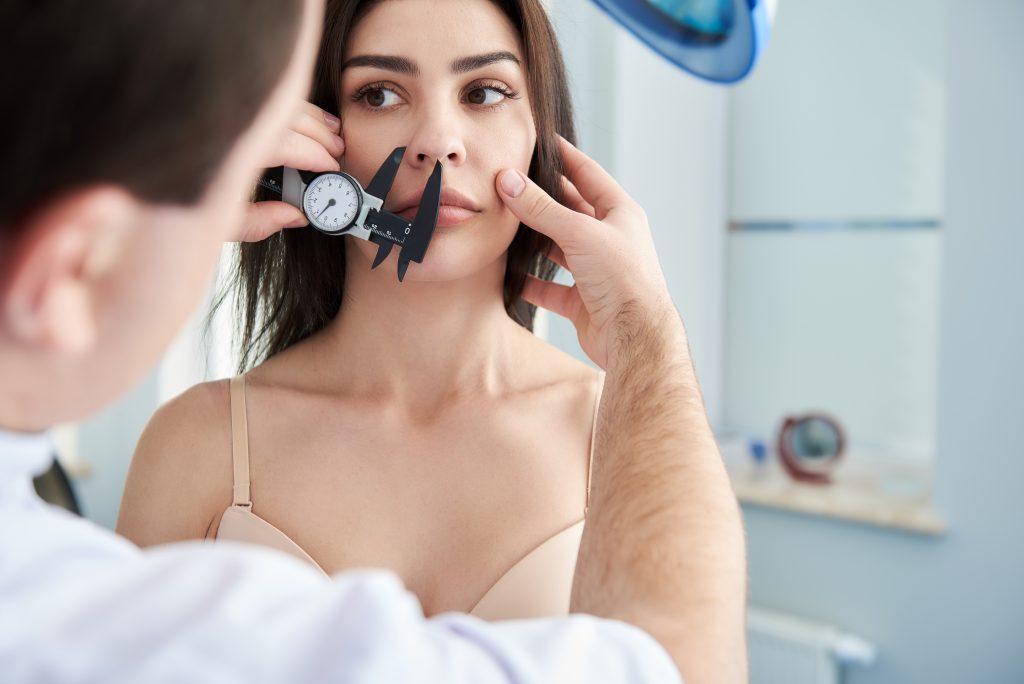
Know exactly what you want changed. Be specific.
Bad goals:
-
“Just make me look better”
-
“Make me look like this celebrity”
-
“Fix my face”
Good goals:
-
“Reduce the bump on my bridge”
-
“Straighten the tip that points left”
-
“Refine the overall shape”
-
“Improve breathing plus appearance”
Real talk: Show photos of noses you like. Specific ones. Talk about exact changes. Not vague stuff.
Pro tip: Your surgeon should help refine your goals. If they don’t listen, find someone else.
8. It Should Match Your Face (Not Your Wish List)
This is the thing people don’t talk about.
You can’t just want any nose. It needs to match your face.
What matters:
-
Your face shape
-
Your other features
-
Your bone structure
-
Your ethnic background
-
Your overall proportions
Real talk: A nose that looks amazing on a celebrity might look weird on you. That’s not the surgeon’s fault. It’s just anatomy.
Pro tip: Find before and afters of people with similar face shapes. That’s more realistic.
Other Stuff You Should Know
Functional vs cosmetic: If you can’t breathe, insurance might cover it. Get tested first.
Seasonal timing: Do it in fall/winter. You’ll be inside recovering anyway.
Support system matters: You need people to help you. Seriously.
Pain management: It’s not that painful but it’s uncomfortable. Congestion sucks more than pain.
Realistic expectations: Rhinoplasty improves your nose. It doesn’t change your life. It’s not a magic fix.
Revision rates: 5-15% of people need revision surgery. That’s real.
Age matters: Most surgeons want you at least 16-18. Brain development and all that.
Real Talk: Should You Do It?
Here’s the honest truth.
Rhinoplasty is right if:
-
You’re self-conscious about your nose
-
It affects your quality of life
-
You’ve thought about it for years
-
You’re not doing it for someone else
-
You’re prepared for recovery
-
You have realistic expectations
-
You can afford it
Rhinoplasty is wrong if:
-
You’re doing it for a partner
-
You’re unstable emotionally
-
You have unrealistic expectations
-
You can’t afford it
-
You’re not prepared for recovery
-
You’re impulsive about it
-
You expect it to fix everything
Real talk: Don’t do it just because you’re insecure. Most people don’t notice your nose as much as you do.
What I Decided (My Story)
Okay so after all this research? I didn’t get it.
Not because I’m afraid. Not because of cost.
I just realized my nose isn’t actually the problem. I was the problem. My insecurity about it was bigger than the actual bump.
That doesn’t mean it’s wrong for other people. It just wasn’t right for me.
But if you do decide to get one? Now you know what you’re actually getting into.
Before You Go (Action Steps)
Step 1: Ask yourself why you want it (be honest)
Step 2: Research surgeons (at least 3)
Step 3: Get consultations (ask questions)
Step 4: Look at before and afters (realistic ones)
Step 5: Talk to people who had it (real people)
Step 6: Think about recovery (can you handle it?)
Step 7: Make your decision (take your time)