Last Updated: October 15, 2026
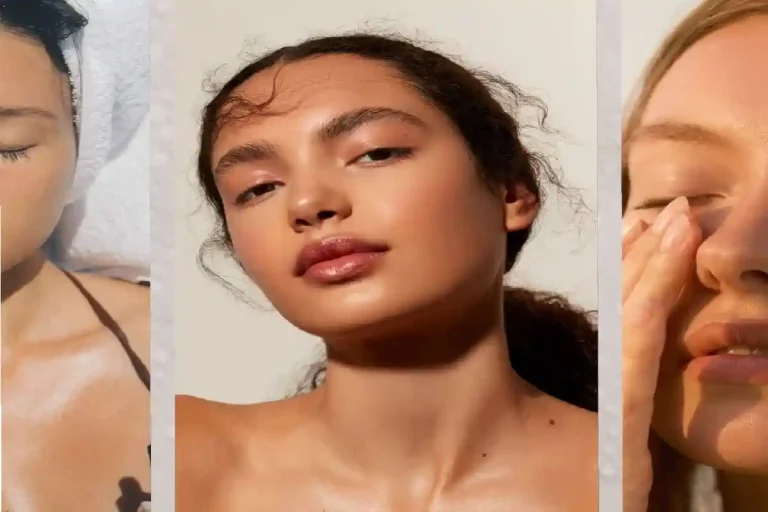
Beauty has always evolved with the times. What was considered desirable a decade ago can feel noticeably dated today, and in 2026, the biggest shift is not towards a particular facial feature, body shape or heavily curated aesthetic. Instead, beauty is becoming increasingly personal.
The emphasis is moving towards looking healthy, rested and recognisably yourself. Skincare has become more sophisticated, aesthetic treatments are becoming more subtle, and consumers are increasingly interested in results that enhance rather than dramatically alter their appearance.
From advanced skincare to minimally invasive treatments, here are some of the trends influencing how we approach beauty in 2026.
Table of Contents
Natural-Looking Results Are Taking Centre Stage
For years, aesthetic trends were often associated with visible transformation. Certain looks became fashionable and were replicated across social media, sometimes creating remarkably similar results from one person to another.
That approach is gradually giving way to something more individual.
Many people now want treatments that are difficult to identify at all. Rather than asking to look noticeably different, the aim might be to appear more refreshed, soften a particular concern or subtly restore features that have changed with age.
This has helped popularise a more restrained approach to cosmetic treatments. Instead of pursuing perfection or attempting to reproduce someone else’s features, the focus is increasingly on proportion, balance and preserving the characteristics that make a face distinctive.
Skincare Is Becoming More Targeted
The bathroom cabinet has changed considerably too.
Consumers have access to more information about skincare ingredients than ever before, and routines are increasingly being built around specific concerns rather than simply following whatever product happens to be trending.
Retinoids, vitamin C, niacinamide, peptides and exfoliating acids are now familiar terms to many skincare enthusiasts. At the same time, there is growing recognition that using more products does not necessarily produce better skin.
In 2026, a thoughtful routine can be surprisingly simple: effective cleansing, targeted active ingredients where appropriate, adequate moisturisation and consistent sun protection.
The emphasis is shifting from collecting products towards understanding what the skin actually needs.
Skin Quality Is Becoming a Beauty Goal of Its Own
Perhaps one of the most interesting changes in beauty is the growing importance placed on skin quality.
Rather than concentrating exclusively on wrinkles, consumers are paying attention to texture, pigmentation, hydration, firmness and overall luminosity. Healthy-looking skin can have a significant effect on someone’s overall appearance without changing the underlying structure of their face.
This broader view has encouraged interest in treatments designed around skin condition rather than dramatic transformation. Depending on individual needs, professional options may include chemical peels, microneedling, laser and light-based treatments, alongside carefully selected skincare.
It also reflects a wider shift in beauty culture: looking good is increasingly associated with looking healthy rather than simply looking younger.
Aesthetic Treatments Are Becoming More Personalised
There is no universal formula for an attractive face, and modern aesthetics is increasingly acknowledging that.
Two people of the same age can have completely different facial proportions, skin characteristics and concerns. Ageing itself is also highly individual, influenced by factors ranging from genetics and sun exposure to lifestyle and changes in facial volume.
As a result, there is greater emphasis on consultation and individual assessment before treatment.
This is particularly important within medical aesthetics, where practitioners need a detailed understanding of the structures beneath the skin as well as the visible characteristics of the face. The goal is not simply to perform a particular procedure, but to determine whether it is appropriate for the individual and how it can be approached safely.
For consumers, this makes choosing a suitably qualified and experienced practitioner an important part of any decision about aesthetic treatment.
Prevention Is Becoming Part of the Conversation
Another change is the way people think about ageing.
Beauty routines were once largely reactive: a concern appeared, and people looked for a product or treatment to address it. Today, more consumers are thinking about how everyday habits might influence their appearance years from now.
Sun protection remains one of the clearest examples. Consistent use of sunscreen can help protect the skin from ultraviolet exposure associated with premature skin ageing, including pigmentation and changes in texture.
Lifestyle factors matter too. Sleep, nutrition, smoking, alcohol consumption and stress can all influence how the skin looks and feels.
This does not mean ageing needs to be treated as something to prevent. Rather, the emerging philosophy is about maintaining healthy skin and taking care of it throughout different stages of life.
Technology Is Changing the Beauty Consultation
Technology is also beginning to change what happens before a treatment is performed.
High-resolution imaging and increasingly sophisticated skin-analysis systems can help assess characteristics such as pigmentation, texture and other visible concerns. Digital tools can also make it easier to document changes over time.
The appeal is straightforward: better information can support more personalised conversations.
At the same time, technology should not be confused with certainty. Computer-generated simulations and artificial intelligence can be useful tools, but human faces are complex and biological responses vary. A digital prediction of a cosmetic result is still a prediction, not a guarantee.
The best use of beauty technology may therefore be as an additional source of information rather than a replacement for professional judgement.
Beauty Is Moving Beyond the Face
The concept of a beauty routine is expanding as well.
The scalp, hair, neck, décolletage and hands are receiving greater attention, particularly as consumers realise that these areas can benefit from the same consistency traditionally reserved for facial skincare.
Hair and scalp health are particularly prominent. Instead of focusing only on styling or repairing visible damage, consumers are increasingly interested in maintaining the condition of the scalp and understanding the factors that influence healthy-looking hair.
Body care is undergoing a similar transformation. Ingredients once strongly associated with facial skincare are appearing in products designed to address dryness, texture and uneven tone elsewhere on the body.
In other words, skincare is becoming less about one small collection of products beside the bathroom sink and more about an overall approach to personal care.
The End of the One-Size-Fits-All Beauty Ideal
Perhaps the most positive development in 2026 is that there is no single look defining beauty.
Social media certainly continues to influence trends, but consumers have also become more conscious of filters, editing and the sometimes unrealistic expectations created by highly curated images.
Individuality is becoming an asset.
Freckles do not necessarily need to disappear. Lines do not automatically need to be erased. Facial features do not have to conform to a predetermined template to be attractive.
For some people, feeling their best might involve an elaborate skincare routine or professional treatments. For others, it might mean wearing less makeup, embracing natural hair or doing very little at all.
That choice is increasingly becoming part of what modern beauty represents.
A More Thoughtful Approach to Looking Good
The defining beauty trend of 2026 may ultimately be less about any particular treatment and more about the philosophy behind it.
Consumers are asking more questions. They are learning about ingredients, researching procedures and looking more closely at the qualifications of the professionals they trust with their appearance. At the same time, the aspiration itself is changing.
The goal is increasingly not to look like somebody else, nor necessarily to look significantly younger. It is to look healthy, confident and comfortable in your own appearance.
Treatments and trends will inevitably continue to change. But if the current direction continues, the future of beauty may be defined not by transformation, but by individuality — using skincare, technology and aesthetic treatments selectively to help people look and feel like the best version of themselves.