

Table of Contents
Summary
Managing blood sugar levels means keeping your glucose within a healthy range through diet, movement, sleep, and stress control. This guide covers the science, practical daily tips, myths, and common mistakes — especially tailored for Indian lifestyles and food habits. No exaggerated claims, just actionable, evidence-based guidance.
What Does Managing Blood Sugar Levels Actually Mean?
Managing blood sugar levels refers to the practice of maintaining blood glucose concentrations within a healthy, stable range — typically 70–99 mg/dL fasting for non-diabetic adults — through consistent lifestyle choices including diet, physical activity, sleep, and stress management.
It is not exclusively a concern for diabetics. In 2026, functional medicine and preventive health communities recognize that millions of people experience glucose dysregulation — blood sugar that spikes and crashes — without a formal diagnosis. In India, where refined carbohydrate consumption is high and sedentary desk jobs are common, this is an increasingly important health topic.
Who Needs to Focus on Blood Sugar Management?
This guide is relevant for:
- People with Type 2 diabetes or prediabetes
- Individuals with Polycystic Ovary Syndrome (PCOS), which is closely linked to insulin resistance
- Anyone experiencing energy crashes, afternoon fatigue, or frequent sugar cravings
- People with a family history of diabetes (especially common in South Asian populations)
- Fitness enthusiasts trying to optimize body composition and energy
- Women approaching perimenopause, when insulin sensitivity naturally declines
Who should consult a doctor first: Anyone already on diabetes medication, insulin, or with diagnosed kidney or liver conditions should never make significant dietary changes without medical supervision.
The Science Behind Blood Sugar Spikes (What Most Articles Skip)
When you eat carbohydrates, your body breaks them down into glucose. Your pancreas releases insulin — a hormone that helps cells absorb glucose for energy. When this system works well, blood sugar rises mildly and returns to baseline within 1–2 hours.
The problem arises when:
- You eat too many fast-digesting carbs (white rice, maida, sugar) in one sitting
- Insulin sensitivity drops — cells stop responding efficiently to insulin
- The pancreas overcompensates, leading to reactive hypoglycemia (a crash after a spike)
This cycle of spike-and-crash is what drives fatigue, brain fog, hunger, weight gain, and over time — chronic metabolic disease.
India-specific note: A 2023 ICMR study found that Indians have a higher genetic predisposition to insulin resistance compared to Western populations, even at lower body weights. This makes proactive blood sugar management especially critical.
Evidence-Based Strategies for Managing Blood Sugar Levels

1. Prioritize Low Glycemic Index (GI) Carbohydrates
The Glycemic Index ranks foods by how quickly they raise blood sugar. Low GI foods (GI < 55) cause a slower, more controlled glucose rise.
| Food | GI Score | Better Swap |
|---|---|---|
| White rice | 72 | Brown rice / Millets (GI 52–54) |
| White bread | 75 | Whole wheat / Ragi roti |
| Sugary chai | 60–70 | Unsweetened green tea |
| Potato | 78 | Sweet potato (GI 61) |
| Cornflakes | 81 | Oats porridge (GI 55) |
Millets — jowar, bajra, ragi — are traditional Indian foods experiencing a powerful comeback. They have significantly lower GI scores than refined grains and are rich in fibre and micronutrients.
2. The “Right Order” of Eating
Research published in Diabetes Care has shown that eating vegetables and protein before carbohydrates reduces post-meal glucose spikes by up to 36–40%.
Practical tip: Start your meal with a salad, dal, or sabzi. Eat roti or rice last. This simple habit requires no dietary restriction — just reordering.
3. Build Fibre Into Every Meal
Soluble fibre slows glucose absorption in the gut. Aim for 25–38 grams of dietary fibre daily.
Top fibre sources in Indian cooking:
- Rajma, chana, moong dal
- Methi (fenugreek), spinach, okra (bhindi)
- Psyllium husk (isabgol) — one teaspoon in water before meals
- Chia seeds, flaxseeds
4. Move After Meals — Even for 10 Minutes
Muscle contractions during movement allow glucose to be absorbed without insulin. A 10–15 minute walk after meals has been shown in multiple studies to reduce post-meal blood sugar by 20–30%.
This doesn’t mean intense exercise. A gentle walk after lunch and dinner creates a meaningful cumulative benefit over weeks.
5. Manage Stress — Because Cortisol Raises Blood Sugar
Chronic stress elevates cortisol, which directly triggers glucose release from the liver — even when you haven’t eaten. This is a commonly overlooked factor.
Strategies proven to lower cortisol:
- 10 minutes of deep breathing or pranayama daily
- Reducing screen time after 9 PM
- Consistent sleep of 7–8 hours
- Social connection and outdoor time
6. Prioritize Sleep Quality
Poor sleep — even one night of under 5 hours — measurably impairs insulin sensitivity the next day. A consistent sleep schedule (same bedtime and wake time) is one of the most underrated tools for blood sugar control.
Common Mistakes Beginners Make
Skipping meals to “control sugar”: Skipping meals often causes reactive overeating and larger glucose spikes at the next meal. Regular, balanced meals maintain steadier glucose throughout the day.
Relying only on “sugar-free” products: Most sugar-free packaged foods use refined flours and artificial sweeteners that still cause blood sugar disruption over time. Read ingredient labels, not just front-of-pack claims.
Eliminating all carbohydrates: Extreme low-carb approaches are difficult to sustain on an Indian diet and can cause nutritional deficiencies. The goal is carbohydrate quality and portioning, not elimination.
Ignoring liquid calories: Fruit juices, packaged drinks, and sweetened lassi can spike blood sugar faster than solid food. Eat fruit whole rather than juiced — the fibre matrix slows glucose absorption significantly.
Myths vs Facts: Blood Sugar Edition
| Myth | Fact |
|---|---|
| “Only diabetics need to worry about blood sugar” | Glucose dysregulation affects millions without a diagnosis |
| “Fruits are bad for blood sugar” | Whole fruits are generally fine — juicing removes the fibre buffer |
| “Brown sugar is healthier than white sugar” | Nutritionally nearly identical — both spike glucose similarly |
| “You need to avoid rice completely” | Portion size and pairing matter more than avoidance |
| “Natural sweeteners like honey don’t raise blood sugar” | Honey still raises glucose — it simply has trace micronutrients white sugar lacks |
A Day in the Life: Blood Sugar Balanced Indian Meal Plan
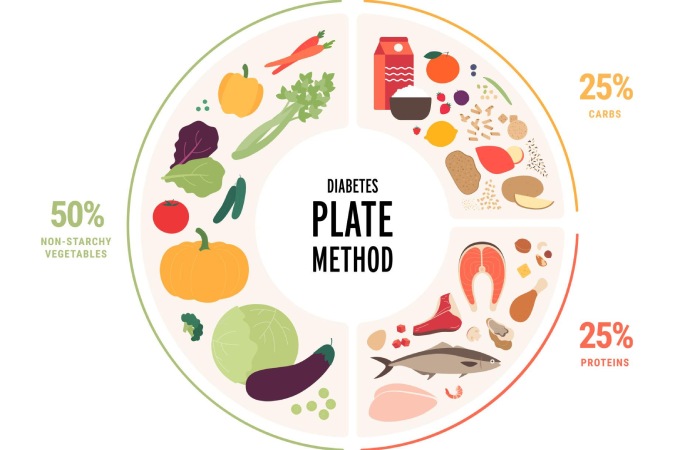
Morning:
- Warm water with methi seeds (soaked overnight)
- Breakfast: Moong dal chilla with mint chutney OR oats with nuts and seeds
- Unsweetened green tea
Midday:
- Lunch: 1 small bowl brown rice + 1 cup dal + 2 sabzis (one leafy) + raita
- Eat vegetables first, rice last
Afternoon (if hungry):
- A small handful of mixed nuts OR a whole fruit (apple, guava, pear)
Evening:
- Light movement / walk for 15–20 minutes
Dinner:
- 2 whole wheat or bajra rotis + sabzi + dal
- Finish dinner by 8 PM where possible
First-Person Note: What I’ve Seen Work
In practice, the clients and readers who see the most consistent improvement in their energy and glucose levels are not the ones on extreme diets. They’re the ones who made three sustainable changes: switched to millets two days a week, added a 15-minute post-dinner walk, and stopped drinking packaged fruit juices. Small pivots. Real, lasting results.
The Role of Supplements — With Caution
Some ingredients have research support for supporting healthy blood sugar:
- Berberine: Studied extensively for insulin sensitivity (always consult a doctor before use)
- Chromium: A trace mineral that supports insulin function
- Magnesium: Many Indians are deficient; magnesium supports glucose metabolism
- Cinnamon: Evidence is modest, but adding it to oats or chai is a safe, low-risk habit
For authoritative research on blood sugar and metabolic health, the American Diabetes Association publishes comprehensive, updated nutritional guidelines .
Additionally, the World Health Organization’s diabetes resource hub provides globally reviewed public health information on prevention and management.
Safety Considerations (YMYL Note)
This article is educational and does not constitute medical advice. If you have been diagnosed with diabetes or prediabetes, or take any medication for blood sugar, consult your doctor or a registered dietitian before making significant changes to your diet or activity level.
Managing blood sugar levels through lifestyle is widely supported by research as an adjunct to medical care — not a replacement for it.
FAQs: Managing Blood Sugar Levels
Q1: What is a normal blood sugar level for a healthy adult? A fasting blood glucose of 70–99 mg/dL is considered normal. 100–125 mg/dL indicates prediabetes, and 126 mg/dL or above on two separate tests indicates diabetes.
Q2: How quickly can lifestyle changes affect blood sugar? Many people notice improved energy and fewer post-meal crashes within 1–2 weeks of consistent changes. Measurable improvements in fasting glucose can appear within 4–12 weeks.
Q3: Is rice bad for blood sugar? Not necessarily. Portion size, variety (basmati has a lower GI than processed white rice), cooling and reheating rice (which increases resistant starch), and what you eat alongside it all matter more than avoiding rice entirely.
Q4: Can stress alone raise blood sugar? Yes. Cortisol released during stress triggers glucose release from the liver. Chronic stress is a medically recognized contributor to elevated blood sugar and insulin resistance.
Q5: Are millets better than wheat for blood sugar? Most millets have a lower glycemic index than refined wheat (maida). Ragi, jowar, and bajra are excellent whole grain alternatives for blood sugar management.
Q6: How does sleep affect blood sugar? Sleep deprivation impairs insulin sensitivity. Even one night of poor sleep can measurably reduce the body’s ability to process glucose the next day.
Final Conclusion
Managing blood sugar levels is one of the most impactful investments you can make in your long-term health — and it does not require extreme restriction or expensive supplements. The fundamentals are accessible and practical: eat more fibre, prioritize low-GI Indian foods, walk after meals, manage stress, and sleep well. For Indian readers especially, where genetic predisposition to insulin resistance is higher, these habits matter more — and starting early matters even more. Whether you’re managing a diagnosis or simply optimizing your energy and wellbeing, the tools for managing blood sugar levels are already within reach.