Last Updated: September 16, 2026
If you have noticed changes in the shape of your legs, unexplained tenderness, or swelling that does not quite fit what you expected, you are not alone. In Singapore, many women spend months trying to work out whether they are dealing with cellulite, lipedema, or lymphedema.
These three conditions can look similar at a glance, yet they behave very differently. The right lipedema treatment options depend entirely on getting that identification correct. This guide walks through how to tell them apart, and why the distinction matters for your health and your next steps.
Table of Contents
What Lipedema, Cellulite and Lymphedema Actually Are
Before comparing symptoms, it helps to understand what each condition is at its core. One involves fat in an unusual pattern, one involves the surface texture of the skin, and one involves fluid.
Lipedema
Lipedema is a long-term condition where fat builds up in an unusual, symmetrical pattern, usually across the hips, thighs, and lower legs, while the feet are typically spared. It occurs almost exclusively in women and often becomes noticeable during puberty, pregnancy, or menopause, all times of hormonal change.
The affected tissue is frequently tender and bruises easily. Published research reviews estimate that lipedema affects roughly 10 to 11 percent of women, which suggests it is far more common than its low diagnosis rate would imply.
Cellulite
Cellulite is the dimpled, uneven skin texture many people notice on the thighs and buttocks. It forms when fat pushes against bands of connective tissue beneath the skin.
It is extremely common and considered a normal variation rather than a disease. Estimates suggest that between 80 and 90 percent of women develop some degree of cellulite after puberty. One key point sets it apart: cellulite does not cause pain.
Lymphedema
Lymphedema is swelling caused by a build-up of lymphatic fluid, not fat. It happens when the lymphatic system cannot drain fluid properly, often after surgery, infection, or damage to lymph nodes.
Unlike lipedema, it frequently affects one side of the body more than the other, and the swelling often reaches the feet and toes.
Comparing the Key Symptoms
Because these conditions overlap in appearance, the clearest clues come from how they feel and behave. Here is a simple comparison:
- Pain and tenderness: Cellulite is painless. Lipedema is often tender to the touch and prone to easy bruising. Lymphedema is usually not painful early on but can feel heavy or tight.
- Symmetry: Lipedema is bilateral and symmetrical, similarly affecting both legs. Lymphedema is often one-sided or uneven.
- What is accumulating: Lipedema and cellulite involve fatty tissue, while lymphedema involves lymphatic fluid.
- The feet: Lipedema typically spares the feet, creating a cuff effect at the ankle. Lymphedema commonly includes the feet and toes.
- Response to diet: Lipedema fat tends to stay in place even with weight loss, whereas general body fat may reduce.
How the Distribution Differs
Distribution is one of the most useful signals. Lipedema tends to create a disproportionate lower body, where the legs look fuller than the torso, and the change is even on both sides. Cellulite appears as surface dimpling in specific patches rather than a change in overall limb shape. Lymphedema usually starts in one limb and can progress into the foot.
Consider a common real-world example. A woman in her 40s notices her legs have gradually become heavier and tender, while her upper body stays proportionate. She assumes it is stubborn fat or cellulite, tries diet and exercise, and sees little change in her legs. That pattern, symmetrical, tender, and resistant to weight loss, is far more consistent with lipedema than with cellulite.
Comparing Treatment Approaches
Once a condition is correctly identified, the management pathways look quite different.
Is there treatment for lipedema? Yes, although it helps to set realistic expectations. There is currently no lipedema medication that cures the condition, and no single quick fix. Management usually combines conservative care with, in some cases, surgery.
Conservative treatments for lipedema often include:
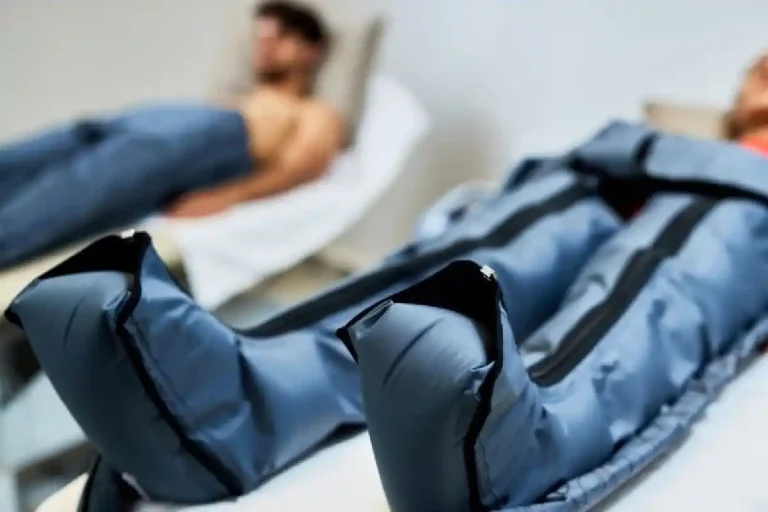
- Compression garments to support the limbs and manage discomfort
- Manual lymphatic drainage and targeted physiotherapy
- Guided low-impact exercise, such as swimming or walking
- Nutritional support to manage overall health
More generally, it is helpful to understand what liposuction can and cannot address, since it is a body-contouring procedure rather than a treatment for overall weight loss. When symptoms persist, some patients explore surgical lipedema treatment options, such as specialised liposuction techniques that aim to remove affected fatty tissue while protecting the lymphatic vessels. In Singapore, people comparing conservative care with surgery can review how these lipedema treatment options are approached at a clinic that focuses on body procedures. Any surgical decision should follow a proper clinical assessment.
Cellulite is handled as a cosmetic concern. The available options focus on the appearance of the skin rather than a medical problem, and outcomes vary from person to person. Because cellulite is not harmful, treatment is always a personal choice.
Lymphedema management centres on the lymphatic system, using compression, specialised massage, skin care, and in some cases surgical procedures to support drainage.
A few things are worth keeping in mind:
- Prevalence figures are estimates, and because lipedema is often missed, the real number of women affected is likely higher.
- Symptoms overlap, so self-assessment has limits and is not a replacement for clinical review.
- No approach currently cures lipedema. The aim is to manage symptoms and support quality of life.
When to See a Professional in Singapore
Because these conditions are so easily confused, professional evaluation matters. Consider seeing a doctor if you notice:
- Swelling that does not settle overnight or with rest
- Legs that feel tender, heavy, or bruise easily
- A symmetrical increase in lower body size that does not respond to weight loss
- Swelling that involves one limb or reaches the feet and toes
Many people in Singapore begin with a GP or polyclinic and ask for a referral. When looking for a hospital group or clinic experienced with lipedema, it helps to choose one that assesses the condition clinically before recommending any procedure. Early identification can prevent years of frustration and misdirected effort.
Conclusion
The hardest part of lipedema, cellulite, and lymphedema is that they can look almost identical from the outside, yet they call for very different responses. Cellulite is a cosmetic matter. Lymphedema is a fluid problem. Lipedema sits somewhere people rarely expect: a genuine medical condition often mistaken for ordinary weight gain.
So if your legs have been telling a story that diet and exercise cannot explain, perhaps the more useful question is not how to hide the change, but what your body may be trying to tell you.