Home Blog Page 8

What Oral Hygiene Practices Tend to Spark Debate?

Believe it or not, there are oral care practices that are normal enough but are actually controversial in the way they’re done and the claims behind them. Taking care of your health seems straightforward; you brush with tooth polishing powder [this is commonly referred to as ผงขัดฟัน in Thai] and floss for good measure. So, what’s so controversial about it? What many believe to be basic practices come with a surprising amount of debate, especially on products and trends that have become popular online and in circles hyped on natural health. 

Fluoride: Helpful or harmful? 

Fluoride is a mineral added to toothpaste to prevent tooth decay, and is also found naturally in certain water sources.  

Pros 

  • Contributed to a worldwide drop in cavities since the 1950s  
  • Strengthens enamel  
  • Make teeth more decay-resistant 

Cons  

  • May lead to dental fluorosis that leaves white spots or streaks on the teeth 
  • Believed to have the potential to affect brain development 

As long as fluoride is within safe levels, it’s perfectly safe to use whether found in toothpaste or in tap water. Overexposure to the mineral is when the problems arise. 

Mouthwash: Extra clean or too harsh? 

Using mouthwash as part of oral hygiene after eating is believed to help remove bacteria that can cause bad breath and gum problems.  

Pros 

  • Helps temporarily kill bacteria that may cause oral problems  
  • Helps freshen breath  

Cons 

  • May contain alcohol that can dry out the mouth, raising concerns of cancer risks  
  • Can kill both beneficial and harmful bacteria, resulting in a disrupted balance in your mouth 
  • Mouthwashes marketed as antiseptics may lead to potential bacterial resistance, especially with overuse 

A better alternative would be to use an alcohol-free mouthwash or a natural rinse, such as a guava leaf rinse. 

Oil pulling: Ancient wisdom or a passing trend?  

The practice of swishing with coconut oil or sesame oil around the mouth for several minutes originates from Ayurvedic traditions. Its popularity grew among wellness advocates. 

Pros 

  • Said to brighten and detoxify, promoting fresher breath and healthier gums 
  • Certain studies suggest it may help minimise bacteria in the mouth  

Cons 

  • Claims that oil pulling can pull toxins from the body are not supported by science 
  • There’s a risk of accidentally inhaling oil, which can be dangerous to children and adults 
  • Potential allergic reactions  
  • Dependent on oil pulling as main dental care 

Many recommend considering the practice as a gentle add-on rather than a replacement for oral hygiene practices proven to work and promote oral health.  

Charcoal toothpaste: To whiten or not?  

Using charcoal to clean teeth dates back to ancient times, but the trend of it becoming a whitener and natural detoxifier just came out recently. Many dentists recommend using charcoal toothpaste with caution.  

  • Charcoal’s aggressive nature can wear down enamel, increasing the risk of teeth sensitivity and cavities 
  • The absence of fluoride in some charcoal toothpastes makes them ineffective against decay 
  • Some charcoal particles may cause stain on crowns or fillings  

Charcoal toothpaste isn’t exactly bad for your health, so it must be used with caution. Do not rely on it as your only toothpaste, especially when you’re undergoing teeth whitening as one of your cosmetic treatments 

Oral care is one of the best ways to keep your teeth and mouth healthy. Just be cautious of the practices you follow for optimal results. If you’re looking for natural alternatives to regular toothpaste, check out products from Goodganic. 

Personalized Care in Drug Rehab: Why Choosing the Right Center Matters

Key Takeaways 

  • Customized care is vital for effective drug rehab treatment. 
  • Choosing the right center can significantly influence recovery outcomes. 
  • Holistic approaches and individualized plans offer comprehensive support. 
  • Access to a supportive community enhances the rehab experience. 

Introduction 

The path to overcoming drug addiction is highly individual and demands a customized strategy that focuses on specific needs and obstacles. Tailored support in drug rehabilitation goes beyond mere terminology—it is an essential factor that can influence the success of treatment and the longevity of recovery. This article explores why personalized care is critical in drug rehab and how choosing the right center can profoundly affect the healing process. 

Understanding Personalized Care 

Personalized care in drug rehabilitation means designing treatment plans that cater to each individual’s needs, backgrounds, and circumstances. For instance, some rehab centers like Heartwood Recovery focus heavily on combining evidence-based practices with holistic methods to ensure a well-rounded recovery experience. In a world where one-size-fits-all approaches often fall short, personalized plans stand out for their flexibility and attention to the unique aspects of an individual’s life. Factors like mental health history, personal triggers, addiction severity, and personal goals should be considered when developing these customized treatment plans. 

The Role of a Comprehensive Assessment 

An in-depth and complete evaluation is the cornerstone of tailored treatment in rehabilitation environments. This process includes assessing a person’s physical condition, mental health, and social environment to create a personalized treatment strategy that considers every aspect of wellness. This assessment helps to identify co-occurring disorders, underlying psychological issues, and potential barriers to recovery, allowing for a targeted approach that fosters long-term sobriety. 

The Importance of Choosing the Right Center 

Choosing the appropriate rehabilitation facility is an essential aspect of the recovery process. In addition to fundamental factors like proper certification and skilled professionals, the ideal center must provide individualized treatment plans that evolve alongside the varying requirements of its clients. Facilities that emphasize flexibility in treatment can better accommodate diverse backgrounds and unique challenges. This adaptability can make the difference between temporary cessation and long-term recovery. Centers with a high staff-to-client ratio also provide more opportunities for personalized attention, enhancing the therapeutic experience. 

Benefits of a Holistic Approach 

Holistic approaches to drug rehab emphasize healing the whole person—mind, body, and spirit—not just the symptoms of addiction. By incorporating therapies such as meditation, art therapy, exercise, and nutritional counseling, holistic programs support individuals in developing healthy habits that contribute to a balanced lifestyle. Personalized care within this framework recognizes that recovery is not just about eliminating substances from one’s life but nurturing a supportive environment where healing and growth can thrive. 

Building a Supportive Community 

A supportive community plays a crucial role in the success of personalized drug rehab programs. Connecting with staff, mentors, and others on similar journeys fosters a sense of belonging and accountability that can enhance recovery. Many centers curate environments that encourage peer support and shared experiences, which often translate into motivational reinforcement that sustains sobriety beyond the duration of formal treatment. 

Conclusion 

Personalized care is an essential component of successful drug rehabilitation and underscores the importance of choosing the right treatment center. By considering individual needs and offering a variety of therapies, rehab centers can provide a healing journey that is as unique as the individuals they serve. The benefits of personalized care extend well beyond the immediate effects of treatment, fostering resilience and equipping individuals with the resources they need to maintain long-term sobriety. Ultimately, prioritizing customized care is a proactive choice toward a healthier, substance-free future. 

Why Do Prostate Issues Become More Common With Age? Understanding the Causes and Risk Factors

As men get older, it is common for them to deal with changes in their prostate. Prostate issues become more common with age mainly because the gland tends to grow larger as men get older, which can affect urination and other bodily functions. This growth often starts around age 40 and can cause symptoms like frequent visits to the bathroom, getting up at night, or trouble starting and stopping urination.

There are ways to support prostate health. Many people turn to prostate supplements from natural ingredients, which are believed to help manage some urinary symptoms and support overall well-being. Some men look for prostate supplements from natural ingredients to help with relief from discomfort and to maintain normal urinary flow.

Understanding why these problems happen and possible methods to feel better can help men take control of their health as they age. Learning more about what to expect and the ways to support prostate health is important for making informed choices.

Why Prostate Health Changes With Age

As men grow older, hormone levels shift, and the prostate experiences physical changes. Aging also brings new factors that can increase the risk of certain prostate issues.

Hormonal Shifts and Their Effects on the Prostate

Testosterone and its byproduct, dihydrotestosterone (DHT), play a large role in prostate health. As men age, testosterone drops, but DHT can keep increasing inside the prostate.

This imbalance can cause prostate cells to grow, which explains why an enlarged prostate, or benign prostatic hyperplasia (BPH), is common after age 40. Some men notice symptoms like trouble urinating or a weaker urine stream.

Hormonal changes are also linked to a higher chance of prostate cancer as men age. Estrogen can build up as testosterone drops, which may impact how prostate tissue grows. Most hormone-driven changes happen slowly and can go unnoticed for years.

Prostate Tissue Changes Over Time

The prostate does not stay the same throughout life. Starting in middle age, it usually becomes larger. This happens partly because older cells do not die off as quickly and partly because there is new cell growth.

Tissue inside the prostate can become stiffer or less flexible. This makes it harder for urine to move smoothly, leading to common symptoms like frequent urination, sudden urges, or difficulty starting to pee.

Some tissues may develop small growths, or nodules, with age. These changes are not always signs of cancer. Still, they can cause discomfort or other urinary problems as the prostate presses on the urethra. Regular check-ups help detect any unusual changes early.

Age-Related Risk Factors for Prostate Conditions

Aging brings higher chances of developing certain prostate issues. The risk for non-cancerous enlargement increases after age 50. Prostate cancer also becomes more likely the older a man gets.

Other factors such as genetics, family history, and lifestyle may raise a person’s risk. Being overweight or inactive makes it more likely to have prostate problems.

Certain habits, like smoking or eating a high-fat diet, may also play a part in prostate health as people age. Regular medical visits can help manage risks, spot changes early, and provide the best care.

Managing and Monitoring Prostate Health in Older Adults

Prostate problems often start to increase in later adulthood. Early checks, healthy choices, and proper medical care help reduce symptoms and catch issues sooner.

Screening Guidelines and Early Detection

Screening for prostate problems usually involves a prostate-specific antigen (PSA) blood test and sometimes a digital rectal exam (DRE). Doctors recommend discussing the right time to start screening, often around age 50, but sometimes earlier if there is a family history or other risk factors.

Regular screening can help catch changes before symptoms appear. This is important because many prostate problems, including cancer, may not cause symptoms right away. Early detection often leads to better outcomes and a wider range of treatment choices.

Health professionals consider age, general health, and individual risk when deciding how often to screen. Not every older adult needs the same approach. Personalized care helps avoid unnecessary procedures or missing important signs.

Lifestyle Factors Affecting Prostate Health

Diet, exercise, and a healthy weight make a difference for prostate health. Eating plenty of fruits, vegetables, and whole grains provides vitamins and fiber that may lower the risk of some prostate conditions. Limiting fatty foods, especially from red meat, may also help.

Physical activity supports prostate health and helps with weight management. Regular movement, like walking, swimming, or gardening, can make symptoms of some prostate problems less noticeable. Staying active can also improve mood and energy levels.

Cutting back on caffeine and alcohol sometimes reduces urinary symptoms such as frequent nighttime trips to the bathroom. Staying hydrated without drinking large amounts at once can help the bladder work better. Simple changes add up over time.

Medical Approaches for Age-Related Prostate Issues

Medical care options depend on the type and severity of prostate problems. For issues like benign prostatic hyperplasia (BPH), doctors may suggest medicines to relax the prostate and bladder muscles or to reduce the size of the prostate.

Surgical treatments are sometimes offered if symptoms are severe or if medicines do not help. These include procedures to remove or shrink part of the prostate so that urine can flow more easily. Some treatments can be done with less recovery time and fewer risks.

People diagnosed with prostate cancer may have more choices, from active monitoring to surgery or specialized radiation. Decisions depend on age, health, and how fast the problem is growing. Regular visits and tests help track changes and adjust care as needed.

Conclusion

Prostate issues become more common as people age due to natural hormonal changes and the gradual enlargement of the prostate. These changes may lead to symptoms like frequent urination or trouble emptying the bladder.

Understanding the link between age and prostate health helps people notice symptoms early. Keeping track of changes may encourage earlier conversations with a doctor if problems appear.

Simple steps like maintaining a healthy lifestyle and staying informed can help manage prostate health over time.

Monac Attar: High-End Fragrance and Body Care—Without the High Price

Luxury no longer has to mean overpriced. As more consumers turn away from inflated labels and toward lasting quality, a quiet shift is happening in the fragrance world. Monac Attar is part of that change, offering indulgent, high-performance products at prices that make sense for everyday life. 

In a market flooded with flashy names and premium price tags, Monac Attar is doing something different. Through its website, houseofmonac.com, the brand offers high-quality fragrances, body lotions, body washes, and candle products that feel indulgent without draining your wallet. 

“We’re not trying to reinvent fragrance,” insists the Monac Attar team. “We’re just giving people access to what they already love, at a price that makes it part of their routine, not just a special occasion.” 

Monac Attar brings designer-level experiences to daily life with perfumes and colognes inspired by luxury brands. Customers often describe the brand as a “hidden gem,” and the company’s numbers back it up: more than 33% of shoppers return to make another purchase. 

Designer-Inspired Scents Without the Designer Markup 

Designer-Inspired Scents Without the Designer Markup

Monac Attar has become known for its growing collection of dupes—scents that closely mimic high-end fragrances’ composition, quality, and longevity. Popular options like Urban, Sexy Vanilla, and Valaya offer layers of complexity and projection that rival the originals. 

But unlike some competitors, Monac Attar doesn’t stop at perfumes. Their unique catalog includes matching body lotions, body washes, and candles, allowing customers to create a full sensory experience. 

“We wanted to create more than just a scent,” the team explains. “It’s about creating a ritual—something that feels luxurious every time you use it.” 

Loyalty Earned, Not Bought 

In an era when many brands rely on influencer marketing and one-time hype, Monac Attar quietly focuses on satisfaction. Its products are available on Amazon, Shopify, and the Shop App, where the brand has earned consistently positive reviews. 

Shoppers praise the brand’s customer service, product quality, and honest pricing. According to the founder, that’s no accident: “We built this brand on consistency and value. If people are happy with what they receive, they’ll come back. And they do.” 

The simple approach has resulted in an impressive retention rate and a growing reputation for reliability. Many customers are surprised by how well the product performs compared to more expensive alternatives. Some even report that Monac Attar’s fragrances last longer and feel more refined than the designer originals. It’s this consistent performance that turns first-time buyers into loyal fans. 

Built for Growth, Grounded in Experience 

Monac Attar’s story isn’t about overnight success. It’s about learning, improving, and focusing on what works. “Getting awareness was the hardest part,” the founder shares. “But we stuck with it. Don’t give up, stick to one thing at a time, and keep learning.” 

With plans to expand and refine its offerings, Monac Attar stands poised to keep growing—one satisfied customer at a time. As the demand for affordable luxury products continues to rise, the brand remains focused on its original mission of making indulgence part of everyday life. 

For those seeking perfume and personal care products that feel high-end without high prices, Monac Attar offers something simple and quietly powerful: affordable quality you can trust. 

5 Ways to Keep Your Skin Firm After Using GLP-1s

GLP-1 agonists are beneficial for type 2 diabetes and weight loss, but may not be as helpful for your skin. These medications can lead to issues such as wrinkling and sagging, making it essential to take steps to enhance your skin’s firmness and overall health as much as possible. The sooner you take action, the higher the chances of minimizing these effects and maintaining a more youthful appearance. Here are five ways to help you maintain firm skin if you use GLP-1s. 

1. Use the Right Skincare Products 

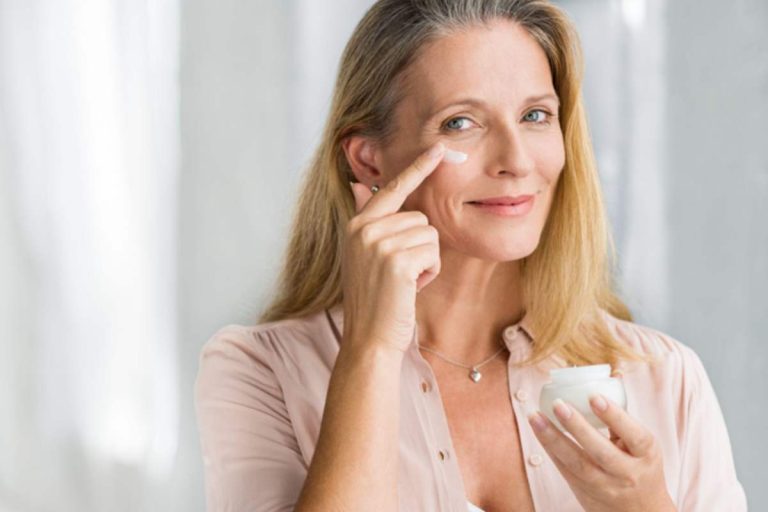
If your skin is experiencing issues, taking a targeted approach with the right skincare products can make a significant difference. For example, you can use a firming face cream, and if you haven’t already done so, consider adding hyaluronic acid 

However, be sure to avoid using products intended for your body on your face. Facial skin requires special care, so only use products designed for that area, such as a skin firming cream and a facial hyaluronic acid. Don’t forget to apply a face moisturizer at least twice daily, especially in the morning and at night, that’s specific for your skin type. 

As excited as you may be to use new skincare products, never fully apply them without first doing a patch test in an inconspicuous area. This helps ensure your skin is compatible with the products, especially if you already use skincare or health medications. Additionally, ensure that you use high-quality products from a reputable brand you can trust, and always follow the recommended guidelines and instructions provided on the product(s). Don’t do a one-and-done patch test. It’s essential to do it properly for approximately 10 days to get an accurate determination. 

2. Use Sunscreen 

Using sunscreen daily is important for maintaining your skin’s firmness and youthful appearance, especially if you’re already experiencing skin changes from using the GLP-1s. Sunscreen with at least SPF 30 offers protection against harmful UV rays that can accelerate fine lines, wrinkles, and sagging. Choose a sunscreen specifically for your face as these products tend to be gentler and less likely to clog pores. 

Apply the sunscreen approximately 15 minutes before going outside, and reapply it throughout the day, every day, including if you’ll be indoors near windows. It’s a simple but effective step that can help preserve your skin’s elasticity and health. 

3. Stay Hydrated Throughout the Day 

Staying hydrated is undoubtedly vital for a variety of reasons, but it can also help your skin’s firmness. Water helps maintain your skin’s elasticity, so when it’s well-hydrated, it appears smoother, plumper, and more radiant. When your skin is dehydrated, you’ll notice it has a dull appearance and looks drier. Additionally, wrinkles and fine lines may appear more pronounced. 

How much water you need to drink per day depends on various factors, such as your age, activity level, and whether you’re taking any medications. Consult your doctor for more information about how much water you should drink throughout the day. If you’re not the biggest fan of plain water, try infusing it with things you love, such as fruits, so it’s more enjoyable. Carry a water bottle around with you as it’s an easy way to keep track of how much you’re drinking throughout the day without manually having to remember. 

4. Get High-Quality Sleep 

Getting enough high-quality sleep each night can be challenging, but it plays a crucial role in your skin’s health. Not getting enough rest can lead to the skin problems you’re trying to help fight, such as wrinkles, fine lines, and reduced collagen production. 

Adhering to a consistent bedtime routine can be beneficial for getting enough sleep and improving the look and feel of your skin. Create a sleep-friendly environment by keeping your bedroom cool, dark, and comfortable while minimizing disturbances. Try relaxation techniques before bed, such as meditating and deep breathing, to calm your mind. Avoid heavy meals and caffeine later in the day as both can impact your ability to fall asleep.  

5. Make Diet Changes 

Whether you’ve been taking GLP-1s for weight management or type 2 diabetes, chances are you’ve been instructed to make certain dietary changes. Some of the foods recommended by your doctor could also benefit your skin. Depending on why you’re taking the medication, skin-friendly foods and beverages you might have been encouraged to eat or drink include avocado, sweet potatoes, fish, and green tea. Keep in mind that a dietary change doesn’t have to be boring, and its benefits for your skin and overall health can be worth it.  

Speak with a dietitian who can create a personalized plan that aligns with your health conditions and skin needs while also trying to accommodate your food and beverage preferences. Let them know if you have any specific likes or dislikes when it comes to foods and beverages so they can try to incorporate them. 

Make Diet Changes

Create a Skincare Plan Today 

Start making a skincare plan today to address the effects of using the GLP-1s. Doing your due diligence is important, but so is consulting with professional dermatologists. They can examine your skin and advise you on the ideal products for you and how to use them properly to maximize their effectiveness. Make sure to inform the doctor about any medications you’re taking for health conditions and any skincare products you’ve been using (bring them with you). They can then help you create the most effective skincare plan to improve your skin’s firmness and health. 

The Top Ways To Take Better Care Of Your Hair For 2025 & Beyond.

Introduction

Your hair is one of the first things people notice about you. Within moments of meeting someone, they’re forming impressions based on your appearance—and your hair plays a significant role in that first impression. Whether in professional settings or social situations, healthy, well-maintained hair communicates confidence, care, and attention to detail.

The challenge is that many people unknowingly damage their hair through well-intentioned but misguided practices. Over-washing strips natural oils, excessive heat styling causes breakage, frequent coloring leaves hair dry and brittle, and poor conditioning leaves hair weak and dull.

This comprehensive guide covers everything you need to know about taking better care of your hair: the science behind healthy hair, proper washing and conditioning techniques, protective styling, color care, and lifestyle habits that support long-term hair health. Follow these evidence-based practices, and you’ll see dramatic improvements in your hair’s appearance, texture, and strength.

The Top Ways To Take Better Care Of Your Hair 

This is why it makes perfect sense that you would pull out all of the stops to make sure that you look your best and investing in an auto hair curler so that you look amazing every single day is money that you need to invest today. This will help you to look fantastic but in order to be able to control your hair with such a device, you need to learn how to take better care of it. The following are some of the top ways that will allow you to do that this year and every year after.

  • Stop washing it all the time – You may think that you are keeping your hair clean but every time you put in shampoo, you are stripping your hair of its natural oils and this can not only damage your hair but your scalp also. You should only wash your hair when it actually feels dirty, so get yourself out of the habit of washing it every single day.
  • Put on conditioner properly – The first thing is to make sure that you buy the right kind of hair conditioner for your particular hair type. Once you figure this out, be sure to apply the conditioner at the ends of your hair first and then work your way back. If you suffer from dry scalp then make sure you pay particular attention to this area as well.
  • Go easy on the hair dye – It can be tempting to change your hair colour every single week so that you always look different and people will compliment you for that. The thing is that once you start putting on hair colour on a regular basis, your hair will become very dry and it will not look healthy at all. If you must put hair dye then spend money on a hair mask to repair it.

Other things that you need to know about are you should never try to brush your hair while it is still wet when you step out of the shower and if you must go swimming, then invest in a quality cap that will reduce the effects of the chlorine in the swimming pool. We get our fair share of the sun here in Australia, so wear a wide brimmed sun hat to protect your hair and your skin as well. If you follow these pieces of advice, your hair will look fantastic at all times.

Frequently Asked Questions About Hair Care

Q1: How often should I really wash my hair?

A: Depends on hair type (see section on optimal frequency), but generally:

  • Straight/oily: 2–3 times weekly

  • Wavy/combination: 2–3 times weekly

  • Curly/coily: 1–2 times weekly

  • Fine: 2–3 times weekly

The key is finding YOUR frequency (not what magazines say). If scalp feels greasy sooner, you may still be in the adjustment period (2–3 weeks). Push through and scalp will regulate.

Q2: Is it bad to wash my hair every day?

A: Yes, generally:

  • Daily washing strips natural oils

  • Scalp overcompensates with more oil

  • Causes vicious cycle

  • Makes hair drier and more prone to breakage

Exception: If you exercise daily and sweat profusely, dry shampoo between washes rather than washing daily.

Q3: Why is my hair so oily?

A: Most likely reasons:

  1. Over-washing: Most common cause—scalp produces excess oil in response

  2. Using heavy products: Buildup makes hair feel oily

  3. Not rinsing thoroughly: Shampoo/product residue makes hair greasy

  4. Using wrong shampoo: Non-sulfate shampoo may be too light

  5. Hormonal changes: Hormones affect oil production

  6. Underlying scalp condition: Seborrheic dermatitis, other conditions

Solutions:

  • Reduce washing frequency (takes 2–3 weeks to adjust)

  • Use clarifying shampoo to remove buildup

  • Ensure thorough rinsing

  • Try dry shampoo between washes

  • See dermatologist if issue persists

Q4: How can I make my hair grow faster?

A: Hair growth is limited by genetics, but you can optimize:

What supports growth:

  • Adequate nutrition (especially protein, iron, biotin)

  • Good scalp health (massage stimulates blood flow)

  • Minimizing damage (less breakage = longer hair length)

  • Sleep and stress management

  • Scalp massage (15 minutes daily improves circulation)

  • Vitamins/supplements specifically designed for hair

What doesn’t work:

  • Special shampoos claiming to accelerate growth

  • Cutting hair “to make it grow faster” (myth)

  • Expensive treatments without lifestyle support

Reality:

  • Average growth: 6 inches yearly

  • Genetics determines maximum potential

  • Focus on minimizing breakage, not accelerating growth

Q5: What’s causing my hair loss?

A: Common causes:

  • Telogen effluvium: Stress-triggered excessive shedding

  • Iron deficiency: Blood test determines this

  • Thyroid issues: Medical evaluation needed

  • Nutritional deficiencies: Biotin, zinc, protein

  • Over-styling: Mechanical damage and breakage

  • Hormonal changes: Pregnancy, menopause, medication

  • Pattern baldness: Genetic; see dermatologist

Action steps:

  • See dermatologist for evaluation

  • Blood work to check for deficiencies

  • Reduce stress and heat styling

  • Improve nutrition

  • Use gentle hair care practices

Q6: Can I repair split ends?

A: Unfortunately, no.

Why splits can’t be “repaired”:

  • Split end is break in hair shaft

  • Hair is dead protein (cannot heal itself)

  • “Repairing” products only seal temporarily

  • They don’t reattach the split

What actually works:

  • Trim split ends: Only real solution

  • Prevent future splits: Minimize heat, protect ends, deep condition

  • Seal with products: Smoothing serums temporarily make hair look better

Prevention is key:

  • Deep condition weekly

  • Minimize heat styling

  • Avoid harsh brushing

  • Use conditioning treatments

  • Trim every 6–8 weeks

Q7: Should I use leave-in conditioner?

A: Depends on your hair type:

Beneficial for:

  • Curly/coily hair (essential)

  • Dry or damaged hair

  • Color-treated hair

  • Fine hair (use light formula)

How to use:

  • Apply to damp hair

  • Focus on mid-length and ends

  • Don’t overuse (can make hair greasy)

  • Start with small amount, add more if needed

Not necessary for:

  • Very oily hair

  • Very fine hair (unless damaged)

  • Short hair

Q8: Is sulfate-free shampoo really better?

A: Yes, generally:

Why sulfate-free is better:

  • Sulfates are harsh cleansers

  • Strip natural oils excessively

  • Can cause irritation

  • Especially problematic for color-treated hair

Exceptions:

  • Clarifying shampoo (occasional use) may contain sulfates

  • Sulfate-free doesn’t clean as well for buildup

  • Use sulfate-free regularly, sulfate clarifying occasionally

Cost:

  • Sulfate-free often more expensive

  • But gentler = less damage = healthier hair

  • Worth the investment

Q9: How can I reduce frizz?

A: Multiple strategies work together:

Immediate frizz reduction:

  • Smoothing serum or oil

  • Anti-frizz products

  • Blow dryer with diffuser

Long-term frizz reduction:

  • Deep condition regularly (hydrated hair frizzles less)

  • Use cool water rinses (seals cuticles)

  • Minimize heat styling (damaged cuticles cause frizz)

  • Use leave-in conditioner

  • Protective styling (prevents friction)

  • Humidity control (dehumidifier helps)

Styling for frizz control:

  • Air dry with plopping method

  • Use diffuser on low heat

  • Braid or bun styling

  • Gel or cream for hold

Q10: Is it okay to use conditioner only (no shampoo)?

A: Depends on hair type and water quality:

Works for:

  • Curly/coily hair (ideal option)

  • Dry hair

  • Sensitive scalp

Doesn’t work for:

  • Very oily hair

  • Short hair

  • Hard water areas (mineral buildup)

Method:

  • Use lightweight conditioner

  • Apply to entire hair

  • Massage scalp gently

  • Rinse thoroughly

  • Monthly clarifying shampoo to remove buildup

Benefits:

  • Gentler than shampoo

  • Preserves more natural oils

  • Works surprisingly well for many

Your Hair Care Action Plan

This Week

  1. Assess your current washing frequency

  2. Invest in quality sulfate-free shampoo and conditioner

  3. Begin reducing washing frequency (if washing daily)

  4. Start deep conditioning once weekly

This Month

  1. Establish sustainable washing and conditioning routine

  2. Minimize heat styling (try heat-free alternatives)

  3. Apply heat protectant every time you use heat

  4. Add nutritional support (adequate protein, biotin, iron)

  5. Get trim to remove split ends

This Quarter

  1. Assess results (hair should feel smoother, look shinier)

  2. Adjust products as needed based on results

  3. Protect from sun and chlorine strategically

  4. Continue weekly deep conditioning

  5. Notice improved strength and elasticity

Ongoing

  1. Maintain consistent routine

  2. Regular trims (every 6–8 weeks)

  3. Monitor for damage and adjust care

  4. Protect from environmental damage

  5. Support with nutrition and lifestyle

Final Thoughts: Hair is an Investment

Your hair is an investment in your appearance and confidence. With consistent, proper care, you can have healthy, beautiful, strong hair that makes a great first impression—every day.

The practices outlined in this guide aren’t complicated or expensive. They require:

  • Understanding your hair’s needs

  • Consistent, mindful care

  • Patience through adjustment periods

  • Protection from damage

Expected results:

  • Shinier, healthier-looking hair

  • Increased strength and reduced breakage

  • Smoother texture

  • More vibrant color (if colored)

  • Hair that styles better and lasts longer

Start implementing these practices today. Within weeks, you’ll notice improvement. Within months, the transformation will be significant. Your future self—and everyone who meets you—will appreciate the effort.

Recognizing Early Warning Signs of Alzheimer’s: A Guide for Families

When a loved one exhibits changes in behavior or memory, the concern for Alzheimer’s disease often surfaces. This progressive neurological disorder unravels the fabric of memory and cognitive function, leaving families grappling with a mix of emotions and uncertainties. Recognizing the early warning signs is vital in seeking timely intervention and support. Understanding what to look for will empower families to take proactive steps in caring for their loved ones. Below, we explore the vital information needed to identify the onset of this condition and the appropriate measures to take.

Recognizing the Early Warning Signs of Alzheimer’s

Detecting Alzheimer’s in its early stages can be challenging, as the signs are often subtle and easily mistaken for normal aging. However, early diagnosis is critical for managing the disease and exploring treatment options. The first signs can include memory loss that disrupts daily life, such as forgetting recently learned information or important dates and events.

Other early symptoms might involve challenges in planning or solving problems, difficulty completing familiar tasks at home or work, and confusion with time or place. Changes in mood and personality, withdrawal from social activities, and impaired judgment may also be indicators. Recognizing these signs early on can lead to more effective management of the condition.

Communication difficulties are also common, with individuals struggling to follow conversations, repeating themselves, or experiencing trouble with vocabulary. When these symptoms persist or interfere with life, it may be time to consult a medical professional. Adjusting to these changes can be distressing for the individual and their loved ones.

The first signs of Alzheimer’s may be difficult to accept, but acknowledging them is the first step towards obtaining the help and support needed. Early detection opens the door to potential treatments that may help slow the progression of the disease and provide a better quality of life.

Understanding Alzheimer’s Disease and Its Impact on Families

Alzheimer’s disease is more than just a medical condition; it represents a significant emotional and practical challenge for entire families. As a degenerative brain disease, it slowly impairs cognitive abilities, leading to difficulties in daily activities and eventually complete dependence on caregivers. The diagnosis of Alzheimer’s can be devastating news, but knowledge and preparation ease the handling of its progression.

Families often face a steep learning curve in understanding Alzheimer’s, compounded by the emotional toll it takes on relationships. Watching a loved one decline cognitively can be heartbreaking, but recognizing the disease’s impact is crucial for developing a comprehensive care plan. This includes considering long-term caregiving’s financial, emotional, and physical demands.

With Alzheimer’s affecting millions worldwide, its impact on society is immense. Families often become advocates for their loved ones, navigating healthcare systems, legal considerations, and community resources. This disease highlights the importance of dialogue about elderly care and the need for robust support systems.

As Alzheimer’s progresses, the person with the disease will require increasing levels of care. Families must often balance work and other responsibilities with caregiving duties, which can be overwhelming without adequate support or resources. Understanding the implications of Alzheimer’s helps in setting realistic expectations and planning for the future.

Differentiating Normal Aging From Alzheimer’s Symptoms

Understanding the difference between normal aging and Alzheimer’s symptoms is essential to avoid unnecessary alarm. With age, occasional forgetfulness or mild confusion is normal. However, when these disruptions are consistent and increasingly severe, they may be indicative of Alzheimer’s or another dementia-related illness.

Regular age-related changes typically don’t interfere with a person’s ability to live independently. For instance, misplacing keys but eventually remembering where they are is not uncommon. However, someone with Alzheimer’s might not only misplace items but also place them in illogical locations and cannot retrace their steps to find them again.

It’s natural for some cognitive abilities to slightly decline with age, such as the speed at which new information is processed. Yet, the individual can generally still manage their daily routines and tasks. In contrast, Alzheimer’s disease leads to a noticeable, ongoing decline in cognitive abilities, including significant memory loss and confusion.

Overall, recognizing the early signs of Alzheimer’s allows families to seek help sooner and better support their loved one’s evolving needs. This awareness fosters timely intervention, more effective care planning, and improved quality of life throughout the progression of the disease.


Ways to Get Fit and Live Your Best Life

A sedentary lifestyle is among the worst choices you can make for your body, but taking just 30 minutes every day to do moderate exercise can vastly improve your health.

Your heart is a muscle, and like all muscles, it needs to be worked out regularly to stay healthy.

Heart disease is known to be a leading cause of death in America, but it’s also one of the most preventable. Exercise strengthens your heart and helps it work more efficiently.

Fitness is about more than just heart health, though. Regular exercise can help to lower your risk of developing type 2 diabetes, cancer, and other chronic ailments. It can also improve your mood as well as help with your sleep.

Living a Life to be Proud Of

A healthy lifestyle is something that we should all strive for. There are so many benefits to living healthily, from having more energy and vitality to being able to enjoy life more.

Set Small, Achievable Goals

Setting and achieving goals is important for any health regimen.

For example, a person who wants to lose weight needs to set a goal of how much weight to lose and by when. Otherwise, it’s easy to become discouraged and give up.

The same is true for people who want to quit smoking or start an exercise program.

Without specific goals, measuring progress and gauging whether you’re making the changes you need to improve your health is difficult.

Setting realistic goals also gives you a sense of control over your health and lifestyle, and once you reach a goal, you’ll be more motivated to maintain your healthy habits.

Make Time for Your Relationships

Everyone needs time with their family and friends to have a good quality of life, but it’s less apparent that you must make the effort to invest that quality time in said relationships.

Any relationship is strengthened through love and warmth. Whether it’s a partner, friend, or family member, a close relationship is paramount.

Unfortunately, busy lifestyles can often get in the way of intimacy with a partner, but making time for intimacy and sex is crucial. The aid of some 100mg viagra pills from Chemist Click may help you and your partner enjoy yourselves more easily. Making time for each other, whatever your love language, is what is important.

Eat a Healthy Whole Foods Diet

One of the best ways to live a healthy life is to eat healthy foods.

Eating a diet consisting of fruits, vegetables, whole grains, and lean protein, and avoiding processed foods, sugary drinks, and high levels of saturated and unhealthy fats is a surefire way to a healthier lifestyle. The more strict the diet, the harder it is to maintain, so find a suitable level that both works for you and achieves results.

Hit the Gym

Getting healthier doesn’t necessarily mean that you have to go to the gym every day or run a marathon – simply incorporating some form of physical activity into your daily routine can make a big difference. The gym, however, is a great place to curate a routine that incorporates a variety of equipment, and can even be a place to meet new people.

Be Patient and Don’t Give Up

The key to maintaining a healthy living style is to be patient and not rush. Producing gradual modifications to your usual routine will be easier to adjust to and will eventually produce big results with time.

Do not give up on your healthy lifestyle goals just because you have a bad day or make a mistake. Just keep moving forward and you will reach your goals.

Stress, successfully treated with CBD. Learn how.

There is still a way to go to have accurate information about how CBD effects are truly effective for medical treatment; however, it has been proved by many patients worldwide that CBD is a perfect choice for treating some specific disorders.

The controversy around its legality is one of the main reasons why studies and research haven’t been deep enough yet; anyway, this industry increases its popularity year after year. As you might have seen, you can easily buy CBD products online in many countries.

But not every brand is reliable, and there are some important facts you must take into consideration before you start browsing the net.

Is CBD legal?

Let´s start by saying that CBD is only one compound found in the Hemp and Marijuana plant. These two are like close cousins which belong to the same plant species, the Cannabis Sativa. And maybe here is where all the confusion starts.

These plants have other cannabinoids as well, not only CBD (cannabinol) but also THC (tetrahydrocannabinol), and this one is the main responsible for the getting high feeling, the substance which is forbidden almost everywhere.

The marijuana plant has a large THC, and its use is only allowed in some countries where medicinal marijuana is legal. In the rest of the world, the most common plant grown is Hemp, which has minimal amounts of THC but still CBD, which is the main substance used on every product sold online.

This is why you should be aware of these important facts when you choose your CBD products and read carefully that CBD is extracted only from Hemp plant (mostly industrial hemp), which guarantee a minimal amount of THC, less than 0,3%, the exact amount permitted.

Different CBD product presentations

With all this said, you will better understand what´s inside each bottle of CBD oil, depending on its specific label.

  • Isolated CBD: CBD is the only cannabinoid you will get. All the other cannabinoids of the plant were removed.
  • Full Spectrum CBD: Contains all the cannabinoids found in the plant, including both CBD and THC, but only the amount permitted (0.3%)
  • Board Spectrum CBD: Contains all the cannabinoids of the plant, except THC, which has been completely removed.

Can stress disorders be treated with CBD?

There is still much more research needed, but so far, several studies have suggested that the use of cannabidiol (CBD) has shown positive results in patients experiencing stress symptoms.

Stress may come in many different ways, but if we consider anxiety, insomnia and chronic pain as part of this whole scenario, we will have, for sure, the answer we have been looking for, that CBD works very well in treating all of these health conditions.

However, you must know that everybody works differently regarding CBD treatment outcomes; as we said, there is still little generalized information to settle a proper range. So, every patient must have the correct medical supervision to determine the dosage and planning the treatment correctly.

How is stress caused, and how can CBD help?

One of the main reasons we diagnose ourselves with stress is that we start feeling some other symptoms such as anxiety or insomnia. Although we must follow the experts’ rules and always visit our doctor for a specific diagnosis, we surely know our body better than anyone and quickly identify any disorder.

We are now living very stressful times due to what’s happening worldwide and is obviously affecting our mood and everyday routines. But anxiety is a disease that affects many people, though no catastrophic pandemic is around. And CBD has shown excellent results in patients taking it as a reliving method.

An excessive amount of anxiety could easily lead to a stress condition or even a panic attack situation. This is caused mainly because a disproportionate worry about some specific events starts inside your head and turns into physical symptoms such as agitation, irritability, and insomnia.

As you may see, there is no one specific fact responsible for this anxious state of mind, and that is why it is tough to come with one exclusive solution that fits all. The actual medication for these treatments is drugs like Valium or Xanax, which can lead to addiction if used for long periods of time.

This is why CBD oil appears to be an excellent and green choice for treating anxiety, and accordingly, stress, because of its calming and relaxing properties without risk of dependence.

Choosing the right product for you

The CBD market is a growing industry, and as it increases its demand, it also offers new products every time.

The different taking methods may give you different effects, like instant relief, such as long-lasting effects, depending on what you choose.

Nowadays there are several interesting options from where to choose from.

Oils and sprays: they can be easily placed under the tongue, highly recommended for stress treatment. You should probably have to find the right dose after trying it for a few days first and then adjust it depending on how you feel.

Capsules, edibles, gummies: these are for sure very discreet and easy to dose.

Vapes: they work very well if you are into vaping methods.

Clinical studies

At the moment, there are several ongoing studies, but still much more is needed to certify the effectiveness of these treatments and start tracing a right and unique method that can suit everyone.

Nowadays, most of the information comes from patients who have experienced the outcomes and can offer useful reviews for future customers knowledge. But that is only the beginning, and this means that everybody needs to try it and see the effects on themselves.

For CBD right medical approval in treating stress, we still need medical studies to be accurate and precise, hoping to have real good news about it soon.

How to Wash Your Hair with Tape-In Extensions

0

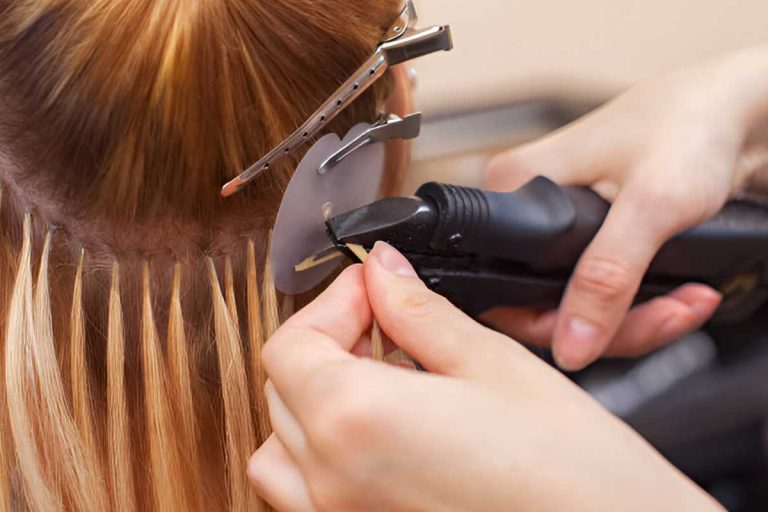
Washing your hair properly is essential when you have tape in hair extensions. While these extensions are known for being lightweight, discreet, and easy to maintain, they do require a little extra care when it comes to washing. The right washing routine will help protect both your natural hair and your tape in hair extensions, keeping them looking fresh, smooth, and long-lasting. 

Here is a simple step-by-step guide on how to wash your hair safely and effectively when wearing tape in hair extensions. 

Brush Before Washing 

Before you even step into the shower, it is important to gently brush your hair. This helps remove any tangles or knots and prevents extra stress on your tape in hair extensions when wet. 

Use a soft bristle brush or a wide-tooth comb, starting from the ends and working your way up towards the roots. Always be gentle near the tape sections to avoid loosening them. 

Use Sulphate-Free Shampoo 

When washing your hair with tape in hair extensions, the shampoo you choose matters. Sulphate-free shampoo is a must because sulphates can strip moisture from both your natural hair and extensions and may weaken the adhesive on the tape. 

Apply the shampoo to your scalp and roots, gently massaging it in with your fingertips. Let the shampoo rinse down through the lengths of your hair without scrubbing or rubbing the extensions directly. 

Condition Carefully 

Conditioner is essential for keeping hair soft and hydrated, but it should never be applied near the tape bonds. Focus on the mid-lengths and ends of your hair, avoiding the top where the extensions are attached. 

Let the conditioner sit for a few minutes before rinsing thoroughly with lukewarm or cool water. This will leave your tape in hair extensions feeling silky and smooth without affecting the adhesive. 

Rinse Well 

Make sure you rinse your hair thoroughly after shampooing and conditioning. Product build-up can cause your hair to feel heavy and may also affect how well your tape in hair extensions stay in place. 

Keep the water pressure gentle and use lukewarm water to avoid shocking the adhesive bonds. 

Dry Gently 

Once out of the shower, gently squeeze out excess water from your hair using a soft towel. Avoid rubbing your hair or twisting it, as this can lead to tangling and put strain on the extensions. 

It is always best to dry the roots and tape sections fully with a hairdryer on a low heat setting. Leaving tape in hair extensions damp for too long can weaken the adhesive and lead to slipping. 

Let the rest of your hair air dry if possible, or use a low heat setting with heat protectant applied. 

Brushing After Washing 

Once your hair is completely dry, brush through it gently to smooth out any tangles. Again, start from the ends and work your way up. Brushing wet hair can lead to breakage, so always wait until it is fully dry. 

Washing your hair with tape in hair extensions does not have to be complicated. By using the right products and techniques, you can keep both your natural hair and your extensions healthy, shiny, and beautiful for longer. Gentle care makes all the difference in maintaining the look and longevity of your tape in hair extensions.