Home Blog Page 2

Virtue Salon Avadi – Premium Hair & Beauty Salon in Avadi, Chennai India

0

If you’re searching for virtue salon avadi, chances are you’re looking for a trusted, professional salon in Avadi that delivers consistent results. I’ve reviewed multiple salons in this area, and this branch clearly stands out for service quality, hygiene, and stylist expertise.

This page covers everything you need — services, reviews, photos, pricing expectations, and contact details — so you can decide confidently.

Why Virtue Salon Avadi Is Popular Among Locals

Finding a salon in Avadi is easy.
Finding one that consistently meets expectations is not.

Most customers come in with concerns like:

  • Will the stylist understand my hair type?

  • Are branded products used?

  • Is the salon hygienic and professional?

  • Will the results match the photos?

Virtue Salon Avadi addresses these pain points with trained professionals and standardized service processes.

For anyone comparing options, this branch is often mentioned alongside guides like hair salons in Chennai published on StyleBeautyHealth (internal reference).

Services Offered at Virtue Salon Avadi

Services Offered at Virtue Salon Avadi

Hair Services

  • Precision haircuts for men and women

  • Hair spa & scalp therapy

  • Keratin, smoothening & frizz control

  • Global hair coloring & highlights

  • Damage repair treatments

For readers researching treatments beforehand, you can also refer to this internal guide on keratin hair treatment benefits on StyleBeautyHealth.

Skin & Beauty Services

  • Facials & clean-ups

  • Detan & brightening treatments

  • Waxing, threading & grooming

  • Party & event makeup

Many of these procedures follow global skincare standards referenced by
Healthline skincare guidelines and WHO hygiene recommendations.

Bridal & Event Services

  • Pre-bridal skin preparation

  • Bridal makeup & hairstyling

  • Engagement & reception looks

  • Saree draping & finishing

Brides often research styles in advance using bridal makeup references on Wikipedia before booking consultations.

Virtue Salon Avadi Reviews – Real Customer Feedback

One reason virtue salon avadi reviews rank strongly in local search is consistency.

Anitha R., Avadi
“The stylist explained everything before starting. My hair spa results lasted weeks.”

Suresh K., Chennai
“Clean salon, polite staff, and professional service. Easily the best hair salon in Avadi.”

Meena L., Bride
“My bridal makeup stayed intact the entire day and looked great in photos.”

Customers usually highlight:

  • Consultation before service

  • Clean environment

  • Transparent pricing

  • Predictable results

According to local consumer behavior studies published by Forbes, consistency is a key factor in repeat salon visits.

Virtue Salon Avadi Photos – What You’ll See Before Visiting

Virtue Salon Avadi Photos

When people search virtue salon avadi photos, they want realism — not stock images.

The images typically show:

  • Spacious interiors

  • Modern styling stations

  • Dedicated makeup areas

  • Actual client work

This visual transparency helps customers feel confident even before booking.

Is Virtue Salon Avadi the Best Hair Salon in Avadi?

Here’s how it compares with nearby local salons:

Feature Virtue Salon Avadi Average Local Salon
Trained Stylists ✅ Yes ❌ Varies
Hygiene Standards ✅ High ❌ Inconsistent
Branded Products ✅ Yes ❌ Often No
Bridal Expertise ✅ Strong ❌ Limited
Online Reviews ✅ Consistent ❌ Mixed

Because of this balance, it frequently appears in searches for best hair salon in Avadi.

Virtue Salon Avadi Contact & Location Details

If you’re looking for virtue salon avadi contact, here’s what matters most:

  • Location: Avadi, Chennai, Tamil Nadu

  • Phone: Listed on Google Business Profile

  • Timings: Open all days (check GBP for updates)

  • Booking: Walk-ins and appointments available

For salon planning tips, you can also read how to choose the right hair salon on StyleBeautyHealth (internal link opportunity).

Frequently Asked Questions

Is Virtue Salon Avadi unisex?

Yes, services are available for both men and women.

Does Virtue Salon Avadi offer bridal packages?

Yes, including pre-bridal and wedding makeup services.

Are the prices affordable?

Pricing is mid-to-premium, reflecting branded products and trained staff.

Can I see results before booking?

Yes, check virtue salon avadi photos and verified reviews online.

Is appointment required?

Walk-ins are accepted, but appointments are recommended on weekends.

Final Verdict – Should You Visit Virtue Salon Avadi?

If you value professional stylists, hygiene, and predictable results, virtue salon avadi chennai is a strong choice.

It’s ideal for:

  • Working professionals

  • College students

  • Brides and event customers

For broader beauty education, StyleBeautyHealth also publishes guides on
skin and hair care standards, which align with the services offered here.

10 Reasons Clinics are Switching to Automated ABA Practice Management Solutions

Many clinics are looking for ways to keep up with the growing demands of delivering quality ABA services. As technology continues to shape healthcare, more clinics are updating their daily processes with tools that make their work easier and more accurate. Automated ABA practice management software for clinics helps teams handle everyday tasks like scheduling, billing, and data collection more smoothly.

Switching to these modern systems can save time for providers and help them focus more on client care. Clinics that use solutions such as ABA practice management software for clinics often notice improvements in workflow and communication between staff. These tools are designed to support clinics of all sizes, making them a smart choice for those wanting greater efficiency.

1. Significant reduction of administrative workload by automating scheduling and session tracking

Automated scheduling systems allow clinics to book, cancel, and reschedule appointments with less effort. Staff members no longer need to handle as many phone calls or manually update calendars. This saves time and lowers the chance of mistakes.

Session tracking tools record and organize appointments, making it easier to manage each client’s care plan. Reminders and updates go out automatically, reducing missed sessions and confusion.

By using these systems, clinics can handle more appointments and keep better records without adding more office tasks. This gives staff more time to focus on supporting clients instead of managing paperwork.

2. Improved billing accuracy with real-time data validation, reducing errors by up to 40%

Automated ABA practice management solutions use real-time checks to catch billing mistakes early. These systems quickly identify missing or incorrect information as soon as it is entered.

This means fewer claim denials and faster payments. Clinics report that billing errors can drop by up to 40% with automated validation compared to manual processes.

Staff spend less time fixing mistakes, and patients face fewer billing issues. Real-time data checks also help keep cash flow steady and reduce delays.

3. Improved compliance through built-in safeguards tailored for ABA clinics

Automated ABA practice management solutions now include features that help clinics follow regulations more closely. Real-time alerts can notify staff of missing or incorrect information, which helps keep documentation accurate.

These systems can simplify audits by maintaining organized, secure records. Built-in compliance checks reduce the risk of costly errors.

HIPAA-compliant storage and privacy protections also protect sensitive client data. Regular software updates can address changing rules, helping clinics stay up to date with standards.

4. Real-time AI-driven dashboards for tracking client progress and session details

Automated practice management solutions now use real-time dashboards powered by AI. These dashboards allow clinics to see how clients are doing during and after each session.

Therapists can review data on client progress, set goals, and monitor changes as they happen. This lets them act quickly if a client’s progress slows down.

Session details are updated right away, giving a clear picture of what’s working and where changes might be needed. This kind of data-driven feedback helps staff make decisions with confidence.

Easy-to-read graphs and summaries help everyone on the care team stay up to date, which supports better teamwork and consistent care.

5. Seamless integration of telehealth capabilities for remote therapy delivery

Many clinics are choosing automated ABA practice management solutions because they make telehealth part of daily operations. These systems allow therapists to deliver care to patients at home or in other locations outside the clinic.

Integrated telehealth lets providers set up video sessions, share documents, and communicate with families without switching between programs. This saves time and reduces confusion for staff and patients.

Scheduling, session notes, and billing can all connect with remote appointments. This gives clinics one place to manage both in-person and online visits. Remote therapy options also make it easier for families to access services, even when travel is difficult.

6. Automation of treatment plan creation and intervention strategy generation

Automated systems help clinics create treatment plans faster by analyzing patient data and behavior trends. This reduces time spent on paperwork so staff can focus more on care.

These systems can generate intervention strategies based on clinical guidelines and past outcomes. They help teams decide which steps might work best for each individual.

By using automation, clinics can update and adjust plans quickly when patient needs change. This leads to more accurate recommendations and a smoother process for both staff and families.

7. Streamlined data collection and progress monitoring using AI tools

AI tools allow clinics to gather and track patient data faster and with fewer mistakes. Digital data entry saves time compared to paper forms and cuts down on manual errors.

Providers can quickly check on a patient’s progress with automated charts and reports. These systems help track goals, attendance, and treatment changes in real time.

Easy monitoring helps staff notice trends or problems early. Staff can spend less time on paperwork and more time focusing on care.

8. Faster billing and revenue cycle management specific to ABA practices

Automated ABA practice management solutions help clinics speed up their billing process by gathering important information straight from treatment records. This makes it easier to create and send accurate claims.

Billing for ABA services often involves dealing with changing insurance codes. Automation helps clinics keep up and lowers the risk of errors in coding and billing.

Faster revenue cycle management means payments can be received sooner. Clinics spend less time fixing denied claims and more time helping clients.

With less manual work, staff have less paperwork and fewer billing mistakes. This can help clinics avoid delays and focus on patient care.

9. Improved workflow clarity by replacing paper-based systems

Switching from paper to automated systems makes daily tasks easier to follow. Staff can see what needs to be done, track progress, and reduce confusion.

Automated solutions help keep patient records, schedules, and billing in one place. This cuts down on lost documents and missed steps.

Digital workflows allow teams to work faster because information is easier to find and update. It also helps new employees learn the process more quickly.

Clear workflows help clinics avoid mistakes and cut down on repeating the same task. Automated systems give everyone the same view of what matters most.

10. Scalability options suited for both small practices and large clinics

Automated ABA practice management solutions today are built to adapt to different clinic sizes. Small practices often need software that is easy to use and can grow as the number of patients increases.

These systems often provide basic features at first and allow clinics to add more functions as needed. This makes it simple for teams to adjust without switching platforms.

Larger clinics can handle increased patient data, staff, and locations because of built-in flexibility. Solutions are designed to work well even as patient numbers and operations expand.

This helps both small and large clinics manage their workflow and handle more demands over time.

Conclusion

Switching to automated ABA practice management solutions gives clinics a way to simplify tasks like scheduling, billing, and documentation. These tools help reduce errors and save valuable staff time.

Automation can also support better data tracking and reporting, which lets clinics see results faster and make needed adjustments.

With new features like customizable templates and real-time dashboards, clinics can better manage growing caseloads and handle compliance needs more easily.

Choosing the right software helps clinics run more smoothly and adjust to changes in the field.

The Love Hormone Meets Skincare: Oxytocin Is the Future of Anti-Aging By Dr. Nicole Hayre

0

For decades, anti-aging skincare has focused on repairing visible damage and slowing the loss of collagen. But in my practice and research, I started to notice a pattern that could not be explained by retinoids, peptides, or SPF alone. Patients who were in love often came in glowing, while others experiencing heartbreak or chronic stress seemed to visibly age. Their skin looked either healthier or more inflamed and depleted, and I could not ignore the emotional patterns underlying those changes.

This observation led me to investigate oxytocin, a hormone traditionally known for its role in bonding and emotional regulation. As it turns out, oxytocin also plays a critical role in the biology of the skin. What began as a clinical curiosity turned into a multi-year research journey, resulting in a published study and the creation of Cutocin®, the first skincare product formulated to support the skin through oxytocin-related pathways.

Understanding Oxytocin and the Skin

Oxytocin is a neuropeptide released in the brain during moments of connection, such as hugging, falling in love, or holding a child, but it is also produced in the skin itself. Specifically, keratinocytes, the primary cells in the outer layer of the skin, release oxytocin in response to gentle, nurturing touch. Once released, oxytocin binds to receptors on fibroblasts, the cells that produce collagen, elastin, and other vital structural proteins in the skin.

This receptor binding inhibits a biological process called the senescence-associated secretory phenotype (SASP). The SASP pathway plays a major role in the visible aging of skin, as it promotes chronic inflammation and the breakdown of healthy tissue. By downregulating this pathway, oxytocin can help protect the skin from inflammatory damage and preserve its youthful function and appearance.

My initial interest in oxytocin came from those real-life patient patterns. People in new relationships looked more radiant, while those under emotional strain often experienced dullness, dryness, or breakouts. That led me to ask: was something hormonal happening beneath the surface?

To explore the connection further, I conducted a clinical study that measured oxytocin levels and correlated them with skin health. What I found was that participants with higher oxytocin levels had visibly healthier and younger-looking skin than those with lower levels. This study, published in the Journal of Drugs in Dermatology, was the first to show clinical effects of oxytocin on the skin.

The Discovery That Led to Cutocin®

Following these findings, I began searching for a way to support this skin-hormone connection topically. My goal was not to apply oxytocin directly but to find a safe, natural compound that could potentially activate similar pathways in the skin. Through this search, I identified a botanical that has been used for centuries in midwifery due to its oxytocin-like effects on the body. After extensive formulation work and testing, that compound became the foundation for Cutocin®, which now includes a patented version of this plant extract.

Developing this product required more than simply selecting the right ingredient. The delivery system had to allow the compound to penetrate the skin safely and effectively, without triggering irritation or inflammation. Cutocin® was designed with clean, dermatologically sound ingredients that work in harmony with the skin’s natural biology. The result is a product that feels luxurious while quietly supporting the skin’s deeper cellular processes.

How Cutocin® Supports the Skin

Cutocin® is the first skincare product designed to mimic the beneficial effects of oxytocin at the skin level. It works through an oxytocin-like effect, supporting the skin’s ability to maintain its structure, manage inflammation, and recover from environmental stress. Unlike many anti-aging products that rely on exfoliation or aggressive stimulation, Cutocin® helps the skin regulate itself more intelligently.

Users of the product often report a visible difference in tone, elasticity, and overall brightness. These improvements reflect more than surface-level change—they point to enhanced skin function and reduced signs of stress-induced aging. This skincare line avoids common irritants and is designed for all skin types, making it a modern solution for consumers who want both efficacy and skin harmony.

Why This Approach Matters

The skincare industry has reached a saturation point. Consumers are overwhelmed by products that promise transformation but deliver minimal results. Many of these products focus on a single mechanism—like increasing cell turnover or hydrating the outermost layer—without considering the underlying biology that drives skin health.

What we need now is a more integrative approach. The emerging category of neurocosmetics acknowledges the skin’s relationship to the nervous and endocrine systems, and recognizes that how we feel emotionally can influence how we look physically. This is not a marketing trend. It is a scientific reality, and Cutocin® is one of the first products developed specifically with this connection in mind.

By supporting the oxytocin signaling system in the skin, Cutocin® offers a novel approach to anti-aging—one that aligns with how the body actually functions under conditions of safety, care, and connection. It is not about fighting the skin into submission. It is about helping it to work better, naturally.

What the Future Holds for Oxytocin-Based Skincare

There is still much to learn about oxytocin’s role in dermatology, and even more to discover about its role in human health overall. The Oxytocin Social Exchange System (O-SEX) is a growing framework that examines how oxytocin affects communication between cells, organs, and even individuals. This system may eventually help explain how connection itself promotes healing and longevity, not just emotionally, but biologically.

In dermatology, I believe the next wave of innovation will involve targeting not just external signs of aging, but the internal cellular triggers that accelerate it. One of the most important of these is the SASP system. While we cannot claim that Cutocin® definitively controls these biological processes, its development was based on research that explores how to support the body’s natural ability to manage them.

Looking forward, I believe physicians and consumers alike will begin to recognize the power of human connection in physical health. Skincare is no longer just about hydration or exfoliation. It is about understanding how the body works as an interconnected system and supporting it accordingly.

A New Understanding of Skin and Beauty

We have long said that beauty is more than skin-deep. With advances in neurobiology and dermatological research, skincare is finally starting to reflect that idea. We are entering an era where anti-aging is not just about reversing damage or masking imperfections. It is about supporting the skin’s own intelligence and acknowledging the role that hormones, emotions, and connection play in how we age.

Cutocin® was developed from this belief that real skin health comes from within, and that emotional biology is part of the equation. The next great leap in skincare may not begin with a synthetic molecule or a new delivery system. It may begin with a feeling. One that calms the nervous system, reduces inflammation, and allows the skin to do what it was designed to do: regenerate, repair, and radiate health.


Best Shampoo and Conditioner: How to Actually Choose What Works for Your Hair

0

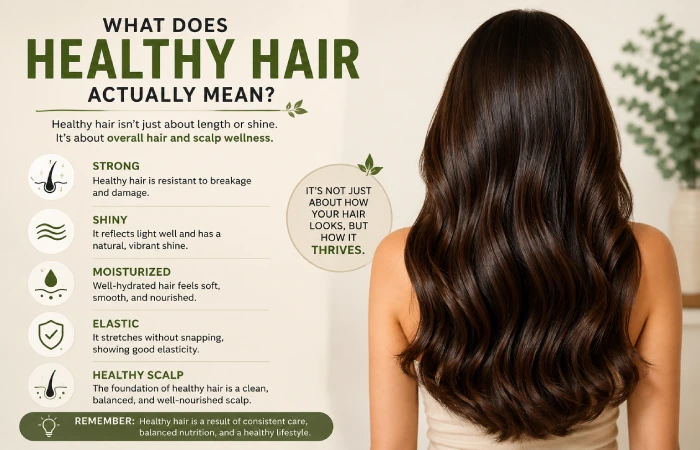
If you’ve ever searched for the best shampoo and conditioner, chances are you didn’t want a hundred product names — you wanted answers.
Why does your hair still feel dry? Why does your scalp act up even after switching brands? And how can the “best” product work for someone else but not for you?

I’ve been there. I’ve bought salon bottles, drugstore steals, “clean” formulas, and hyped launches. What I learned is simple:
There is no single best shampoo and conditioner — only the best one for your hair, scalp, and lifestyle.

This guide breaks that down in a way that actually helps.

Table of Contents

Why Choosing the Best Shampoo and Conditioner Feels So Confusing

Most people assume haircare is about hair length. It’s not.

It’s about:

  • Your scalp

  • Your hair structure

  • Your habits

  • Your environment

That’s why copying someone else’s routine rarely works.

According to dermatology research shared by the American Academy of Dermatology, scalp health directly affects hair strength, growth, and texture — yet it’s often ignored when choosing products (source).

Start Here: Know Your Scalp First (Not Your Hair Type)

Before talking products, you need to answer one question:

How does your scalp behave 24 hours after washing?

Common Scalp Types

  • Oily scalp → Greasy roots, limp hair

  • Dry scalp → Tightness, flakes, itch

  • Sensitive scalp → Redness, burning, reactions

  • Balanced scalp → No drama (rare, but lucky)

The best shampoo treats your scalp.
The best conditioner treats your hair length.

Most people mix this up.

Understanding Hair Porosity (The Game Changer)

Hair porosity is how well your hair absorbs and retains moisture.
It matters more than “curly” or “straight.”

How to Tell Your Porosity

  • Hair dries very fast → High porosity

  • Hair takes forever to dry → Low porosity

  • Somewhere in between → Medium porosity

The International Journal of Trichology explains that porosity affects how hair responds to ingredients like proteins, oils, and humectants (source, nofollow).

What This Means for Shampoo & Conditioner

  • High porosity hair → Needs gentle cleansing + sealing conditioners

  • Low porosity hair → Needs lightweight formulas, not heavy butters

Ingredients Matter More Than Brands

Instead of memorizing brand names, learn what actually works.

Ingredients That Help

  • Glycerin / Hyaluronic Acid → Hydration

  • Ceramides → Strengthen hair barrier

  • Niacinamide → Scalp health

  • Amino acids → Repair and smoothness

Ingredients to Be Careful With

  • Harsh sulfates (for dry/sensitive scalps)

  • Heavy silicones (for fine or low-porosity hair)

  • Too much protein (can cause stiffness)

The Environmental Working Group maintains ingredient safety data that’s useful when checking formulas (source).

Best Shampoo and Conditioner by Real Hair Needs (Not Hype)

For Dry or Dehydrated Hair

Look for:

  • Sulfate-free shampoos

  • Creamy, moisture-focused conditioners

  • Ingredients like shea butter, glycerin, ceramides

Avoid:

  • Daily washing

  • Alcohol-heavy formulas

For Oily Scalp, Dry Ends

This is more common than people admit.

What works:

  • Lightweight clarifying shampoo (2–3x/week)

  • Conditioner only on mid-lengths and ends

  • Occasional scalp exfoliation

The Cleveland Clinic notes that overwashing oily scalps can increase oil production source.

For Curly or Textured Hair

Curly hair loses moisture faster.

Best approach:

  • Low-lather or cream shampoos

  • Rich conditioners with slip

  • Co-washing if scalp allows

For Fine or Thin Hair

Volume comes from the scalp, not styling tricks.

Choose:

  • Lightweight shampoos

  • Minimal oils in conditioners

  • Avoid buildup-heavy products

For Color-Treated or Chemically Processed Hair

Processed hair needs protection, not aggression.

Look for:

  • pH-balanced shampoos

  • Bond-supporting ingredients

  • UV protection where possible

Wash Frequency: How Often Should You Really Wash?

There’s no universal rule.

A Simple Guide

  • Oily scalp → Every 1–2 days

  • Normal scalp → 2–3 times a week

  • Dry or curly hair → 1–2 times a week

Overwashing strips oils. Underwashing causes buildup. Balance matters.

Conditioner Mistakes That Ruin Results

Even the best conditioner won’t help if used wrong.

Common Mistakes

  • Applying conditioner to the scalp

  • Not rinsing thoroughly

  • Using too much product

  • Skipping conditioner entirely

Conditioner is meant to protect and smooth hair length, not cleanse.

Climate, Water & Lifestyle: The Hidden Factors

Your shampoo might work at home — and fail on vacation.

Things That Affect Hair More Than Products

  • Hard water (causes dullness and buildup)

  • Humidity (frizz)

  • Dry climates (breakage)

  • Swimming (chlorine damage)

The U.S. Geological Survey explains how hard water minerals affect hair and skin .

Budget vs Luxury: What Actually Matters

Expensive doesn’t always mean better.

What you’re paying for:

  • Research & formulation

  • Ingredient quality

  • Branding & packaging

A well-formulated drugstore shampoo can outperform luxury if it matches your needs.

Cost per wash > price per bottle.

Clean, Natural & Minimal Haircare: Does It Work?

“Clean beauty” doesn’t mean “better for everyone.”

Pros:

  • Fewer irritants

  • Gentler formulas

Cons:

  • Shorter shelf life

  • Sometimes weaker cleansing

The key is balance — not extremes.

When Shampoo Isn’t Enough (And You Should See a Pro)

If you’re dealing with:

  • Persistent dandruff

  • Sudden hair loss

  • Scalp pain or redness

That’s not a product problem. That’s medical.

Dermatologists consistently advise seeking professional help instead of switching products endlessly.

How I Personally Choose the Best Shampoo and Conditioner

My process is simple:

  1. Identify my scalp condition

  2. Check ingredient list (not branding)

  3. Test for 3–4 weeks

  4. Adjust seasonally

Hair changes. Products should too.

Shampoo vs Conditioner: What Each One Is Actually Meant to Do

A lot of hair frustration comes from expecting the wrong thing from the wrong product.

Here’s the simplest way I explain it:

Shampoo = Scalp care
Conditioner = Hair protection

Shampoo’s job:

  • Remove oil, sweat, dirt, and buildup

  • Keep the scalp clean and balanced

  • Prep hair for conditioning

Conditioner’s job:

  • Smooth the hair cuticle

  • Reduce friction and breakage

  • Lock in moisture

When people say, “My shampoo made my hair dry,” what they often mean is:

  • They chose the wrong shampoo for their scalp

  • Or they’re under-conditioning their hair

Once I separated those roles, choosing the best shampoo and conditioner got much easier.

Clarifying Shampoos: When and How to Use Them Safely

Clarifying shampoos don’t get enough clear explanation.

They’re not “bad” — they’re strong.

When a Clarifying Shampoo Helps

  • Hair feels coated or dull

  • Products stop working

  • Scalp feels congested

  • You use heavy styling products

  • You live in a hard-water area

How Often Is Safe?

  • Fine or oily hair: once every 1–2 weeks

  • Dry, curly, or color-treated hair: once a month

The American Academy of Dermatology notes that excessive buildup can interfere with scalp health and hair growth.

Clarifying shampoos are tools — not daily drivers.

Co-Washing: Who It Works For (And Who Should Skip It)

Co-washing (conditioner-only washing) sounds appealing — but it’s not for everyone.

Co-Washing Works Best If You Have:

  • Very dry hair

  • Tight curls or coils

  • Minimal scalp oil

  • Low product buildup

Skip Co-Washing If You Have:

  • Oily or acne-prone scalp

  • Fine hair

  • Dandruff or itching

  • Heavy product use

I tried co-washing once. My curls loved it. My scalp didn’t. Lesson learned.

Protein in Haircare: Strength vs Stiffness

Protein is one of the most misunderstood haircare ingredients.

Protein Helps When Hair Is:

  • Chemically treated

  • Heat-damaged

  • Over-moisturized

  • Breaking easily

Protein Hurts When Hair Is:

  • Low porosity

  • Naturally strong

  • Already stiff or brittle

Signs of protein overload:

  • Hair feels straw-like

  • Loss of elasticity

  • Increased breakage

The International Journal of Cosmetic Science highlights that balance between moisture and protein is critical for hair integrity (ncbi.nlm.nih.gov).

More protein isn’t better. Balance is.

Shampoo Bars vs Liquid Shampoo: Are They Worth It?

Shampoo bars get a lot of hype — and for good reason — but they’re not perfect.

Pros of Shampoo Bars

  • Less plastic waste

  • Travel-friendly

  • Long-lasting

  • Concentrated formulas

Cons to Consider

  • Can be too cleansing for dry hair

  • Hard water reduces performance

  • Requires proper storage

If sustainability matters to you, shampoo bars are worth exploring — just match them to your scalp type.

Organizations like Zero Waste International Alliance support reducing single-use plastic through alternatives like solid products.

Hair Changes With Age (And Your Products Should Too)

Hair at 20 behaves very differently from hair at 40.

As we age:

  • Oil production slows

  • Hair becomes drier

  • Density can decrease

  • Texture can change

That means:

  • Shampoos should be gentler

  • Conditioners should be more nourishing

  • Scalp care becomes more important

Switching products as your hair evolves isn’t failure — it’s maintenance.

Hormones, Stress & Hair: What Shampoo Can (And Can’t) Fix

This part is important.

If hair issues are caused by:

  • Hormonal changes

  • Stress

  • Illness

  • Postpartum shifts

No shampoo alone will “fix” it.

The Cleveland Clinic explains that stress and hormonal fluctuations commonly affect hair cycles (health.clevelandclinic.org).

Shampoo and conditioner can support hair — but they’re not medical treatment.

How Long Should You Give a New Shampoo and Conditioner?

This is where most people go wrong.

Realistic Timeline

  • Week 1: Adjustment phase

  • Week 2–3: Scalp balance improves

  • Week 4: Texture and manageability changes

Switching too quickly resets the cycle and creates confusion.

I now commit to at least 3–4 weeks before judging results.

Layering Hair Products Without Causing Buildup

Even the best shampoo and conditioner can fail if layered poorly.

Simple Rule I Follow

  • Lightweight products first

  • Heavier products last

  • Less is more

And if hair starts feeling heavy?
It’s time to clarify — not buy something new.

Nighttime Haircare: The Overlooked Habit

Haircare doesn’t stop after washing.

Small nighttime habits make a big difference:

  • Silk or satin pillowcases

  • Loose braids or buns

  • Avoid sleeping with wet hair

The Sleep Foundation notes reduced friction helps minimize hair breakage during sleep.

Seasonal Haircare: Why One Routine Isn’t Enough

Hair changes with the seasons.

Summer Hair Needs:

  • Lightweight hydration

  • UV protection

  • Clarifying washes

Winter Hair Needs:

  • Rich conditioners

  • Less frequent washing

  • Scalp moisture support

Rotating shampoos and conditioners seasonally keeps hair healthier long-term.

Minimalist Haircare: Fewer Products, Better Results

At one point, I had:

  • 3 shampoos

  • 4 conditioners

  • 6 styling products

My hair was worse.

Now I stick to:

  • One main shampoo

  • One conditioner

  • One treatment

Simplifying helped me understand what actually works.

Final Expanded Takeaway

Finding the best shampoo and conditioner isn’t about copying lists or chasing trends.

It’s about:

  • Understanding your scalp

  • Respecting your hair’s structure

  • Adjusting with seasons and life changes

  • Staying consistent

Once you approach haircare this way, the noise fades — and results finally show.

That’s when best shampoo and conditioner stops being marketing language and starts being personal.

FAQs: Best Shampoo and Conditioner

What is the best shampoo and conditioner overall?

The best shampoo and conditioner are the ones that match your scalp type, hair porosity, and routine — not what’s trending.

Can one shampoo work for everyone?

No. Hair and scalp needs vary too much for a single formula to work universally.

Are sulfate-free shampoos better?

They’re gentler, but not always necessary. It depends on hair dryness and scalp sensitivity.

How long does it take to see results?

Usually 2–4 weeks of consistent use.

Is conditioner really necessary?

Yes. Shampoo cleanses; conditioner protects. Skipping it increases damage.

Final Thoughts: What “Best” Really Means

The best shampoo and conditioner aren’t about trends, influencers, or price tags.
They’re about understanding your hair, your scalp, and your real life.

Once you stop chasing hype and start listening to your hair, choosing products becomes simple — and your hair finally starts cooperating.

That’s when “best shampoo and conditioner” stops being a search query and starts being a solution.

Thoitranglv.com – Fashion, Beauty & Celeb Trends That Actually Make Sense

0

If you’ve ever saved a celebrity outfit on Instagram and then thought, “Yeah… but how do I actually wear this in real life?” — you’re not alone. That’s exactly why I started paying attention to platforms like thoitranglv.com – fashion, beauty & celeb trends, where trends aren’t just runway fantasies but something you can actually adapt.

I’ve spent years browsing fashion blogs, beauty sites, trend reports, and celebrity looks. Most of them look great but feel disconnected from real life. Thoitranglv.com stands out because it tries to bridge that gap — and in this article, I’ll break down what it does well, what to be cautious about, and how I personally use fashion and beauty trends without losing my mind (or my money).

Table of Contents

Why Most Fashion & Beauty Trends Feel Overwhelming

Let’s be honest for a second.

Most of us worry about:

  • Looking outdated

  • Overspending on trends that die fast

  • Copying celeb looks that don’t suit our body type

  • Buying beauty products that don’t actually work

Fashion shouldn’t feel stressful. And beauty routines shouldn’t need a spreadsheet.

That’s why trend platforms need to be practical, not just pretty.

Thoitranglv.com – Fashion, Beauty & Celeb Trends Overview

At its core, thoitranglv.com – fashion, beauty & celeb trends focuses on:

  • Real-world fashion inspiration

  • Celebrity-driven beauty routines

  • Wearable trend alerts

  • Style ideas that feel current, not forced

Instead of shouting “YOU NEED THIS NOW”, the content leans toward showing how trends fit into everyday wardrobes.

That’s a big win.

Exploring Fashion Through Real Life (Not Just Runways)

Mixing High Fashion With Everyday Wear

One thing I appreciate is how trends are shown as adaptable, not untouchable.

For example:

  • Oversized blazers paired with jeans, not couture gowns

  • Statement bags worn with simple outfits

  • Neutral color palettes instead of extreme styling

This aligns with what many editors from platforms like Vogue and Harper’s Bazaar talk about — trends only work if people actually wear them .

Style Guides & Trend Alerts That Feel Human

Personal Style Meets Global Trends

Global trends are fun, but personal style always wins.

The smarter approach I’ve learned (and seen echoed across platforms like Who What Wear ) is:

  • Pick one trend per season

  • Adapt it to your lifestyle

  • Ignore the rest without guilt

This mindset makes trend platforms far more useful.

Beauty Tips That Actually Work (No 12-Step Routines)

Celebrity Beauty Inspiration — With Reality Checks

Celebrity beauty routines can be inspiring, but not everything is realistic.

What does work:

  • Skin cycling instead of daily product overload

  • Simple glow-focused makeup looks (like latte makeup)

  • Prioritizing skin health over heavy coverage

Dermatology-backed sites like American Academy of Dermatology consistently stress simplicity over excess .

Beauty Trends Explored Without the Hype

Skin Cycling (Not Just a Buzzword)

Skin cycling works because it:

  • Reduces irritation

  • Improves consistency

  • Keeps routines manageable

It’s one of the few trends I actually stuck with.

Latte Makeup Look

Why people love it:

  • Soft browns flatter most skin tones

  • Easy to recreate

  • Works for day and night

This trend feels wearable — and that’s the point.

Fashion Trends Put to the Test (What’s Worth It & What’s Not)

Trends That Actually Last

  • White sneakers with everything

  • Matching sets

  • Neutral tailoring

  • Statement jewelry

Trends I Personally Skip

  • Extremely low-rise bottoms

  • Overly complex nail art

  • Ultra-fast fashion micro-trends

Fashion editors at The Business of Fashion often warn about trend burnout — something worth keeping in mind .

Sustainable & Ethical Fashion (The Missing Piece)

This is where many trend platforms still fall short.

Fashion doesn’t exist in a vacuum anymore. Sustainability matters.

Key shifts worth following:

  • Eco-friendly fabrics

  • Ethical beauty brands

  • Slower consumption habits

Organizations like Fashion Revolution explain why mindful fashion choices matter long-term .

Staying Stylish Without Overspending

This is personal — because no trend is worth debt.

What works for me:

  • Buy trend items second-hand

  • Invest in timeless staples

  • Follow the 70/30 rule (70% basics, 30% trends)

This approach keeps fashion fun, not stressful.

Accessories, Footwear & Small Details That Change Everything

Sometimes it’s not the outfit — it’s the details.

Small upgrades that make a big difference:

  • Sunglasses with personality

  • Statement belts

  • Clean sneakers or loafers

  • Structured bags

Accessories are where trends feel safest.

Haircare, Grooming & Low-Effort Beauty

Fashion gets attention, but grooming completes the look.

Trends worth trying:

  • Scalp care routines

  • Low-maintenance haircuts

  • Natural texture over heat styling

Hair health trends are increasingly backed by science, not hype .

Inclusive Fashion & Body-Positive Styling

This matters more than ever.

Good fashion content should:

  • Work for different body types

  • Offer adaptable styling tips

  • Avoid one-size-fits-all advice

Confidence grows when style advice feels inclusive — not exclusive.

Regional & Cultural Fashion Influence

Global fashion doesn’t just come from Paris or Milan anymore.

Rising influences include:

  • Asian street style

  • Korean beauty routines

  • Vietnamese and Southeast Asian fashion aesthetics

This blend is shaping modern trends in a big way.

Seasonal & Climate-Smart Styling

A trend that ignores weather is useless.

Smart styling considers:

  • Humidity vs dry climates

  • Summer layering tricks

  • Winter skin protection

Seasonal practicality makes fashion sustainable by default.

Digital Fashion, Social Media & Trend Speed

Social media changed everything.

What I’ve noticed:

  • TikTok speeds trends up

  • Instagram refines them

  • Not every viral look deserves your attention

Understanding this helps avoid trend fatigue.

How I Personally Use Thoitranglv.com in Daily Life

I don’t follow everything. I filter.

My process:

  1. Identify one wearable trend

  2. Adapt it to my wardrobe

  3. Skip the rest without guilt

Fashion should serve you, not control you.

How to Build a Capsule Wardrobe Using Trend Platforms Like Thoitranglv.com

One mistake I made early on was chasing trends without a base wardrobe. That never ends well.

A smarter way to use thoitranglv.com – fashion, beauty & celeb trends is to layer trends on top of a capsule wardrobe.

Here’s what that looks like in real life:

My Capsule Basics (That Never Go Out of Style)

  • Neutral blazer

  • Well-fitted jeans

  • Plain white and black tees

  • Comfortable sneakers

  • One structured bag

Once those are locked in, trends become optional — not stressful.

Where Trends Fit In

  • Seasonal colors

  • Accessories

  • One standout silhouette

This keeps your closet flexible and your spending under control.

Celebrity Style vs Real-Life Style: Knowing the Difference

Something most trend platforms don’t explain clearly enough:
Celebrity style is styled. Your life isn’t.

Celebrities have:

  • Tailors

  • Stylists

  • Lighting

  • Controlled environments

Real life has:

  • Weather

  • Work schedules

  • Commutes

  • Budgets

When I look at celebrity fashion now, I ask:

  • Can I sit, walk, and live in this?

  • Does it fit my lifestyle?

  • Would I still wear this in six months?

If the answer is no, I scroll past — guilt-free.

Men’s Fashion & Grooming Trends Worth Paying Attention To

While fashion content often leans heavily toward women, there’s growing space for men’s style and grooming — and it matters.

Men’s Fashion Trends That Actually Translate

  • Relaxed tailoring

  • Clean sneakers with formalwear

  • Neutral layering

  • Minimal accessories

Grooming Over Flash

Instead of trendy haircuts every month:

  • Focus on scalp health

  • Keep facial grooming simple

  • Prioritize fit over labels

Men’s fashion works best when it’s subtle, not loud.

Fashion Psychology: Why Some Trends Feel “So You” (And Others Don’t)

This part doesn’t get talked about enough.

Fashion isn’t just visual — it’s emotional.

Some trends feel right because they match:

  • Your personality

  • Your comfort level

  • Your lifestyle

Others feel off, even if they’re popular.

That’s normal.

Once I stopped forcing trends that didn’t align with who I am, getting dressed became easier — and honestly, more fun.

Fast Fashion vs Smart Fashion Choices

Trends move fast. Clothes shouldn’t fall apart faster.

Before buying into any trend, I now ask:

  • Will I wear this more than five times?

  • Does it work with what I already own?

  • Is there a better-quality alternative?

Smart fashion isn’t about buying less — it’s about buying better.

How to Spot a Trend That’s Worth Following

Not every trend deserves your time.

Here’s my simple filter system:

Worth Trying If:

  • You see it across multiple seasons

  • It shows up in street style, not just runways

  • It works across body types

Skip If:

  • It only exists on TikTok

  • It requires constant adjusting

  • It doesn’t fit your lifestyle

This saves money, energy, and closet space.

Beauty Product Overload: Why Less Is Actually More

One thing I appreciate about practical beauty content is when it reminds us that more products don’t equal better skin.

What worked best for me:

  • Fewer active ingredients

  • Consistent routines

  • Listening to my skin, not trends

Beauty trends should support your skin — not fight it.

Trend Fatigue Is Real (And How to Avoid It)

If you’ve ever felt tired just keeping up, that’s trend fatigue.

How I avoid it:

  • I don’t follow every fashion account

  • I unfollow when content feels overwhelming

  • I remind myself trends repeat

Fashion cycles. Confidence lasts longer.

Fashion as Self-Expression, Not Competition

This shift changed everything for me.

Fashion isn’t about:

  • Who’s wearing it first

  • Who spent the most

  • Who looks the trendiest online

It’s about:

  • Feeling comfortable

  • Feeling confident

  • Feeling like yourself

That’s the lens I use when browsing thoitranglv.com – fashion, beauty & celeb trends now.

Internal Reads You Might Like

(Internal linking opportunities for StyleBeautyHealth.com)

  • How to Build a Timeless Wardrobe That Never Feels Boring

  • Beauty Trends That Actually Improve Skin Health

  • Affordable Ways to Recreate Celebrity Fashion

Final Thoughts on Fashion, Beauty & Celeb Trends

Trends are tools — not rules.

Platforms like thoitranglv.com – fashion, beauty & celeb trends work best when you:

  • Stay selective

  • Stay practical

  • Stay true to your personal style

Fashion should feel empowering, not exhausting.

And if you take only one thing from this article, let it be this:
You don’t need every trend. You just need the right ones.

That’s the real value behind thoitranglv.com – fashion, beauty & celeb trends.

FAQ section.

What is Thoitranglv.com known for?

Thoitranglv.com focuses on fashion, beauty, and celebrity trends with an emphasis on wearable styles, beauty routines, and real-life inspiration rather than runway-only looks.

Is Thoitranglv.com suitable for everyday fashion inspiration?

Yes. Most of the fashion and beauty ideas shared are adaptable for daily wear, making it useful for people who want to follow trends without overhauling their entire wardrobe.

Does Thoitranglv.com promote sustainable fashion?

While the platform highlights trends and celebrity styles, readers should always apply mindful shopping habits and prioritize sustainable or ethical alternatives when possible.

Are celebrity beauty routines realistic to follow?

Some are, some aren’t. Simple routines like skin cycling or minimal makeup looks are more practical, while complex routines may need to be adapted for real-life schedules and budgets.

How can readers stay trendy without overspending?

By choosing one or two trends per season, investing in basics, and skipping fast-moving micro-trends that don’t last beyond social media hype.

Is Thoitranglv.com good for beginners in fashion and beauty?

Yes. The content is easy to follow and works well for people who want trend awareness without needing deep fashion knowledge.

How Many Calories Are in an Apple? Nutrition, Types, Portions & Diet Impact

Apples are one of the most commonly eaten fruits in the world—and one of the most misunderstood when it comes to calories. Some people believe apples are “negative-calorie foods,” while others avoid them because of their natural sugar content. If you’ve ever wondered how many calories are in an apple, the real answer depends on size, variety, and how it’s prepared.

This in-depth guide goes far beyond the usual “95 calories” answer. You’ll learn exactly how apple calories vary, why apples are filling despite being low in calories, and how to enjoy them in a healthy, balanced way.

Quick Answer: Calories in One Apple

A medium apple (about 182 grams) contains approximately 95 calories.

But apples come in many sizes and types, which means calorie counts can vary more than most people realize.

Calories in Apples by Size & Weight

Apple Size Weight (Approx.) Calories
Small 149 g ~77 calories
Medium 182 g ~95 calories
Large 223 g ~116 calories
Per 100 g ~52 calories

Why this matters: Most people underestimate apple size. A large apple can contain nearly 40 more calories than a small one.

Calories in Apples by Variety

Different apple varieties vary slightly in calories due to sugar content and density.

Apple Variety Calories (per medium apple)
Granny Smith ~80–85
Gala ~90–95
Red Delicious ~95
Fuji ~100–105
Honeycrisp ~95–100

Key insight: Sweeter apples tend to have slightly more calories, but the difference is modest.

Calories in Apples by Form & Preparation

Preparation dramatically changes calorie density.

Apple Form Serving Size Calories
Raw apple 1 medium ~95
Apple slices 1 cup ~65
Applesauce (unsweetened) ½ cup ~50
Applesauce (sweetened) ½ cup 90–110
Dried apples ½ cup 120–140
Apple juice 1 cup ~115
Baked apple (plain) 1 medium ~100

Whole apples are the lowest-calorie, most filling option.

Nutritional Profile of an Apple

Apples are not just about calories—they’re nutrient-dense for their size.

Key Nutrients in One Medium Apple:

  • Carbohydrates: ~25 g

  • Fiber: ~4 g

  • Natural sugars: ~19 g

  • Vitamin C: ~14% DV

  • Potassium: ~6% DV

  • Phytonutrients: Quercetin, flavonoids, polyphenols

Why Apples Are Low in Calories but Filling

Apples are considered a high-volume, low-calorie food due to:

  • High water content (~85%)

  • Soluble fiber (pectin)

  • Low energy density

This combination slows digestion, increases fullness, and helps control appetite.

Apple Calories and Blood Sugar

Apples have a moderate glycemic index but a low glycemic load, meaning they don’t spike blood sugar quickly.

Tips for Blood Sugar Control:

  • Eat apples whole, not juiced

  • Pair apples with protein or fat (e.g., nuts)

  • Avoid sweetened apple products

Apples can be a good fruit choice for people managing blood sugar when eaten mindfully.

Are Apples Good for Weight Loss?

Yes—when eaten whole and in reasonable portions.

Why Apples Support Weight Loss:

  • Low calories per bite

  • High satiety

  • Easy snack replacement

Example:
A medium apple (~95 calories) vs a granola bar (~180–220 calories).

Apples in Popular Diets

Keto

Not ideal due to carbohydrate content.

Intermittent Fasting

Best eaten when breaking a fast—not during fasting windows.

Plant-Based Diets

Excellent fiber and antioxidant source.

Diabetic-Friendly Diets

Safe in moderation, especially paired with protein.

Apple Calories Compared to Other Fruits

Fruit Calories (medium)
Apple ~95
Banana ~105
Orange ~62
Grapes (1 cup) ~104
Mango ~135

Apples sit in the middle range, offering excellent fullness per calorie.

Common Myths About Apple Calories

Apples are “negative calorie” foods
Green apples contain no sugar
Apples cause weight gain
Fruit sugar equals candy sugar

All false when apples are eaten whole and in moderation.

When Apple Calories May Not Be Ideal

  • IBS or fructose sensitivity

  • Excessive intake (5–6+ apples daily)

  • Dental concerns if eaten constantly without oral hygiene

How to Eat Apples Without Adding Hidden Calories

✔ Eat apples whole
✔ Avoid caramel or sugary dips
✔ Choose cinnamon instead of sugar
✔ Pair with nuts instead of nut butter overload

Final Takeaway

If you’re wondering how many calories are in an apple, the answer is reassuring: apples are naturally low in calories, filling, and packed with nutrients. The key is choosing whole apples, watching portion sizes, and avoiding calorie-heavy preparations.

How to Lose Face Fat Naturally: A Science-Backed, Beauty-Focused Guide

A fuller face can be beautiful—but if your cheeks, jawline, or chin suddenly look rounder than usual, it’s natural to wonder how to lose face fat safely and effectively. The challenge is that facial fullness doesn’t always come from fat alone. Water retention, inflammation, stress hormones, aging, and genetics all influence how your face looks day to day.

Unlike many surface-level guides, this article goes deeper—explaining why face fat happens, how to tell fat from puffiness, what actually works (and what doesn’t), and how to slim your face without harming your skin, health, or confidence.

Understanding Face Fat vs Face Puffiness (The Most Overlooked Factor)

Before trying to reduce face fat, it’s essential to understand what you’re dealing with.

Face Fat

Face fat refers to the natural fat pads found in the cheeks (buccal fat), jawline, temples, and under the chin. These fat pads:

  • Provide youthful volume

  • Protect facial structures

  • Change slowly over time

True face fat increases with overall weight gain and decreases with overall fat loss.

Face Puffiness

Puffiness is temporary and caused by:

  • Water retention

  • High sodium intake

  • Dehydration

  • Poor sleep

  • Alcohol

  • Allergies or sinus congestion

  • Hormonal fluctuations

If your face looks fuller in the morning or after salty foods, you’re likely dealing with puffiness—not fat.

Why this matters: Puffiness can be reduced quickly. Face fat requires long-term lifestyle changes.

What Causes Face Fat?

1. Genetics and Face Shape

Some people naturally store more fat in their cheeks due to genetics. Round and heart-shaped faces often appear fuller even at lower body weights.

Genetics determine:

  • Where you store fat

  • How quickly facial fat changes

  • Whether your face slims early or late during weight loss

2. Overall Weight Gain

The face reflects overall body fat. If weight gain occurs gradually, facial fat may accumulate subtly—often noticed first in photos or mirrors.

3. Hormones and Stress

Chronic stress increases cortisol, which:

  • Promotes fat storage

  • Encourages water retention

  • Causes facial bloating and roundness

Hormonal shifts during menstruation, pregnancy, or menopause can also affect facial fullness.

4. Aging and Fat Redistribution

As collagen decreases with age, facial fat may:

  • Shift downward

  • Accumulate around the jawline

  • Create jowls or fullness even without weight gain

5. Medications and Health Conditions

Certain medications can cause facial fullness:

  • Corticosteroids

  • Hormonal treatments

  • Some antidepressants

Sudden or extreme facial swelling should always be evaluated by a healthcare provider.

Can You Lose Fat Only in Your Face?

No. Spot reduction is not possible.

Your body decides where it loses fat first. For some people, the face slims early; for others, it’s the last area to change. The key is reducing overall body fat while preserving skin elasticity and muscle tone.

How to Lose Face Fat Naturally (What Actually Works)

1. Focus on Gradual, Sustainable Weight Loss

Crash dieting may slim the face quickly—but often leads to:

  • Sagging skin

  • Hollow cheeks

  • Premature aging

A slow calorie deficit supports fat loss while maintaining collagen and firmness.

2. Combine Cardio and Strength Training

Exercise helps reduce body fat, which eventually affects the face.

  • Cardio: walking, cycling, swimming

  • Strength training: boosts metabolism and improves skin support

  • Consistency matters more than intensity

3. Facial Exercises: Helpful or Hype?

Facial exercises won’t burn fat directly, but they can:

  • Improve muscle tone

  • Enhance firmness

  • Improve jawline definition

They work best when paired with fat loss and skincare—not as a standalone solution.

4. Eat for a Slimmer Face (Not Just Weight Loss)

Foods That Help Reduce Facial Fullness

  • Potassium-rich foods (avocado, spinach, bananas)

  • Anti-inflammatory foods (berries, turmeric, fatty fish)

  • Lean protein (supports collagen)

  • Whole grains and fiber (reduce bloating)

Foods That Make Your Face Look Fuller

  • Highly processed foods

  • Excess sugar

  • Alcohol

  • Hidden sodium (packaged snacks, sauces)

Hydration, Sodium, and Facial Fat

Dehydration signals your body to retain water, which often shows up in the face. Drinking enough water helps flush excess sodium and reduces facial swelling.

Tip: If your face looks puffy despite “eating well,” sodium balance—not calories—may be the issue.

Sleep, Stress, and Facial Appearance

Poor sleep increases cortisol and inflammation, leading to:

  • Puffy eyes

  • Swollen cheeks

  • Softer jawlines

Aim for 7–9 hours of quality sleep and manage stress through movement, mindfulness, or relaxation routines.

How to Reduce Face Puffiness Fast (Not Fat)

If your face looks swollen rather than fatty, these techniques can help:

  • Cold compresses or ice rollers

  • Lymphatic drainage massage

  • Gua sha tools (gentle pressure only)

  • Sleeping with your head elevated

These methods don’t remove fat—but they can dramatically improve facial definition.

Can Skincare Products Reduce Face Fat?

No product can melt facial fat. However, certain ingredients can improve appearance:

  • Caffeine: temporarily de-puffs

  • Retinol: improves firmness over time

  • Peptides: support skin elasticity

  • Niacinamide: reduces inflammation

Skincare enhances results—but lifestyle changes drive fat loss.

When Natural Methods Aren’t Enough

Non-Surgical Options

  • Kybella: dissolves small fat pockets under the chin

  • Radiofrequency treatments: tighten skin

  • Botox (masseter reduction): helpful if jaw bulk is muscular

Surgical Options

  • Buccal fat removal: permanent and controversial

  • Best for very select candidates

  • Can cause premature aging if overdone

Always consult a qualified professional before cosmetic procedures.

The Risks of Losing Facial Fat Too Quickly

Rapid fat loss may lead to:

  • Hollow cheeks

  • Sagging skin

  • Tired or aged appearance

Slow, steady progress protects facial balance and long-term beauty.

How Long Does It Take to Lose Face Fat?

Most people notice changes within 4–8 weeks, depending on:

  • Genetics

  • Starting weight

  • Stress levels

  • Sleep and hydration

Consistency matters more than speed.

How to Maintain a Slimmer Face Long-Term

  • Maintain a stable weight

  • Stay hydrated

  • Limit alcohol

  • Eat anti-inflammatory foods

  • Prioritize sleep and stress management

When to See a Doctor

Seek medical advice if facial swelling is:

  • Sudden

  • Painful

  • One-sided

  • Persistent despite lifestyle changes

Final Thoughts: Healthy Beauty Over Quick Fixes

Learning how to lose face fat isn’t about chasing unrealistic standards—it’s about supporting your health, skin, and confidence. A naturally slimmer face is the result of balanced habits, patience, and self-care—not extreme measures.

How Life Care Planning Helps Families Manage Long-Term Medical Needs

How Life Care Planning Helps Families Manage Long-Term Medical Needs 

A serious injury or chronic illness doesn’t end with hospital discharge; it often marks the beginning of a lifelong journey of care, adaptation, and management. For families facing this new reality, the logistical and emotional burden can be overwhelming. This is where the specialized field of life care planning provides an essential roadmap.

A life care plan is a comprehensive, evidence-based document that outlines the current and future medical, therapeutic, and support needs of an individual with a catastrophic injury or chronic health condition. Far more than a simple list of expenses, it is a holistic guide that empowers families, informs legal settlements, and ensures that the resources for a dignified, supported life are identified and secured. In the intersection of health, finance, and quality of life, the life care planner is a crucial navigator. 

Creating a Holistic Blueprint for Health and Wellness 

A certified life care planner—often a nurse, occupational therapist, or rehabilitation specialist—conducts a thorough assessment of the individual. They review all medical records, consult with treating physicians, and evaluate the person’s physical, cognitive, and psychosocial functioning. The resulting plan is a detailed, year-by-year projection of needs. This includes: 

  • Medical Care: Doctor visits, medications, surgeries, and routine screenings. 
  • Therapeutic Needs: Physical, occupational, speech, and psychological therapy. 
  • Equipment & Supplies: Wheelchairs, home modifications (ramps, bathroom adaptations), orthotics, and assistive technology. 
  • Personal & Attendant Care: The need for in-home health aides or nursing care.
    This blueprint moves families from crisis management to strategic, long-term planning, providing clarity and reducing the anxiety of the unknown. 

The Critical Role in Legal Settlements and Litigation 

In personal injury or medical malpractice cases involving catastrophic injuries (like spinal cord damage, traumatic brain injury, or severe burns), the life care plan is the single most important document for quantifying future damages. It transforms subjective needs into objective, itemized costs. Attorneys use this plan to demonstrate to insurance companies, mediators, and juries the true financial magnitude of a client’s future. A well-prepared plan from a Life Care Planner in Los Angeles is backed by research, clinical guidelines, and expert testimony, making it difficult for the defense to dispute. This ensures that a settlement or verdict is sufficient to fund the life outlined in the plan, preventing the tragic scenario where compensation runs out long before the need for care ends. It turns a legal victory into lasting security. 

Empowering Families with Knowledge and Advocacy 

For families, the life care planning process is empowering. It gives them a formal, professional assessment of their loved one’s needs, which can be used to advocate with insurance companies, government agencies (like Medicaid or Veterans Affairs), and school systems for appropriate services and funding.

The plan helps families make informed decisions about housing, caregiving, and financial planning. It also serves as a communication tool for the entire care team—doctors, therapists, and family members—ensuring everyone is aligned on the long-term goals and necessary interventions. This collaborative, informed approach reduces family conflict and burnout, allowing them to focus on support and quality of life rather than constant logistical battles. 

Integrating into a Holistic Health and Lifestyle Strategy 

Finally, a modern life care plan goes beyond strict medical needs to support overall well-being. It may include recommendations for: 

  • Nutritional Counseling: To support healing and manage secondary conditions. 
  • Fitness and Recreation: Adaptive exercise programs and accessible recreational activities to promote mental and physical health. 
  • Vocational Rehabilitation: Assessments and training for a return to modified work or meaningful activity. 
  • Community Integration: Resources for social engagement and peer support.
    This holistic view aligns perfectly with contemporary health and wellness philosophies. It recognizes that true care addresses the whole person—mind, body, and spirit—and seeks to maximize independence and life satisfaction within the new parameters of their health. In this way, life care planning is not just about managing disability; it’s about proactively building a life of purpose, health, and dignity after a devastating event. 

The Suit Came Back Different

0

Women’s suits disappeared for a while, and good riddance. The old ones were terrible—boxy shoulder pads, rigid fabrics, cuts designed to make you look like a corporate drone cosplaying as a man. They screamed “trying too hard” while feeling like cardboard armor. Nobody missed them.

But something unexpected happened. Suits came back; except they’re nothing like before. The stiffness is gone. The apologetic, masculinized silhouettes are gone. What replaced them works for how women move through the world now, not how some 1985 CEO thought they should look in a boardroom.

Construction That Makes Sense

Modern suits prioritize movement over rigidity. Shoulders have structure without restricting arm mobility. Trousers drape instead of constricting. Fabrics breathe instead of trapping heat. These sound like obvious requirements, but the old guard ignored all of them for decades.

Versace’s take on women’s fashion suits demonstrates this shift clearly, pieces built for actual bodies doing actual things. Sharp enough for important meetings, comfortable enough to wear all day, versatile enough to work for dinner after without costume-changing in a bathroom stall.

The fit determines everything. A well-cut blazer elevates jeans and a t-shirt. Tailored trousers work with heels or sneakers depending on context. The garments themselves are strong enough to anchor outfits without requiring specific pairings to function. That flexibility only exists when construction quality supports it.

How Women Wear Them Now

The matching suit isn’t mandatory anymore. Blazers get thrown over slip dresses. Suit trousers pair with vintage band tees. The pieces work separately because they’re designed well enough to stand alone, not as orphaned halves of a set.

This approach mirrors how most women’s days unfold, multiple contexts, no wardrobe changes, zero tolerance for clothes that only work in narrow situations. A suit that handles morning calls, afternoon meetings, and evening plans without looking wrong anywhere? That’s functional luxury, not aspirational nonsense.

Women style these pieces with complete disregard for old rules because the rules were always arbitrary anyway. Sneakers with tailored trousers don’t break boundaries, it’s common sense. A blazer over a silk camisole instead of a button-up isn’t rebellious, it’s just better.

Why This Version Stuck

Previous suit revivals failed because they treated suiting as costumes, something you wore to signal authority or fit in. This iteration works because it’s genuinely useful. The pieces integrate into wardrobes naturally instead of sitting in garment bags waiting for specific occasions that never materialize.

Quality separates the good ones from the performative ones fast. Cheap suiting loses shape after a few wears, pulls weird, feels uncomfortable all day. Well-made pieces hold up, move naturally, look better after breaking in. That durability justifies the investment in ways trend pieces never do.

The modern suit isn’t about power dressing or making statements. It’s about having clothes that work hard without demanding constant attention or adjustment. Getting dressed stops being a performance and becomes practical. And honestly, that shift took way too long to happen.


Beyond Clean: A Guide to Choosing Color-Locking Shampoos and Conditioners for Optimized Men’s Hair Health

For today’s man, healthy, vibrant-looking hair, especially for those who color, is important. They are now more willing to try custom hair color for men, as grooming science has progressed, suggesting it is easier to discover and try shades that suit their personality and style. But applying color to hair is just the beginning; the real test is color retention and hair health after washing it. A color-locking shampoo and conditioner help prevent fading, dryness, and dullness, retaining color richness and hair integrity. Knowing how these products work, understanding which ingredients are the most important, and learning how to use them consistently can lead to taking the time to dye hair and having the color last for several weeks instead of fading in a few days.

Key Factors to Consider When Selecting Color-Locking Products

Selecting Color-Locking Products

  • Select Formulas That Support long-lasting hair dye for men

Colored hair needs more protection from fading, especially since most men wash their hair regularly based on lifestyle, workouts, or preference to groom daily. Shampoos and conditioners designed to guarantee the performance of long-lasting hair dye for men protect the color even with multiple washings. High-quality shampoos, which are color safe, avoid harsh sulfates and use low-sulfate or sulfate-free cleansers that do not allow the pigment to lift. This gentler cleansing style ensures longer-lasting saturation. Conditioners designed for colored hair help reinforce the hair cuticle, which is more porous after coloring, keeping the pigment in the hair shaft. Strong cuticles hold color better, reduce frizz, and prevent premature dullness that otherwise appears in days.

  • Review Ingredient Lists for Harsh Chemicals

Steering clear of harsh ingredients is an important factor in preserving the longevity and vibrance of colored hair. Ingredients found in traditional formulas, such as a high percentage of sulfates, parabens, drying alcohols, and artificial stripping agents, can dry out strands and prematurely strip hair of pigment. Modern, active color-locking shampoos and conditioners use gentle surfactants, sodium cocoyl isethionate or sodium lauroyl methyl isethionate, which are still cleansing, but gentler on the cuticle. Men who prefer lighter hydration, rather than a heavy build-up, would also benefit from a silicone-free conditioner or custom beard dye for coloring their beard. While it may take a little more time to understand the ingredient label, focusing on gentler care may provide even longer-lasting vibrance.

  • Check for Moisture-Balancing Ingredients

Dyeing hair can strip it of its natural moisture and can cause dry, frizzy, and breakage-prone strands. This means you must choose hydrating hair colors and products to prevent these issues. Formulas containing a moisturizer such as glycerin, aloe vera, hyaluronic acid, or emollients derived from coconut help restore softness and shine by binding moisture into the hair shaft. Proper hydration can help support the inner structure of dyed hair, stabilizing the pigment molecules and keeping color bold and consistent. Moisture-based products are advantageous for men who frequently blow-dry their hair and those who spend considerable amounts of time outside or in chlorinated pools. A strong moisture barrier helps preserve the color and improve the overall manageability and texture.

  • Prioritize UV and Heat Protection

One of the most harmful elements to color-treated hair is the sun. The UV rays will break down pigments quickly and lead to hair that appears brassy, uneven, or washed-out. Many color-locking conditioners today contain UV-filtering agents, which will protect strands from these types of environmental factors. Heat protection is also essential. Blow-drying, flat-ironing, and heated styling tools can damage hair structure by opening the cuticle and letting color out more easily. Products that are formulated with thermal-protective polymers or proteins create a sheath around each hair to reduce this damage. By addressing both UV and heat, you are more likely to keep color-treated hair looking fresh while keeping it strong and less in danger of becoming dry or split.

  • Choose Products That Maintain Scalp Health

A healthy scalp and beard hair are the foundation for healthy, color-treated hair. Coloring your hair with chemicals can contribute to irritation of the scalp or disrupt the natural oil balance. Gentle, restorative care is necessary, including the use of color-locking shampoo and conditioner that contain anti-inflammatory botanicals (e.g., chamomile, green tea, tea tree, and niacinamide) to help calm sensitivity and support balanced sebum production. Ph-balanced products can work to protect the scalp barrier, alleviating redness, scaling, or long-term dryness of the scalp. Stable nourishment can result in new hair growth that appears stronger with improved color longevity. When the scalp is supported, dyed hair is not only vibrant but also more resilient.

End Point

Color-locking shampoos and conditioners are crucial components of preserving the vibrance, nuance, and dewiness of color-treated men’s hair. By utilizing products that prevent fading, restore necessary moisture, protect from UV and heat, take care of the scalp, and use gentle ingredients, men can achieve consistent, lively results long after their choice of dye has been applied. With intentional selection and regular maintenance, color-enhancing efforts can be maintained—whether understated or obtrusive—in a clean, polished way.