Last Updated: September 15, 2026
Coconut oil offers a wide range of benefits — from deep hair conditioning and skin moisturization to supporting oral health and cooking at medium-high heat. But it’s not a cure-all. This guide separates proven benefits from overhyped claims, covers safe usage, Indian lifestyle applications, and who should use it cautiously. Evidence-based, myth-busted, and practical.
this article belongs to Healthy Eating
Table of Contents
What Is Coconut Oil? A Clear, Quotable Definition
The benefits of coconut oil have been celebrated in South Asian households for centuries — and modern research is finally catching up with what Indian grandmothers always knew.
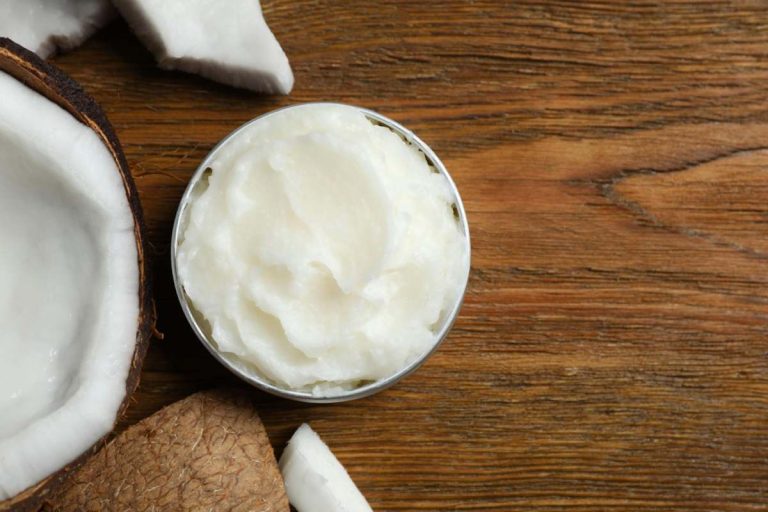
Coconut oil is a plant-based oil extracted from the kernel (meat) of mature coconuts (Cocos nucifera). It is uniquely composed of roughly 90% saturated fat — but not the kind found in animal products. The majority of these fats are medium-chain triglycerides (MCTs), particularly lauric acid, caprylic acid, and capric acid, which the body metabolizes differently from long-chain fatty acids found in most other oils.
There are two main types:
- Virgin (Cold-Pressed) Coconut Oil: Extracted without heat, retains natural antioxidants, flavour, and most bioactive compounds. Best for skin, hair, and raw consumption.
- Refined Coconut Oil: Heat-processed, neutral flavour, higher smoke point (~230°C). Better for high-heat cooking.
Who Can Benefit From Coconut Oil?
This guide is relevant for:
- Women looking for natural hair and skin care solutions
- Fitness enthusiasts exploring clean cooking oils
- People following traditional Ayurvedic or Indian dietary practices
- Anyone managing dry skin, dandruff, or scalp concerns
- Those interested in oral health improvement through oil pulling
- Home cooks wanting to understand which oil suits which dish
Who should use coconut oil cautiously:
- People with high LDL (“bad”) cholesterol or existing cardiovascular conditions should consult a doctor before using it as a primary cooking oil
- Those with tree nut or coconut allergies (rare, but real)
- Anyone on a very low-fat therapeutic diet prescribed by a physician
To understand how this fits into the broader picture, explore our Comprehensive Phoenix Tears Pillar.
The Unique Science of Coconut Oil: Why It Works Differently
Most dietary fats are digested slowly and stored as body fat. MCTs in coconut oil take a shortcut — they are absorbed directly into the liver and converted into quick energy or ketones. This is why coconut oil became central to ketogenic and paleo diets globally.
Lauric acid makes up approximately 47–50% of coconut oil’s fatty acid profile. In the body, lauric acid converts to monolaurin — a compound studied for its antimicrobial and antiviral properties. This is the scientific basis behind many of coconut oil’s traditional uses in skin and oral health.
| Fatty Acid | % in Coconut Oil | Key Role |
|---|---|---|
| Lauric Acid | ~49% | Antimicrobial, skin barrier support |
| Myristic Acid | ~18% | Skin conditioning |
| Caprylic Acid | ~8% | Antifungal, gut health support |
| Capric Acid | ~7% | Antifungal, energy metabolism |
| Oleic Acid | ~6% | Anti-inflammatory (monounsaturated) |
8 Proven Benefits of Coconut Oil (With Real-World Application)
1. Deep Hair Conditioning and Reduced Protein Loss
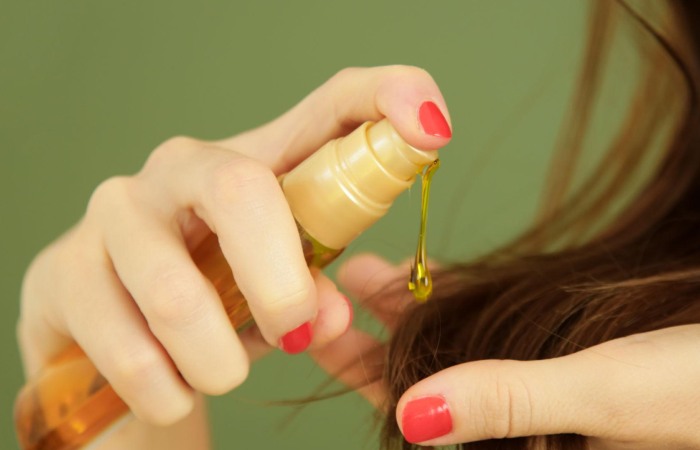
This is perhaps the most scientifically validated topical benefit of coconut oil. A landmark study published in the Journal of Cosmetic Science found that coconut oil — unlike mineral oil or sunflower oil — actually penetrates the hair shaft due to its low molecular weight and straight linear chain structure.
Regular pre-wash coconut oil application significantly reduced protein loss in both damaged and undamaged hair.
How to use: Warm 2–3 teaspoons of virgin coconut oil between your palms. Apply from mid-lengths to ends (not the scalp if you’re oily-prone). Leave on for 30–60 minutes before shampooing. Use twice a week.
India tip: The traditional practice of champi (hot oil head massage) with coconut oil has legitimate science behind it — heat opens the cuticle slightly, allowing better oil penetration.
2. Natural Skin Moisturizer and Barrier Repair
Coconut oil is an effective emollient — it fills in the gaps between skin cells, temporarily restoring smoothness and reducing water loss. Research published in Dermatitis journal found virgin coconut oil as effective as mineral oil in treating mild to moderate xerosis (dry skin).
It also contains tocopherols (Vitamin E) and ferulic acid — natural antioxidants that help protect skin from oxidative stress.
Best for: Dry elbows, cracked heels, post-shave moisturization, body moisturizer in dry climates.
Caution: Coconut oil is comedogenic (rated 4/5) — meaning it can clog pores on acne-prone or oily facial skin. Avoid using it as a facial moisturizer if you’re breakout-prone.
3. Scalp Health and Dandruff Reduction
The caprylic and capric acid in coconut oil exhibit antifungal activity against Malassezia — the yeast most commonly associated with dandruff. While prescription antifungal treatments are more effective for clinical dandruff, coconut oil can serve as a supportive, soothing scalp treatment for mild flakiness and dryness.
How to use: Mix 2 tablespoons coconut oil with 3–5 drops of tea tree oil. Apply to scalp, massage gently, leave for 30 minutes, wash off. Use once or twice a week.
4. Oil Pulling for Oral Health Support
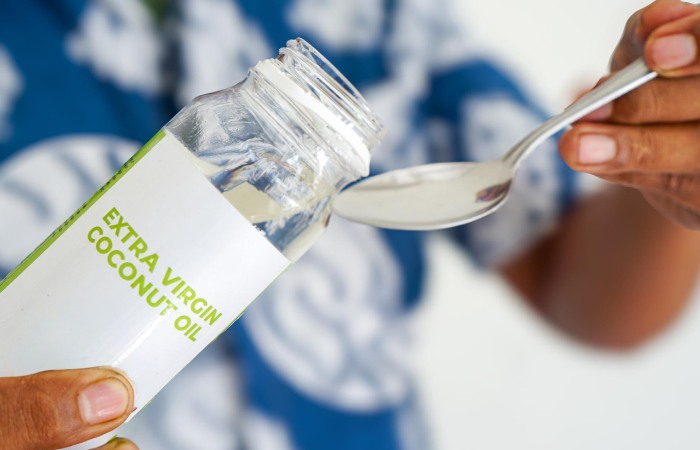
Oil pulling — swishing oil in the mouth for 10–20 minutes — is a traditional Ayurvedic practice (kavala or gandusha) that has garnered modern research attention.
A study in the Journal of Traditional and Complementary Medicine found that oil pulling with coconut oil reduced Streptococcus mutans (the primary cavity-causing bacteria) and improved gum health markers in young adults over a 30-day period.
How to do it: Take 1 tablespoon of virgin coconut oil first thing in the morning. Swish gently for 10–15 minutes. Spit into the bin (not the sink — it can solidify and block pipes). Rinse mouth and brush as normal.
Important: Oil pulling is a complement to brushing and flossing — not a replacement. It does not whiten teeth to a clinically significant degree, despite popular claims.
5. Cooking Stability at Medium-High Heat
Coconut oil’s high saturated fat content makes it more resistant to oxidation at heat compared to polyunsaturated oils like sunflower or soybean oil. Refined coconut oil has a smoke point of approximately 230°C — suitable for most Indian cooking including tadka, sautéing, and stir-frying.
In coastal Indian regions (Kerala, coastal Karnataka, Goa), coconut oil has been the primary cooking fat for generations — and population studies in these regions have historically shown strong cardiovascular health markers despite high coconut oil consumption. This has fuelled ongoing scientific debate about the “saturated fat = heart disease” equation.
6. Supporting the Skin Microbiome
Emerging research in dermatology suggests that virgin coconut oil’s fatty acids may support the diversity and health of the skin’s natural microbiome — the ecosystem of beneficial bacteria living on your skin. This is an area of active research, but early findings are promising for conditions like eczema and atopic dermatitis.
A 2019 clinical trial found that topical virgin coconut oil application improved skin microbiome diversity and reduced Staphylococcus aureus colonization in children with atopic dermatitis compared to mineral oil.
7. Lip Care and Cuticle Nourishment
One of the simplest and safest uses of coconut oil is as a natural lip balm and cuticle oil. Its occlusive properties lock in moisture, and lauric acid’s antimicrobial action can help prevent minor lip cracking from becoming infected.
DIY lip balm: Mix 1 teaspoon coconut oil + ½ teaspoon beeswax (melted) + 2 drops peppermint essential oil. Pour into a small tin. Sets in 15 minutes.
8. Makeup Removal
Virgin coconut oil is an effective, gentle makeup remover — even for waterproof mascara. The oil dissolves oil-based cosmetic products efficiently. It’s a zero-waste, affordable alternative to store-bought cleansing balms.
How to use: Apply a small amount to a cotton pad. Gently wipe off makeup. Follow with a gentle water-based cleanser to remove oil residue (especially important for acne-prone skin).
Coconut Oil in the Kitchen: The Indian Perspective
India is the world’s largest producer of coconuts. In states like Kerala, Tamil Nadu, and coastal Andhra Pradesh, coconut oil is not a trend — it is a centuries-old culinary staple.
For everyday Indian cooking, virgin coconut oil works beautifully in:
- Coconut-based curries and chutneys
- South Indian tadka and tempering
- Stir-fried vegetables and rice dishes
- Baking (as a butter substitute in a 1:1 ratio)
Smoke point comparison of common Indian cooking oils:
| Oil | Smoke Point | Best Use |
|---|---|---|
| Refined Coconut Oil | ~230°C | Stir-fry, deep fry, tadka |
| Virgin Coconut Oil | ~177°C | Low-medium heat cooking, dressings |
| Ghee | ~250°C | High-heat cooking, tadka |
| Mustard Oil | ~250°C | High-heat cooking |
| Sunflower Oil (refined) | ~227°C | General cooking |
Common Mistakes People Make With Coconut Oil
Applying it directly to acne-prone facial skin: Coconut oil’s high comedogenicity makes it unsuitable as a facial moisturizer for many people, despite its natural credentials.
Using it as a sunscreen replacement: Some sources claim coconut oil has an SPF of 4–8. This is dangerously misleading. It offers negligible UV protection and should never replace a broad-spectrum SPF 30+ sunscreen.
Consuming large amounts daily thinking it speeds up metabolism: While MCTs do have a mild thermogenic effect, the impact on weight loss is modest. Coconut oil is still calorie-dense at ~120 calories per tablespoon.
Storing it near heat sources: Coconut oil should be stored in a cool, dark place. While it won’t “go bad” quickly (its saturated nature makes it relatively shelf-stable), prolonged heat exposure can degrade its antioxidant content.
Using old or expired oil on skin: Rancid coconut oil smells sour and can irritate skin. Always check freshness before topical use.
Myths vs. Facts: Coconut Oil Edition
| Myth | Fact |
|---|---|
| “Coconut oil clogs arteries like animal fat” | Its MCT profile metabolizes differently; evidence is mixed for healthy individuals — moderation and context matter |
| “Coconut oil can cure Alzheimer’s disease” | There is no clinical evidence for this. Small studies on MCT oil and cognition exist, but conclusions cannot be drawn |
| “It’s the healthiest oil for everything” | No single oil is universally best. Coconut oil excels in specific applications; olive oil and ghee have their own advantages |
| “Applying coconut oil grows hair faster” | It protects existing hair protein; it does not stimulate follicle growth or hair regrowth |
| “Virgin and refined coconut oil are equally good for skin” | Virgin is significantly better for topical use — it retains more antioxidants and bioactive compounds |
First-Person Observation: What Works in Real Life
Across communities where coconut oil is used consistently — not as a trendy supplement but as a generational kitchen and beauty staple — the results are visible. Women in Kerala with waist-length, conditioned hair who have used coconut oil champi their whole lives are perhaps the most compelling real-world evidence for its topical benefits. The key is consistent, correct use — not overconsumption or unrealistic expectations.
Safety Considerations
Coconut oil is safe for most people when used in moderate amounts as part of a balanced diet and as a topical ingredient. Current dietary guidelines generally recommend limiting total saturated fat intake to under 10% of daily calories.
If you have high LDL cholesterol or a diagnosed cardiovascular condition, speak with your doctor or registered dietitian before making coconut oil a regular cooking fat. This article is informational and does not replace medical or nutritional advice.
FAQs: Benefits of Coconut Oil
Q1: Is coconut oil good for hair growth? Coconut oil does not directly stimulate hair growth. However, it significantly reduces protein loss and breakage, which means existing hair stays stronger and longer. Healthy hair retention can create the appearance of improved growth over time.
Q2: Can I use coconut oil on my face every day? It depends on your skin type. Dry and normal skin types can often tolerate it well, especially on the body. For the face, it’s comedogenic and may cause breakouts in oily or acne-prone skin. Patch test first.
Q3: How much coconut oil is safe to eat per day? Most nutritional experts suggest limiting it to 1–2 tablespoons per day as part of a varied diet. It should complement — not replace — oils higher in monounsaturated fats like olive oil.
Q4: What is the best type of coconut oil to buy? For skin and hair: cold-pressed virgin coconut oil. For high-heat cooking: refined coconut oil. Look for products that are unbleached, non-hydrogenated, and free of added preservatives.
Q5: Does coconut oil help with weight loss? The MCTs in coconut oil have a mild thermogenic effect and may slightly reduce appetite. However, evidence for meaningful weight loss is limited. It is calorie-dense and should be used in moderation within a calorie-conscious diet.
Q6: Can coconut oil be used as a natural deodorant? Its antimicrobial properties can help reduce odor-causing bacteria. Some people use it mixed with baking soda and arrowroot powder as a natural deodorant. It’s not a commercial deodorant replacement but works for mild everyday use.
Q7: Is coconut oil Ayurvedic-approved? Yes. Coconut oil is deeply embedded in Ayurvedic practice — used in oil pulling (kavala), abhyanga (self-massage), and numerous herbal preparations. It is considered cooling (pitta-pacifying) in Ayurvedic classification.
Final Conclusion
The benefits of coconut oil are real, varied, and backed by a growing body of research — but they are also specific. It is an outstanding hair conditioner, a genuinely effective skin moisturizer for dry skin types, a legitimate support for oral health, and a stable cooking fat for medium-heat Indian cooking. Where it falls short is in the exaggerated wellness claims: it will not reverse disease, replace sunscreen, or single-handedly transform your health. Used correctly, within its proven scope, coconut oil earns its place as a multi-purpose staple in every Indian household — just as generations before us already knew. Understanding the real, evidence-backed benefits of coconut oil helps you make smarter, safer choices for your skin, hair, and overall wellbeing.
For more information, explore these benefits of coconut oil and learn more about its potential uses.