Last Updated: September 3, 2026
Here’s something I bet you’ve heard before: “Black don’t crack” or “My skin’s too dark to burn.” Growing up, I heard these phrases constantly. My grandmother would sit in the sun for hours without a care, convinced her melanin was all the protection she needed. Turns out, we were all wrong.
Let me be straight with you – having darker skin doesn’t mean you can skip the SPF. Yeah, melanin does its thing, giving you some natural defense (roughly SPF 13 according to dermatology research). But that’s like bringing a pocket knife to a gunfight when you’re up against UV rays. The American Academy of Dermatology makes it clear: you need at least SPF 30 for proper protection, regardless of how dark your skin is.
What really gets me is this: we’re out here thinking we’re invincible while UV damage is quietly doing its work. Wrinkles, dark spots, uneven tone – and scarier stuff like skin cancer that goes undetected until it’s too late. Medical journals show that Black patients with melanoma have a 71% five-year survival rate compared to 94% for white patients. Why? Because we catch it late, thinking it’s not our problem.
This Article Belongs to Skincare
Table of Contents
🚫 Let’s Kill This Myth Once and For All
Can you burn? Absolutely. Will you see that sunburn turn bright red like lighter skin does? Probably not – the melanin masks it. But trust me, the damage is happening underneath. Your skin cells are getting hammered by UV whether you see it or not.
Here’s What Your Melanin Actually Does (And Doesn’t Do)

Look, I’m not here to trash melanin. It’s amazing! That natural pigment in your skin absorbs UV radiation and turns it into heat – basically like a built-in shield. Problem is, it’s not a complete shield. Think of it more like a rain jacket when you need a full hazmat suit.
Those UVA rays? They’re sneaky little troublemakers that dive deep into your dermis, messing with collagen and elastin. That’s where wrinkles come from. And UVB rays hit the surface layer, causing burns you might not even notice until later. Studies back this up – melanin gives you some buffer, but nowhere near enough for everyday sun exposure.
The Real Science That’ll Make You Rethink Everything
When UV hits your skin, melanin soaks up some of that energy – but not all of it. UVA rays still punch through to deeper layers where they mess with your DNA and break down the stuff that keeps skin firm. Even with more melanin, you’re not blocking 100% of anything. Not even close.
What Happens When You Skip the Sunscreen
Okay, so you’re thinking “I’ve gone years without sunscreen and I’m fine.” Maybe you haven’t gotten a painful burn, but that doesn’t mean damage isn’t piling up. Sun exposure without protection speeds up aging – we’re talking fine lines, deeper wrinkles, and those annoying age spots that seem to pop up out of nowhere.
Dark Spots Are Your Skin’s SOS Signal
Ever notice how a pimple or scratch leaves a dark mark that sticks around forever? That’s called post-inflammatory hyperpigmentation, and guess what makes it worse? Yep – sun exposure. Every time you skip sunscreen, you’re basically telling those dark spots to make themselves at home. Melasma, uneven tone, all that stuff gets amplified by UV rays.
💡 Here’s Something Wild
There’s this type of melanoma called acral lentiginous that shows up on your palms, feet bottoms, or under nails. It’s the most common melanoma in people of color. Even though these spots don’t see much sun, overall UV exposure still jacks up your risk. Bottom line? Protect everything.
The Vitamin D Excuse Needs to Stop
I get it – you’ve heard darker skin makes less vitamin D from sunlight, so you worry about deficiency. Here’s the real talk: risking skin damage for vitamin D is backwards. Eat salmon, drink fortified milk, take a supplement. Don’t fry your skin trying to get nutrients you can grab from the grocery store.
Why “Broad Spectrum” Actually Matters
You’ve probably seen “broad spectrum” on sunscreen bottles and glazed right over it. But this label is crucial – it means the sunscreen blocks both UVA and UVB rays. UVA goes deep (think aging), UVB hits the surface (think burning). You want protection from both.
SPF 30 blocks about 97% of UVB rays. SPF 50? That’s 98%. Sounds like a tiny difference, but if you’re outside all day, that extra percentage adds up. And here’s the kicker – no sunscreen blocks everything, which is why you’ve gotta reapply every couple hours.
Cracking the SPF Code
Don’t get fooled by super high SPF numbers. Once you hit SPF 50, the extra protection becomes minimal. SPF 100 doesn’t give you twice the protection of SPF 50 – it’s more like 99% versus 98%. Save your money and focus on proper application instead.
Finding Sunscreen That Won’t Make You Look Like Casper
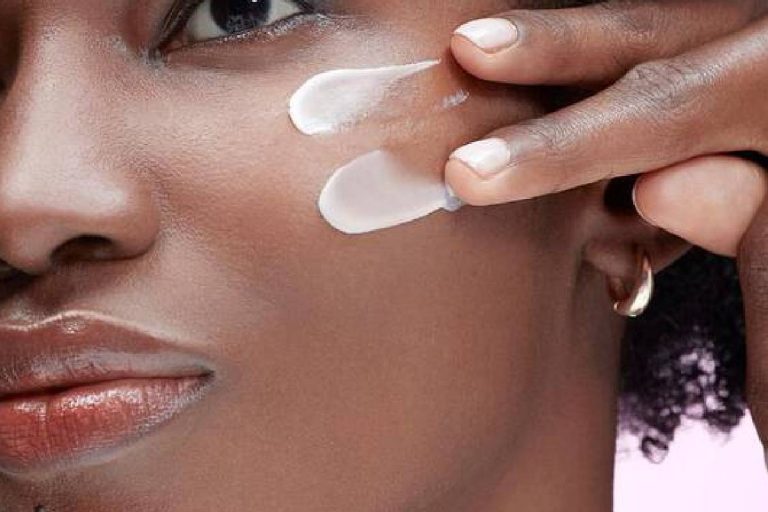
Real talk – most sunscreens used to suck for darker skin. That white, ashy cast was ridiculous. But companies finally got the memo, and now there are tons of options that actually blend in. You just need to know what to look for.
Chemical or Mineral? Here’s the Breakdown
Chemical sunscreens soak into your skin and absorb UV like a sponge, then convert it to heat. These usually go on clear – no white cast drama. Look for avobenzone, octinoxate, or octisalate in the ingredients.
Mineral sunscreens sit on top of your skin like tiny mirrors, reflecting UV away. Zinc oxide and titanium dioxide are the main players here. Old-school versions left that infamous white residue, but newer formulas use micronized particles or add tint to match darker tones.
Your Shopping Checklist
- Tinted options: Brands now make shades specifically for brown and black skin – finally!
- No white cast guarantee: Read reviews from people with your skin tone before buying
- Lightweight feel: Nobody wants heavy, greasy sunscreen. Go for gel or water-based formulas
- Bonus ingredients: Some include niacinamide or vitamin C that help fade dark spots while protecting
- Water-resistant label: Essential if you sweat or swim (and who doesn’t?)
Actually Using It Right
- Slather it on 15-30 minutes before heading outside
- Use a shot glass amount for your whole body – don’t be stingy
- Hit the spots everyone forgets: ears, neck back, hands, tops of feet
- Reapply every 2 hours minimum, sooner if you’re swimming or sweating buckets
- Cloudy day? Still use it. Up to 80% of UV rays laugh at clouds
- Wear it under makeup – your foundation isn’t SPF 30, trust me
Go Beyond Just Slapping On Sunscreen
Sunscreen’s your main defense, but throw in these extras for maximum protection:
- Duck into shade between 10 AM and 4 PM when the sun’s most brutal
- Cover up smart: Long sleeves, big hats, UV-blocking shades aren’t just fashion
- Check your meds: Some prescriptions make you extra sensitive to sun (your pharmacist can tell you)
- Do monthly skin checks: Get familiar with your moles and spots so you notice changes
- See a dermatologist yearly: They catch the stuff you miss
When Money’s Tight
Look, good sunscreen shouldn’t cost a fortune. Yeah, some fancy brands charge premium prices, but drugstore options work just fine – many use identical active ingredients. Generic versions often match name brands molecule for molecule but cost way less. Some insurance covers sunscreen with a prescription, and community health spots sometimes give it away free.
Bottom Line: Stop Playing Games With Your Skin
Listen up – sunscreen isn’t optional for darker skin. Period. The myth that melanin makes you bulletproof needs to die. UV damage, cancer risk, premature aging, hyperpigmentation – all of this hits people with darker skin, sometimes even harder because we’re not looking for it.
Grab a broad-spectrum SPF 30 (minimum), find one that works with your skin tone, and make it as automatic as brushing your teeth. Yes, even when you’re just running errands. Yes, even in winter. Yes, even when it’s overcast. Your 50-year-old self will be grateful you started protecting your skin today.
Start Right Now: If sunscreen hasn’t been part of your routine, today’s the day that changes. Talk to a dermatologist about what works for your specific skin, test out different formulas until you find your match, then commit. Daily sunscreen is hands down the most effective anti-aging move you can make – better than any serum or cream money can buy.
For a better understanding of how sunscreen can fit into your overall skincare routine, you can also read our guide to layering skincare.
If you’re comparing sunscreen and other beauty products, our guide on skincare vs makeup can also help you understand the difference between skincare and cosmetic products.
For more ideas on choosing products for your routine, check out our guide to the best skincare products in 2026.
📌 Remember These Key Points
- Your natural protection maxes out around SPF 13 – you need SPF 30 minimum
- Late-stage melanoma diagnosis rates are higher for people of color
- Sun damage shows up as dark spots and premature aging on darker skin
- Modern formulas exist that won’t leave you looking ashy
- Daily sunscreen beats every anti-aging product on the market