Last Updated: September 11, 2026
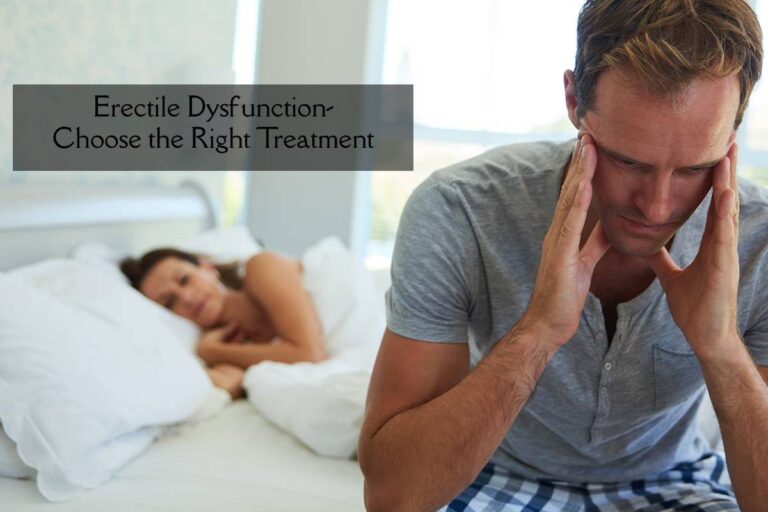
Erectile dysfunction (ED) is the malfunction to get or maintain an erection as firm as possible. Sometimes it is called powerlessness, but this term is rarely used today. Medication is one of the best treatments for ED and you can try this ED solution as it works very well.
Men with ED suffer from the lack of long enough erection during intercourse, which can lead to serious problems in a relationship. However, regular ED can be a leading cause of health conditions needing treatment. It may also be an indication of psychological or relationship issues that a therapist will have to resolve.
It can be experienced by men at any age even if they have not experienced any such condition previously. And also, It can be a temporary issue mostly, however, if erectile dysfunction is a constant problem, it can lead to stress and one must immediately consult a doctor to avoid further complications.
Speaking to your doctor, even though you are not fully comfortable, helps a lot. Managing an underlying disorder is often necessary to cure erectile dysfunction.
this article belongs to Men’s Health
Table of Contents
Causes of Erectile Dysfunction
-
Depression
Depression will weaken your will and cause erectile dysfunction. Interestingly, many of the medications for depression can also be useful in suppressing sexual desire and making it more difficult to get an erection.
-
Low Libido
Low libido does not match erectile dysfunction, but several of the same factors that inhibit an erection will dampen your sexual appetite. And also, Low self-appreciation, stress, anxiety, and some drugs can all decrease your sex drive.
-
Medication
Excessive medicine consumption can affect your romantic life. A long list of popular medicines, including some medicines for blood pressure, pain, and antidepressants, may cause ED.
However, don’t stop taking drugs without first consulting the doctor. Street medications such as amphetamines and cocaine can also induce male sexual difficulties.
-
Alcohol
Heavy consumption of alcohol can lead to problems with erections but typically with temporary consequences. The good news is that medium intake, one or two drinks a day, can have health benefits such as lowering the risk of heart disease. The stakes are close to the risks of erectile dysfunction.
To understand how this fits into the broader picture, explore our Comprehensive Optimized Mens Hair Health Pillar.
Symptoms
The symptoms that indicate you might have erectile dysfunction include:
- Trouble keeping an erection during sexual events
- Difficulty gaining an erection
- Decreased interest in sex
Other symptoms include:
- premature ejaculation
- anorgasmia
- delayed ejaculation
Tests for Erectile Dysfunction
ED testing will include a series of measures, such as a physical exam, your health, and your sexual background. Further testing may be conducted to decide whether an underlying disorder is causing the symptoms.
Treatment
To treat your ED, the doctor will prescribe various treatments depending on the seriousness of your dysfunction.
Oral Drugs (PDE5 inhibitors)
Drugs identified as PDE type-5 inhibitors boost penile blood flow.
Intracavernosal (ICI) and Urethra (IU) Therapies
If oral drugs don’t help, the medication Alprostadil is authorized for consumption in men with ED. This drug originates in two methods, centered on how it is to be utilized: intracavernosal injection or via the urethra.
Surgical Treatment
A penile implant is the principal surgical treatment of ED. As it not advised to undergo penile vascular surgery for old males with failed PDE5, ICI, or IU therapies, implants will be the last phase for these patients.
Lifestyle Changes That May Support Better Sexual Health
Treatment for erectile dysfunction does not always depend on medication or surgery alone. Lifestyle habits can also play an important role in supporting overall health and may be useful alongside treatment recommended by a doctor. Since erection problems can sometimes be connected with stress, alcohol use, certain health conditions, or medication, improving everyday habits may be an important part of a broader approach.
You may also find our companion piece on Premature Ejaculation Overview helpful for further context.
Maintain a Balanced Diet
A healthy diet supports the body’s overall function, including cardiovascular health and circulation. Try to include vegetables, fruits, whole grains, lean sources of protein, and other nutritious foods in your regular meals.
Highly processed foods and excessive amounts of sugar or unhealthy fats may make it harder to maintain a healthy lifestyle. Instead of making sudden and extreme changes, focus on building consistent eating habits that you can maintain over time.
Stay Physically Active
Regular physical activity can be beneficial for general health and may support healthy circulation. Walking, cycling, swimming, strength training, and other enjoyable forms of exercise can help you remain active.
You do not necessarily need an intense workout program. Starting with manageable activities and gradually increasing your routine can make exercise easier to maintain. Consistency is usually more important than trying to exercise intensely for a short period.
Manage Stress and Anxiety
Mental and emotional health can also affect sexual experiences. Stress, anxiety, relationship difficulties, and worries about sexual performance may contribute to erection problems or make existing symptoms feel worse.
Finding healthy ways to manage stress can be helpful. Some people may benefit from regular exercise, relaxation techniques, hobbies, meditation, or spending quality time with supportive people.
If anxiety, depression, or relationship concerns are significantly affecting your well-being, speaking with a qualified mental health professional may provide additional support.
For related practical techniques, check out our insights in Mens Fat Loss And Muscle Gain Practical Tips.
Limit Alcohol and Avoid Smoking
The article already discusses alcohol as one possible factor associated with erectile difficulties. Reducing heavy alcohol consumption may therefore be an important lifestyle consideration.
Smoking is another habit that can negatively affect overall health. If you smoke, seeking professional help to quit can be a valuable step toward improving your general well-being.
Making these changes can be challenging, so it is reasonable to seek guidance rather than expecting yourself to change everything immediately.
Review Your Medications With Your Doctor
Certain medications may contribute to sexual difficulties in some people. However, you should never stop, reduce, or replace a prescribed medicine on your own.
Instead, discuss your concerns with your doctor. They can review your medications and determine whether another treatment option may be appropriate for your circumstances. Keeping an accurate list of the medicines and supplements you use can make these conversations easier.
Communicate With Your Partner
Erectile dysfunction can affect confidence and relationships, especially when the issue continues for a long time. Open communication with your partner can help reduce misunderstandings and unnecessary pressure.
Talking honestly about your concerns can make it easier for both people to understand what is happening. A supportive relationship can also make it easier to seek professional help and follow a treatment plan.
Cross-reference standard wellness taxonomy with the Encyclopaedia Britannica Reference.
Follow Up With Your Healthcare Professional
Because erectile dysfunction can sometimes occur alongside other health concerns, ongoing medical evaluation may be important. Follow-up appointments allow your doctor to review your symptoms, assess how well treatment is working, and make changes when necessary.
Rather than feeling embarrassed about discussing sexual health, remember that it is a legitimate medical concern. Getting appropriate professional guidance can help identify possible causes and determine the most suitable treatment approach.
Ultimately, managing erectile dysfunction may involve a combination of medical treatment, lifestyle changes, and attention to mental and emotional well-being. Taking a gradual and informed approach can help you work toward better overall health while addressing the factors that may be contributing to your symptoms.