

Last Updated: November 26, 2026
SmartLipo is a form of laser liposuction that melts fat before removing it, which often means less bruising and some added skin tightening. The traditional method uses suction alone and tends to suit larger areas or bigger volumes of fat. The better choice depends on how much fat you want gone, where it sits, and how firm your skin is.
At Contour Plastic Surgery, both procedures are offered as part of the practice’s body contouring treatments. Neither one is a weight-loss tool. They work best for people near their goal weight with stubborn fat that diet and exercise won’t touch.
Table of Contents
How Does Laser Liposuction Work?
The procedure starts with a tiny incision. A numbing solution is injected into the treatment area. A thin cannula with a laser tip moves beneath the skin and targets fat cells, causing them to swell, break open, and liquefy. The surgeon then removes the liquefied fat. However, in small areas the body absorbs it naturally.
The laser also stimulates collagen, which can help the skin look firmer over the following weeks. Because the incisions are so small, laser-assisted SmartLipo treatment typically requires no stitches and leaves little to no visible scarring.
How Is Traditional Lipo Different?
Traditional liposuction relies on suction rather than laser energy. The surgeon first injects a tumescent solution of saline, a numbing agent, and a medication that limits bleeding. A cannula then loosens and draws out the fat.
This approach suits larger zones like the abdomen, back, and thighs. This can be done under local or general anesthesia as an outpatient procedure depending on the size of the treatment areas. One key limitation is that it does not tighten loose skin on its own.
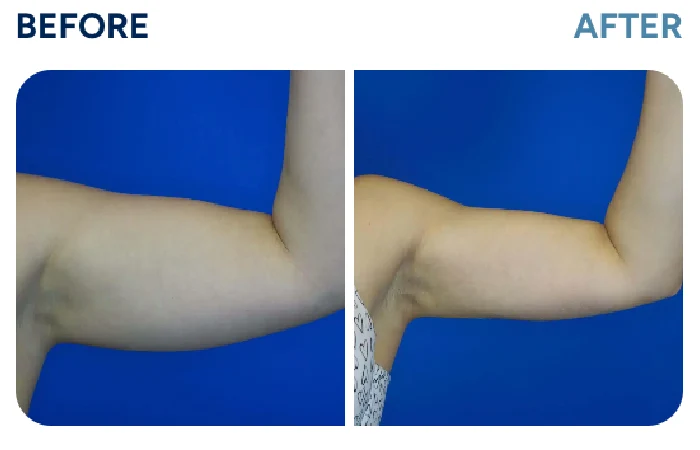
Comparing Recovery, Results, and Skin Tightening
The biggest practical differences between these two techniques show up after surgery. How long you rest, how soon you see a change, and how your skin settles all shape the experience. Knowing this ahead of time makes it easier to plan around work, family duties, and your exercise routine.
Recovery and Downtime
The laser technique generally causes less bleeding and bruising. Smaller areas, such as the hips, can often be treated under local anesthesia. With suction-only lipo, patients wear a compression garment, and bruising and swelling usually fade within about a week.
When You’ll See Results
Many laser patients notice changes within the first week, with optimal results appearing by about six weeks. Suction-based results take longer to settle, often several months, as swelling resolves. In both cases, the treated fat cells are gone for good. New fat can still form if healthy habits slip.

Why Surgeon Experience Matters
At Contour Plastic Surgery, Dr. Robert Paresi is double board-certified by the American Board of Plastic Surgery and the American Board of Surgery. Completing a plastic surgery fellowship at Rush University Medical Center and performing more than 10,000 procedures.
Every procedure takes place in an accredited surgical facility. Because each body stores fat differently, body contouring results can vary from one patient to the next, even with the same technique.
Which Fat Removal Method Fits Your Goals?
The laser option tends to work well for smaller, more delicate areas with mild skin laxity, including the arms, neck, hips, and flanks. The conventional method is often the stronger fit for larger volumes. The American Society of Plastic Surgeons suggests keeping fat removal to roughly 10 pounds or less, since larger amounts raise the risk.
If loose skin bothers you more than fat, a tummy tuck or thigh lift may serve you better. A surgeon can help you weigh these trade-offs and recommend the safest path for your body.
Finding the Right Fit
Choosing between laser liposuction and a suction-based approach comes down to your anatomy, goals, and skin quality. A personal consultation is the clearest way to get an answer. Contour Plastic Surgery in Downers Grove, IL, offers both techniques and can explain how they compare with other body and face procedures if a combination makes more sense for you.