Last Updated: January 7, 2026
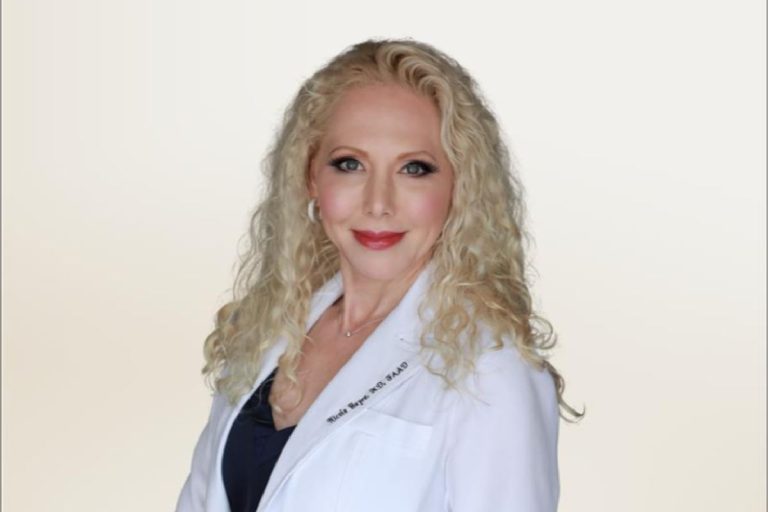
For decades, anti-aging skincare has focused on repairing visible damage and slowing the loss of collagen. But in my practice and research, I started to notice a pattern that could not be explained by retinoids, peptides, or SPF alone. Patients who were in love often came in glowing, while others experiencing heartbreak or chronic stress seemed to visibly age. Their skin looked either healthier or more inflamed and depleted, and I could not ignore the emotional patterns underlying those changes.
This observation led me to investigate oxytocin, a hormone traditionally known for its role in bonding and emotional regulation. As it turns out, oxytocin also plays a critical role in the biology of the skin. What began as a clinical curiosity turned into a multi-year research journey, resulting in a published study and the creation of Cutocin®, the first skincare product formulated to support the skin through oxytocin-related pathways.
Table of Contents
Understanding Oxytocin and the Skin
Oxytocin is a neuropeptide released in the brain during moments of connection, such as hugging, falling in love, or holding a child, but it is also produced in the skin itself. Specifically, keratinocytes, the primary cells in the outer layer of the skin, release oxytocin in response to gentle, nurturing touch. Once released, oxytocin binds to receptors on fibroblasts, the cells that produce collagen, elastin, and other vital structural proteins in the skin.
This receptor binding inhibits a biological process called the senescence-associated secretory phenotype (SASP). The SASP pathway plays a major role in the visible aging of skin, as it promotes chronic inflammation and the breakdown of healthy tissue. By downregulating this pathway, oxytocin can help protect the skin from inflammatory damage and preserve its youthful function and appearance.
My initial interest in oxytocin came from those real-life patient patterns. People in new relationships looked more radiant, while those under emotional strain often experienced dullness, dryness, or breakouts. That led me to ask: was something hormonal happening beneath the surface?
To explore the connection further, I conducted a clinical study that measured oxytocin levels and correlated them with skin health. What I found was that participants with higher oxytocin levels had visibly healthier and younger-looking skin than those with lower levels. This study, published in the Journal of Drugs in Dermatology, was the first to show clinical effects of oxytocin on the skin.
The Discovery That Led to Cutocin®
Following these findings, I began searching for a way to support this skin-hormone connection topically. My goal was not to apply oxytocin directly but to find a safe, natural compound that could potentially activate similar pathways in the skin. Through this search, I identified a botanical that has been used for centuries in midwifery due to its oxytocin-like effects on the body. After extensive formulation work and testing, that compound became the foundation for Cutocin®, which now includes a patented version of this plant extract.
Developing this product required more than simply selecting the right ingredient. The delivery system had to allow the compound to penetrate the skin safely and effectively, without triggering irritation or inflammation. Cutocin® was designed with clean, dermatologically sound ingredients that work in harmony with the skin’s natural biology. The result is a product that feels luxurious while quietly supporting the skin’s deeper cellular processes.
How Cutocin® Supports the Skin
Cutocin® is the first skincare product designed to mimic the beneficial effects of oxytocin at the skin level. It works through an oxytocin-like effect, supporting the skin’s ability to maintain its structure, manage inflammation, and recover from environmental stress. Unlike many anti-aging products that rely on exfoliation or aggressive stimulation, Cutocin® helps the skin regulate itself more intelligently.
Users of the product often report a visible difference in tone, elasticity, and overall brightness. These improvements reflect more than surface-level change—they point to enhanced skin function and reduced signs of stress-induced aging. This skincare line avoids common irritants and is designed for all skin types, making it a modern solution for consumers who want both efficacy and skin harmony.
Why This Approach Matters
The skincare industry has reached a saturation point. Consumers are overwhelmed by products that promise transformation but deliver minimal results. Many of these products focus on a single mechanism—like increasing cell turnover or hydrating the outermost layer—without considering the underlying biology that drives skin health.
What we need now is a more integrative approach. The emerging category of neurocosmetics acknowledges the skin’s relationship to the nervous and endocrine systems, and recognizes that how we feel emotionally can influence how we look physically. This is not a marketing trend. It is a scientific reality, and Cutocin® is one of the first products developed specifically with this connection in mind.
By supporting the oxytocin signaling system in the skin, Cutocin® offers a novel approach to anti-aging—one that aligns with how the body actually functions under conditions of safety, care, and connection. It is not about fighting the skin into submission. It is about helping it to work better, naturally.
What the Future Holds for Oxytocin-Based Skincare
There is still much to learn about oxytocin’s role in dermatology, and even more to discover about its role in human health overall. The Oxytocin Social Exchange System (O-SEX) is a growing framework that examines how oxytocin affects communication between cells, organs, and even individuals. This system may eventually help explain how connection itself promotes healing and longevity, not just emotionally, but biologically.
In dermatology, I believe the next wave of innovation will involve targeting not just external signs of aging, but the internal cellular triggers that accelerate it. One of the most important of these is the SASP system. While we cannot claim that Cutocin® definitively controls these biological processes, its development was based on research that explores how to support the body’s natural ability to manage them.
Looking forward, I believe physicians and consumers alike will begin to recognize the power of human connection in physical health. Skincare is no longer just about hydration or exfoliation. It is about understanding how the body works as an interconnected system and supporting it accordingly.
A New Understanding of Skin and Beauty
We have long said that beauty is more than skin-deep. With advances in neurobiology and dermatological research, skincare is finally starting to reflect that idea. We are entering an era where anti-aging is not just about reversing damage or masking imperfections. It is about supporting the skin’s own intelligence and acknowledging the role that hormones, emotions, and connection play in how we age.
Cutocin® was developed from this belief that real skin health comes from within, and that emotional biology is part of the equation. The next great leap in skincare may not begin with a synthetic molecule or a new delivery system. It may begin with a feeling. One that calms the nervous system, reduces inflammation, and allows the skin to do what it was designed to do: regenerate, repair, and radiate health.