Last Updated: September 28, 2026
Obstructive sleep apnea is a health condition that results in breathing problems while sleeping. Under this condition, individuals are unable to breathe for a short period as they sleep at night. It is due to a blockage of the respiratory channel. Your chest muscles cannot open the tracks of your airway and pull in oxygen to the lungs. The body of the patient takes a jerk, and the breathing continues after a loud cast. Such a sleep disorder reduces the flow of oxygen and can also disrupt the rhythm of the heart.
this article belongs to Sleep & Rest
Table of Contents
Diagnosis of the condition
Your health care provider undertakes a physical examination and a few tests based on your symptoms to identify your condition. The medical expert examines the mouth, nose, and throat for any abnormalities during the physical examination. Some doctors also analyze the circumference of the waist and neck. In case of severity of the disorder, your general practitioner might ask you to consult a sleep specialist for further evaluation.
Clinical examination
Your health care expert might recommend several tests to detect sleep apnea disorder. The tests undertaken to identify the problem are as follows:
Whole night monitoring through polysomnography.
Under polysomnography, a piece of equipment is attached to the patient’s body to monitor the functioning of the heart-brain and breathing. It also monitors the movement of the Limbs and the levels of oxygen during the hours of sleep. Under split night sleep study, the Healthcare provider monitors the patient for the first few hours of the night. After that, the team might wait for the patient to provide airway pressure in the second half. You can rule out sleep disorders with the help of polysomnography, such as sleepiness during the day. In some instances, health experts advise a home version of polysomnography to identify obstructive sleep apnea disorder. The clinical examination encompasses the measurement of breathing patterns, oxygen levels, and airflow within the individual.
To understand how this fits into the broader picture, explore our Comprehensive Make Sleeping While Pregnant Pillar.
Treatment of the disorder
For undertaking OSA treatment, doctors recommend lifestyle changes, therapies, and surgery if the condition is severe.
Lifestyle change
- It is essential to losing some weight if the patient is suffering from obesity.
- Regular exercise also plays a crucial role in treating sleep disorders.
- You must minimize the consumption of alcohol and avoid drinking at bedtime.
- Smoking also affects the quality of sleep. People with sleep apnea disorders should quit smoking.
- Another remedy for a sleep disorder is to clear nasal congestion through medicines.
- Some health experts also recommend avoiding sleeping on the back.
- Avoid taking medication to ease sleep as it may increase dependency.
Therapeutic approach
Airway pressure
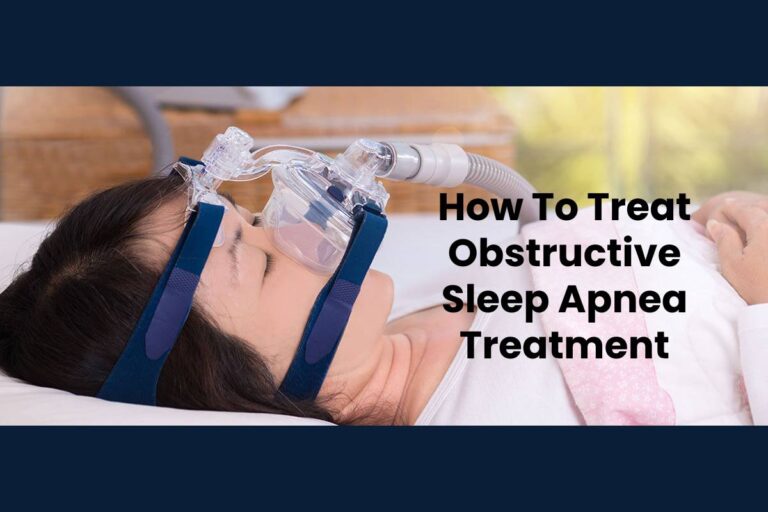
Positive Airway pressure is an effective solution to your Sleep Apnea disorder. Your doctor might fix a machine under this procedure to allow air pressure to pass through your nose and mouth during sleeping hours. Airway pressure minimizes the blockage of air while you are sleeping. It is a consistent and successful method to treat sleep disorders. Nowadays there has been advancement in the air pressure machines thereby making it smaller and less noisy.
You may also find our companion piece on Cons Of The Different Mattress Types Overview helpful for further context.
Mouthpiece
People with mild symptoms of sleep apnea treat their problems with the help of oral devices. A mouthpiece or oral device is an alternative to positive air pressure and reduces sleeplessness at night, thereby enhancing the life quality.
Before planning your treatment, the team at the sleep center might monitor your breathing overnight. It helps to identify the different functions of your body.
Understanding The Symptoms Of Obstructive Sleep Apnea
Obstructive sleep apnea can produce symptoms that are not always noticed by the person experiencing them. Loud snoring is one common sign, although not everyone who snores has sleep apnea. Other possible symptoms include repeated pauses in breathing during sleep, waking with a dry mouth, morning headaches, restless sleep, difficulty concentrating, and excessive daytime tiredness.
A sleeping partner may sometimes notice changes in breathing before the individual does. Gasping, choking, or sudden movements during the night can also be signs that breathing is being interrupted. Keeping track of these symptoms can help a healthcare professional understand what is happening during sleep.
Why Diagnosis Is Important
Recognizing and evaluating sleep apnea is important because repeated interruptions in breathing can affect the quality and continuity of sleep. A person may spend enough time in bed but still wake feeling unrefreshed because sleep is repeatedly disrupted.
Daytime sleepiness can also affect normal activities such as working, studying, driving, or operating equipment. For this reason, persistent symptoms should not simply be dismissed as ordinary tiredness. A healthcare professional can determine whether the symptoms are related to sleep apnea or another sleep-related condition.
For related practical techniques, check out our insights in A Guide To Resolving Sleep Disorders Practical Tips.
Understanding Positive Airway Pressure Therapy
Positive airway pressure therapy is commonly used to help keep the airway open during sleep. Depending on the individual’s situation, different types of devices may be considered by a healthcare professional. The device generally works by delivering a controlled flow of air through a mask or other interface.
Getting used to a positive airway pressure device may take time. Some people need to experiment with mask fit, sleeping position, or routine under professional guidance to find a comfortable approach. Regular follow-up can also help address problems such as discomfort, air leakage, or difficulty maintaining consistent use.
The Role Of Oral Appliances
Oral appliances can be considered for certain people with obstructive sleep apnea, particularly when a healthcare professional determines that this approach is suitable. These devices are designed to influence the position of structures in the mouth and jaw during sleep so that the airway can remain more open.
An oral appliance should be selected and fitted appropriately rather than treated as a generic mouthguard. Follow-up is important because the effectiveness and comfort of the device need to be evaluated over time.
Refer to peer-reviewed wellness summaries from Harvard Health Publishing Archive.
Surgery And Other Treatment Options
In some cases, surgery may be considered when other approaches are not suitable or when there is a structural issue contributing to airway obstruction. The type of procedure depends on the individual’s anatomy, symptoms, and overall medical situation.
Treatment decisions should be made with an appropriately qualified healthcare professional. There is no single approach that works for every person with obstructive sleep apnea, so evaluation and follow-up are important parts of the process.
Improving Sleep Habits
Healthy sleep habits can complement medical treatment. Maintaining a regular bedtime and wake-up schedule, creating a comfortable sleeping environment, and allowing enough time for sleep may support better overall sleep quality.
People should also follow the treatment plan recommended by their healthcare provider rather than stopping a prescribed therapy simply because symptoms improve. Regular follow-up can help determine whether the treatment continues to work effectively.
When To Speak With A Healthcare Professional
Persistent loud snoring, witnessed breathing pauses, nighttime gasping, or significant daytime sleepiness are reasons to discuss symptoms with a healthcare professional. A person who regularly feels exhausted despite getting adequate time in bed may also benefit from an evaluation.
Early assessment can help identify the cause of disrupted sleep and determine whether a sleep study or another form of testing is appropriate. With proper evaluation and a suitable treatment plan, people with obstructive sleep apnea can take practical steps toward improving their sleep and daily wellbeing.